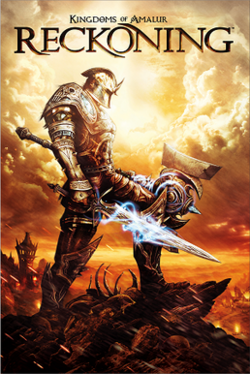
Introduction: The Next Chapter for Kingdoms of Amalur: Reckoning
Kingdoms of Amalur: Reckoning, released in 2012, represents a fascinating case study in game development. Born from the ambition of Curt Schilling’s 38 Studios and brought to life by Big Huge Games, the title aimed to introduce players to the rich lore of Amalur, initially conceived for an ambitious MMORPG project called Project Copernicus. While Project Copernicus ultimately didn’t materialize as planned, Reckoning served as a crucial stepping stone, offering a taste of the world and its intricate systems. The game distinguishes itself through its unique blend of action-RPG combat, deep character customization, and a vibrant fantasy setting. This Masterclass Deep-Dive will dissect every facet of Kingdoms of Amalur: Reckoning, from its technical underpinnings to its narrative strengths and weaknesses, providing an in-depth analysis for the discerning gamer.
Visual Direction and Graphics Engineering
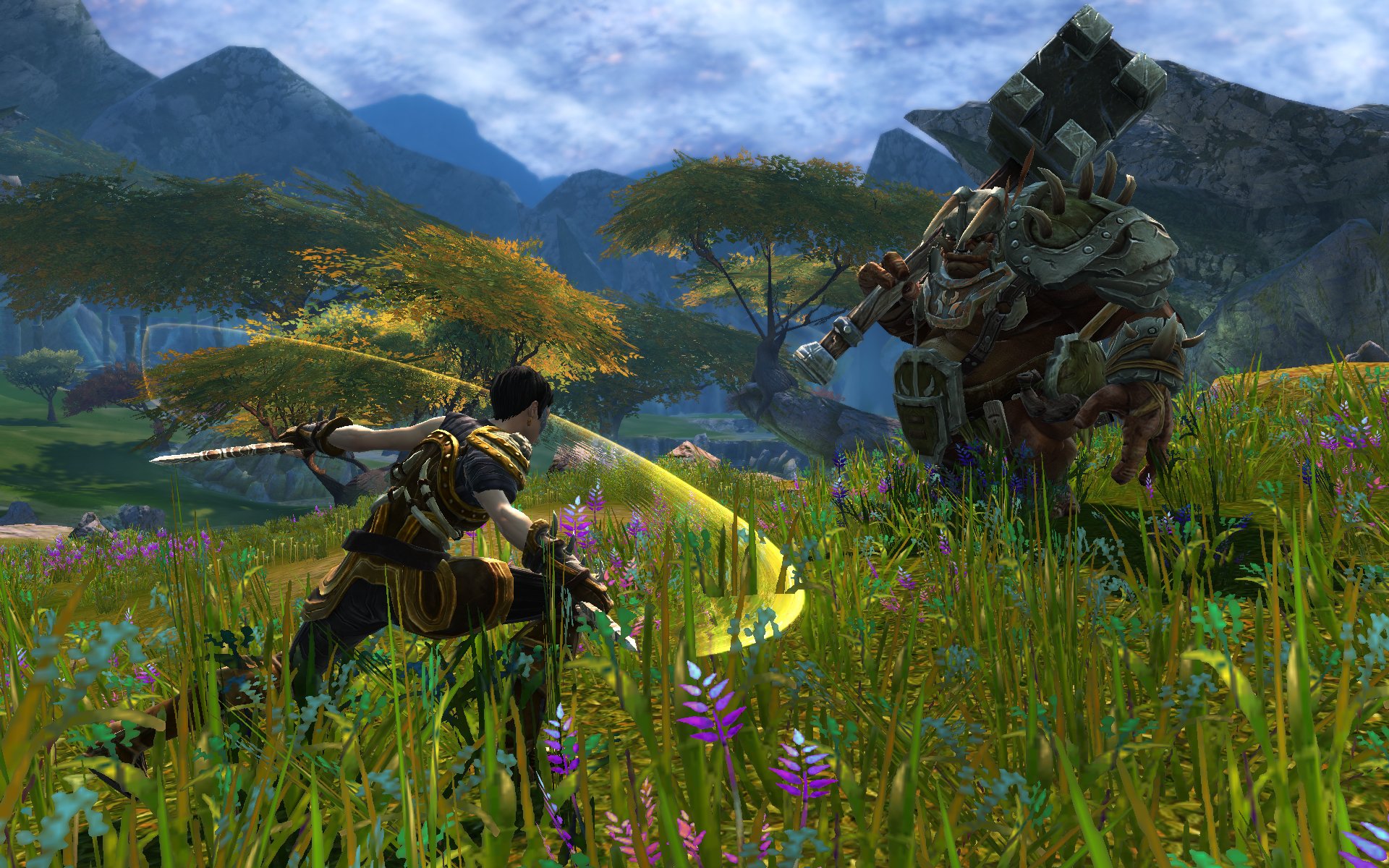
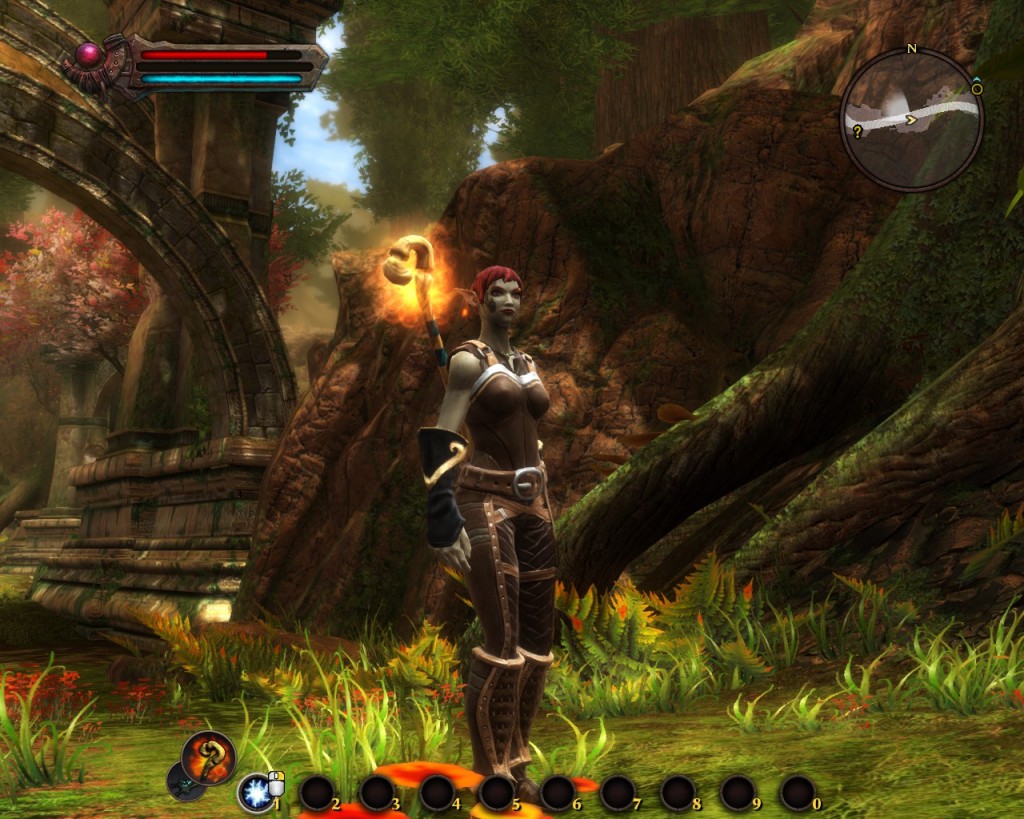
Visually, Kingdoms of Amalur: Reckoning presents a stylized aesthetic that leans towards vibrant colors and exaggerated character designs. While not pushing the boundaries of graphical fidelity at the time of release (targeting PlayStation 3, Xbox 360, and PC), the game’s art direction successfully creates a visually appealing and memorable world. The environments are diverse, ranging from lush forests to imposing castles, each meticulously crafted to reflect the unique cultures and histories of Amalur. The proprietary engine, while not named specifically, allowed for dynamic lighting effects and detailed character models that contributed to the game’s overall visual charm. Optimization was clearly a priority, ensuring smooth performance across the target platforms.
Gameplay Mechanics and Core Systems
The heart of Kingdoms of Amalur: Reckoning lies in its innovative gameplay mechanics. The “Destiny” system allows players to freely experiment with different character builds, seamlessly switching between warrior, mage, and rogue archetypes without being locked into a single path. This freedom is further enhanced by the game’s unique combat system, which emphasizes timing and precision over button-mashing. Players can master various weapon types, each with its own distinct moveset and playstyle. The crafting system allows for deep customization of weapons and armor, adding another layer of depth to the gameplay experience.
Level Design and World Atmosphere
The world of Amalur is vast and varied, offering a wealth of locations to explore. From the sprawling forests of Pirrah to the imposing city of Mel-Shatra, each region feels distinct and alive. The level design encourages exploration, with hidden areas and secrets waiting to be discovered. While some environments may feel somewhat repetitive at times, the overall sense of scale and atmosphere is undeniably impressive. The game’s world is populated by a diverse cast of characters, each with their own stories to tell.
Narrative Depth and Character Profiles
The narrative of Kingdoms of Amalur: Reckoning centers around the “Fateless One,” a resurrected individual who defies destiny itself. While the main storyline may not be groundbreaking, it provides a solid foundation for exploring the rich lore of Amalur. The game features a memorable cast of characters, each with their own motivations and backstories. Some characters are more compelling than others, but overall, the narrative is engaging enough to keep players invested in the world.
Sound Design and Acoustic Realism
The sound design in Kingdoms of Amalur: Reckoning plays a crucial role in immersing players in the game’s world. The soundtrack, composed by Grant Kirkhope and Mark Cromer, perfectly complements the visuals and enhances the overall atmosphere. The sound effects are also well-executed, adding weight and impact to the combat encounters. The voice acting is generally solid, although some performances may be more memorable than others.
Release Expectations and Community Hype
Prior to its release, Kingdoms of Amalur: Reckoning generated considerable hype within the gaming community. The involvement of industry veterans like Todd McFarlane and Ken Rolston added to the anticipation. However, the game’s association with 38 Studios also raised concerns among some players, given the company’s financial difficulties. Despite these mixed signals, Kingdoms of Amalur: Reckoning ultimately proved to be a solid entry in the action-RPG genre.
Conclusion: The Future of Kingdoms of Amalur: Reckoning
Kingdoms of Amalur: Reckoning remains a compelling title for fans of action-RPGs. Its unique blend of gameplay mechanics, deep character customization, and vibrant fantasy setting continues to resonate with players. While the game may not be without its flaws, it offers a memorable experience that is well worth exploring. The recent re-release on modern platforms has breathed new life into the title, allowing a new generation of gamers to discover the world of Amalur. The future of Kingdoms of Amalur: Reckoning remains uncertain, but the enduring popularity of the game suggests that its legacy will continue for years to come.
Source: Wikipedia


