


About this game
Introduction: The Next Chapter for Killzone
Killzone, a cornerstone of Sony’s first-party lineup, has consistently delivered visceral combat and compelling narratives within its sci-fi universe. From its humble beginnings on the PlayStation 2 to its evolution into a visually stunning experience on the PlayStation 4, the series represents a significant chapter in gaming history. This deep dive will explore the technical prowess, design choices, and overall impact of Killzone, examining what made it a critical success and how it has shaped the landscape of first-person shooters. We’re not just looking at pixels; we’re dissecting the very DNA of this iconic franchise.
Visual Direction and Graphics Engineering
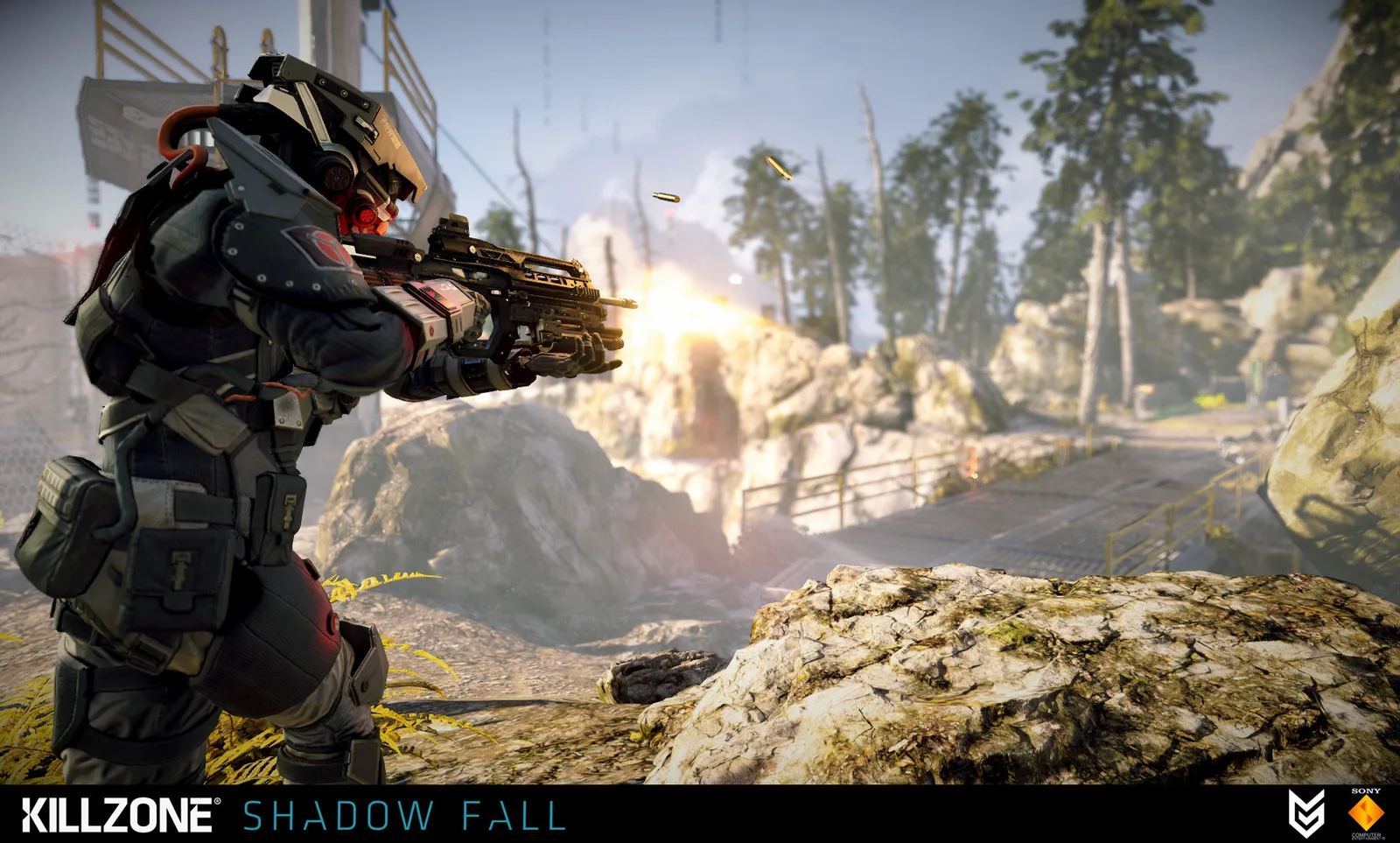
Killzone was always known for its graphical fidelity, pushing the boundaries of console hardware. The proprietary engine developed by Guerrilla Games allowed for unprecedented levels of detail in character models, environments, and special effects. showcases the evolution of Killzone’s visual style, demonstrating how each iteration built upon the previous one to create increasingly immersive worlds. The use of advanced rendering techniques like dynamic lighting and particle effects played a crucial role in creating a sense of realism and scale. Later installments leveraged the power of the PlayStation 4 to deliver breathtaking vistas and intense firefights that were truly next-gen experiences. Understanding the engine’s architecture is key to appreciating the visual achievements of the series.
Gameplay Mechanics and Core Systems
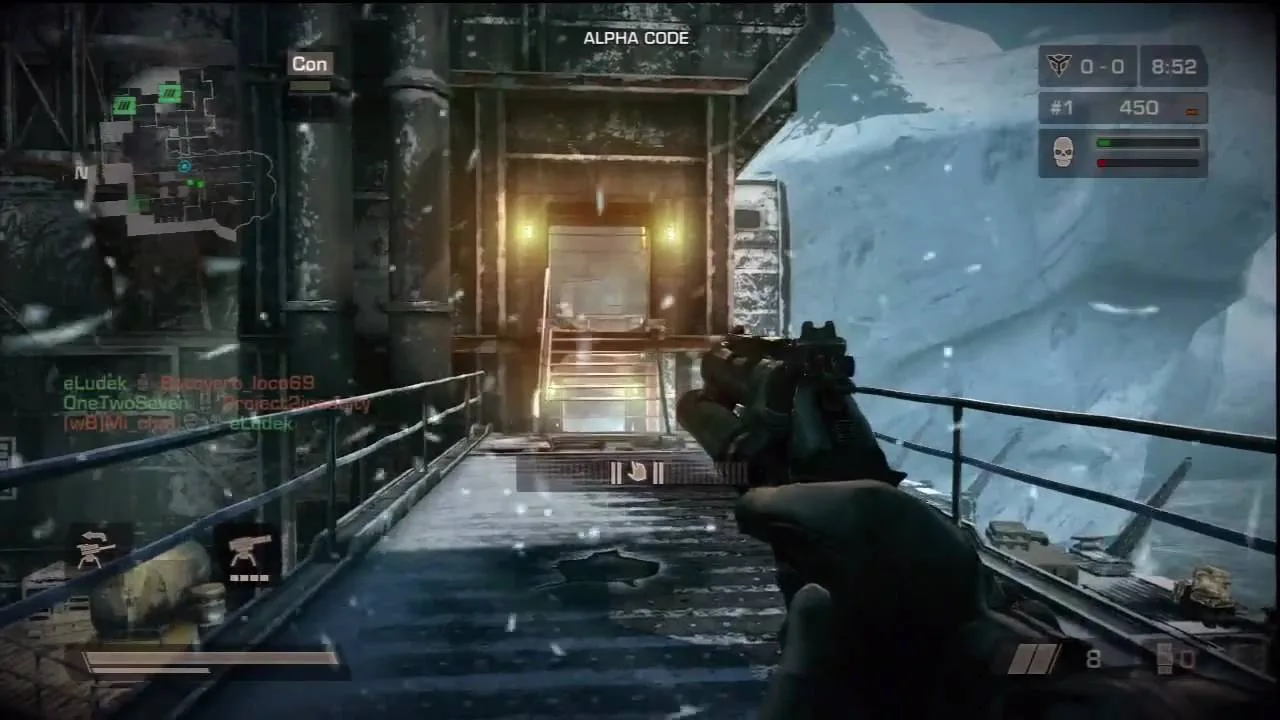
At its heart, Killzone is a first-person shooter focused on tactical combat. The gameplay mechanics emphasize cover-based shooting, strategic positioning, and weapon customization. Players are constantly challenged to adapt to changing battlefield conditions and utilize their surroundings to gain an advantage. The AI of both enemies and allies was also a key element, providing a dynamic and unpredictable experience. illustrates the core gameplay loop: cover, shoot, reload, repeat, but with layers of strategic depth that kept players engaged. Weapon variety and upgrade systems added another layer of customization, allowing players to tailor their loadouts to suit their playstyles.
Level Design and World Atmosphere
The level design in Killzone is a masterclass in creating immersive environments. From the claustrophobic corridors of enemy bases to the vast, open battlefields, each location tells a story and contributes to the overall atmosphere. The attention to detail in the world-building is remarkable, with every nook and cranny filled with visual cues that enhance the sense of realism. Whether it’s the decaying infrastructure of Helghan or the stark beauty of ISA outposts, Killzone’s environments are as much a part of the experience as the gameplay itself.
Narrative Depth and Character Profiles
While known for its action, Killzone also boasts surprisingly deep narratives and compelling character arcs. The conflict between the ISA and the Helghast is more than just a simple good vs. evil scenario; it explores themes of war, sacrifice, and the human cost of conflict. Characters like Jan Templar are complex and flawed individuals, making them relatable despite their roles in an interstellar war.
provides insight into the character motivations and the overarching story that drives the series forward.
Sound Design and Acoustic Realism
The sound design in Killzone is another critical element of its success. The roar of weapons, the crunch of footsteps on metal, and the cries of soldiers all contribute to a visceral and immersive experience. The use of directional audio allows players to pinpoint enemy locations and react accordingly. The soundtrack also plays a crucial role, setting the tone for each level and enhancing the emotional impact of key moments.
Release Expectations and Community Hype
Each new Killzone release generated significant hype within the gaming community. Fans eagerly awaited news about gameplay mechanics, graphics upgrades, and story developments. Guerrilla Games consistently delivered on these expectations, solidifying Killzone’s reputation as a must-play franchise for PlayStation owners. The anticipation surrounding each installment was palpable, fueled by trailers, gameplay demos, and developer interviews.
Conclusion: The Future of Killzone
Killzone represents a significant achievement in gaming history, pushing the boundaries of console hardware and delivering a consistently engaging experience. While its future remains uncertain, its legacy as a cornerstone of Sony’s first-party lineup is secure. The series has influenced countless other games and continues to be remembered fondly by fans around the world. symbolizes the enduring impact of Killzone on the gaming landscape.
Source: Wikipedia
Gallery

Join the conversation