Introduction: The Next Chapter for Killzone 3
Killzone 3, released in 2011 by Guerrilla Games and published by Sony Computer Entertainment, represented a significant leap forward for the franchise. Building upon the foundation laid by its predecessor, Killzone 2, this installment aimed to refine gameplay mechanics, enhance visual fidelity, and deliver a more immersive narrative experience on the PlayStation 3. The game marked a pivotal moment in the series’ evolution, introducing stereoscopic 3D support and leveraging the power of the PlayStation Move for enhanced interactivity. This Masterclass Deep-Dive will dissect every facet of Killzone 3, from its groundbreaking graphics engine to its compelling storyline, providing an exhaustive analysis for discerning gamers.
Visual Direction and Graphics Engineering
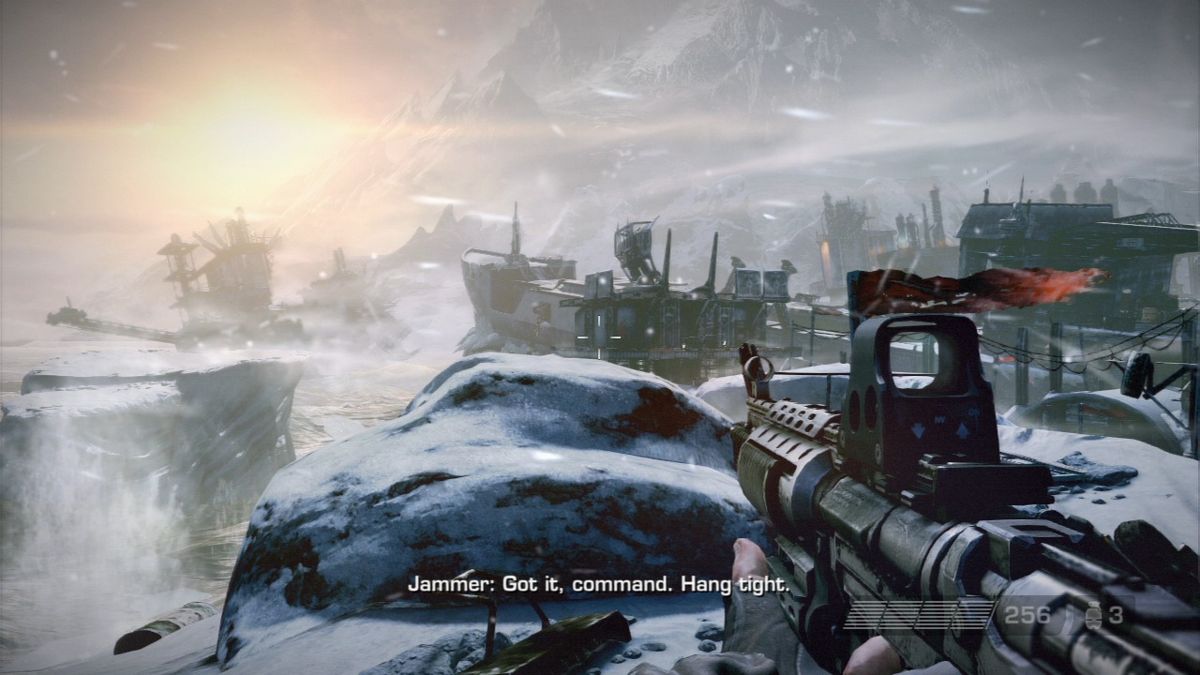
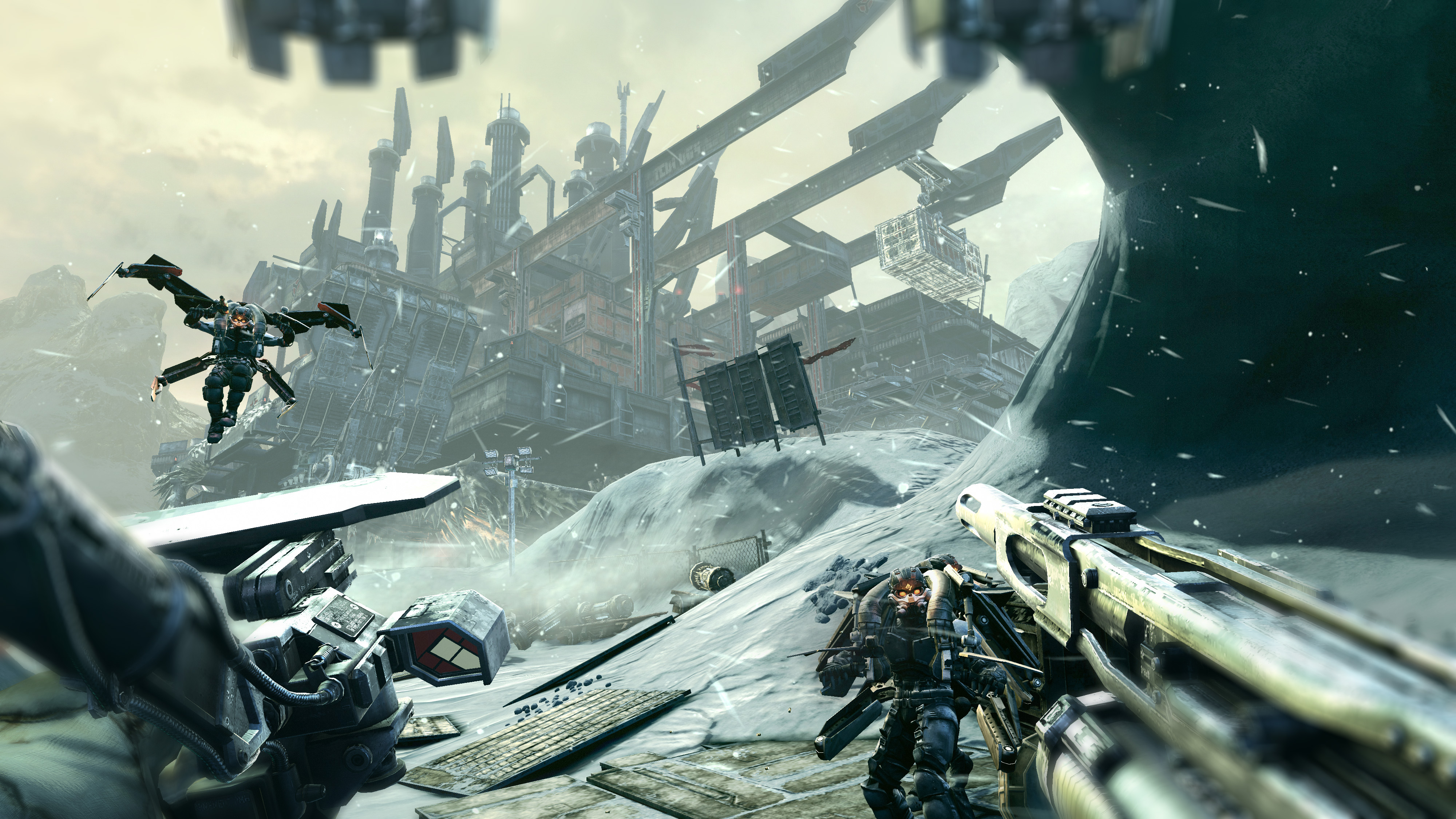
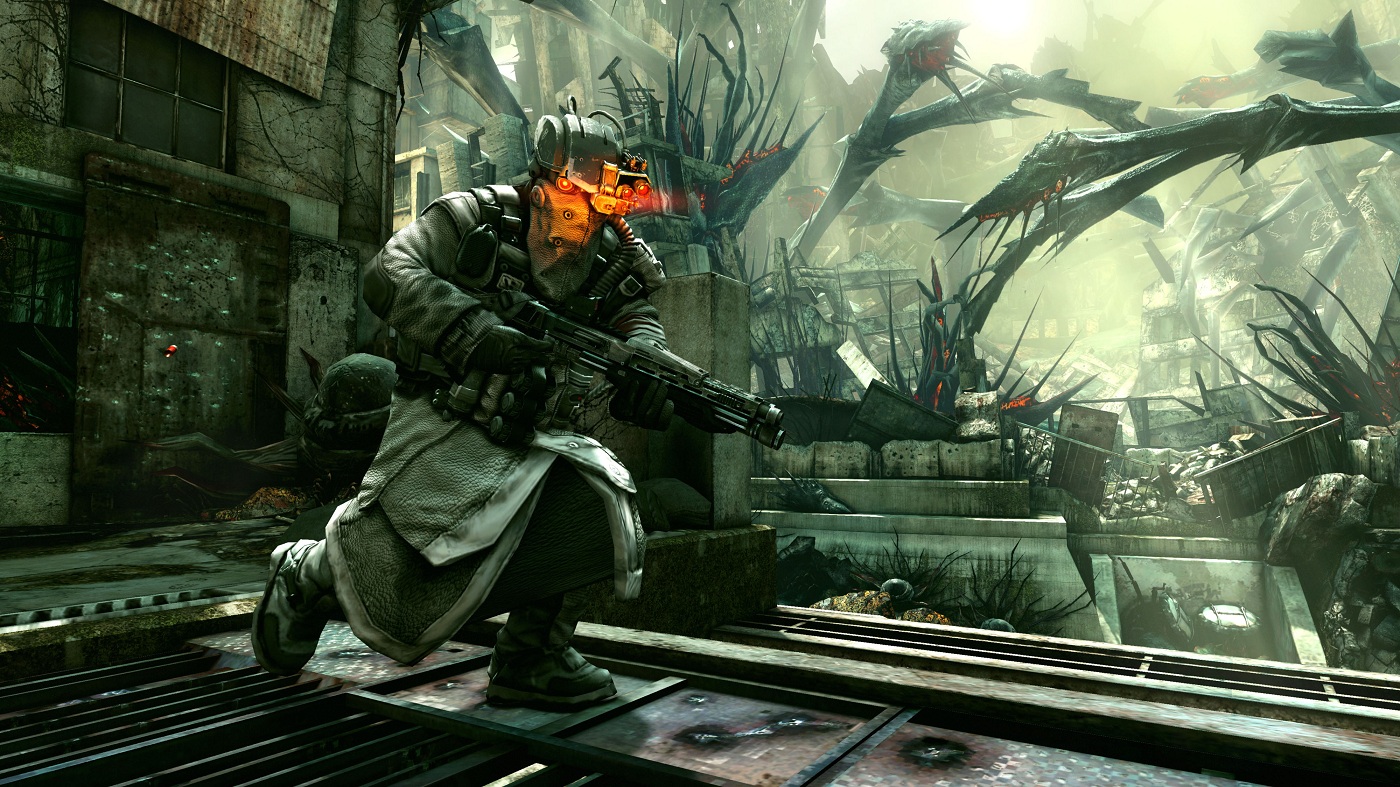
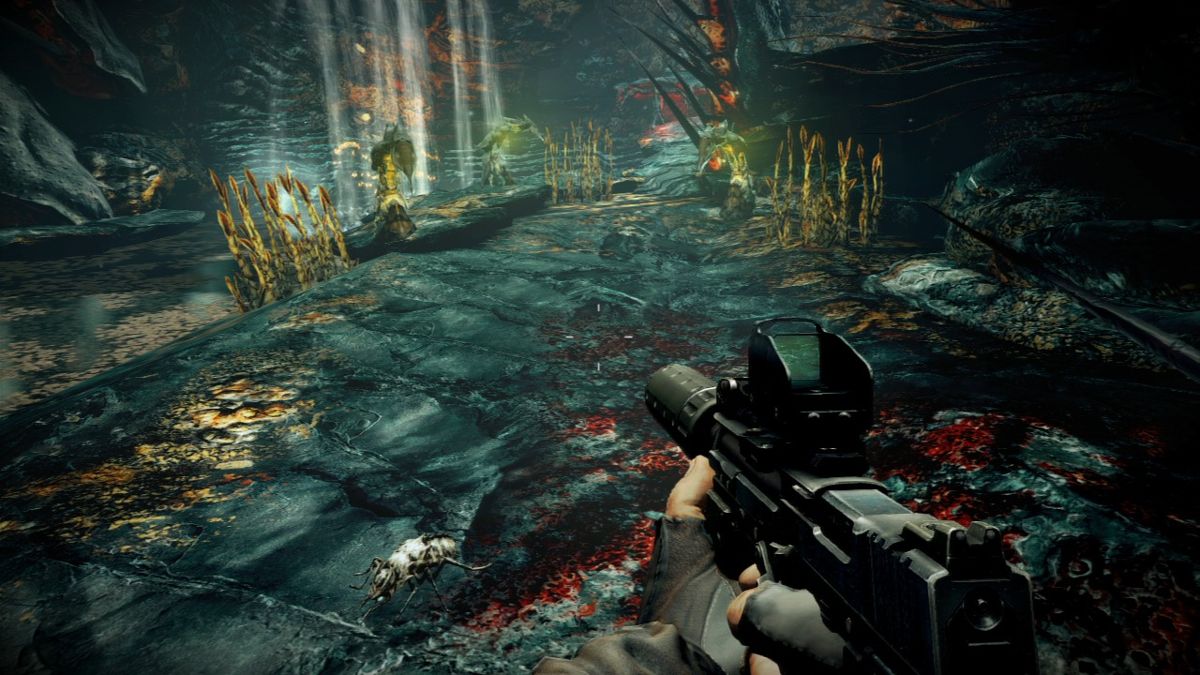
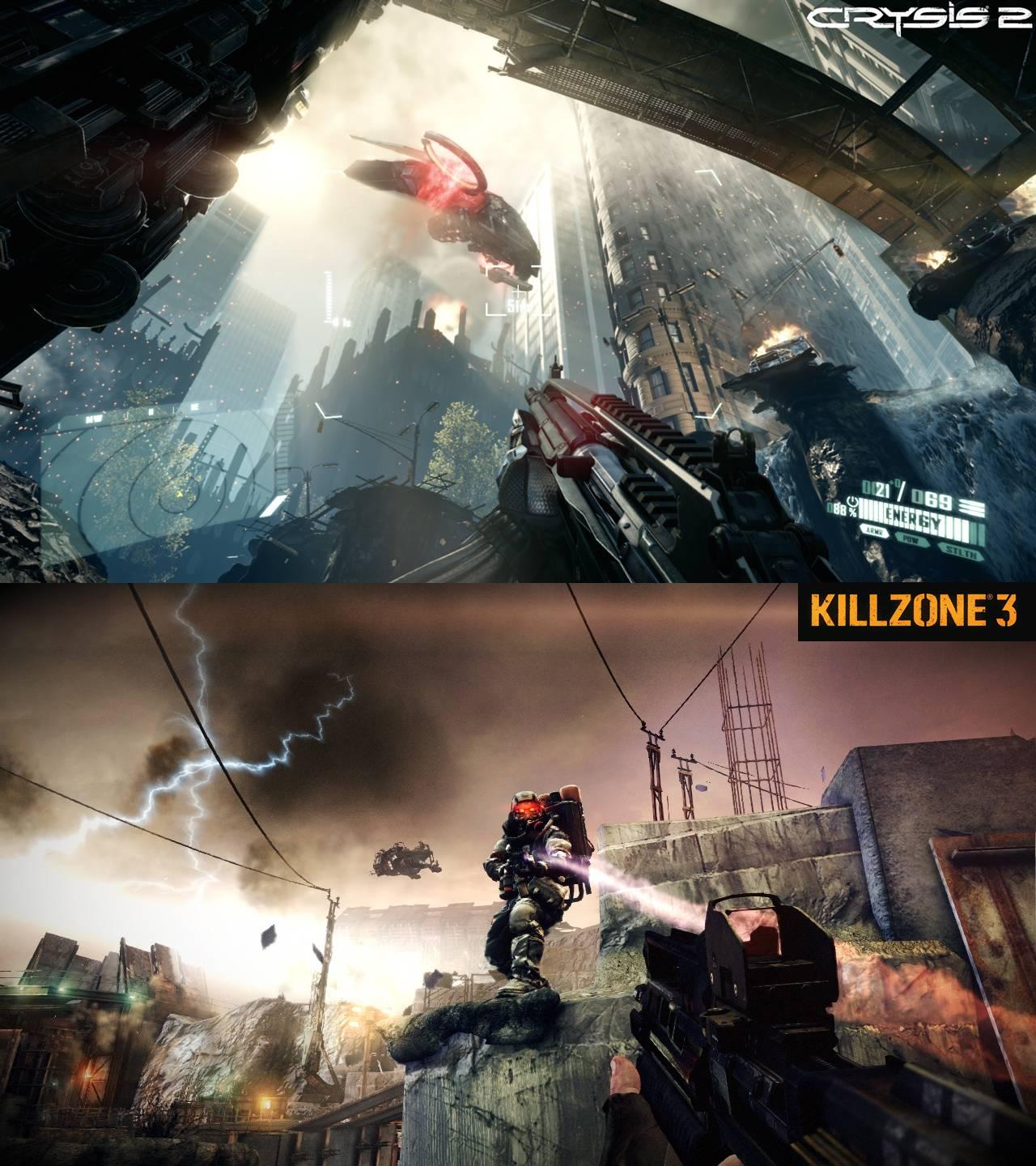
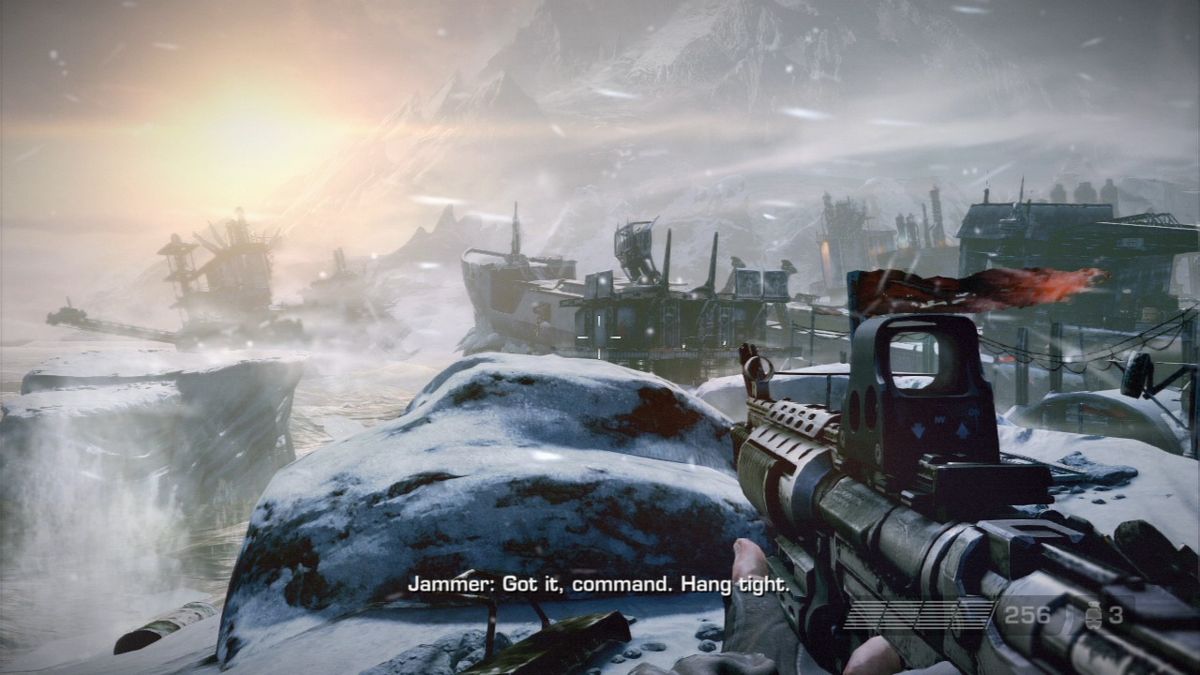
Killzone 3 showcased a proprietary next-gen engine designed specifically to push the PlayStation 3’s hardware to its limits. The visual direction prioritized realism and detail, with meticulous attention paid to environmental textures, character models, and particle effects. The introduction of stereoscopic 3D support further amplified the sense of immersion, creating a truly breathtaking experience for players equipped with a compatible display. Guerrilla Games employed advanced rendering techniques such as dynamic lighting and shadow mapping to create a believable and visually stunning world. The game’s environments, ranging from icy wastelands to dense jungles, were meticulously crafted to evoke a sense of awe and danger.
Gameplay Mechanics and Core Systems
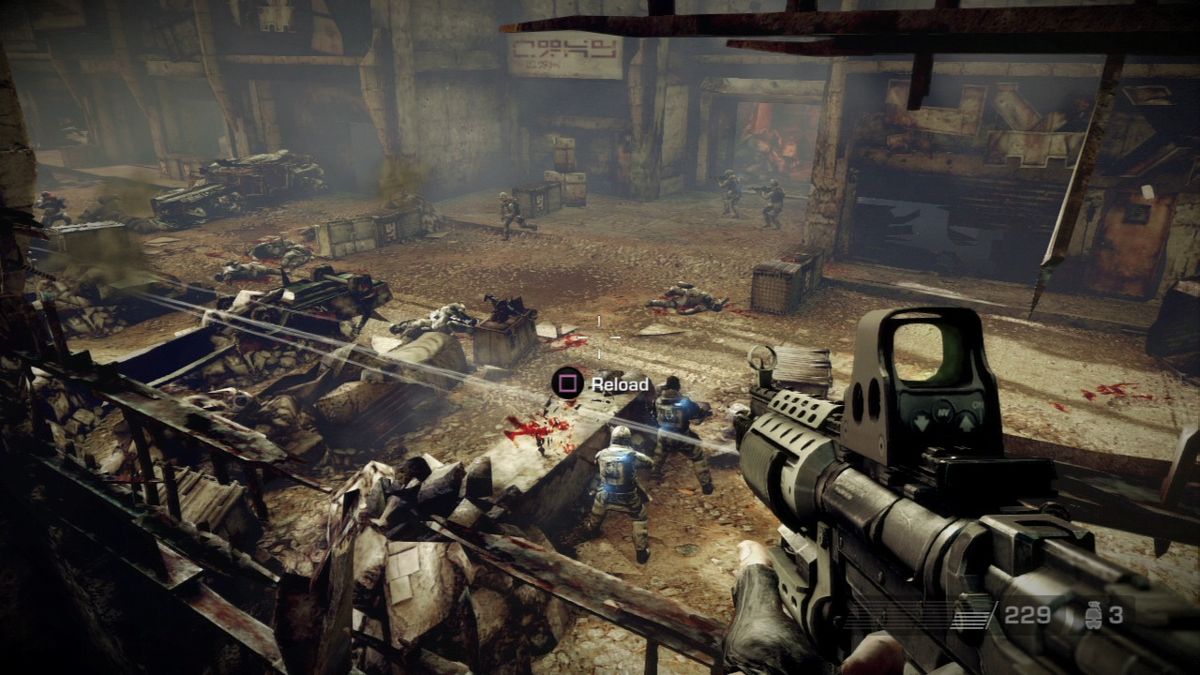
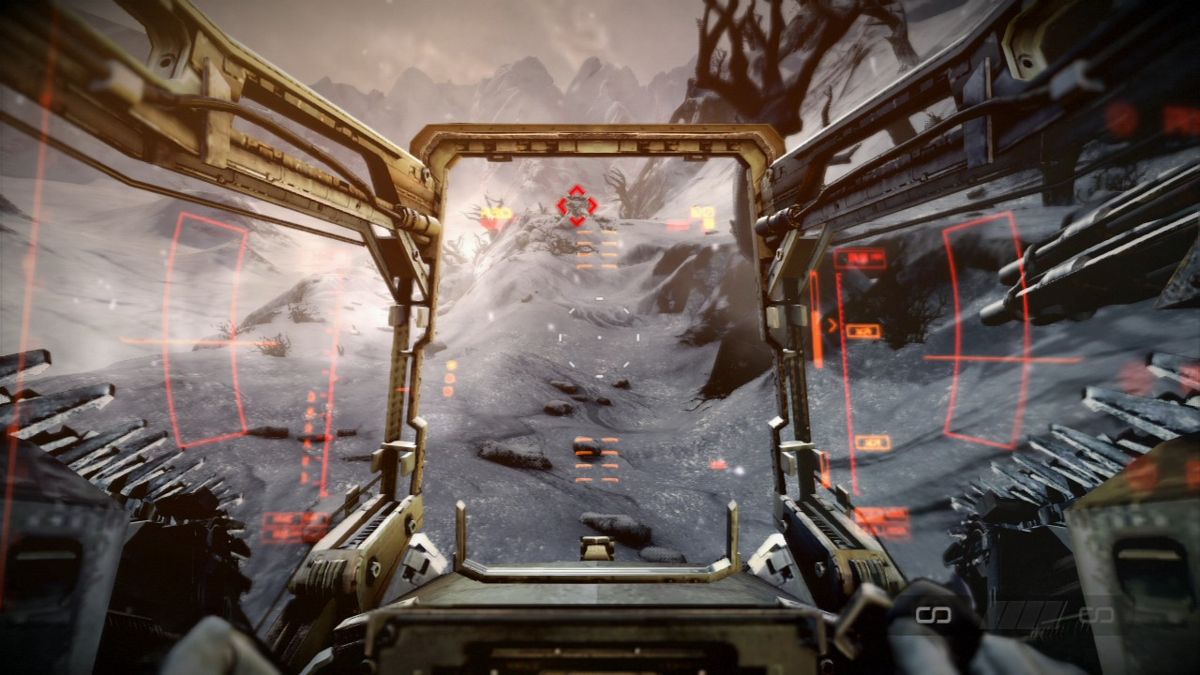
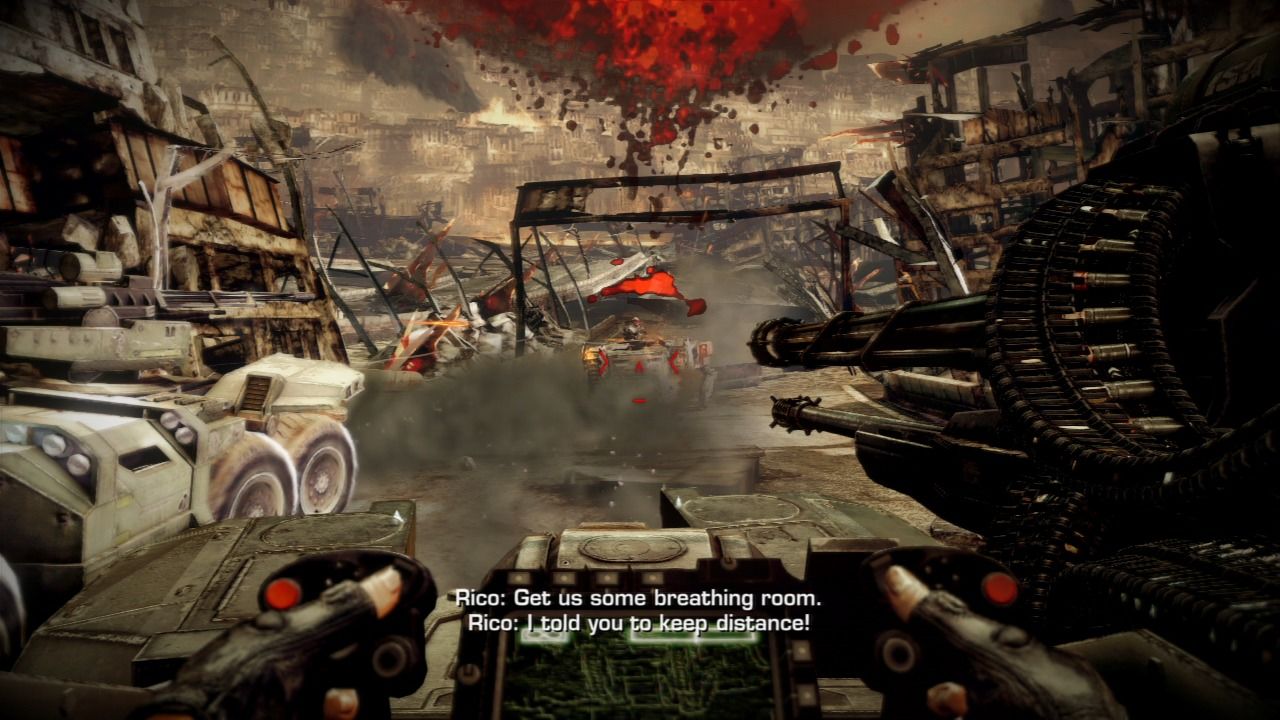
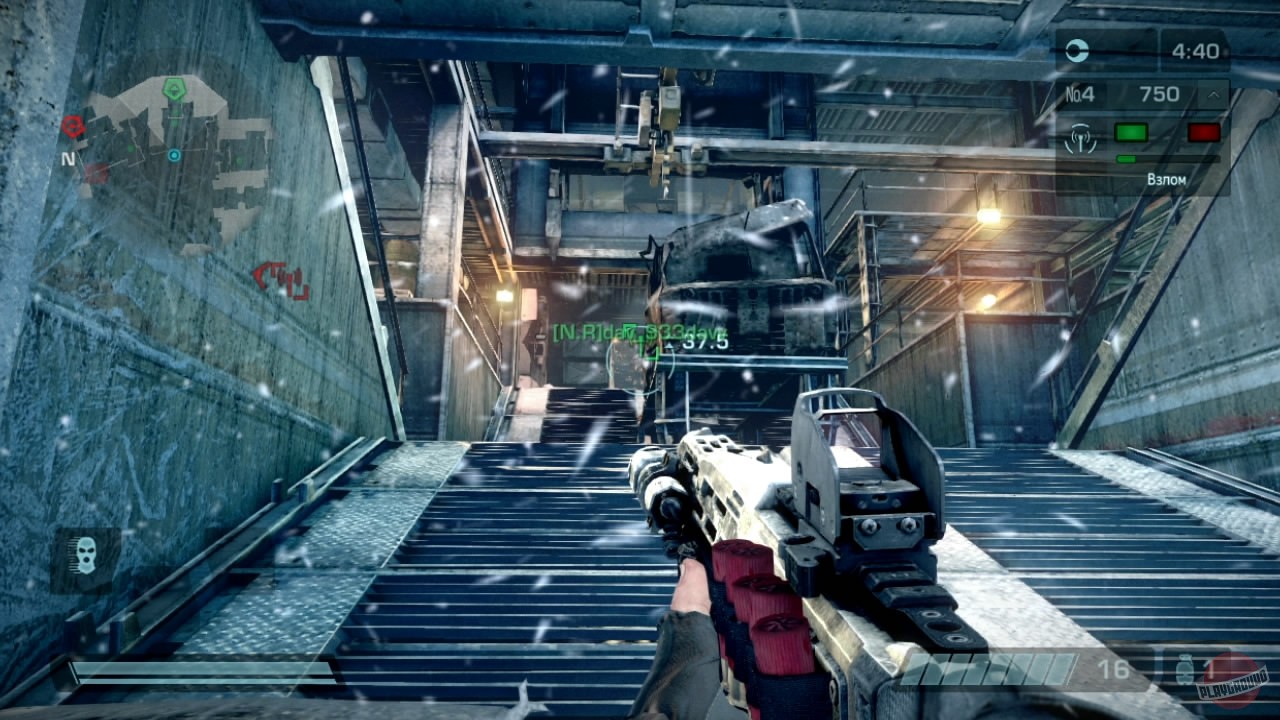
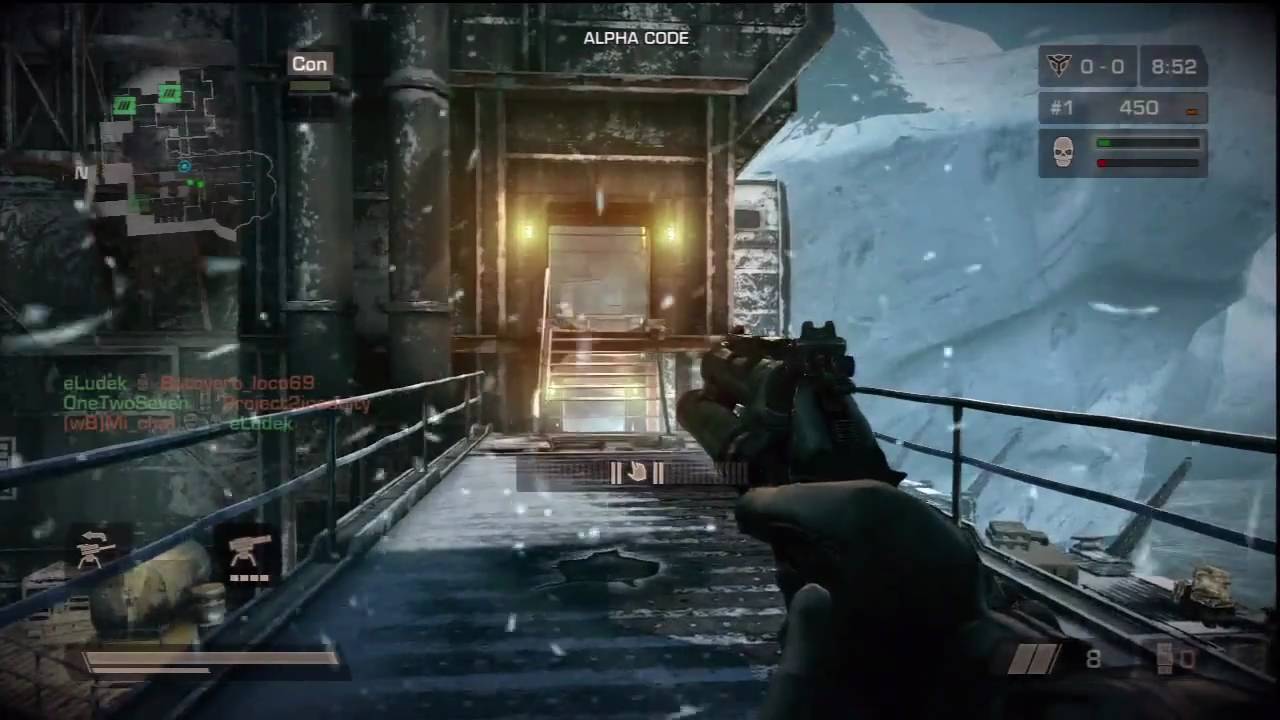
The gameplay in Killzone 3 largely mirrored that of Killzone 2, maintaining the fast-paced, action-oriented combat that defined the series. However, several key improvements were implemented to enhance the overall experience. The “Brutal Melee” system was significantly revamped, offering players a wider range of visceral and satisfying close-quarters attacks. New weapons, including the versatile WASP rocket launcher, added tactical depth to engagements. Furthermore, the introduction of jetpacks provided increased mobility and strategic options for traversing the game’s diverse environments. The AI behavior of both enemies and allies was refined, leading to more challenging and engaging encounters.
Level Design and World Atmosphere
Killzone 3 expanded upon the environmental variety seen in its predecessor, transporting players to a wider range of locations. From the desolate Arctic landscapes to the claustrophobic tunnels beneath the surface, each environment was meticulously designed to create a distinct atmosphere. The level design encouraged exploration and strategic thinking, with opportunities for flanking maneuvers and utilizing cover effectively. The game’s environments were not merely backdrops; they played an integral role in shaping the gameplay experience, presenting both challenges and opportunities for players to overcome.
Narrative Depth and Character Profiles
The narrative of Killzone 3 continued the story of Sergeant Jan Templar and his fight against the Helghast forces. While maintaining a focus on action-packed sequences, the game attempted to delve deeper into the motivations and backstories of its characters. The relationship between Templar and Rico Coates remained a central theme, providing moments of levity amidst the intense conflict. The story explored themes of sacrifice, loyalty, and the devastating consequences of war. While not groundbreaking in terms of narrative complexity, Killzone 3 provided a compelling backdrop for the game’s action-packed gameplay.
Sound Design and Acoustic Realism
The sound design in Killzone 3 played a crucial role in creating an immersive and believable experience. The weapon sounds were meticulously crafted to convey power and impact, while the environmental audio added depth and atmosphere to each location. The voice acting was generally well-received, with performances that effectively conveyed the emotions of the characters. The game’s soundtrack complemented the action on screen, enhancing the sense of tension and excitement. The combination of realistic sound effects and a dynamic musical score contributed significantly to the overall impact of Killzone 3.
Release Expectations and Community Hype
Prior to its release, Killzone 3 generated considerable hype within the gaming community. Building upon the success of Killzone 2, expectations were high for this next installment in the franchise. The promise of enhanced graphics, improved gameplay mechanics, and the introduction of stereoscopic 3D support fueled anticipation among PlayStation 3 owners. Marketing campaigns effectively showcased the game’s visual fidelity and action-packed gameplay, further amplifying the buzz surrounding its release. The community eagerly awaited the opportunity to experience the next chapter in Sergeant Templar’s fight against the Helghast.
Conclusion: The Future of Killzone 3
Killzone 3 represented a significant achievement for Guerrilla Games and a testament to the capabilities of the PlayStation 3 hardware. While not without its flaws, the game delivered on many of its promises, offering an immersive and action-packed experience that captivated players worldwide. Its legacy extends beyond its immediate impact, influencing subsequent titles in the franchise and inspiring other developers to push the boundaries of visual fidelity and gameplay mechanics. Killzone 3 remains a noteworthy entry in the PlayStation 3 library, showcasing the potential for innovation and artistic expression within the realm of video games.

Source: Wikipedia