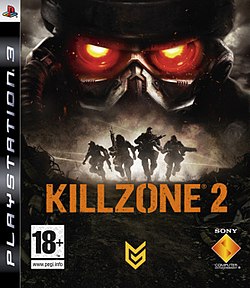
Introduction: The Next Chapter for Killzone 2
Killzone 2, released in 2009 for the PlayStation 3, arrived with immense expectations. Guerrilla Games aimed to deliver a significant leap forward from the original Killzone, pushing the boundaries of what was possible on console hardware. This Masterclass Deep-Dive will dissect every facet of the game, from its groundbreaking visuals to its engaging gameplay and narrative shortcomings. The anticipation surrounding Killzone 2 stemmed not only from its position as a sequel but also from the promise of a new engine capable of delivering unparalleled graphical fidelity.
Visual Direction and Graphics Engineering
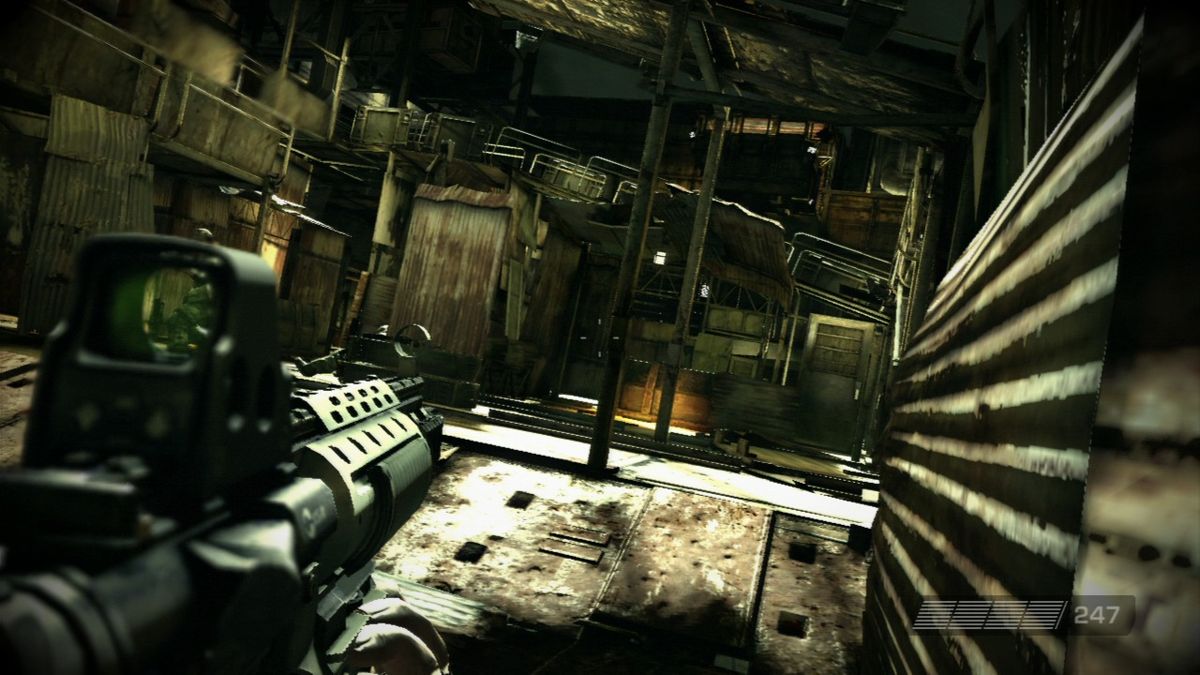
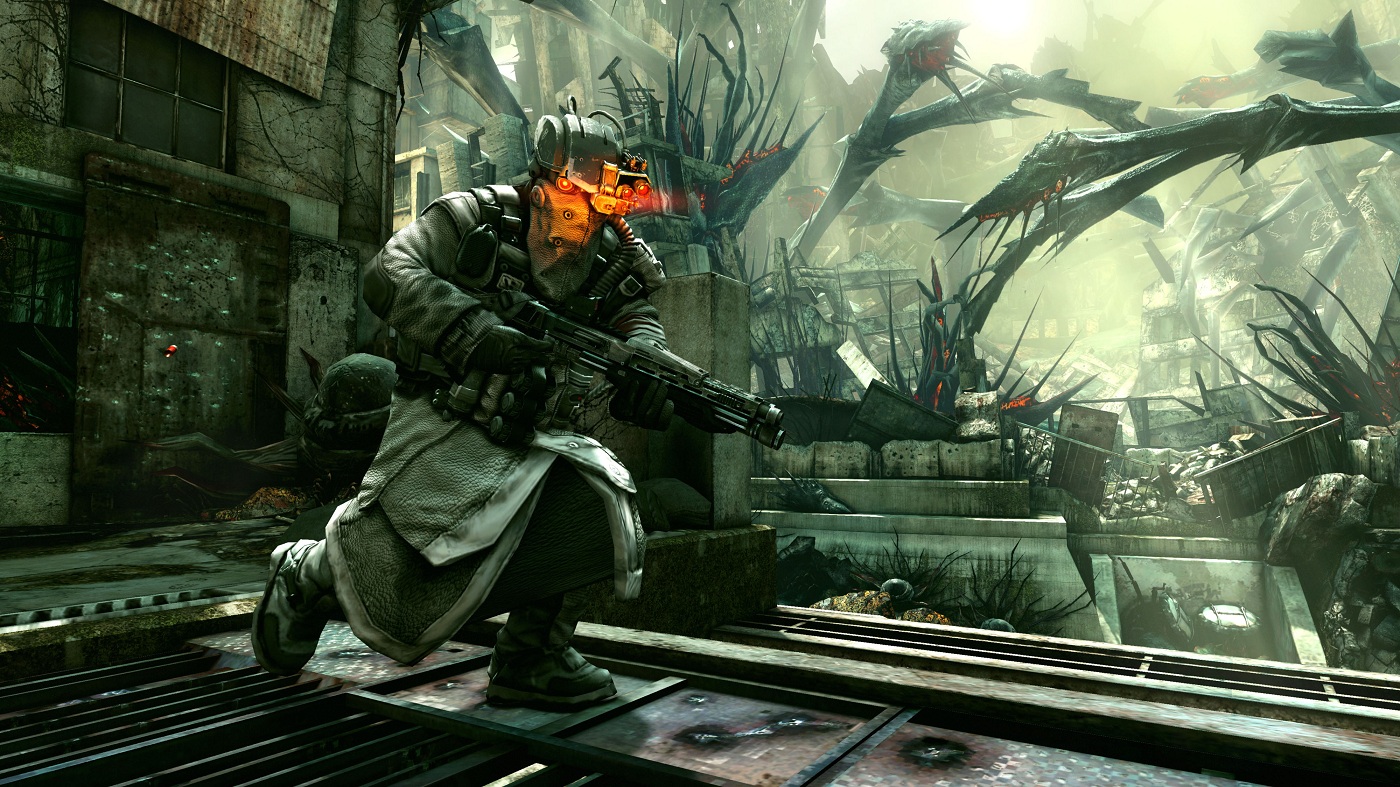
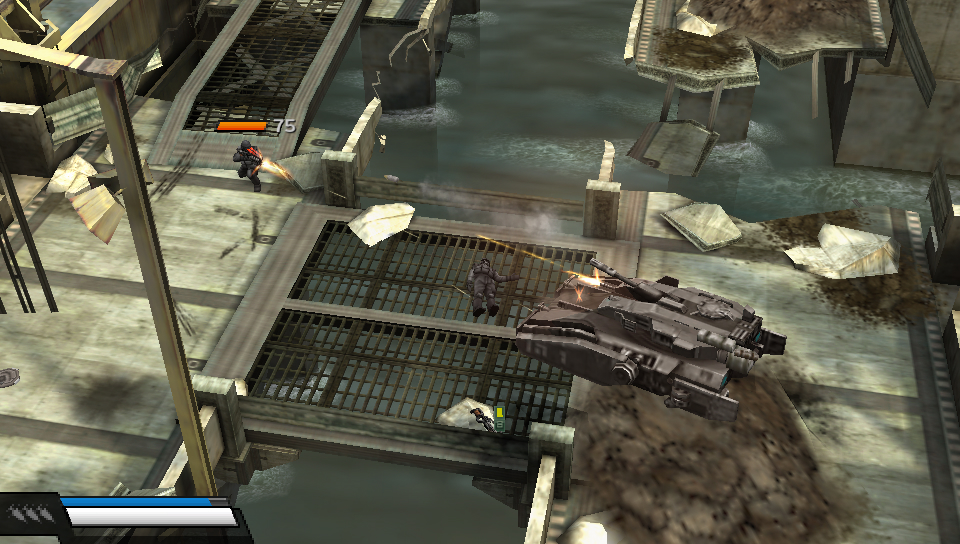
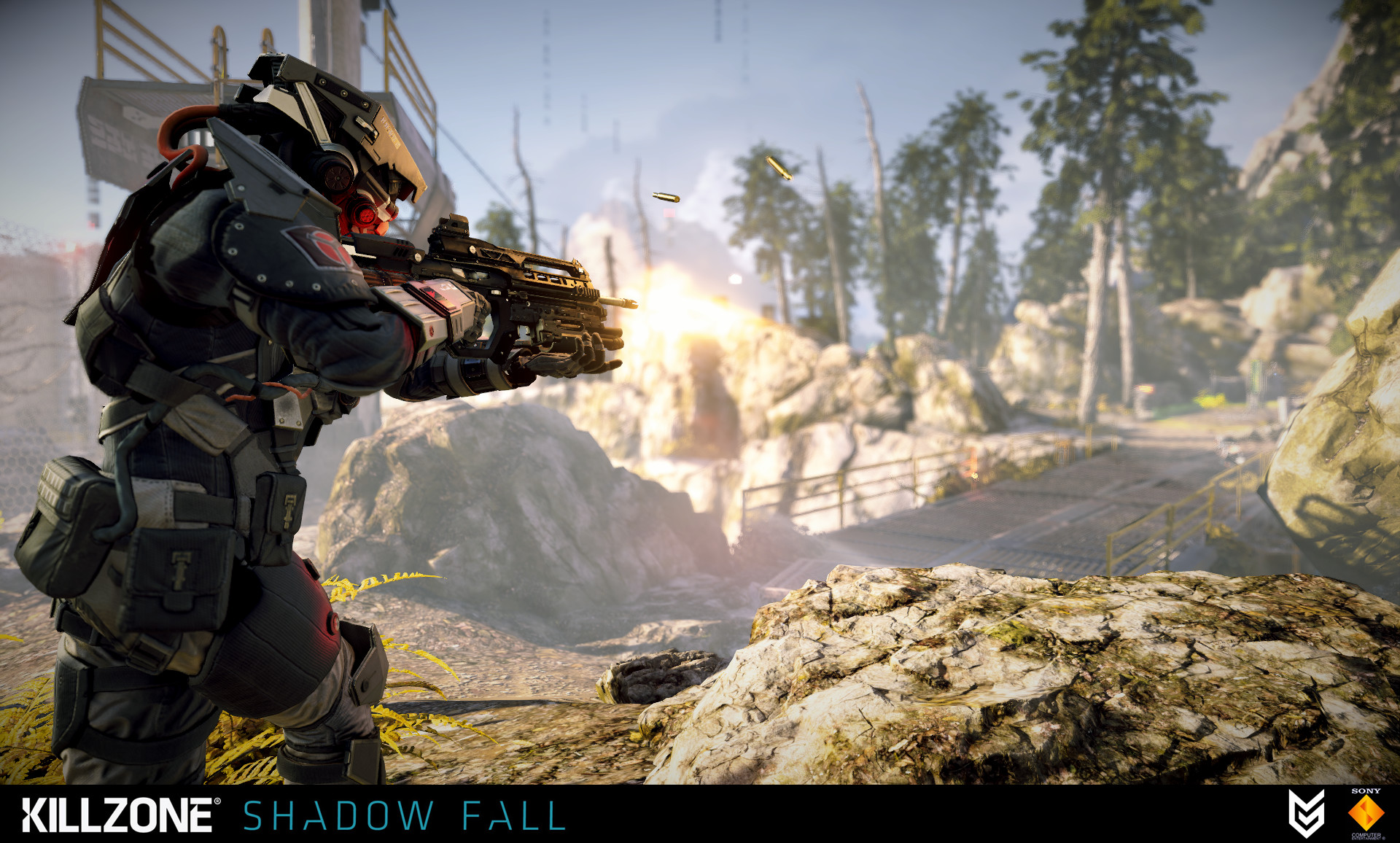
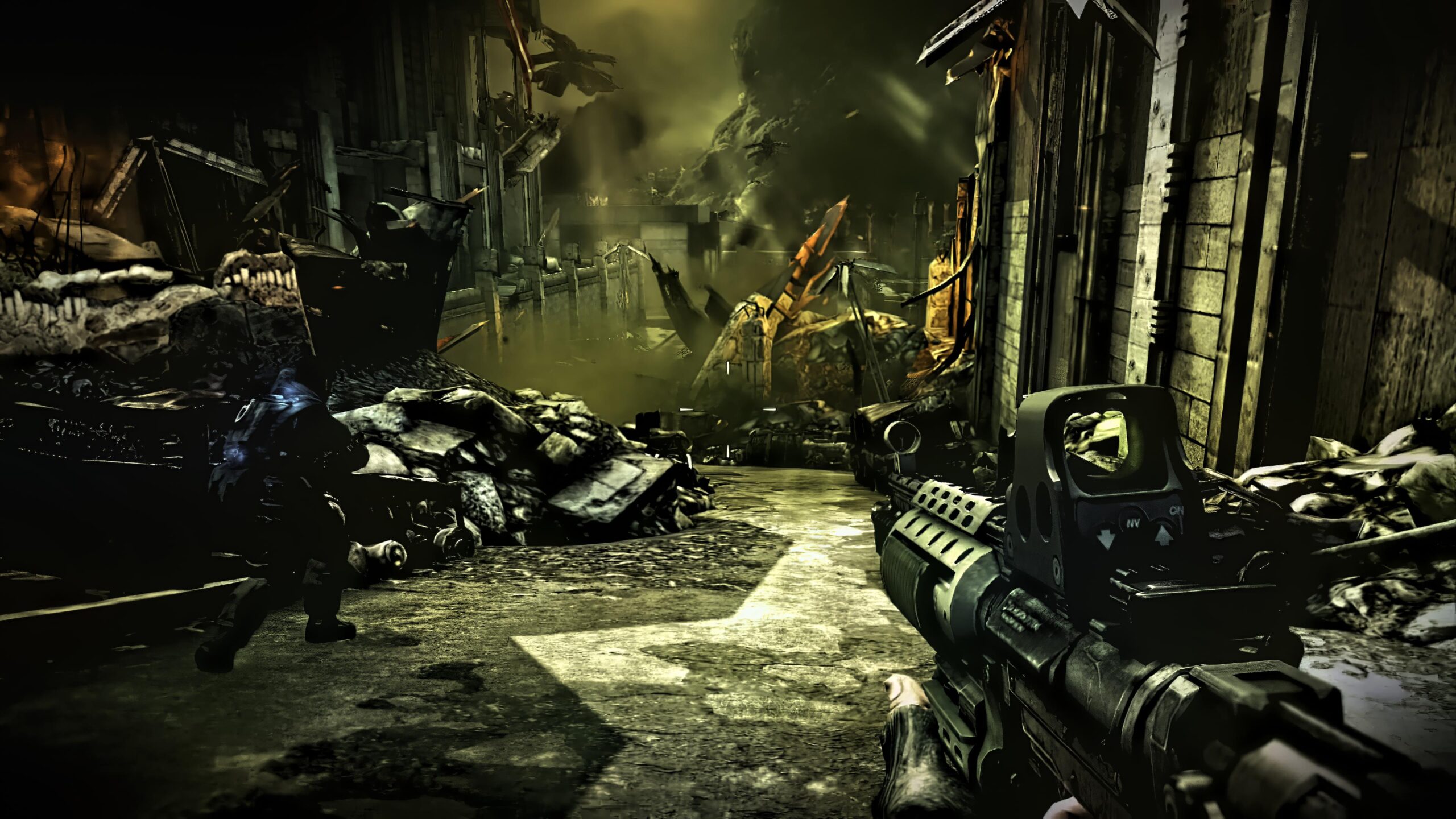
Killzone 2 was a showcase for the power of the PlayStation 3, boasting impressive visuals that were revolutionary for its time. The game’s art direction leaned heavily into realism, with detailed character models, intricate environments, and dynamic lighting effects. Guerrilla Games utilized advanced techniques such as deferred shading and high-resolution textures to create a sense of depth and immersion. The proprietary engine allowed for complex particle effects, realistic water simulations, and destructible environments, all contributing to the game’s visual spectacle. While some aspects may appear dated by today’s standards, the technical achievements in rendering quality were undeniable.
Gameplay Mechanics and Core Systems
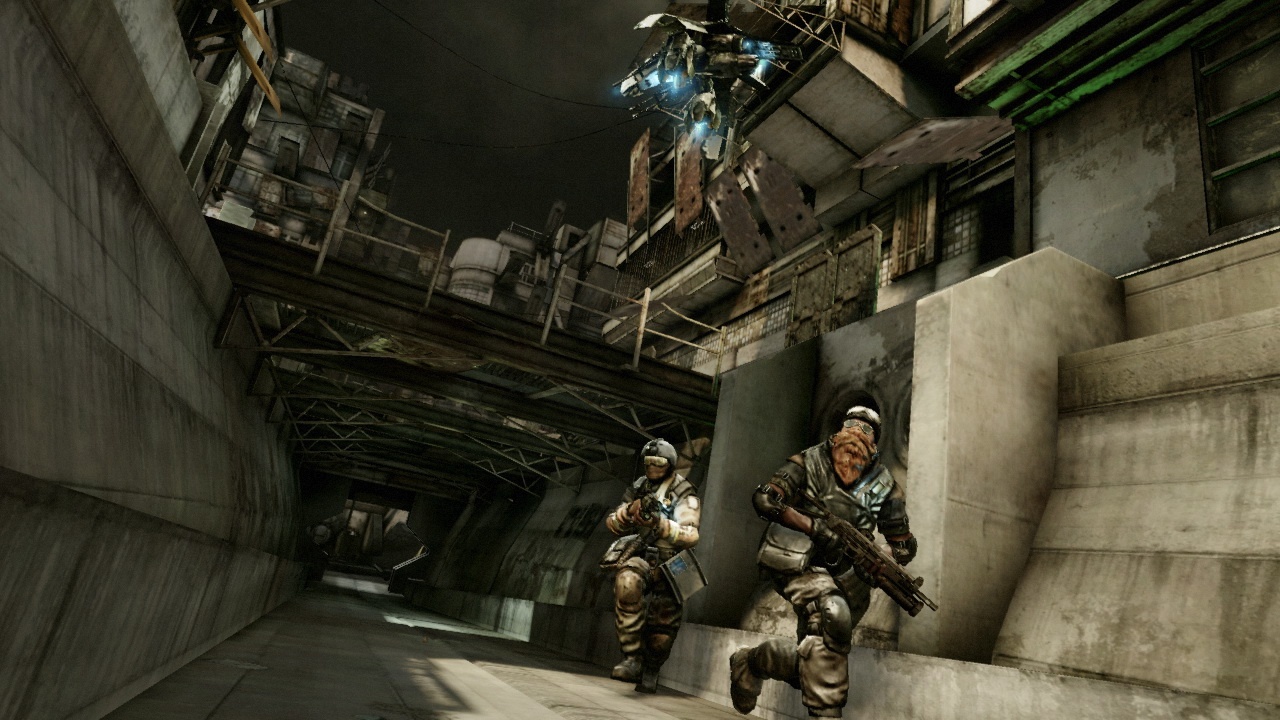
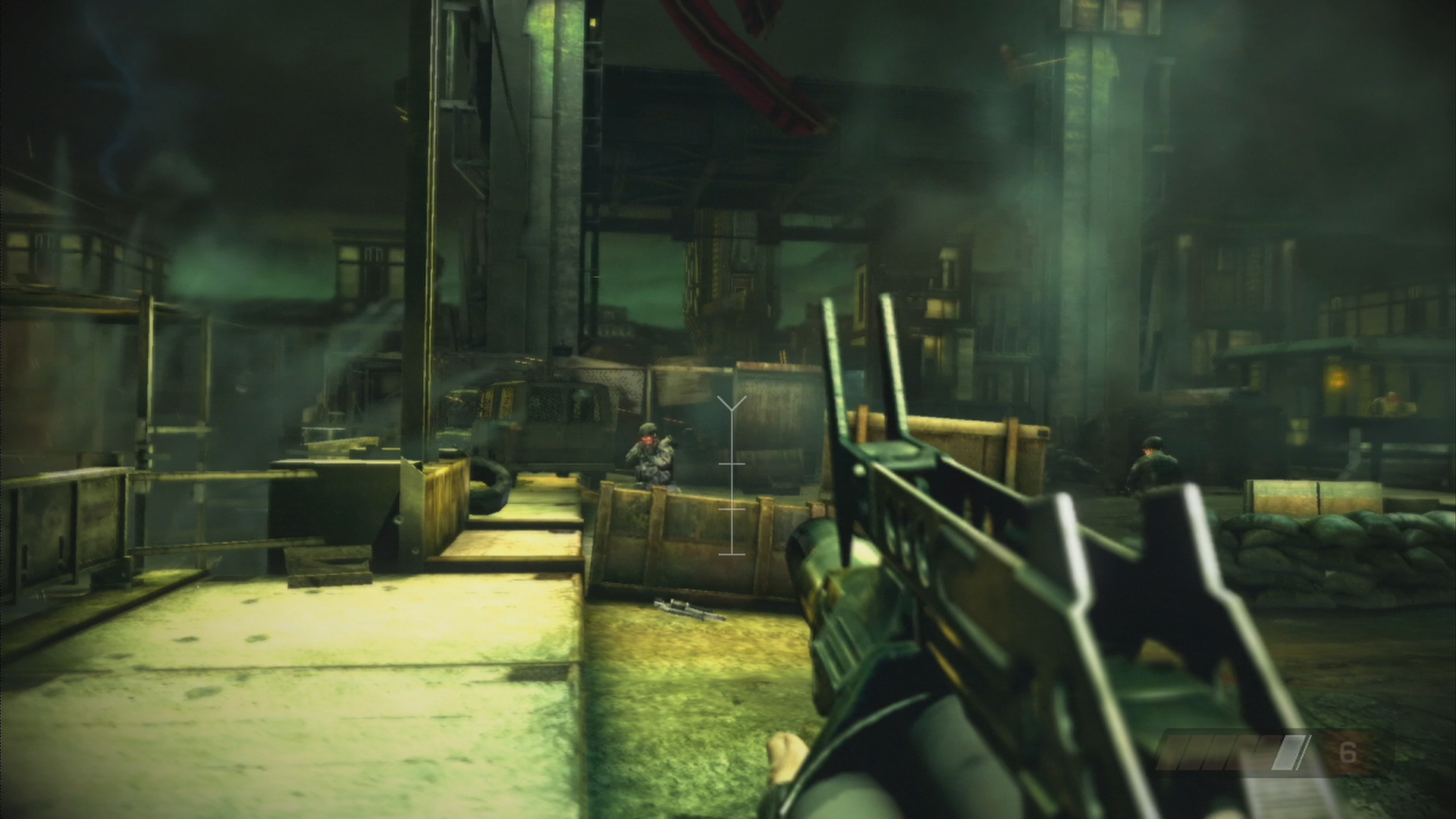
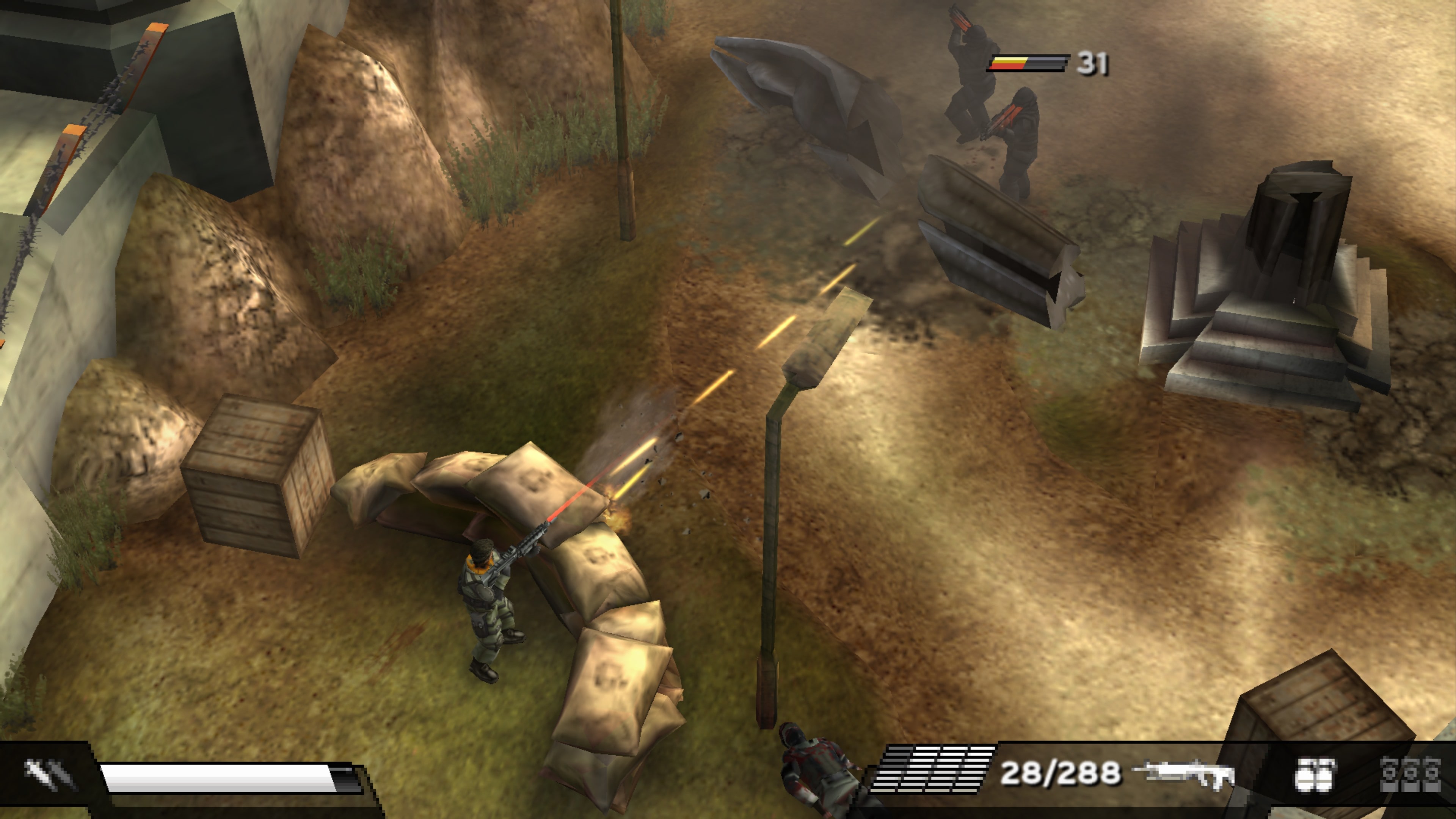
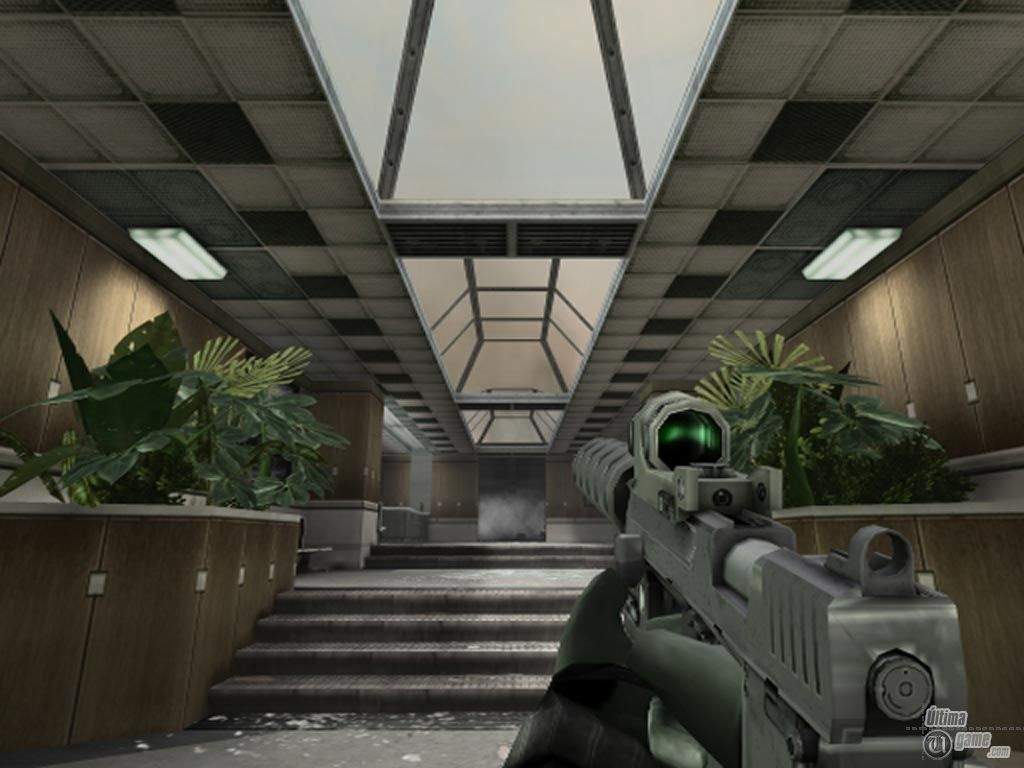
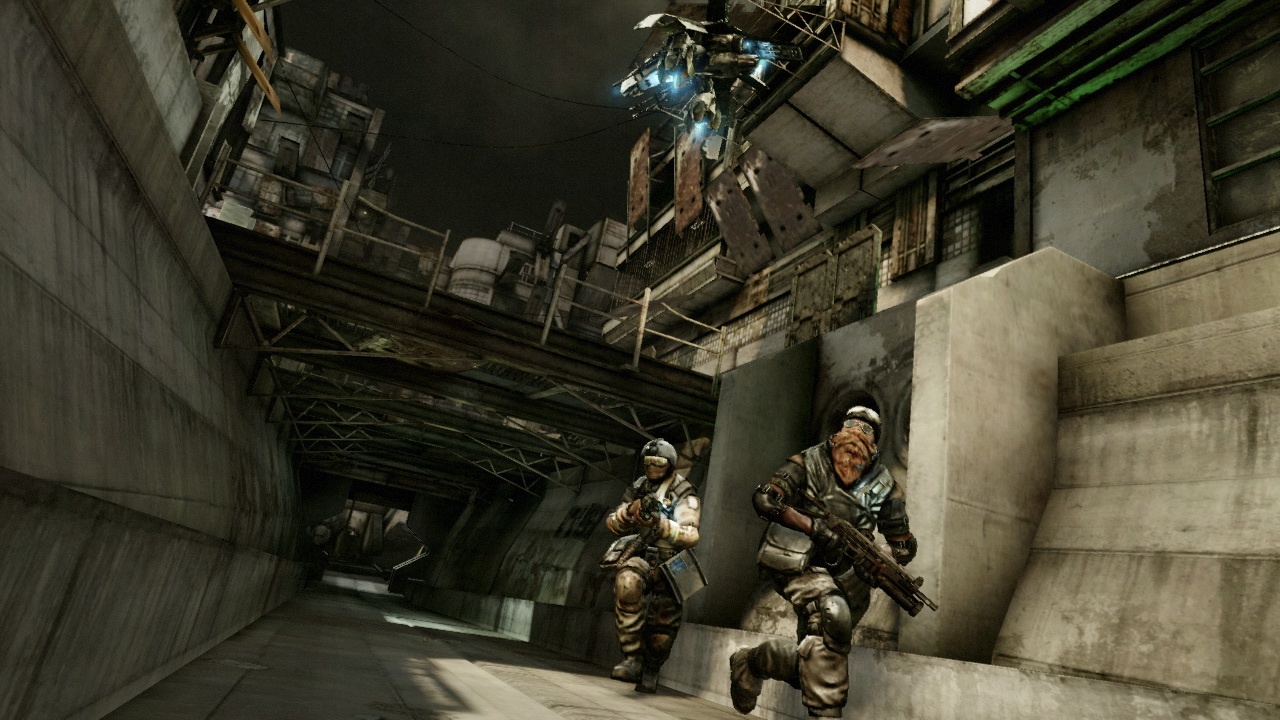
The gameplay of Killzone 2 built upon the foundation laid by its predecessor but introduced several refinements. The core mechanics revolved around first-person shooting with a diverse arsenal of weapons, each possessing unique characteristics and upgrade paths. Cover systems played a crucial role in combat, allowing players to strategically engage enemies while minimizing exposure. New additions included melee attacks, contextual actions, and limited jetpack traversal, adding layers of tactical depth to encounters. The game’s AI was also noteworthy for its aggressive behavior and coordinated tactics, creating challenging and engaging firefights.
Level Design and World Atmosphere
Killzone 2 transported players to the war-torn landscapes of Helghan, a harsh and unforgiving planet ravaged by conflict. Level design emphasized verticality and environmental storytelling, guiding players through a series of interconnected environments ranging from claustrophobic tunnels to vast open battlefields. The game’s atmosphere was thick with tension and despair, reflecting the brutal realities of war. While some levels felt somewhat linear, others offered opportunities for exploration and tactical maneuvering.
Narrative Depth and Character Profiles
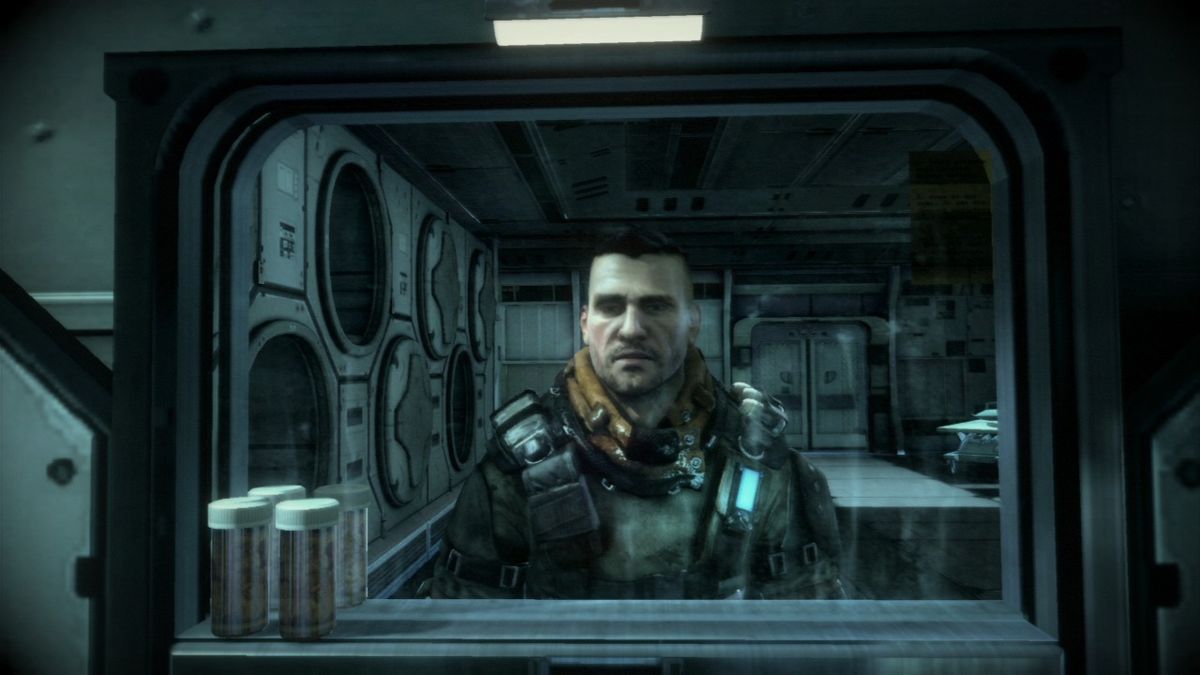
The narrative of Killzone 2 followed protagonist Tomas “Sev” Sevchenko and his elite ISA (Independent Surface Alliance) unit as they launched a daring invasion of Helghan to assassinate the ruthless Helghast General Metrac Xan. While the story attempted to explore themes of sacrifice, loyalty, and the moral ambiguities of war, it ultimately fell short of its potential. Character development was somewhat lacking, with Sev feeling like a relatively blank slate. The supporting cast, including veteran characters from the original Killzone, offered some depth but were not always fully realized.
Sound Design and Acoustic Realism
The sound design in Killzone 2 played a critical role in enhancing immersion and creating a sense of realism. Weapon sounds were impactful and satisfying, while environmental audio effectively conveyed the harshness of Helghan’s landscapes. Voice acting was generally competent, although some performances felt somewhat stilted. The game’s soundtrack, composed by Joris de Man, blended orchestral scores with electronic elements to create a tense and atmospheric soundscape.
Release Expectations and Community Hype
Prior to its release, Killzone 2 was one of the most anticipated games on the PlayStation 3. Marketing campaigns heavily emphasized the game’s stunning visuals and promise of revolutionary gameplay. The community eagerly awaited a sequel that would not only surpass the original but also set a new standard for console shooters. While the final product delivered on some of these promises, it also fell short in other areas, leading to mixed reactions from both critics and players.
Conclusion: The Future of Killzone 2
Killzone 2 remains a significant milestone in the history of PlayStation gaming. Its technical achievements in graphics and gameplay pushed the boundaries of what was possible on console hardware at the time. While its narrative may not have fully resonated with all players, the game’s intense action, immersive atmosphere, and groundbreaking visuals cemented its place as a classic. The legacy of Killzone 2 continues to influence game development today, serving as a testament to the vision and ambition of Guerrilla Games.
Source: Wikipedia