Introduction: The Next Chapter for Katana ZERO
Katana ZERO, a neo-noir action platformer developed by Askiisoft and published by Devolver Digital, burst onto the scene in 2019, captivating players with its unique blend of fast-paced gameplay, intricate level design, and a compelling narrative. More than just a game, it’s an experience that challenges players to think strategically, react quickly, and unravel a mystery shrouded in time manipulation and amnesia. This deep dive will dissect the core elements that made Katana ZERO a critical darling and explore its lasting impact on the indie gaming landscape.
Visual Direction and Graphics Engineering
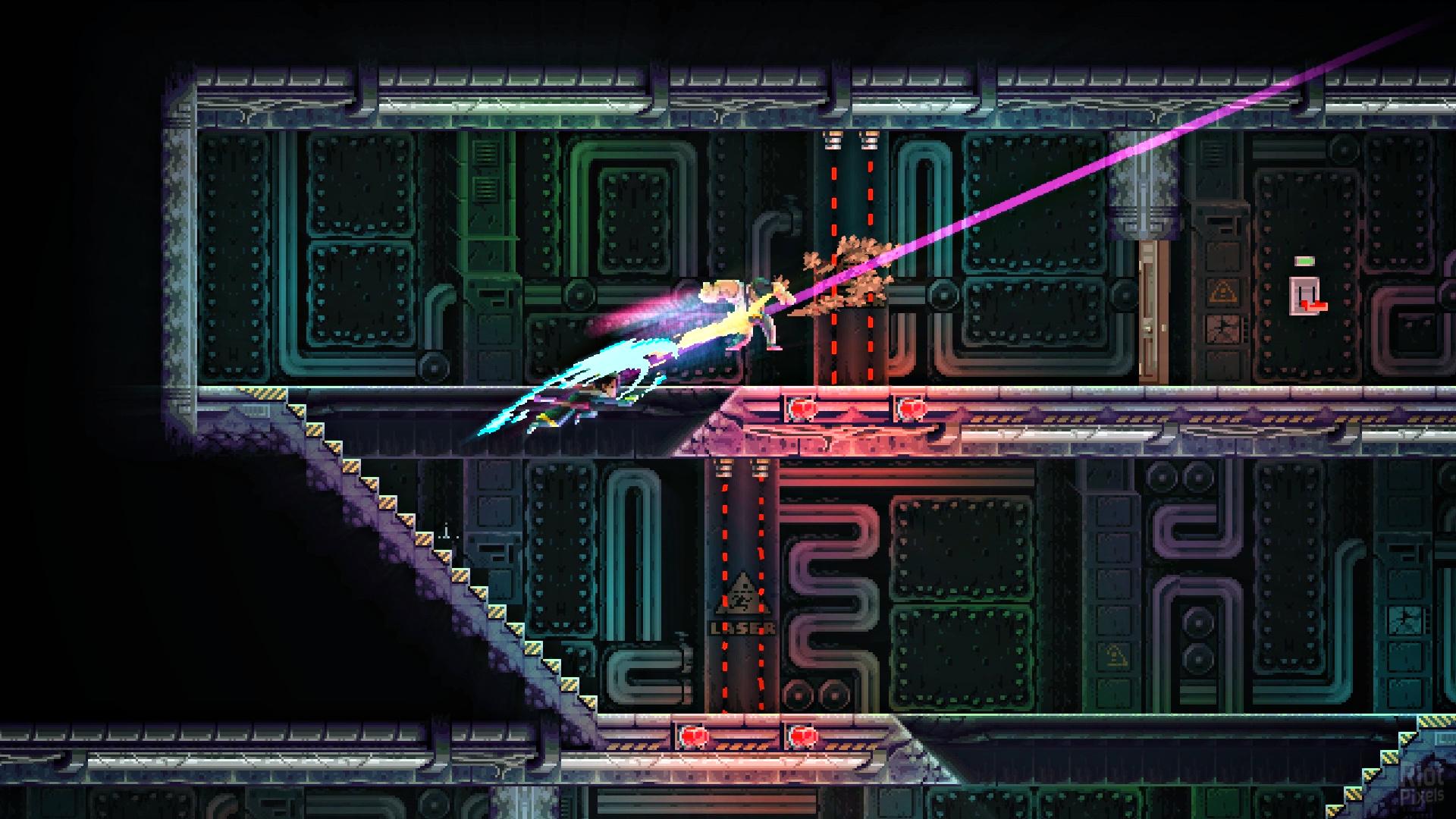
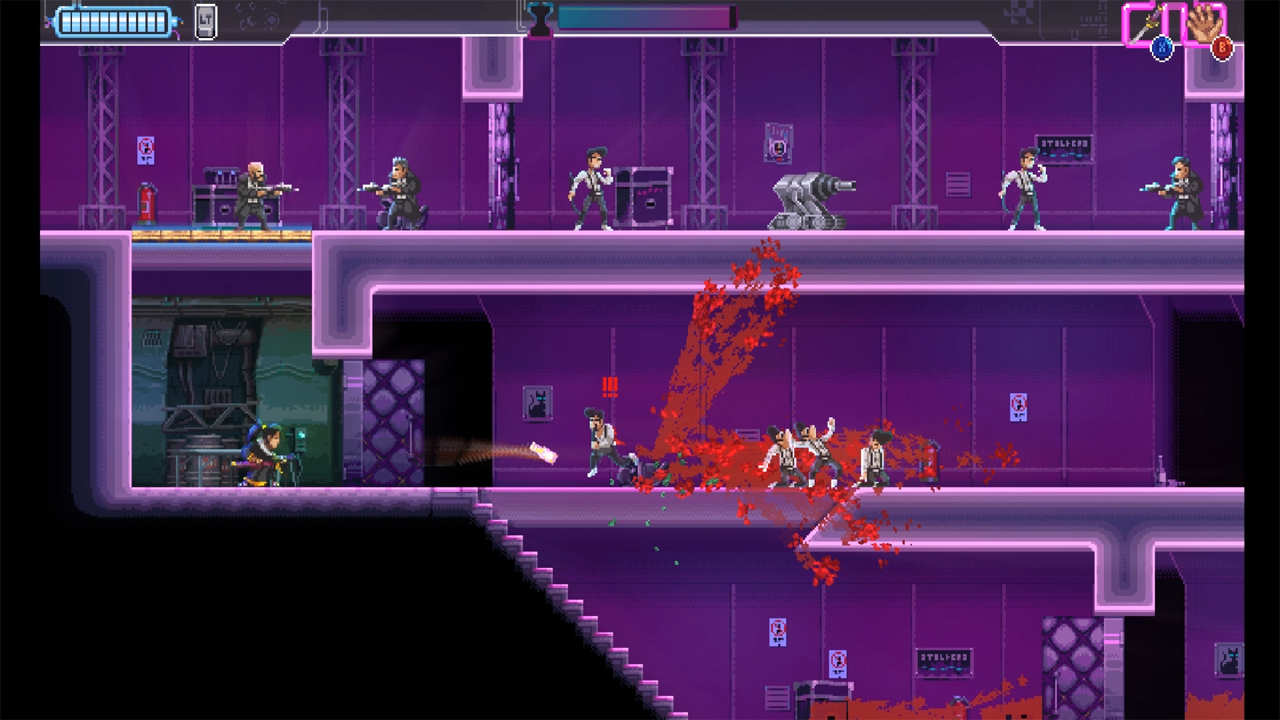
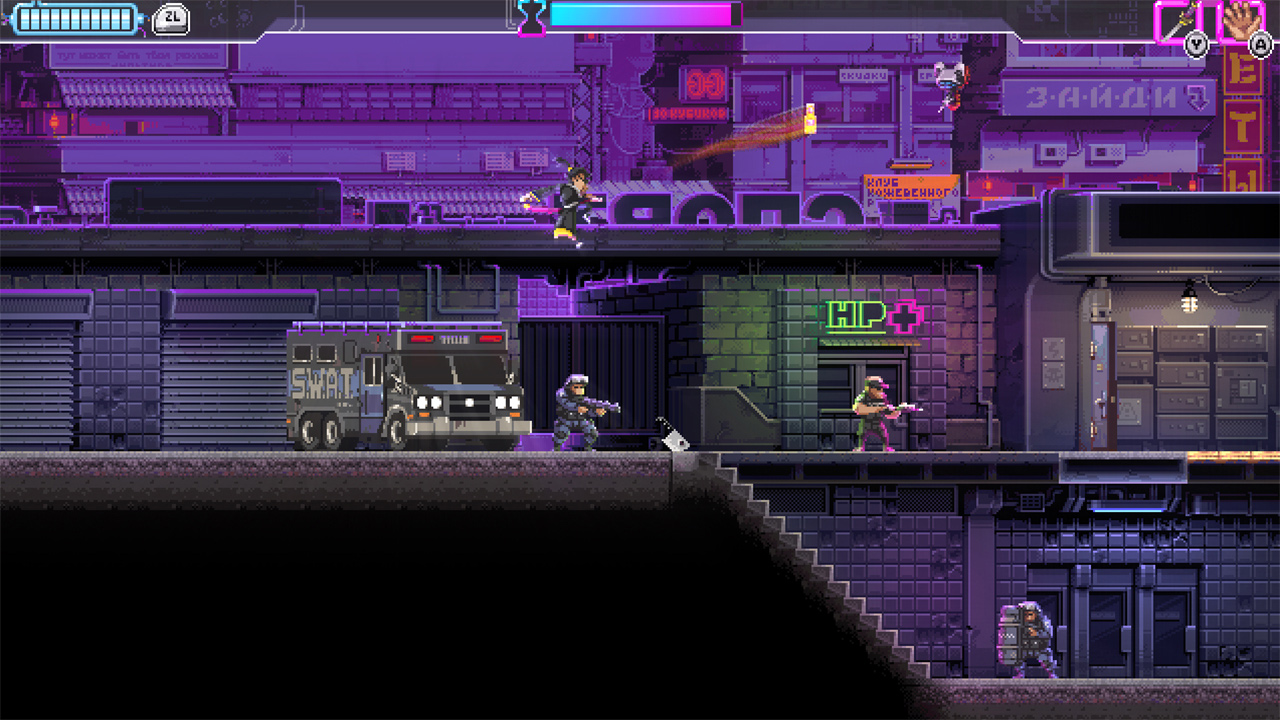
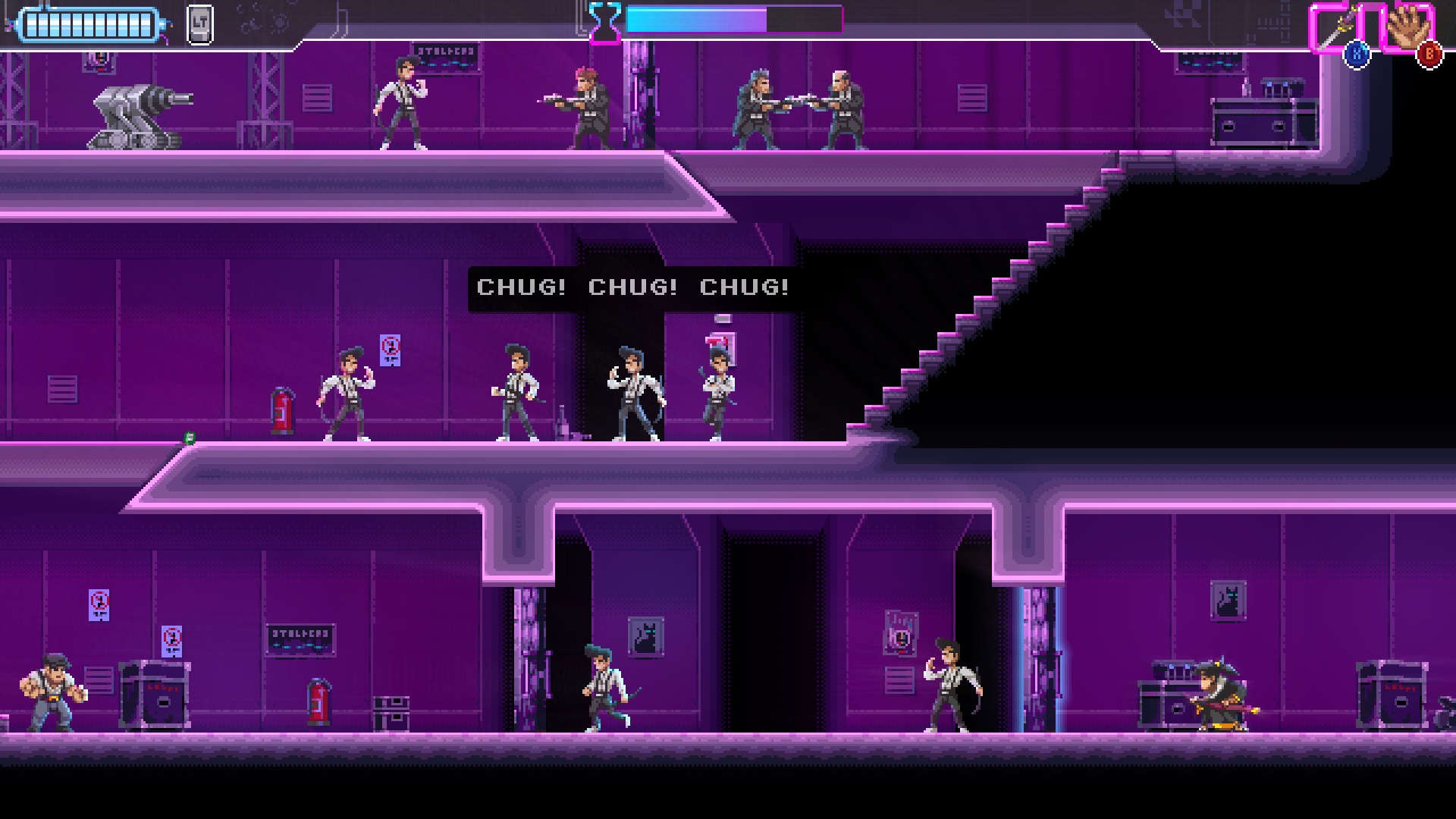
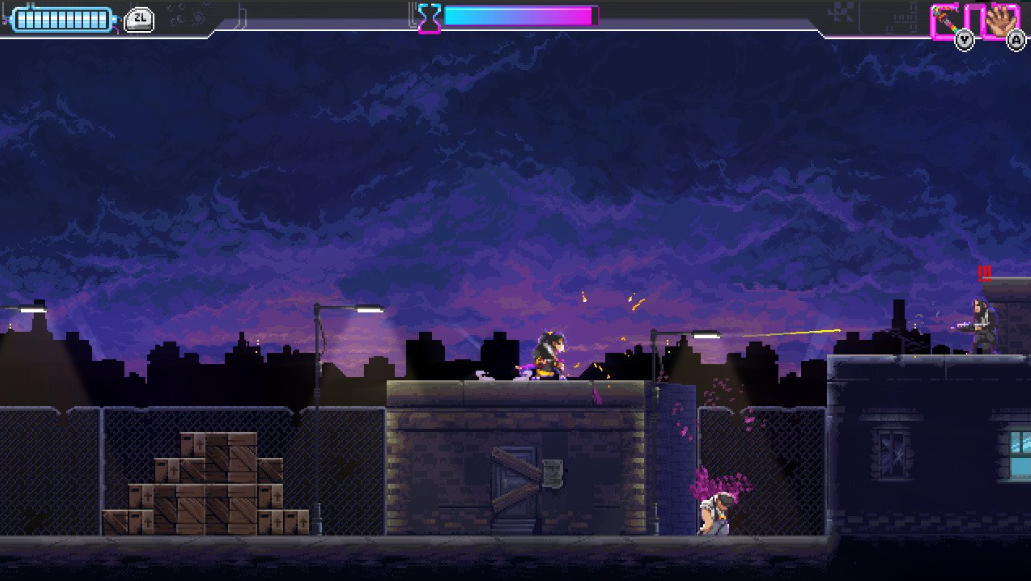
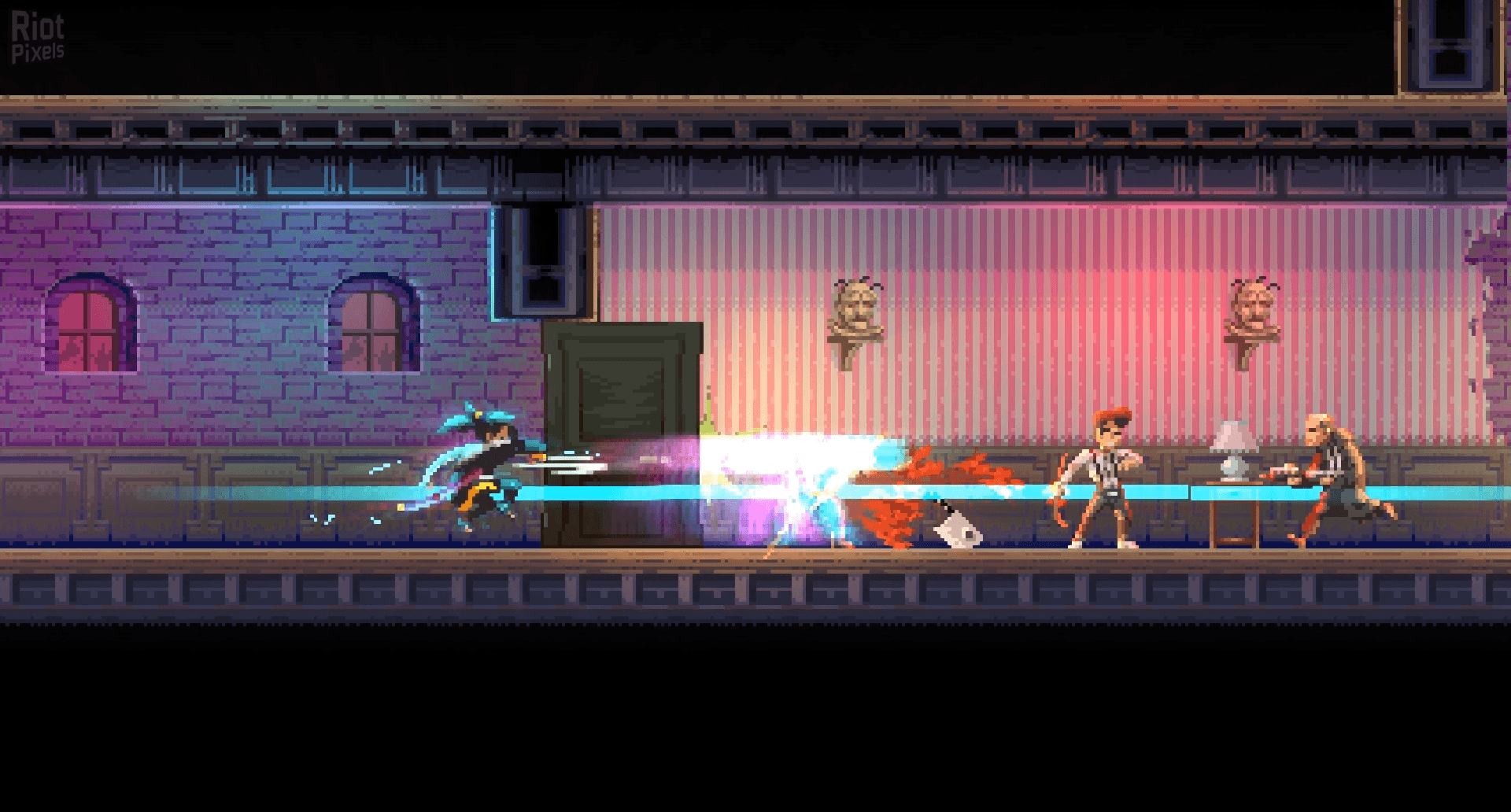
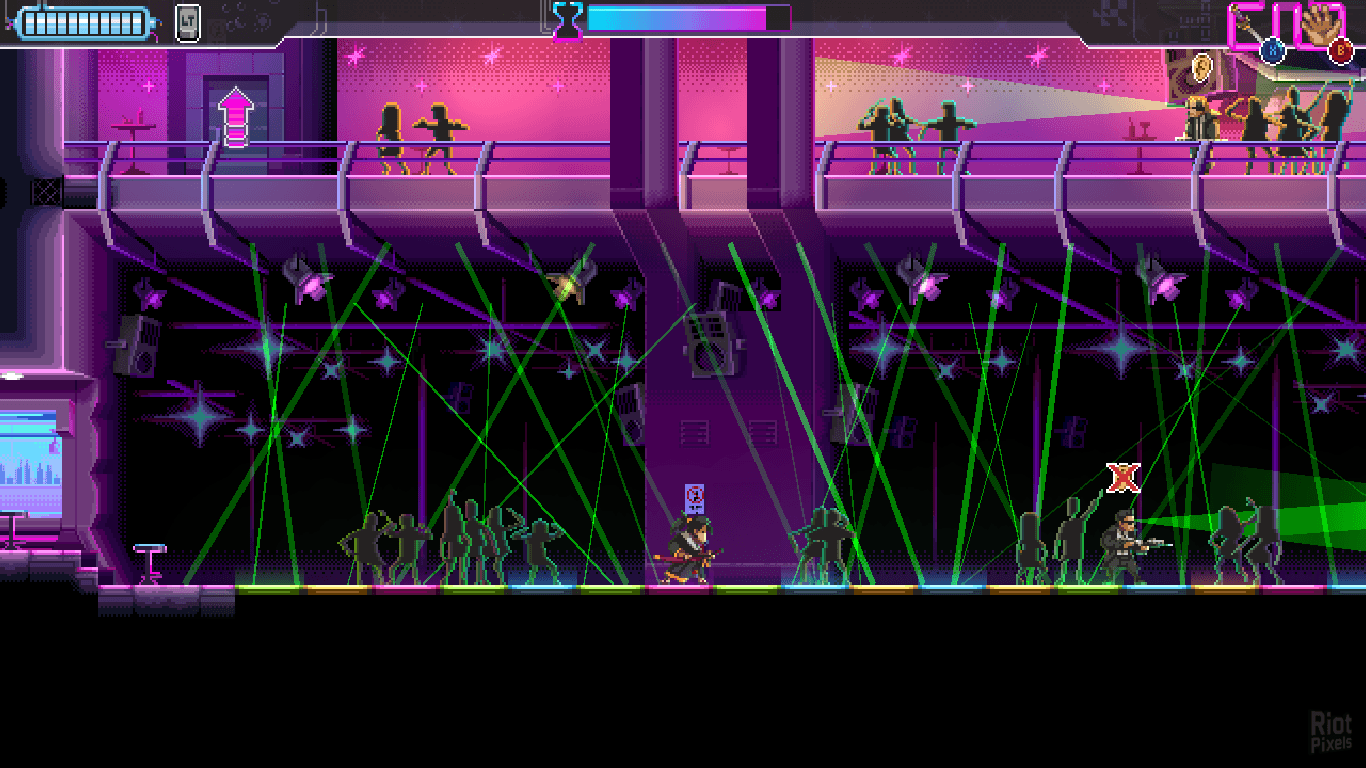
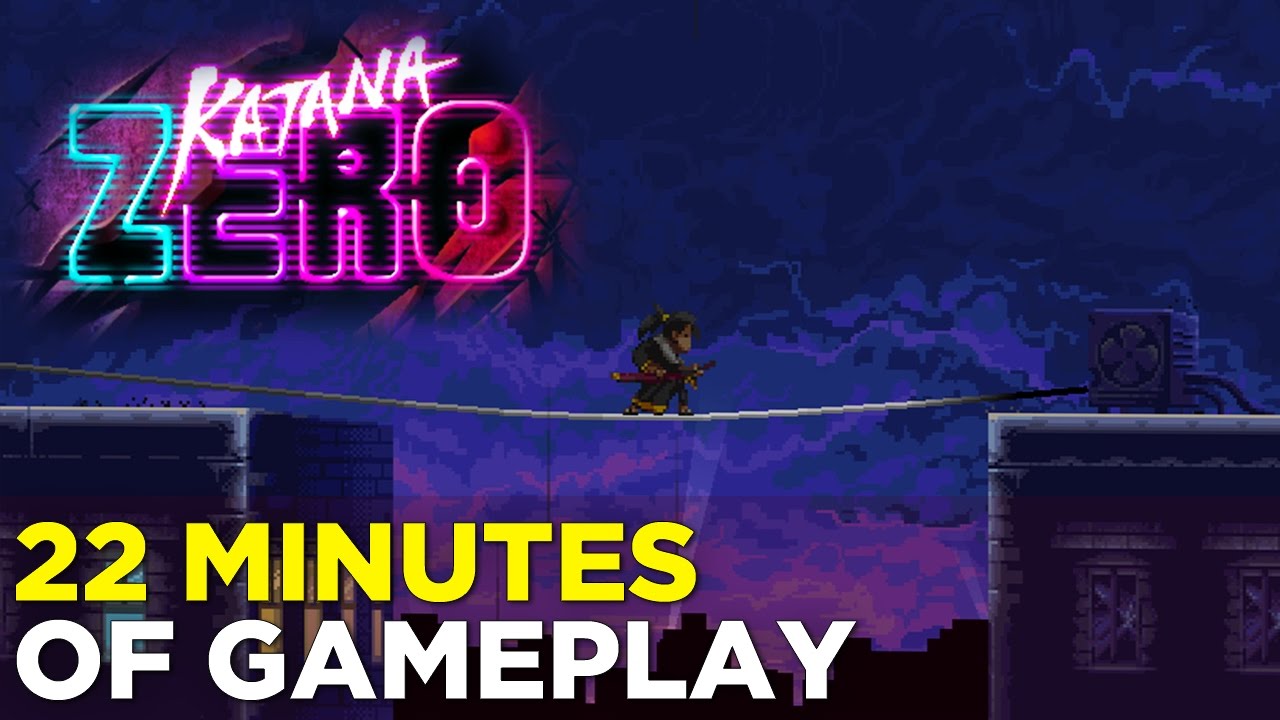
The visual style of Katana ZERO is striking: a pixel-art aesthetic rendered with meticulous detail, creating a world that feels both gritty and stylish. The limited color palette enhances the neo-noir atmosphere, emphasizing the stark contrasts between light and shadow. While seemingly simple, the graphics engine (GameMaker Studio 2) was cleverly utilized to create dynamic visual effects, such as blood splatter and particle systems, which add visceral impact to the combat. The deliberate pixelation contributes to the game’s retro charm while allowing for a surprising level of animation fluidity.
Gameplay Mechanics and Core Systems
At its heart, Katana ZERO is a precision-based action platformer. Players control Subject Zero, a katana-wielding assassin with the ability to manipulate time. This core mechanic allows players to slow down time, dodge attacks, and plan their movements with deadly accuracy. The game’s difficulty stems from the one-hit kill system; any contact with an enemy results in instant death. Mastering this requires careful observation, strategic use of environmental hazards, and a deep understanding of enemy attack patterns.
Level Design and World Atmosphere
The levels in Katana ZERO are intricately designed, each presenting unique challenges and opportunities. They’re not just linear paths; they’re intricate puzzles that demand creative solutions. The environments themselves contribute significantly to the game’s atmosphere, ranging from neon-lit cityscapes to claustrophobic underground complexes. Each level is a microcosm of the larger narrative, offering glimpses into Subject Zero’s past and the world he inhabits.
Narrative Depth and Character Profiles
The story of Katana ZERO is as compelling as its gameplay. Subject Zero suffers from amnesia, piecing together his identity through fragmented memories and interactions with other characters. The game explores themes of memory, trauma, and the consequences of violence. While the protagonist remains largely enigmatic, the supporting cast adds depth and complexity to the narrative, each with their own motivations and secrets.
Sound Design and Acoustic Realism
The sound design in Katana ZERO is crucial to its immersive quality. The soundtrack, a blend of electronic music and ambient soundscapes, perfectly complements the game’s neo-noir aesthetic. Sound effects are equally important, providing feedback on player actions and enhancing the impact of combat. The subtle use of silence also contributes to the tension and atmosphere.
Release Expectations and Community Hype
Katana ZERO entered a crowded market but quickly distinguished itself through its unique gameplay mechanics and compelling narrative. Devolver Digital’s marketing campaign effectively highlighted these aspects, generating significant buzz within the indie gaming community. The game’s success can be attributed to a combination of factors: strong word-of-mouth, critical acclaim, and a dedicated fanbase that continues to support the developers.
Conclusion: The Future of Katana ZERO
Katana ZERO is more than just a game; it’s a testament to the power of innovative design and compelling storytelling. Its influence can be seen in subsequent indie titles, which have adopted similar gameplay mechanics and narrative structures. While a direct sequel remains elusive, the legacy of Katana ZERO continues to inspire developers and captivate players alike. The game serves as a reminder that even within established genres, there’s always room for innovation and creativity.
Source: Wikipedia