Introduction: The Next Chapter for Kameo: Elements of Power
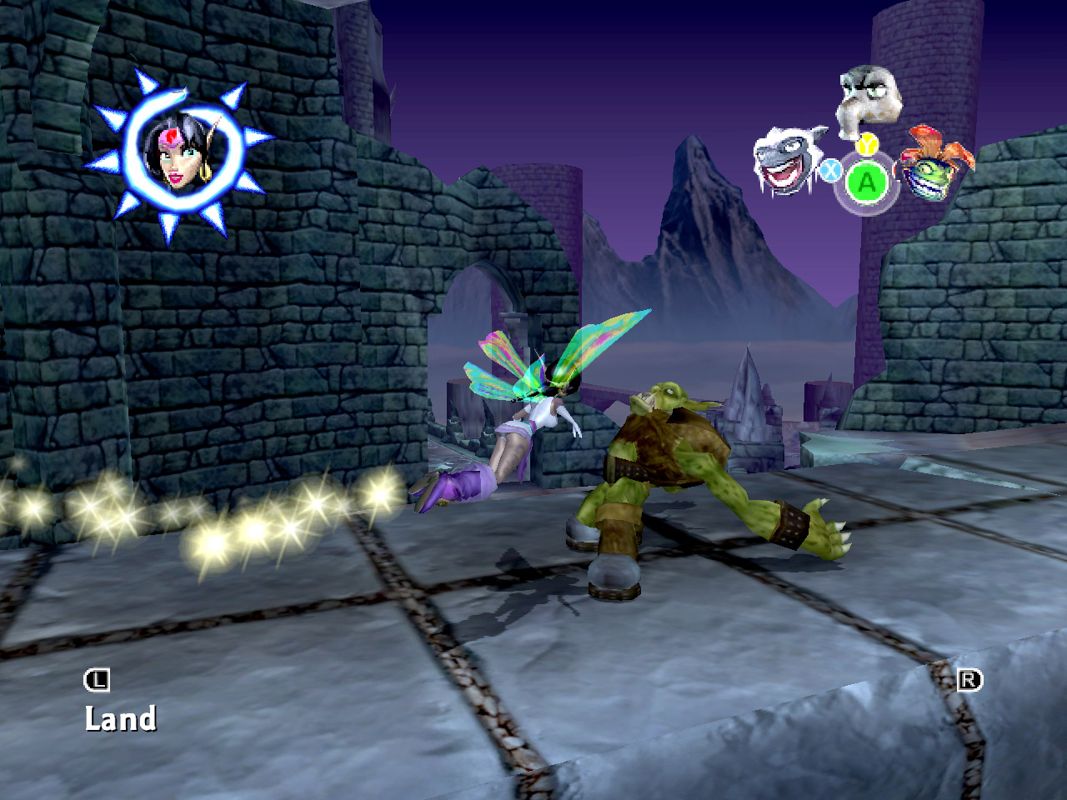
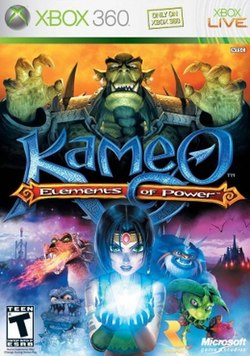
Kameo: Elements of Power, a 2005 action-adventure title developed by Rare and published by Microsoft Game Studios, represents a fascinating case study in game development. Originally conceived as a Pokémon-esque experience for Nintendo consoles, the project underwent a significant transformation following Microsoft’s acquisition of Rare. This shift resulted in a darker, more mature tone, aligning with the Xbox audience, and repositioned the protagonist from a fairy to an elf. While initially slated for the original Xbox, the game was delayed to become a launch title for the Xbox 360, allowing Rare to refine its proprietary “Next-Gen” engine and elevate the overall presentation. This Masterclass Deep Dive will dissect every facet of Kameo, exploring its visual direction, gameplay mechanics, narrative depth, and ultimately, its lasting legacy.
Visual Direction and Graphics Engineering
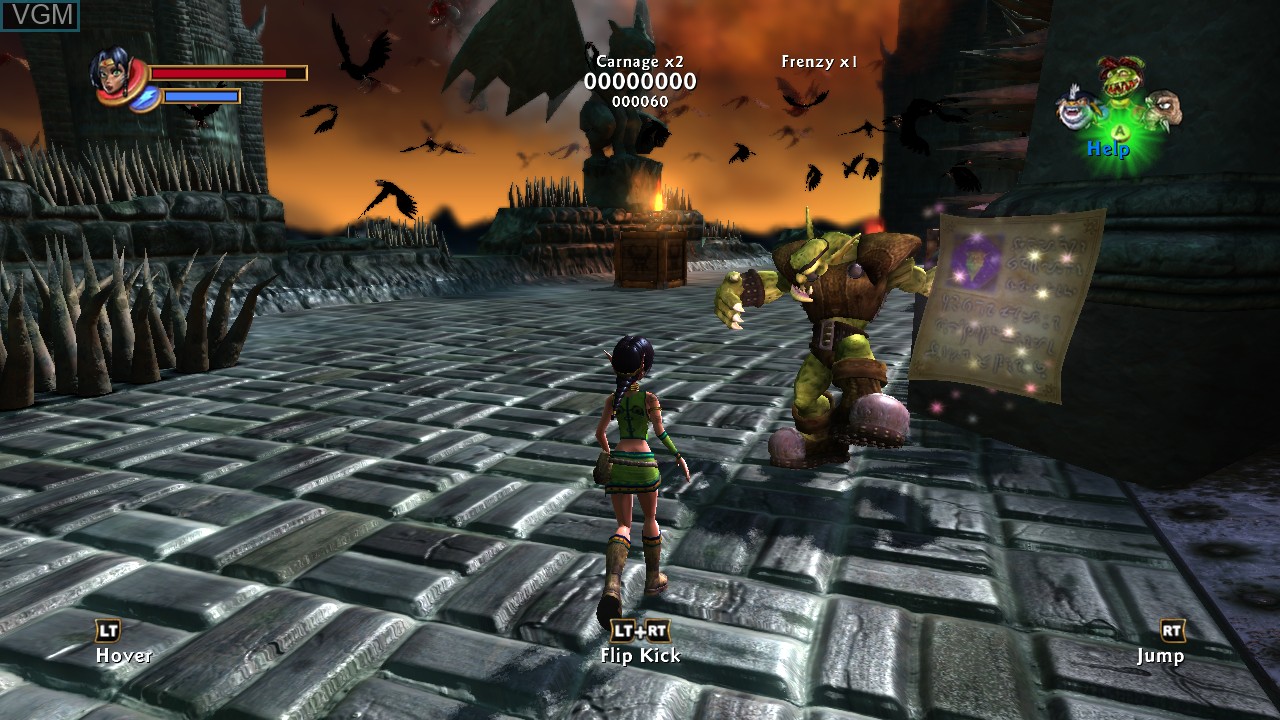
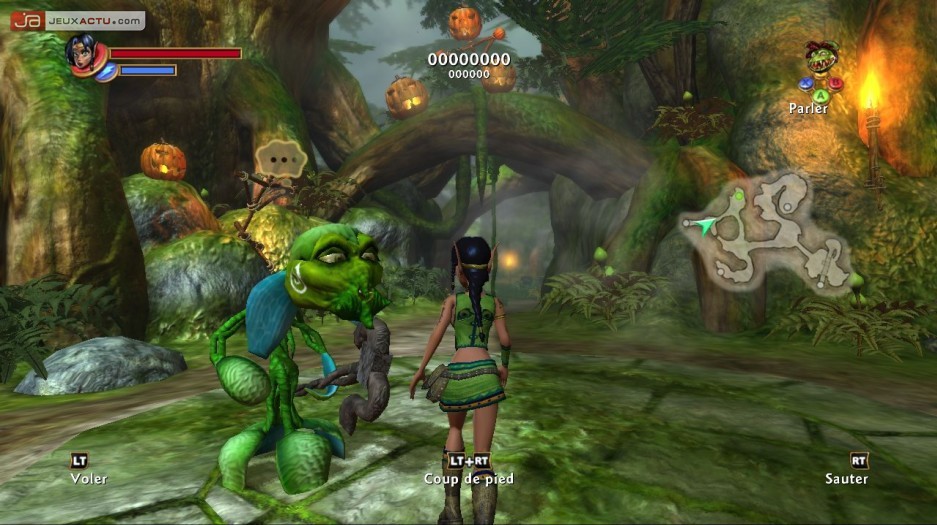
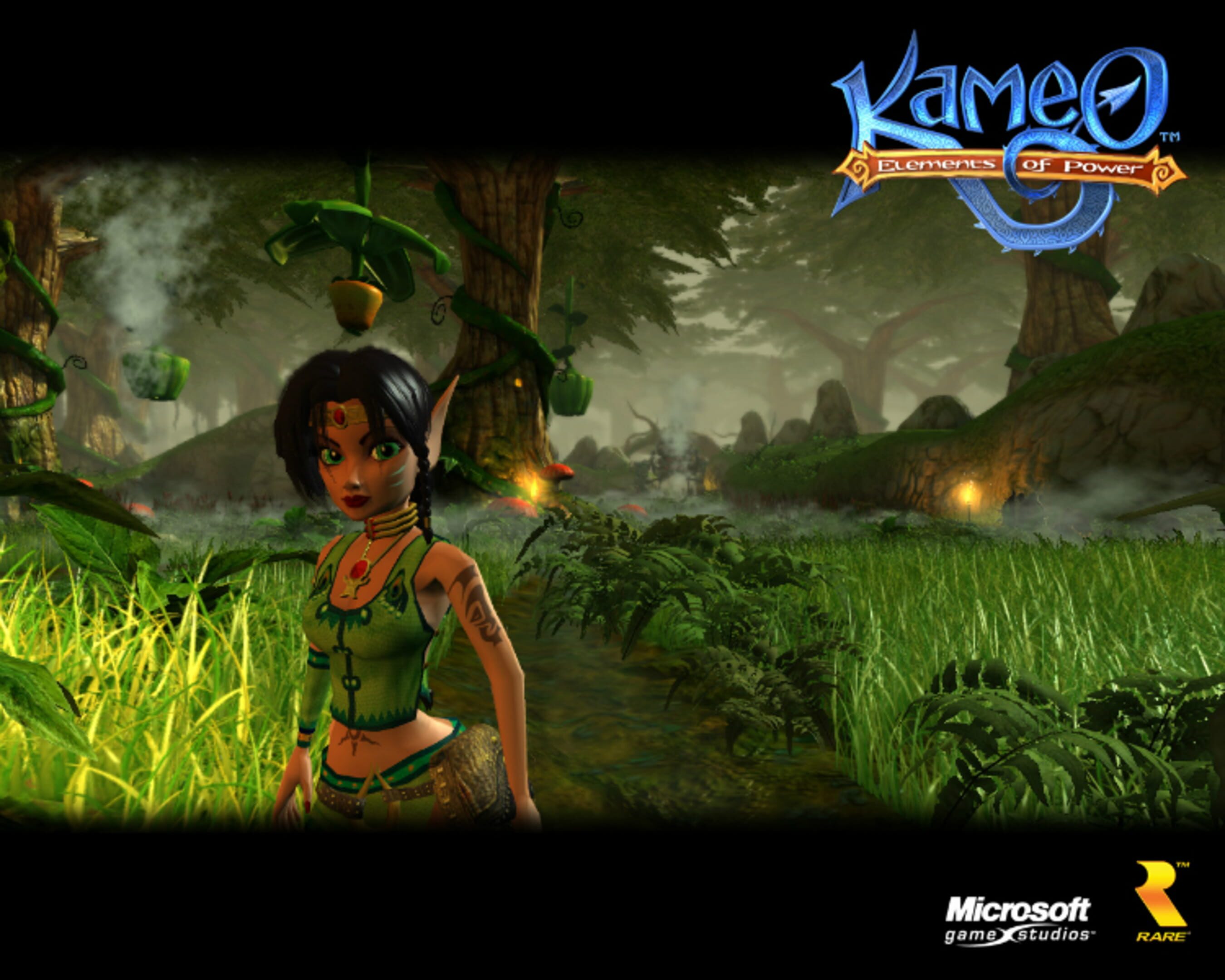
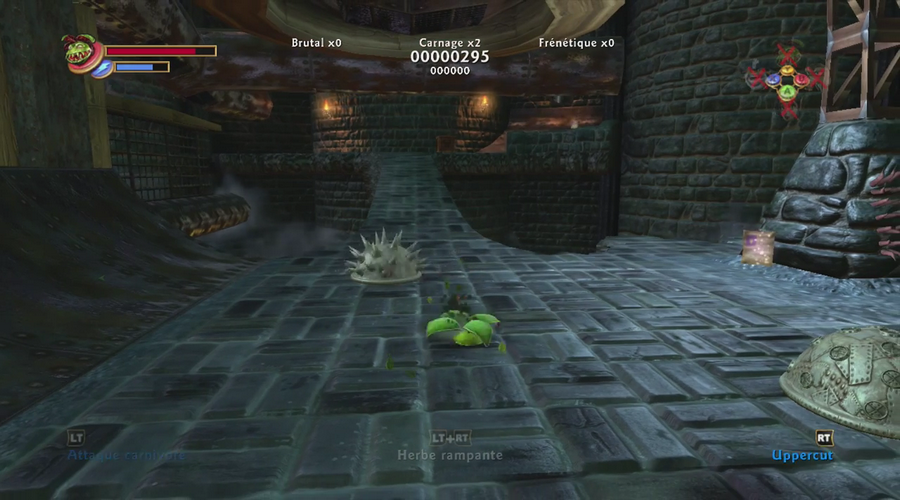
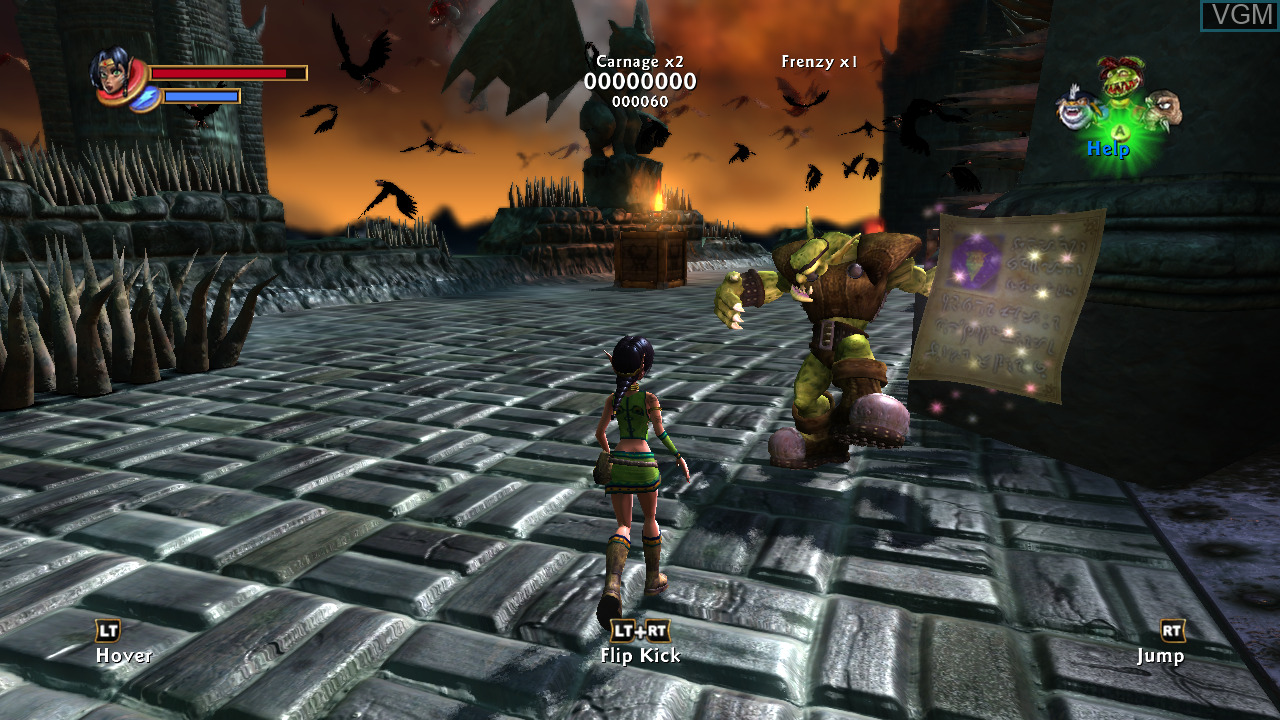
Kameo: Elements of Power showcased a vibrant and stylized art style, pushing the boundaries of what was possible on the original Xbox hardware, and even more so on the Xbox 360. The game’s world is teeming with lush environments, detailed character models, and impressive visual effects. Rare’s proprietary “Next-Gen” engine allowed for dynamic lighting, advanced particle systems, and a level of environmental detail that was remarkable for its time. While the graphics may appear dated by today’s standards, the artistic vision remains compelling, demonstrating a commitment to creating a visually engaging experience. The use of cel-shading techniques contributed to the game’s unique aesthetic, further distinguishing it from other titles in the action-adventure genre.
Gameplay Mechanics and Core Systems
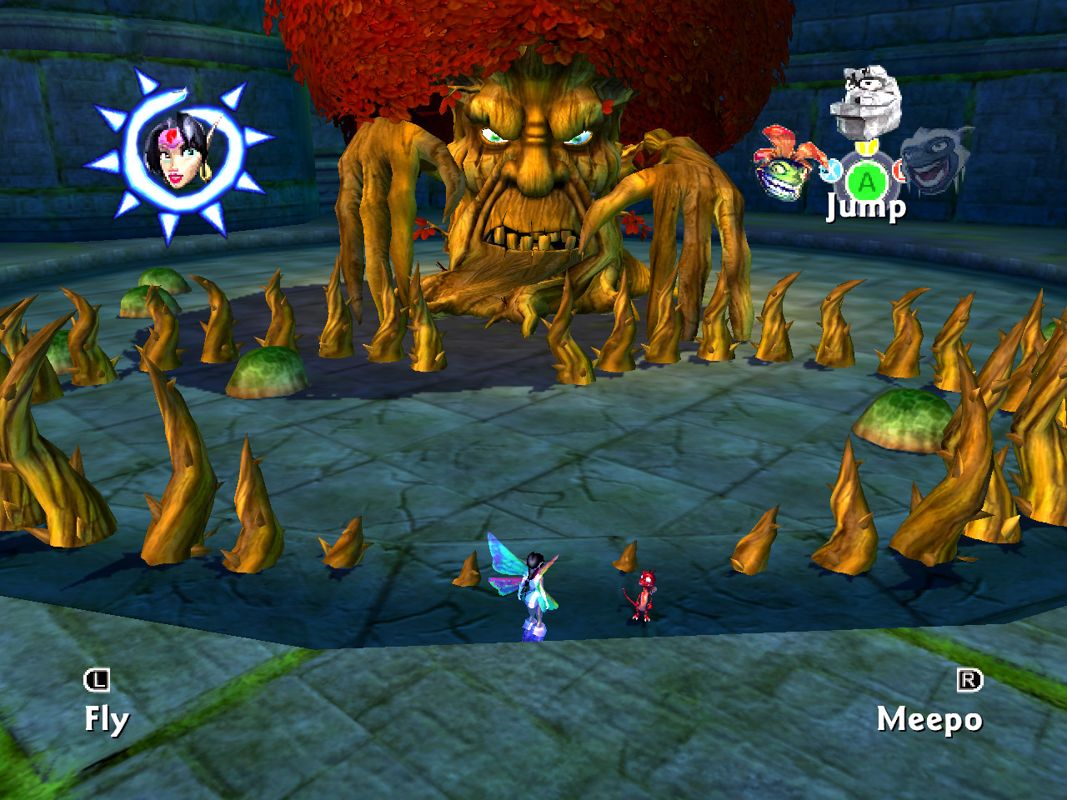
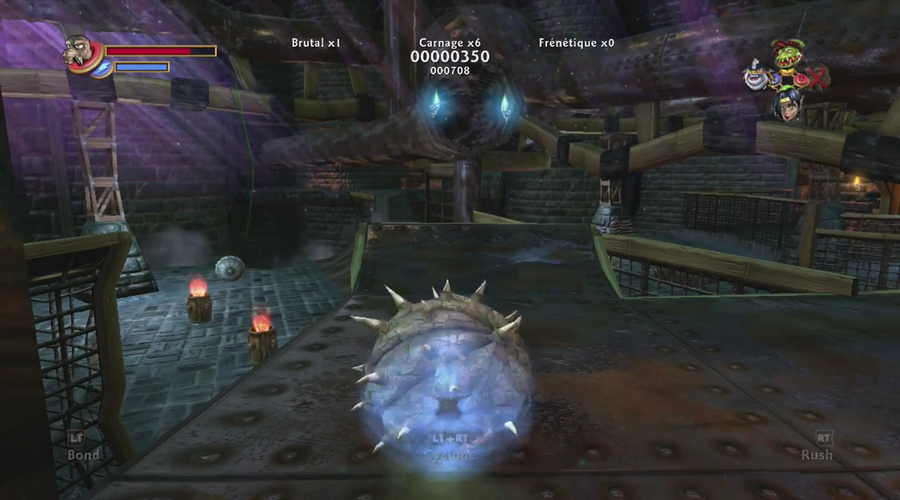
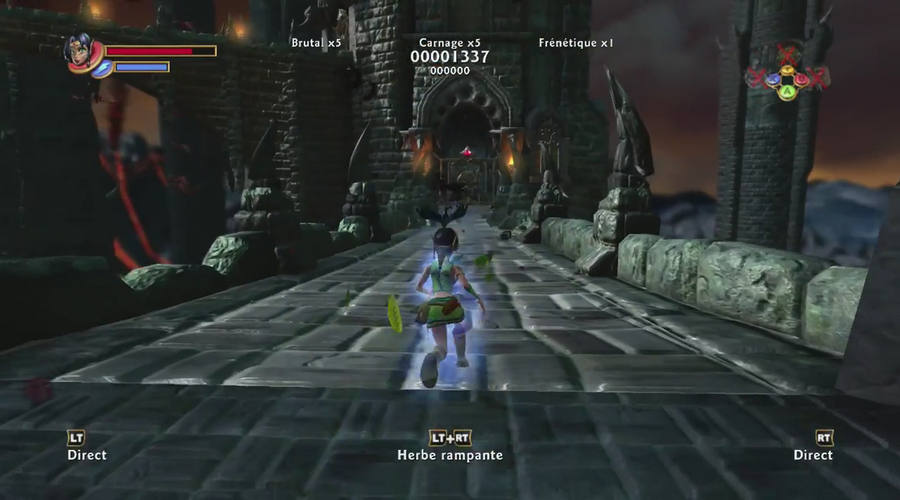
At its core, Kameo: Elements of Power is a beat ’em up adventure with puzzle-solving elements. Players control Kameo, who possesses ten elemental powers that allow her to transform into various creatures, each with unique abilities. This transformation mechanic is central to both combat and exploration, allowing players to overcome obstacles and defeat enemies in creative ways. The game features a robust combat system, emphasizing timing and strategic use of Kameo’s diverse skillset. Collecting Elemental Sprites and Warriors adds another layer of depth, encouraging exploration and rewarding players for discovering hidden secrets.
Level Design and World Atmosphere
The world of Kameo is divided into distinct realms, each with its own unique atmosphere and challenges. The level design is intricate and varied, offering a mix of linear paths and open areas that encourage exploration. Rare masterfully crafted environments that are both visually stunning and functionally engaging, seamlessly integrating the game’s mechanics into the world itself. From lush forests to treacherous mountains, each realm offers a distinct visual identity and gameplay experience.
Narrative Depth and Character Profiles
While not as deeply narrative-driven as some of its contemporaries, Kameo: Elements of Power features a compelling story centered around Kameo’s quest to rescue her family from the troll king Thorn and her treacherous sister Kalus. The game explores themes of betrayal, redemption, and the importance of family. While the characters are somewhat archetypal, they are nonetheless memorable and contribute to the overall sense of adventure.
Sound Design and Acoustic Realism
The sound design in Kameo: Elements of Power is crucial to creating an immersive experience. Steve Burke’s musical score perfectly complements the game’s visuals and atmosphere, enhancing the emotional impact of key moments. The sound effects are equally impressive, bringing the world of Kameo to life with realistic sounds of combat, environmental ambience, and character interactions.
Release Expectations and Community Hype
As a launch title for the Xbox 360, Kameo: Elements of Power generated significant hype within the gaming community. Players eagerly anticipated Rare’s return to form and were excited to experience the power of the new console. While the game received generally positive reviews, some critics felt that it did not fully capitalize on the potential of the hardware. Despite this, Kameo remains a beloved title among fans of Rare and action-adventure games.
Conclusion: The Future of Kameo: Elements of Power
Kameo: Elements of Power represents a unique chapter in gaming history. While its development was complex and its release marked by both excitement and some disappointment, the game’s enduring appeal lies in its innovative gameplay mechanics, vibrant visuals, and memorable characters. Although a direct sequel never materialized, the legacy of Kameo continues to inspire developers and captivate players. The possibility of a remaster or reimagining remains a tantalizing prospect for fans eager to experience this classic title with modern enhancements.
Source: Wikipedia