Introduction: The Next Chapter for Jade Empire
Jade Empire, a title that resonated deeply within the hearts of RPG enthusiasts upon its initial release in 2005, stands as a testament to BioWare’s commitment to crafting immersive and engaging experiences. Originally an Xbox exclusive, its subsequent ports to PC, macOS, and mobile platforms broadened its reach, introducing a new generation of players to its unique blend of martial arts action and Eastern mythology. This deep-dive review aims to dissect the game’s core elements, exploring its visual direction, gameplay mechanics, narrative depth, and overall impact on the RPG landscape. We will examine how Jade Empire carved its own niche, distinct from BioWare’s other acclaimed titles like Baldur’s Gate and Mass Effect.
Visual Direction and Graphics Engineering
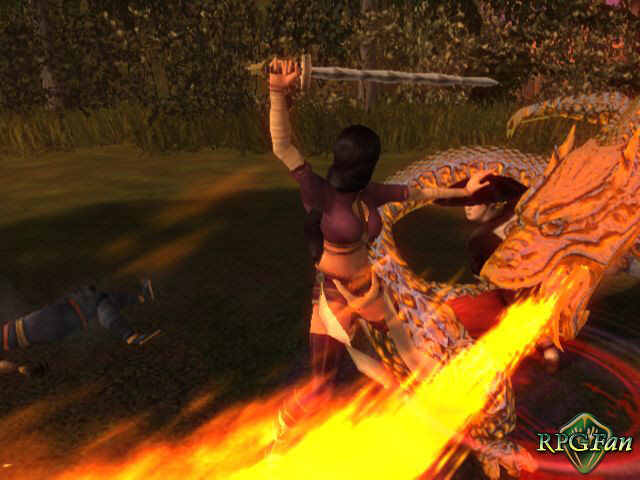
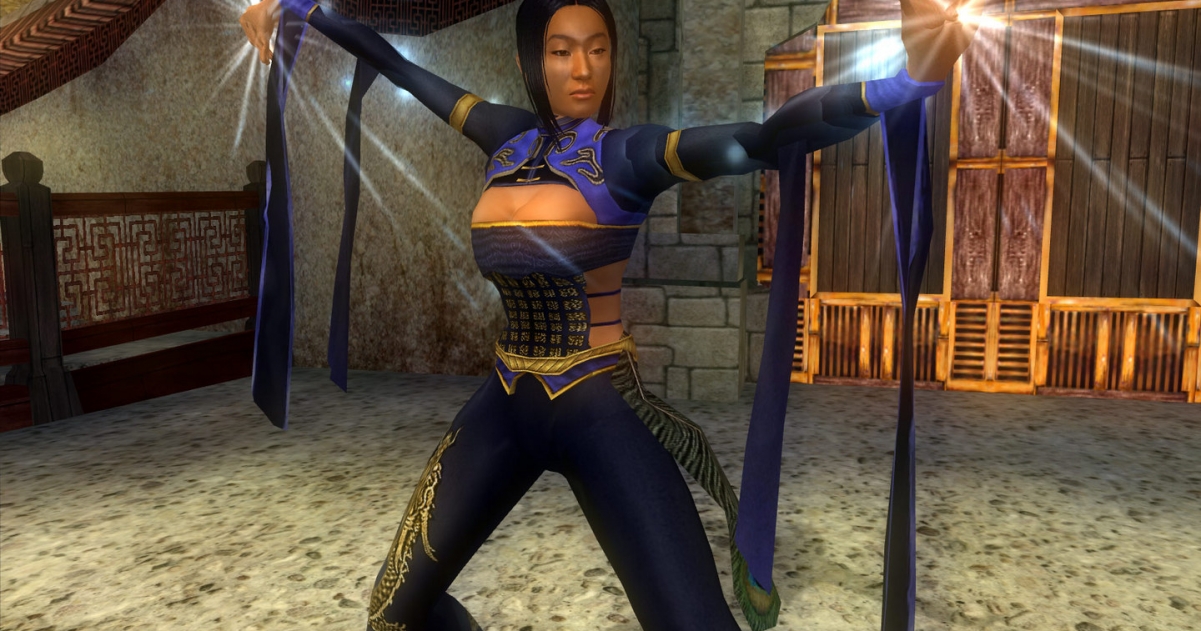
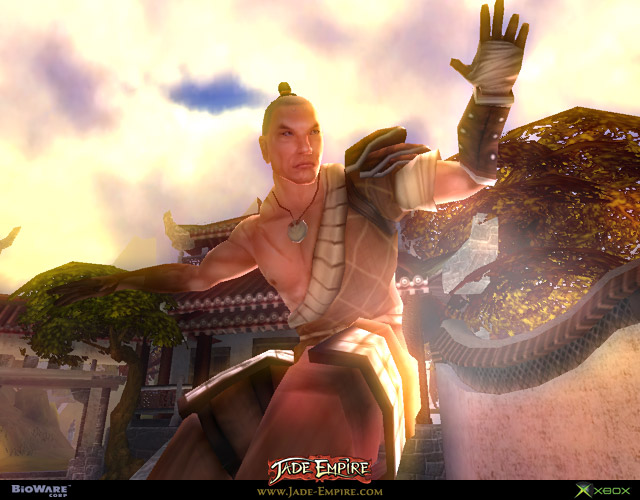
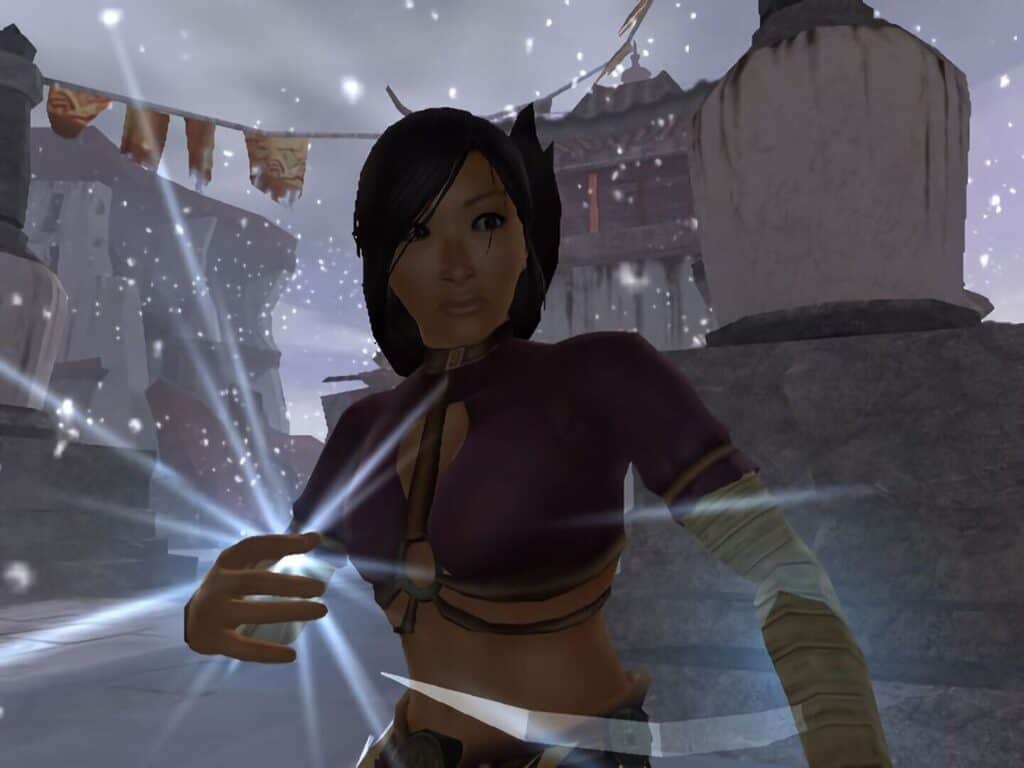
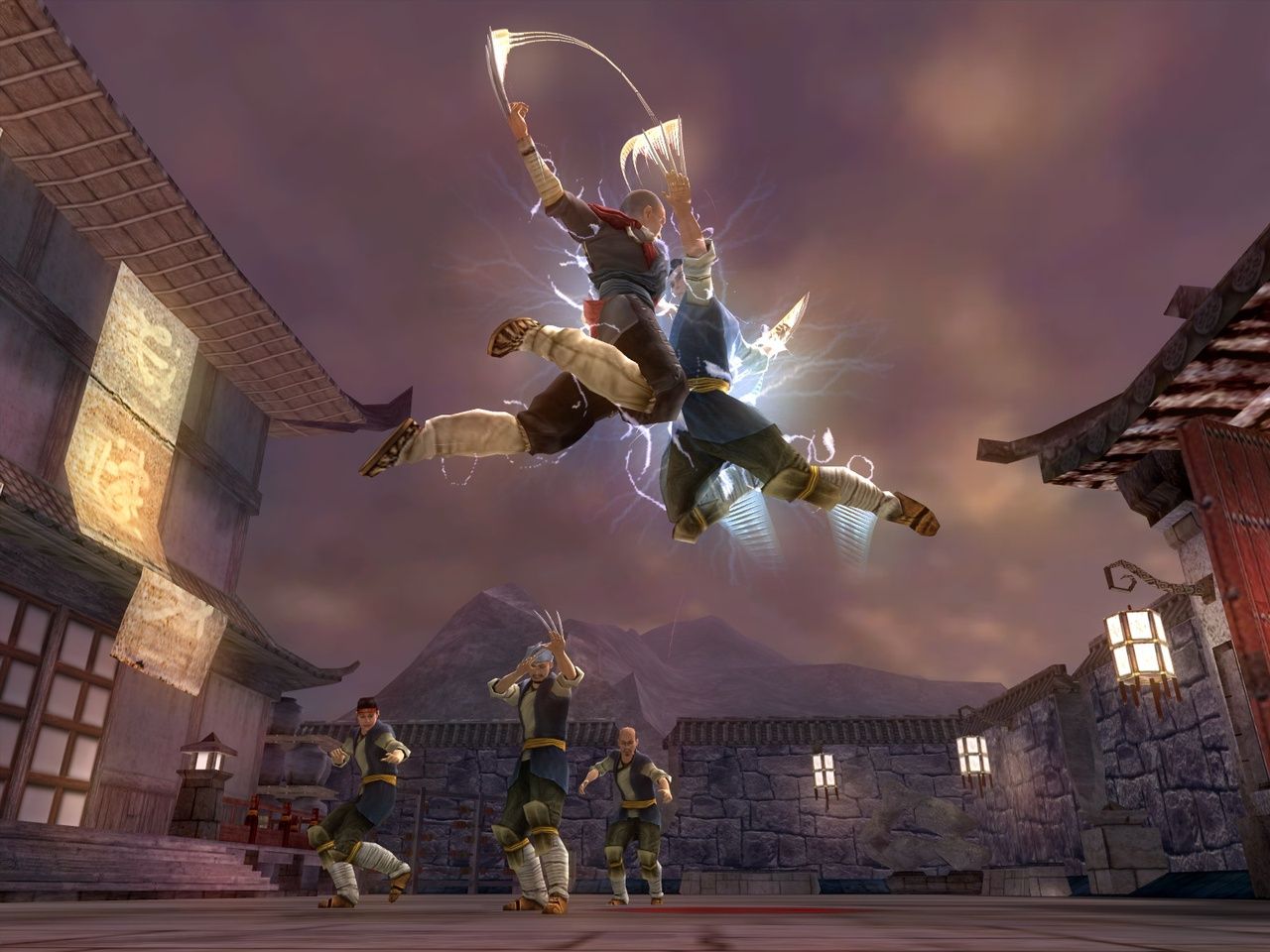
Jade Empire’s visual style is a striking departure from the gritty realism often found in Western RPGs. The game embraces a vibrant, almost painterly aesthetic, heavily inspired by traditional Chinese art and architecture. Character designs are expressive and memorable, while environments range from serene bamboo forests to imposing imperial cities. While limited by the technology of its time, the proprietary “Next-Gen” engine allowed for impressive environmental detail and dynamic lighting effects. The game’s color palette is rich and varied, contributing significantly to its overall atmosphere. The visual direction successfully captures the beauty and mystique of ancient China, creating a world that feels both familiar and fantastical.
Gameplay Mechanics and Core Systems
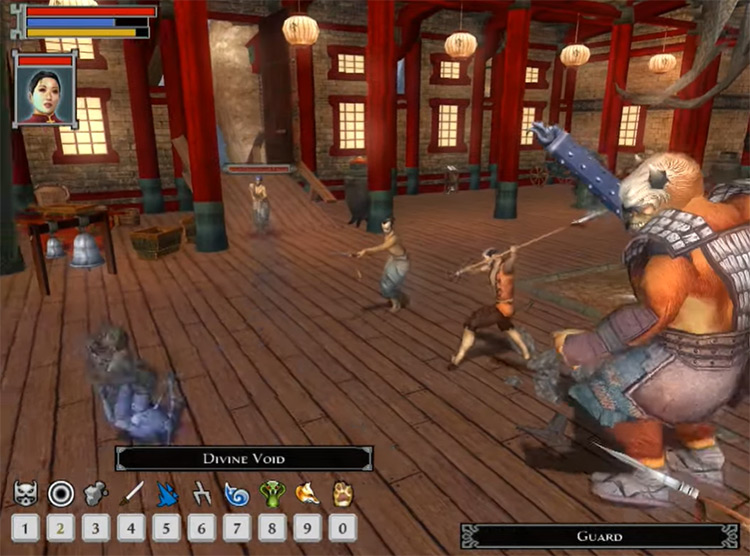
At its core, Jade Empire offers a blend of real-time combat and strategic decision-making. Players control the last surviving Spirit Monk, mastering various martial arts techniques and elemental powers. The game features a unique “Karma” system, where player choices influence both the narrative and gameplay. This morality-based system adds depth to character interactions and opens up different paths through the story. Combat is fluid and engaging, requiring players to learn enemy attack patterns and utilize a variety of combos. The game also incorporates puzzle elements, adding another layer of challenge for players to overcome.
Level Design and World Atmosphere
Jade Empire’s level design is carefully crafted to guide players through its vast and diverse world. From the tranquil beauty of the Flower Bridge to the bustling streets of Qing Dynasty, each location feels distinct and immersive. The game utilizes a mix of linear and open-world environments, allowing for exploration and discovery. Environmental storytelling plays a crucial role in conveying the history and culture of the Jade Empire universe. The attention to detail in level design contributes significantly to the overall sense of immersion.
Narrative Depth and Character Profiles
The narrative is a cornerstone of Jade Empire’s appeal. Players are drawn into a compelling story centered around Master Li, his mysterious disappearance, and the looming threat of dark forces. The game features a memorable cast of characters, each with their own motivations and backstories. Dialogue choices play a crucial role in shaping the player’s relationship with these characters and influencing the course of the narrative. The depth of the storytelling is complemented by well-written character development, making players invested in the fates of those they encounter.
Sound Design and Acoustic Realism
The sound design in Jade Empire is equally impressive, creating an immersive auditory experience that complements the visuals perfectly. Traditional Chinese instruments are used extensively to create a unique and evocative soundtrack. Sound effects are meticulously crafted to enhance the impact of combat and environmental interactions. The voice acting is generally well-executed, bringing life to the game’s diverse cast of characters. The combination of music, sound effects, and voice acting creates an unforgettable auditory landscape that draws players deeper into the world of Jade Empire.
Release Expectations and Community Hype
Upon its initial release, Jade Empire generated considerable hype within the gaming community. BioWare’s reputation for creating high-quality RPGs set expectations high, and the game largely delivered on those promises. The unique blend of martial arts action and Eastern mythology resonated with players seeking a fresh take on the genre. While not without its flaws, Jade Empire quickly established itself as a cult classic, praised for its innovative gameplay mechanics, compelling narrative, and stunning visuals. The community’s passion for the game has endured over the years, leading to ongoing discussions, fan-made content, and renewed interest in potential sequels or remasters.
Conclusion: The Future of Jade Empire
Jade Empire remains a significant achievement in RPG development. Its unique blend of martial arts action, Eastern mythology, and innovative gameplay mechanics set it apart from its contemporaries. While the game may show its age in terms of graphics and some gameplay elements, its core strengths – its compelling narrative, memorable characters, and immersive world – continue to resonate with players. The enduring popularity of Jade Empire suggests a strong desire within the gaming community for more experiences that embrace diverse cultural influences and offer fresh perspectives on established genres. A potential sequel or remaster could revitalize this beloved title and introduce it to a new generation of gamers, ensuring that the legacy of Jade Empire continues to thrive.

Source: Wikipedia