Introduction: The Next Chapter for Into the Breach
Subset Games’ *Into the Breach* isn’t just a game; it’s a masterclass in turn-based strategy. Following their acclaimed title, *FTL: Faster Than Light*, Subset Games delivered a focused and deeply engaging experience that has captivated players worldwide. This deep dive will explore every facet of *Into the Breach*, from its innovative gameplay mechanics to its compelling narrative, offering insights into what makes it a true gem in the indie gaming landscape. The game’s success stems from its elegant design, challenging but fair difficulty curve, and the constant feeling of strategic depth that encourages experimentation and replayability.
Visual Direction and Graphics Engineering
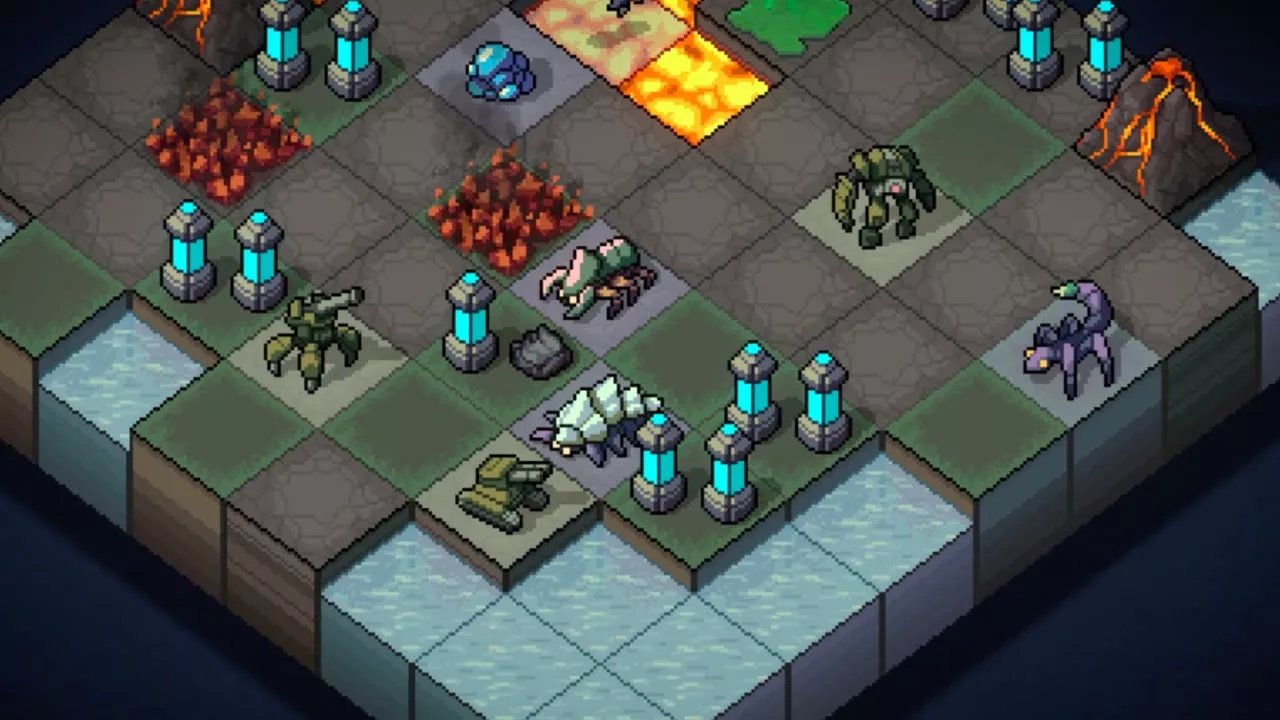
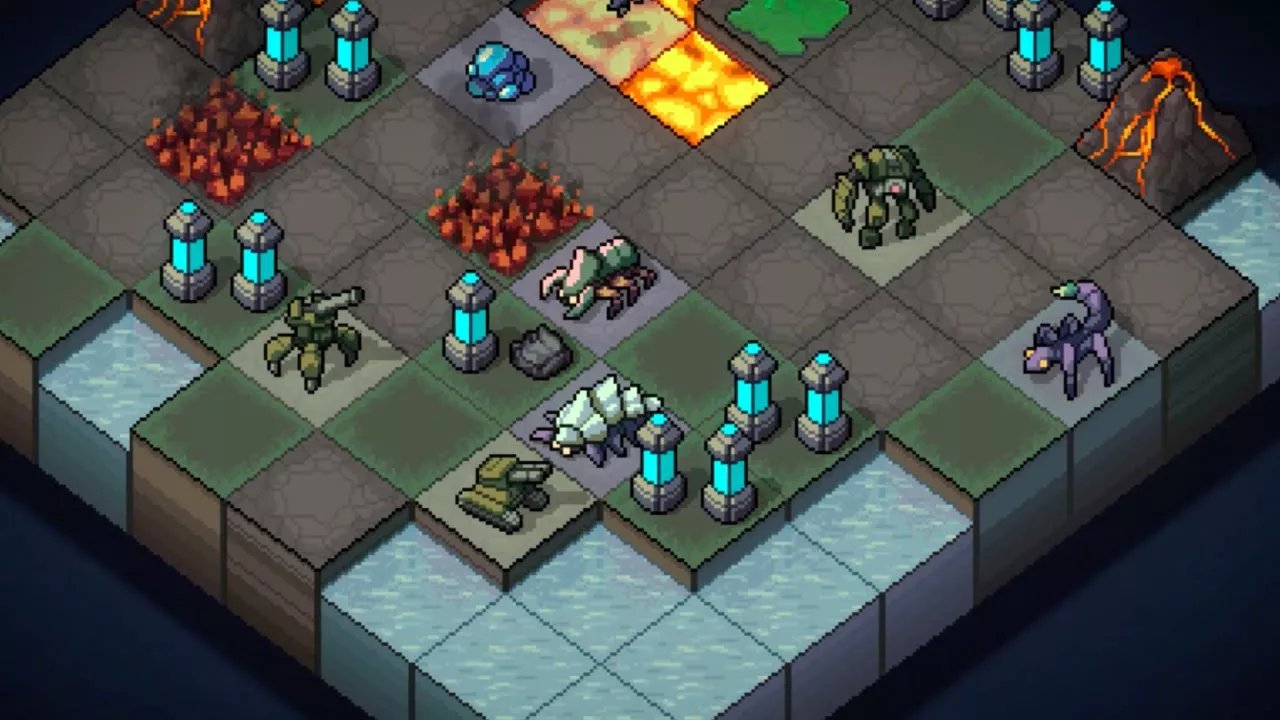
While not boasting cutting-edge visuals, *Into the Breach*’s art style is charmingly retro and perfectly complements its gameplay. The isometric perspective provides a clear view of the battlefield, allowing players to easily assess threats and plan their moves. The graphics engine, while proprietary, prioritizes clarity and functionality over flashy effects. This minimalist approach allows the game to run smoothly on a wide range of hardware, from high-end PCs to mobile devices. The color palette is carefully chosen to create distinct environments, each with its own unique visual identity.
Gameplay Mechanics and Core Systems
The core gameplay loop revolves around defending structures against the Vek, giant monsters that threaten humanity’s last hope. Players control a squad of mechs, each with unique abilities and strengths. The turn-based combat system is both strategic and tactical, requiring players to carefully consider every move. A key element is the “attack telegraph,” which shows where enemies will attack in advance, allowing players to plan accordingly. This mechanic adds a layer of predictability that allows for skillful play and creative solutions. Resources are scarce, forcing players to make difficult choices about how to allocate them. The game’s difficulty scales progressively, providing a constant challenge for even the most experienced players.
Level Design and World Atmosphere
The level design in *Into the Breach* is crucial to its strategic depth. Each map presents unique challenges, from narrow corridors that restrict movement to open areas that offer more tactical options. The placement of buildings and terrain features significantly impacts gameplay, forcing players to adapt their strategies on the fly. The game’s atmosphere is one of quiet desperation, as humanity struggles against overwhelming odds. While there isn’t a traditional narrative campaign, the environment tells its own story through subtle details and visual cues.
Narrative Depth and Character Profiles
While *Into the Breach* doesn’t feature extensive character development in the traditional sense, the pilots controlling the mechs each have distinct personalities and backstories that are hinted at throughout the game. These snippets of lore add depth to the experience and encourage players to become invested in the fate of humanity. The narrative is primarily conveyed through environmental storytelling and subtle details, rewarding attentive players with a deeper understanding of the world.
Sound Design and Acoustic Realism
The sound design in *Into the Breach* is both functional and atmospheric. The music is composed by Ben Prunty, who also worked on *FTL: Faster Than Light*, and perfectly complements the game’s tone. Sound effects are used to provide feedback on player actions and telegraph enemy attacks, enhancing the overall gameplay experience. The soundscape creates a sense of tension and urgency, immersing players in the struggle for survival.
Release Expectations and Community Hype
The release of *Into the Breach* was met with widespread critical acclaim and enthusiastic community support. Its innovative gameplay mechanics, challenging difficulty curve, and charming art style quickly resonated with players. The game’s success can be attributed to its tight design, replayability, and the constant feeling of strategic depth that it offers. The mobile version, published by Netflix, further expanded the game’s reach, introducing it to a new audience.
Conclusion: The Future of Into the Breach
*Into the Breach* is more than just a game; it’s a testament to the power of thoughtful design and innovative gameplay. Its success has solidified Subset Games’ reputation as masters of the turn-based strategy genre, and its influence can be seen in countless games that have followed. The game’s enduring popularity speaks volumes about its quality and replayability.
While there may not be plans for a direct sequel, the legacy of *Into the Breach* will undoubtedly continue to inspire future generations of game developers.
Source: Wikipedia


