Introduction: The Next Chapter for Inside
Playdead’s *Inside* arrived in 2016 as a chilling follow-up to their critically acclaimed debut, *Limbo*. While sharing a similar aesthetic and gameplay style, *Inside* elevates the experience with a more complex narrative, refined mechanics, and an even darker atmosphere. This Masterclass Deep-Dive will dissect every facet of this masterpiece, from its innovative use of Unity to its haunting sound design. We’re not just reviewing a game; we’re exploring a meticulously crafted world that lingers long after the credits roll.
Visual Direction and Graphics Engineering
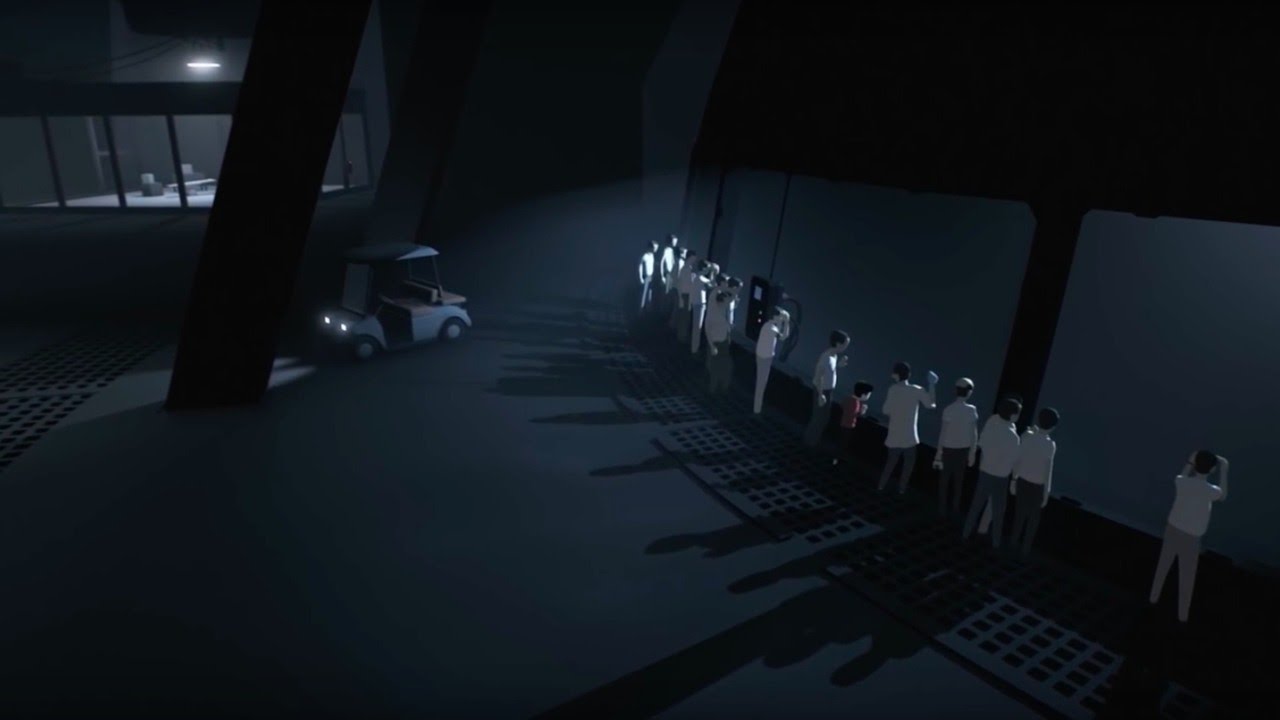
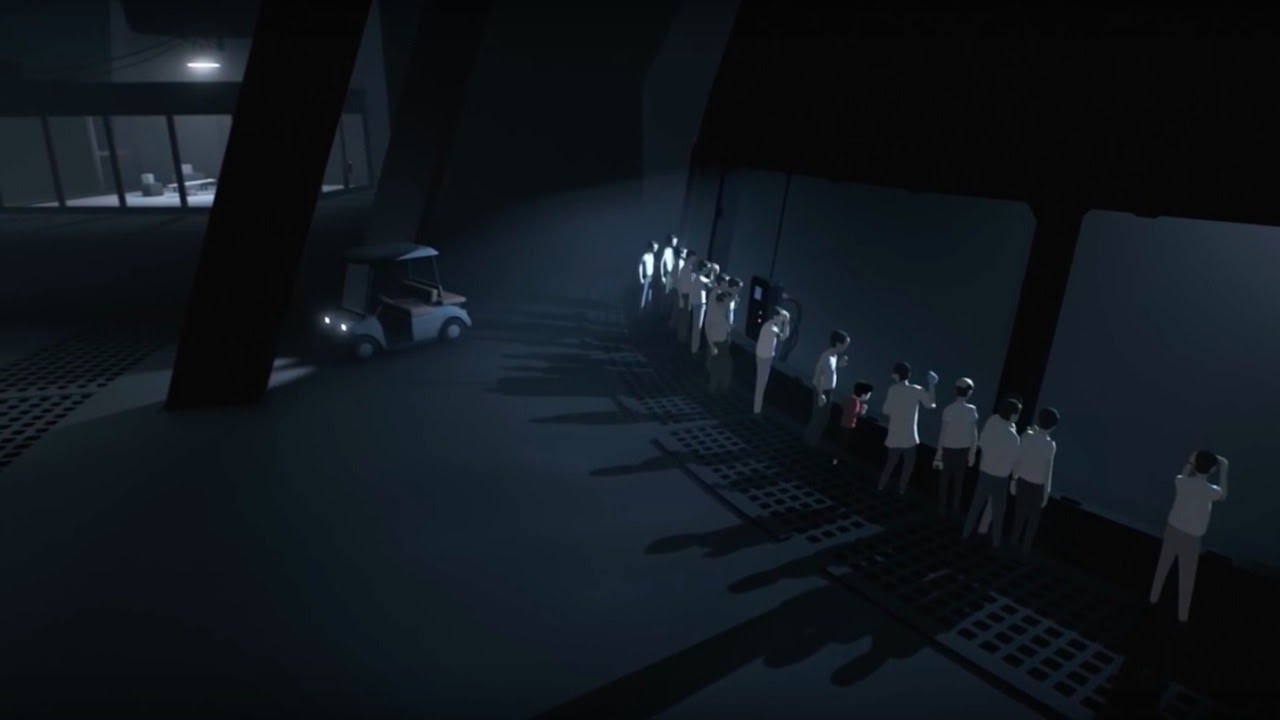
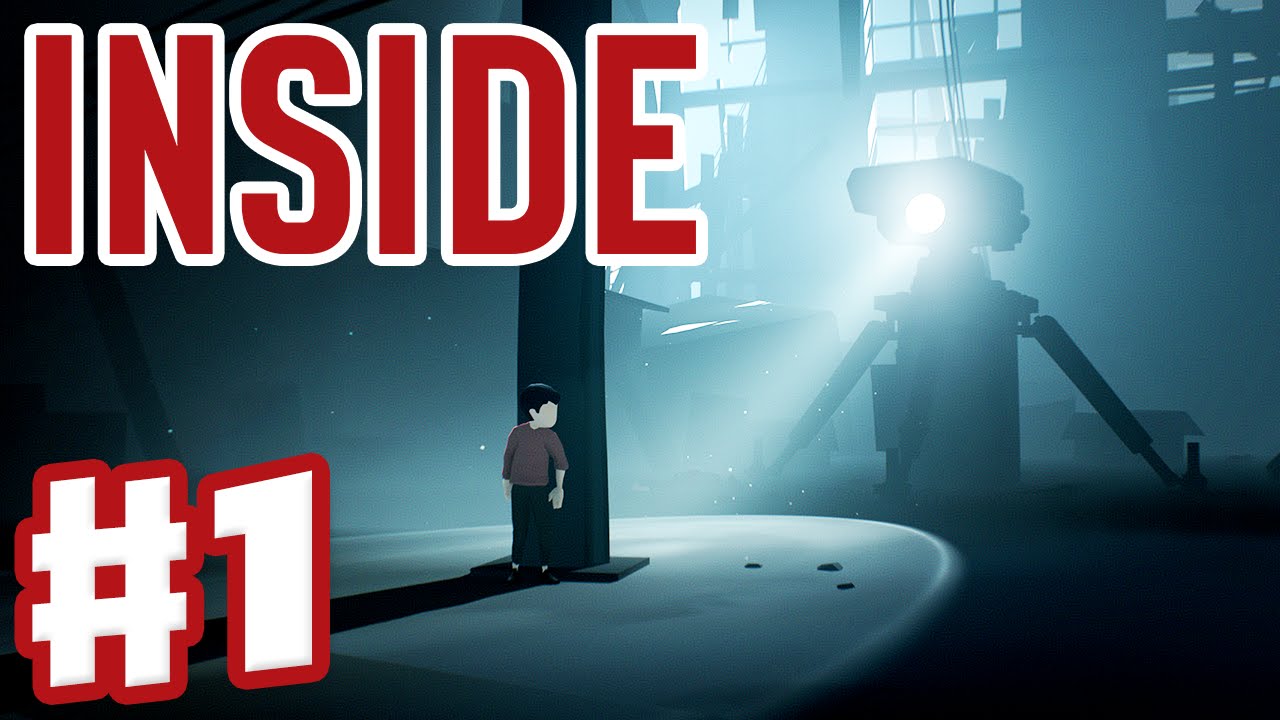
*Inside*’s visual style is instantly recognizable: a stark, monochromatic palette punctuated by occasional bursts of color. This limited color scheme isn’t merely an aesthetic choice; it serves to heighten the sense of dread and isolation. Playdead leveraged Unity as its engine base but implemented custom rendering routines to achieve this unique look. These modifications allowed for precise control over lighting, shadows, and textures, creating a visual experience that is both beautiful and unsettling. The deliberate use of particle effects and environmental details further enhances the game’s atmosphere, drawing players deeper into its oppressive world.
Gameplay Mechanics and Core Systems
The core gameplay in *Inside* revolves around puzzle-solving and platforming. Players control a young boy as he navigates a series of interconnected environments, encountering various obstacles and dangers along the way. The puzzles are cleverly designed, requiring players to think creatively and utilize their surroundings to progress. While challenging, these puzzles never feel unfair, offering a satisfying sense of accomplishment upon completion. The game’s physics engine is also noteworthy, allowing for realistic interactions with objects and creating opportunities for emergent gameplay moments.
Level Design and World Atmosphere
The level design in *Inside* is masterful, guiding players through a series of interconnected environments that are both visually stunning and deeply unsettling. Each area feels distinct, offering new challenges and revealing more about the game’s mysterious world. The atmosphere is thick with dread, created by the combination of the stark visuals, haunting sound design, and sense of constant threat. The game excels at creating a feeling of isolation and vulnerability, making players feel truly alone in this hostile environment.
Narrative Depth and Character Profiles
*Inside*’s narrative is intentionally ambiguous, leaving much open to interpretation. Players are presented with a series of events and images, but the underlying story remains largely unspoken. This lack of explicit exposition allows for a more personal and engaging experience, encouraging players to draw their own conclusions about what they are witnessing. While there are no traditional character profiles, the protagonist’s actions and reactions speak volumes, conveying a sense of determination and resilience in the face of overwhelming adversity.
Sound Design and Acoustic Realism
The sound design in *Inside* is crucial to its overall impact. The game features a haunting soundtrack composed by Martin Stig Andersen and Søs Gunver Ryberg, which perfectly complements the visuals and atmosphere. The use of ambient sounds, such as wind, machinery, and distant cries, further enhances the sense of dread and isolation. The sound effects are also meticulously crafted, adding weight and realism to every action.
Release Expectations and Community Hype
Following the success of *Limbo*, expectations were high for *Inside*. Playdead delivered on those expectations with a game that was both familiar and innovative. The release generated significant buzz within the gaming community, with many praising its unique atmosphere, challenging puzzles, and ambiguous narrative. The game quickly became a critical darling, earning numerous accolades and solidifying Playdead’s reputation as masters of atmospheric puzzle-platforming.
Conclusion: The Future of Inside
*Inside* is more than just a game; it’s an experience. Its haunting visuals, challenging puzzles, and ambiguous narrative create a truly unforgettable journey into the depths of human resilience. While there are no immediate plans for a direct sequel, Playdead continues to explore new and innovative ways to push the boundaries of interactive storytelling. The legacy of *Inside* will undoubtedly continue to inspire developers and captivate players for years to come.
Source: Wikipedia


