

About this game
Introduction: The Next Chapter for IL-2 Sturmovik: Birds of Prey
IL-2 Sturmovik: Birds of Prey represents more than just an iteration; it’s a bold step forward in the venerable flight simulation franchise. Building upon the solid foundation laid by its predecessors, this installment aims to deliver an unparalleled level of realism, historical accuracy, and engaging gameplay that caters to both seasoned veterans and newcomers alike. The anticipation surrounding “Birds of Prey” has been palpable within the gaming community, fueled by promises of cutting-edge graphics, meticulously recreated aircraft, and a deep dive into pivotal moments of World War II. This Masterclass Deep-Dive will dissect every facet of this highly anticipated title, exploring its strengths, weaknesses, and overall impact on the flight simulation genre.
Visual Direction and Graphics Engineering
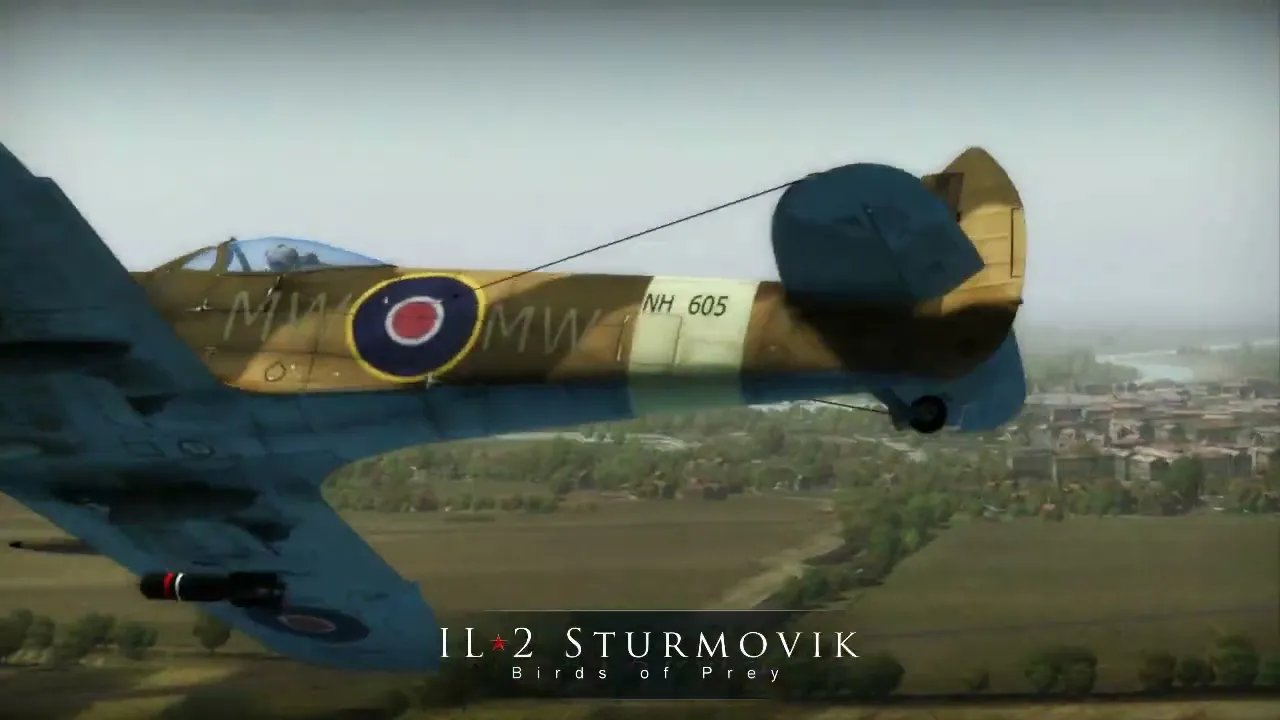
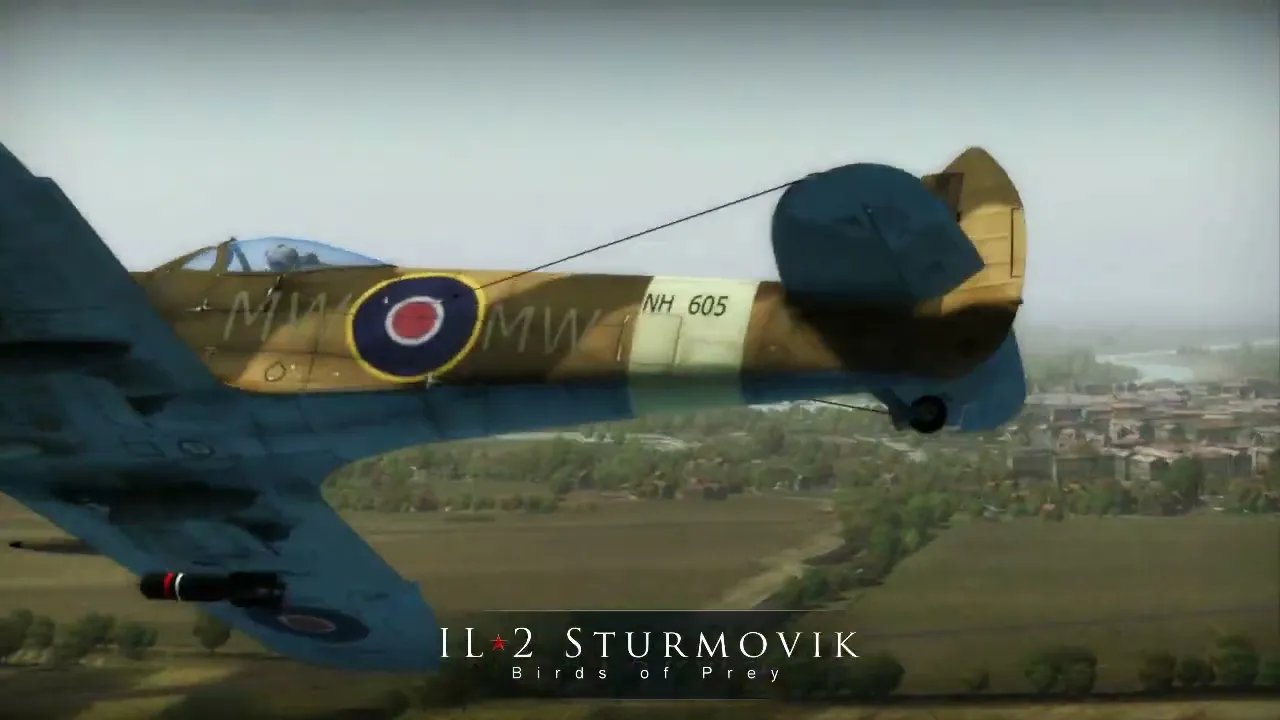
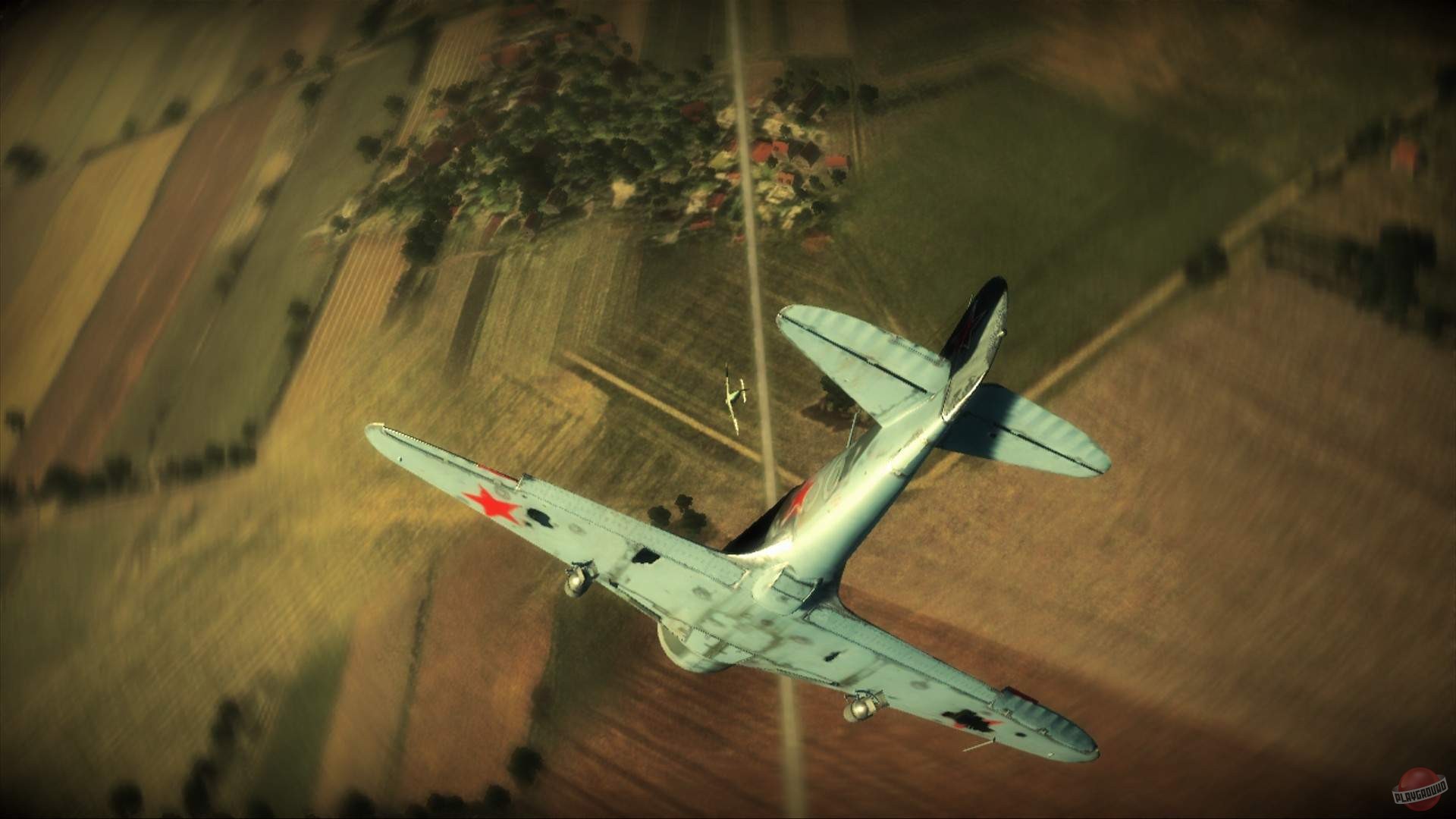
One of the most striking aspects of “Birds of Prey” is its commitment to visual fidelity. The developers have leveraged advanced rendering techniques to create breathtakingly realistic environments, from the rolling hills of Eastern Europe to the vast expanse of the skies above. Aircraft models are incredibly detailed, showcasing intricate panel lines, weathering effects, and authentic cockpit instrumentation. The game’s engine has been optimized for performance, allowing players to experience these visuals without sacrificing frame rates, even on moderately powerful hardware. Furthermore, dynamic weather systems add another layer of immersion, with realistic cloud formations, lighting effects, and atmospheric conditions that change the way aircraft handle and how battles unfold. The attention to detail in recreating historical locations is also noteworthy, providing a truly immersive and authentic experience for players.
Gameplay Mechanics and Core Systems
“Birds of Prey” builds upon the established flight mechanics of the Sturmovik series while introducing refinements designed to enhance realism and accessibility. Players can expect a wide range of control options, from simplified arcade modes to full-fledged simulation settings that require mastery of complex aircraft systems. The game features a robust damage model that accurately simulates the effects of combat on both aircraft and ground targets.
This means that every bullet fired, every explosion felt, has tangible consequences for performance and survivability. Furthermore, the AI piloting is significantly improved, with enemy fighters exhibiting more realistic tactics and behaviors. The game also introduces new features like a dynamic campaign system where player actions have lasting effects on the overall war effort.
Level Design and World Atmosphere
The level design in “Birds of Prey” is crucial to creating an immersive and engaging experience. Each map is meticulously crafted to reflect the historical context of the battles they represent. From the vast plains of Russia to the rugged terrain of the Caucasus, each environment presents unique challenges and opportunities for players. The attention to detail extends beyond just the visual aspects; sound design plays a vital role in creating an authentic atmosphere. The roar of engines, the crackle of gunfire, and the distant rumble of artillery all contribute to a truly immersive experience. Furthermore, dynamic weather systems add another layer of realism, with changing conditions that impact visibility and aircraft handling.
Narrative Depth and Character Profiles
While primarily a flight simulation game, “Birds of Prey” attempts to weave in narrative elements to enhance player engagement. The campaign mode features historical scenarios based on real-world battles, allowing players to experience key moments of World War II from the perspective of both Allied and Axis pilots. While not a story-driven experience in the traditional sense, the game provides context for the battles being fought and introduces players to some of the key figures involved. The focus remains on gameplay and historical accuracy, but the inclusion of narrative elements adds another layer of depth to the overall experience.
Sound Design and Acoustic Realism
The sound design in “Birds of Prey” is nothing short of exceptional. From the throaty roar of the engines to the deafening explosions, every sound effect has been meticulously crafted to create a truly immersive audio landscape. The game utilizes advanced acoustic modeling techniques to simulate how sounds propagate through the environment, creating a sense of depth and realism that enhances the overall experience. Furthermore, the inclusion of authentic radio chatter adds another layer of immersion, allowing players to hear the voices of their comrades and enemies as they engage in combat.
Release Expectations and Community Hype
The release of “IL-2 Sturmovik: Birds of Prey” has been met with considerable anticipation within the gaming community. The developers have actively engaged with fans throughout the development process, providing regular updates on progress and soliciting feedback. This level of transparency has helped to build excitement for the game and foster a strong sense of community. Early access programs allowed dedicated players to test the game and provide valuable input, further refining the final product. The hype surrounding the release is palpable, with many eager to experience the next evolution of the Sturmovik series.
Conclusion: The Future of IL-2 Sturmovik: Birds of Prey
“IL-2 Sturmovik: Birds of Prey” represents a significant step forward for the franchise, delivering an unparalleled level of realism, historical accuracy, and engaging gameplay. While not without its minor imperfections, the game offers a truly immersive experience that caters to both seasoned veterans and newcomers alike. The developers’ commitment to detail, combined with their active engagement with the community, has resulted in a title that is sure to leave a lasting impact on the flight simulation genre. As technology continues to advance, we can only anticipate even greater heights for the IL-2 Sturmovik series in the years to come.
Source: Wikipedia
Gallery

Join the conversation