Introduction: The Next Chapter for Ico
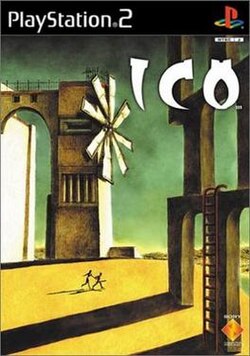
Ico, released in 2001 for the PlayStation 2, wasn’t just a game; it was an experience. Developed by Sony Computer Entertainment Japan, under the visionary direction of Fumito Ueda, Ico represented a bold departure from conventional gaming tropes. It prioritized atmosphere, emotional resonance, and minimalist design over bombastic action sequences and sprawling open worlds. This Masterclass Deep-Dive will dissect every facet of Ico, exploring its technical innovations, artistic vision, and enduring legacy. We’re not just looking at pixels; we’re examining the soul of a game that continues to inspire developers and captivate players decades later.
Visual Direction and Graphics Engineering
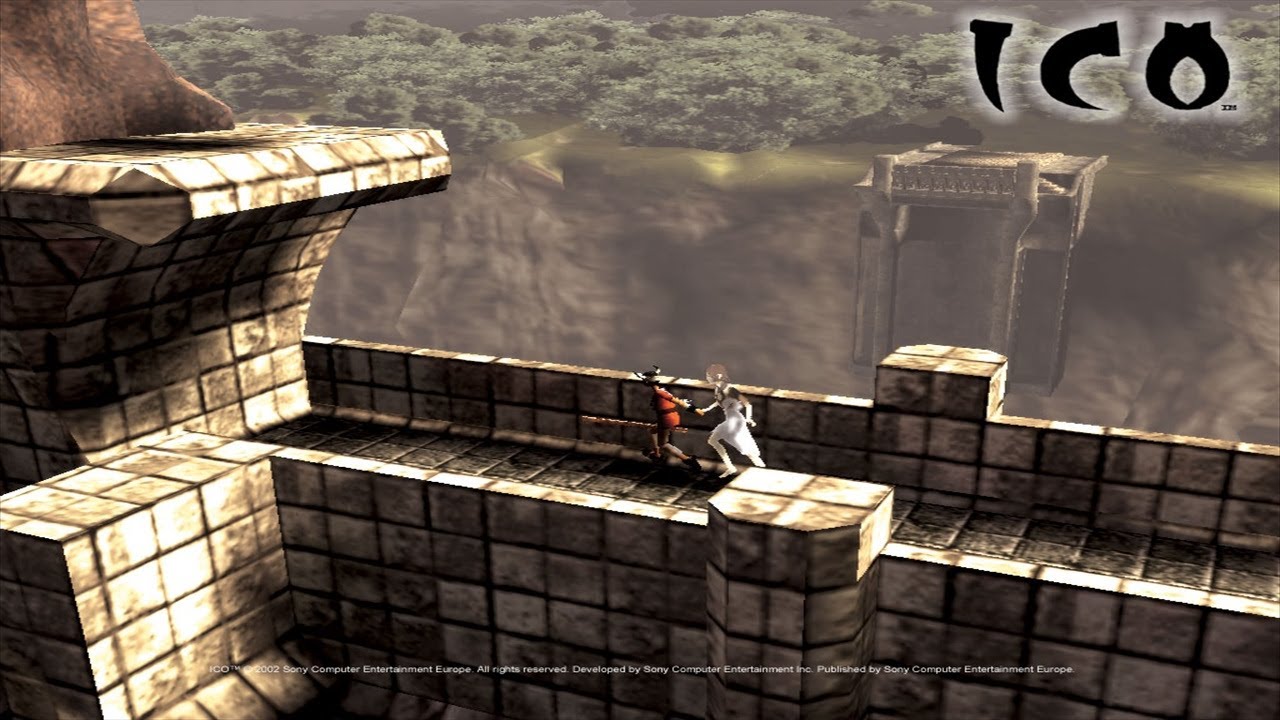
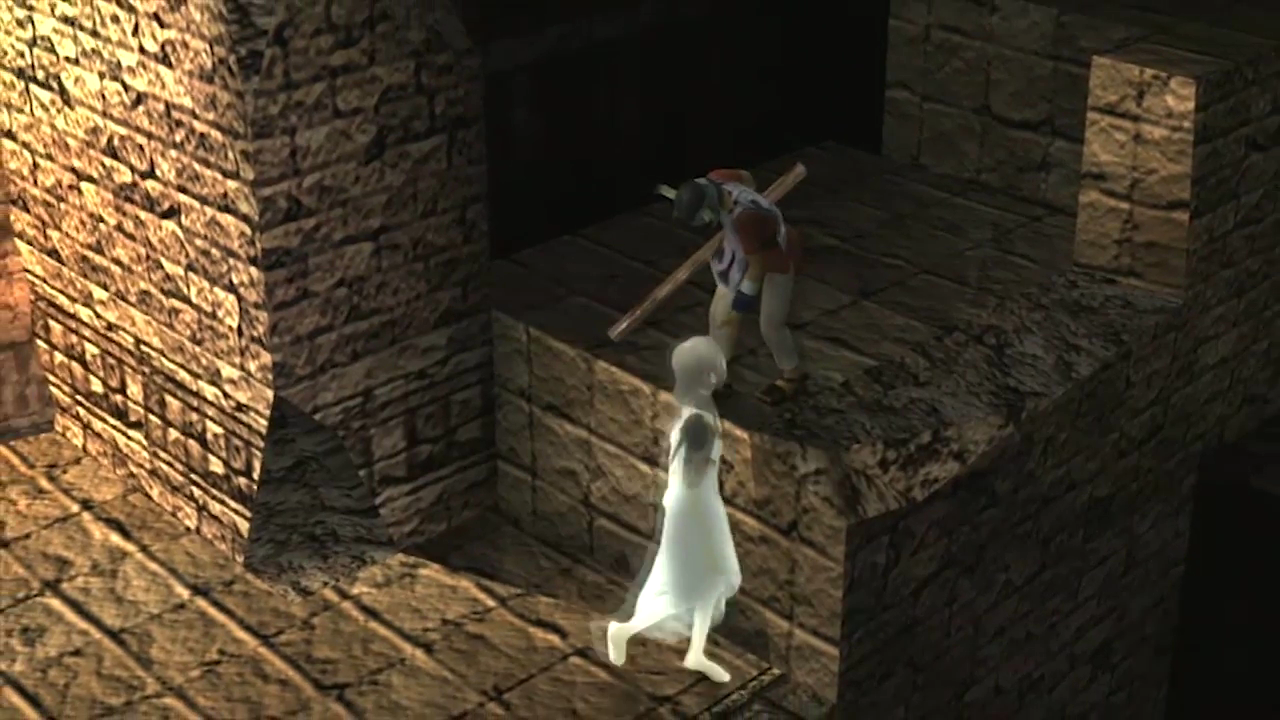
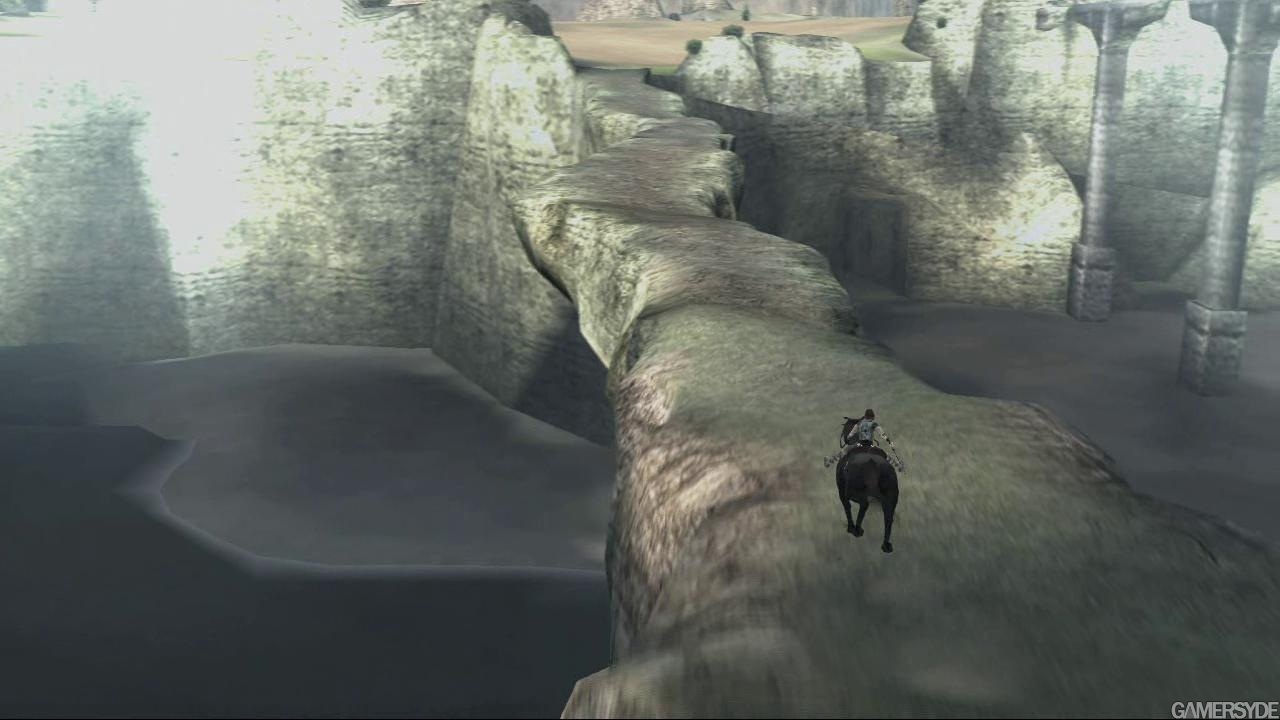
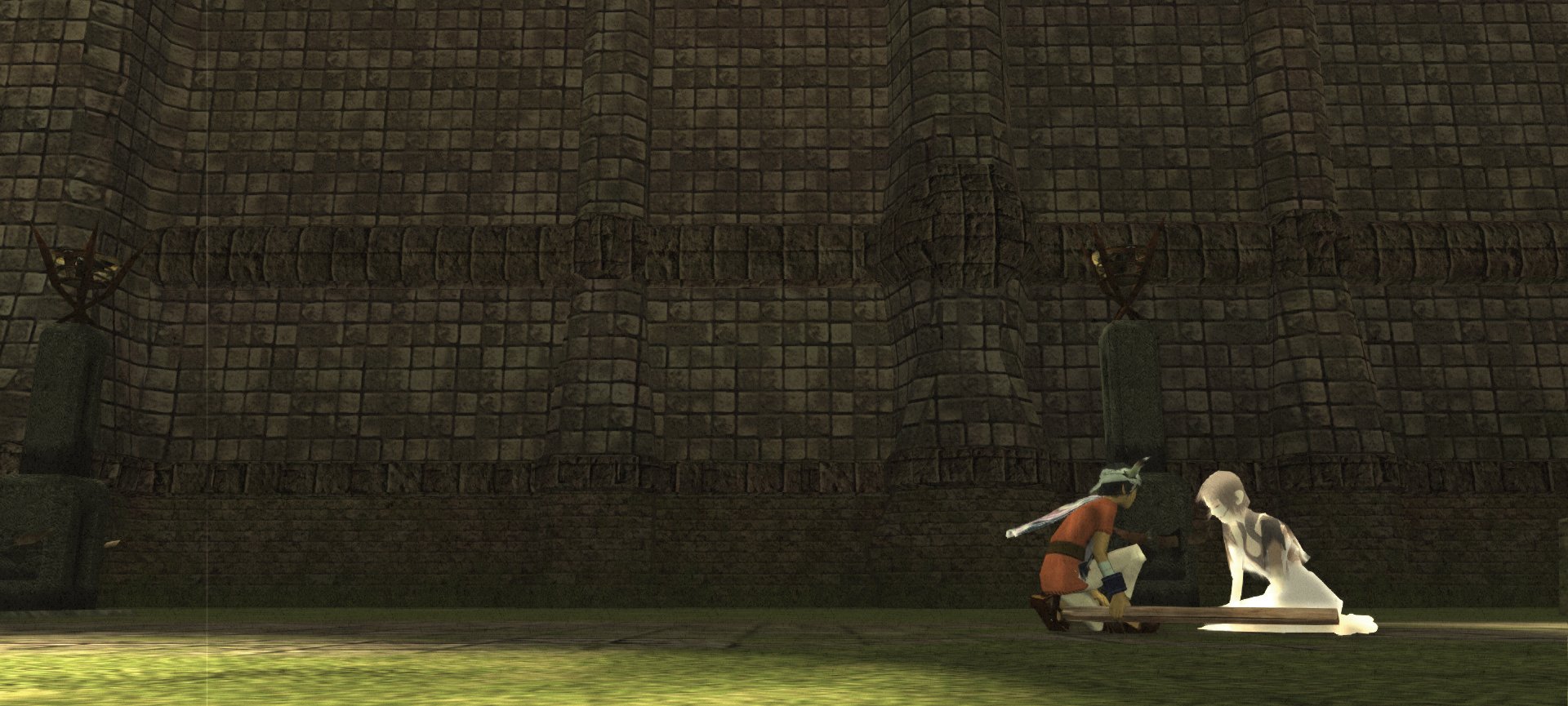
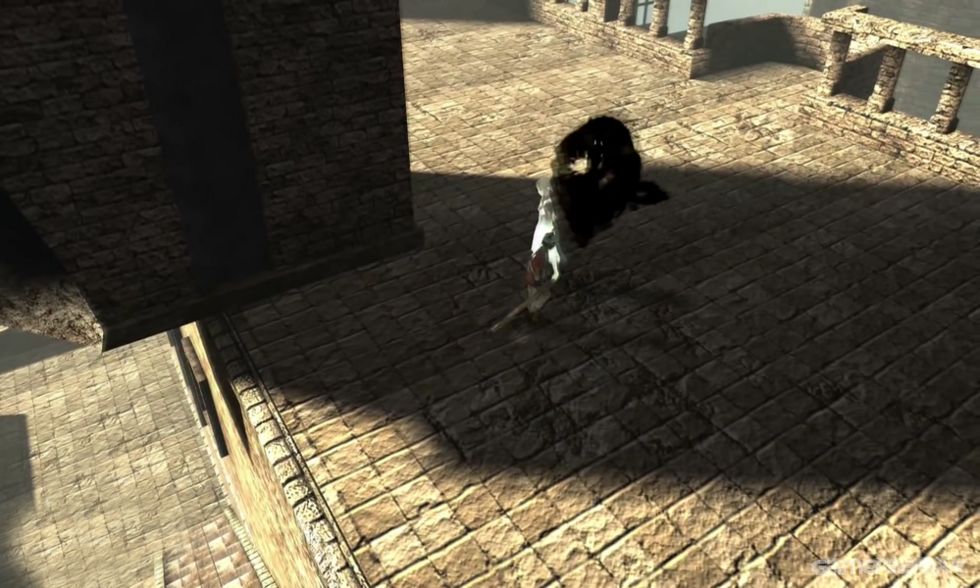
Ico’s visual style is instantly recognizable: stark, beautiful, and melancholic. The “proprietary Next-Gen Engine” allowed for a unique aesthetic characterized by soft lighting, detailed character models (especially Yorda’s flowing robes), and a muted color palette that emphasized the game’s somber tone. showcases the masterful use of bloom lighting, creating an ethereal glow that permeates the castle environment. The engine allowed for keyframe animation, which was crucial in conveying subtle emotional cues from Ico and Yorda, enhancing their expressiveness despite the limited dialogue. While technically constrained by the PlayStation 2 hardware, the developers maximized its capabilities to create a visually stunning and emotionally evocative experience.
Gameplay Mechanics and Core Systems
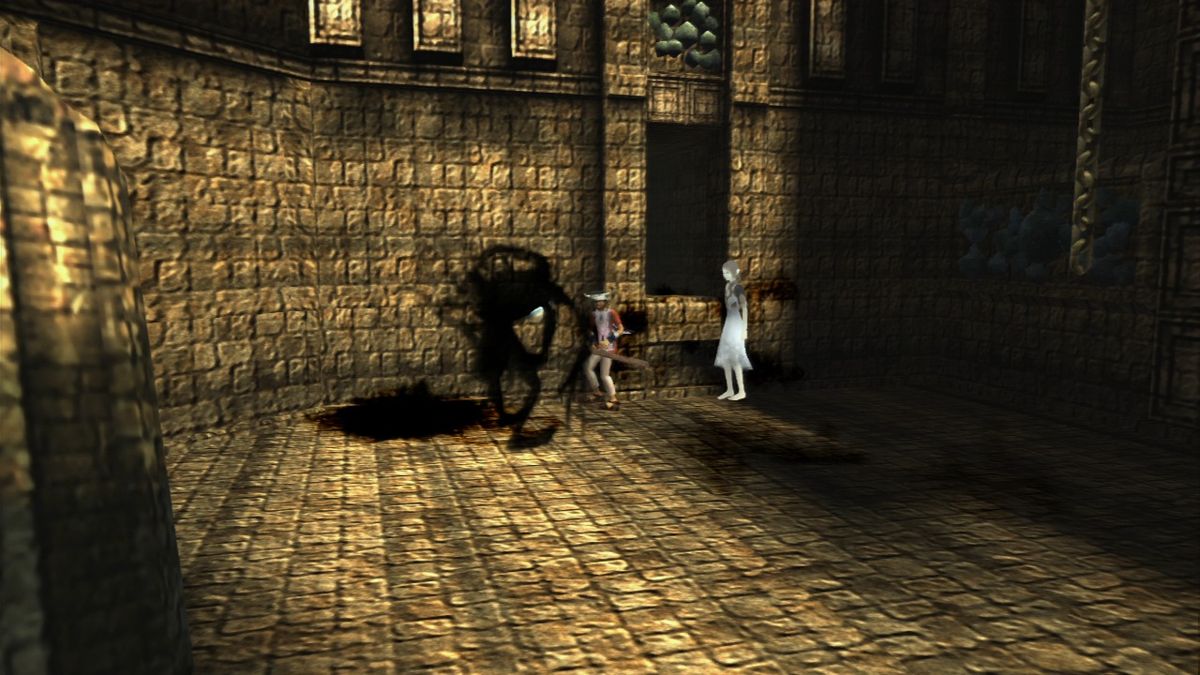
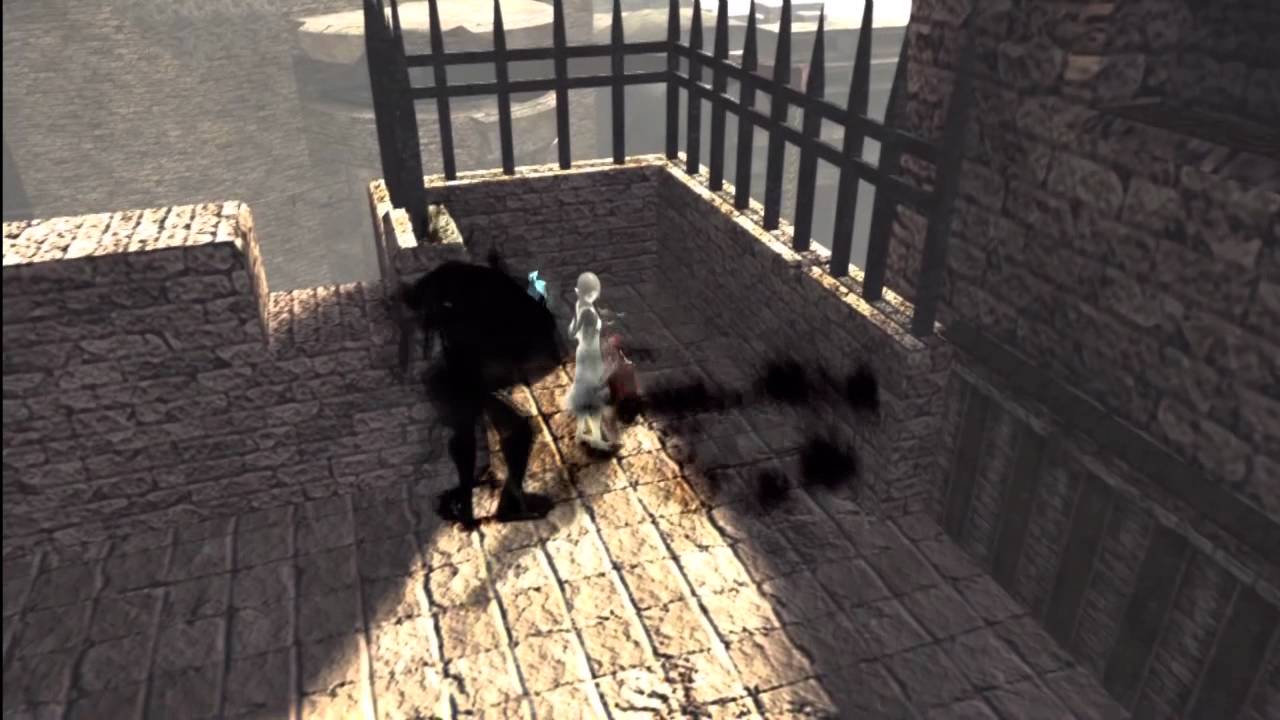
Ico’s gameplay revolves around escorting Yorda through the treacherous castle. The core mechanic involves solving puzzles that require teamwork between Ico and Yorda. Ico must use his strength to move obstacles, while Yorda relies on Ico to guide her across chasms and over walls. A unique feature is the “shadow” system; if Yorda strays too far or gets captured by the shadowy creatures known as “White Shadows,” she becomes vulnerable and requires Ico’s intervention. This mechanic creates a constant sense of tension and responsibility, forcing players to remain attentive and engaged throughout the game. The gameplay loop is simple yet incredibly effective, fostering a strong bond between the player and Yorda.
Level Design and World Atmosphere
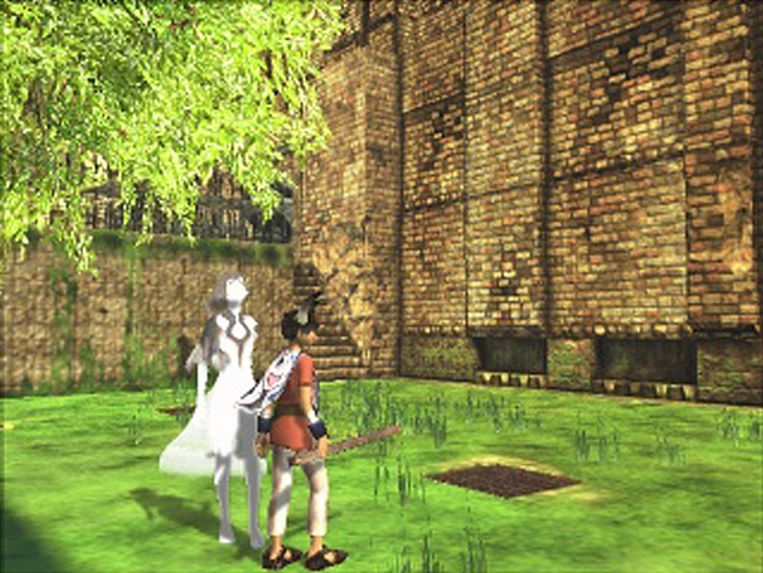
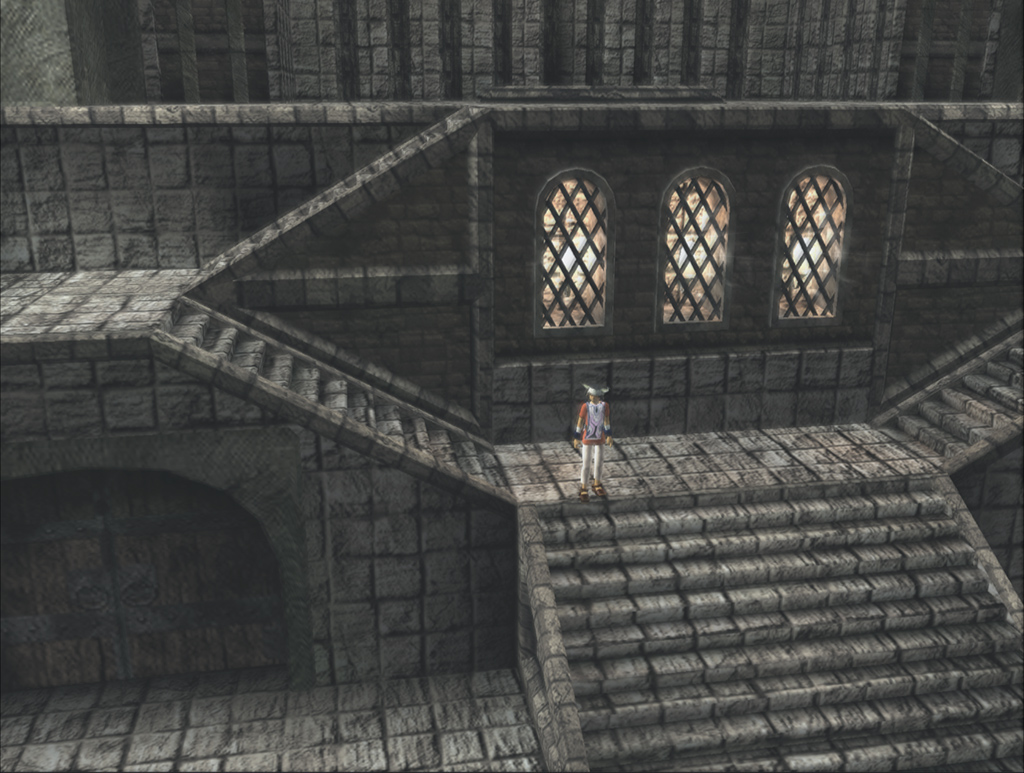
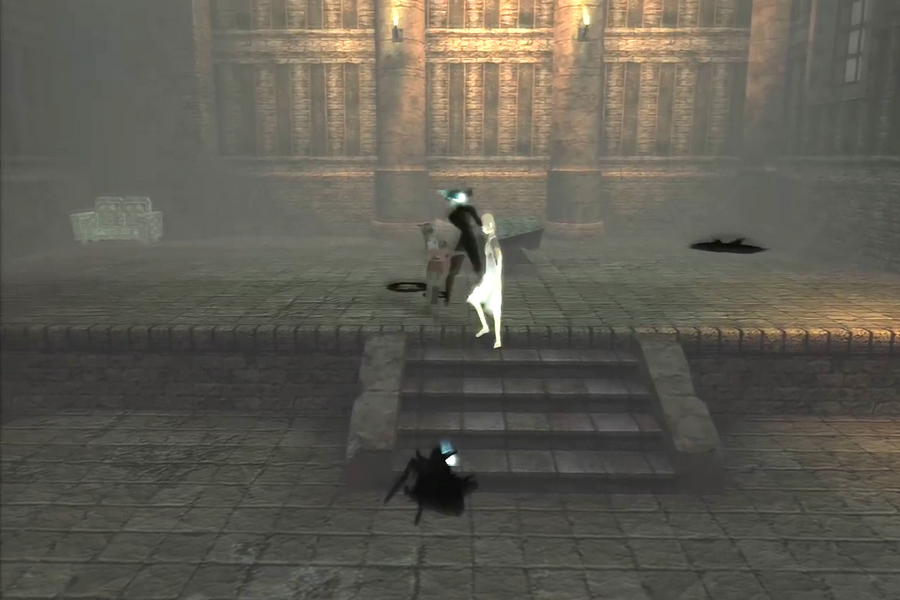
The castle itself is more than just a level; it’s a character in its own right. Its architecture is both imposing and decaying, reflecting the history of abandonment and sorrow that permeates the game. The level design encourages exploration, rewarding players with glimpses into the castle’s past through environmental storytelling. Each chamber presents unique challenges and puzzles, often requiring creative solutions and careful observation. illustrates a typical environment within the castle, highlighting the interplay between light and shadow that defines its atmosphere. The sense of isolation and vulnerability is palpable throughout the game, creating an immersive experience that draws players into Ico’s world.
Narrative Depth and Character Profiles
Ico’s narrative is deliberately minimalist, relying on visual cues and subtle interactions to convey its emotional weight. Dialogue is sparse, allowing players to interpret events and relationships through their own experiences. Ico himself is a compelling protagonist, burdened by the stigma of his horns but driven by a deep sense of empathy for Yorda. Yorda, with her ethereal beauty and vulnerability, embodies innocence and hope in a world consumed by darkness. Their relationship is the heart of the game, evolving from initial apprehension to mutual dependence and affection. The absence of explicit exposition allows players to forge their own connection with these characters, making the experience deeply personal and resonant.
Sound Design and Acoustic Realism
The sound design in Ico is crucial to its atmosphere. Michiru Oshima’s score is hauntingly beautiful, perfectly complementing the game’s visuals and emotional tone. The use of ambient sounds, such as wind whistling through broken windows or the distant cries of unseen creatures, creates a sense of unease and isolation. The sound effects are subtle yet impactful, emphasizing the weight of Ico’s actions and the fragility of Yorda. The absence of overly dramatic musical cues allows the player to fully immerse themselves in the game’s world, enhancing the overall experience.
Release Expectations and Community Hype
While not a commercial blockbuster upon release, Ico garnered critical acclaim for its innovative gameplay, artistic vision, and emotional depth. It cultivated a dedicated fanbase that appreciated its unique approach to storytelling and its willingness to challenge conventional gaming norms. The game’s influence can be seen in numerous subsequent titles, which adopted similar design principles and narrative techniques. Today, Ico is considered a classic of the PlayStation 2 era, celebrated for its artistic merit and its enduring legacy.
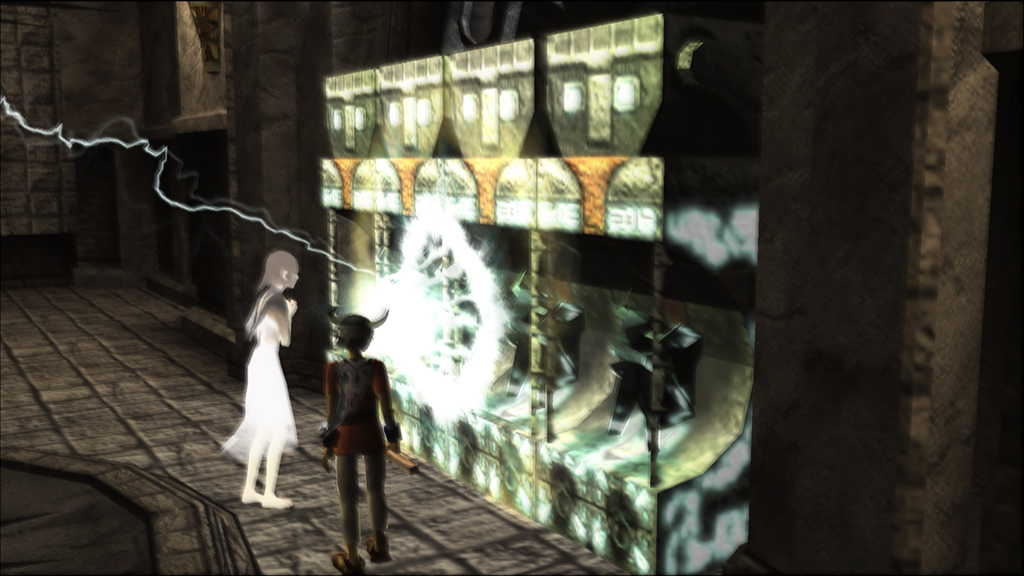
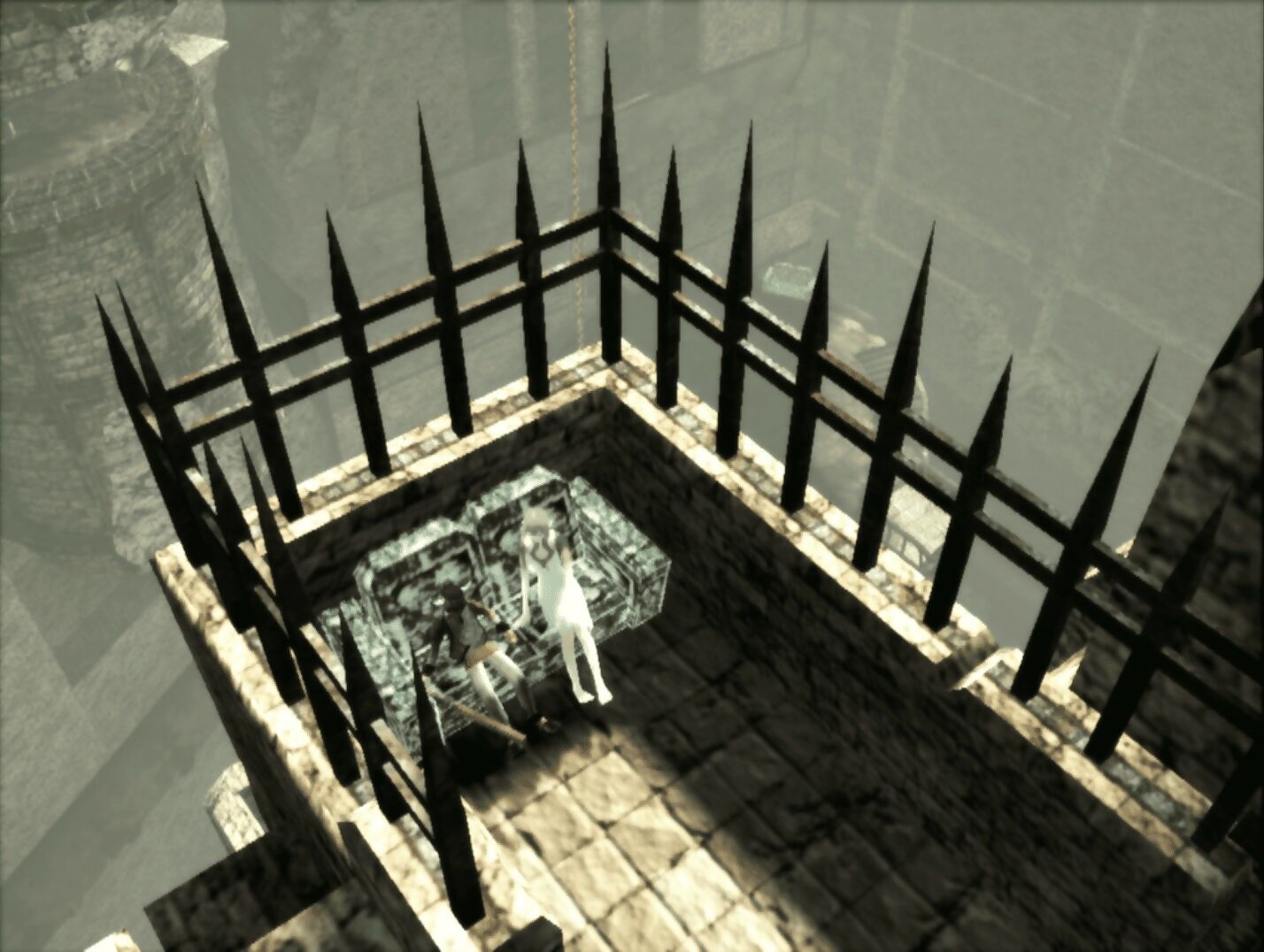
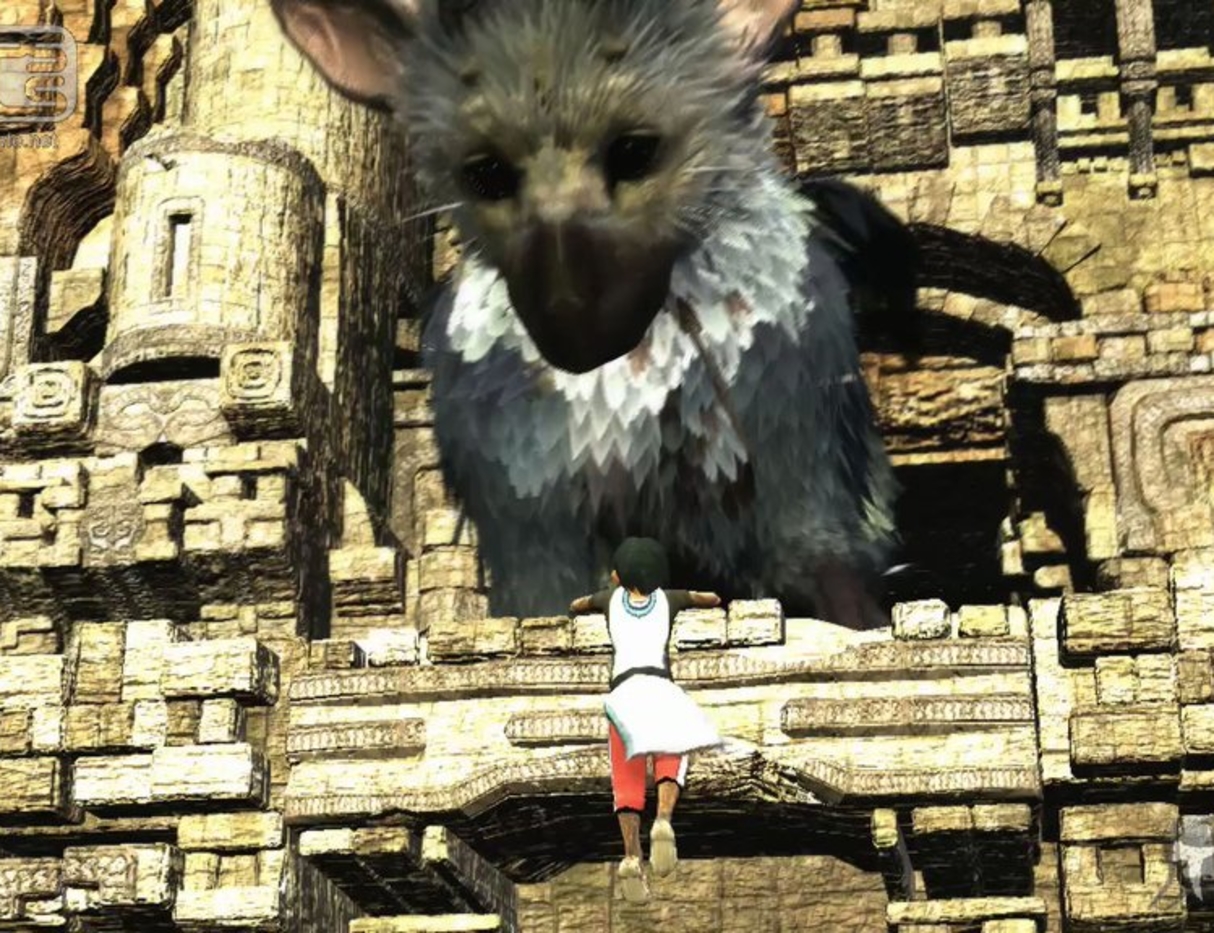
showcases gameplay footage that highlights the core mechanics and visual style.
Conclusion: The Future of Ico
Ico remains a testament to the power of minimalist design and emotional storytelling in video games. Its influence can be seen in countless titles, inspiring developers to push the boundaries of interactive art. While a direct sequel never materialized, the spirit of Ico lives on in other works that prioritize atmosphere, character development, and innovative gameplay mechanics. The game’s enduring legacy is a reminder that true innovation often comes from challenging conventions and embracing artistic vision.

Source: Wikipedia