


About this game
Introduction: Stealth Espionage Reimagined
Hunter: The Reckoning – Deathwish stands as a testament to the evolving landscape of action RPGs, redefining stealth espionage within its immersive narrative framework. Developed by Teyon and set for release in the near future, this title promises not just an adrenaline-pumping experience but also a deep dive into psychological warfare and strategic combat. As players take on the role of Lucia, a skilled operative tasked with infiltrating the clandestine world of The Architects, they are thrust into a narrative that intertwines high-stakes espionage with philosophical questions about human nature and morality.
Lucia’s journey is not merely a physical one through labyrinthine facilities and shadowy alleys; it is an exploration of her own psyche and the moral dilemmas she faces as she uncovers the truth behind The Architects’ enigmatic operations. This narrative depth, combined with the game’s intricate systems for stealth and combat, sets Hunter: The Reckoning – Deathwish apart from its peers in the action RPG genre.
Visual Splendor: Pushing the Limits of Unreal Engine 5
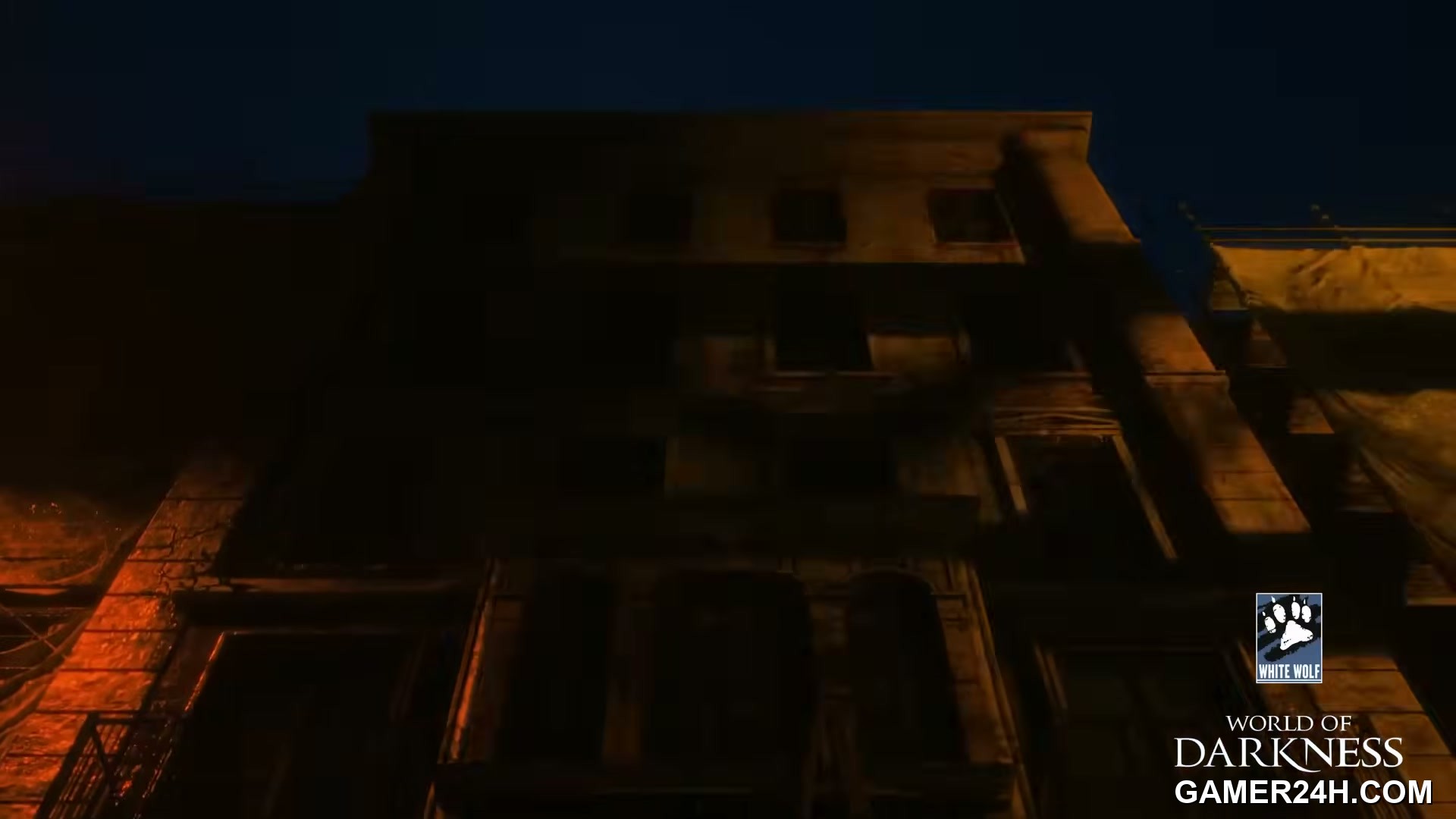
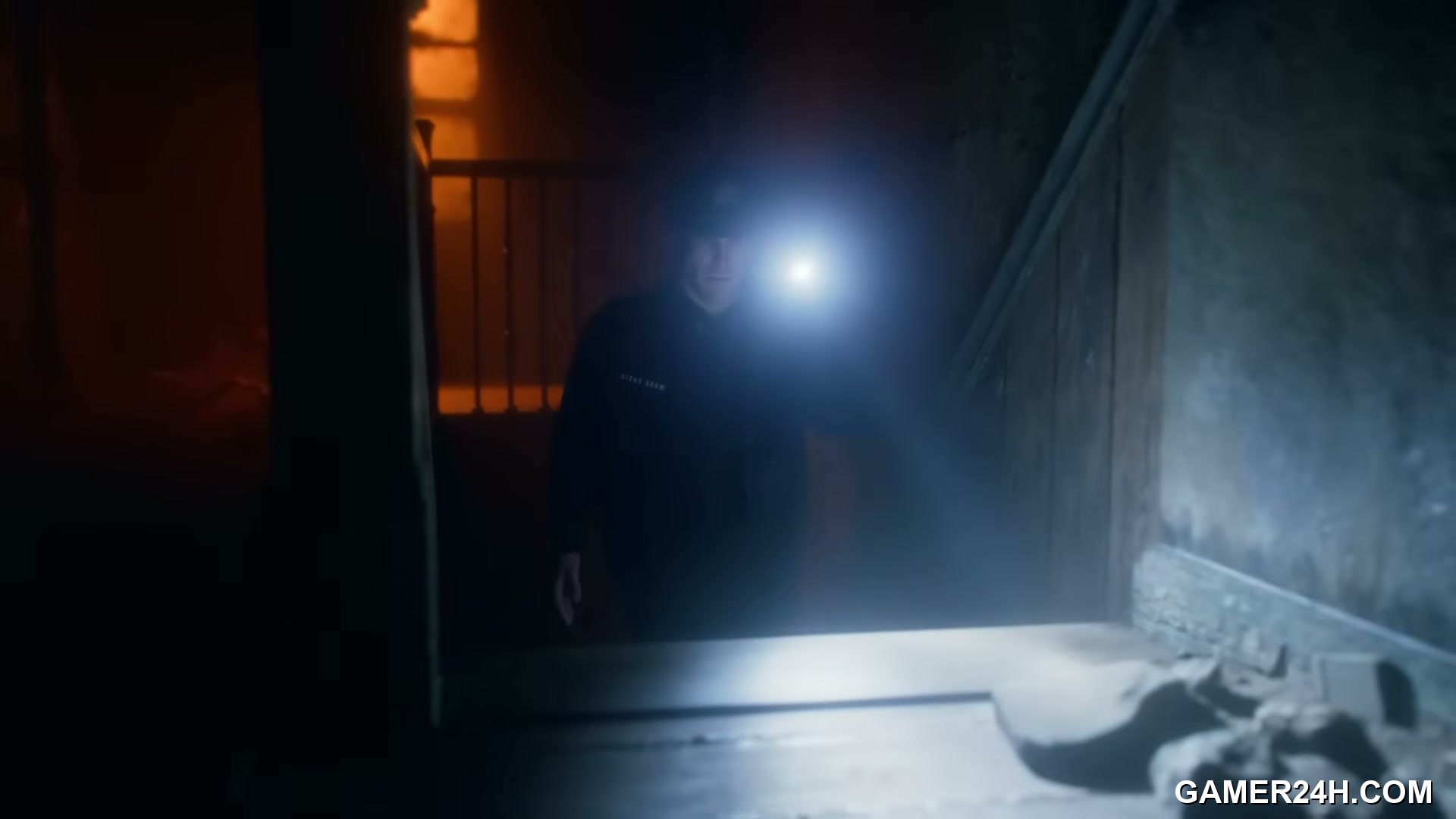
Hunter: The Reckoning – Deathwish leverages the cutting-edge capabilities of Unreal Engine 5 to deliver a visually stunning and immersive environment. The game’s developers have meticulously crafted each setting, from the sleek, neon-lit corridors of high-tech research facilities to the dimly lit, rain-soaked streets of seedy urban environments.
Utilizing features such as Nanite virtualization for unparalleled detail in textures and lighting, and Lumen real-time global illumination for dynamic and realistic light interactions, Hunter: The Reckoning – Deathwish offers a visual feast. These technical advancements enable the creation of highly detailed characters with lifelike animations and facial expressions that enhance emotional engagement.
Moreover, the game’s environments are not static backdrops but rather interactive stages that dynamically respond to player actions. For instance, the use of portals and holographic interfaces adds an additional layer of interactivity, immersing players in a world where technology seamlessly blends with espionage. The result is a visually rich experience that captivates both the eyes and the imagination.
Combat & Systems: Tactical Espionage and Combat Dynamics
At its core, Hunter: The Reckoning – Deathwish is a game of strategic tension, requiring players to balance stealth and direct confrontation as they navigate through perilous situations. The combat system is designed around a blend of non-lethal takedowns, precision shooting, and environmental interactions.
Players can choose from various tools and gadgets, each with its own unique set of abilities and limitations, allowing for a high degree of customization in their approach to both stealth and combat scenarios. For example, the use of EMP grenades to disable security systems or hacking devices to manipulate surveillance cameras adds layers of tactical depth that cater to different playstyles.
The game also features a dynamic AI system, where enemy responses adapt based on player actions, making each encounter feel fresh and unpredictable. This interplay between player tactics and enemy behavior creates an engaging challenge that tests not just reflexes but also strategic thinking. Additionally, the inclusion of environmental hazards like alarms and motion sensors adds another layer of complexity to combat scenarios.
Gameplay & Atmosphere Analysis: Portals and Tension
Hunter: The Reckoning – Deathwish excels in creating an atmosphere that is as chilling as it is captivating, a feat achieved through masterful use of environmental storytelling and narrative pacing. Central to this experience are the game’s unique portals—gateways that transport players between parallel realities within the same setting. These portals serve not only as gameplay mechanics but also as symbolic elements representing the blurred lines between reality and illusion.
Navigating these alternate realities adds a psychological dimension to the gameplay, challenging players to adapt their strategies under new conditions while simultaneously unraveling deeper mysteries about The Architects’ true intentions. This layering of narrative complexity within the gameplay framework ensures that every decision carries weight and consequence, heightening player engagement and immersion.
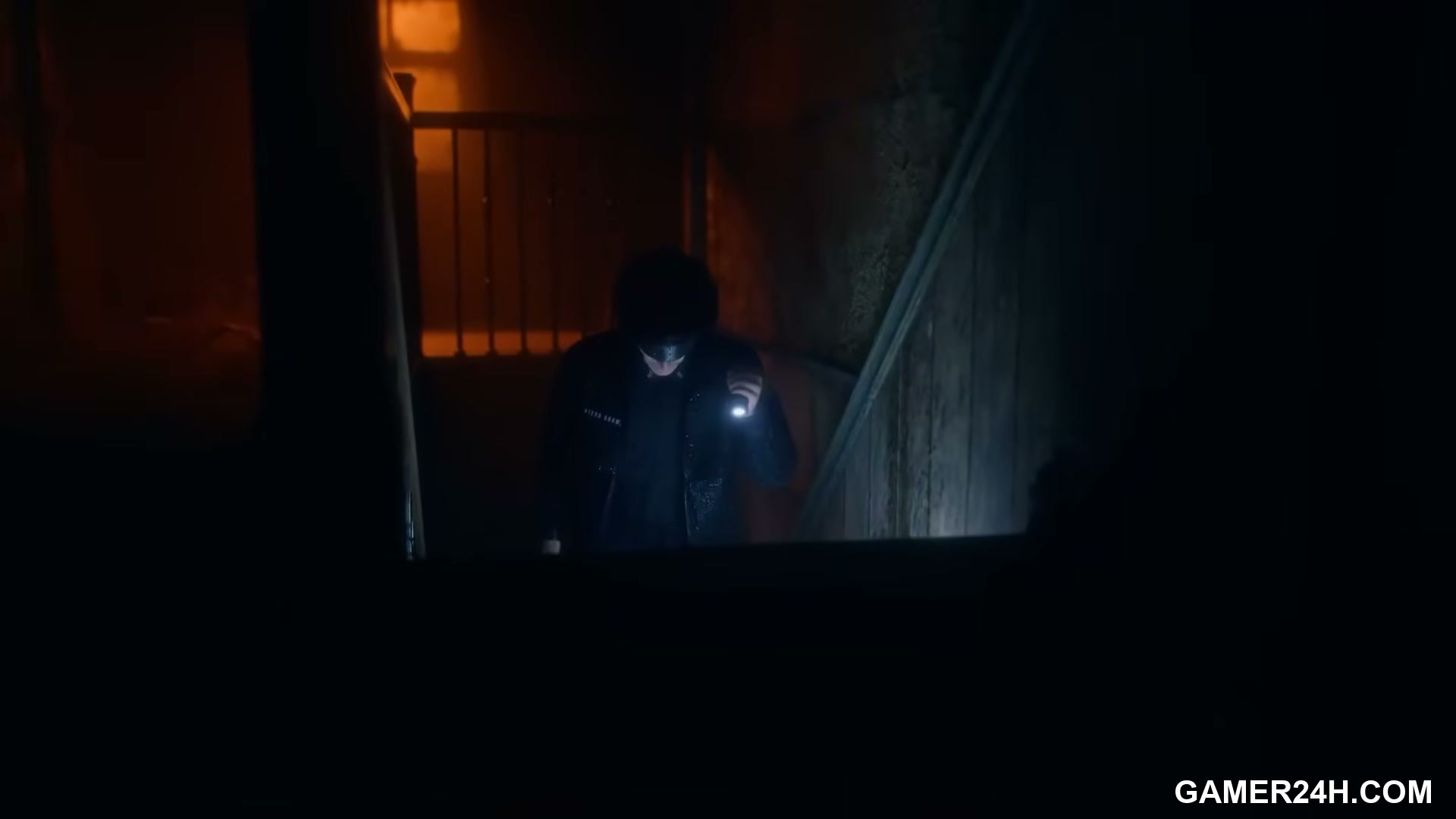
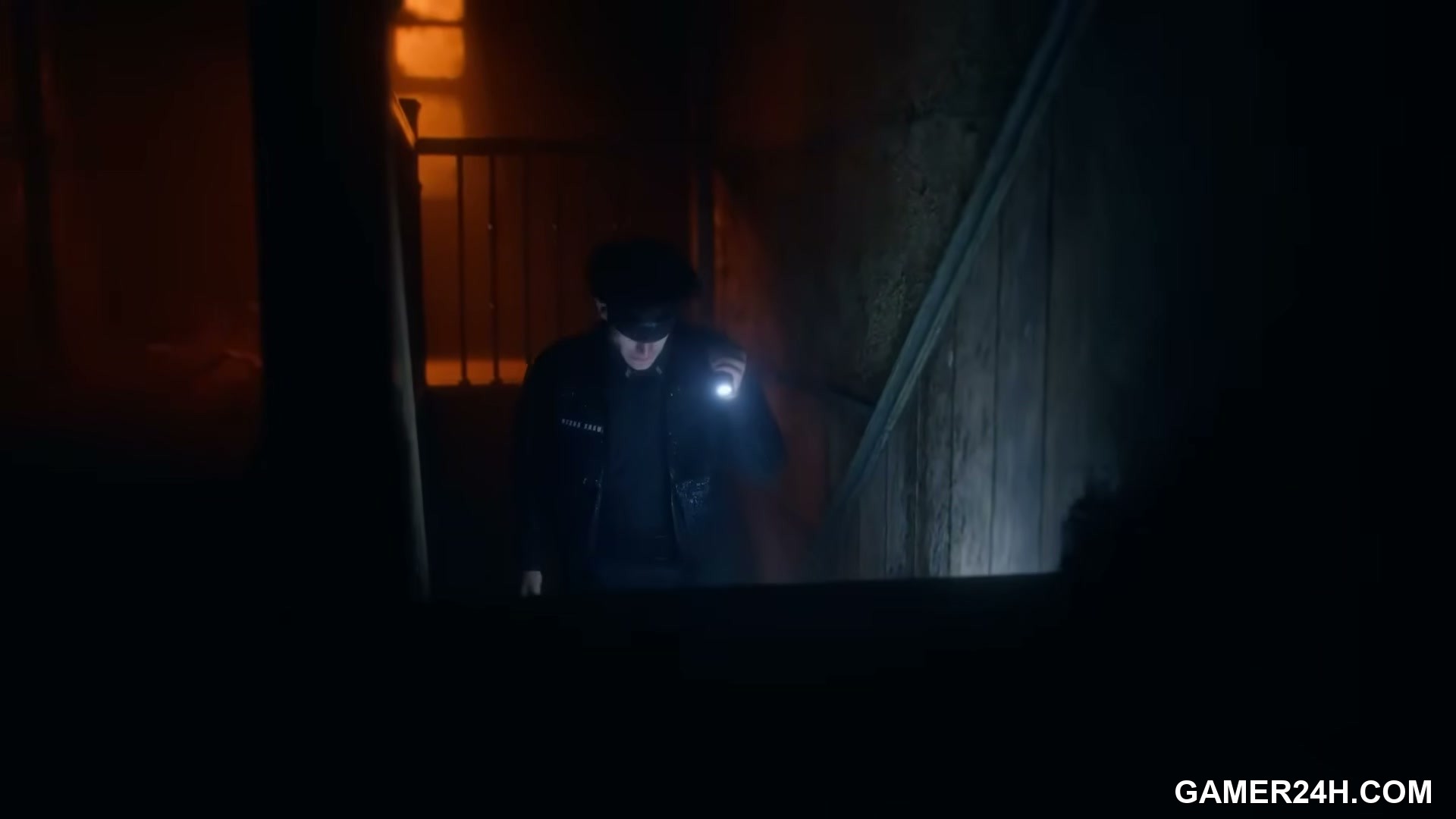
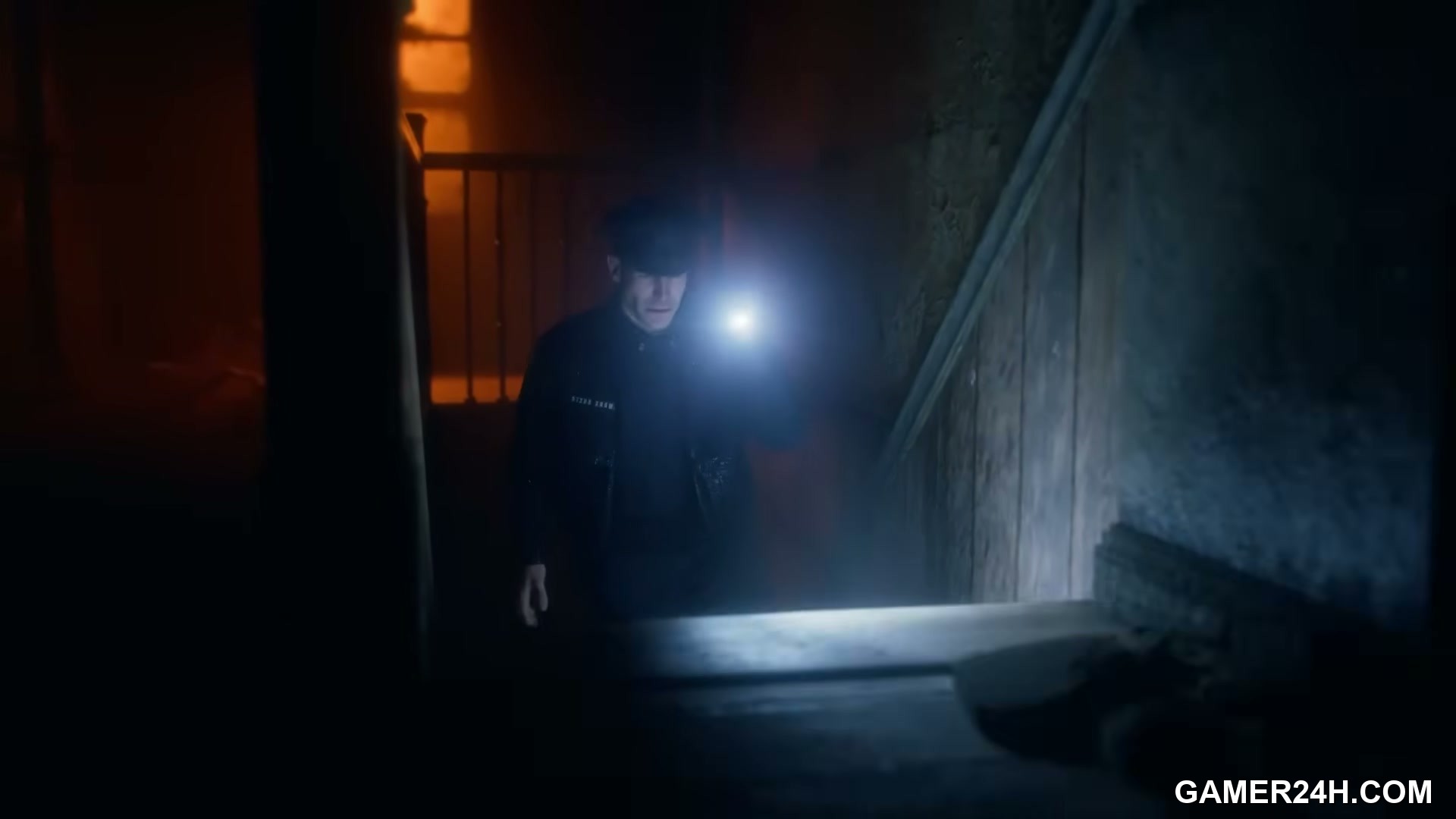
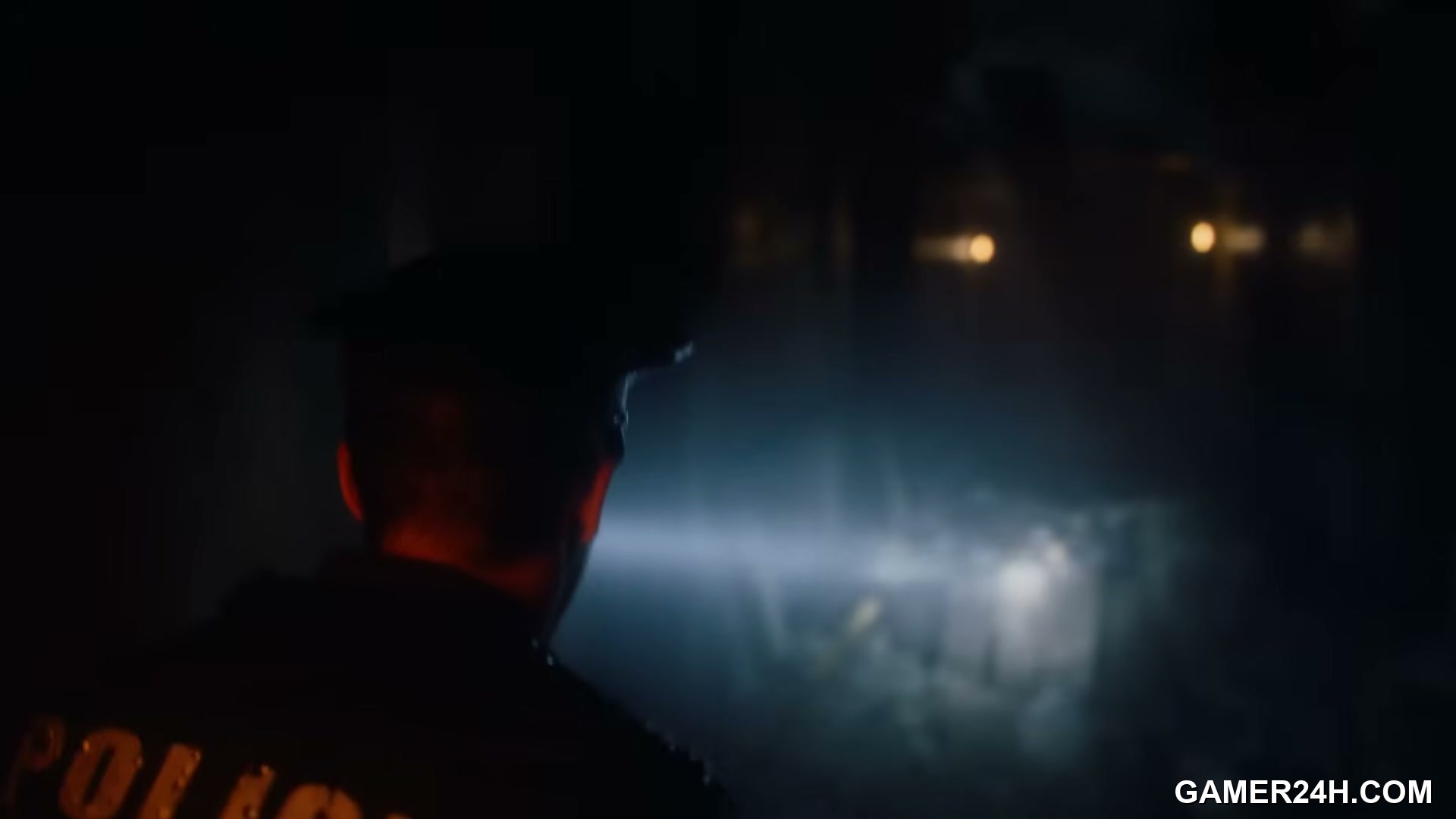
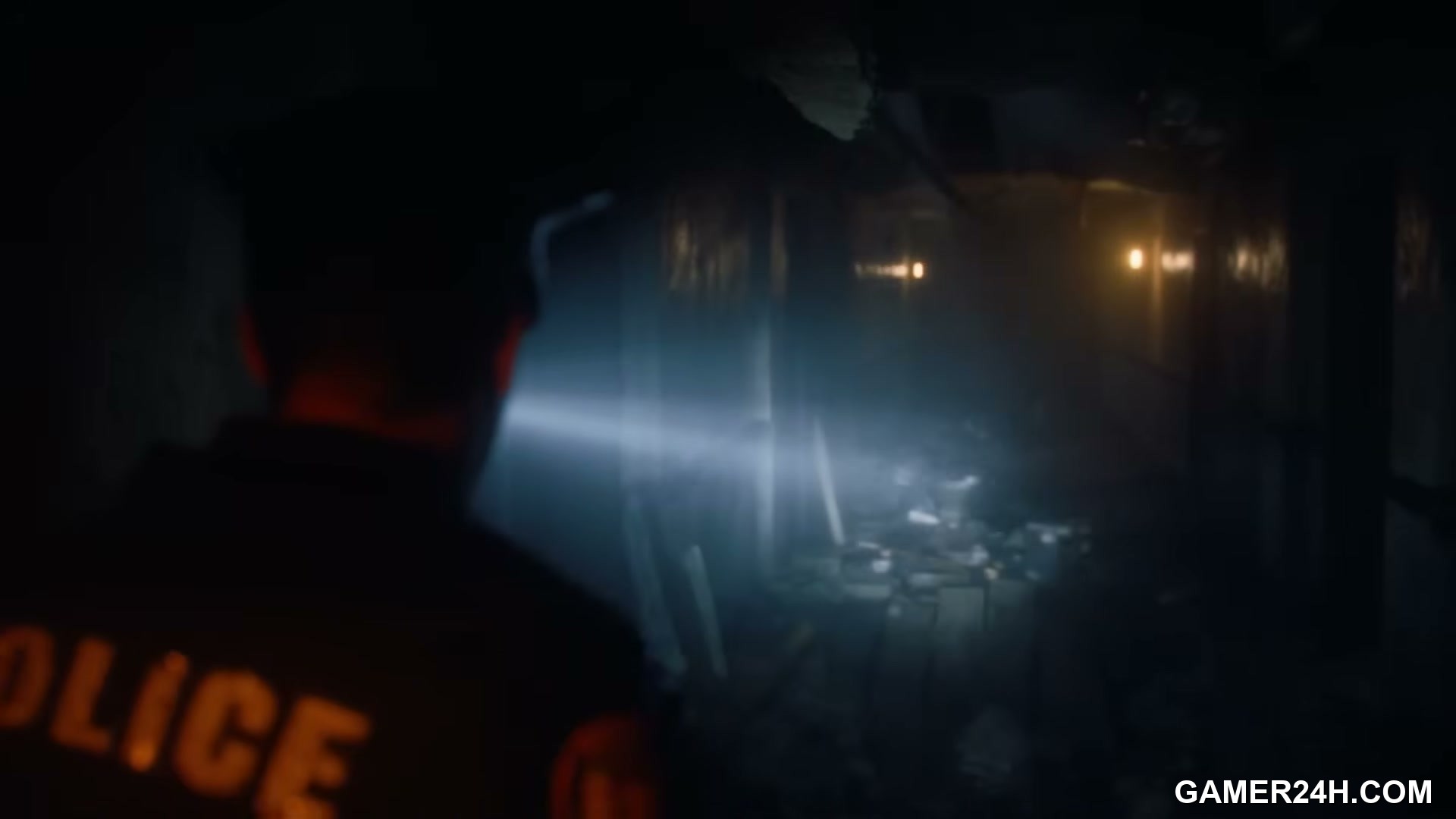
Furthermore, the game’s atmosphere is meticulously crafted through lighting design and sound effects. Dimly lit corridors contrasted with sudden bursts of light from security systems create a sense of constant threat and unease. This tension is further amplified by ambient sounds—footsteps echoing in empty hallways, distant voices muffled by walls—each contributing to an immersive experience that draws players into Lucia’s world.
Narrative & Characters: The Architects’ Mystery and Lucia’s Mission
The narrative of Hunter: The Reckoning – Deathwish unfolds as a gripping tale of conspiracy and redemption. At its heart lies the enigma of The Architects, shadowy figures who wield immense power through technological means. As Lucia delves deeper into their operations, she uncovers unsettling truths about human manipulation and control, questioning her own motivations and the very nature of freedom.
Lucia herself is a complex character whose backstory intertwines with that of The Architects in ways both personal and profound. Her journey from a disillusioned operative to a figure grappling with ethical dilemmas provides a poignant narrative arc filled with moral quandaries. Alongside Lucia, players encounter various supporting characters—loyal allies and cunning adversaries alike—who further enrich the story through their own unique perspectives and roles within The Architects’ scheme.
This rich character development combined with an intricate plot makes for a compelling narrative that challenges players to question the ethics of surveillance, control, and resistance in a technologically advanced society. Each revelation propels Lucia closer to understanding her place in this world and the choices she must make to survive and prevail against overwhelming odds.
Acoustic Preservation / Audio Design: Sounds of Silence and Combat
In Hunter: The Reckoning – Deathwish, silence is as much a character as any spoken dialogue or visual cue. The audio design emphasizes auditory cues over overt sound effects, creating an atmosphere where every noise can mean life or death for Lucia. Environmental sounds such as dripping water, distant sirens, and echoing footsteps play crucial roles in building tension and guiding player actions.
When combat does break out, the game’s audio palette shifts dramatically to convey intensity and urgency. Explosions, gunfire, and electronic alarms become central elements that underscore the chaos of battle. However, even amidst this cacophony, subtle sounds like the whirring of a distant fan or the rustling of leaves serve as crucial indicators for player awareness.
The soundtrack further enhances the game’s emotional depth through carefully composed tracks that vary according to Lucia’s state and surroundings. Quiet moments are underscored by haunting melodies that evoke solitude and introspection, while action sequences pulse with energetic beats that mirror the adrenaline rush experienced during intense encounters.
This nuanced approach to sound design not only complements the visual splendor of Hunter: The Reckoning – Deathwish but also significantly contributes to its immersive quality, making every auditory experience integral to the overall gameplay and narrative arc.
Critical Reception: Expectations and First Impressions
As anticipation builds for Hunter: The Reckoning – Deathwish, critical reception has been notably positive. Early reviews highlight the game’s visual fidelity and atmospheric depth as standout features that set it apart in the action RPG genre. Critics praise the seamless integration of Unreal Engine 5 technology into an engaging narrative framework, noting how this synergy enhances both aesthetic appeal and gameplay mechanics.
Players are also expressing enthusiasm for the blend of stealth, combat, and psychological tension offered by the game’s design philosophy. The use of portals to navigate between parallel realities has been particularly well-received, hailed as a novel approach that adds layers of complexity and intrigue to traditional espionage tropes.
However, some reviewers have noted potential issues with pacing in certain areas, suggesting that while the overall experience is compelling, there are moments where the narrative or gameplay mechanics might feel slightly uneven. Additionally, initial feedback from beta testers includes observations about the steep learning curve associated with mastering Lucia’s arsenal of gadgets and techniques, which could pose challenges for newcomers to the genre.
Despite these minor criticisms, the consensus among early critics points towards Hunter: The Reckoning – Deathwish as a promising entry in the action RPG landscape. Its innovative use of technology, coupled with an ambitious narrative scope, positions it favorably against established titles in the field and sets high expectations for its full release.
Conclusion: The Vanguard of Next-Gen Action
Hunter: The Reckoning – Deathwish emerges as a frontrunner in the evolving action RPG genre, distinguished by its innovative blend of stealth espionage and psychological drama. Through meticulous use of Unreal Engine 5’s advanced features, Teyon has crafted an environment that is visually arresting yet deeply immersive, leveraging audio cues to create palpable tension.
The game’s dynamic combat system and intricate narrative weave a tapestry rich with moral dilemmas and strategic challenges, drawing players into Lucia’s world not just as observers but as active participants in her journey. As Hunter: The Reckoning – Deathwish prepares for its release, it carries the promise of pushing boundaries within the genre while also offering a compelling experience that resonates on multiple levels.
Ultimately, this title stands poised to captivate audiences with its unique blend of high-tech espionage and philosophical inquiry, marking Teyon’s entry into next-gen action RPGs as a significant event in gaming.
.single-share-action-btn:hover { transform: translateY(-2px); box-shadow: 0 6px 20px rgba(37, 99, 235, 0.4) !important; background: linear-gradient(135deg, #0369a1 0%, #1d4ed8 50%, #4338ca 100%) !important; } .single-share-action-btn:active { transform: translateY(0); box-shadow: 0 2px 8px rgba(37, 99, 235, 0.2) !important; } .share-section, .entry-share, .post-share-bar { display: none !important; }Gallery




No comments