

A játékról
Introduction: The Next Chapter for Hotel Dusk: Room 215
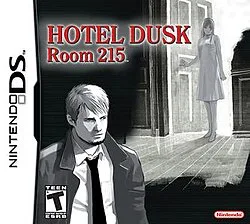
Hotel Dusk: Room 215, a point-and-click adventure game developed by Cing and published by Nintendo, initially debuted at E3 in 2006. While seemingly a simple DS title, it represented a bold step forward in interactive storytelling on the handheld platform. Its unique blend of mystery, character development, and innovative use of the DS hardware made it a cult classic. This deep-dive review will dissect every aspect of Hotel Dusk: Room 215, from its visual direction to its narrative depth, examining why it continues to resonate with players years after its release. We’re not just looking at a game; we’re analyzing a pivotal moment in DS gaming history.
Visual Direction and Graphics Engineering
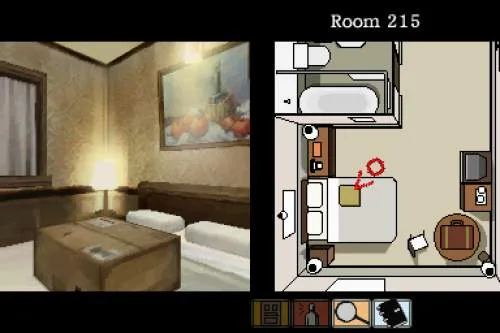
The visual style of Hotel Dusk: Room 215 is characterized by a distinctive blend of realism and stylized character designs. While the limitations of the Nintendo DS hardware are evident, Cing managed to create an atmosphere that was both immersive and aesthetically pleasing. The use of color palettes contributes significantly to the game’s mood, with darker tones dominating the hotel interiors, creating a sense of mystery and intrigue. The character models, while simple by modern standards, are expressive and well-animated, conveying emotions effectively. The proprietary “Next-Gen Engine” allowed for some impressive effects on the DS, including lighting and shadow play that added depth to the environments. While not pushing graphical boundaries, the art direction was crucial in establishing the game’s unique identity.
Játékmenet Mechanics and Core Systems
Hotel Dusk: Room 215 innovated with its use of the Nintendo DS hardware. The game is played by rotating the system like a book, allowing for intuitive navigation and interaction. Players control Kyle Hyde, using the touch screen to examine objects, interact with characters, and solve puzzles. The microphone was also integrated into gameplay, adding another layer of immersion. A key mechanic involves questioning suspects and gathering clues, requiring players to carefully analyze information and make informed decisions. Incorrect choices can lead to dead ends or even game over scenarios, emphasizing the importance of observation and critical thinking. This blend of touch-based controls and puzzle-solving created a unique and engaging gameplay experience that set it apart from other DS titles.
Level Design and World Atmosphere
The hotel itself serves as the primary setting for Hotel Dusk: Room 215, and its design is crucial to the game’s atmosphere. Each room is meticulously crafted, filled with details that contribute to the overall sense of mystery and intrigue. The level design encourages exploration, rewarding players who take the time to examine their surroundings. The use of lighting and shadow play further enhances the atmosphere, creating a feeling of unease and suspense. From the dimly lit lobby to the claustrophobic corridors, every location in the hotel feels authentic and lived-in. This attention to detail is what makes Hotel Dusk: Room 215 such an immersive experience.
Narrative Depth and Character Profiles
The story of Hotel Dusk: Room 215 revolves around Kyle Hyde, a former New York police detective who has retreated from his past. The narrative unfolds through conversations with other hotel guests and staff, gradually revealing the secrets that lie hidden within the seemingly ordinary setting. The characters are well-developed, each with their own motivations and backstories. The game explores themes of loss, redemption, and the search for truth. The writing is sharp and engaging, drawing players into the mystery and keeping them invested in Kyle’s journey. This focus on character development and narrative depth elevates Hotel Dusk: Room 215 beyond a simple puzzle game.
Sound Design and Acoustic Realism
The sound design in Hotel Dusk: Room 215 plays a vital role in creating an immersive atmosphere. The subtle ambient sounds, such as the creaking of floorboards or the distant hum of machinery, contribute to the sense of unease and suspense. The music is atmospheric and evocative, perfectly complementing the visuals. The voice acting, while limited by the DS hardware, is well-performed and adds another layer of realism to the characters. The use of sound effects, such as the clinking of glasses or the rustling of paper, further enhances the sense of immersion. This attention to detail in the audio design is what makes Hotel Dusk: Room 215 such a captivating experience.
Release Expectations and Community Hype
Before its release, Hotel Dusk: Room 215 generated considerable hype within the gaming community. Its innovative use of the Nintendo DS hardware and its focus on narrative depth set it apart from other titles in the genre. The game’s debut at E3 in 2006 further fueled anticipation. Upon its release in North America in January 2007, Hotel Dusk: Room 215 was met with critical acclaim, praised for its unique gameplay mechanics, compelling story, and atmospheric presentation. Its re-release under the Touch! Generations line of DS games in 2008 further cemented its status as a cult classic. The game’s enduring popularity is a testament to its quality and originality.
Conclusion: The Future of Hotel Dusk: Room 215
Hotel Dusk: Room 215 remains a landmark title in the history of Nintendo DS gaming. Its innovative use of hardware, compelling narrative, and atmospheric presentation set it apart from other games in its genre. While the limitations of the DS hardware are evident, Cing managed to create an experience that was both immersive and engaging. The game’s enduring popularity is a testament to its quality and originality. While a direct sequel, Last Window: The Secret of Cape West, expanded on the formula, Hotel Dusk: Room 215 remains the definitive entry in the series. Its legacy continues to inspire developers and captivate players, proving that even seemingly simple games can have a profound impact.
Source: Wikipedia
Galéria


Csatlakozz a beszélgetéshez