


About this game
Introduction: Stealth Espionage Reimagined
In an era where every major game developer is racing to outdo each other with groundbreaking advancements and immersive storytelling, miHoYo has once again set a new benchmark with “Honkai: Nexus Anima.” This latest entry in the Honkai universe marries stealth, strategy, and monster taming in ways that challenge the conventional expectations of what an action-adventure game can be. As players delve into its intricate world, they find themselves not just fighting but also navigating complex systems of espionage, all framed within a visually stunning Unreal Engine 5 environment.
The concept itself is revolutionary: take the classic stealth genre and infuse it with the dynamic elements of monster taming, setting the stage for an unprecedented gaming experience. “Honkai: Nexus Anima” invites players to explore vast, interconnected worlds, each filled with unique challenges that require not only combat prowess but also strategic thinking and a keen eye for detail.
This review aims to dissect every facet of this ambitious project, from its breathtaking visuals to the depth of its narrative and character development. As we embark on this journey through the game’s intricacies, one thing becomes abundantly clear: “Honkai: Nexus Anima” is more than just a game; it’s a testament to miHoYo’s commitment to pushing boundaries in gaming technology and storytelling.
Visual Splendor: Pushing the Limits of Unreal Engine 5
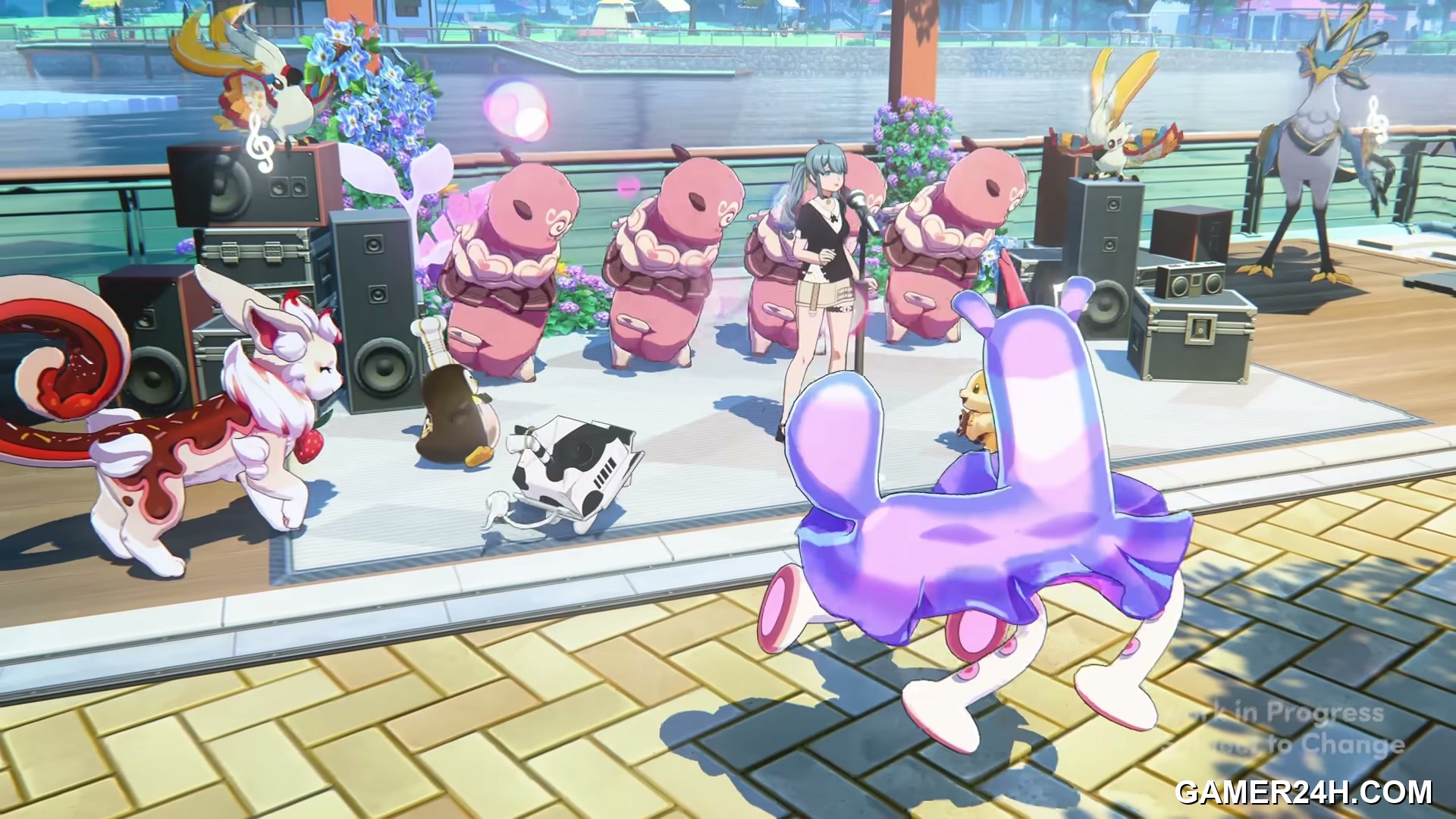
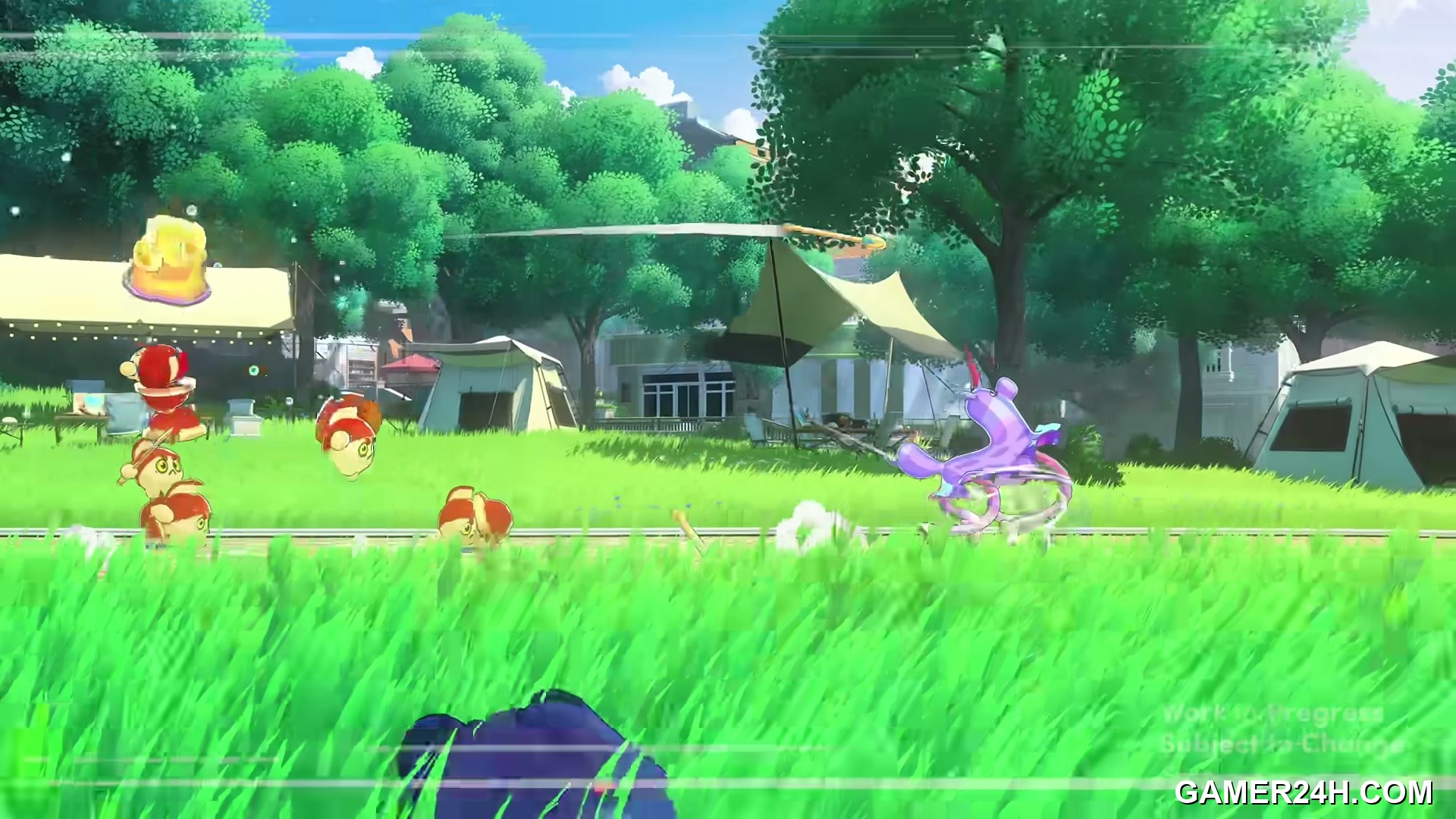
The visual landscape of “Honkai: Nexus Anima” is nothing short of spectacular, thanks largely to its implementation of Unreal Engine 5. From meticulously crafted environments that teeter on the edge of realism to the intricate details in character designs and creature animations, every aspect of the game’s visuals serves to enhance the immersive experience.
The game’s use of Lumen real-time global illumination and Nanite virtualized geometry allows for an unprecedented level of detail without compromising performance. This means that each corner of the expansive world feels alive with vibrant lighting effects, dynamic shadows, and a depth of texture that rivals high-end graphic novels or films. The attention to detail extends beyond aesthetics; environmental storytelling through subtle clues and interactive elements adds layers to the game’s narrative.
Moreover, the integration of cinematic camera techniques ensures that players are treated to visually stunning sequences during both exploration and combat scenarios. These moments not only provide aesthetic pleasure but also serve to underscore the emotional weight of key plot points.
In “Honkai: Nexus Anima,” visual fidelity is more than just a feature—it’s a fundamental aspect of the game’s identity, setting it apart from its contemporaries in the Honkai franchise and beyond. As players traverse through this meticulously crafted world, they are constantly reminded of the meticulous artistry that has gone into creating an experience that feels both familiar yet refreshingly new.
Combat & Systems: Tactical Espionage and Combat Dynamics
The core gameplay loop in “Honkai: Nexus Anima” revolves around a unique blend of stealth and strategy, offering players a dynamic combat system that encourages careful planning over brute force. This aspect is further enriched by the inclusion of monster taming mechanics, allowing players to recruit and command creatures to aid them in their endeavors.
Players must constantly evaluate their surroundings for potential threats and opportunities, making split-second decisions on whether to engage enemies head-on or remain hidden. The environment plays a crucial role here; objects like crates, shadows, and even the terrain itself can be used as cover or obstacles during tactical espionage missions.
Additionally, “Honkai: Nexus Anima” introduces a deep system of abilities for both the player character and their summoned companions. These range from stealth-enhancing skills that allow players to bypass enemy patrols undetected to powerful combat maneuvers designed for taking down fortified foes. Mastery over these systems is key to navigating the game’s increasingly challenging levels.
The inclusion of monster taming adds another layer of strategy, as players must balance their squad’s composition based on strengths and weaknesses against different types of enemies. Each creature has unique abilities that can turn the tide in battle, making it essential for players to experiment with various combinations to find optimal synergy among allies.
Beyond combat, resource management plays a significant role in progressing through missions. Players need to gather materials scattered throughout the environment for crafting upgrades and enhancements for their gear and monsters. This ensures that there is always something to work towards beyond just defeating enemies.
In summary, “Honkai: Nexus Anima” presents a robust and multifaceted combat system that challenges players to think tactically while rewarding them with engaging gameplay experiences. The seamless integration of stealth elements alongside traditional action-adventure mechanics creates a compelling gameplay loop that promises hours of strategic engagement.
Gameplay & Atmosphere Analysis: Portals and Tension
One of the defining features of “Honkai: Nexus Anima” is its innovative use of portals to facilitate seamless transitions between different areas within the game’s world. These portals not only serve as a convenient gameplay mechanic but also play a crucial role in building tension and immersion.
As players explore the interconnected network of environments, they frequently encounter these mysterious gateways that lead them into new territories. The act of stepping through a portal creates an immediate sense of anticipation, as the screen briefly fades to black before revealing a fresh set of challenges. This momentary blackout serves not only to transition between areas but also to heighten suspense and keep players on edge.
Moreover, the presence of portals often correlates with narrative progression or strategic advantages. They can provide quick access to critical locations during high-pressure missions, allowing for dynamic gameplay moments that require swift decision-making. However, they also introduce new dangers and puzzles, necessitating careful exploration and resource management.
The atmosphere within “Honkai: Nexus Anima” is deliberately crafted to evoke a sense of unease and curiosity. The game’s environments are rich with intricate details and eerie aesthetics that contribute to its unsettling ambiance. From dimly lit corridors where shadows seem to move on their own to expansive landscapes filled with looming structures, every area exudes a palpable tension.
This atmosphere is further enhanced by the game’s narrative-driven approach, which often leaves players questioning their next steps. The world of “Honkai: Nexus Anima” is rife with secrets and mysteries that require both exploration and strategic planning to uncover. This blend of environmental design and storytelling ensures that each encounter feels purposeful and engaging.
In essence, the use of portals and the overall atmosphere in “Honkai: Nexus Anima” work together to create a gaming experience that is as thrilling as it is thought-provoking. The interplay between gameplay mechanics and narrative elements ensures that players remain engaged and intrigued at every turn.
Narrative & Characters: The Architects’ Mystery and Lucia’s Mission
The narrative of “Honkai: Nexus Anima” revolves around a central mystery involving the enigmatic Architects, who are believed to be behind many recent events in the Honkai universe. Players take on the role of Lucia, an agent tasked with uncovering the truth about these powerful entities and their influence over the world.
Lucia’s journey is marked by a series of intriguing revelations and encounters that challenge her understanding of reality itself. As she delves deeper into the Architects’ secrets, players are introduced to a cast of complex characters, each contributing unique perspectives and motives to the overarching narrative. The interplay between these characters adds layers of depth to the story, making it feel more than just a linear progression.
The game’s storytelling is characterized by its intricate plot twists and moral dilemmas, pushing players to question their allegiances and motivations. This narrative complexity extends beyond Lucia’s personal journey; it encompasses broader themes about power, control, and the consequences of one’s actions. Through vivid cutscenes and in-game interactions, “Honkai: Nexus Anima” presents a thought-provoking narrative that resonates on multiple levels.
Furthermore, the character development within “Honkai: Nexus Anima” is meticulously crafted to ensure that each protagonist has a distinct voice and backstory that contributes to their growth throughout the game. Lucia’s evolution from an agent of mystery to someone grappling with profound existential questions reflects the broader thematic concerns of the story.
In summary, “Honkai: Nexus Anima” excels in weaving together a rich tapestry of narrative elements that keep players engaged both intellectually and emotionally. The interplay between plot-driven storytelling and dynamic character interactions ensures that every moment feels meaningful, making for an unforgettable gaming experience.
Acoustic Preservation / Audio Design: Sounds of Silence and Combat
The audio design in “Honkai: Nexus Anima” is a critical component that enhances the overall immersion and tension within its environments. From ambient sounds to combat sequences, every auditory element is meticulously crafted to create a balanced yet impactful experience.
One standout feature of the game’s soundscapes is the use of silence as a storytelling tool. During stealth missions, players must rely on their senses to navigate undetected, with subtle environmental noises such as rustling leaves or distant footsteps providing crucial information about potential threats. This auditory feedback loops heighten tension and encourage strategic thinking, making each moment feel more intense.
Combat sequences in “Honkai: Nexus Anima” are equally impressive, featuring a dynamic blend of sound effects that complement the visual action on screen. Each attack is accompanied by crisp impacts and satisfying audio cues, providing tactile feedback to enhance player engagement. The game also incorporates a robust system for enemy reactions based on the intensity and timing of attacks, ensuring combat feels both responsive and rewarding.
Background music plays an essential role in setting the tone for different areas within the world. From tense espionage missions to epic boss battles, the soundtrack adapts seamlessly to reflect the emotional weight of each scenario. This musical cohesion helps maintain a consistent atmosphere that aligns perfectly with the game’s narrative and gameplay mechanics.
In conclusion, “Honkai: Nexus Anima” showcases an exemplary audio design that elevates its immersive qualities. The careful balance between silence and action, combined with intricate sound effects and responsive combat feedback, ensures that every auditory element serves to enrich the overall gaming experience.
Critical Reception: Expectations and First Impressions
As anticipation builds for “Honkai: Nexus Anima,” the critical reception has been largely positive, with many praising its innovative blend of stealth mechanics and monster taming. Early reviews highlight the game’s striking visuals as a standout feature, noting that miHoYo’s use of Unreal Engine 5 pushes the boundaries of what can be achieved in gaming graphics.
Players have also commended the depth of gameplay, appreciating the strategic elements introduced by the combination of espionage tactics and creature management. The interplay between these systems creates a unique experience that challenges players to think tactically while offering rewarding combat encounters.
Narrative-wise, critics appreciate the game’s complex storytelling and character development. The enigmatic Architects’ mystery serves as an engaging hook, drawing players into a world full of intrigue and moral ambiguity. Characters like Lucia are praised for their depth and evolution throughout the story, making her journey both compelling and emotionally resonant.
However, some initial feedback has pointed out certain areas that could benefit from improvement. For instance, while the game’s visuals are breathtaking, performance issues have been reported on lower-end hardware, suggesting potential optimization needs. Additionally, some players might find the learning curve steep due to the intricacies of combat mechanics and strategic systems.
In summary, “Honkai: Nexus Anima” has garnered significant praise for its innovative gameplay mechanics, stunning visuals, and engaging narrative. While there are minor concerns about technical performance and accessibility, these do not detract significantly from the overall positive reception. As more players dive into this espionage-filled adventure, expectations remain high that miHoYo will continue to deliver an unparalleled gaming experience.
Conclusion: The Vanguard of Next-Gen Action
In conclusion, “Honkai: Nexus Anima” stands as a testament to miHoYo’s ongoing commitment to pushing the boundaries of game design and storytelling. By seamlessly integrating stealth espionage with monster taming, the developers have crafted an experience that is both innovative and engaging.
The game’s visual splendor, powered by Unreal Engine 5, sets new standards for graphical fidelity and environmental storytelling. Its combat systems offer a unique blend of strategic depth and dynamic action, while its narrative provides rich character development and thought-provoking themes.
While there are minor technical concerns to address, the overall reception indicates that “Honkai: Nexus Anima” is well on track to becoming a landmark entry in the Honkai franchise. As players continue to explore its intricate worlds and unravel its mysteries, it is clear that this game is not just another title but rather a bold step forward into the realm of next-generation action-adventure gaming.
Gallery





Join the conversation