

Tentang game ini
Introduction: The Next Chapter for Hitman: Absolution
Hitman: Absolution, released in 2012 by IO Interactive and published by Square Enix Europe, marked a significant turning point in the beloved Hitman franchise. Positioned as both a continuation of Agent 47’s story and an attempt to broaden its appeal, Absolution aimed to strike a balance between hardcore stealth gameplay and more accessible mechanics. This ambition, coupled with the transition to the Glacier 2 engine, made it a pivotal moment for the series, one that would be scrutinized by long-time fans and newcomers alike. The game’s narrative centers around Agent 47 protecting a young girl with similar genetic enhancements, placing him in direct conflict with powerful organizations seeking to exploit her abilities. This premise set the stage for a story filled with intrigue, betrayal, and high-stakes action.
Visual Direction and Graphics Engineering
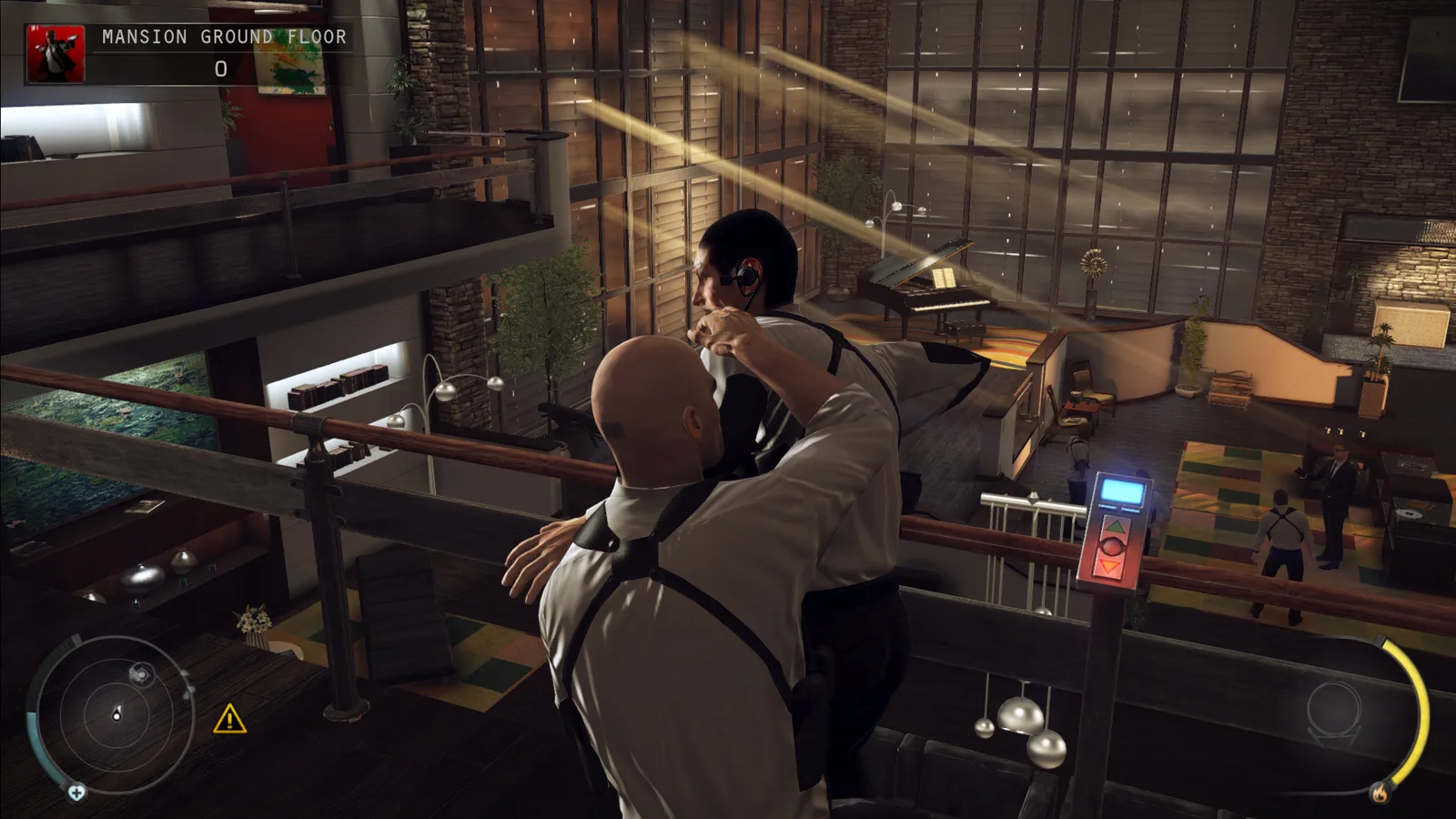
The transition to the Glacier 2 engine was intended to deliver a significant leap in visual fidelity compared to previous Hitman titles. While the ambition was clear, the execution faced challenges. The game’s environments, though detailed, sometimes suffered from inconsistencies in lighting and texture quality. Character models, particularly Agent 47 himself, received considerable attention, aiming for a realistic portrayal of the iconic assassin. However, some critics noted that facial animations could be stiff at times. Despite these shortcomings, Glacier 2 allowed for larger, more complex environments than its predecessors, contributing to a sense of scale and immersion in certain levels.
Gameplay Mechanics and Core Systems
Absolution introduced several new gameplay mechanics designed to make the game more accessible while retaining the core stealth elements that defined the series. The “Instinct” mode allowed players to briefly visualize enemy patrol routes and identify potential threats, offering a helping hand for those less familiar with the intricacies of Hitman gameplay. Cover system was refined, allowing for quicker transitions between cover points. While these additions aimed to broaden appeal, some purists felt they detracted from the challenge and strategic depth that characterized earlier titles. The game also featured a more linear structure compared to previous open-ended sandbox environments, which further divided opinion among fans.
Level Design and World Atmosphere
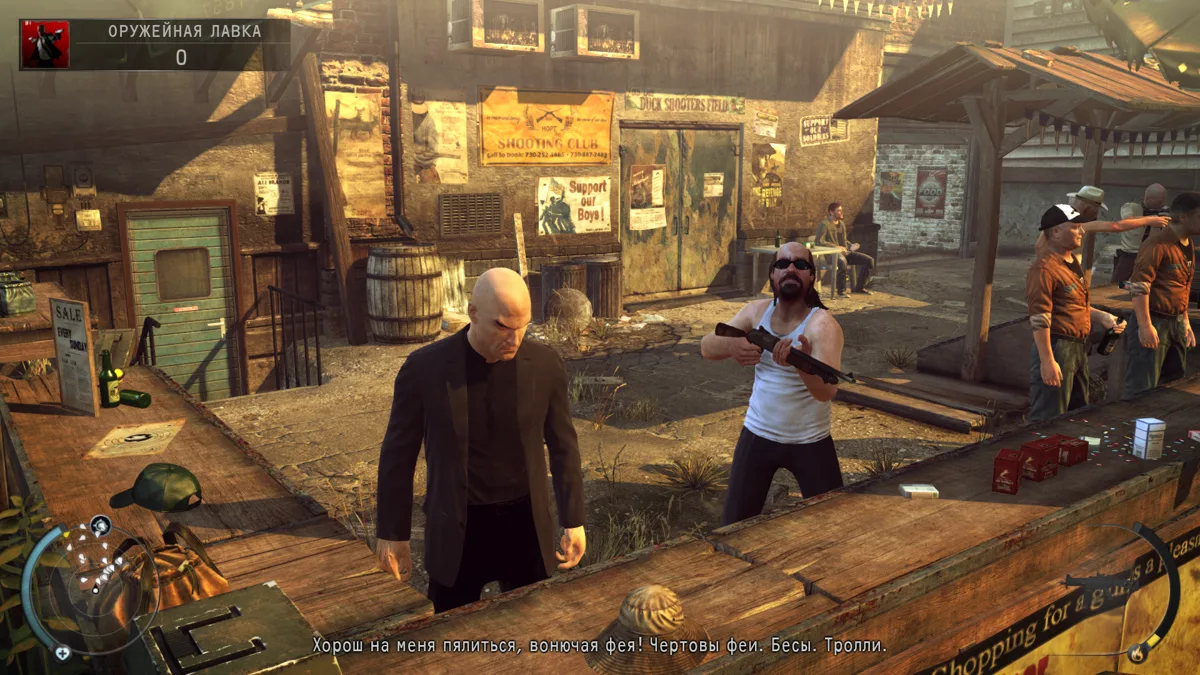
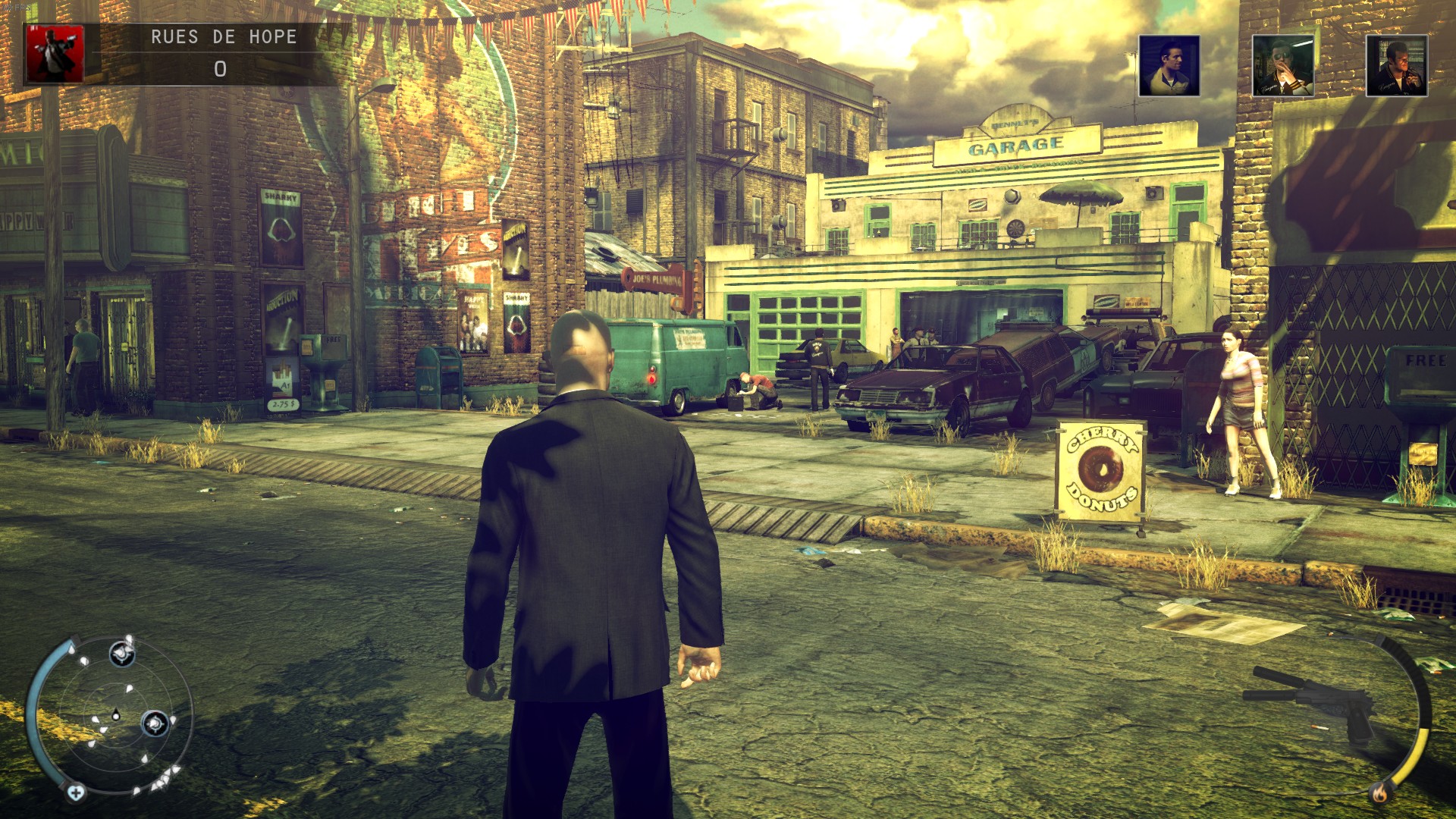
The level design in Hitman: Absolution was a mixed bag. While some levels, such as the Chicago landmarks, were visually stunning and offered multiple approaches to completing objectives, others felt more restrictive and less conducive to creative problem-solving. The game attempted to create a sense of atmosphere through its detailed environments and dynamic lighting, but inconsistencies sometimes detracted from the overall immersion. The inclusion of “Contracts Mode,” where players could design and share their own assassination challenges, added significant replayability and allowed for a return to the open-ended gameplay that fans craved.
Narrative Depth and Character Profiles
The narrative in Hitman: Absolution attempted to explore Agent 47’s backstory and motivations more deeply than previous installments. The introduction of new characters, such as Victoria and Kane, added layers of intrigue to the story. However, some critics found the plot convoluted and the pacing uneven. While the game tried to humanize Agent 47, his portrayal sometimes felt inconsistent with his established persona. The attempts to inject emotional depth into the narrative were commendable, but ultimately fell short of fully resonating with many players.
Sound Design and Acoustic Realism
The sound design in Hitman: Absolution was a strong point, contributing significantly to the game’s atmosphere and tension. Environmental sounds, such as bustling city streets and subtle creaks within buildings, helped create a sense of realism. The soundtrack, composed by Peter Peter and Thomas Bartschi, effectively complemented the gameplay, shifting from suspenseful melodies during stealth sequences to more intense tracks during action-packed moments. The sound effects for weapons and environmental interactions were also well-executed, adding weight and impact to the player’s actions.
Release Expectations and Community Hype
Prior to its release, Hitman: Absolution generated considerable hype among fans eager to see how IO Interactive would evolve the franchise. The developers emphasized their commitment to making the game more accessible while retaining the core elements that made Hitman so popular. However, this ambition also created a sense of uncertainty within the community, with some fearing that the changes would alienate long-time players. The release was met with a mix of excitement and apprehension, as fans waited to see if the game would live up to expectations.
Conclusion: The Future of Hitman: Absolution
Hitman: Absolution remains a complex and controversial entry in the franchise. While it introduced new gameplay mechanics and attempted to broaden its appeal, it also faced criticism for deviating from the established formula. Despite its shortcomings, the game’s ambition and willingness to experiment paved the way for future installments in the Hitman series. The introduction of “Contracts Mode” demonstrated the enduring popularity of sandbox-style gameplay, and the lessons learned from Absolution undoubtedly influenced the development of subsequent titles.

Source: Wikipedia
Galeri




Bergabunglah dalam percakapan