

Sobre este jogo
The Genre Genesis: From Modern Titans to 1999 Pioneers
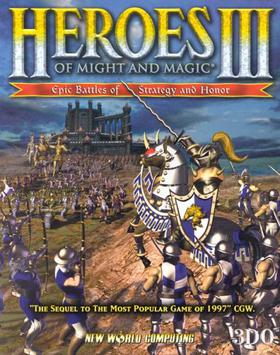
Turn-based overland hero exploration paired with deep hexagonal tactical grid combat, weekly town creature generation and fortress building economies, artifact inventory equipping, and the irresistible “just one more turn” gameplay loop—from Songs of Conquest, Age of Wonders 4, Total War: Warhammer, and modern turn-based tactical strategy games—trace their supreme fantasy foundation to February 28, 1999 with New World Computing’s timeless magnum opus, Heroes of Might and Magic III: The Restoration of Erathia.
Created and designed by Jon Van Caneghem alongside director David Mullich and lead designer Gregory Fulton at New World Computing with a lush symphonic soundtrack composed by Paul Romero, Heroes of Might and Magic III (HoMM3) achieved near-mythic perfection in turn-based strategy design. Over 25 years after release, it remains actively played by millions worldwide with vibrant community expansions (Horn of the Abyss) and competitive tournaments.
Plataforma Context & Gaming Environment
Set across the mystical fantasy continent of Antagarich, the campaign begins following the assassination of King Nicolas Gryphonheart of Erathia. Returning home from Enroth, his daughter Queen Catherine Ironfist finds Erathia overrun by the demonic forces of Eeofol (Inferno), the subterranean Dungeon lords of Nighon, and the undead legions of Deyja (Necropolis). Catherine leads an alliance of human paladins, elves of the Rampart, and mages of the Tower to drive out the invaders and restore her ancestral kingdom.
Popularity & Cultural Standing: Niche vs. Blockbuster
Heroes of Might and Magic III was an enormous critical and commercial triumph, becoming a permanent cultural titan throughout Eastern Europe, Scandinavia, China, and across the globe. Its local hotseat multijogador mode—allowing multiple friends to take turns on a single computer—made it one of the most shared social gaming experiences in PC history.
Jogabilidade Mechanics & Technical Innovations
Heroes of Might and Magic III established the ultimate standard of fantasy strategy mechanics:
- Eight Asymmetrical Factions & Castles: Castle (Humans/Angels), Rampart (Elves/Dragons), Tower (Mages/Titans), Inferno (Demons/Archdevils), Necropolis (Undead/Bone Dragons), Dungeon (Warlocks/Black Dragons), Stronghold (Barbarians/Behemoths), and Fortress (Beastmasters/Hydras).
- Hero RPG Progression & Secondary Skills: Leveling up hero stats (Attack, Defense, Spell Power, Knowledge) and mastering up to 8 secondary skills (Logistics, Earth Magic, Wisdom, Necromancy, Leadership, Pathfinding).
- Hexagonal Tactical Grid Battlefield: Turn-based combat maneuvering on a 15×11 hexagonal grid; tactical positioning, retaliation strikes, morale extra turns, luck damage boosts, and siege catapult assaults on castle walls.
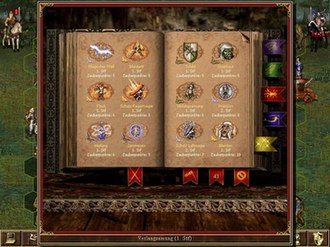
- Four Schools of Magic & Spellbook: Casting spells from Air Magic (Dimension Door, Fly), Earth Magic (Town Portal, Slow, Resurrection), Fire Magic (Armageddon, Berserk), and Water Magic (Prayer, Clone).
- Paul Romero’s Masterwork Symphonic Score: Featuring lush operatic themes for every individual town type, composed with classical romantic grandeur.
Historical Legacy & Archival Preservation
Heroes of Might and Magic III is permanently enshrined in the World Video Game Hall of Fame as the undisputed peak of turn-based fantasy strategy and tactical RPG design.
Galeria
Participe da conversa