
Introduction: The Next Chapter for Heavy Rain
Heavy Rain, a landmark title from Quantic Dream, redefined interactive storytelling in the gaming landscape. Originally released in 2010 and later ported to PC, this psychological thriller immerses players in a gripping narrative driven by player choice. Its unique blend of cinematic presentation, intricate character development, and impactful decision-making set a new standard for the genre. This deep dive will dissect every facet of Heavy Rain, from its groundbreaking engine to its enduring legacy.
Visual Direction and Graphics Engineering
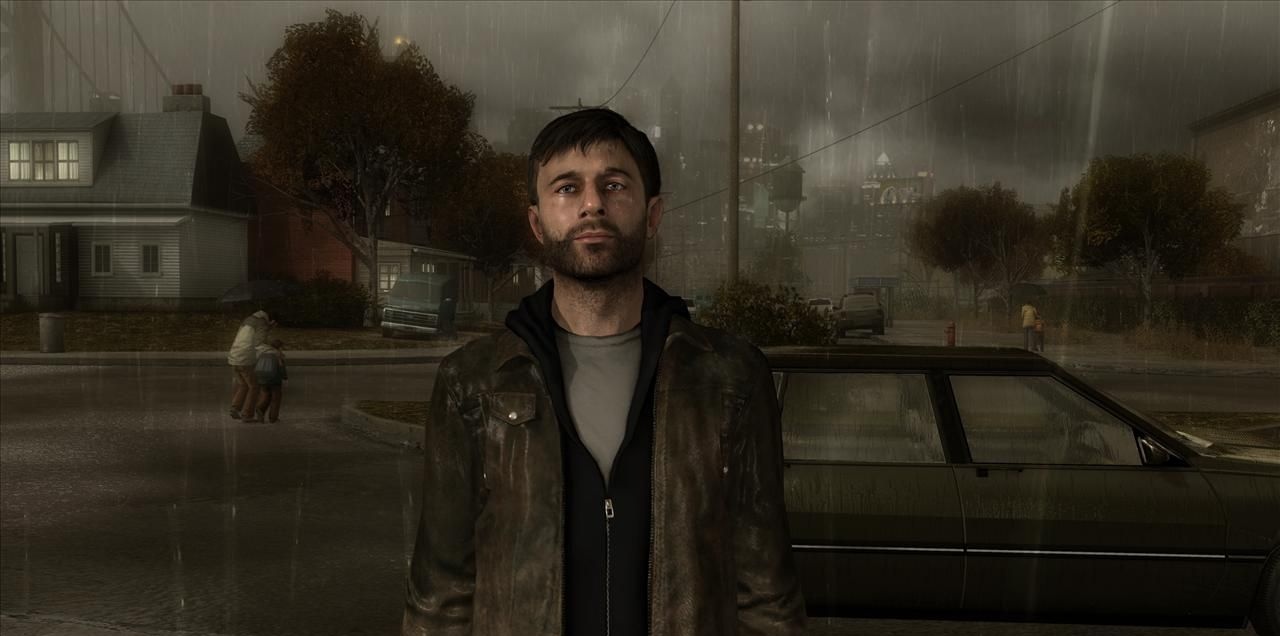
Heavy Rain was built upon Quantic Dream’s proprietary next-gen engine, showcasing impressive visuals for its time. The game leverages advanced facial capture technology to create incredibly realistic character models, allowing for nuanced performances that enhance the emotional impact of the story. The attention to detail in environments, from rain-slicked streets to meticulously crafted interiors, contributes significantly to the game’s atmosphere. While the engine may show its age compared to modern titles, the artistic direction and technical prowess are undeniable.
Gameplay Mechanics and Core Systems
The gameplay in Heavy Rain revolves around exploration, puzzle-solving, and quick-time events (QTEs). The QTEs, while sometimes criticized for being intrusive, are integral to the game’s pacing and tension. They represent crucial moments where player skill directly impacts the narrative outcome. The “detective” mode allows players to examine crime scenes in detail, uncovering clues that advance the investigation. This blend of active participation and cinematic presentation is a hallmark of Quantic Dream’s design philosophy.
Level Design and World Atmosphere
The game’s environments are meticulously crafted to evoke specific moods and emotions. The constant rain, a defining characteristic of Heavy Rain, creates an atmosphere of unease and suspense. Each location, from the claustrophobic interiors of apartments to the sprawling urban landscapes, is designed to contribute to the overall sense of immersion. The level design encourages exploration and rewards players who pay attention to their surroundings.
Narrative Depth and Character Profiles
Heavy Rain’s strength lies in its complex characters and branching narrative. Players control four distinct protagonists, each with their own motivations and backstories, all connected by the mystery of the Origami Killer. The game explores themes of grief, loss, and obsession, creating a deeply emotional experience. Player choices have significant consequences, leading to multiple endings and encouraging replayability.
Sound Design and Acoustic Realism
The sound design in Heavy Rain is crucial to its atmosphere. The constant drumming of rain, the subtle creaks of floorboards, and the haunting musical score all contribute to the sense of unease and suspense. The game utilizes advanced audio technology to create a truly immersive soundscape.
The voice acting, while sometimes subject to criticism, is generally well-performed and adds depth to the characters.
Release Expectations and Community Hype
The release of Heavy Rain was met with significant anticipation within the gaming community. Quantic Dream had built a reputation for innovative storytelling, and players were eager to experience their latest creation. The game’s unique premise, combined with its cinematic presentation, generated considerable hype leading up to its launch. While some critics raised concerns about the controls and voice acting, the overall reception was overwhelmingly positive.
Conclusion: The Future of Heavy Rain
Heavy Rain remains a landmark title in the history of interactive storytelling. Its innovative gameplay mechanics, complex characters, and emotionally resonant narrative continue to captivate players. While its age may be apparent in some areas, its artistic vision and technical achievements remain impressive. The game’s enduring legacy is a testament to Quantic Dream’s commitment to pushing the boundaries of what video games can achieve.


Source: Wikipedia


