

Über dieses Spiel
Introduction: The Next Chapter for Heavenly Sword
Heavenly Sword, released in 2007 as a flagship title for the PlayStation 3, represented Ninja Theory’s bold entry into the AAA gaming landscape. Developed using a proprietary engine designed to push the console’s capabilities, the game promised a unique blend of action-adventure gameplay, stunning visuals, and a compelling narrative. While it garnered praise for its innovative combat system and graphical fidelity, Heavenly Sword also faced criticism regarding its length and lack of online features. This deep dive will dissect every facet of the game, from its groundbreaking engine to its lasting impact on the industry.
Visual Direction and Graphics Engineering
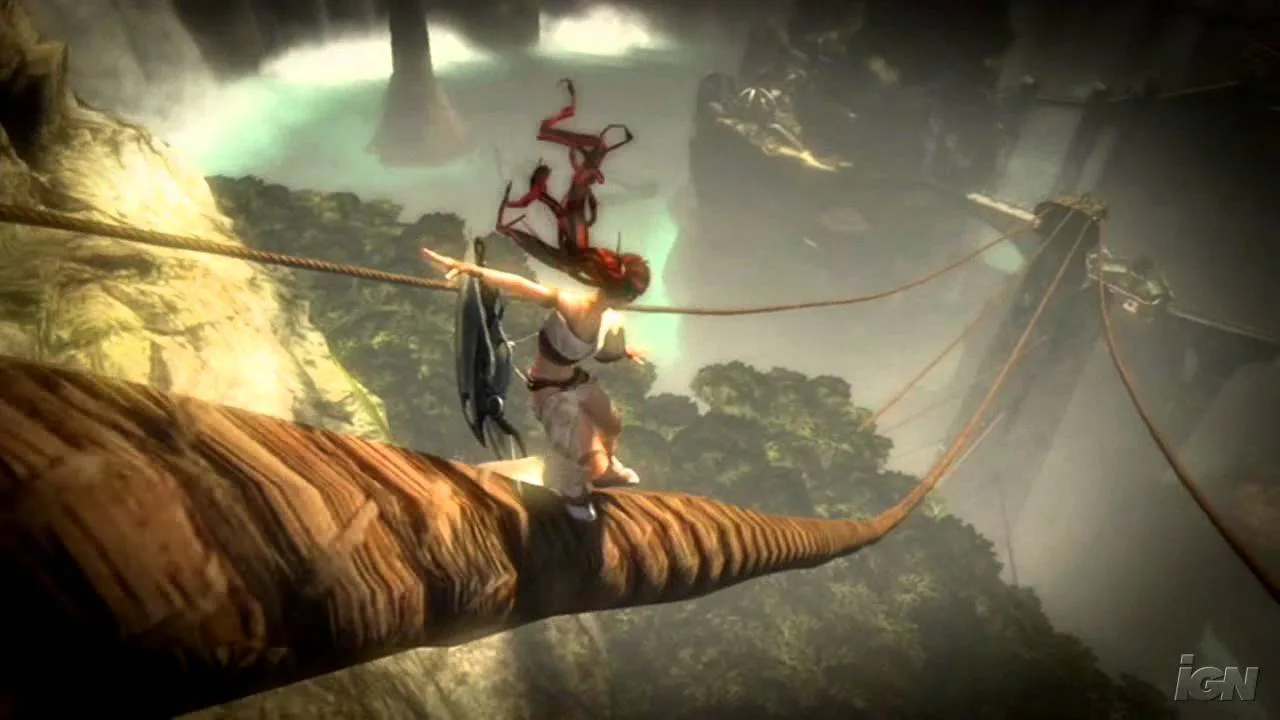
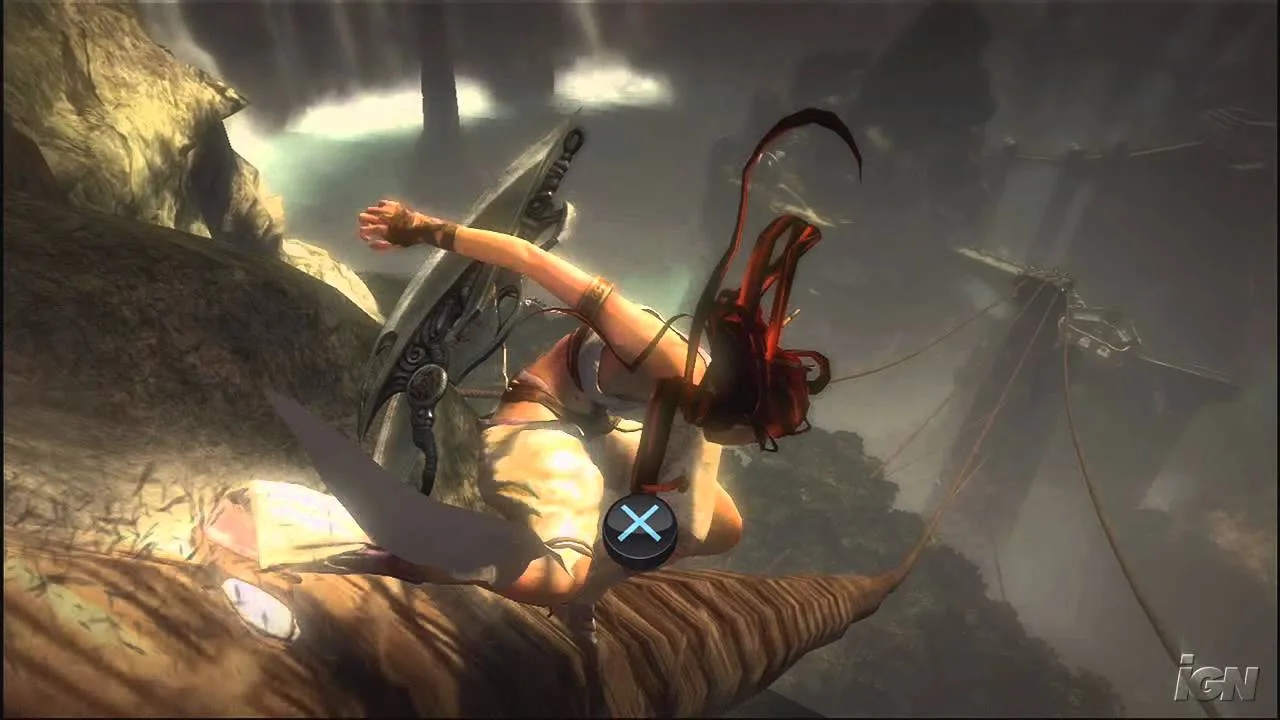
Heavenly Sword was a showcase for advanced graphics technology at the time of its release. The proprietary engine allowed for detailed character models, realistic environments, and impressive visual effects. Character animation, particularly Nariko’s acrobatic movements, was meticulously crafted to convey both power and grace. The game utilized motion capture extensively to achieve a high level of realism in the performances. While the graphics may appear dated by today’s standards, they were revolutionary for their time, demonstrating the potential of the PlayStation 3 hardware. The visual design aimed for a blend of fantasy and realism, creating a world that felt both fantastical and grounded.
Gameplay Mechanics and Core Systems
The core gameplay revolves around fast-paced melee combat using the titular Heavenly Sword. Nariko can switch between three distinct stances: Speed Stance, which offers balanced damage and attack speed; Range Stance, for rapid but weaker ranged attacks; and a powerful, slower stance that unleashes devastating blows. This system allows players to adapt their fighting style to different enemy types and situations. The game also features light puzzle elements and platforming sections. While the combat is engaging, some critics found it somewhat repetitive due to the limited variety of enemies and attack patterns.
Level Design and World Atmosphere
Heavenly Sword’s levels are diverse, ranging from lush forests to imposing fortresses. The environments are visually rich and contribute significantly to the game’s atmosphere. While linear in structure, the level design incorporates verticality and encourages exploration. The world feels both ancient and dangerous, reflecting the ongoing conflict between Nariko’s clan and the tyrannical Nanami. The environmental storytelling is subtle but effective, providing glimpses into the history of the land and the struggles of its inhabitants.
Narrative Depth and Character Profiles
The story follows Nariko as she wields the Heavenly Sword to protect her people from the ruthless General Nanami. The narrative explores themes of sacrifice, duty, and the corrupting influence of power. While the main plot is relatively straightforward, the game delves into the backstories of its characters, revealing their motivations and struggles.
Nariko herself is a compelling protagonist, driven by a strong sense of responsibility. However, some critics found the supporting characters to be less developed.
Sound Design and Acoustic Realism
The sound design in Heavenly Sword is crucial to creating an immersive experience. The soundtrack, composed by Nitin Sawhney, blends orchestral arrangements with traditional instruments, perfectly complementing the game’s visuals and atmosphere. The sound effects are impactful, conveying the weight of each blow and the intensity of the combat. The voice acting is generally well-performed, although some performances may feel somewhat dated.
Release Expectations and Community Hype
Prior to its release, Heavenly Sword generated considerable hype within the gaming community. Its stunning visuals and innovative gameplay promised a unique experience on the PlayStation 3. However, the game’s relatively short length and lack of online features disappointed some players. Despite this, Heavenly Sword remains a cult classic, praised for its artistic vision and technical achievements.
Conclusion: The Future of Heavenly Sword
Heavenly Sword represents a significant milestone in Ninja Theory’s history and a testament to the potential of the PlayStation 3 hardware. While it may not have achieved mainstream success, its influence can be seen in subsequent games that adopted similar gameplay mechanics and visual styles. The game remains a valuable case study for developers interested in pushing the boundaries of technology and artistic expression. Its legacy continues to inspire new generations of gamers and creators.

Source: Wikipedia
Galerie

Diskutieren Sie mit