Introduction: The Next Chapter for Halo: Reach
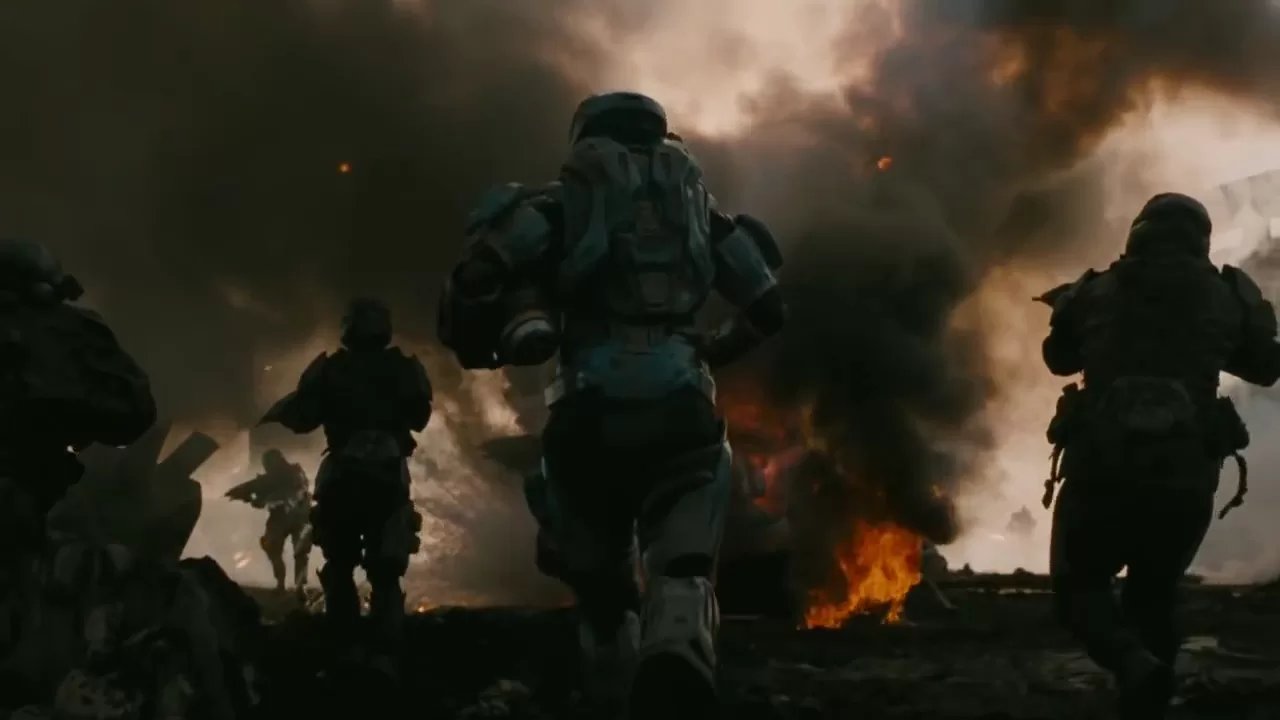
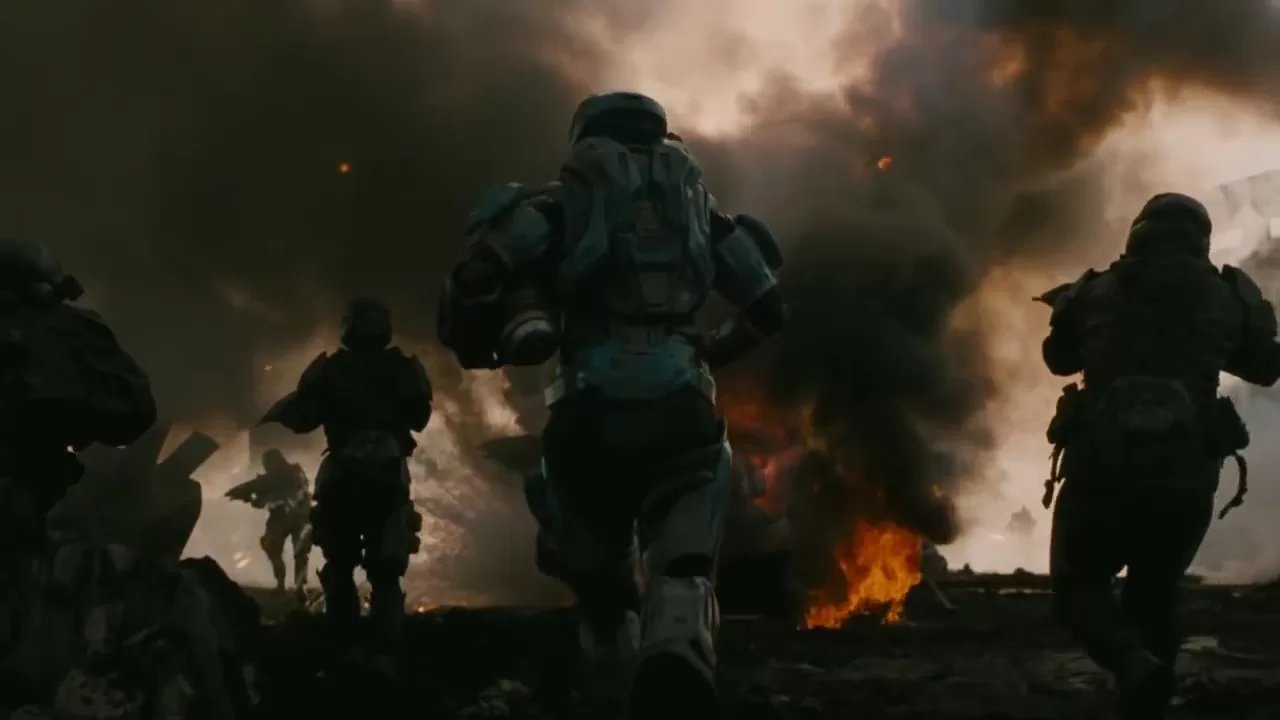
Halo: Reach, developed by Bungie and published by Microsoft Game Studios, marked a pivotal moment in the Halo franchise. Released in 2010 for the Xbox 360, it served as a prequel to Halo: Combat Evolved, offering players a glimpse into the tragic events that unfolded on the human world of Reach before its fall to the Covenant. Unlike previous installments focused on Master Chief, Reach placed players in the boots of Noble Six, a Spartan-III supersoldier within Noble Team, tasked with an impossible mission: delaying the inevitable and transmitting vital information back to Earth. This shift in perspective allowed Bungie to explore themes of sacrifice, camaraderie, and the harsh realities of war, setting the stage for the events that would define the original trilogy.
Visual Direction and Graphics Engineering
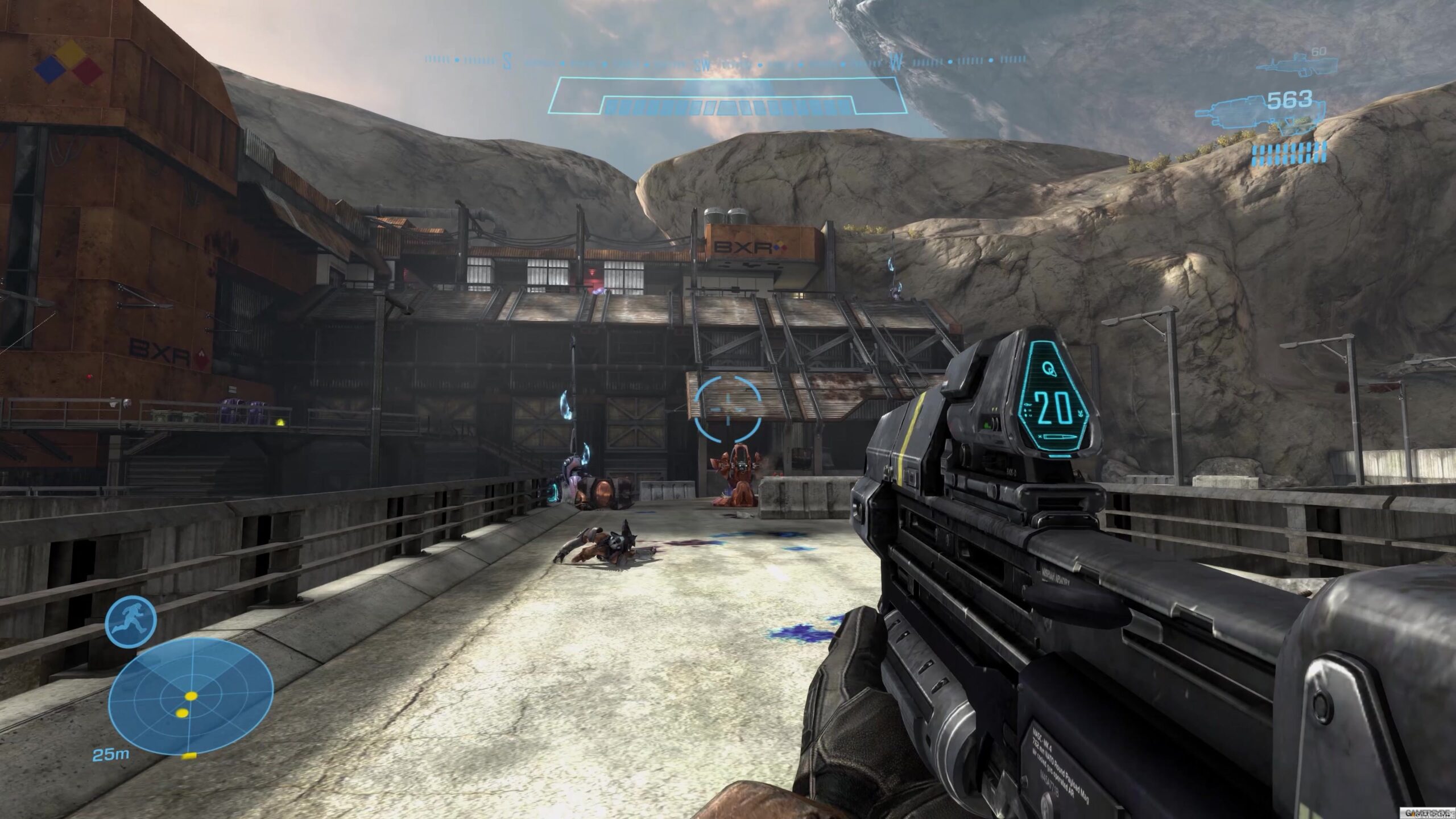
Halo: Reach showcased a significant leap in visual fidelity compared to its predecessors. While built upon a proprietary engine, it incorporated advanced rendering techniques to create a more detailed and immersive experience. The environments of Reach, ranging from lush forests to desolate plains and sprawling military installations, were meticulously crafted to convey the planet’s beauty and vulnerability. The game also featured improved character models, animations, and weapon designs, contributing to a heightened sense of realism. While not pushing the absolute limits of the Xbox 360 hardware, Reach demonstrated Bungie’s commitment to optimizing performance while delivering a visually compelling experience.
Gameplay Mechanics and Core Systems
Reach retained the core gameplay loop that defined the Halo series: fast-paced first-person shooting with a focus on strategic combat and vehicular encounters. However, it introduced new elements such as Armor Abilities, granting Spartans unique tactical advantages like Active Camouflage, Sprint, and Hologram. These abilities added layers of depth to both single-player campaign and multiplayer modes. The game also featured a robust suite of weapons, from the iconic Assault Rifle to more specialized tools like the Plasma Launcher and the powerful Energy Sword. The AI for both enemies and allies was refined, creating challenging encounters that demanded skillful execution and tactical awareness.
Level Design and World Atmosphere
The level design in Halo: Reach played a crucial role in establishing the game’s somber atmosphere. Each map told a story, reflecting the escalating conflict and the desperate measures taken by humanity to resist the Covenant invasion. From the claustrophobic corridors of military bases to the vast open landscapes under siege, each environment felt both beautiful and tragic. The attention to detail was remarkable, with subtle visual cues and environmental storytelling elements that added depth and context to the unfolding events. The game’s soundtrack further enhanced the atmosphere, creating a sense of impending doom and heroic defiance.
Narrative Depth and Character Profiles
Halo: Reach distinguished itself through its focus on character development and narrative complexity. Unlike previous Halo games that centered around Master Chief, Reach explored the stories of Noble Team, a group of Spartan-III supersoldiers who faced overwhelming odds with unwavering courage. Players became invested in their struggles, their sacrifices, and their ultimate fate. The game’s script was carefully crafted to evoke emotional responses, highlighting the human cost of war and the bonds forged under pressure. This focus on character depth resonated deeply with players, making Reach a more personal and emotionally engaging experience.
Sound Design and Acoustic Realism
The sound design in Halo: Reach was instrumental in creating an immersive and believable world. From the roar of Covenant plasma weapons to the subtle hum of Spartan armor, every sound effect was meticulously crafted to enhance the sense of realism. The game’s soundtrack, composed by Martin O’Donnell and Michael Salvatori, perfectly complemented the visuals and narrative, evoking a range of emotions from hope and determination to sorrow and despair.
The audio cues were also used strategically to provide players with vital information about enemy positions and environmental hazards.
Release Expectations and Community Hype
Halo: Reach was met with immense anticipation within the gaming community. Following the success of Halo 3, Bungie had established a loyal following eager for their next installment. The announcement of a prequel focusing on a new cast of characters generated significant buzz, as players were intrigued by the prospect of exploring the events that led to the fall of Reach. Marketing campaigns effectively built hype leading up to the release, showcasing gameplay footage and highlighting the game’s unique features.
Conclusion: The Future of Halo: Reach
Halo: Reach remains a landmark achievement in the Halo franchise and a testament to Bungie’s creative vision. Its focus on character development, its immersive world-building, and its emotionally resonant narrative set it apart from previous installments. While not without its flaws, Reach offered a unique perspective on the events that shaped the Halo universe and left a lasting impact on players. It served as a poignant farewell to Bungie’s involvement with the franchise and paved the way for future iterations of Halo under new development teams.

Source: Wikipedia


