Introduction: The Next Chapter for Halo 4
Halo 4 marks a pivotal moment in the franchise, representing not only a new game but also a transition of development from Bungie to 343 Industries. This shift brought with it both excitement and apprehension within the Halo community, eager to see how this new team would handle the legacy of Master Chief. Released in 2012 for Xbox 360, Halo 4 continues the story of John-117, the Master Chief, and his AI companion, Cortana, as they crash land on Requiem, a Forerunner installation. The game introduces new elements like the Prometheans, a technologically advanced enemy race, and delves deeper into the lore surrounding the ancient Forerunners, expanding the universe in significant ways. Halo 4 aimed to honor the past while forging its own path forward, setting the stage for future installments.
Visual Direction and Graphics Engineering
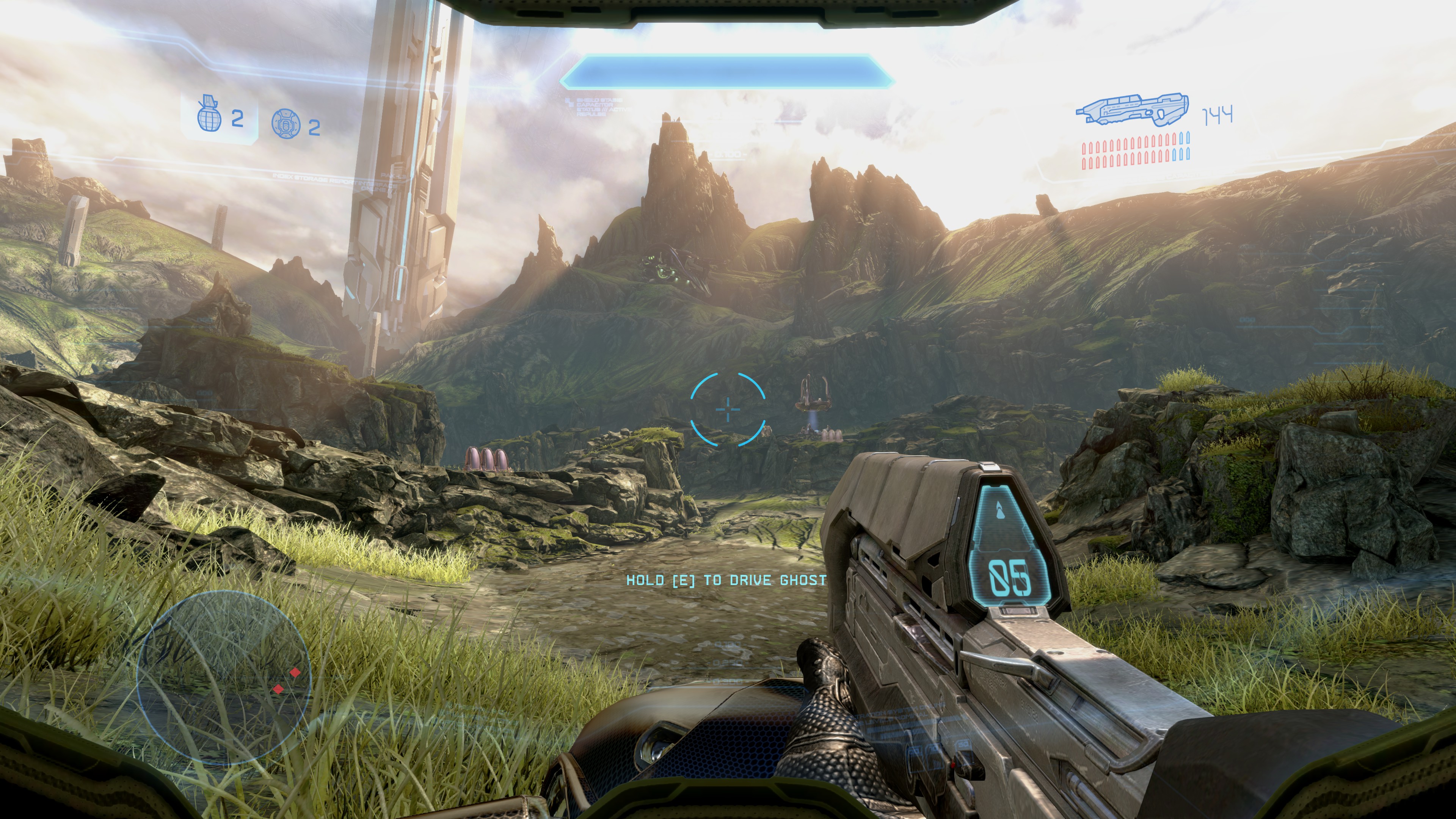
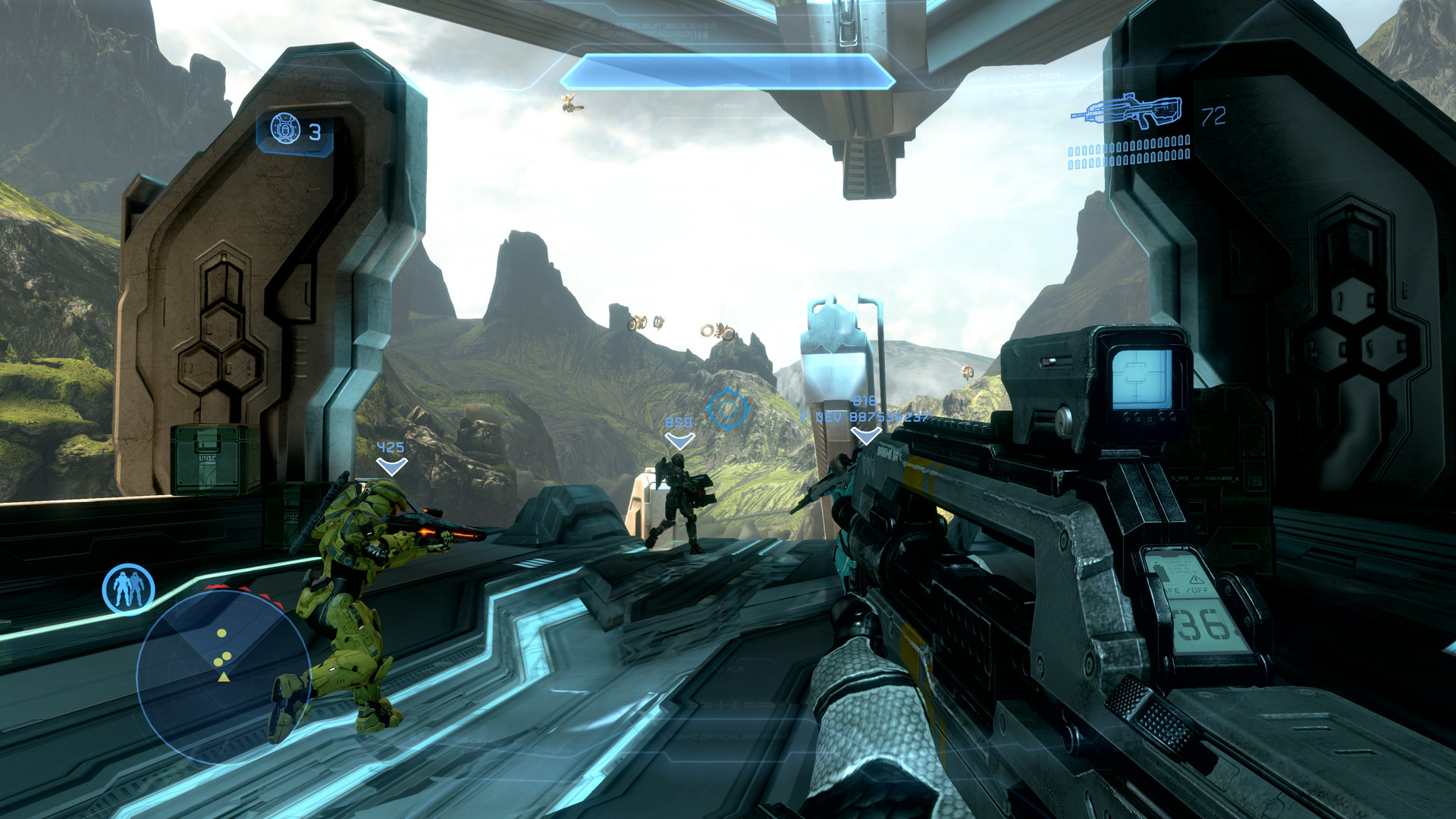
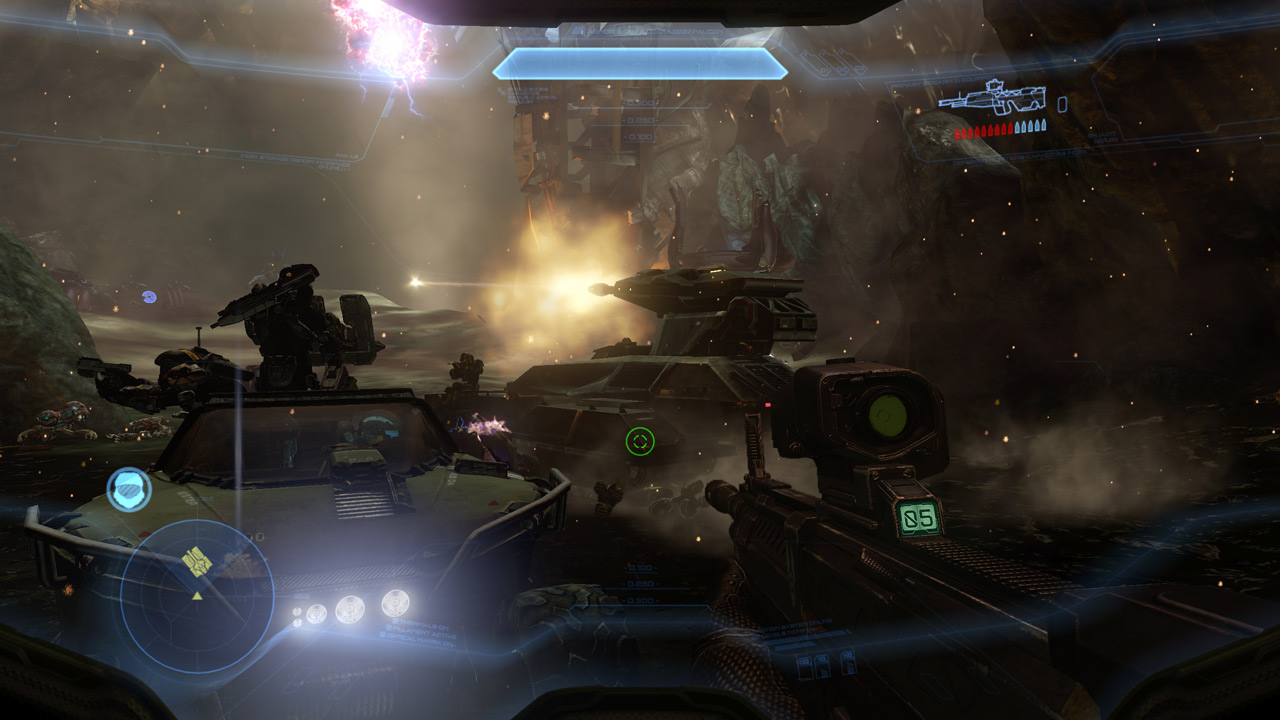
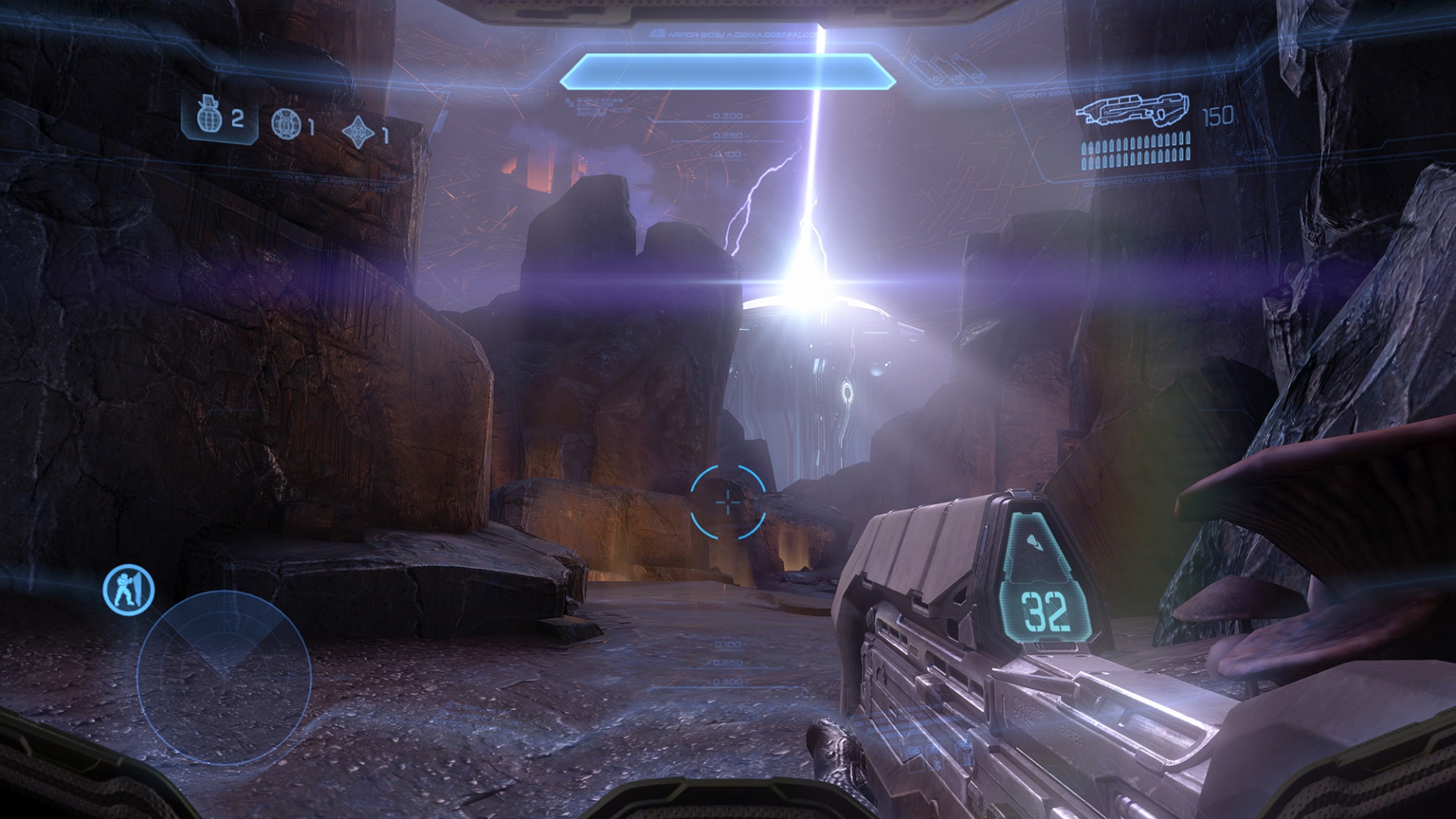
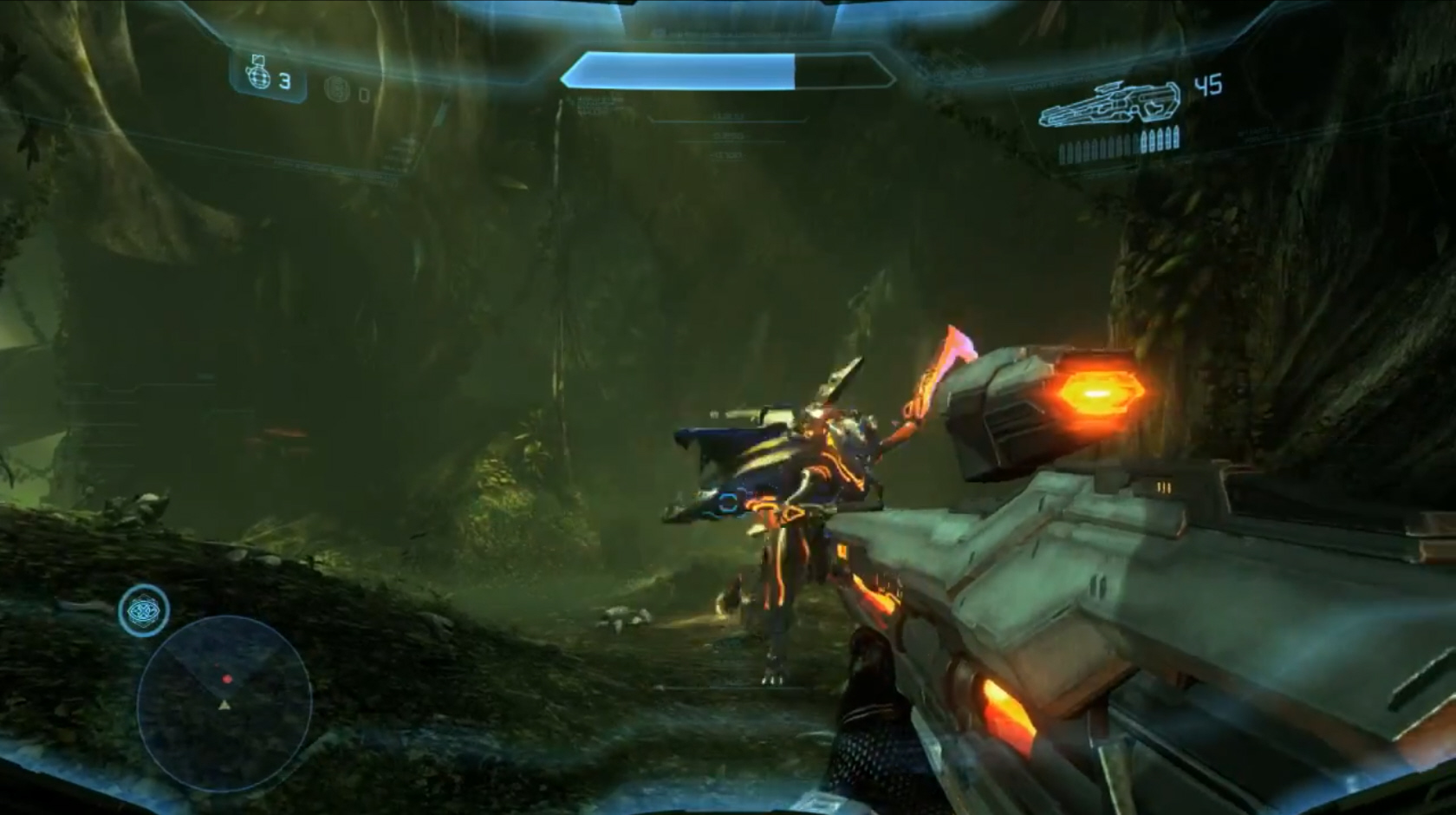
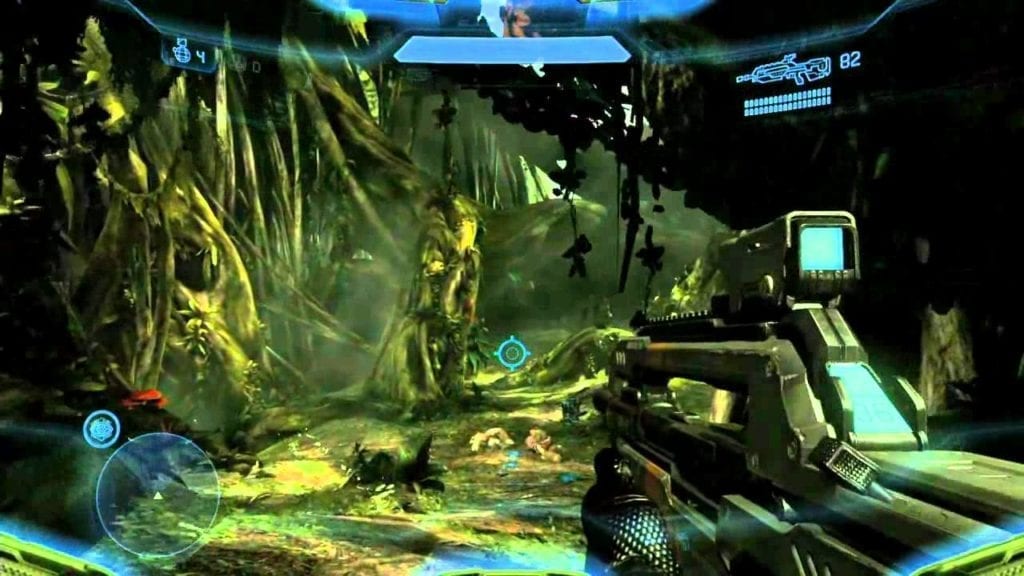
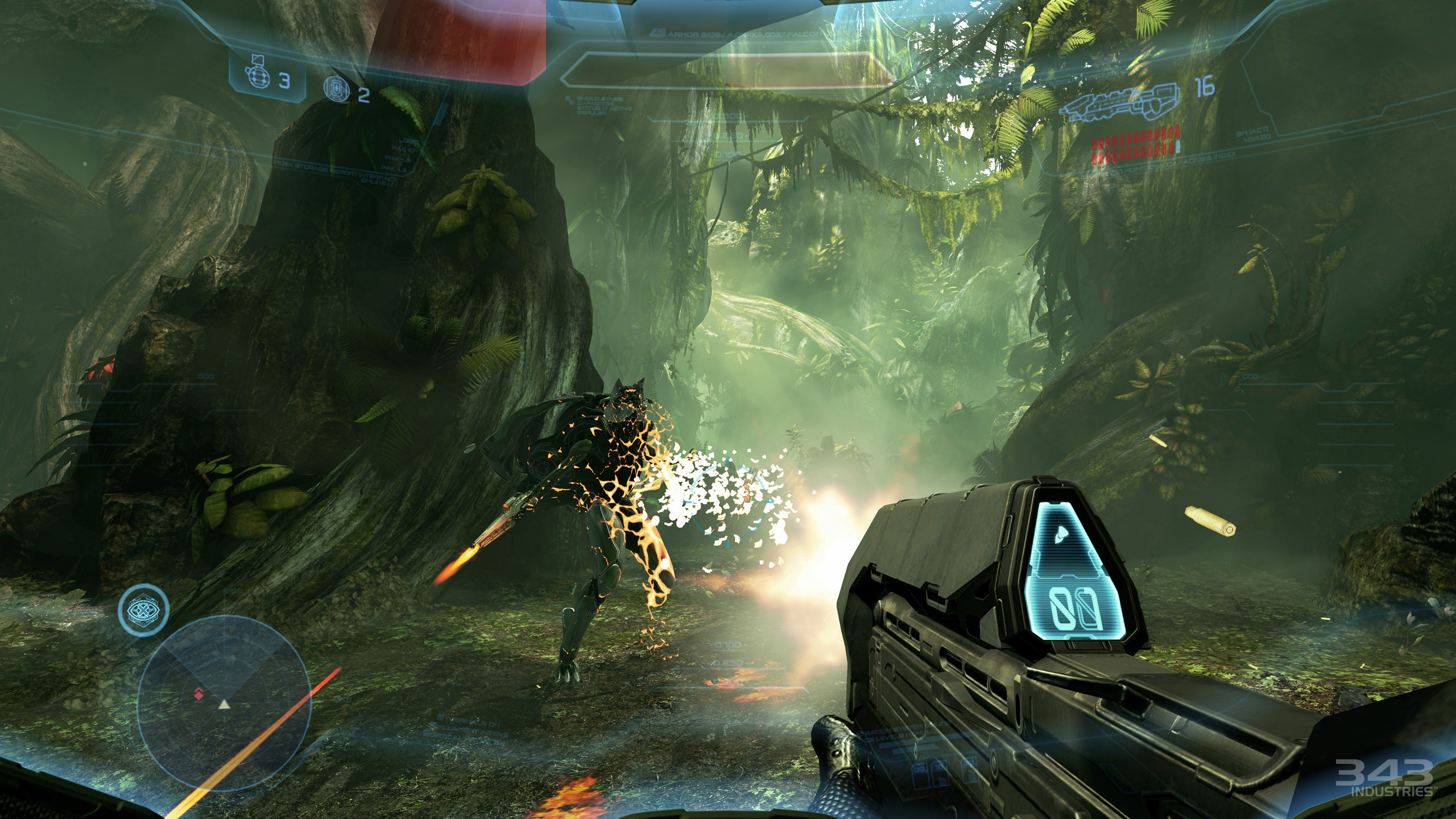
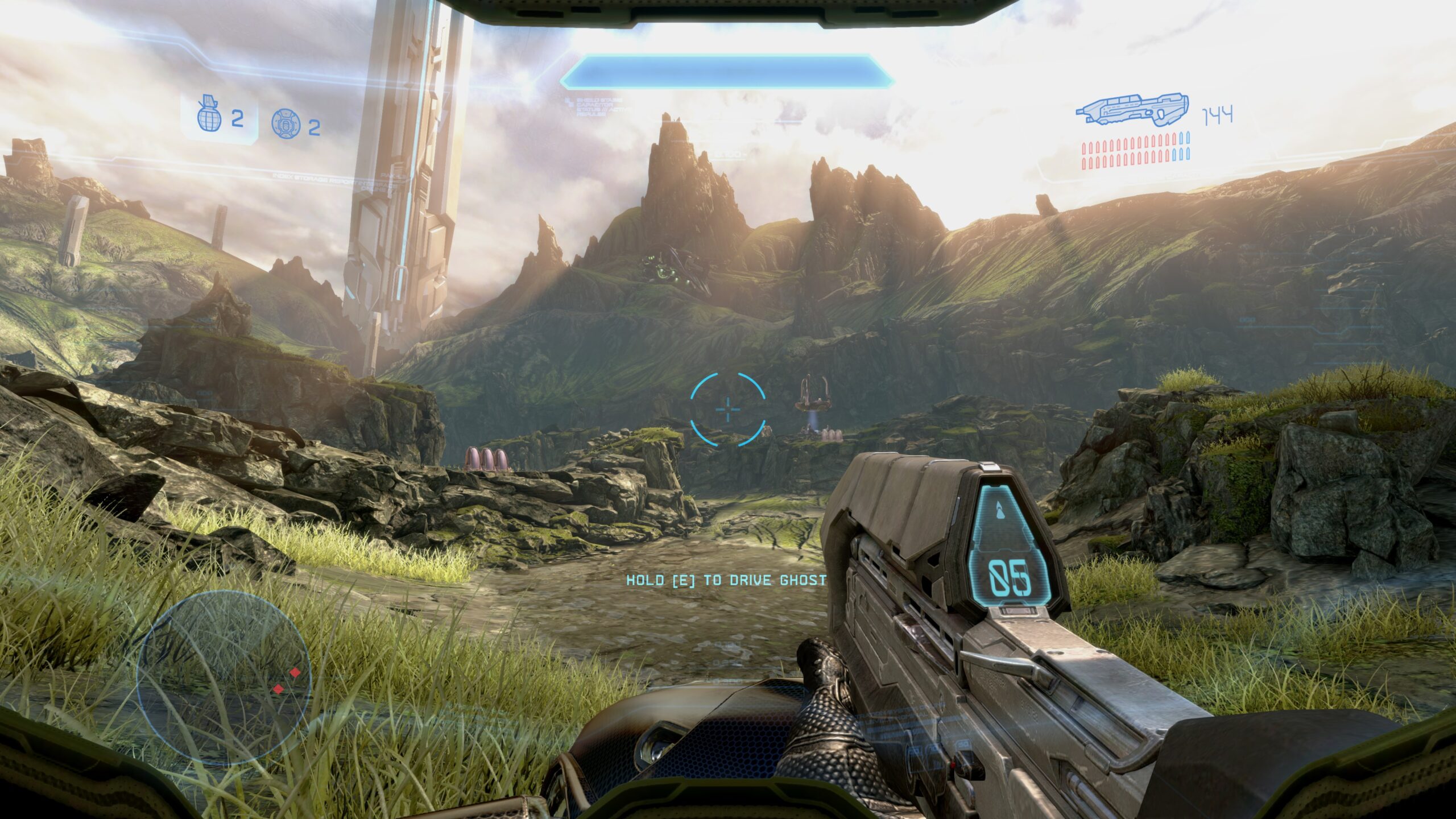
Halo 4 represented a substantial visual upgrade over previous entries in the series. The proprietary “Next-Gen” engine allowed for more detailed environments, improved character models, and enhanced lighting effects. The game’s art direction shifted towards a more realistic aesthetic, with greater emphasis on environmental storytelling and atmospheric detail. Character animations were refined to convey a wider range of emotions and actions, contributing to a more immersive experience. While the graphical leap wasn’t revolutionary by modern standards, it was a significant improvement for its time, pushing the capabilities of the Xbox 360 hardware. The visual overhaul aimed to create a sense of scale and grandeur, particularly when exploring the vast Forerunner structures.
Gameplay Mechanics and Core Systems
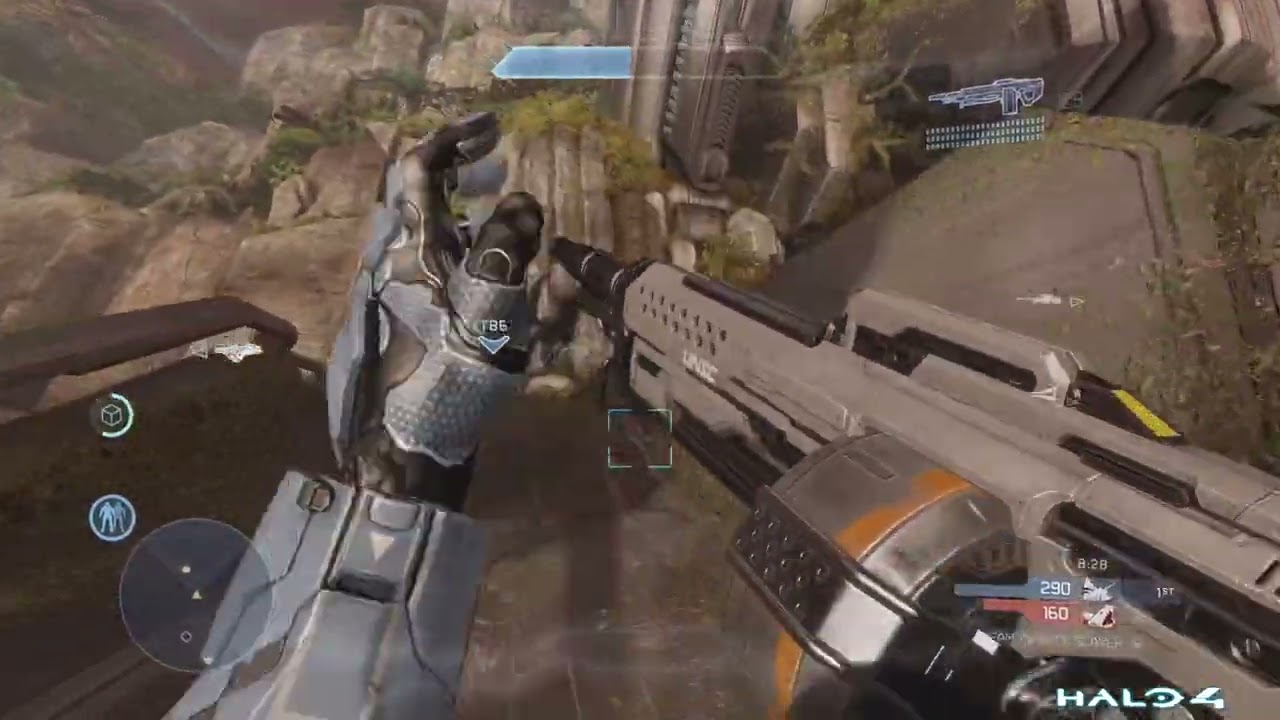
Halo 4 retained the core gameplay loop that made the series so popular: fast-paced combat, strategic use of cover, and a diverse arsenal of weapons. However, several new mechanics were introduced to freshen up the experience. The addition of the “Silent Cartographer” game mode offered a more stealth-oriented approach to certain missions. New enemy types like the Prometheans brought unique combat challenges, requiring players to adapt their strategies. While some purists criticized these changes as deviating too far from the established formula, others appreciated the attempt to innovate and keep the gameplay engaging. The introduction of new weapons and equipment further expanded tactical options for players.
Level Design and World Atmosphere
The level design in Halo 4 was a blend of familiar Halo environments and entirely new Forerunner structures. The game’s levels were designed to encourage exploration and offer multiple paths to objectives. The atmosphere of Requiem, with its mysterious architecture and unsettling silence, created a sense of isolation and intrigue. The visual storytelling within the environments helped convey the history of the Forerunners and hinted at their advanced technology. While some criticized the linearity of certain sections, the overall level design contributed significantly to the game’s immersive quality.
Narrative Depth and Character Profiles
Halo 4 delved deeper into the relationship between Master Chief and Cortana, exploring the emotional toll that their long partnership had taken on both characters. The introduction of new characters like Commander Sarah Palmer added depth to the UNSC narrative and provided fresh perspectives on the ongoing conflict. The game’s story explored themes of sacrifice, duty, and the search for meaning in a vast and indifferent universe. While some found the plot convoluted or overly sentimental, others appreciated the attempt to add emotional weight to the Master Chief’s journey.
Sound Design and Acoustic Realism
The sound design in Halo 4 was crucial in creating an immersive experience. The game featured a mix of familiar Halo sounds and new audio cues that reflected the alien nature of the Forerunner technology. The soundtrack, composed by Neil Davidge and Kazuma Jinnouchi, blended orchestral arrangements with electronic elements to create a sense of both grandeur and unease.
The sound effects were meticulously crafted to enhance the impact of weapons fire, explosions, and environmental sounds.
Release Expectations and Community Hype
The release of Halo 4 was met with immense anticipation from fans eager to see how 343 Industries would handle the legacy of Master Chief. Marketing campaigns built hype around the game’s new story elements, visual upgrades, and gameplay innovations. The community debated whether 343 Industries could live up to the expectations set by Bungie, the original creators of the franchise. Pre-order numbers were high, indicating strong consumer interest in the upcoming release.
Conclusion: The Future of Halo 4
Halo 4 was a bold step forward for the franchise, representing both a continuation of its core values and an attempt to innovate and evolve. While it faced criticism from some who felt it strayed too far from the established formula, it also garnered praise for its visual upgrades, new story elements, and attempts to expand the lore surrounding the Forerunners. Halo 4 laid the groundwork for future installments in the series, setting the stage for a new era of Master Chief adventures.


Source: Wikipedia