
Introduction: The Next Chapter for Guitar Hero III: Legends of Rock
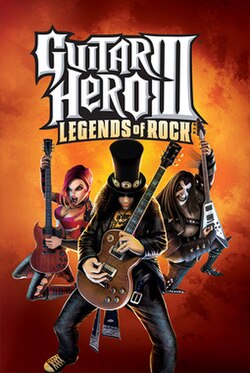
Guitar Hero III: Legends of Rock arrived in 2007, marking a pivotal moment not just for the franchise but also for the broader rhythm game landscape. Developed by Neversoft, following Activision’s acquisition of RedOctane and MTV Games (formerly Harmonix), this installment represented a transition period. While retaining the core gameplay that made its predecessors so addictive, Guitar Hero III attempted to build upon existing foundations with new features like co-op career mode and online multiplayer, setting the stage for future iterations. The game’s success hinged on balancing innovation with familiarity, appealing to both seasoned rhythm game veterans and newcomers eager to experience the thrill of rock stardom.
Visual Direction and Graphics Engineering
Guitar Hero III utilized a proprietary “Next-Gen” engine, though its visual prowess was somewhat limited by the hardware it ran on, particularly in the console versions. The art style leaned towards stylized realism, aiming for recognizable representations of iconic venues and band members. While not pushing graphical boundaries, the game’s visuals were functional and contributed to the overall immersive experience. The use of vibrant colors and dynamic lighting effects during performances helped create a sense of energy and excitement on stage.
Gameplay Mechanics and Core Systems
The core gameplay loop remained faithful to previous Guitar Hero titles: players strum notes that scroll across the screen, mimicking guitar parts in popular rock songs. However, Guitar Hero III introduced new features like online multiplayer, allowing players to compete against each other remotely. The co-op career mode was a welcome addition, enabling two players to progress through the game together. While some critics found the difficulty curve uneven, the overall gameplay experience remained engaging and addictive.
Level Design and World Atmosphere
Guitar Hero III’s level design focused on creating recognizable representations of iconic rock venues. From intimate clubs to massive stadiums, each location contributed to the immersive atmosphere of the game. The transitions between songs were often seamless, allowing players to maintain momentum throughout their performances. While not groundbreaking, the level design effectively complemented the gameplay and soundtrack.
Narrative Depth and Character Profiles
While Guitar Hero III didn’s feature a deep narrative in the traditional sense, it did offer glimpses into the lives of aspiring rock stars through its career mode. Players progressed from small gigs to sold-out arenas, experiencing the highs and lows of the music industry. The game also featured unlockable content, such as band posters and biographies, which added depth to the overall experience.
Sound Design and Acoustic Realism
The soundtrack was arguably the heart and soul of Guitar Hero III. Featuring a diverse selection of rock anthems from various eras, the game offered something for every music fan. The sound design was generally well-executed, with authentic guitar tones and crowd noises that enhanced the sense of immersion. However, some critics noted that the audio quality could vary depending on the platform.
Release Expectations and Community Hype
Guitar Hero III arrived at a time when rhythm games were incredibly popular. The franchise had already established a dedicated fanbase, and expectations for this new installment were high. Marketing campaigns emphasized the game’s expanded features, including online multiplayer and co-op career mode. Reviews were generally positive, praising the soundtrack and gameplay while noting some limitations in the graphics and difficulty curve.
Conclusion: The Future of Guitar Hero III: Legends of Rock
Guitar Hero III: Legends of Rock represented a significant chapter in the franchise’s history. While not without its flaws, the game successfully built upon existing foundations with new features and an impressive soundtrack. It solidified the franchise’s position as a leader in the rhythm game genre and paved the way for future installments. The introduction of online multiplayer was a particularly important step, laying the groundwork for more connected gaming experiences.
The legacy of Guitar Hero III continues to resonate with gamers today, reminding us of the power of music and the thrill of performing on stage.

Source: Wikipedia


