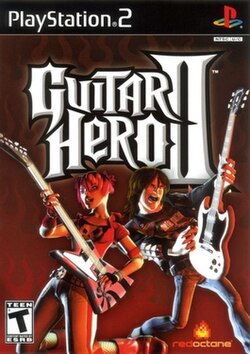
Introduction: The Next Chapter for Guitar Hero II
Guitar Hero II arrived in 2006 as the highly anticipated sequel to the groundbreaking rhythm game, Guitar Hero. Developed by Harmonix and published by RedOctane (PlayStation 2) and Activision (Xbox 360), it aimed to build upon the success of its predecessor while introducing new features, songs, and gameplay enhancements. The game quickly became a cultural phenomenon, solidifying the Guitar Hero franchise as a dominant force in the music gaming landscape. It represented not just an iteration but a significant step forward in interactive music experiences.
Visual Direction and Graphics Engineering
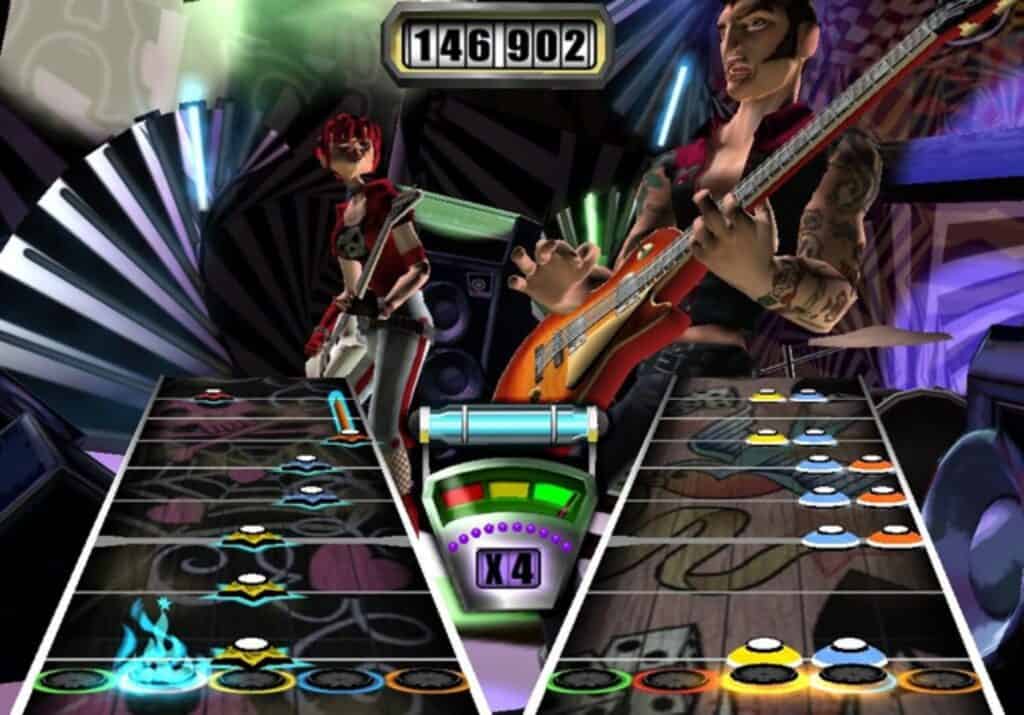
While Guitar Hero II didn’t push the boundaries of graphical fidelity compared to other games of its era, it maintained a vibrant and energetic visual style that perfectly complemented the high-octane gameplay. The environments were diverse, ranging from concert stages to stylized representations of various musical genres. The game leveraged the capabilities of both the PlayStation 2 and Xbox 360 hardware, offering a visually appealing experience on each platform. The visual design focused on clarity and readability, ensuring that players could easily track the incoming notes without being overwhelmed by excessive detail.
Gameplay Mechanics and Core Systems
The core gameplay mechanics remained largely consistent with the original Guitar Hero, utilizing the iconic plastic guitar controller to simulate playing rock music. However, Guitar Hero II introduced new note combinations and gameplay modes, adding depth and variety to the experience. The “Party Play” mode allowed multiple players to join in on the fun, fostering a social and competitive atmosphere. This focus on accessibility and multiplayer functionality was crucial to the game’s widespread appeal.
Level Design and World Atmosphere
The level design in Guitar Hero II was carefully crafted to create immersive and engaging environments that reflected the diverse range of musical styles featured in the game. From gritty rock venues to futuristic concert stages, each environment contributed to the overall atmosphere and enhanced the player’s sense of immersion. The transitions between songs were seamless, creating a continuous flow of music and action.
Narrative Depth and Character Profiles
While Guitar Hero II didn’t feature a traditional narrative structure, it did incorporate elements that added depth and personality to the experience. The game featured unlockable characters with unique biographies and backstories, adding a layer of intrigue for dedicated players. These subtle touches helped to create a more engaging and memorable experience.
Sound Design and Acoustic Realism
The sound design in Guitar Hero II was crucial to its success, accurately replicating the sounds of real guitars and amplifiers. The game featured a wide range of licensed songs from various genres, all meticulously recorded for the game. This attention to detail helped to create an authentic and immersive musical experience.
Release Expectations and Community Hype
The release of Guitar Hero II was met with immense anticipation from fans eager to experience the next chapter in the franchise. The game quickly became a commercial success, exceeding sales expectations and solidifying its place as one of the most popular music games of all time. The strong community support and positive word-of-mouth contributed significantly to its widespread appeal.
Conclusion: The Future of Guitar Hero II
Guitar Hero II represented a significant step forward for the franchise, building upon the success of its predecessor while introducing new features and gameplay enhancements. Its enduring popularity is a testament to its innovative design, engaging gameplay, and diverse soundtrack. While newer iterations have emerged, Guitar Hero II remains a beloved classic that continues to inspire and entertain players today. The game’s legacy extends beyond its commercial success, influencing the development of countless other music games and solidifying its place as a landmark achievement in interactive entertainment.
Source: Wikipedia


