Introduction: The Next Chapter for Guitar Hero II
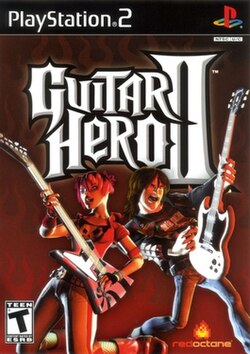
Guitar Hero II arrived in 2006 as the highly anticipated sequel to the smash hit, Guitar Hero. Developed by Harmonix and published by RedOctane (PlayStation 2) and Activision (Xbox 360), it aimed to build upon the foundation laid by its predecessor while introducing new features and expanding the musical landscape. The game promised a more robust tracklist, enhanced gameplay mechanics, and an overall refinement of the Guitar Hero experience. This Masterclass Deep-Dive will dissect every facet of Guitar Hero II, from its visual direction and core systems to its narrative depth and lasting impact on the rhythm game genre.
Visual Direction and Graphics Engineering
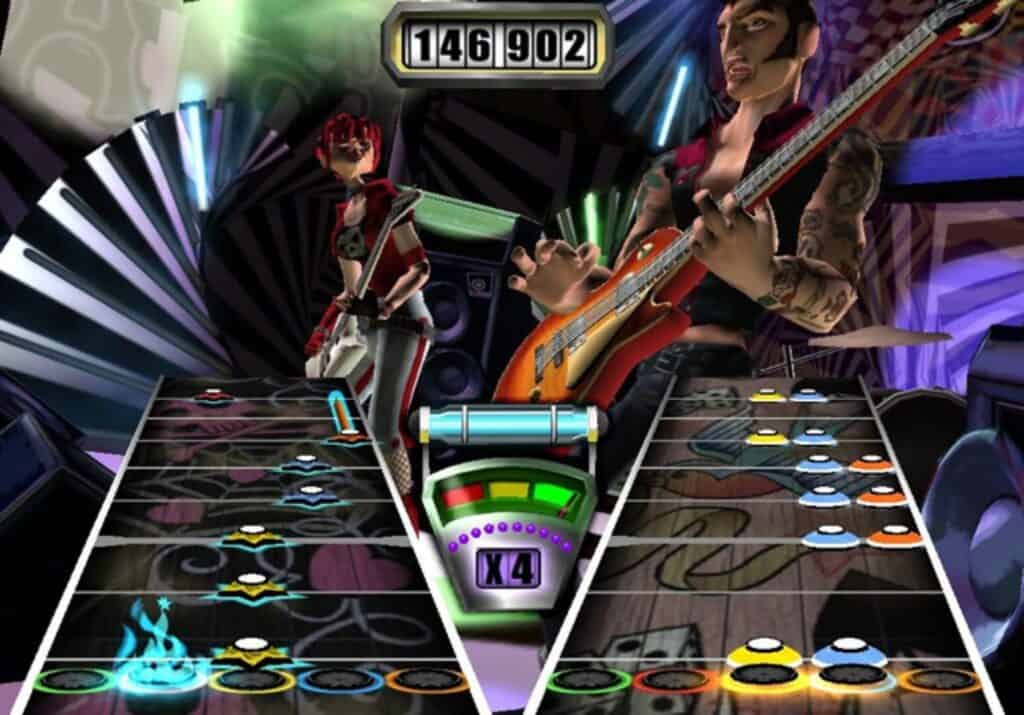
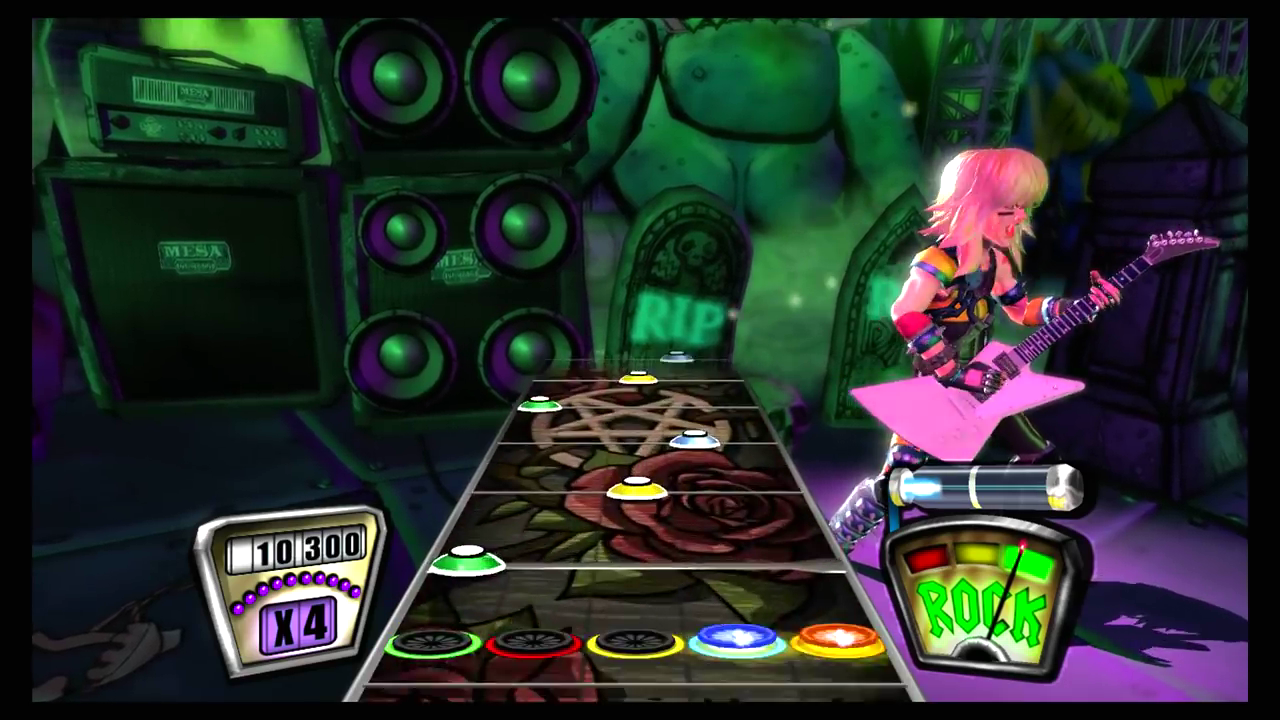
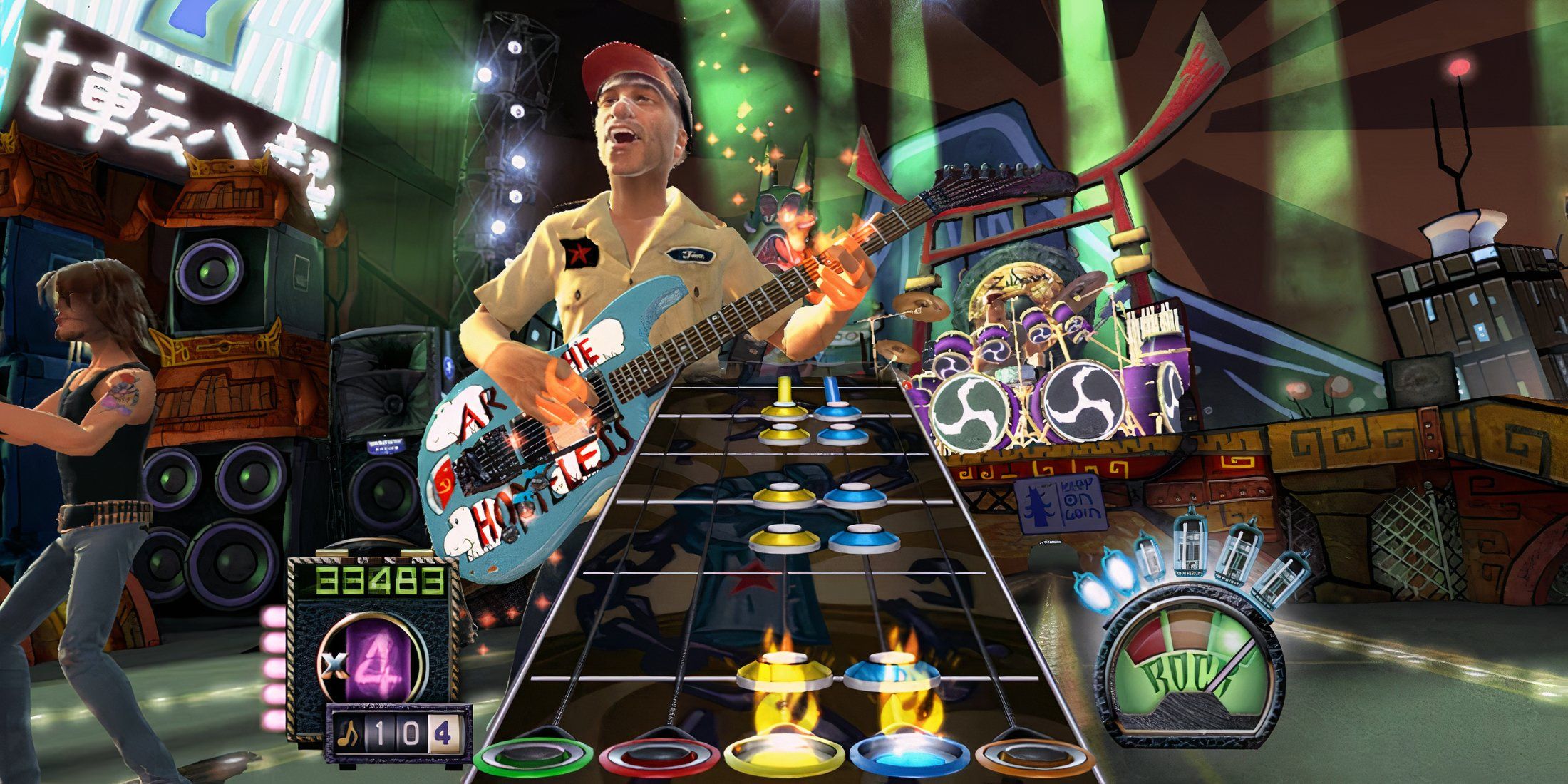
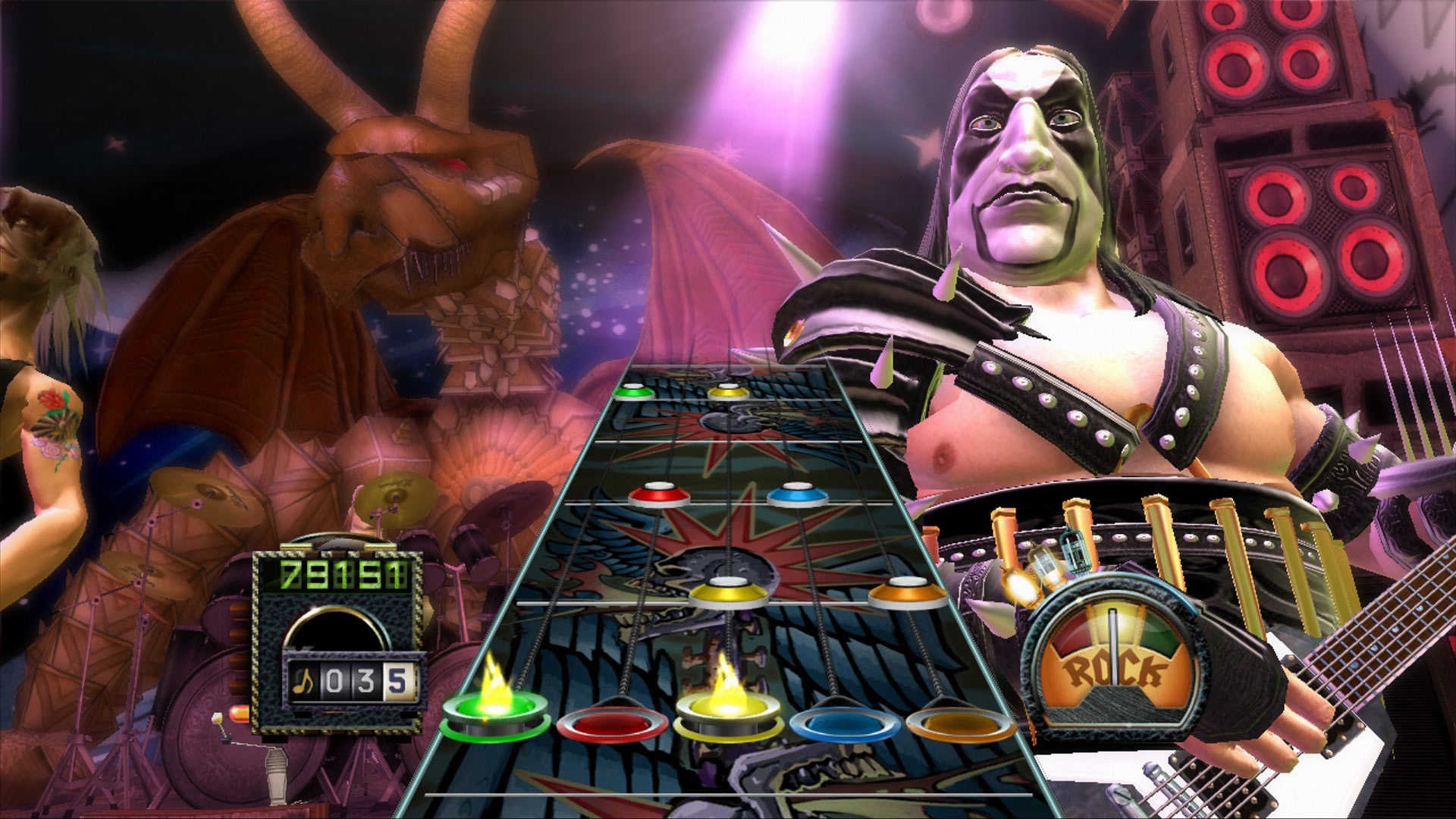
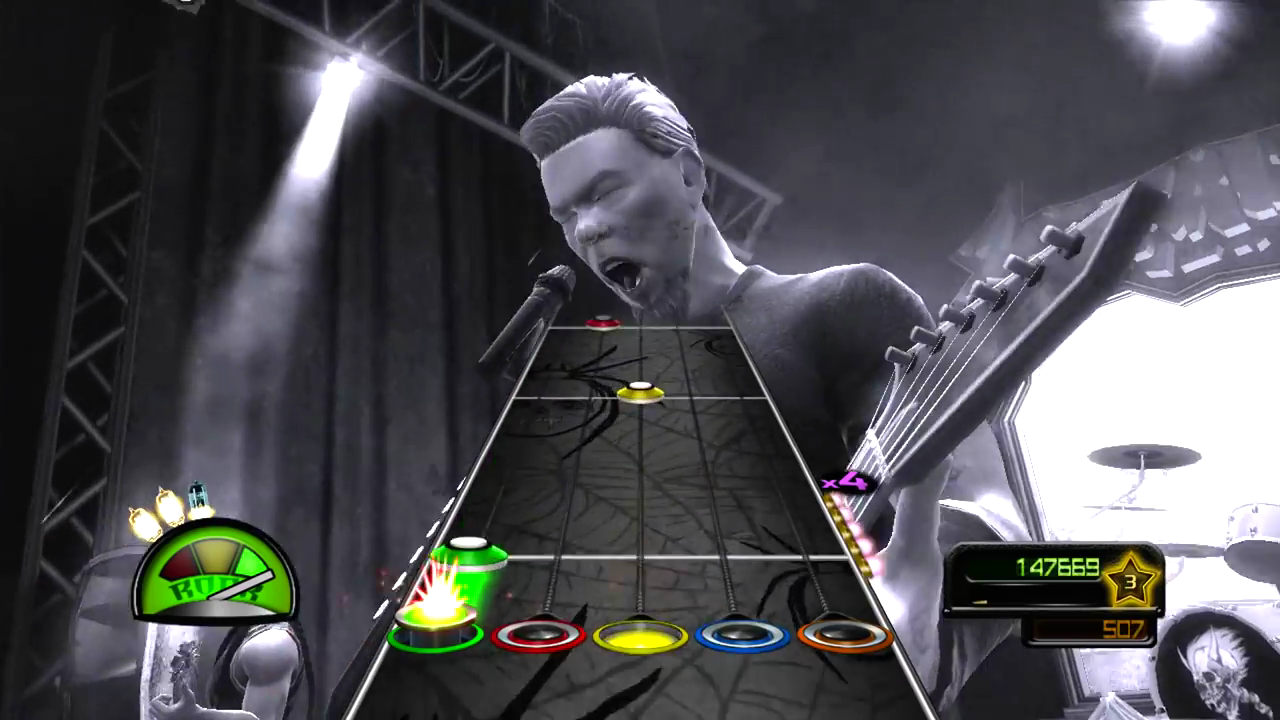
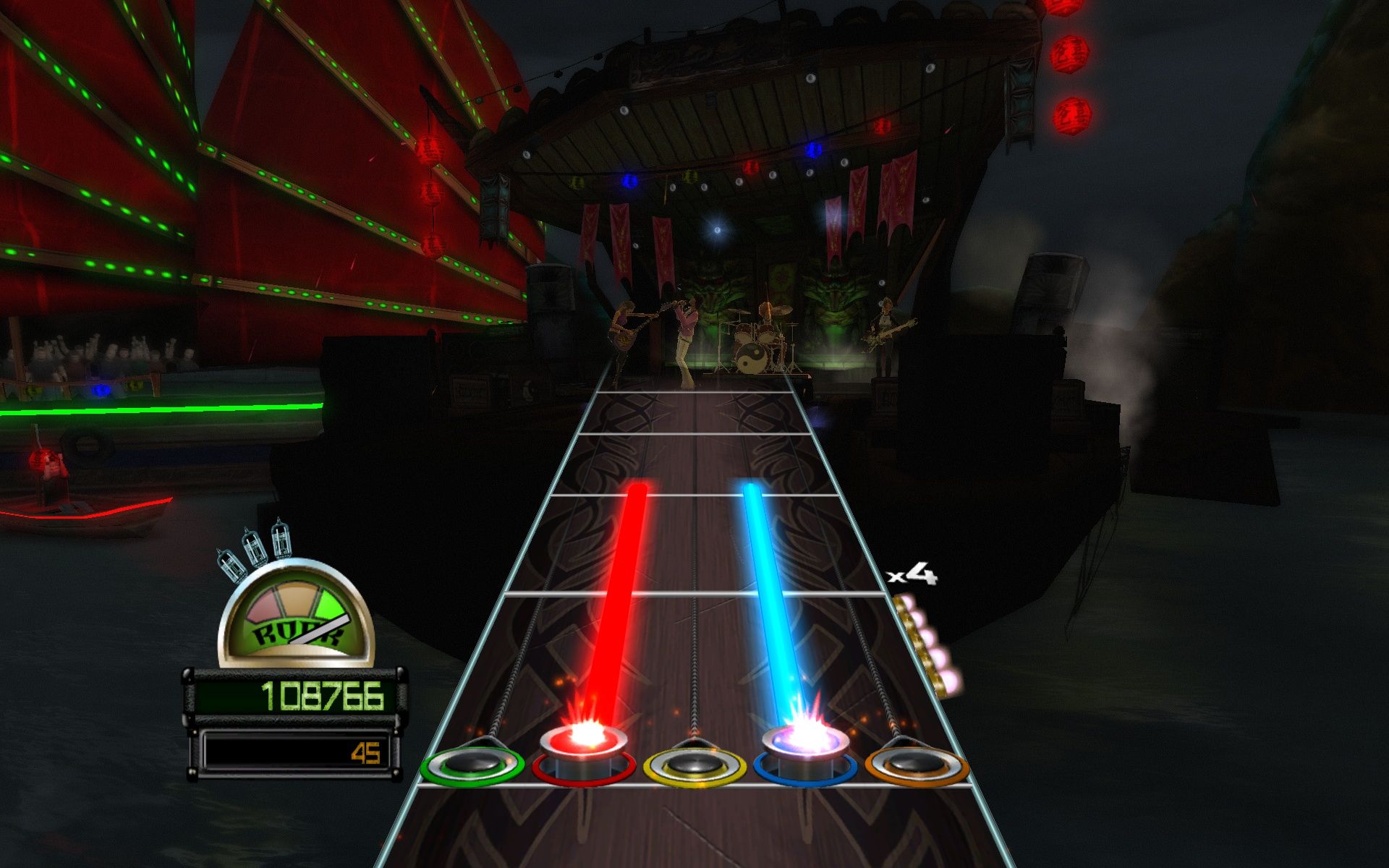
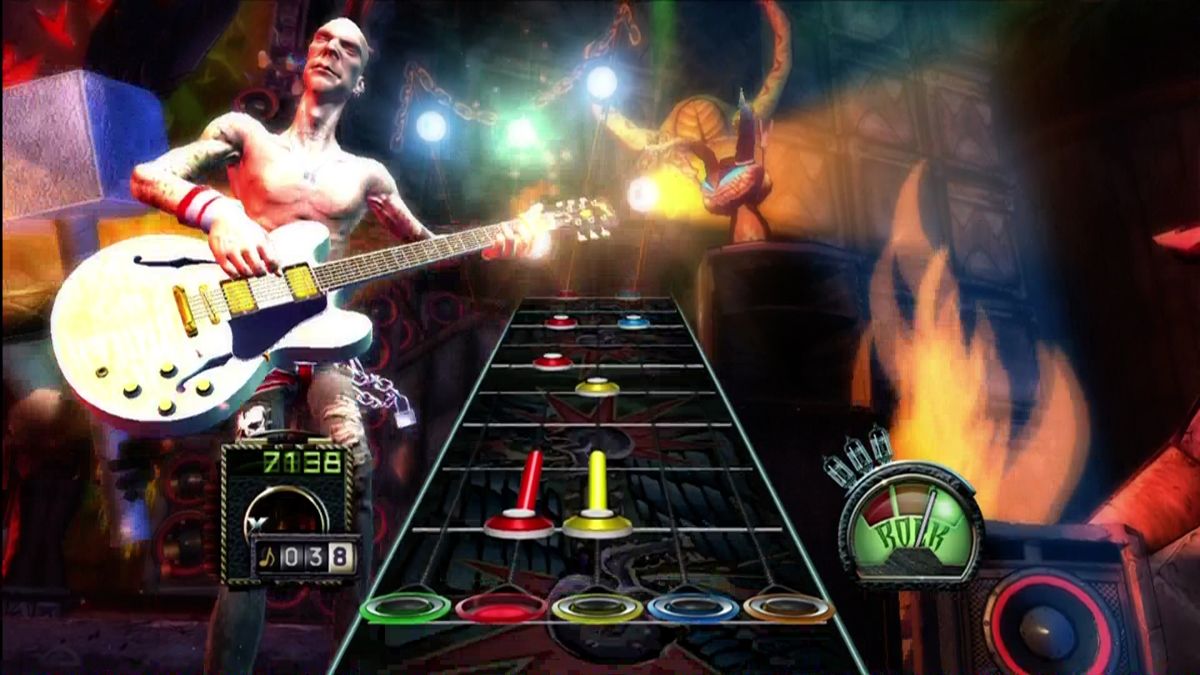
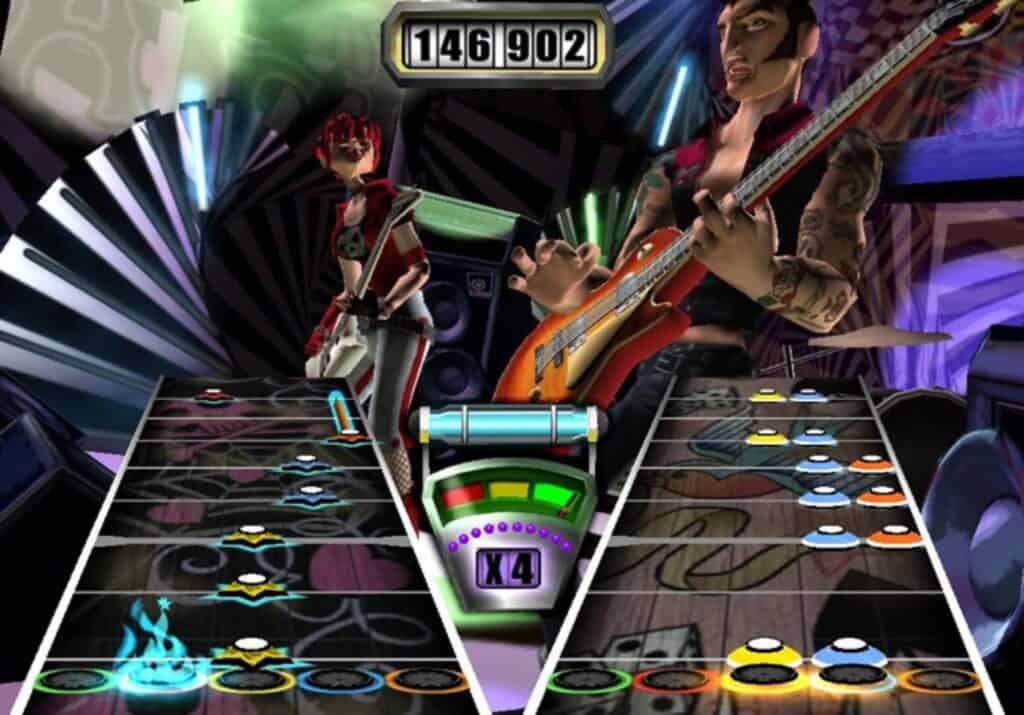
Guitar Hero II represented a modest graphical upgrade over the original. While not pushing the boundaries of console technology, the visuals were clean, vibrant, and effectively conveyed the energy of live performances. The character models, though simple, were expressive enough to convey emotion during cutscenes and in-game animations. The game utilized a combination of pre-rendered backgrounds and polygonal environments to create a sense of depth and immersion. The visual style leaned towards a stylized realism, aiming to capture the essence of iconic concert venues and music video aesthetics. While the graphics might appear dated by today’s standards, they served their purpose admirably, focusing on clarity and readability during intense gameplay sequences.
Gameplay Mechanics and Core Systems
The core gameplay loop remained largely unchanged from Guitar Hero, relying on players hitting colored notes that scroll across the screen in sync with the music. However, Guitar Hero II introduced new note combinations and a more diverse range of difficulty levels to cater to both casual and hardcore players. The “Party Play” mode was expanded, allowing for simultaneous multiplayer action without interrupting the main game. This feature proved incredibly popular, fostering a sense of community and friendly competition. The guitar controller itself remained intuitive and responsive, providing tactile feedback that enhanced the overall experience.
Level Design and World Atmosphere
Guitar Hero II featured a variety of virtual environments inspired by real-world concert venues and music video sets. These stages were designed to be visually engaging without being distracting during gameplay. Each venue was carefully crafted to reflect the unique atmosphere of the song being played, creating a cohesive and immersive experience. The game also incorporated dynamic lighting effects and particle systems to further enhance the visual spectacle.
Narrative Depth and Character Profiles
While Guitar Hero II wasn’s known for its deep narrative, it did feature a lighthearted story mode that progressed through a series of unlockable songs. This framework provided context for the gameplay and added a sense of progression. The game also introduced a cast of quirky characters who served as hosts and guides throughout the experience.
Sound Design and Acoustic Realism
The soundtrack was arguably the heart of Guitar Hero II, boasting an expansive collection of licensed tracks spanning multiple genres and decades. From classic rock anthems to contemporary pop hits, the songlist offered something for everyone. The audio quality was excellent, with each track meticulously mastered for optimal gameplay. The sound design also incorporated realistic guitar effects and crowd noises to further immerse players in the concert experience.
Release Expectations and Community Hype
Guitar Hero II arrived on a wave of hype following the success of its predecessor. Players eagerly anticipated the expanded songlist, improved graphics, and enhanced gameplay mechanics. The game was widely praised for its addictive gameplay, diverse soundtrack, and overall polish. It quickly became a commercial juggernaut, solidifying Guitar Hero’s position as a dominant force in the rhythm game genre.
Conclusion: The Future of Guitar Hero II
Guitar Hero II represents a significant step forward for the franchise, building upon the foundation laid by its predecessor while introducing new features and expanding the musical landscape. While not without its limitations, the game remains a beloved classic, celebrated for its addictive gameplay, diverse soundtrack, and overall polish. Its legacy continues to inspire developers and shape the evolution of rhythm games to this day.
Source: Wikipedia