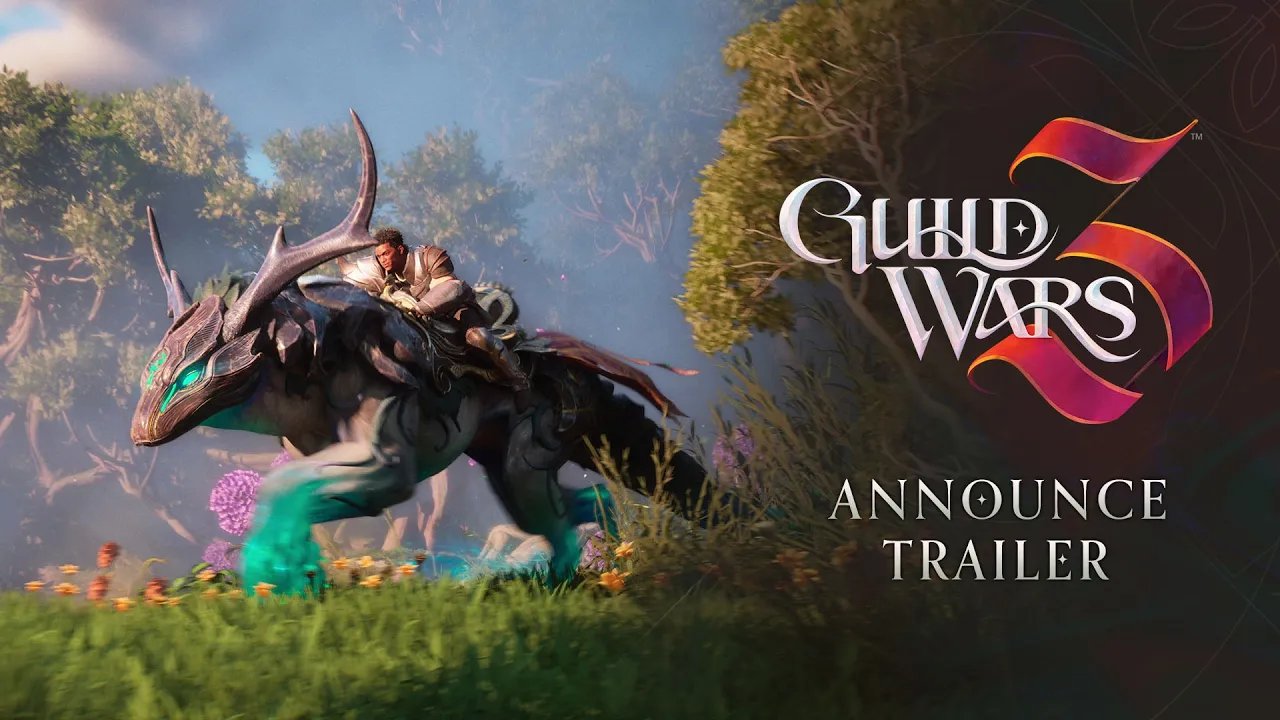
Introduction: The Next Chapter for Guild Wars
The Guild Wars franchise, a cornerstone of the MMORPG landscape, has consistently defied expectations. Developed by ArenaNet and initially published by NCSoft (with regional variations like Level Up! Games in Brazil and Tencent Games/Kongzhong in China), it carved its own niche with a business model that eschewed mandatory subscription fees, a bold move that resonated deeply with players tired of the traditional MMORPG paywall. This masterclass delves into the technical and artistic achievements that have defined Guild Wars, examining its innovative approach to gameplay, graphics, and overall design philosophy. We’re not just looking at pixels; we’ll dissect the engine, analyze the narrative choices, and explore how ArenaNet fostered a dedicated community.
Visual Direction and Graphics Engineering
Guild Wars distinguished itself early on with a unique visual style that prioritized artistic expression over raw graphical horsepower. While later iterations have seen significant advancements in fidelity, the original game demonstrated an impressive ability to create immersive environments even on modest hardware. The proprietary “Next-Gen” engine, while not as widely known as Unreal Engine or Unity, was meticulously crafted by ArenaNet to achieve a specific aesthetic: vibrant colors, stylized character designs, and a sense of scale that belied its technical limitations. This focus on artistic direction allowed the developers to create a visually appealing experience without relying solely on bleeding-edge technology. The engine’s flexibility also facilitated cross-platform compatibility, ensuring accessibility for a wider audience. Later entries in the series built upon this foundation, incorporating more advanced rendering techniques while retaining the core visual identity that defines Guild Wars.
Gameplay Mechanics and Core Systems
One of the most significant departures from traditional MMORPG design was Guild Wars’ instanced gameplay. While large-scale battles were present, much of the game experience revolved around smaller, self-contained instances, allowing for more focused encounters and a less overwhelming sense of scale. This approach also facilitated experimentation with different character builds and playstyles, as players could easily jump into new challenges without committing to lengthy grinding sessions. The combat system itself was action-oriented, requiring precise timing and strategic positioning. Character progression was driven by a combination of skill points and equipment upgrades, offering a satisfying sense of accomplishment as players customized their characters to suit their preferred playstyle. This focus on player agency and customizable gameplay options contributed significantly to the franchise’s enduring appeal.
Level Design and World Atmosphere
The world of Tyria, meticulously crafted by ArenaNet, is a character in its own right. From the lush forests of Caledon Forest to the desolate wastelands of the Maguuma Jungle (in Guild Wars 2), each region possesses a distinct visual identity and atmosphere. Level design plays a crucial role in shaping this experience, guiding players through intricate pathways, revealing hidden secrets, and creating memorable encounters. The instanced nature of much of the gameplay allows for highly detailed environments that would be impractical to render on a massive scale. This focus on quality over quantity results in a world that feels both expansive and intimately familiar.
Narrative Depth and Character Profiles
The narrative backbone of Guild Wars is rich with lore, political intrigue, and compelling character arcs. While the overarching story spans multiple games and expansions, each entry offers a self-contained narrative experience that can be enjoyed independently. Characters like Rytlock Brimstone (who even made an appearance in NCSoft’s *Master X Master*) are instantly recognizable and beloved by fans. The writing is consistently strong, exploring themes of heroism, sacrifice, and the complexities of morality. This depth of storytelling elevates Guild Wars beyond a simple action game, creating a truly immersive and engaging experience.
Sound Design and Acoustic Realism
The auditory landscape of Guild Wars is just as important as its visual presentation. From the subtle rustling of leaves in the forests to the booming roars of monstrous creatures, every sound effect is carefully crafted to enhance immersion. The musical score, composed by Jeremy Soule (known for his work on *The Elder Scrolls* series), perfectly complements the game’s atmosphere, ranging from epic orchestral pieces to more intimate and melancholic melodies. This attention to detail in audio design contributes significantly to the overall sense of presence within the world of Tyria.
Release Expectations and Community Hype
The Guild Wars franchise has consistently generated significant hype leading up to new releases. ArenaNet is known for its transparent communication with the community, regularly sharing updates, behind-the-scenes glimpses, and opportunities for player feedback. This open dialogue fosters a strong sense of ownership among fans, who eagerly anticipate each new chapter in the saga. The absence of mandatory subscription fees also plays a crucial role in building trust and loyalty within the community.
Conclusion: The Future of Guild Wars
The Guild Wars franchise stands as a testament to the power of innovative design and a deep understanding of player expectations. By eschewing traditional MMORPG conventions, ArenaNet created a unique and enduring experience that continues to resonate with players around the world. While the technical landscape has evolved significantly since the original game’s release, the core principles of artistic vision, engaging gameplay, and community engagement remain at the heart of what makes Guild Wars so special. The future holds exciting possibilities for the franchise, and fans eagerly await the next chapter in this remarkable saga.
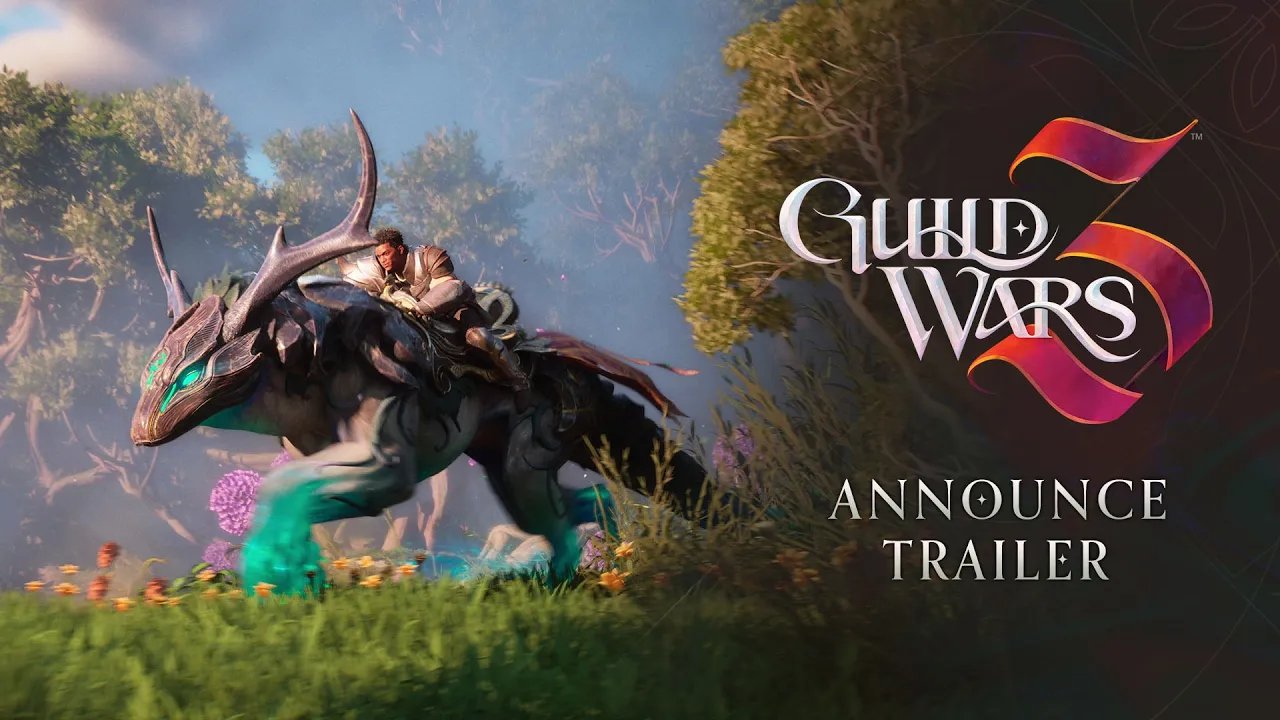
Source: Wikipedia


