Introduction: The Next Chapter for Gravity Rush
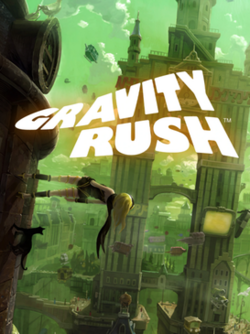
Gravity Rush, a title that defied expectations and redefined the action-adventure genre on the PlayStation Vita, stands as a testament to innovative game design. Developed by Japan Studio, under the visionary direction of Keiichiro Toyama, this gravity-bending masterpiece offered players an experience unlike any other. While initially conceived for the PlayStation 3, its transition to the Vita allowed for a focused and unique gameplay loop that perfectly complemented the handheld’s capabilities. The subsequent remaster by Bluepoint Games on the PlayStation 4 further solidified its legacy, bringing the core experience to a new generation of gamers with enhanced visuals and performance. This deep dive will explore every facet of Gravity Rush, from its groundbreaking mechanics to its captivating narrative, offering a comprehensive analysis for seasoned gamers and newcomers alike.
Visual Direction and Graphics Engineering
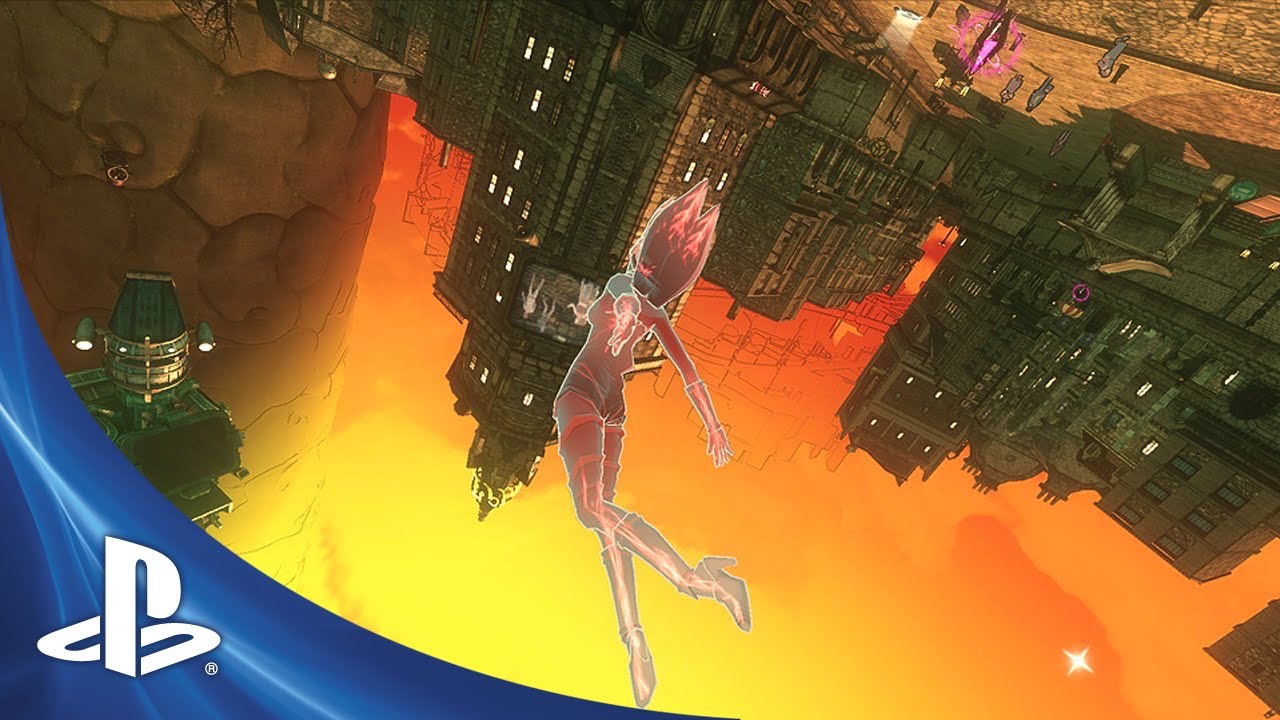
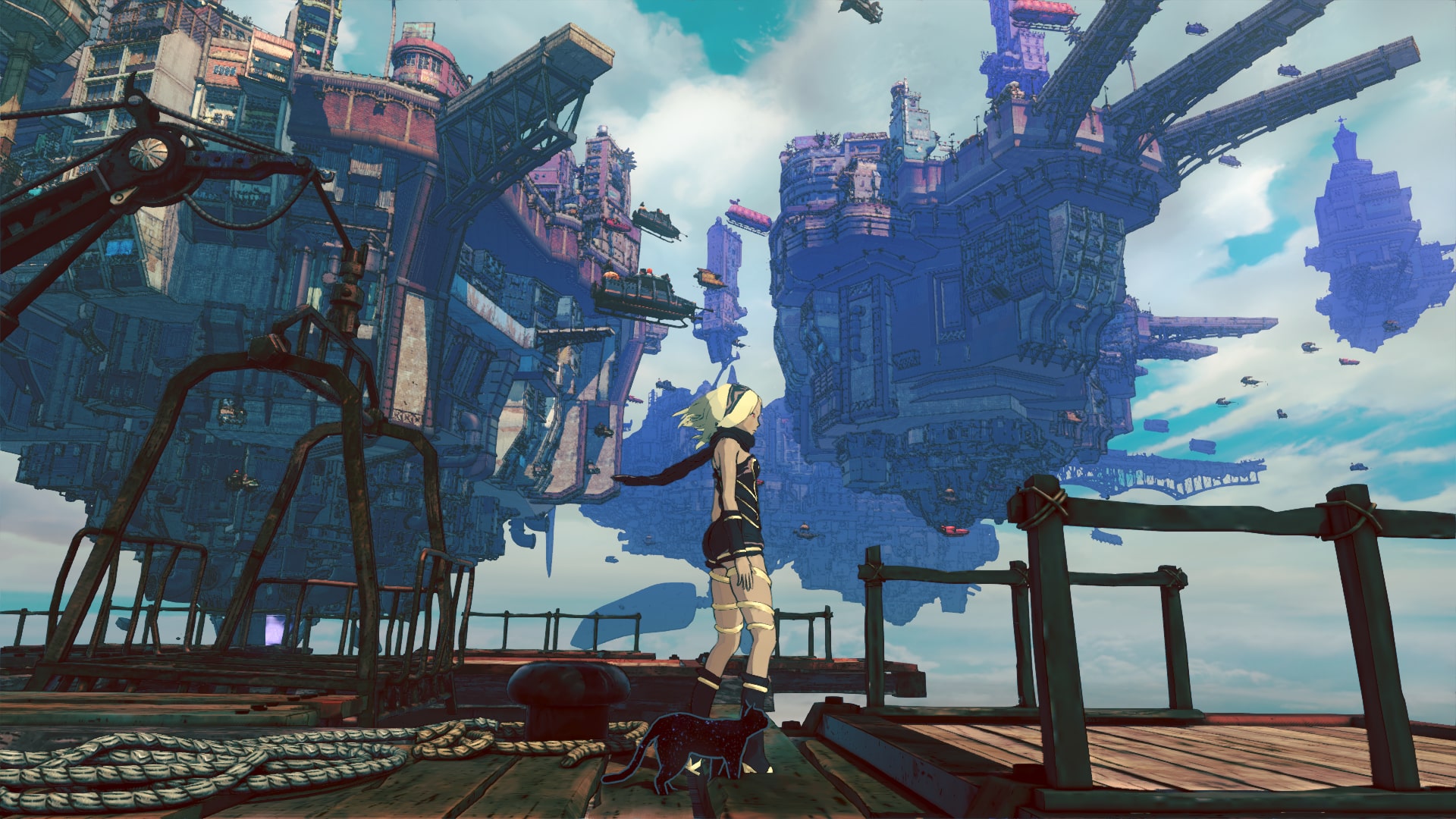
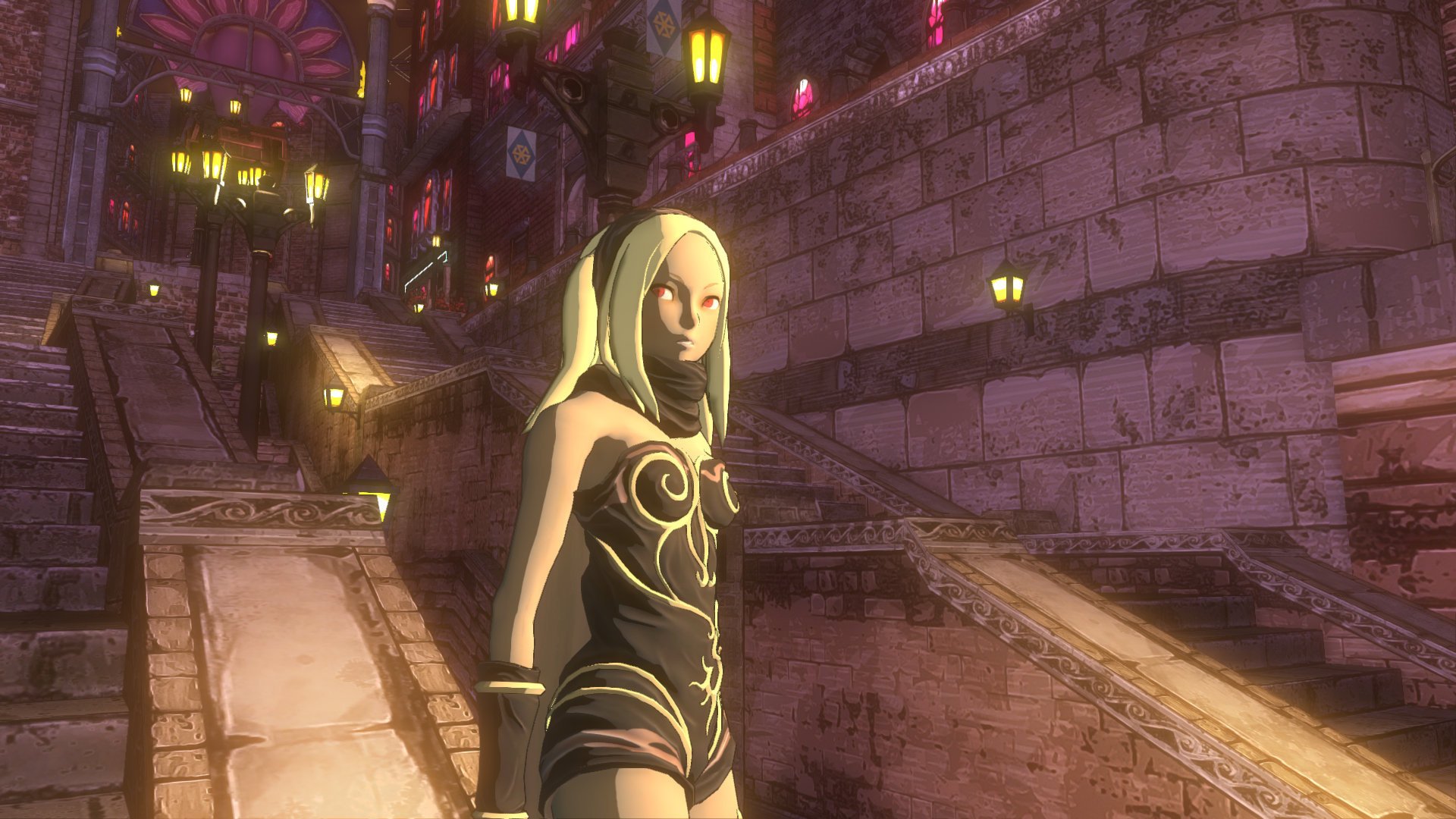
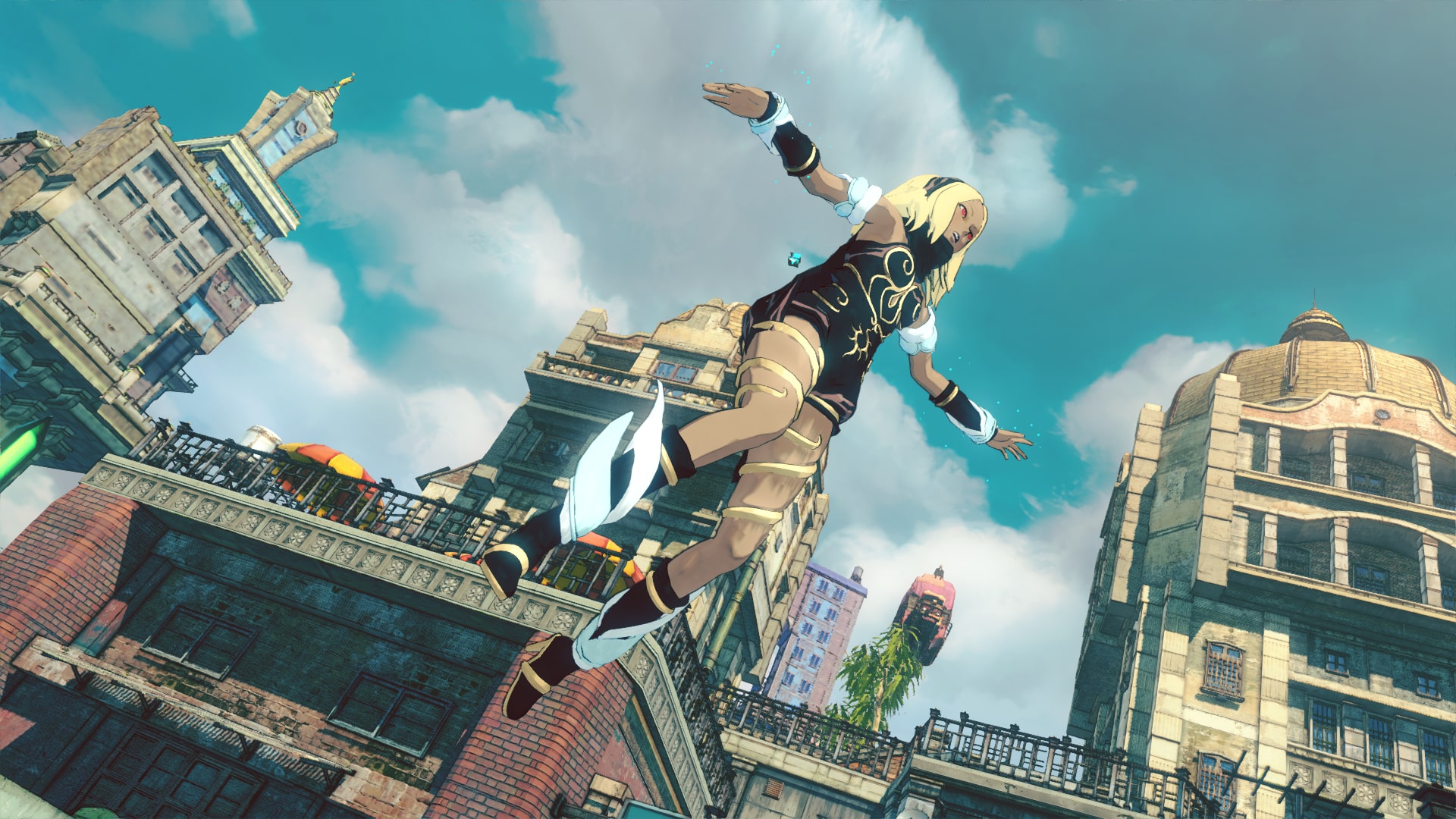
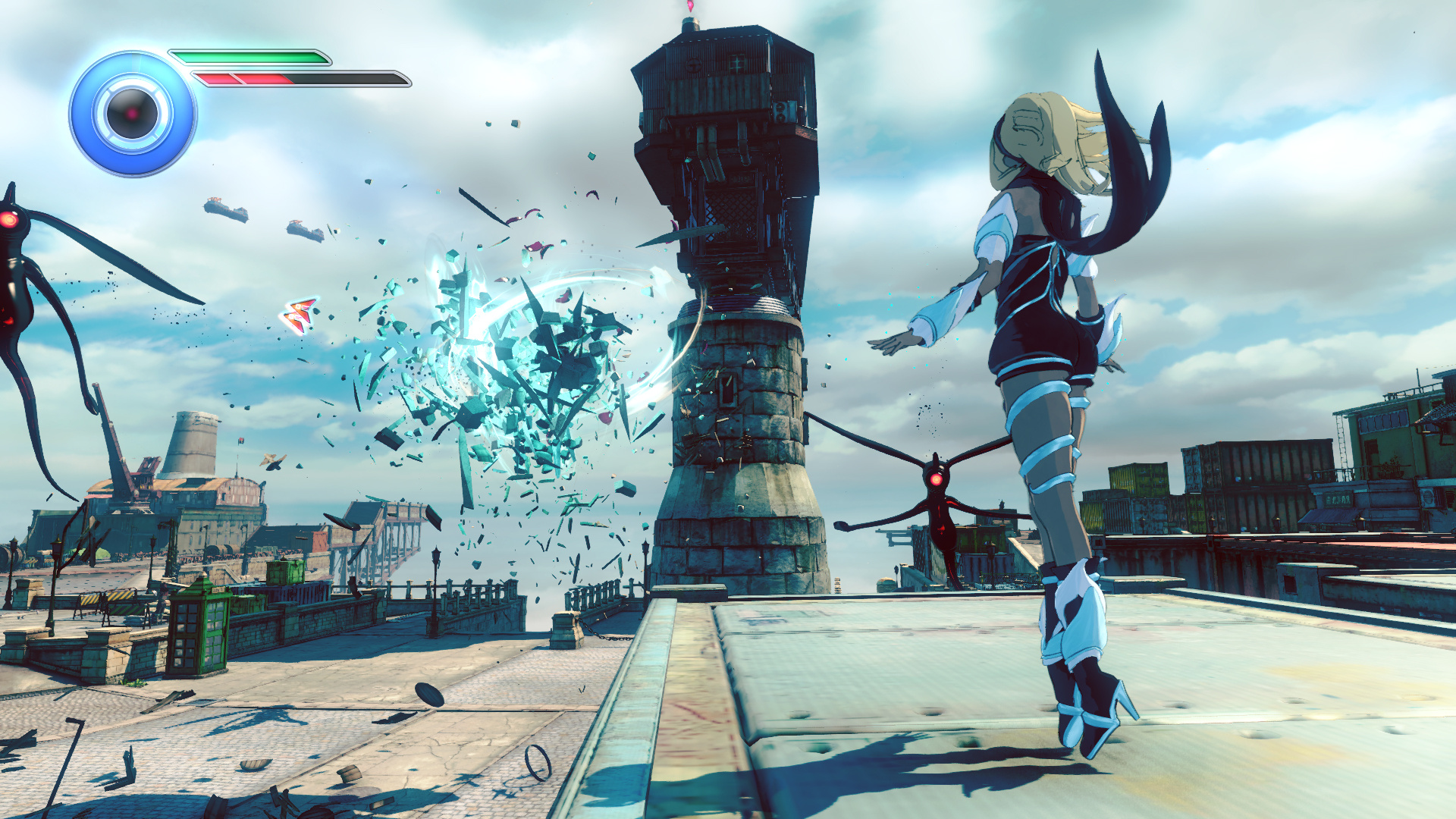
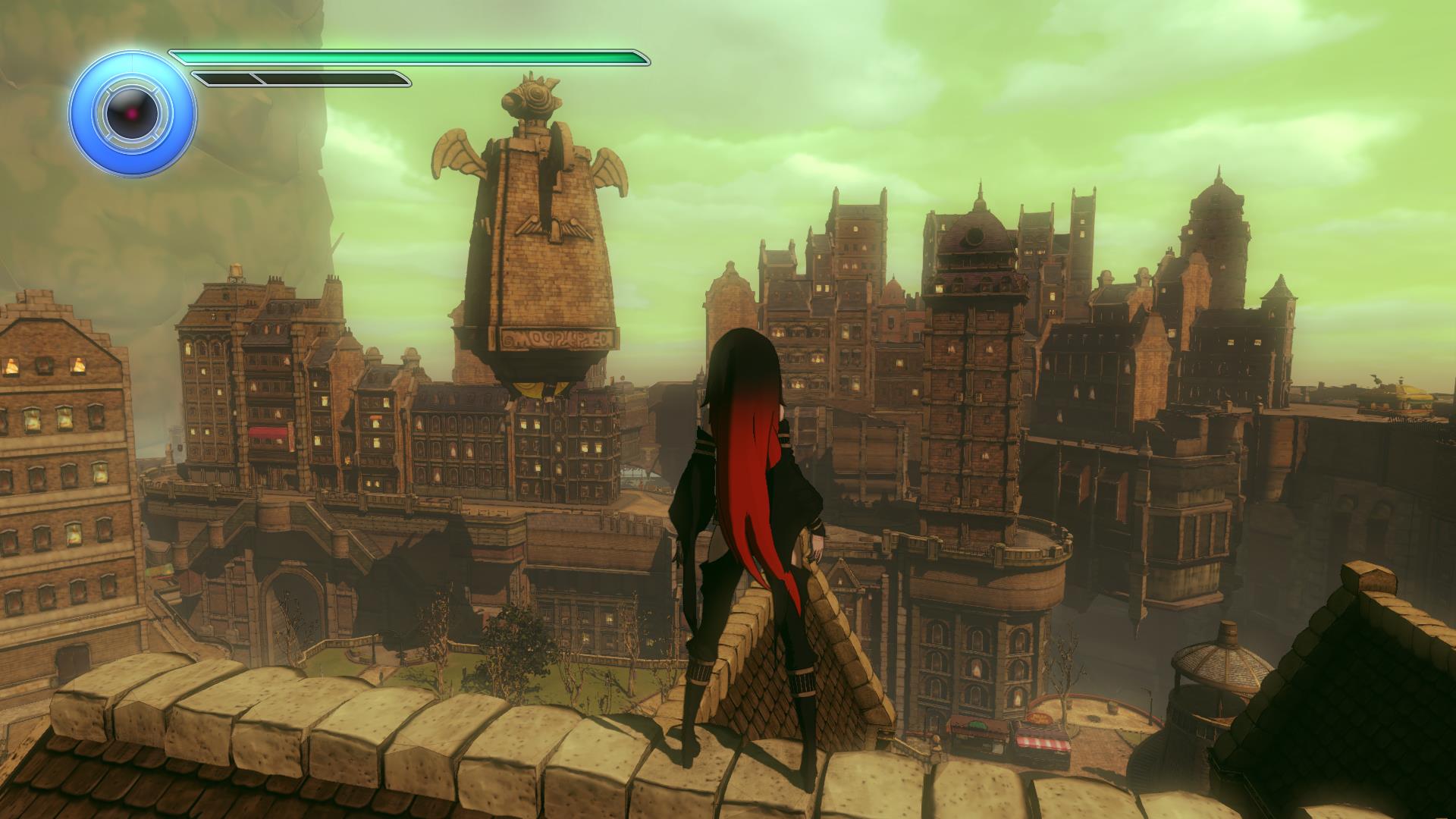
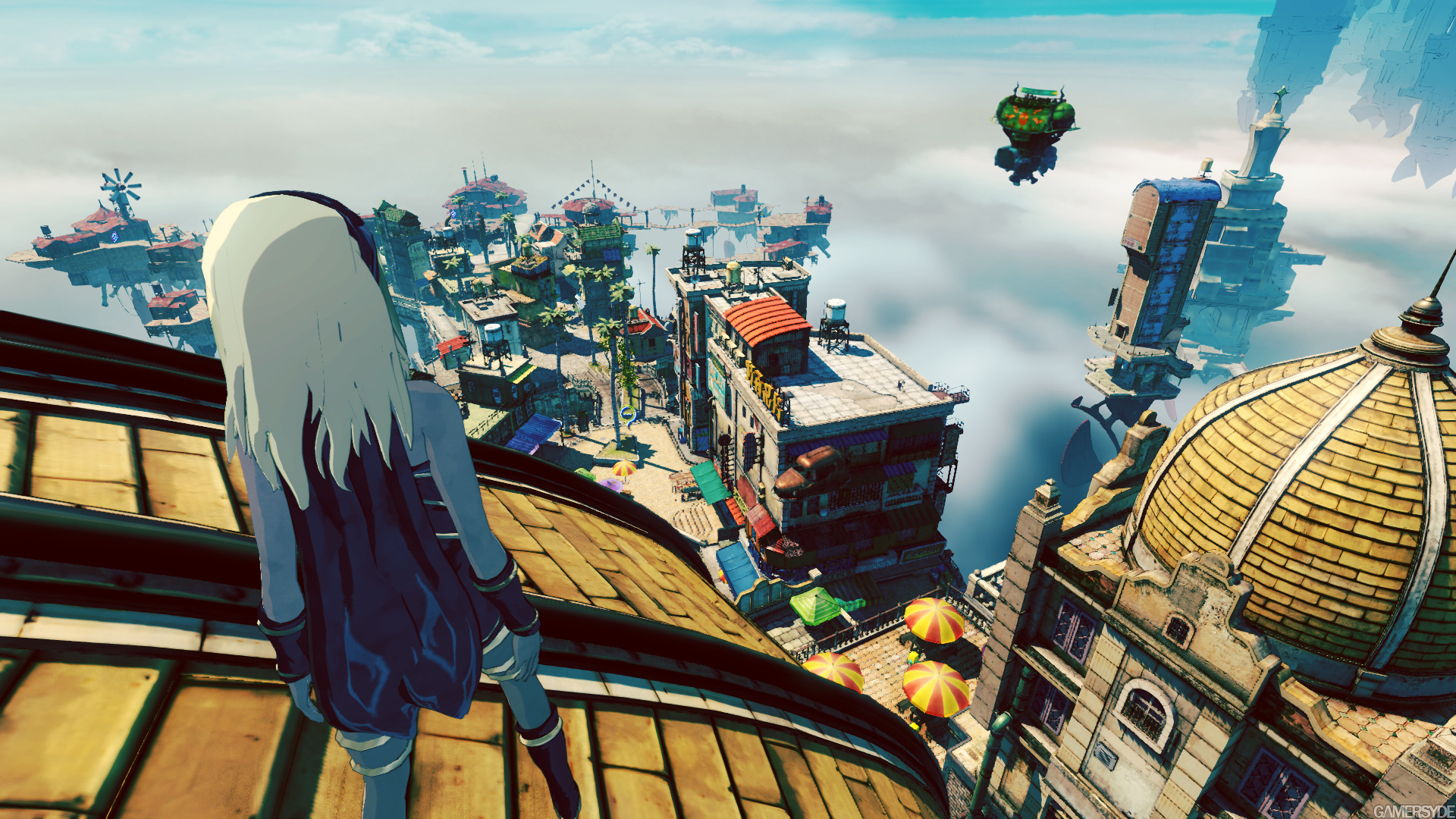
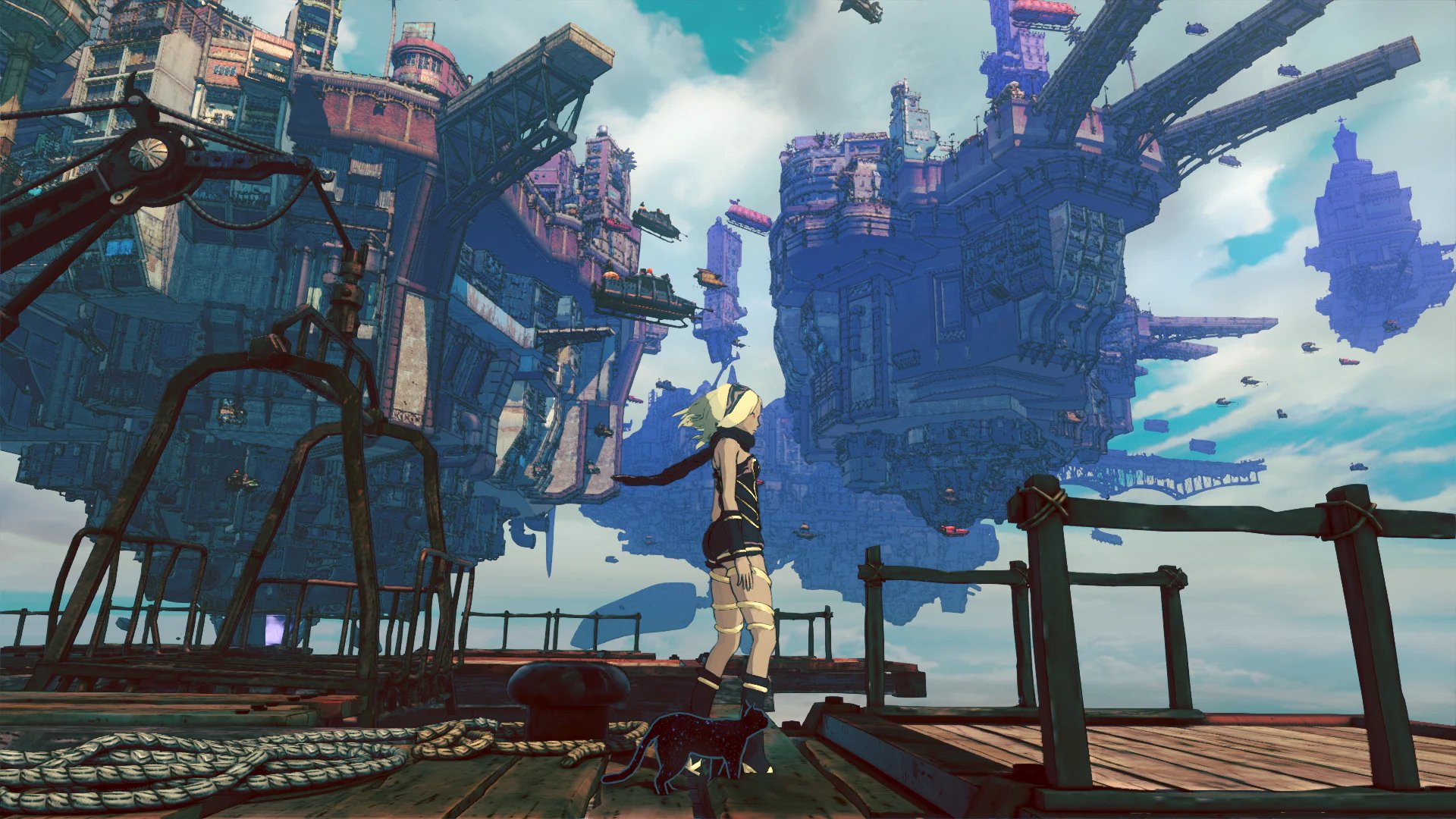
The visual style of Gravity Rush is instantly recognizable, blending cel-shading techniques with a painterly aesthetic that evokes the charm of classic anime and comic books. The world of Hekseville, while initially appearing desolate, bursts to life through Kat’s gravity-manipulating abilities. Buildings float effortlessly, debris swirls in mesmerizing patterns, and the vibrant colors of the Nevi contrast starkly against the muted tones of the environment. The PhyreEngine, custom-built by Japan Studio, was instrumental in achieving this unique visual identity. While demanding on the Vita’s hardware, the engine allowed for dynamic lighting effects, detailed character models, and a sense of scale that belied the handheld’s limitations. The remaster further enhanced these visuals, bringing even greater fidelity to textures, lighting, and overall graphical detail, making it a true showcase for the PlayStation 4’s capabilities.
Gameplay Mechanics and Core Systems
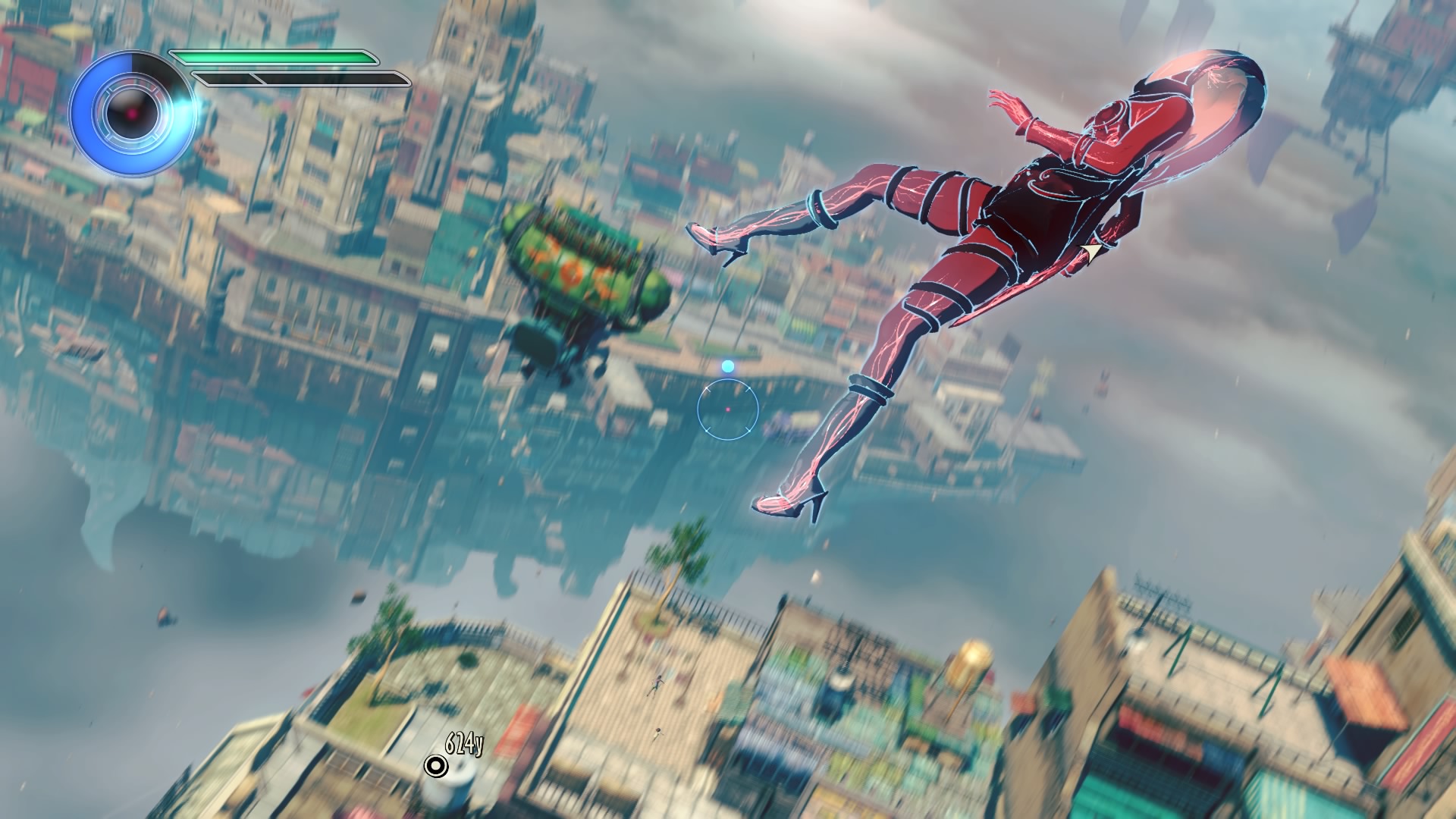
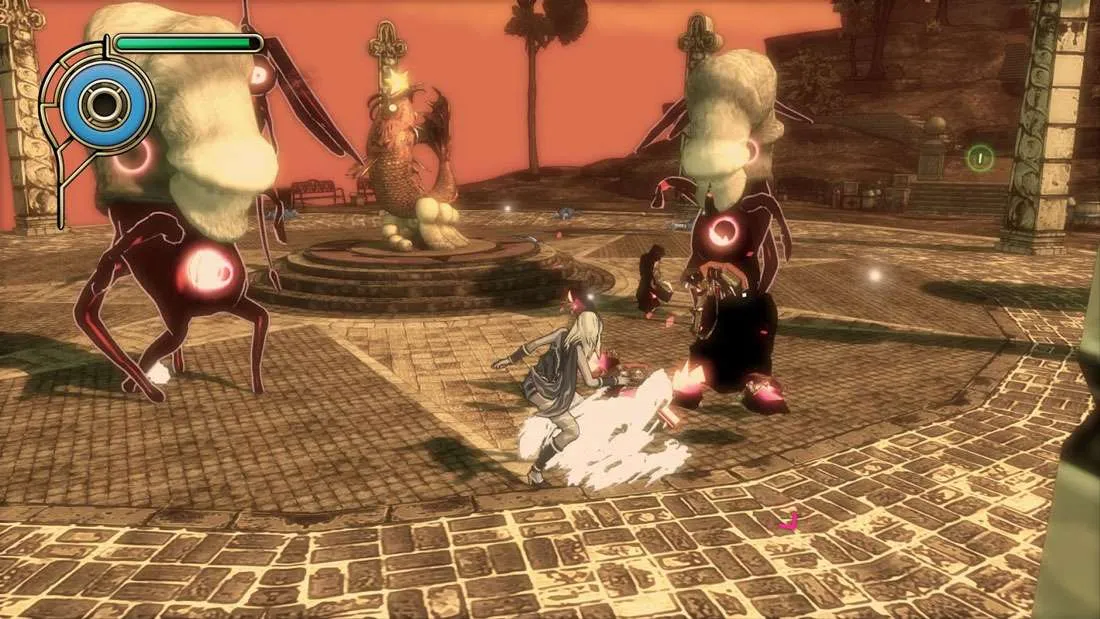
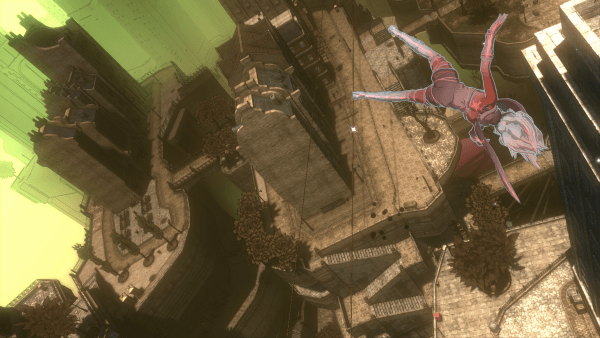
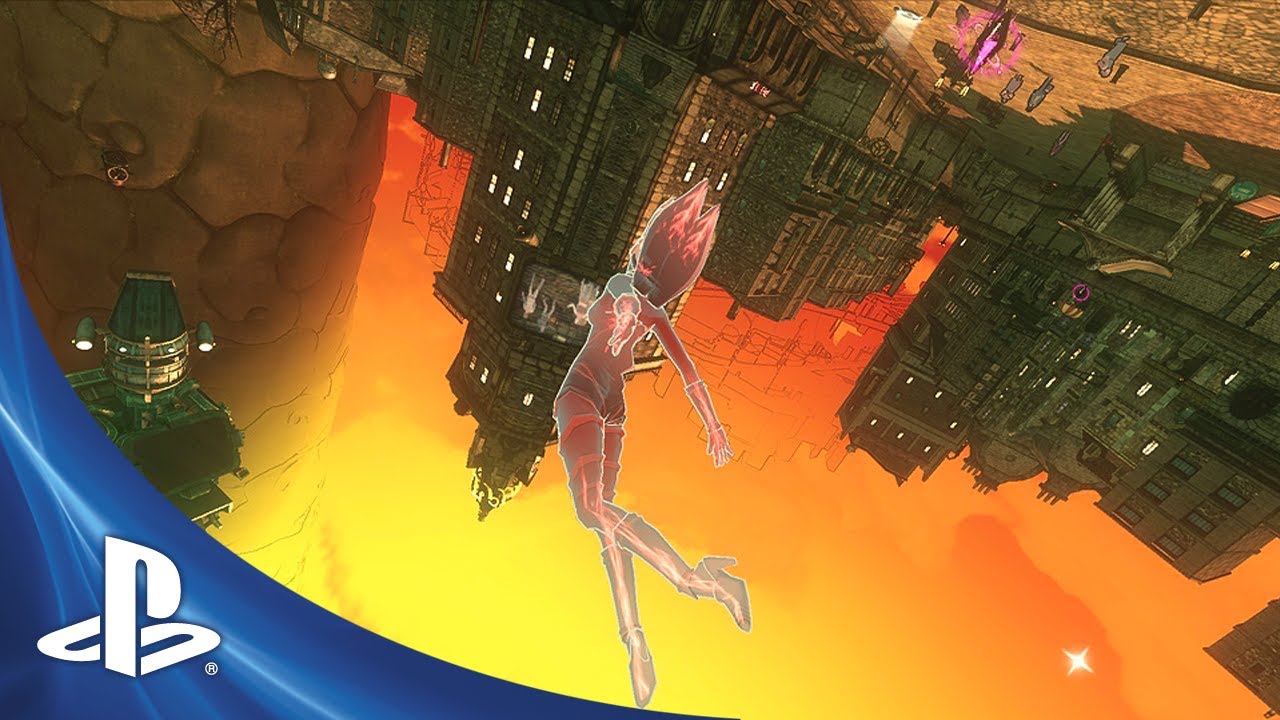
At its heart, Gravity Rush is defined by its innovative gravity-shifting mechanic. Players control Kat as she navigates the floating islands of Hekseville, using her ability to rotate gravity around herself. This allows for unparalleled freedom of movement, transforming traversal into a balletic dance across the skies. Combat revolves around strategic use of this power, allowing players to launch themselves at enemies, create localized gravitational anomalies, and unleash devastating aerial attacks. The game’s physics engine is crucial to its success, creating realistic interactions between Kat, objects in the environment, and her gravity-based abilities. Mastering these mechanics is key to unlocking the full potential of Gravity Rush, offering a rewarding sense of accomplishment as players become adept at manipulating their surroundings.
Level Design and World Atmosphere
The world of Hekseville is more than just a backdrop; it’s an integral part of the gameplay experience. The floating islands are meticulously crafted, each presenting unique challenges and opportunities for exploration. From the bustling marketplace to the crumbling ruins, every location tells a story, drawing players deeper into the game’s lore. The level design encourages experimentation, rewarding players who think outside the box and utilize Kat’s gravity powers in creative ways. The atmosphere is further enhanced by dynamic weather effects, which can impact gameplay and create stunning visual moments. Whether it’s soaring through a rainstorm or navigating a dense fog, the world of Hekseville feels alive and constantly evolving.
Narrative Depth and Character Profiles
While the gameplay is undoubtedly captivating, Gravity Rush also boasts a compelling narrative that explores themes of identity, memory, and belonging. Players take on the role of Kat, an amnesiac girl with extraordinary powers who must unravel the mysteries of her past while protecting the people of Hekseville from the enigmatic Nevi. The supporting cast is equally well-developed, each character contributing to the rich tapestry of the game’s world. From the wise and enigmatic Uncle Mark to the courageous and resourceful Jenny, these characters are more than just NPCs; they are integral parts of Kat’s journey. The story unfolds gradually, revealing secrets and surprises that keep players engaged until the very end.
Sound Design and Acoustic Realism
The sound design in Gravity Rush is a crucial element that enhances the immersive experience. The music, composed by Kohei Tanaka, perfectly complements the game’s visuals and atmosphere, ranging from upbeat and energetic tracks during gameplay to more somber and melancholic melodies during story sequences. The sound effects are equally well-crafted, bringing the world of Hekseville to life with realistic sounds of wind, debris, and combat. The audio cues provide valuable feedback to the player, indicating enemy locations, environmental hazards, and successful attacks. Together, the music and sound effects create a cohesive auditory experience that draws players deeper into the game’s world.
Release Expectations and Community Hype
The release of Gravity Rush on the PlayStation Vita was met with considerable anticipation from gamers eager to experience its unique gameplay mechanics. The initial trailers and gameplay demonstrations showcased the innovative gravity-shifting system, generating significant buzz within the gaming community. The game quickly became a critical darling, praised for its originality, engaging gameplay, and charming visuals. The subsequent remaster for the PlayStation 4 further amplified the hype, attracting new players who had missed out on the original Vita release. The combination of positive reviews, strong word-of-mouth, and the allure of enhanced graphics solidified Gravity Rush’s place as a must-play title for PlayStation owners.
Conclusion: The Future of Gravity Rush
Gravity Rush stands as a testament to the power of innovative game design and the enduring appeal of unique gameplay experiences. Its gravity-shifting mechanics, charming visuals, and compelling narrative have captivated players worldwide, earning it a dedicated fanbase and critical acclaim. While the original release on the PlayStation Vita was limited by hardware constraints, the remaster for the PlayStation 4 brought the experience to a new generation of gamers with enhanced graphics and performance. The future of Gravity Rush remains uncertain, but the enduring legacy of its unique gameplay mechanics and captivating world ensures that it will continue to inspire and entertain players for years to come.
Source: Wikipedia