Introduction: The Next Chapter for God of War III
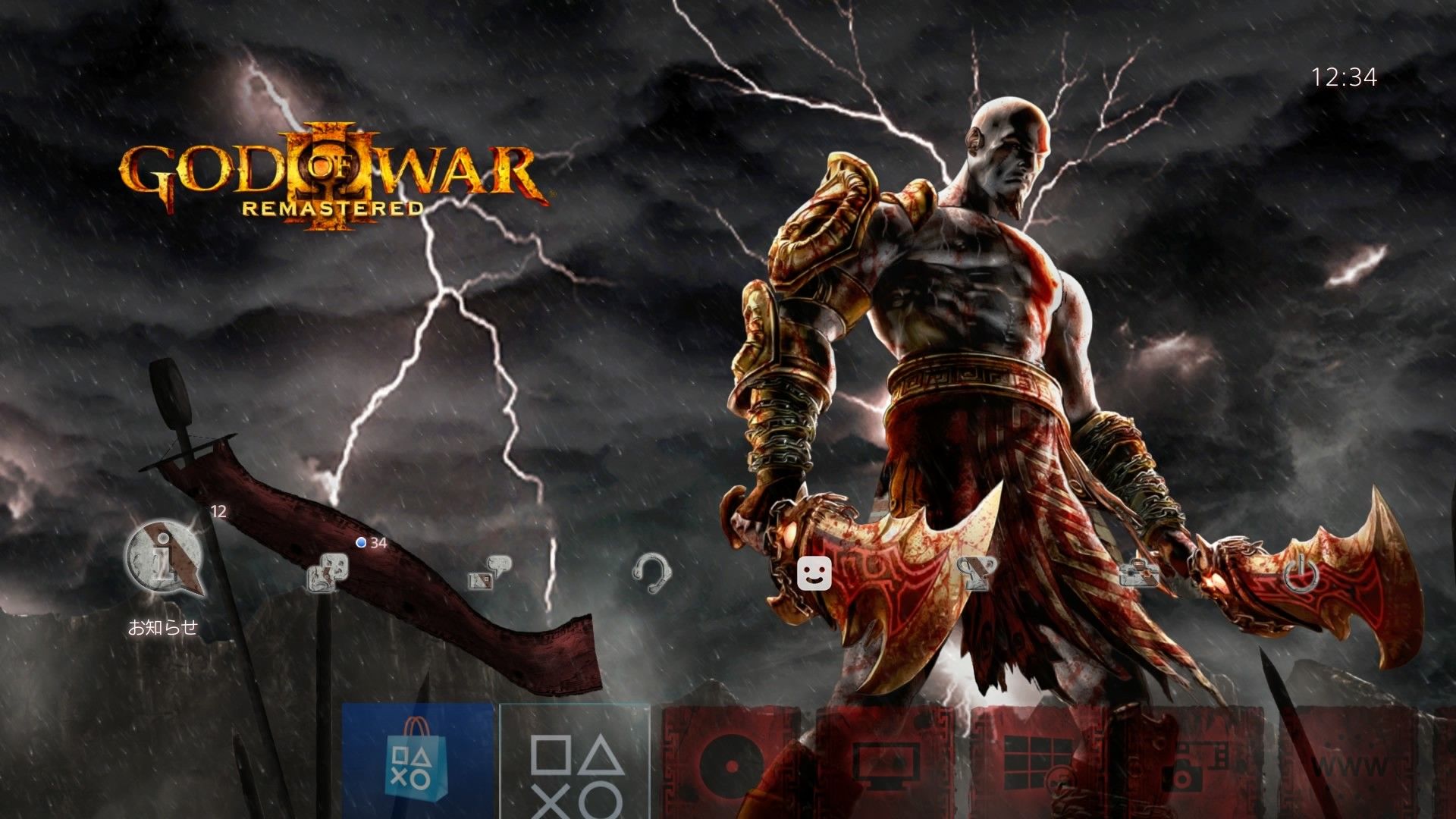
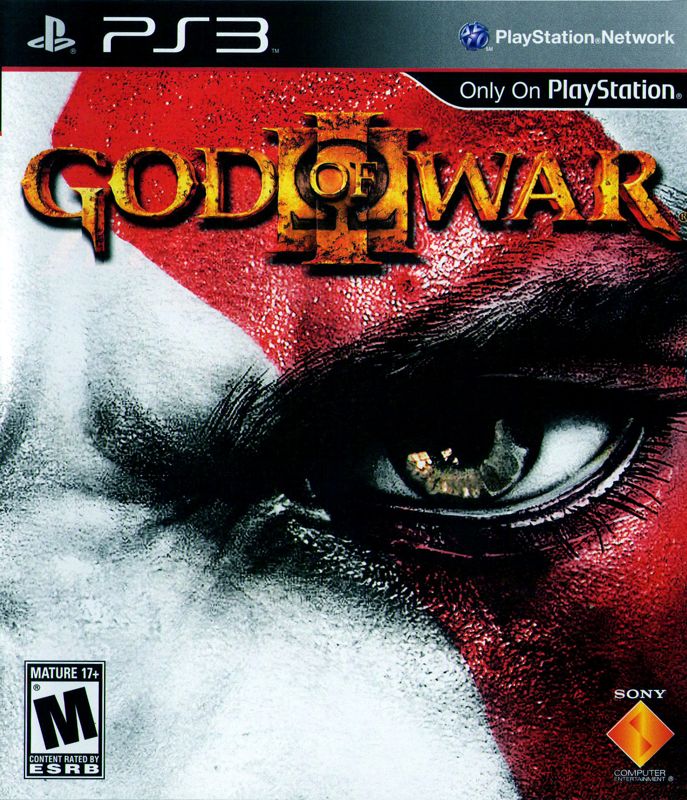
God of War III, released in 2010, marked a significant turning point for the franchise. Developed by Santa Monica Studio and published by Sony Computer Entertainment, it represented not only a direct sequel to 2007’s *God of War II*, but also a departure from some established series conventions. While retaining the core essence of brutal combat and mythological settings, *God of War III* aimed for a more focused narrative, enhanced visual fidelity, and refined gameplay mechanics. This Masterclass Deep-Dive will explore these aspects in detail, examining the game’s technical achievements, design choices, and lasting impact on the action-adventure genre. The absence of series creator David Jaffe presented both challenges and opportunities, ultimately shaping the direction of this pivotal installment.
Visual Direction and Graphics Engineering
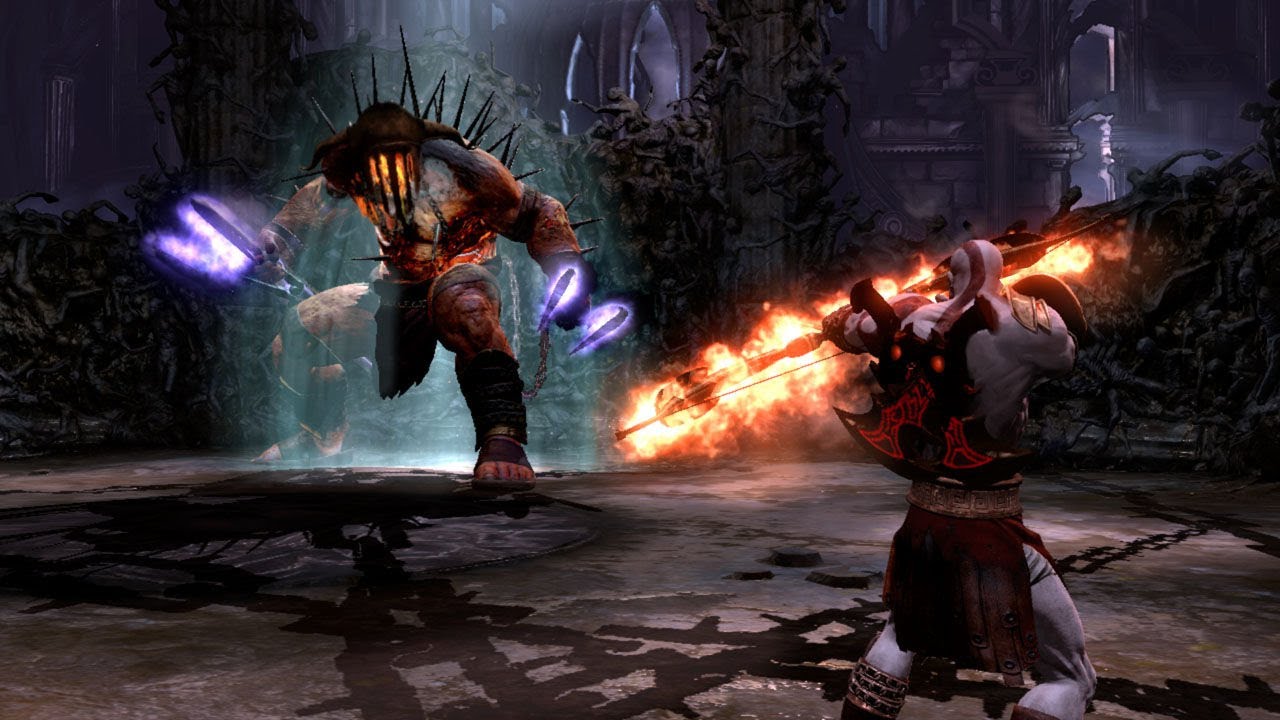
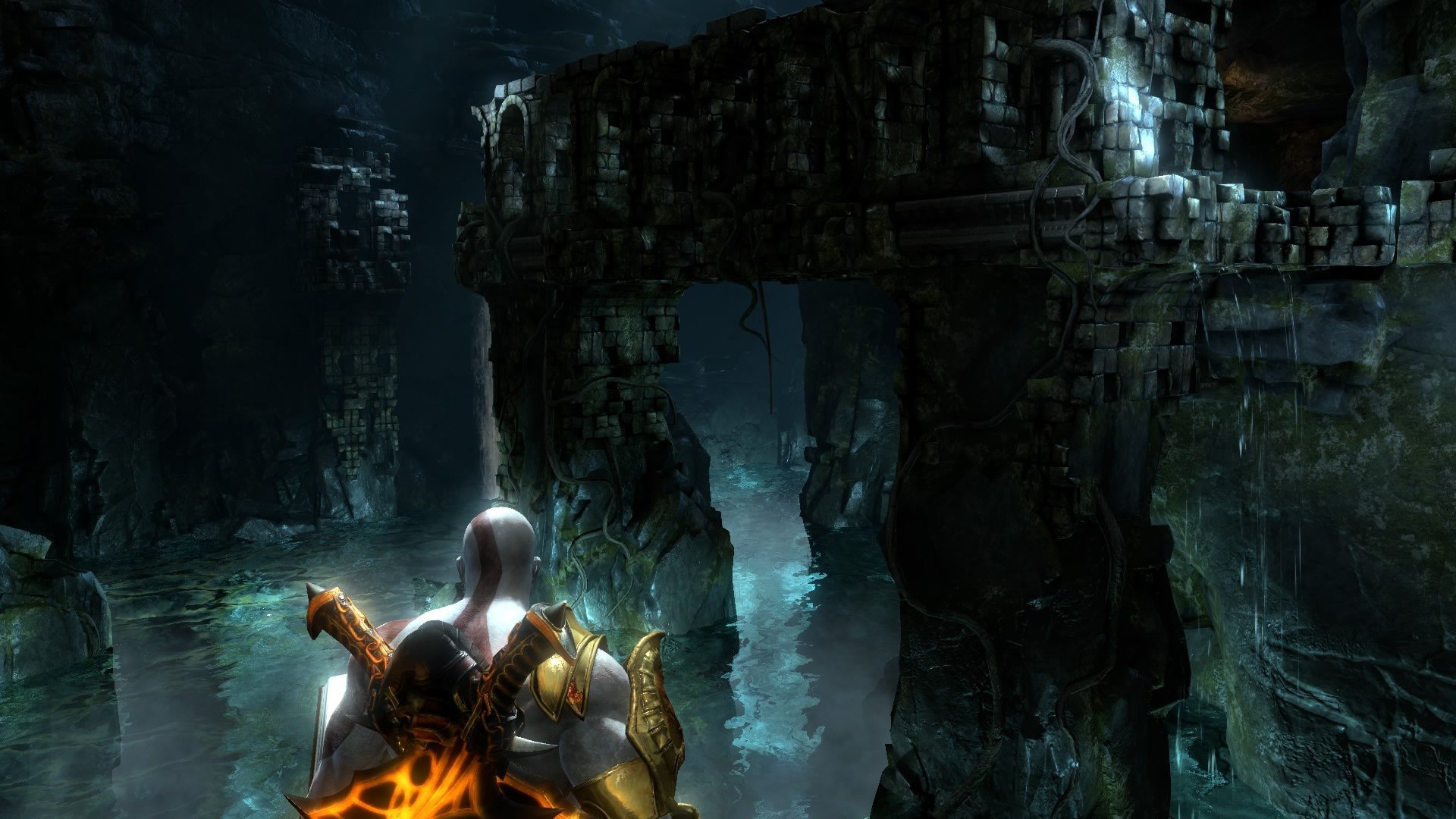
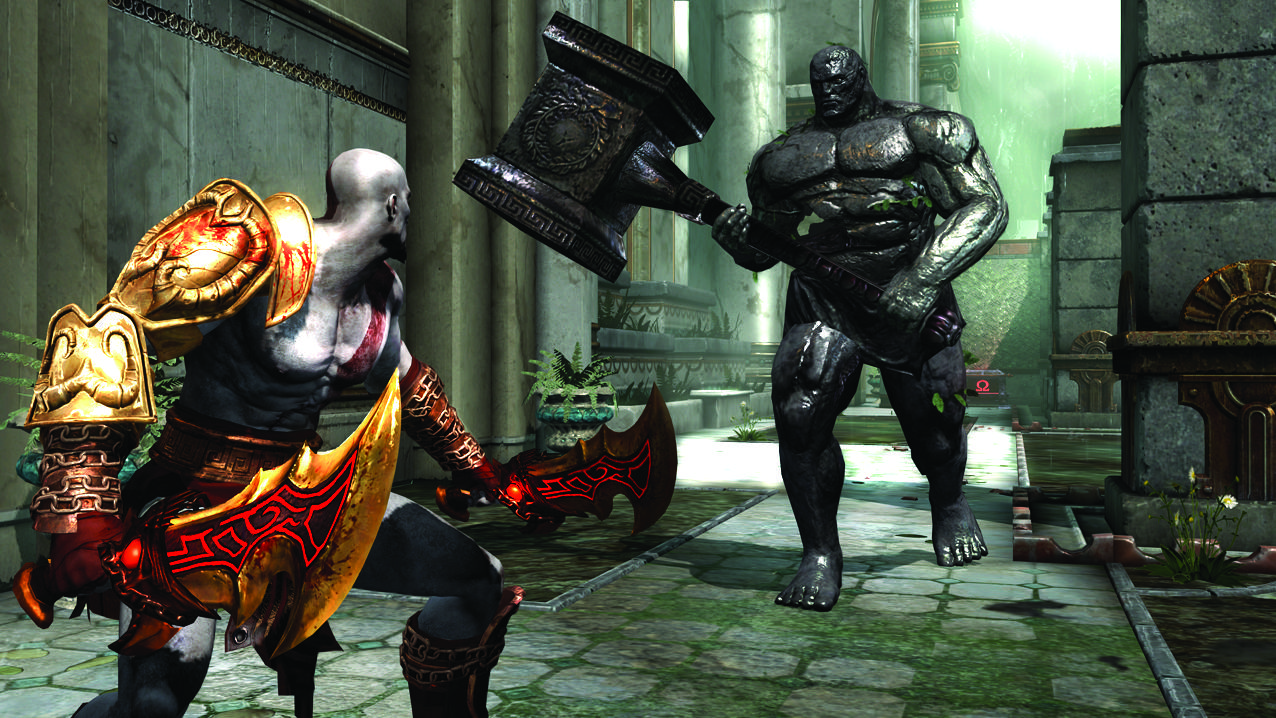
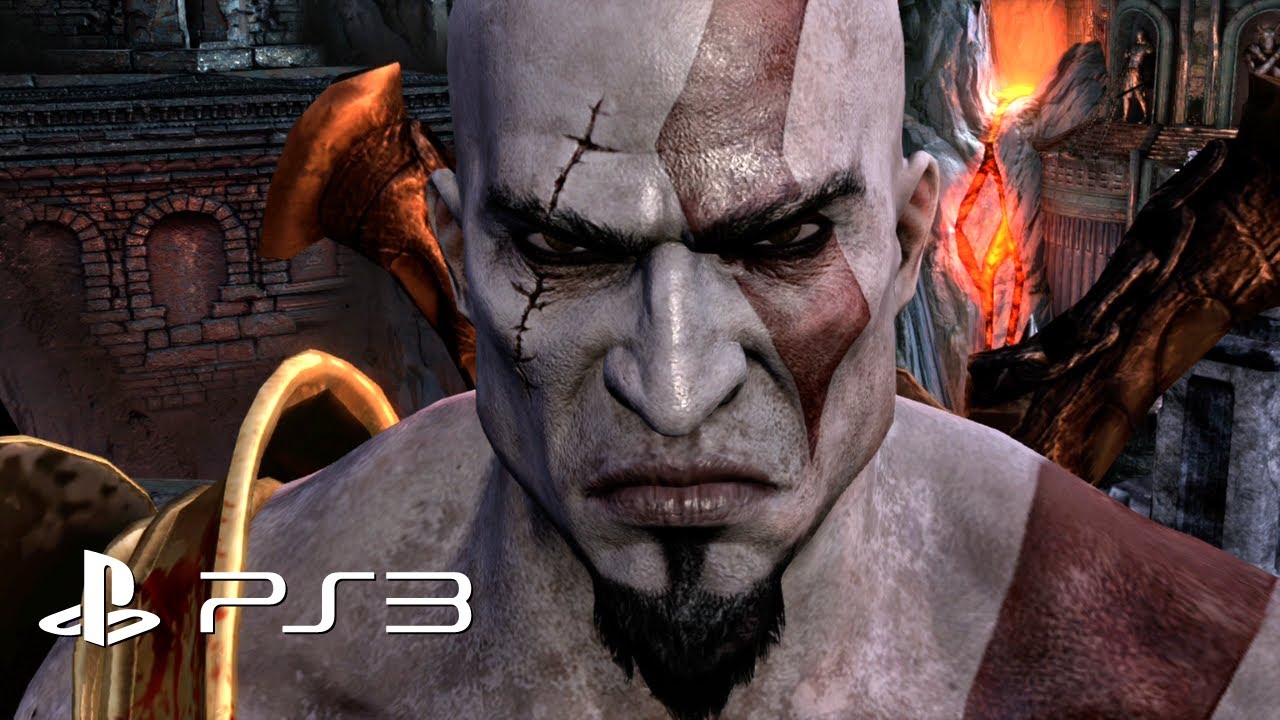
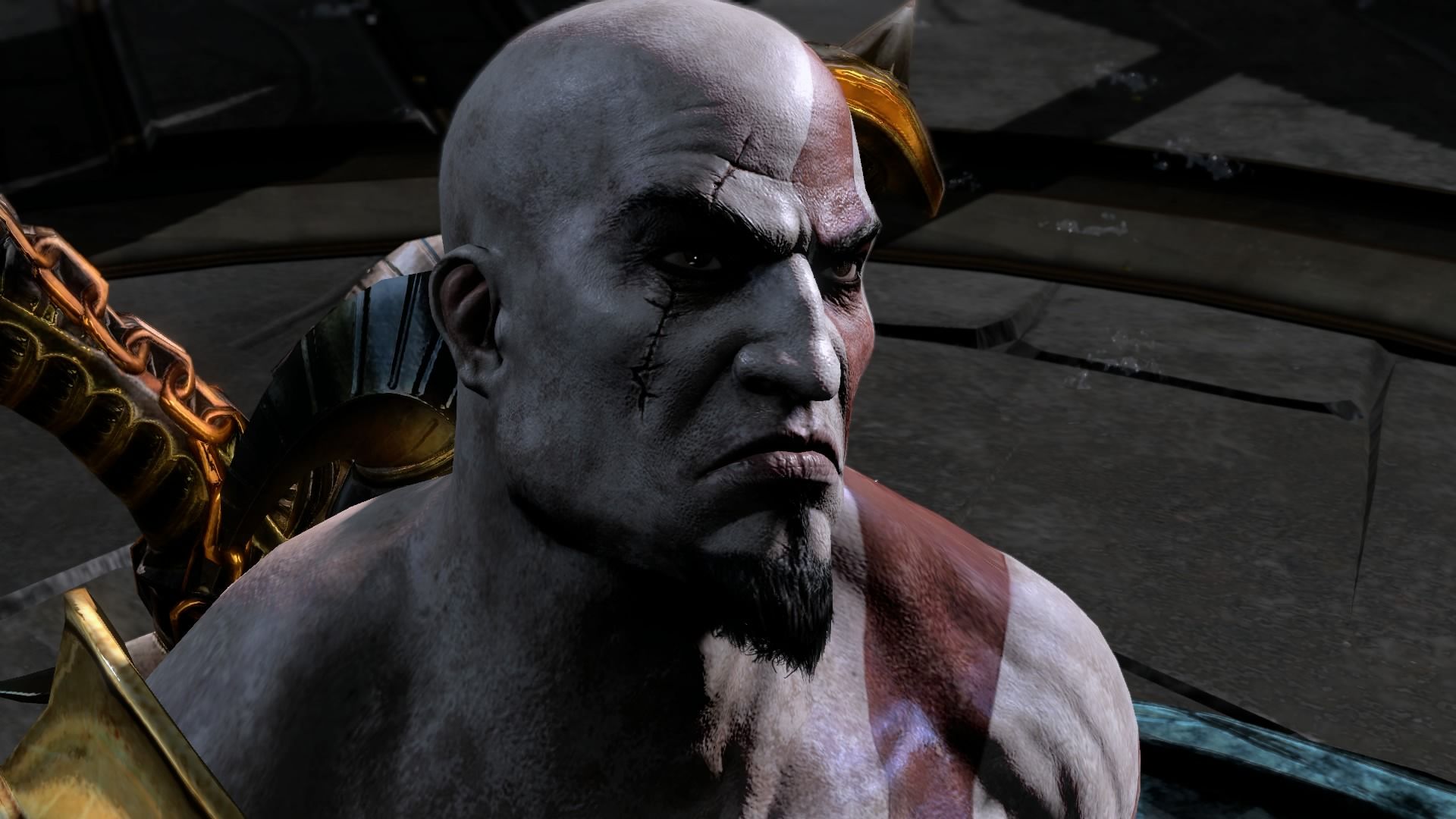
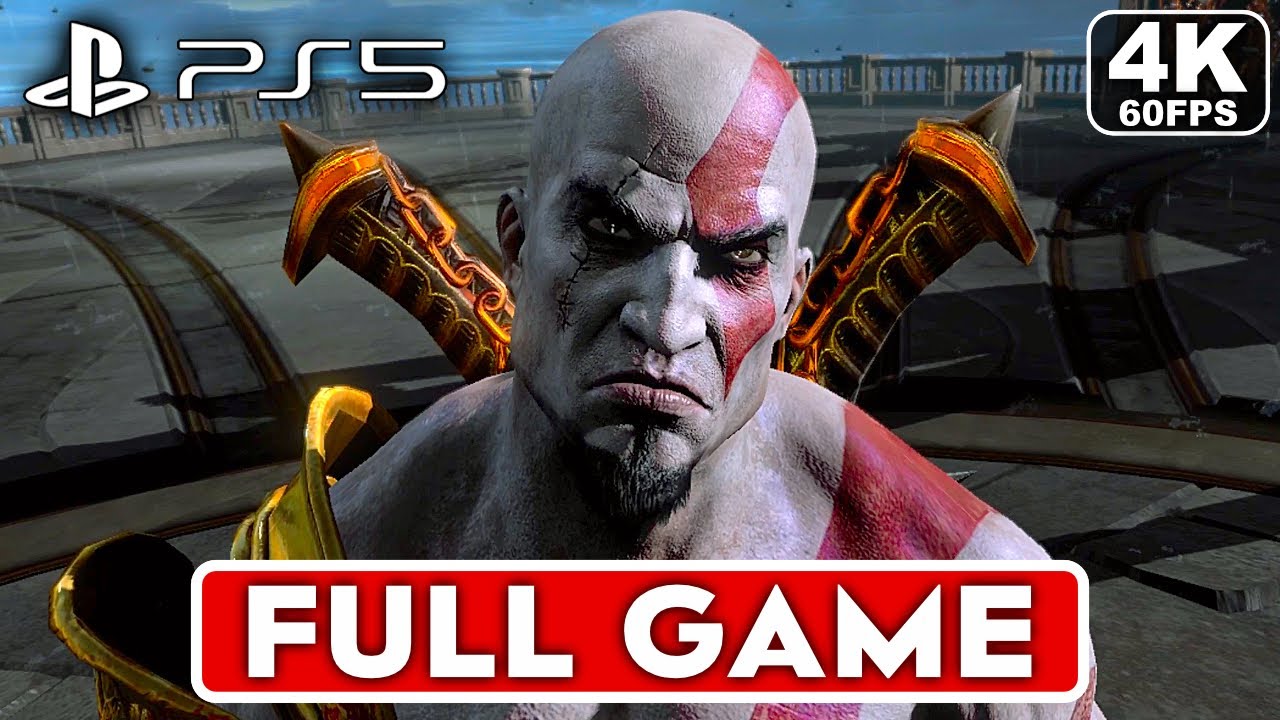
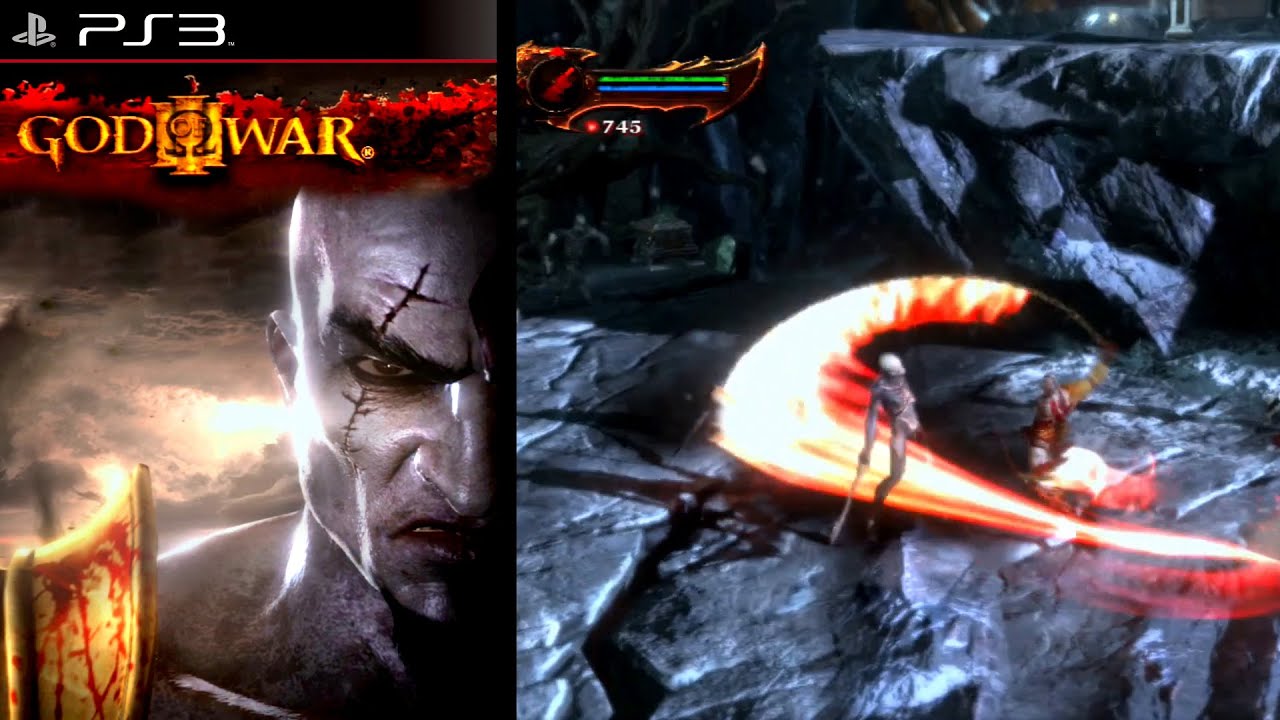
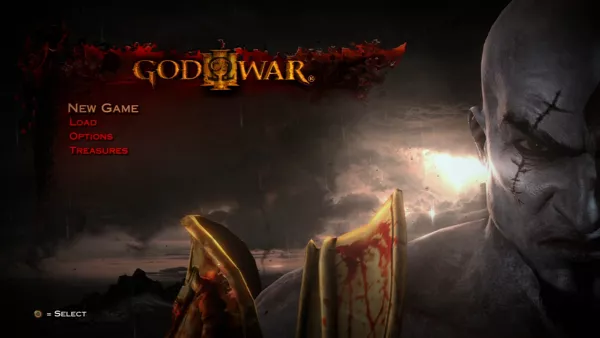
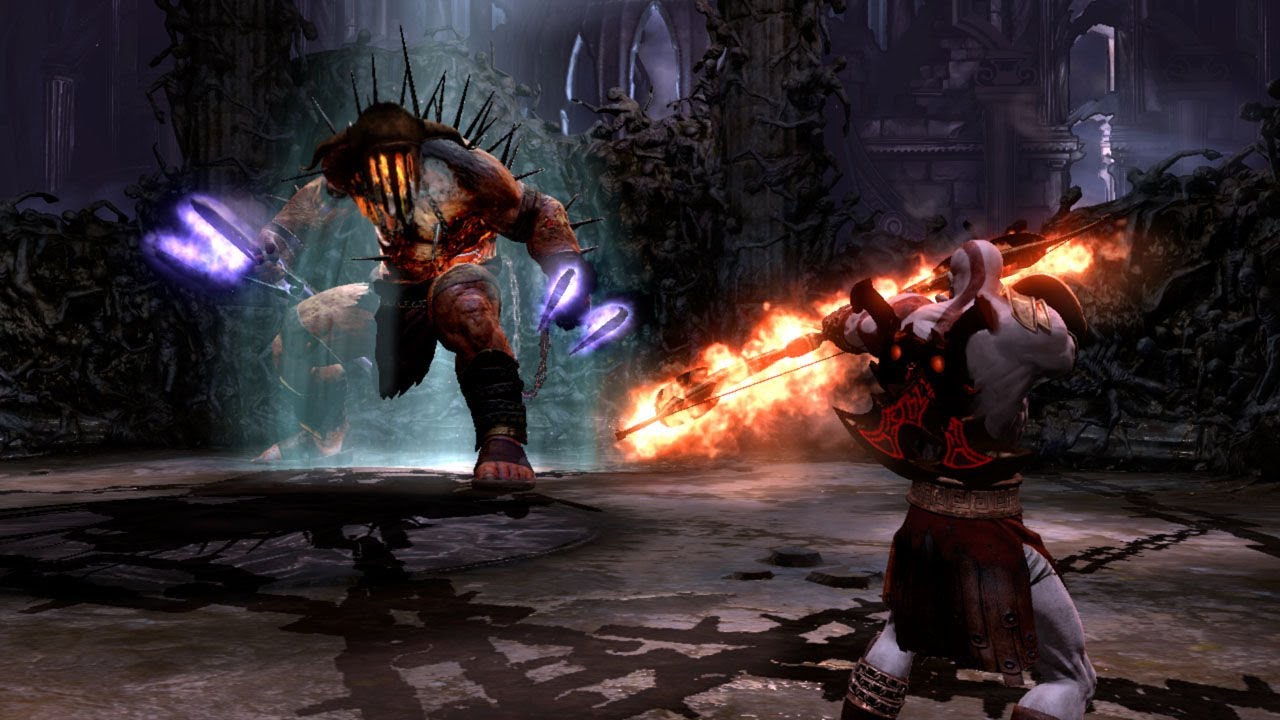
*God of War III* was a showcase for the PlayStation 3’s graphical capabilities. Santa Monica Studio utilized a proprietary next-gen engine to achieve stunning visuals, characterized by highly detailed character models, expansive environments, and dynamic lighting effects. The game pushed the boundaries of what was possible on the platform, with impressive particle effects during combat, realistic water rendering, and intricate architectural designs that brought ancient Greece to life. The visual direction emphasized a sense of scale and brutality, reflecting Kratos’s relentless pursuit of vengeance. The developers leveraged advanced techniques like normal mapping and specular highlights to create surfaces with incredible depth and realism. This commitment to visual excellence contributed significantly to the game’s immersive experience.
Gameplay Mechanics and Core Systems
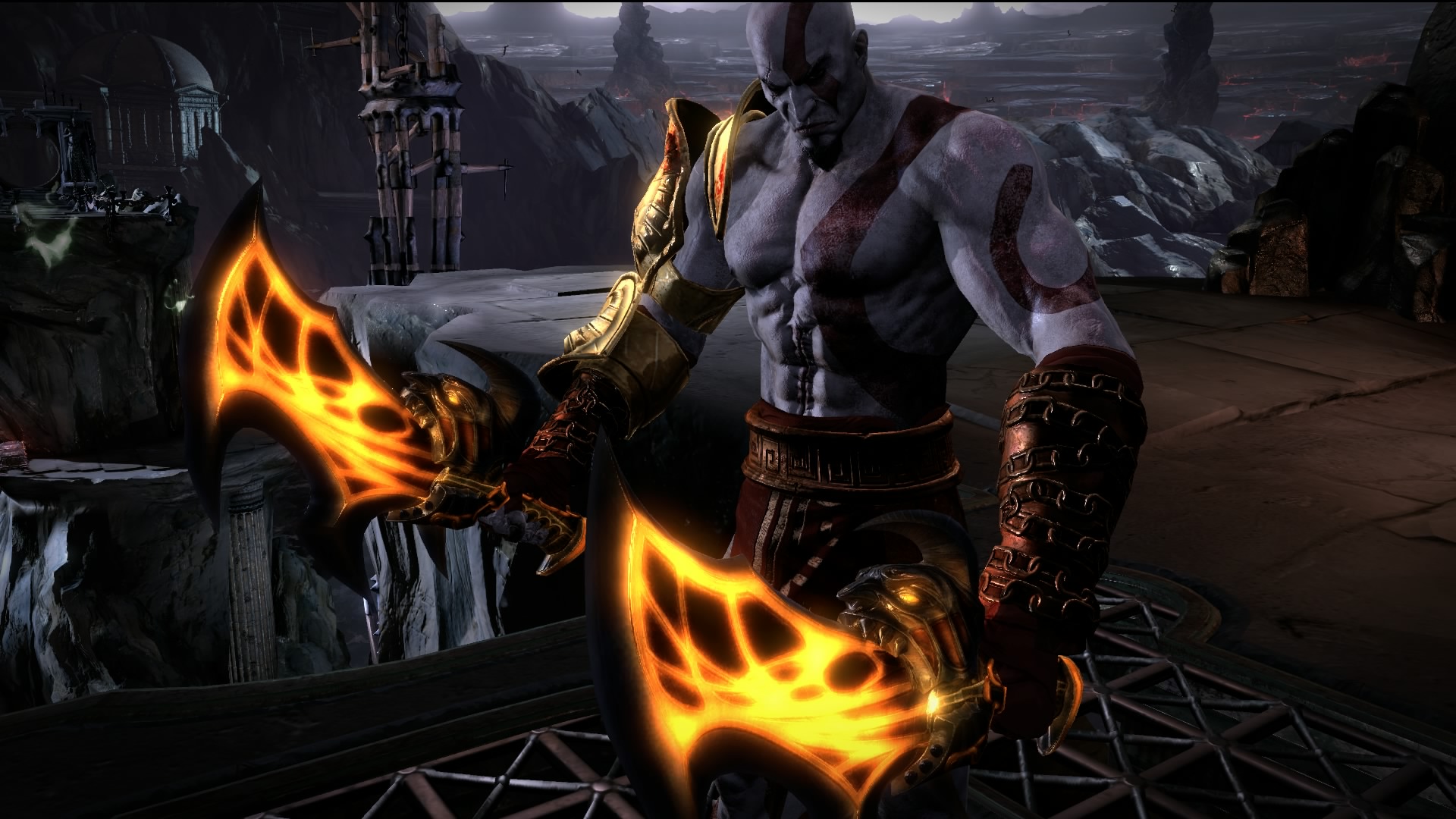
The gameplay in *God of War III* built upon the foundation established in previous installments, focusing on fast-paced, combo-based combat. Kratos wielded the Blades of Exile as his primary weapon, supplemented by a variety of secondary weapons and magical abilities acquired throughout the game. The “Wrath of Sparta” mechanic returned, allowing players to unleash devastating attacks when filling the rage meter. Quick time events played a significant role in certain cinematic sequences and puzzle-solving sections. While familiar to fans, the combat system was refined with improved enemy AI and more responsive controls. The introduction of new enemy types and boss encounters provided fresh challenges for experienced players.
Level Design and World Atmosphere
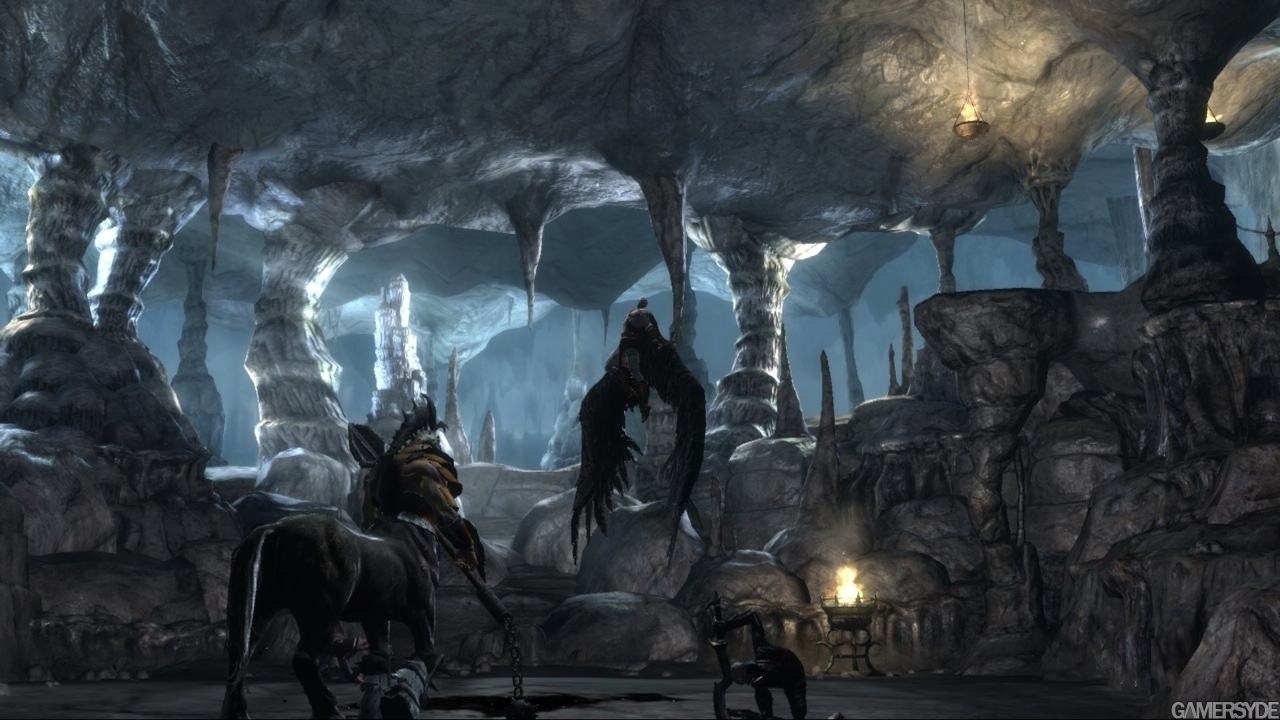
The level design in *God of War III* varied from sprawling outdoor environments to claustrophobic dungeons, each meticulously crafted to evoke a sense of ancient Greek mythology. The game’s world was filled with intricate details, hidden passages, and challenging puzzles that rewarded exploration. The atmosphere was often oppressive and foreboding, reflecting the dark themes of vengeance and destruction. From the fiery depths of Tartarus to the majestic halls of Mount Olympus, each location felt unique and memorable. The developers paid close attention to creating a sense of verticality in the environments, encouraging players to utilize Kratos’s acrobatic abilities.
Narrative Depth and Character Profiles
*God of War III*’s narrative focused on Kratos’s quest for revenge against Zeus and the Olympian gods. While driven by vengeance, the story explored themes of betrayal, loss, and redemption. The game introduced new characters and expanded upon existing ones, providing deeper insights into their motivations and relationships. Athena’s spirit served as a guide for Kratos, while other deities like Poseidon and Hades played significant roles in his journey. The narrative was presented through cinematic cutscenes and in-game dialogue, often accompanied by intense action sequences. While the story maintained its focus on brutality, it also attempted to provide some degree of emotional depth to Kratos’s character.
Sound Design and Acoustic Realism
The sound design in *God of War III* was crucial in creating an immersive and visceral experience. The game featured a powerful orchestral score composed by Gerard Marino, Cris Velasco, Ron Fish, Mike Reagan, and Jeff Rona, which perfectly complemented the on-screen action. Sound effects were meticulously crafted to enhance the impact of combat, from the clash of blades to the roar of mythical creatures. Environmental sounds played a vital role in creating atmosphere, whether it was the echoing chambers of Tartarus or the crashing waves of the Aegean Sea. The voice acting performances were also commendable, bringing depth and emotion to the characters.
Release Expectations and Community Hype
Prior to its release, *God of War III* generated significant hype within the gaming community. Fans eagerly anticipated a sequel that would build upon the success of its predecessors while pushing the boundaries of visual fidelity and gameplay mechanics. The game’s stunning trailers and gameplay demos showcased its impressive graphics and intense combat, further fueling anticipation. Reviews leading up to launch were overwhelmingly positive, praising the game’s visuals, gameplay, and overall experience. The release was met with strong sales and critical acclaim, solidifying *God of War III*’s place as a landmark title in the action-adventure genre.
Conclusion: The Future of God of War III
*God of War III* represented a significant achievement for Santa Monica Studio and a defining moment for the *God of War* franchise. Its impressive visuals, refined gameplay mechanics, and compelling narrative set a new standard for action-adventure games on the PlayStation 3. While building upon the foundation laid by previous installments, it also introduced innovations that solidified its place as a landmark title. The game’s success paved the way for future installments in the series, including the critically acclaimed *God of War* (2018), which reimagined Kratos’s story in a new setting and with a different gameplay style. *God of War III*’s legacy continues to inspire developers and captivate players, ensuring its place as a timeless classic.

Source: Wikipedia