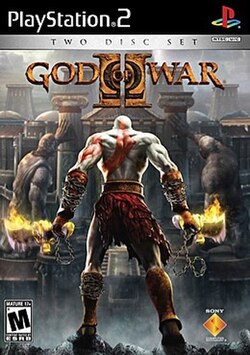
Introduction: The Next Chapter for God of War II
God of War II, released in 2007 by Santa Monica Studio and published by Sony Computer Entertainment, represents a pivotal moment in the franchise’s evolution. Building upon the foundation laid by its predecessor, this sequel delves deeper into the mythos, expands on Kratos’s character arc, and refines the already brutal combat system. It’s not just a continuation; it’s a refinement, a deepening of the themes of vengeance and consequence that define the God of War universe. The game picks up immediately after the events of God of War, with Kratos now the new God of War, haunted by his past actions and seeking to understand his place in the pantheon. This sets the stage for a journey filled with betrayal, redemption (or lack thereof), and ultimately, a confrontation with the ultimate authority: Zeus himself.
Visual Direction and Graphics Engineering
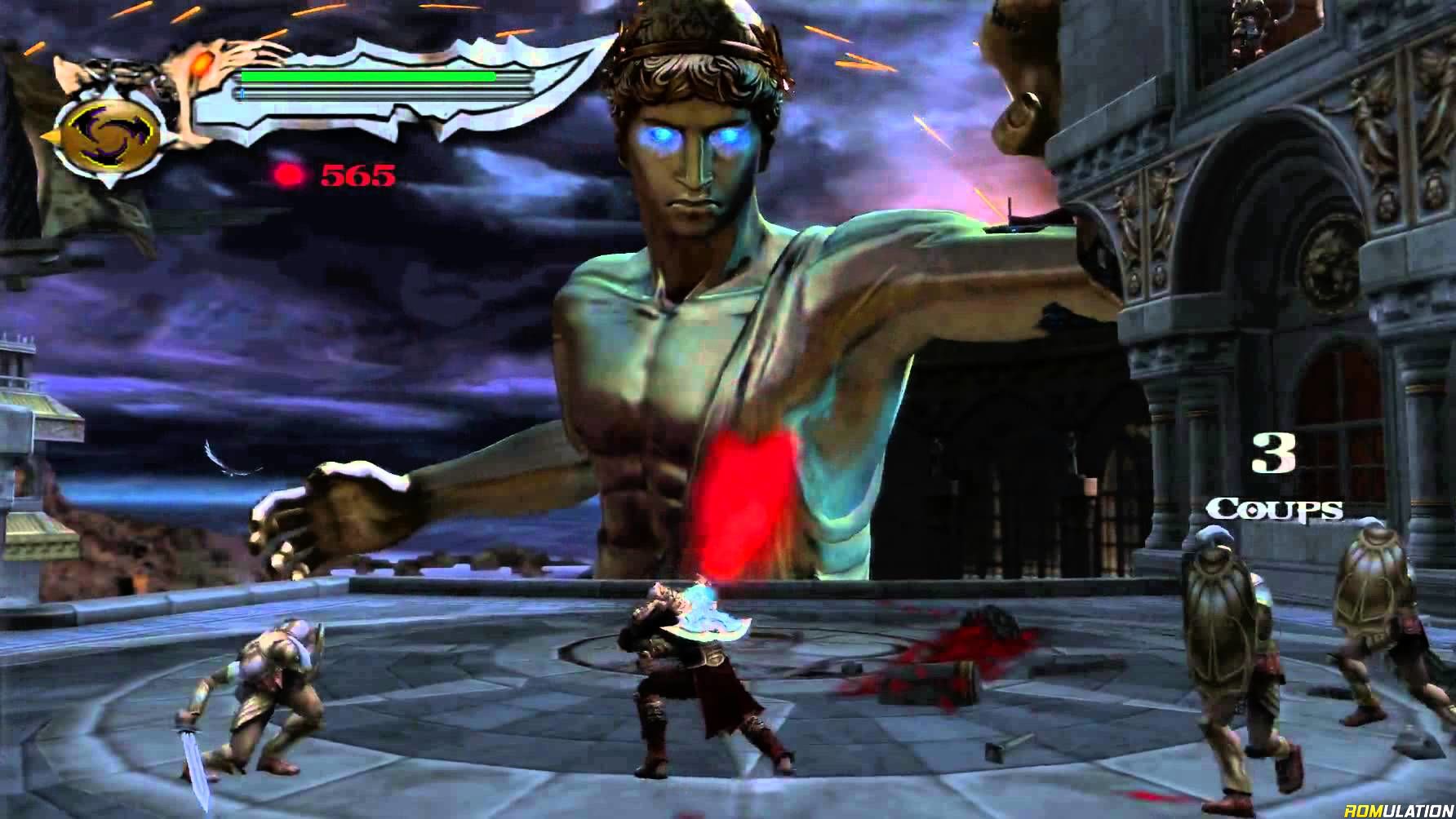
God of War II showcased impressive visuals for its time on the PlayStation 2. While limited by the hardware, Santa Monica Studio maximized the console’s capabilities to create a visually stunning experience. The game features detailed character models, particularly Kratos, whose scarred physique is a constant reminder of his violent past. Environments range from lush forests and desolate wastelands to the fiery depths of the Underworld, each meticulously crafted to immerse players in the world of Greek mythology. The use of lighting and particle effects adds depth and atmosphere, enhancing the sense of scale and danger. While modern graphics engines have surpassed what was possible on the PS2, God of War II remains a testament to the artistry and technical skill of its development team.
Gameplay Mechanics and Core Systems
The core gameplay in God of War II revolves around visceral, combo-based combat. Players wield the Blades of Athena as their primary weapon, executing devastating attacks against hordes of enemies. The game introduces new weapons and abilities throughout the adventure, adding variety to the combat experience. Quick Time Events (QTEs) are a prominent feature, requiring players to react quickly and precisely to succeed in challenging encounters. These QTEs add intensity to boss battles and scripted sequences, demanding player engagement and skill. The strategic use of magic and special attacks is crucial for overcoming tougher opponents, encouraging experimentation and mastery of the combat system.
Level Design and World Atmosphere
God of War II’s level design effectively blends linear progression with opportunities for exploration. While the main path guides players through the story, hidden areas and optional challenges reward those who venture off the beaten track. The environments are diverse and richly detailed, ranging from sun-drenched islands to the dark and oppressive depths of the Underworld. Each location is carefully crafted to evoke a specific mood and atmosphere, enhancing the overall sense of immersion. The game’s level design encourages players to engage with the world around them, discovering hidden secrets and battling formidable foes.
Narrative Depth and Character Profiles
The narrative in God of War II delves deeper into Kratos’s motivations and explores the complex relationships between the gods. While driven by vengeance, Kratos is also a tragic figure haunted by his past actions. The game introduces new characters who challenge his beliefs and force him to confront the consequences of his choices. The story explores themes of betrayal, redemption (or lack thereof), and the corrupting influence of power. Through its compelling narrative and well-developed characters, God of War II offers a thought-provoking exploration of Greek mythology and human nature.
Sound Design and Acoustic Realism
The sound design in God of War II is crucial to creating an immersive and intense experience. The brutal sounds of combat, the haunting melodies of the soundtrack, and the voice acting all contribute to the game’s overall atmosphere. The use of dynamic music that responds to the player’s actions further enhances the sense of immersion. The sound effects are meticulously crafted to convey the weight and impact of each attack, making combat feel visceral and satisfying.
Release Expectations and Community Hype
Upon its release in 2007, God of War II was met with widespread critical acclaim and generated significant community hype. Players eagerly anticipated the sequel, drawn by the promise of even more brutal combat, a deeper story, and stunning visuals. The game lived up to expectations, exceeding many players’ hopes and solidifying its place as a landmark title in the action-adventure genre. The strong positive reception fueled ongoing discussions within the gaming community, with players sharing their experiences and debating the game’s merits.
Conclusion: The Future of God of War II
God of War II remains a seminal achievement in gaming, demonstrating the power of combining compelling storytelling with visceral gameplay. Its influence can be seen in countless action-adventure games that followed, and its legacy continues to inspire developers today. While newer installments in the God of War franchise have pushed the series in new directions, God of War II holds a special place in the hearts of many players as a defining moment in gaming history.
Source: Wikipedia


