
Introduction: The Next Chapter for God of War (2005)
God of War, released in 2005 by Santa Monica Studio, wasn’t just a game; it was a declaration. A brutal, visceral, and visually stunning assault on the gaming landscape that redefined action-adventure titles. Developed primarily by Santa Monica Studio with contributions from Ready at Dawn, Javaground/SOE-LA, and Mega Cat Studios, God of War quickly became a flagship title for Sony’s PlayStation 2 console. This Masterclass Deep-Dive will dissect every facet of this landmark game, exploring its technical innovations, design philosophies, and lasting impact on the industry. We’re not just looking back; we’re analyzing how God of War set the stage for future installments and influenced countless games that followed.
Visual Direction and Graphics Engineering
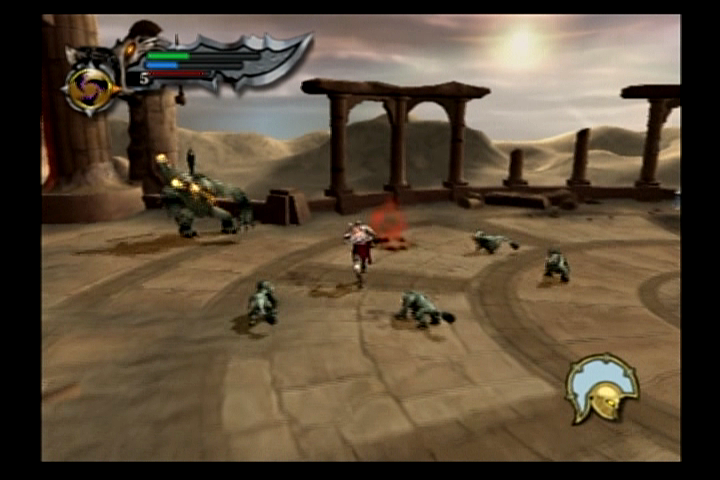
God of War was a showcase for the PlayStation 2’s capabilities. The proprietary “Next-Gen” engine, while pushing the hardware to its limits, delivered a level of detail previously unseen on consoles. Character models were incredibly detailed, especially Kratos himself, with his iconic pale skin and intricate armor. Environments ranged from the fiery depths of Tartarus to the majestic landscapes of ancient Greece, each meticulously crafted to evoke a sense of awe and dread. The game’s visual style was heavily influenced by classical sculpture and mythology, creating a unique blend of realism and fantasy. While technically impressive for its time, the engine also faced challenges in maintaining consistent frame rates during intense combat sequences, a common issue with games pushing hardware boundaries.
Gameplay Mechanics and Core Systems
The core gameplay loop of God of War revolves around brutal, strategic combat. Kratos is an incredibly powerful warrior, capable of unleashing devastating attacks with his Blades of Chaos. The game introduced innovative mechanics like the “blade lock,” allowing players to grapple enemies and execute stylish finishers. Combat wasn’t just about button mashing; it required careful timing, resource management (using magic orbs), and strategic use of environmental hazards. The puzzle-solving elements were also well-integrated, often requiring players to utilize Kratos’ strength and abilities to overcome obstacles. The game’s difficulty was notoriously high, demanding precision and patience from the player.
Level Design and World Atmosphere
The level design in God of War is a masterclass in environmental storytelling. Each area, from the claustrophobic corridors of Tartarus to the sprawling landscapes of Greece, felt distinct and immersive. The environments were not just backdrops; they actively contributed to the gameplay experience, offering opportunities for strategic combat and puzzle-solving. The game’s atmosphere was thick with dread and tension, amplified by the haunting soundtrack and the constant threat of powerful enemies. The level design cleverly guided players through the world while still allowing for exploration and discovery.
Narrative Depth and Character Profiles
While known for its action-packed gameplay, God of War also boasts a surprisingly deep narrative. Kratos is a complex and tragic figure, driven by vengeance but haunted by his past. The game explores themes of guilt, redemption, and the corrupting influence of power. While the story follows a fairly linear path, it’s filled with memorable characters, both allies and enemies, each with their own motivations and backstories. Characters like Athena, Zeus, and various mythical creatures added depth and richness to the world. The narrative was delivered through in-game cutscenes and dialogue sequences, effectively conveying the emotional weight of Kratos’ journey.
Sound Design and Acoustic Realism
The sound design in God of War is crucial to its immersive experience. The brutal sounds of combat – the clash of blades, the roar of mythical beasts, the screams of enemies – create a visceral sense of danger. The soundtrack, composed by various artists, perfectly complements the game’s atmosphere, ranging from epic orchestral scores to haunting melodies. Environmental audio cues also play an important role, providing players with information about their surroundings and adding to the overall sense of realism.
Release Expectations and Community Hype
Prior to its release, God of War generated significant hype within the gaming community. The promise of a brutal action game set in Greek mythology was enough to capture the attention of players eager for something new and different. Early previews showcased the game’s impressive visuals and intense combat, further fueling anticipation. The game’s marketing campaign effectively communicated its unique selling points, positioning it as a must-have title for PlayStation 2 owners.
Conclusion: The Future of God of War (2005)
God of War (2005) was more than just a successful video game; it was a cultural phenomenon that redefined the action-adventure genre. Its innovative gameplay mechanics, stunning visuals, and compelling narrative set a new standard for console gaming. While subsequent installments have expanded upon the original’s formula, God of War remains a landmark title that continues to inspire developers and captivate players. The legacy of this game is undeniable, and its impact on the industry will continue to be felt for years to come.
Source: Wikipedia


