Introduction: The Next Chapter for God Eater 2
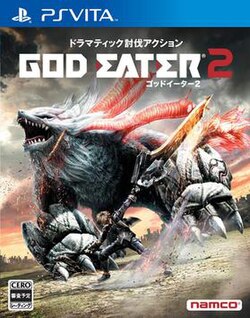
God Eater 2, developed by Shift and published by Bandai Namco Entertainment, arrived as a highly anticipated sequel to the original God Eater. Released in Japan in November 2013 for the PlayStation Vita and PSP, it quickly garnered attention for its fresh setting, new protagonists, monstrous adversaries, and innovative weapon systems. The game expanded its reach with “God Eater 2: Rage Burst,” initially on PS Vita and PS4 in Japan, before a wider Western release in summer 2016 across multiple platforms including PlayStation 4, Vita, and PC. This Masterclass Deep-Dive will dissect every facet of God Eater 2, from its visual direction to its narrative depth, providing an exhaustive analysis for the discerning gamer.
Visual Direction and Graphics Engineering
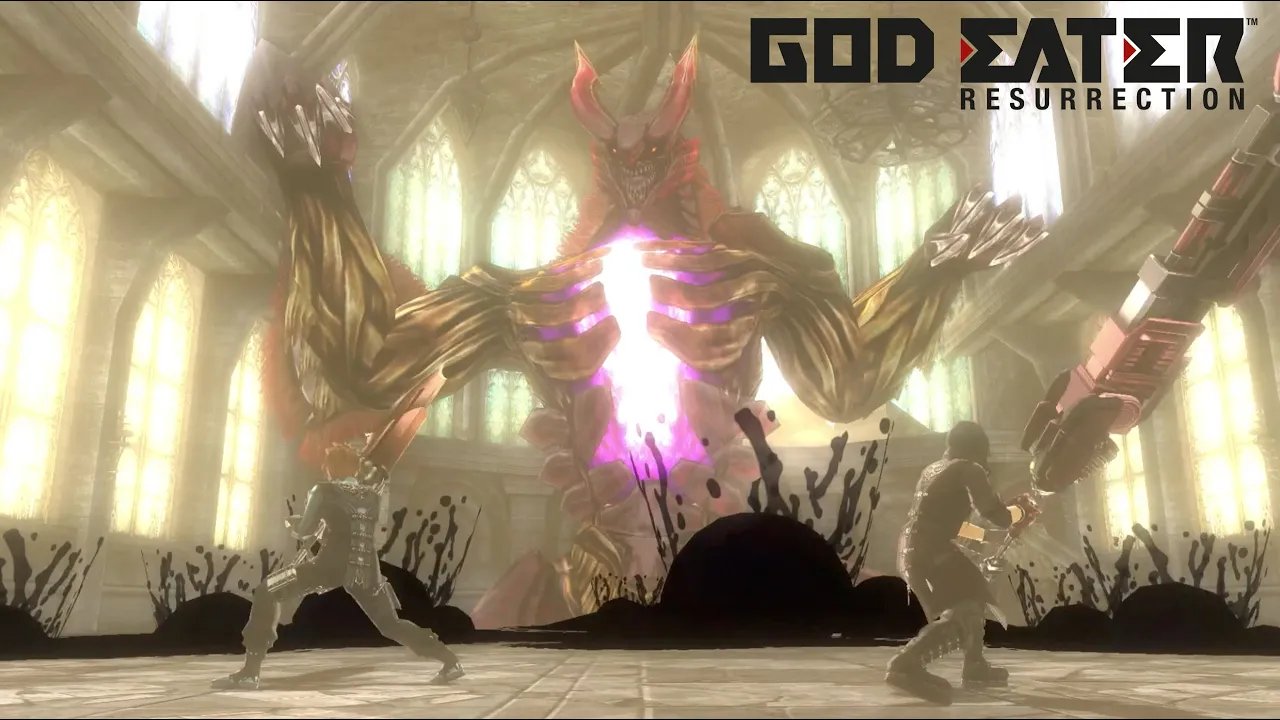
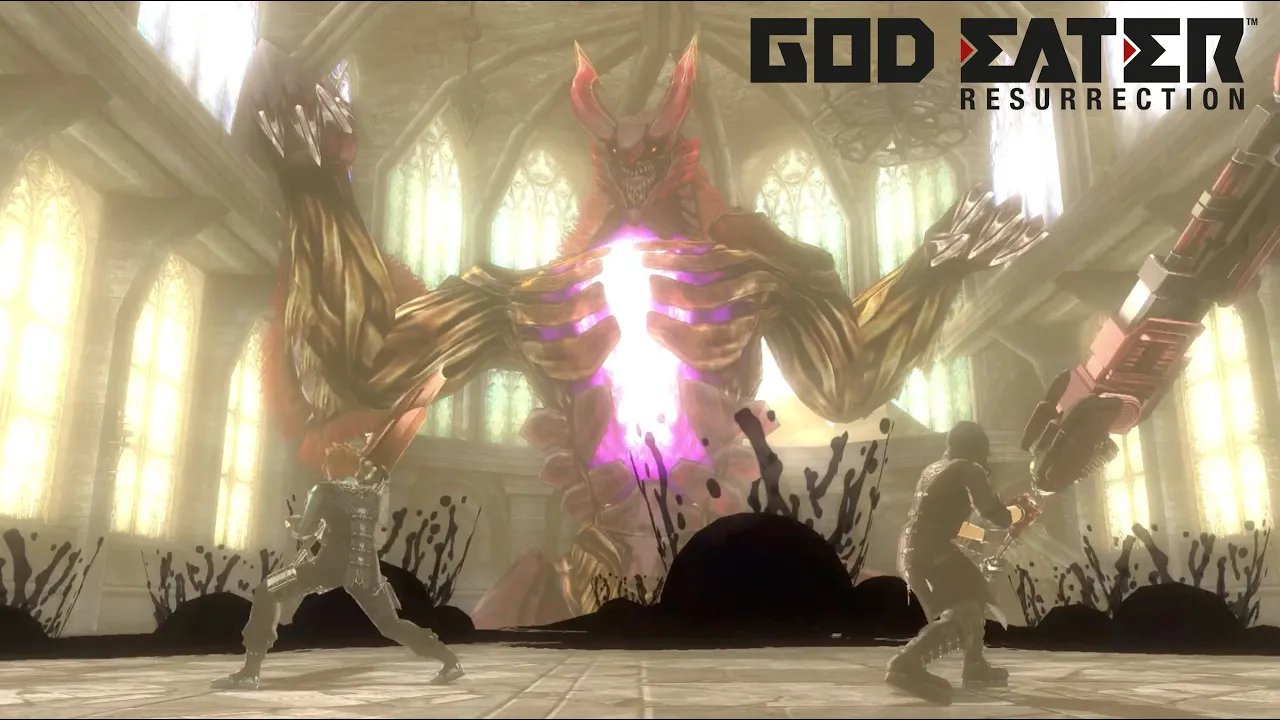
God Eater 2’s visual style is a blend of anime aesthetics and gritty realism, reflecting the desperate struggle against the Aragami threat. While constrained by the hardware limitations of the Vita and PSP, Shift managed to create a visually engaging experience. The character designs are expressive, capturing the emotional weight of their situations. The Aragami themselves are terrifyingly designed, each possessing unique attack patterns and visual cues that players must learn to exploit. The proprietary Next-Gen engine, while not pushing graphical boundaries in the same way as later titles on more powerful hardware, was optimized for performance and visual fidelity within its constraints. The use of particle effects during battles adds a sense of scale and impact to each attack.
Gameplay Mechanics and Core Systems
The core gameplay loop revolves around battling Aragami using a variety of weapons and abilities. God Eater 2 introduces four new weapon types: the Boost Hammer, Charge Spear, Variant Scythe, and Shotgun, expanding tactical options significantly. Each weapon type offers unique playstyles, catering to different preferences. The “Blast Eye” system allows players to analyze Aragami weaknesses, encouraging strategic planning before engaging in combat. Customization is a key element, with players able to modify their weapons and armor to suit their preferred style. The game’s difficulty curve is well-balanced, providing a challenging but rewarding experience for both newcomers and veterans of the series.
Level Design and World Atmosphere
The environments in God Eater 2 are diverse, ranging from desolate urban landscapes to lush forests teeming with danger. Each location feels distinct, contributing to the overall sense of immersion. The level design encourages exploration, with hidden areas and resources waiting to be discovered. While not as expansive as open-world games, the levels are carefully crafted to provide a variety of encounters and challenges. The atmosphere is consistently tense, reflecting the constant threat posed by the Aragami.
Narrative Depth and Character Profiles
God Eater 2 features a compelling narrative centered around a new team of God Eaters facing an escalating crisis. The characters are well-developed, each with their own motivations and backstories. The relationships between the characters evolve throughout the game, adding emotional depth to the story. While the plot follows familiar post-apocalyptic tropes, it is executed effectively, keeping players invested in the fate of the protagonists.
Sound Design and Acoustic Realism
The sound design in God Eater 2 plays a crucial role in creating an immersive experience. The music is epic and dramatic, perfectly complementing the on-screen action. The sound effects are impactful, conveying the weight and power of each attack. The voice acting is generally well-done, adding personality to the characters.
Release Expectations and Community Hype
The release of God Eater 2 was met with considerable excitement within the gaming community. Fans were eager to experience the new weapons, characters, and story elements. The game’s unique blend of anime aesthetics and action gameplay resonated with a broad audience. The subsequent release of “God Eater 2: Rage Burst” further fueled the hype, offering additional content and improvements.
Conclusion: The Future of God Eater 2
God Eater 2 remains a significant entry in the franchise, showcasing Shift’s commitment to innovation and quality. While constrained by its hardware limitations, the game delivers a compelling experience that is both engaging and rewarding. Its unique blend of action gameplay, anime aesthetics, and post-apocalyptic themes continues to resonate with players today. The legacy of God Eater 2 lives on through its influence on subsequent entries in the series and its enduring popularity within the gaming community.
Source: Wikipedia


