Introduction: The Next Chapter for Giants: Citizen Kabuto
Giants: Citizen Kabuto, a title that instantly conjures images of colossal beings and strategic warfare, represents more than just a game; it's a testament to the ambition and ingenuity of Planet Moon Studios. Born from the minds of former Shiny Entertainment veterans, this third-person shooter with real-time strategy elements aimed to redefine what players could expect from a single title. Released in 2000 for Windows, followed by Mac OS X and PlayStation 2 ports, Giants: Citizen Kabuto promised a unique blend of action and tactical gameplay, driven by a proprietary engine designed to push the boundaries of its time. This deep dive will dissect every facet of this ambitious project, from its groundbreaking visuals to its compelling narrative, exploring why it remains a cult classic even today.
Visual Direction and Graphics Engineering
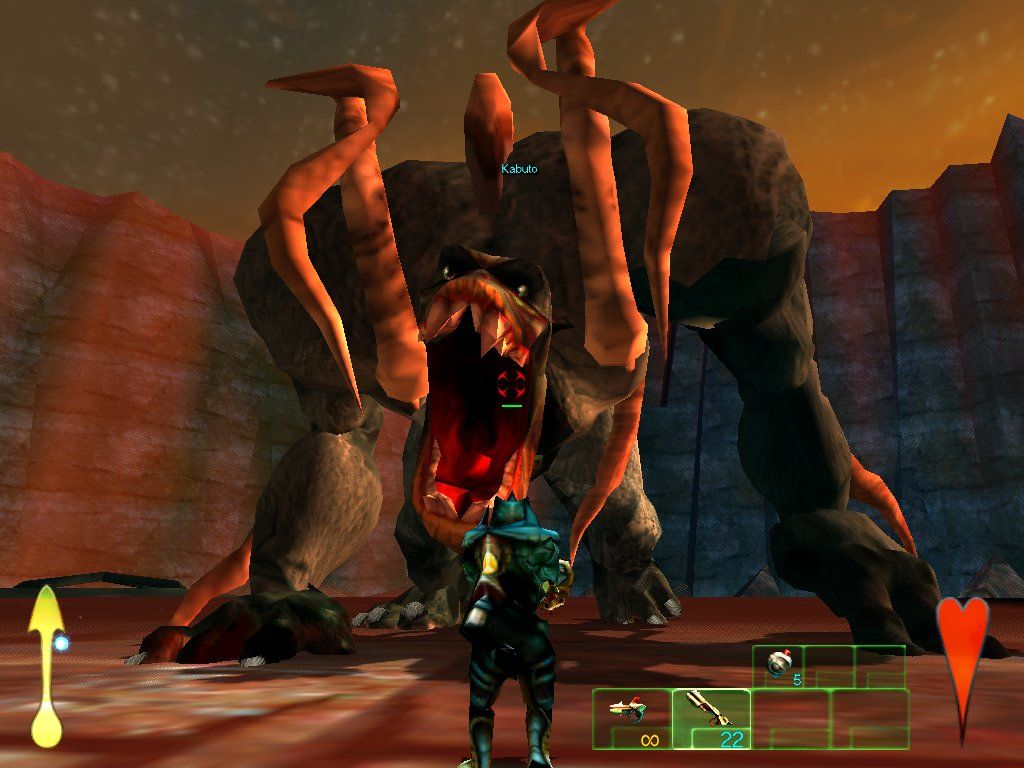
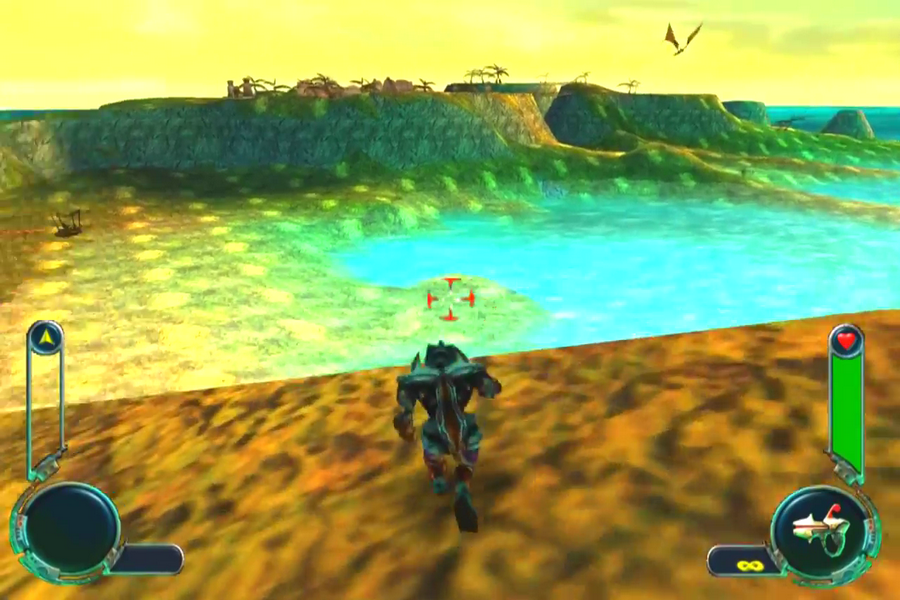
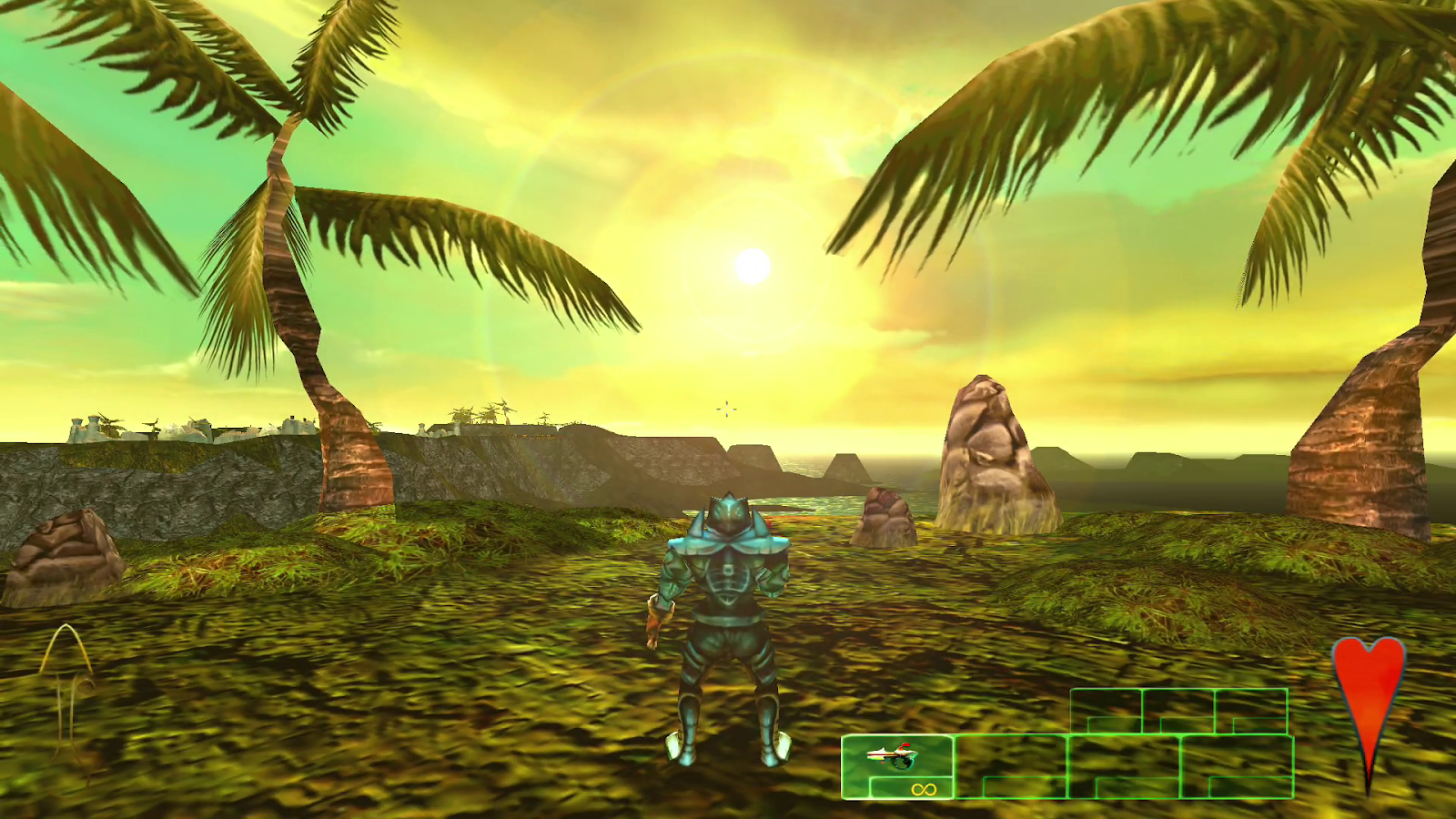
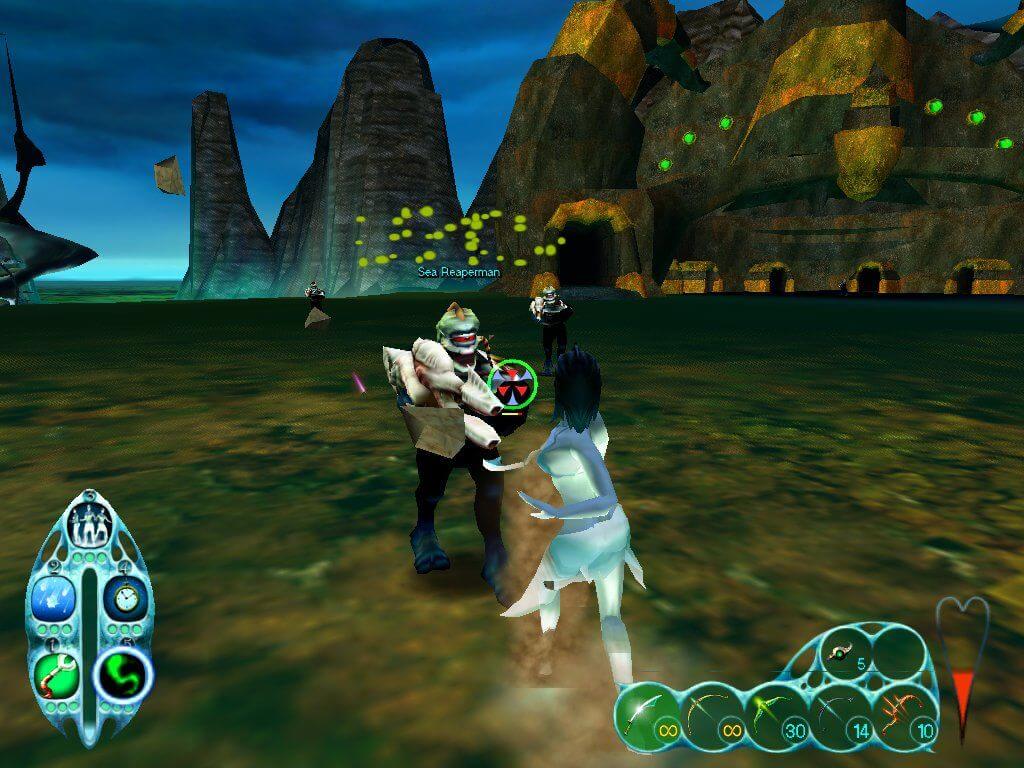
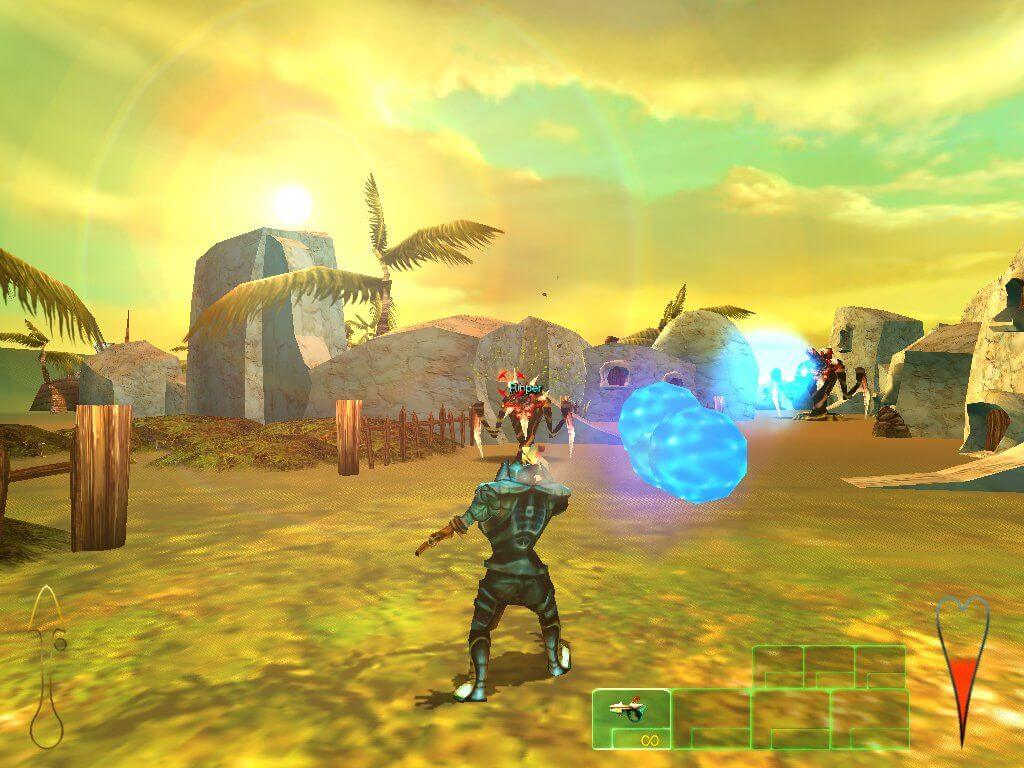
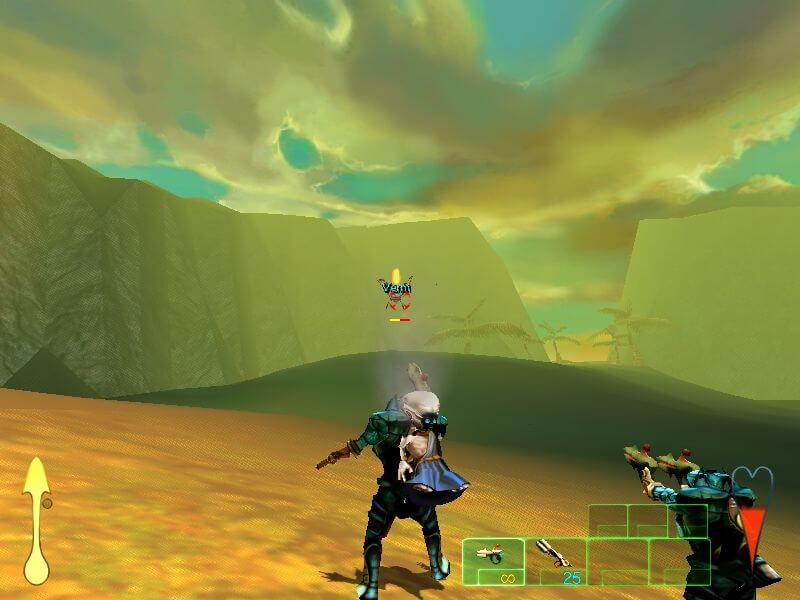
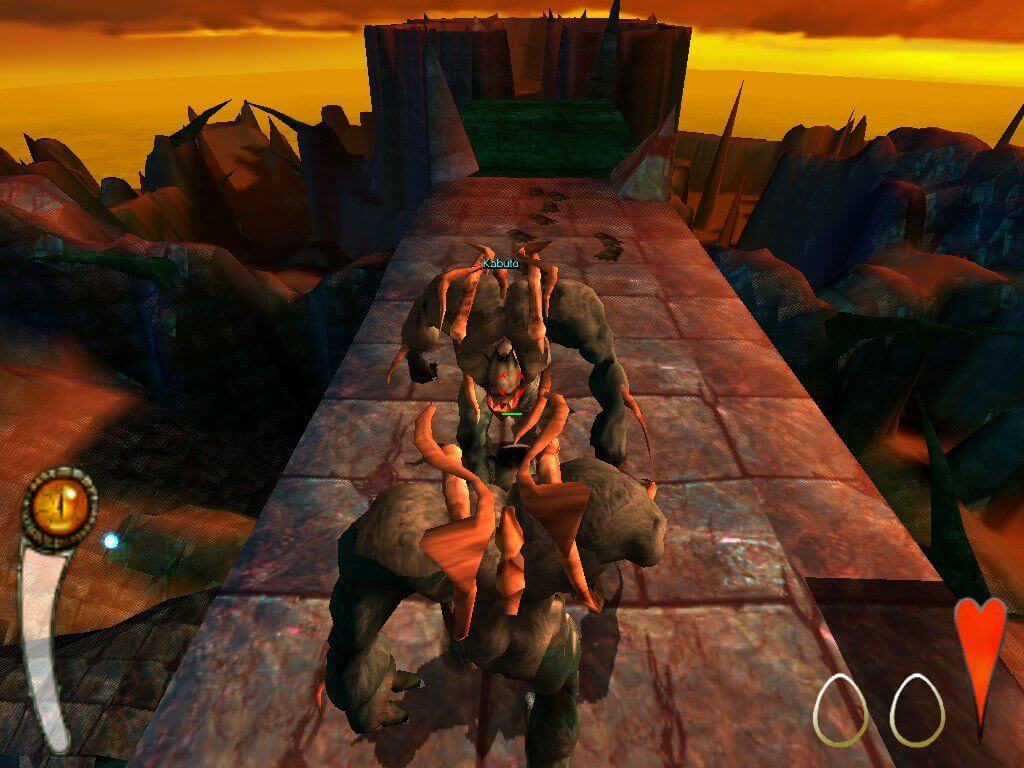
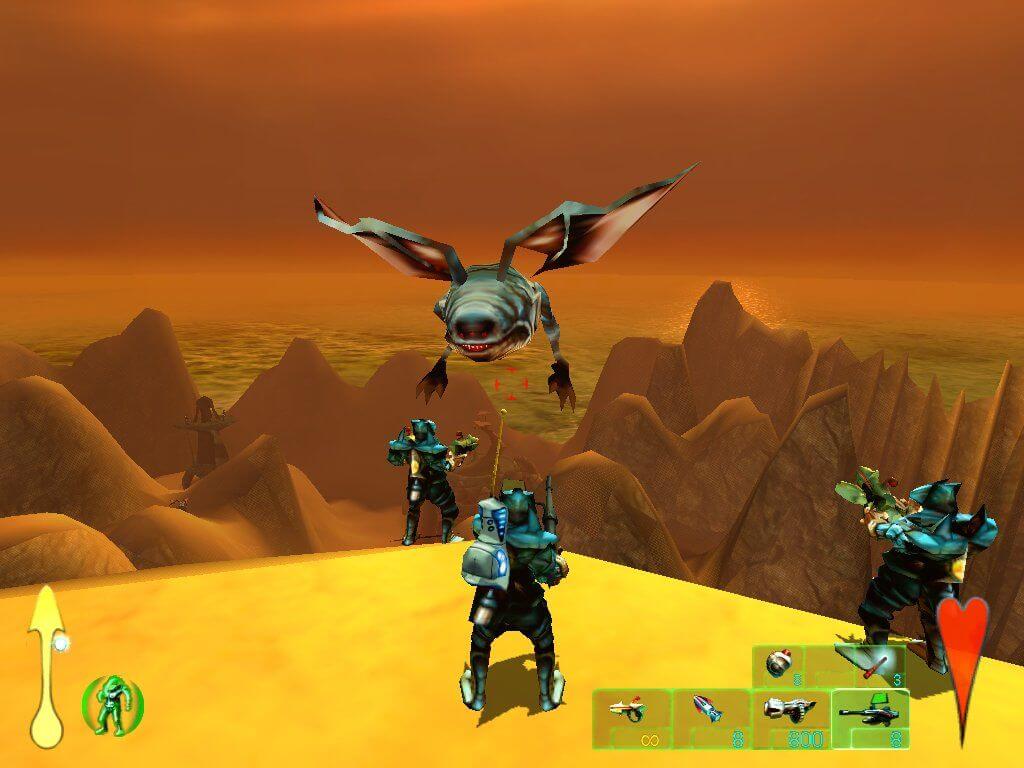
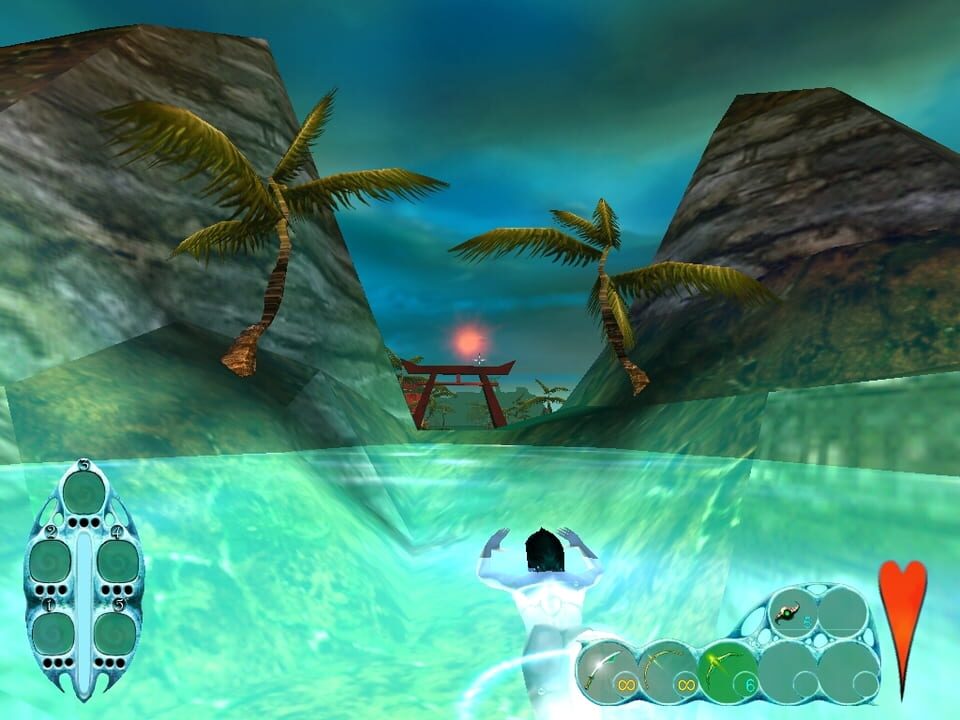
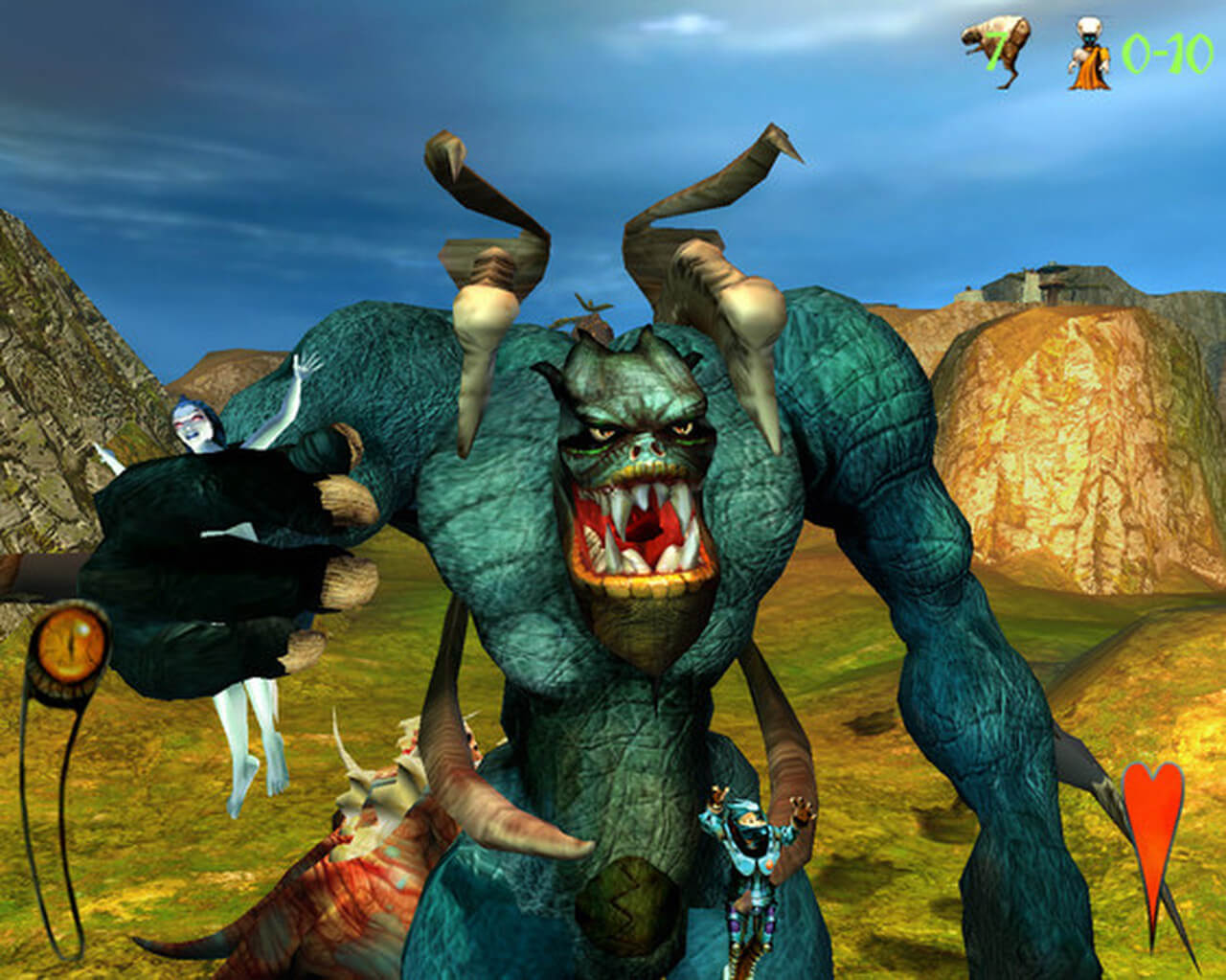
The visual direction of Giants: Citizen Kabuto was nothing short of revolutionary for its era. While the proprietary engine might not have boasted the polygon counts of later titles, it cleverly utilized textures and lighting effects to create a sense of scale and depth that belied its technical limitations. The distinct character designs – the agile Meccaryns, the amphibious Sea Reapers, and the earth-shattering Citizen Kabuto himself – were instantly iconic, each race possessing unique visual cues that reflected their playstyles. The game's environments, ranging from lush alien landscapes to sprawling industrial complexes, were meticulously crafted to enhance the sense of immersion. While modern rendering techniques have surpassed what was achievable in 2000, Giants: Citizen Kabuto still holds up remarkably well due to its artistic vision and clever optimization.
Gameplay Mechanics and Core Systems
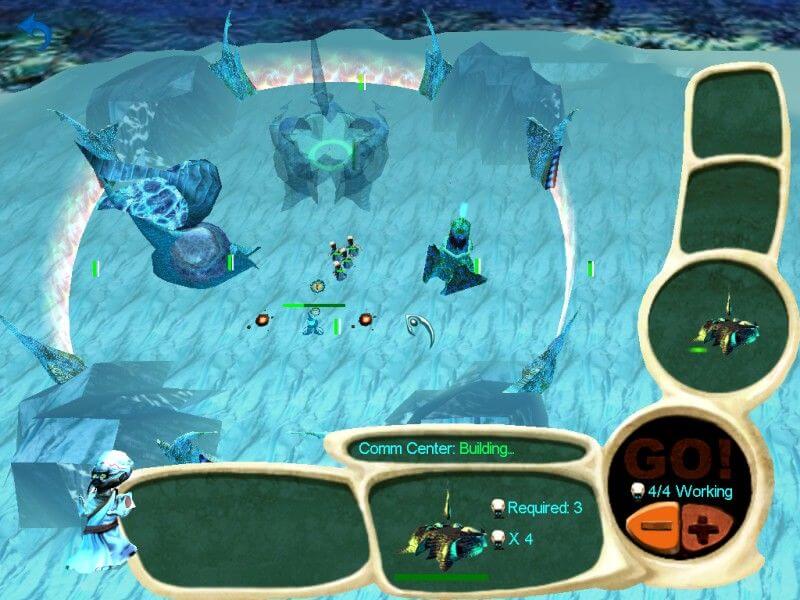
At its core, Giants: Citizen Kabuto offered a compelling blend of third-person shooting and real-time strategy elements. Players could choose from three distinct races, each offering unique gameplay experiences. The Meccaryns, equipped with jetpacks, provided unparalleled mobility and ranged combat capabilities. The Sea Reapers excelled in close-quarters engagements and utilized amphibious tactics. And Citizen Kabuto, the hulking behemoth, brought devastating wrestling attacks to bear on unsuspecting foes. This diversity of playstyles allowed for a high degree of customization and replayability. Furthermore, the game featured a robust single-player campaign that challenged players with increasingly complex scenarios, as well as online multiplayer modes that fostered a competitive community.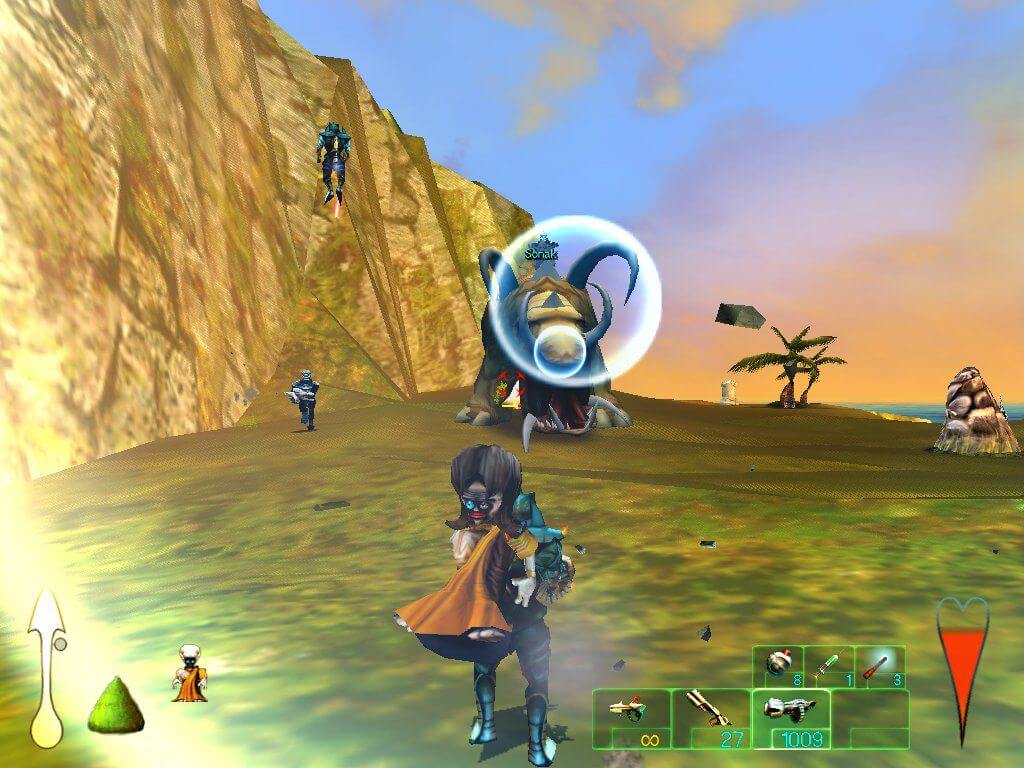
Level Design and World Atmosphere
The level design in Giants: Citizen Kabuto was instrumental in creating a sense of scale and immersion. Each environment was carefully crafted to offer strategic opportunities for both the player and their opponents. From dense forests teeming with hidden dangers to sprawling industrial complexes ripe for tactical maneuvers, every location felt unique and purposeful. The game's atmosphere was further enhanced by its dynamic lighting system, which created dramatic shadows and highlighted key areas of interest. This attention to detail helped to create a truly immersive experience that drew players into the world of Giants: Citizen Kabuto.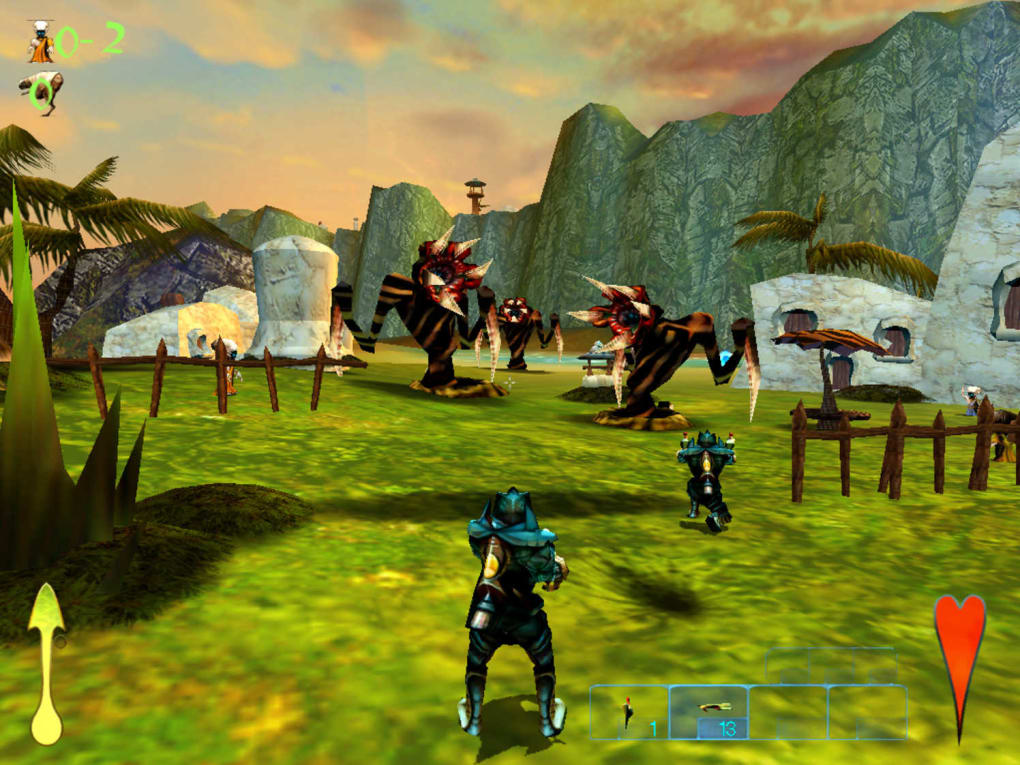
Narrative Depth and Character Profiles
While gameplay often takes center stage, Giants: Citizen Kabuto also boasted a surprisingly engaging narrative. The single-player campaign unfolded through a series of interconnected missions, each introducing new characters and revealing more about the game's overarching story. While not overly complex, the narrative provided context for the player's actions and added depth to the overall experience. Furthermore, the distinct personalities of each race – the Meccaryns, the Sea Reapers, and Citizen Kabuto himself – were subtly explored through their interactions with other characters and their reactions to various situations.
Sound Design and Acoustic Realism
The sound design in Giants: Citizen Kabuto played a crucial role in enhancing the game's atmosphere and immersion. The distinct sounds of each race – from the roar of Citizen Kabuto to the whirring of the Meccaryn jetpacks – were carefully crafted to provide auditory cues that informed the player's actions. Furthermore, the game featured a dynamic soundtrack that responded to the action on screen, creating a sense of urgency and excitement during intense battles. The combination of realistic sound effects and an evocative musical score helped to create a truly immersive audio experience.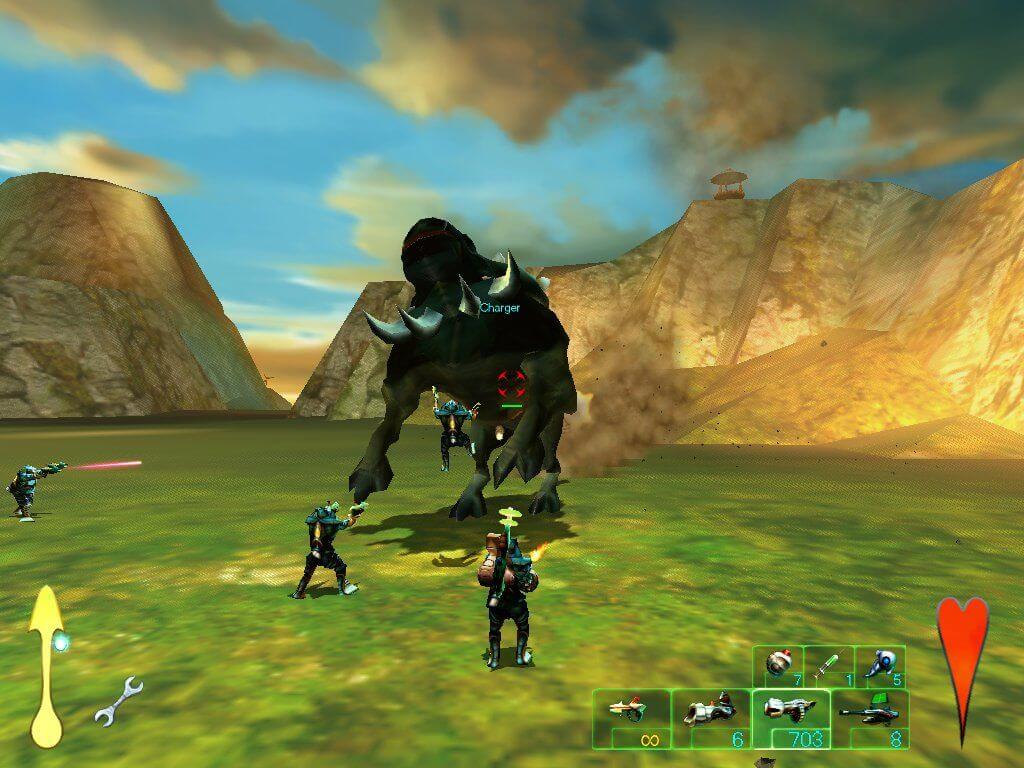
Release Expectations and Community Hype
Upon its release in 2000, Giants: Citizen Kabuto generated considerable hype within the gaming community. Its unique blend of third-person shooting and real-time strategy elements promised a fresh and innovative gameplay experience. The game's distinctive art style and memorable characters further contributed to its appeal. While it may not have achieved mainstream success, Giants: Citizen Kabuto quickly gained a dedicated following among players who appreciated its originality and depth. This cult status has endured for over two decades, with fans continuing to celebrate the game's unique qualities.
Conclusion: The Future of Giants: Citizen Kabuto
Giants: Citizen Kabuto remains a testament to the power of innovation and creativity in game development. While its technical limitations may be apparent when viewed through a modern lens, its artistic vision and gameplay depth continue to resonate with players today. Its influence can be seen in subsequent titles that attempted to blend action and strategy elements, solidifying its place as a cult classic. Whether a potential remaster or spiritual successor is on the horizon remains to be seen, but the legacy of Giants: Citizen Kabuto will undoubtedly endure for years to come.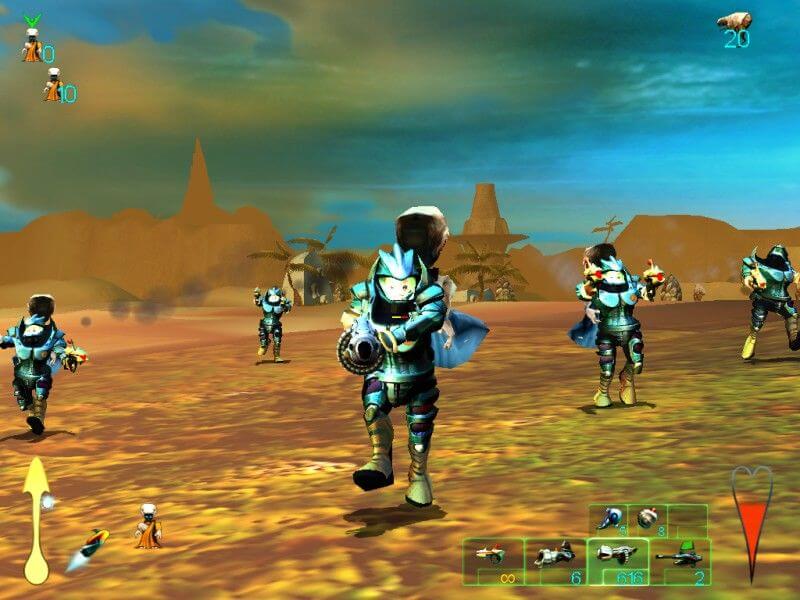

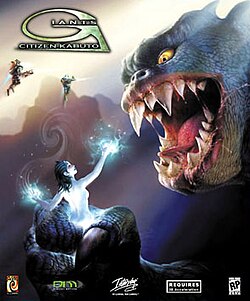
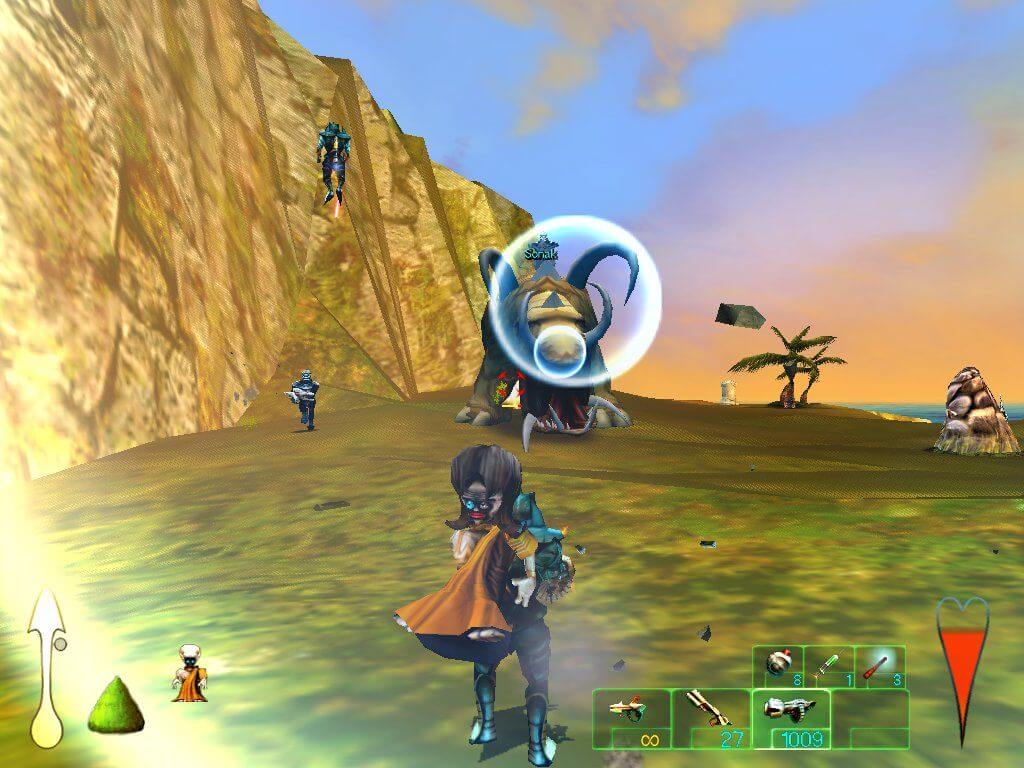
Source: Wikipedia
Google Preferred Source
Add us to your favorite news sources on Google
Get instant updates and breaking news directly in Google News