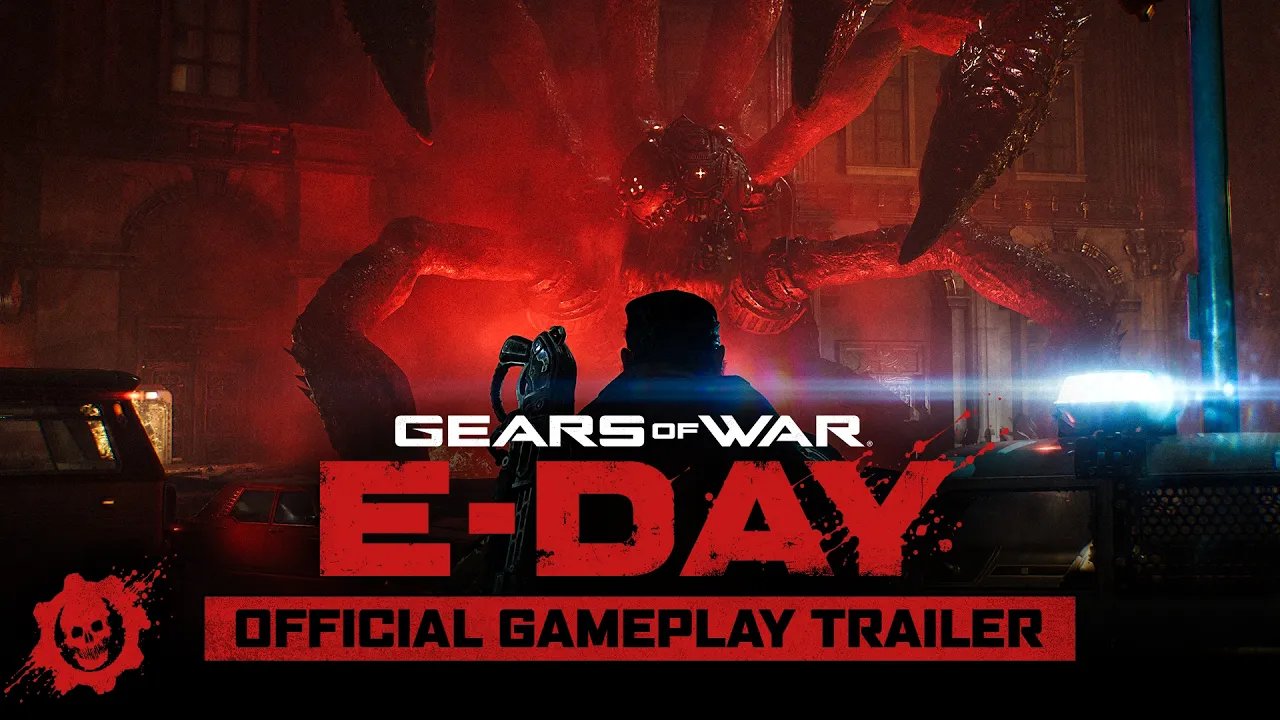
Introduction: The Next Chapter for Gears of War 3
Gears of War 3, released in 2011, marked a pivotal moment not only for the franchise but also for third-person shooters as a whole. Building upon the foundation laid by its predecessors, Epic Games delivered a visually stunning and emotionally resonant experience that concluded the original trilogy’s narrative arc. This Masterclass Deep-Dive will dissect every facet of Gears of War 3, from its groundbreaking graphics to its compelling story, providing an in-depth analysis for seasoned gamers and aspiring developers alike.
Visual Direction and Graphics Engineering
Powered by Unreal Engine 3, Gears of War 3 showcased a significant leap in visual fidelity. The game’s gritty, war-torn environments were rendered with meticulous detail, from the crumbling architecture of former human settlements to the grotesque designs of the Locust Horde. Advanced lighting techniques, including dynamic shadows and realistic reflections, brought these scenes to life. Epic Games pushed the Xbox 360 hardware to its limits, achieving a level of graphical realism that was unprecedented for its time. The character models were also highly detailed, with intricate textures and animations that conveyed the weight of their struggles.
Gameplay Mechanics and Core Systems
Gears of War 3 refined the core gameplay loop established in previous installments, emphasizing tactical cover-based combat. Players could seamlessly transition between cover points, utilizing a variety of weapons and abilities to overcome overwhelming odds. The introduction of new enemy types and environmental hazards added further complexity to encounters. The chainsaw bayonet remained a brutal and satisfying tool for close-quarters combat. The active reload system, while familiar, was crucial for maintaining momentum in firefights. The game also featured a robust co-op mode, allowing players to experience the entire campaign with a friend.
Level Design and World Atmosphere
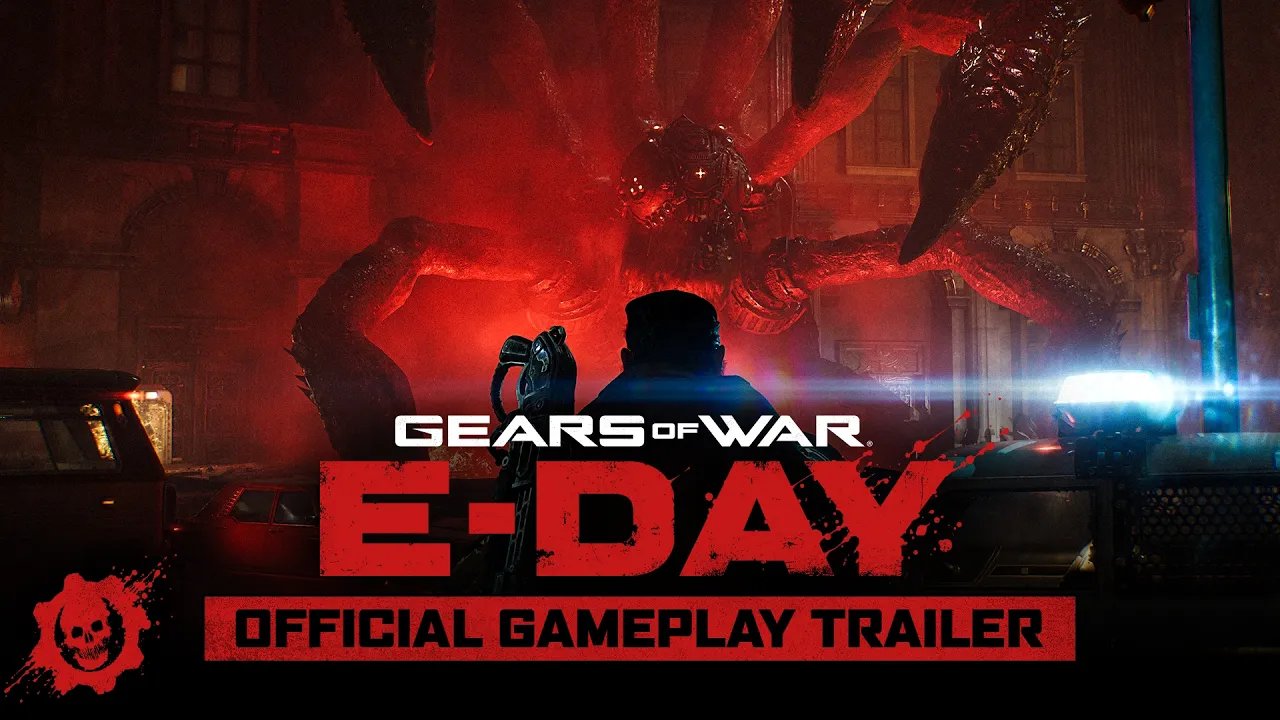
The level design in Gears of War 3 was masterful, guiding players through diverse environments while constantly challenging their tactical skills. From claustrophobic urban ruins to vast open landscapes, each location felt unique and immersive. The game’s atmosphere was thick with tension, punctuated by moments of intense action and quiet reflection. The use of environmental storytelling helped to flesh out the world and provide context for the ongoing conflict. The level design cleverly integrated verticality, adding another layer of strategic depth to combat encounters.
Narrative Depth and Character Profiles
Gears of War 3 concluded the story arc that began with the first game, delving deeper into the motivations of both the human characters and the Locust Horde. Marcus Fenix’s personal journey was central to the narrative, as he grappled with his past mistakes and faced difficult choices. The supporting cast, including Dom Santiago, Anya Stroud, and Baird, also played crucial roles in the unfolding drama. Karen Traviss’ writing brought a level of complexity and emotional resonance that elevated the story beyond typical action-game fare. The game explored themes of sacrifice, redemption, and the enduring power of human connection.
Sound Design and Acoustic Realism
The sound design in Gears of War 3 was nothing short of exceptional. The guttural roars of the Locust Horde, the deafening explosions of grenades, and the satisfying crunch of the chainsaw bayonet all contributed to a visceral and immersive experience. Steve Jablonsky’s score perfectly complemented the on-screen action, creating moments of both intense drama and quiet reflection. The use of directional audio helped players pinpoint enemy locations, adding another layer of tactical awareness.
Release Expectations and Community Hype
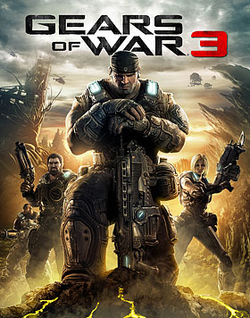
Gears of War 3 was one of the most anticipated games of 2011, and it lived up to the hype. The game’s marketing campaign generated significant buzz in the gaming community, with trailers and gameplay demos showcasing its stunning visuals and intense action. The anticipation surrounding the release was palpable, and when the game finally arrived, it was met with widespread critical acclaim and strong sales. The game became a cultural phenomenon, solidifying its place as a classic of the Xbox 360 era.
Conclusion: The Future of Gears of War 3
Gears of War 3 remains a landmark achievement in third-person shooter design. Its combination of stunning visuals, intense action, and compelling storytelling set a new standard for the genre. While The Coalition has since continued the franchise with Gears of War 4 and 5, Gears of War 3 holds a special place in gaming history as the definitive conclusion to Marcus Fenix’s story.
Its legacy continues to inspire developers and captivate players even today.
Source: Wikipedia


