Introduction: The Next Chapter for Gears of War 2
Gears of War 2, released in 2008, wasn’s just a sequel; it was a statement. Building upon the foundation laid by its predecessor, Epic Games delivered a refined and expanded experience that solidified the franchise’s place as a cornerstone of third-person shooters. This Masterclass Deep-Dive will dissect every facet of Gears of War 2, from its groundbreaking Unreal Engine 3 implementation to its compelling narrative and unforgettable gameplay moments. We’re going beyond surface level; we’re exploring the technical innovations, design choices, and community impact that made this game a true classic.
Visual Direction and Graphics Engineering
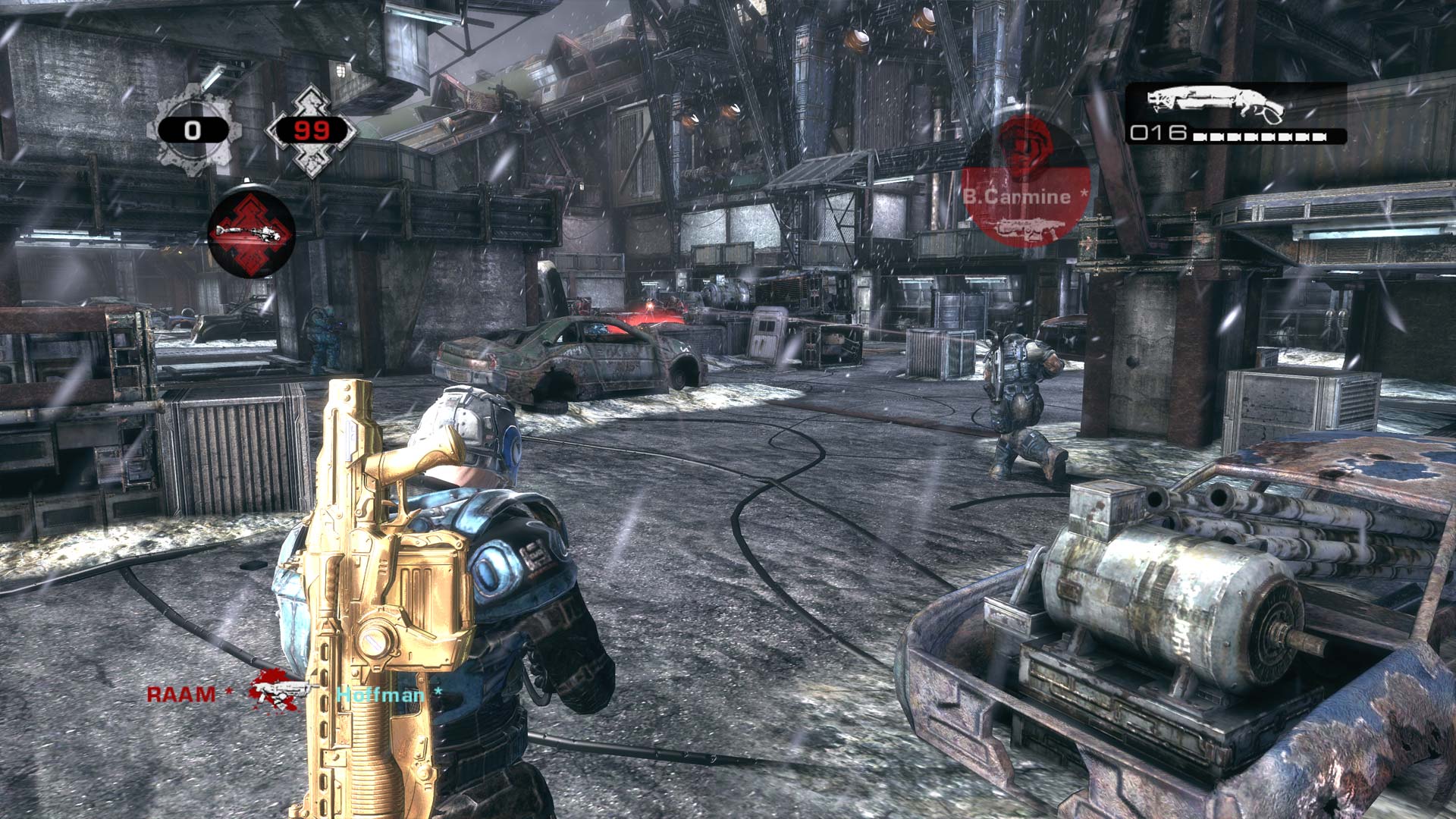
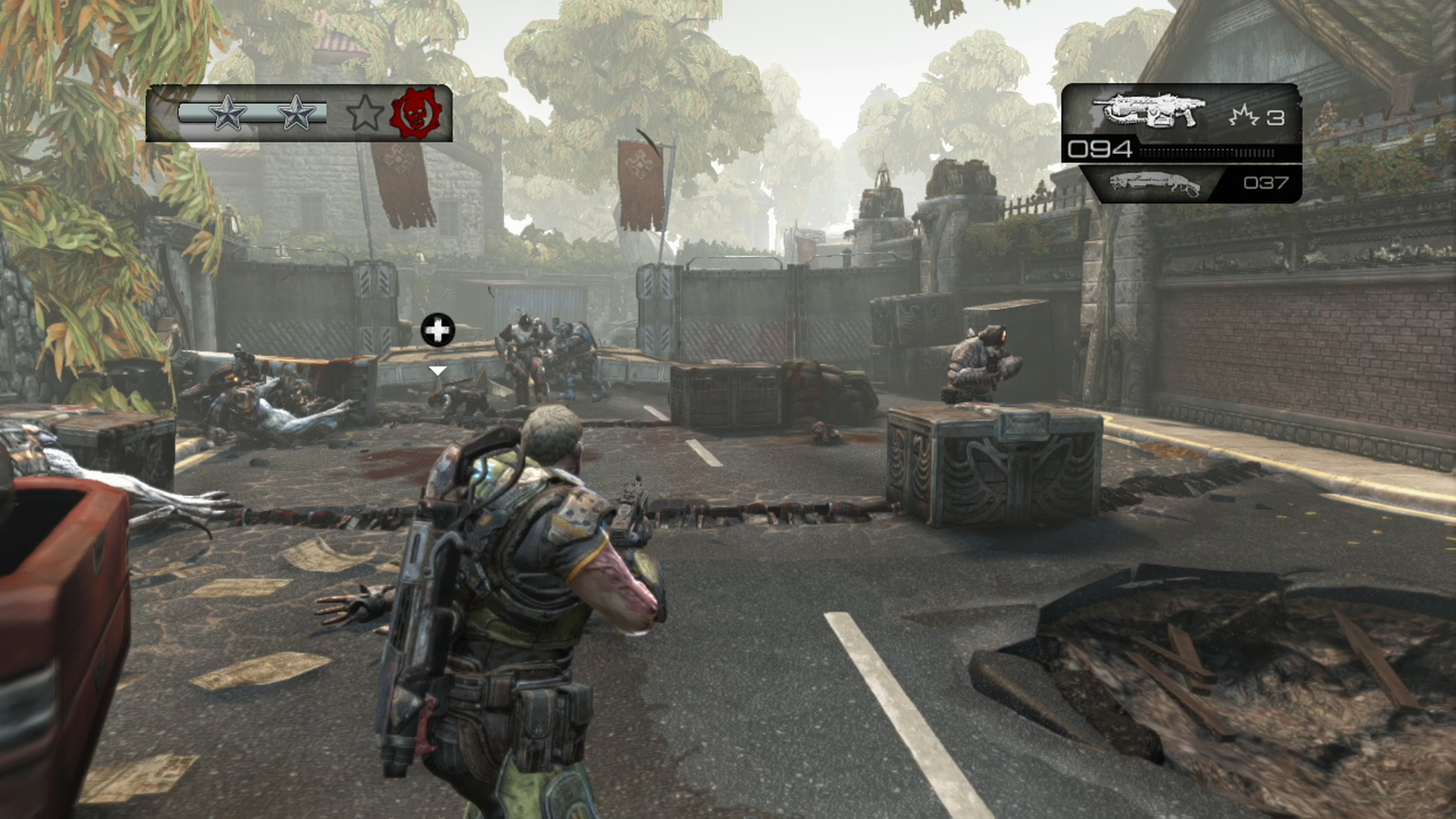
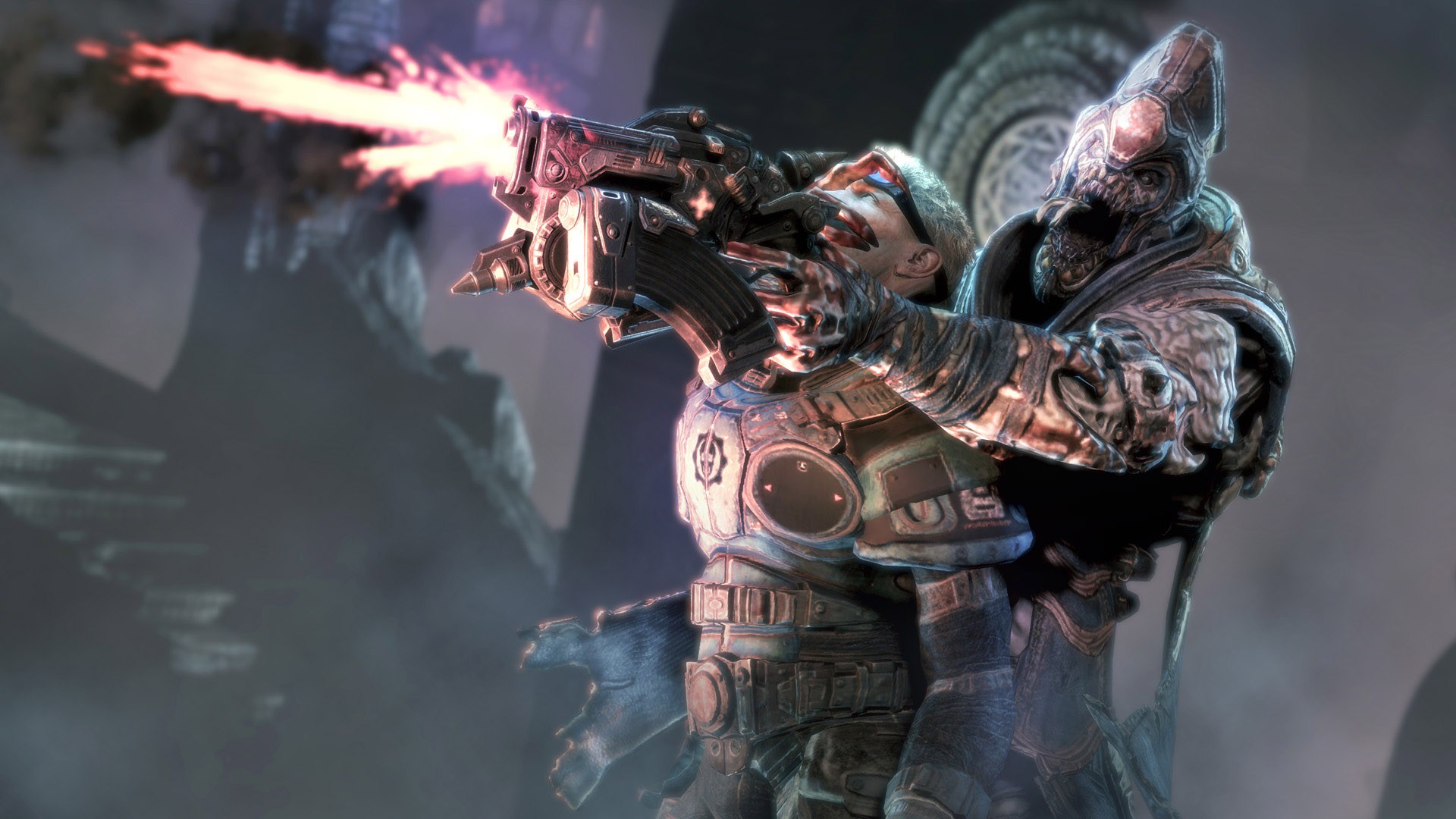
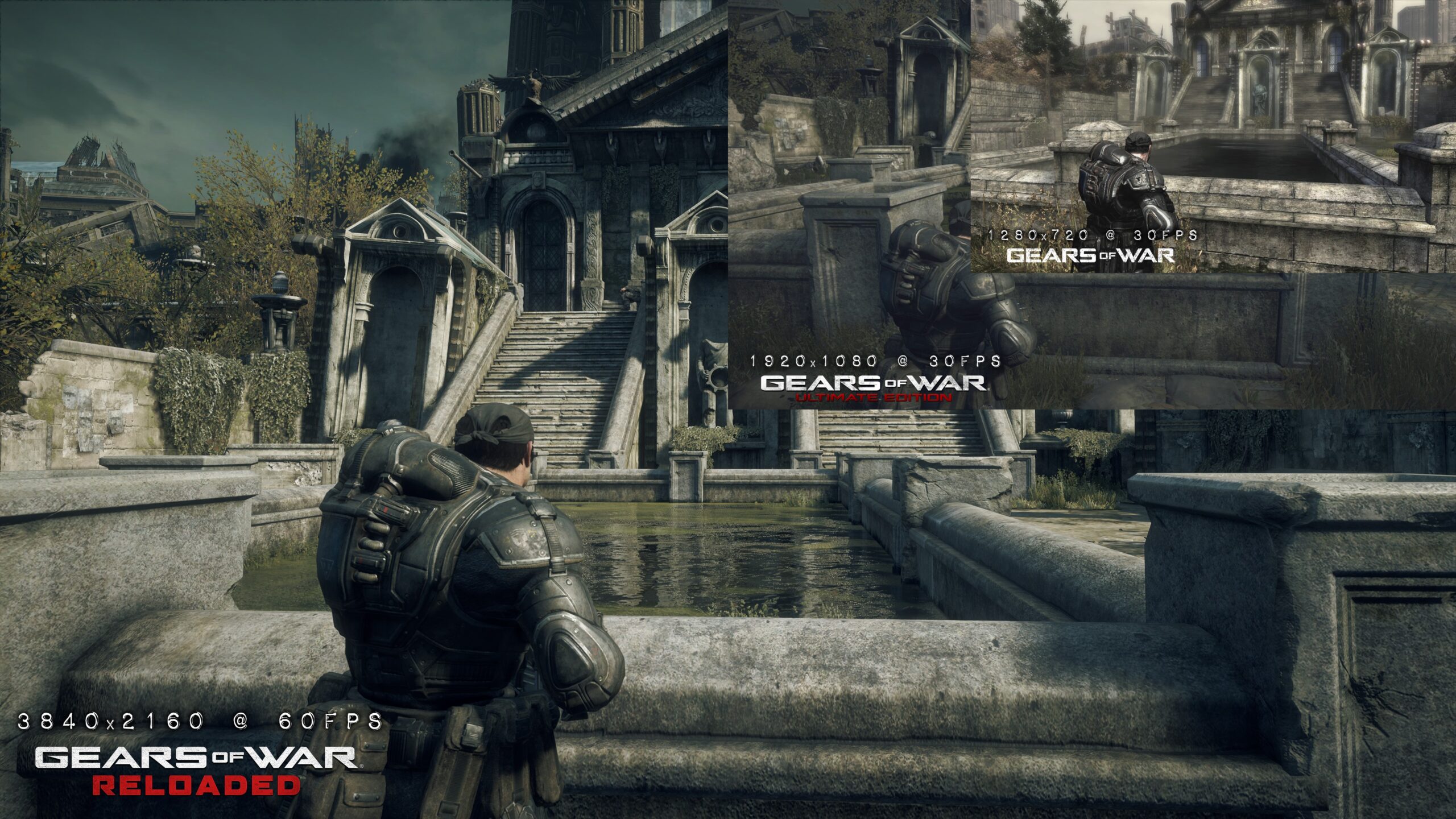
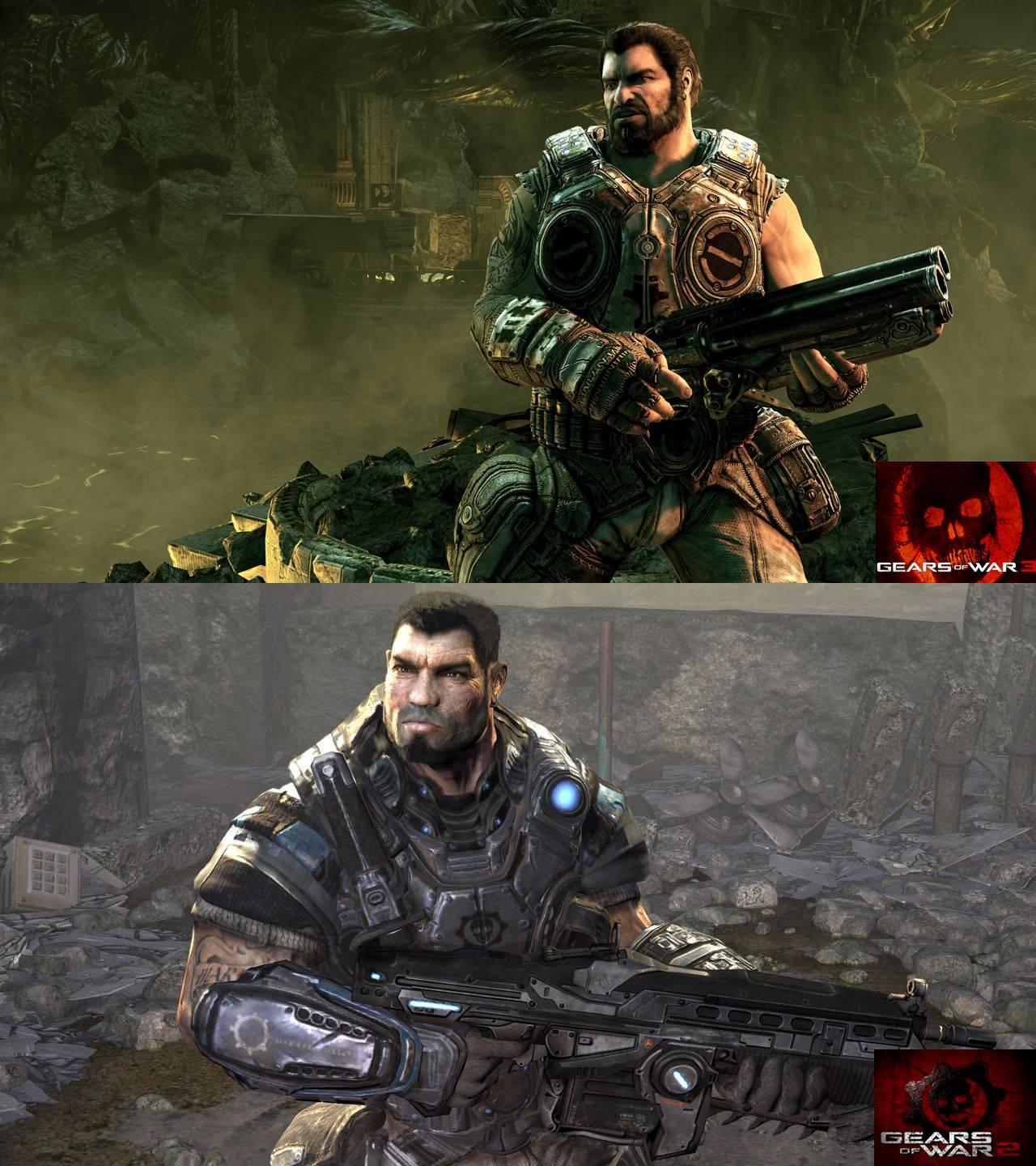
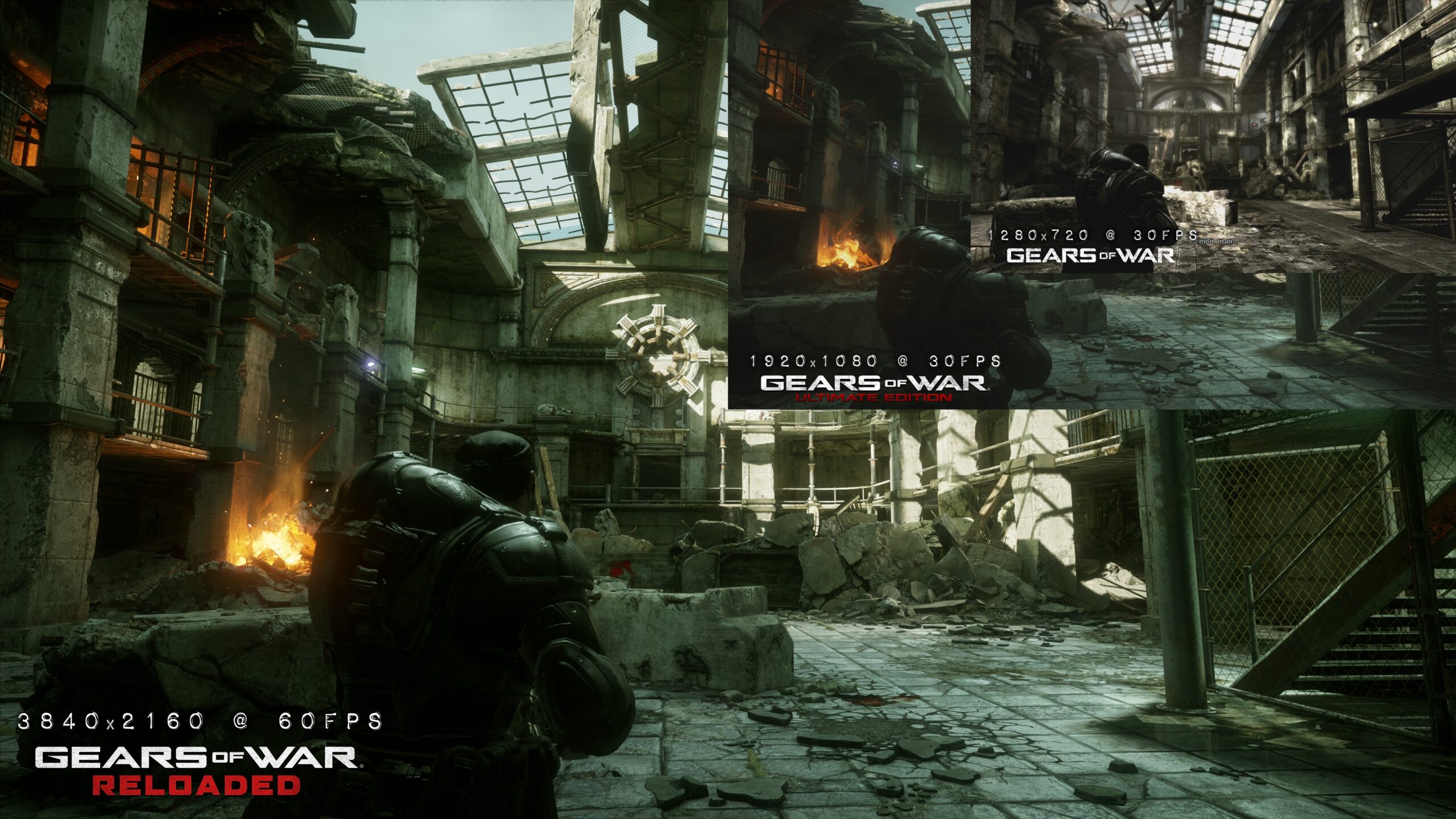
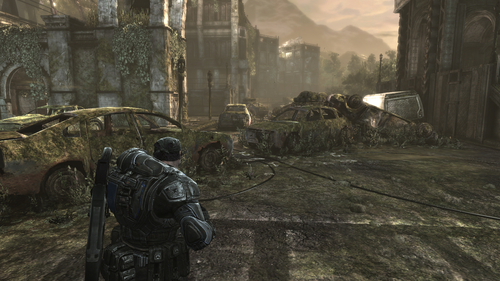
Gears of War 2 represented a significant leap forward in visual fidelity for the Xbox 360. While built upon the Unreal Engine 3, Epic Games meticulously optimized and enhanced the engine to push the hardware to its limits. The result was a world that felt both gritty and breathtakingly detailed. Character models were more expressive, environments were richer, and lighting effects created an unparalleled sense of atmosphere. This commitment to visual excellence wasn’t just about aesthetics; it served to immerse players deeper into the war-torn landscape of Sera. The game also introduced new graphical features like improved particle effects and dynamic shadows, further enhancing the overall experience.
Gameplay Mechanics and Core Systems
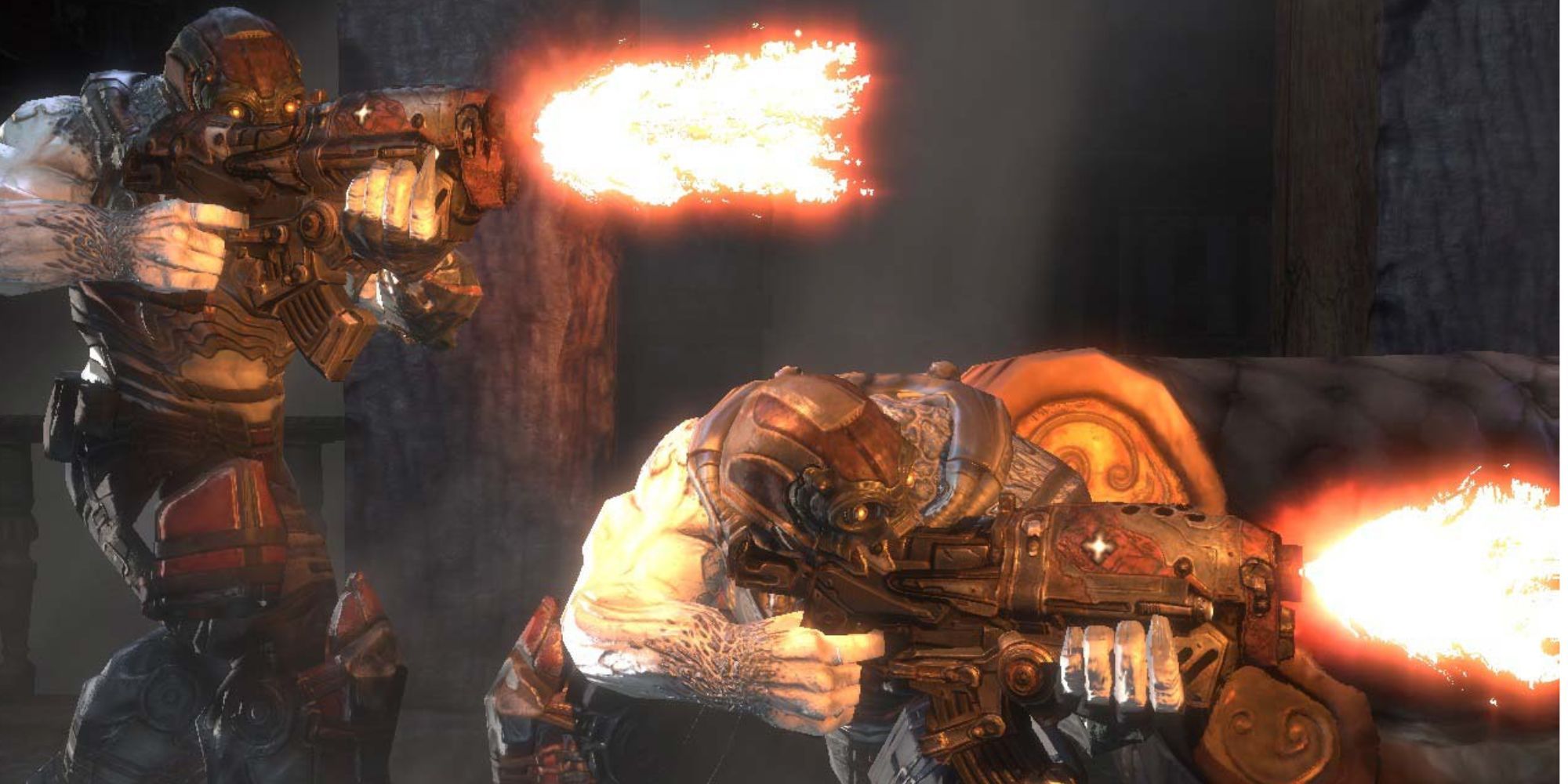
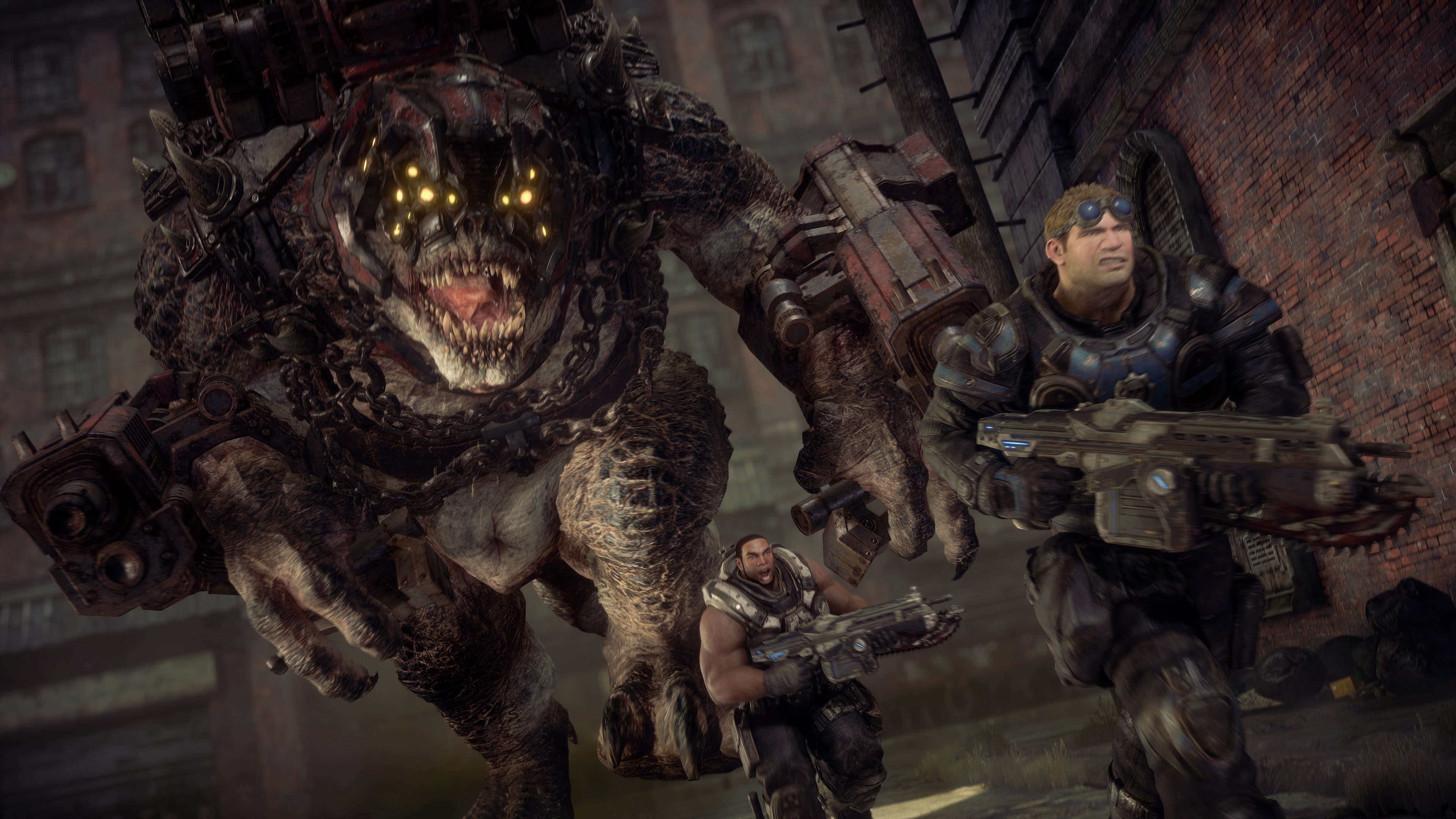
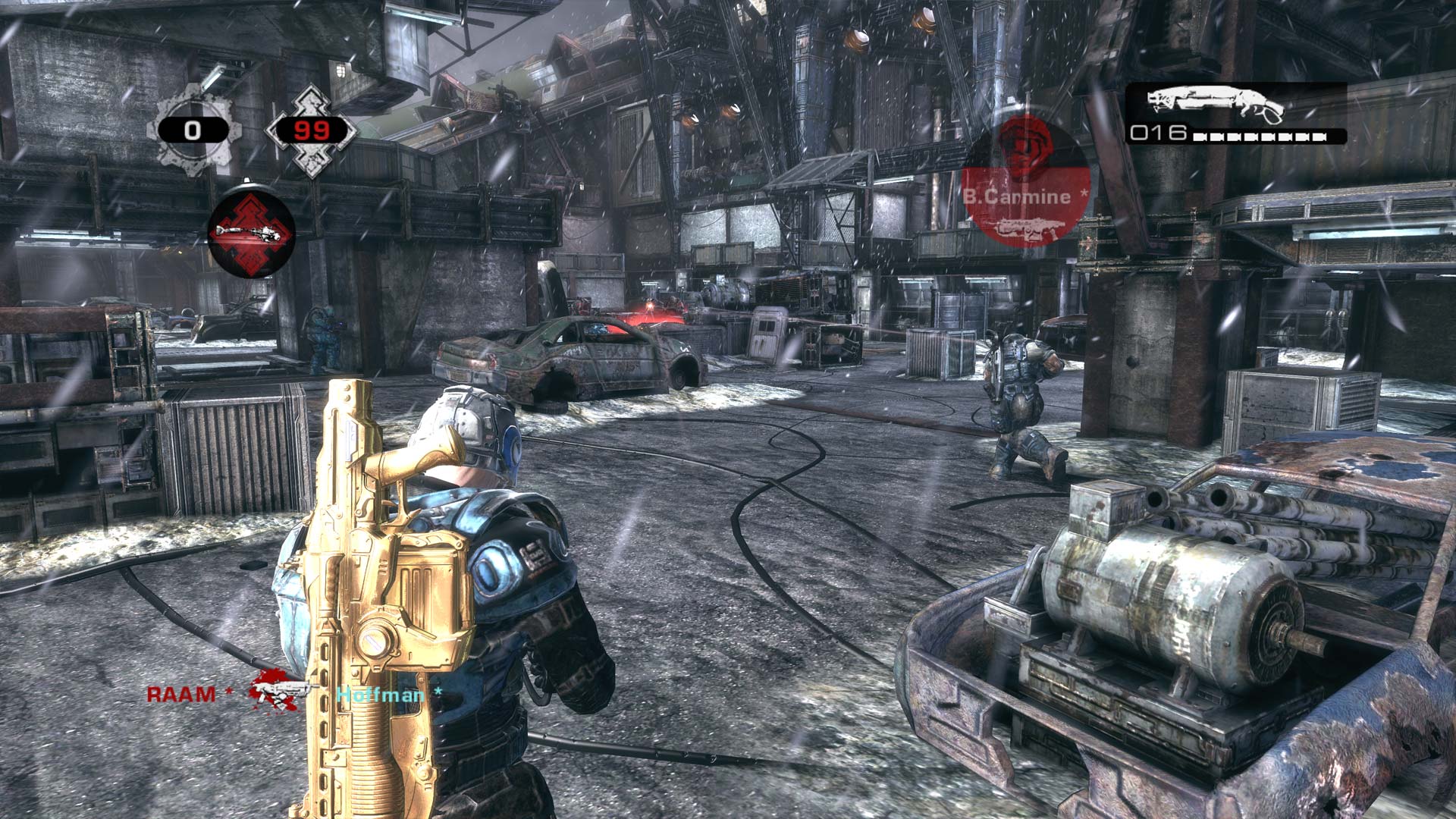
The core gameplay loop of Gears of War 2 remained faithful to its predecessor: cover-based shooting with a focus on tactical positioning and brutal melee combat. However, Epic Games refined existing mechanics and introduced new ones to keep the gameplay fresh and engaging. The Active Reload system returned, demanding precise timing for maximum effectiveness. New enemy types added further complexity to encounters, requiring players to adapt their strategies. The introduction of the “Hammer of Dawn” weapon provided a devastatingly effective tool against Locust hordes, adding another layer of tactical depth.
Level Design and World Atmosphere
The level design in Gears of War 2 was masterful, guiding players through diverse environments ranging from claustrophobic underground tunnels to expansive desert landscapes. Each location felt meticulously crafted, contributing to the overall sense of immersion. The game’s atmosphere was palpable, a constant reminder of the war’s devastating impact on Sera. From the crumbling architecture to the haunting soundscapes, every detail worked together to create a truly unforgettable experience.
Narrative Depth and Character Profiles
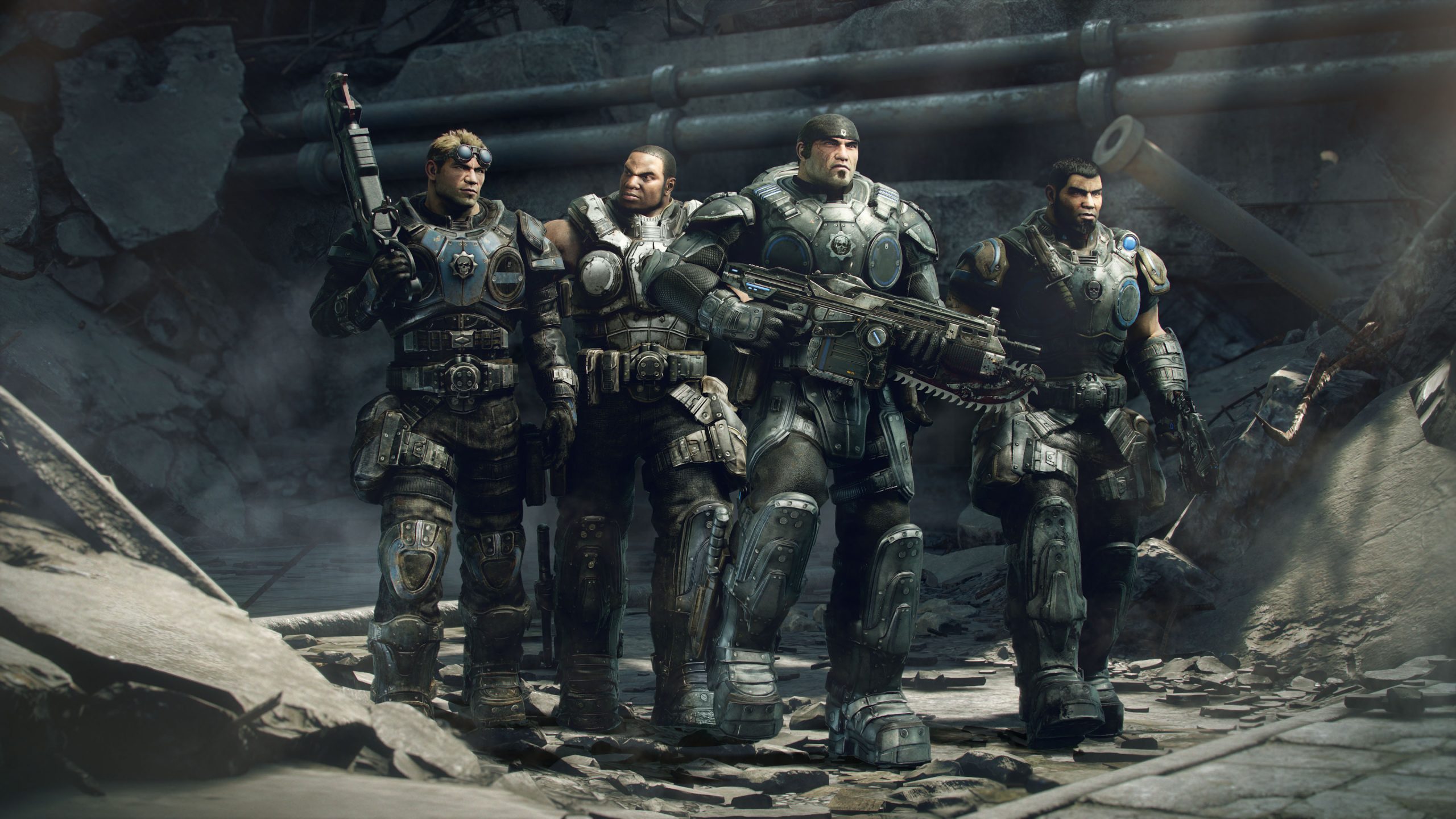
While the gameplay was undoubtedly a highlight, Gears of War 2 also delivered a compelling narrative that expanded upon the lore established in the first game. The story focused on Marcus Fenix’s desperate mission to prevent the Locust from sinking Insurrection cities, forcing him to confront his past and forge new alliances. Characters like Dominic Santiago played a more prominent role, adding emotional depth to the experience.
Sound Design and Acoustic Realism
The sound design in Gears of War 2 was nothing short of exceptional. From the guttural roars of the Locust enemies to the satisfying thud of a chainsaw execution, every sound effect felt impactful and visceral. The game’s soundtrack, composed by Steve Jablonsky, perfectly complemented the on-screen action, creating an atmosphere of tension and excitement.
Release Expectations and Community Hype
The anticipation for Gears of War 2 was immense. Building upon the success of the original, Epic Games had set a high bar for themselves. The marketing campaign generated significant buzz, promising a bigger, bolder, and more brutal experience. When the game finally launched, it exceeded expectations, quickly becoming a critical and commercial success.
Conclusion: The Future of Gears of War 2
Gears of War 2 remains a landmark achievement in gaming history. Its technical innovations, compelling gameplay, and unforgettable characters have left an indelible mark on the industry. While time has passed, its influence can still be felt in modern shooters. It’s a testament to the power of vision, execution, and a deep understanding of what makes games truly special.

Source: Wikipedia