Introduction: The Next Chapter for Firewatch
Firewatch, a first-person adventure game developed by Campo Santo and published in partnership with Panic, arrived on the scene in 2016 to critical acclaim. More than just a game, it’s an experience – a journey into the heart of the Wyoming wilderness, guided by your own choices and the voice of Delilah, your supervisor back at base camp. This Masterclass Deep-Dive will dissect Firewatch, exploring its technical underpinnings, artistic vision, and lasting impact on the gaming landscape. We’ll examine how Campo Santo leveraged the Unity engine to create a world that feels both beautiful and unsettling, and how they crafted a narrative that resonates long after the credits roll.
Visual Direction and Graphics Engineering
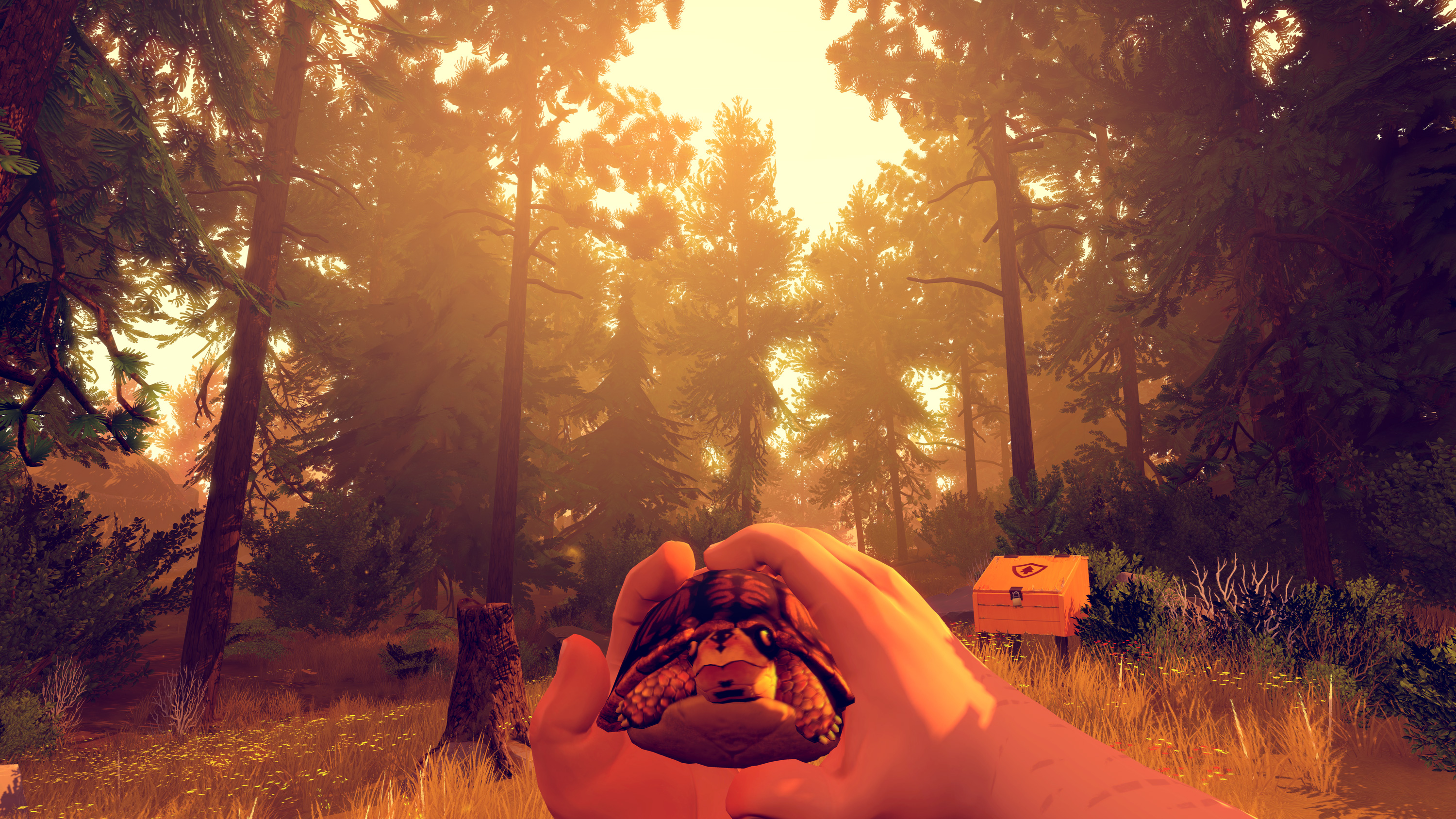
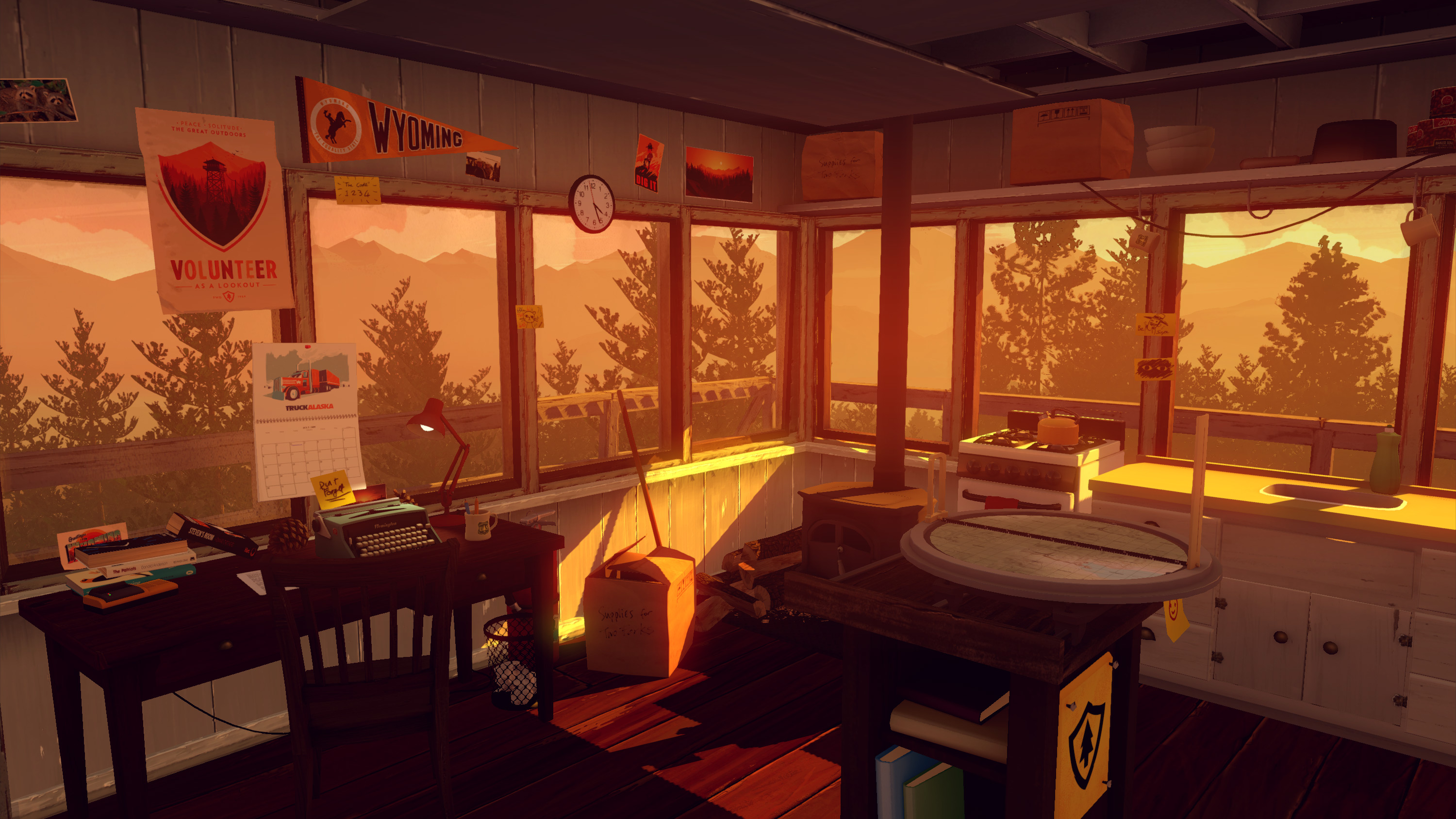
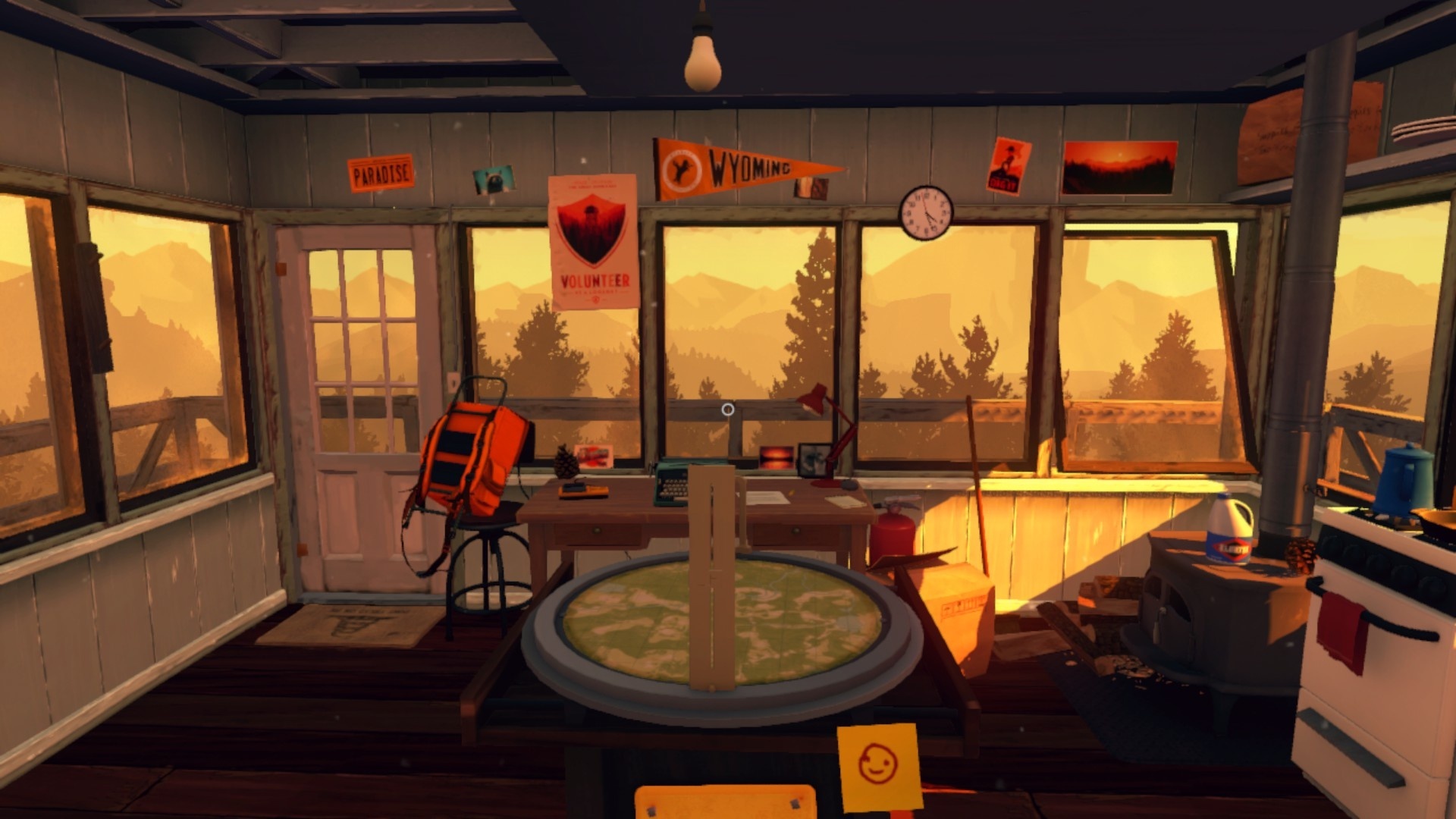
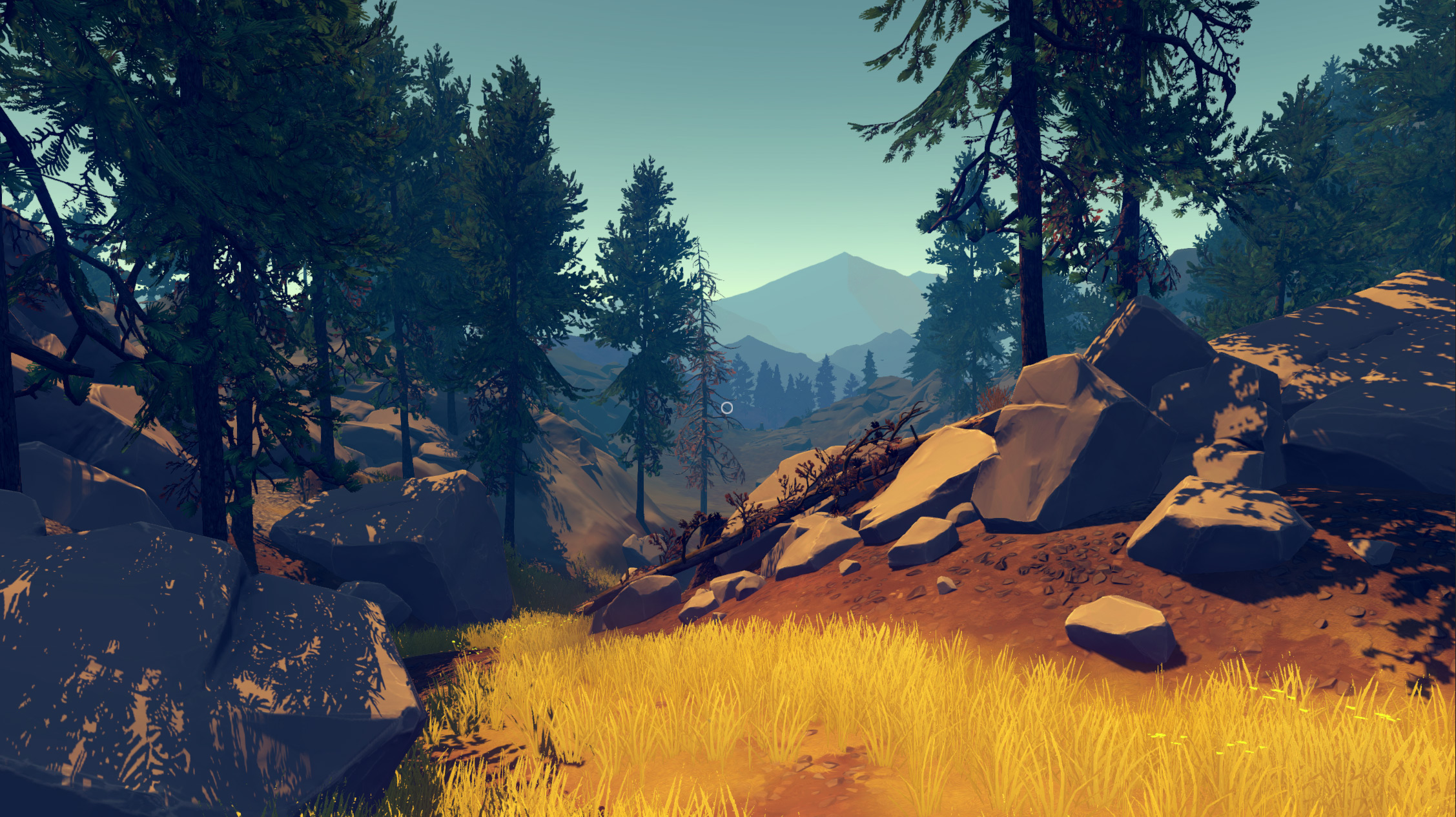
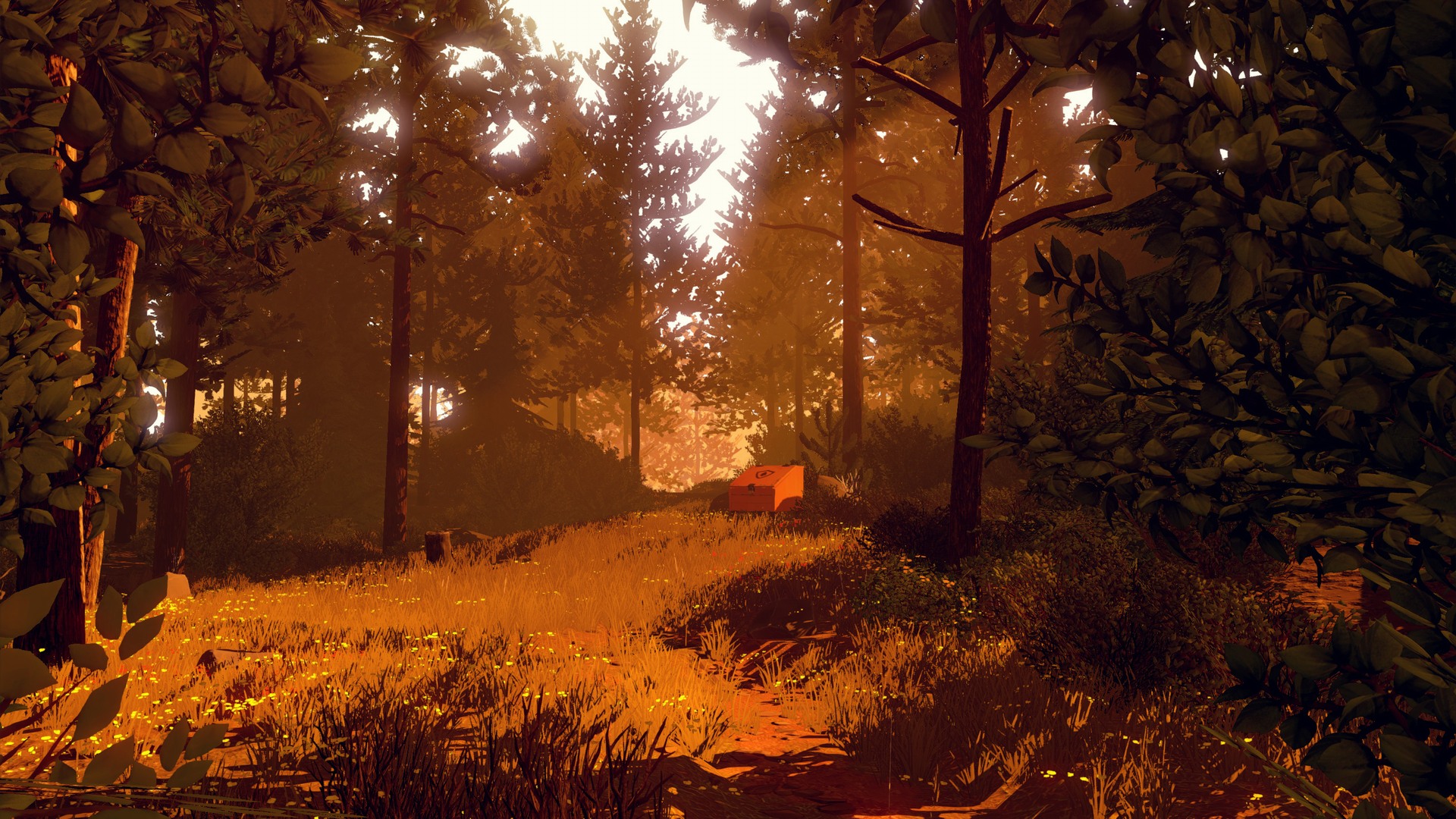
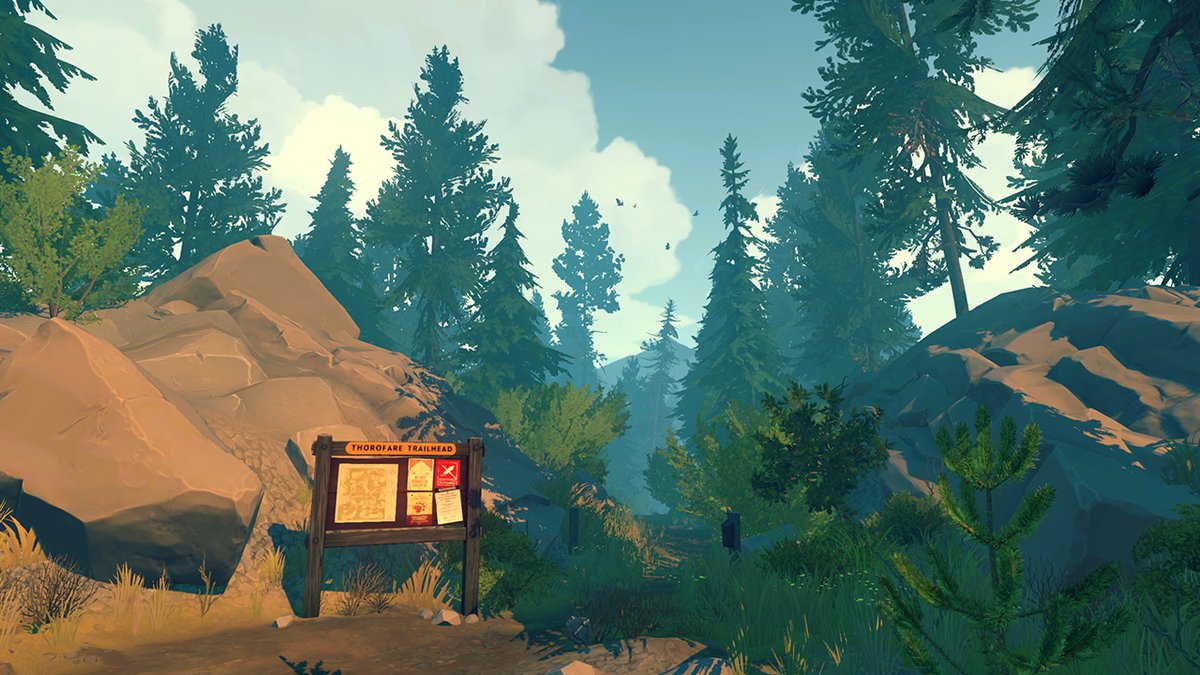
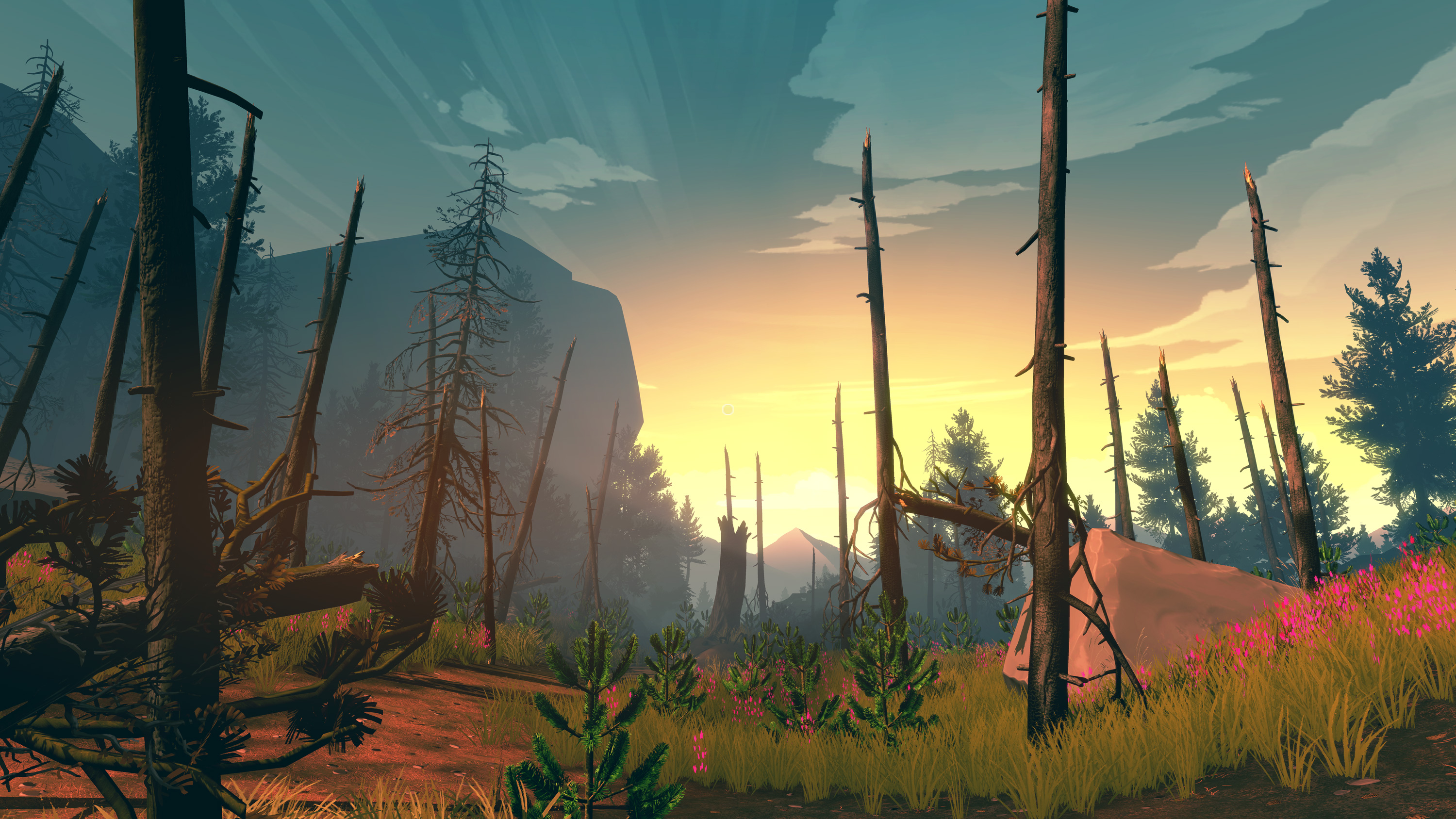
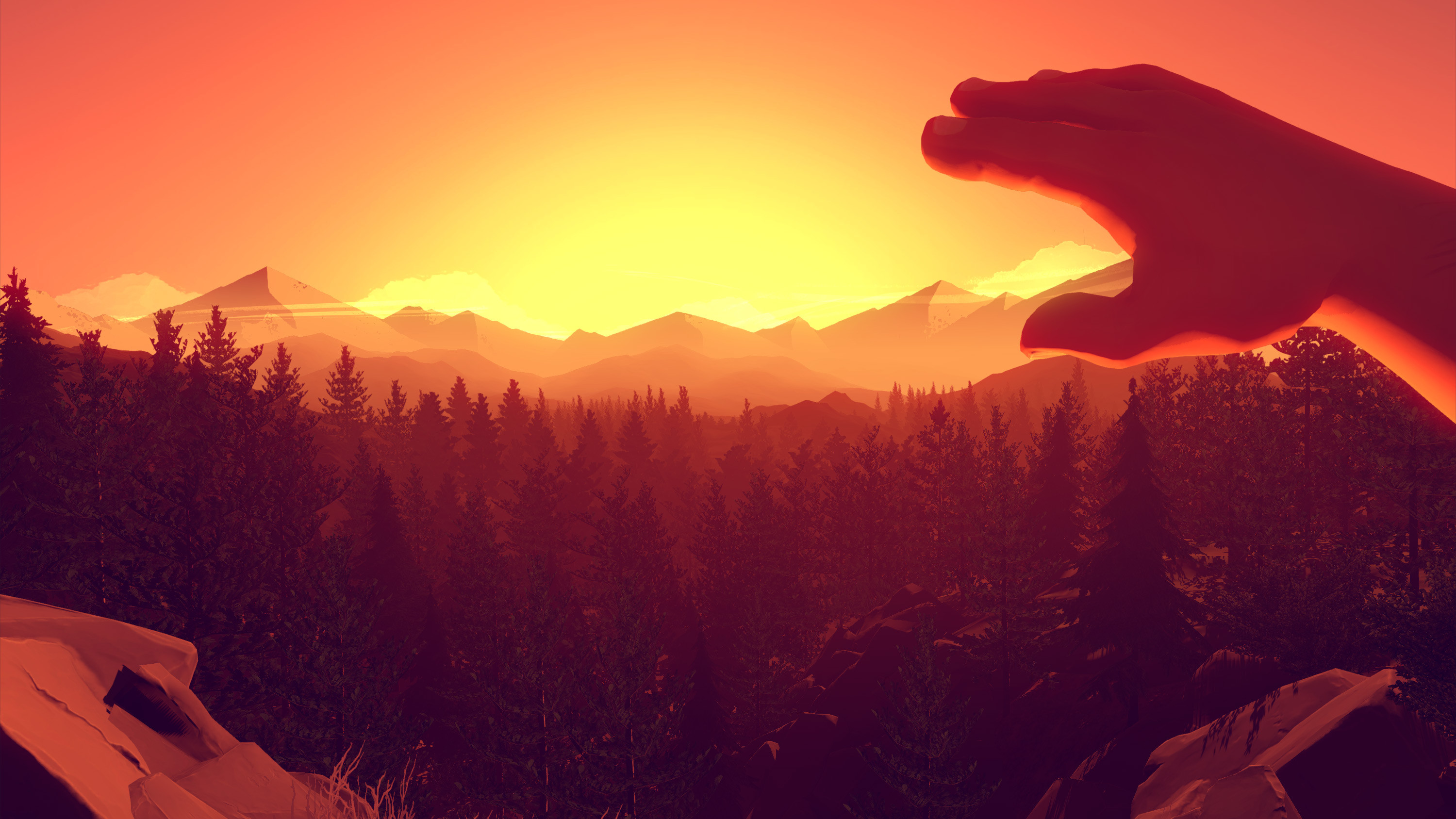
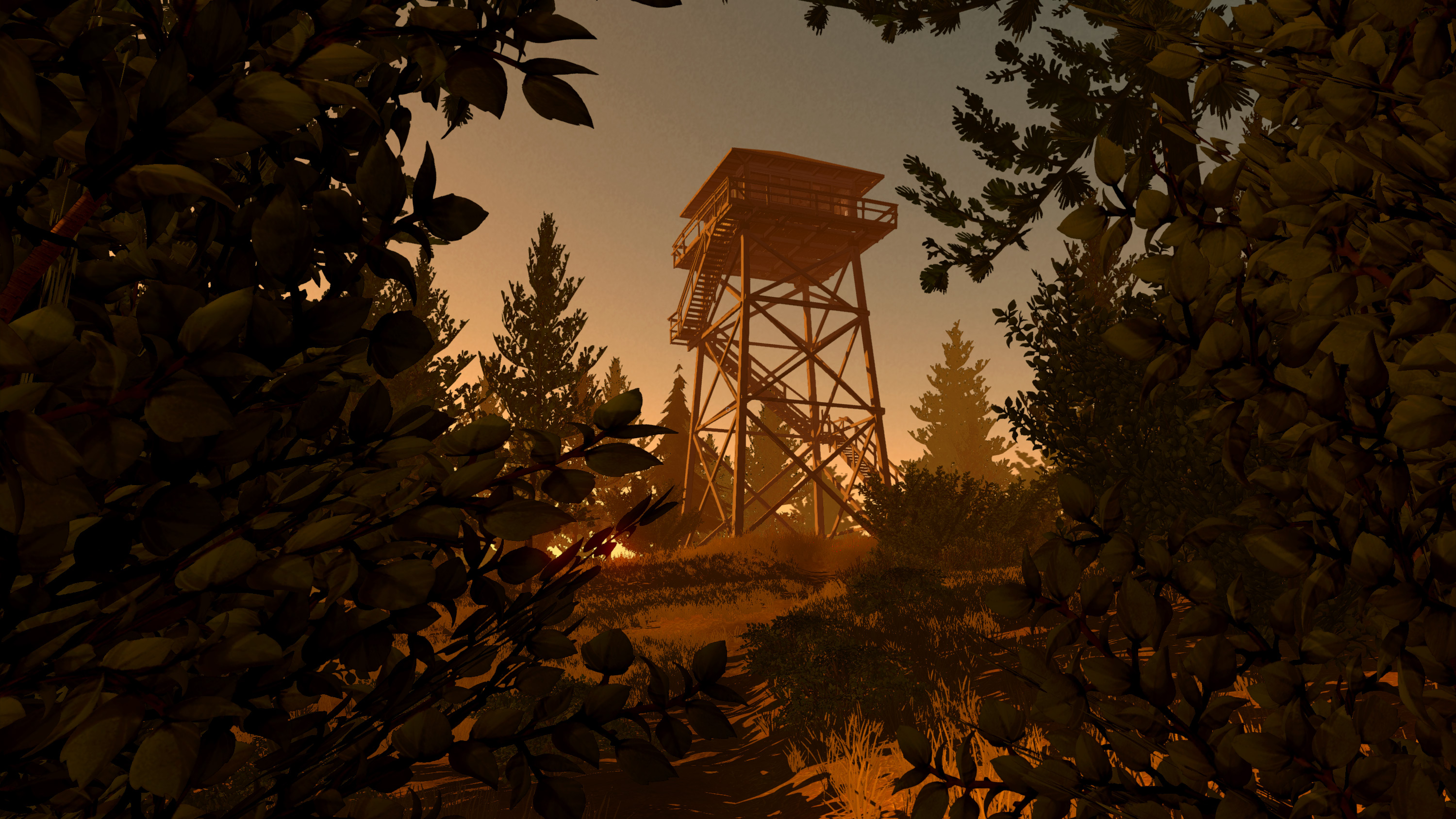
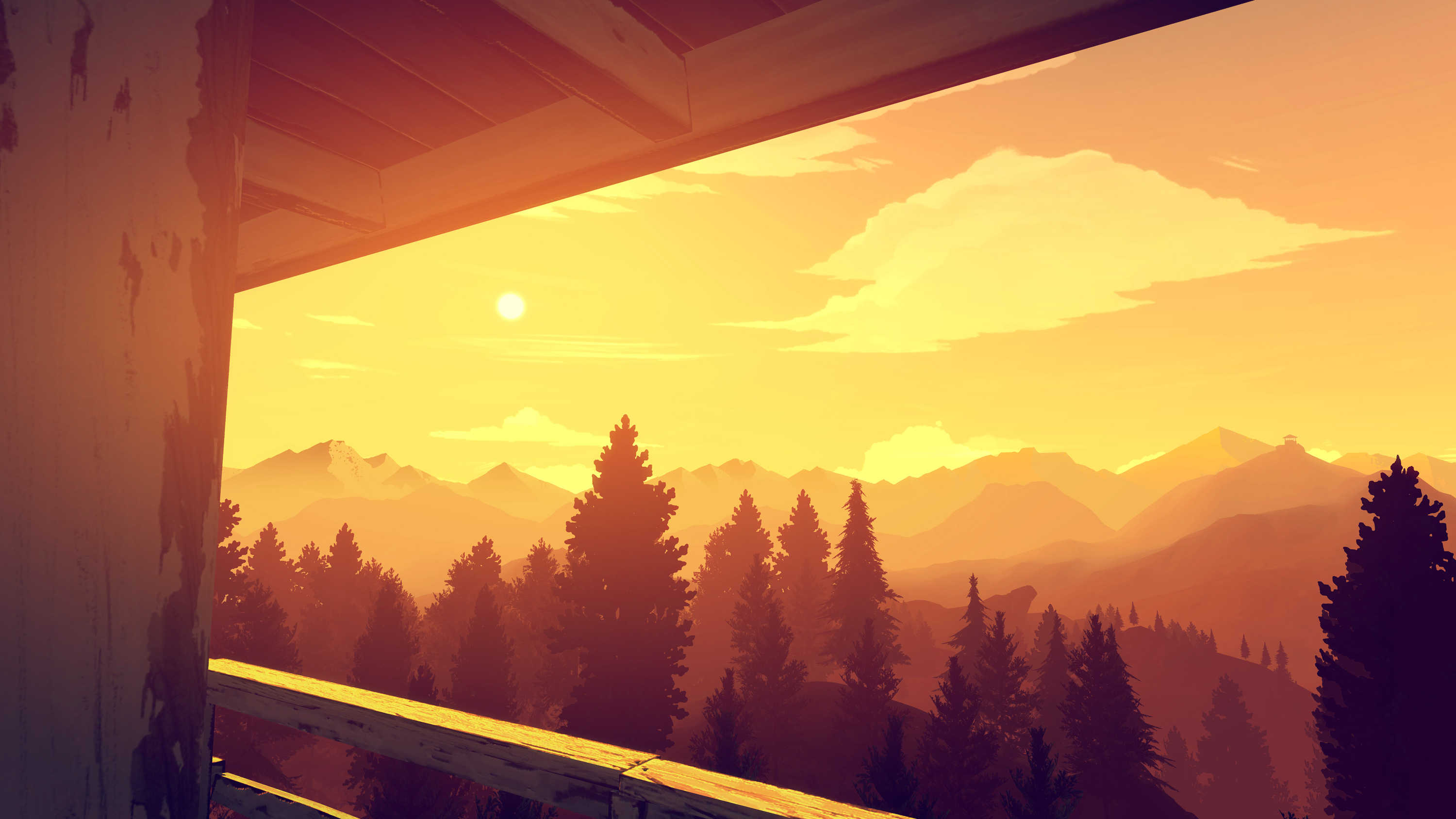
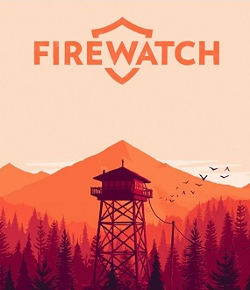
Firewatch’s visual style is immediately striking. The game utilizes a stylized aesthetic, drawing inspiration from classic adventure games while maintaining a level of graphical fidelity suitable for modern platforms. The art direction, spearheaded by Olly Moss, emphasizes the vastness and isolation of the Shoshone National Forest. While not pushing the boundaries of photorealism, the game’s strength lies in its carefully crafted environments and color palettes, which evoke a sense of both tranquility and unease. Campo Santo, leveraging Unity’s capabilities, optimized the game for a wide range of hardware, ensuring accessibility without sacrificing visual appeal. The use of lighting and shadow plays a crucial role in creating atmosphere, often hinting at unseen dangers lurking just beyond the player’s view.
Gameplay Mechanics and Core Systems
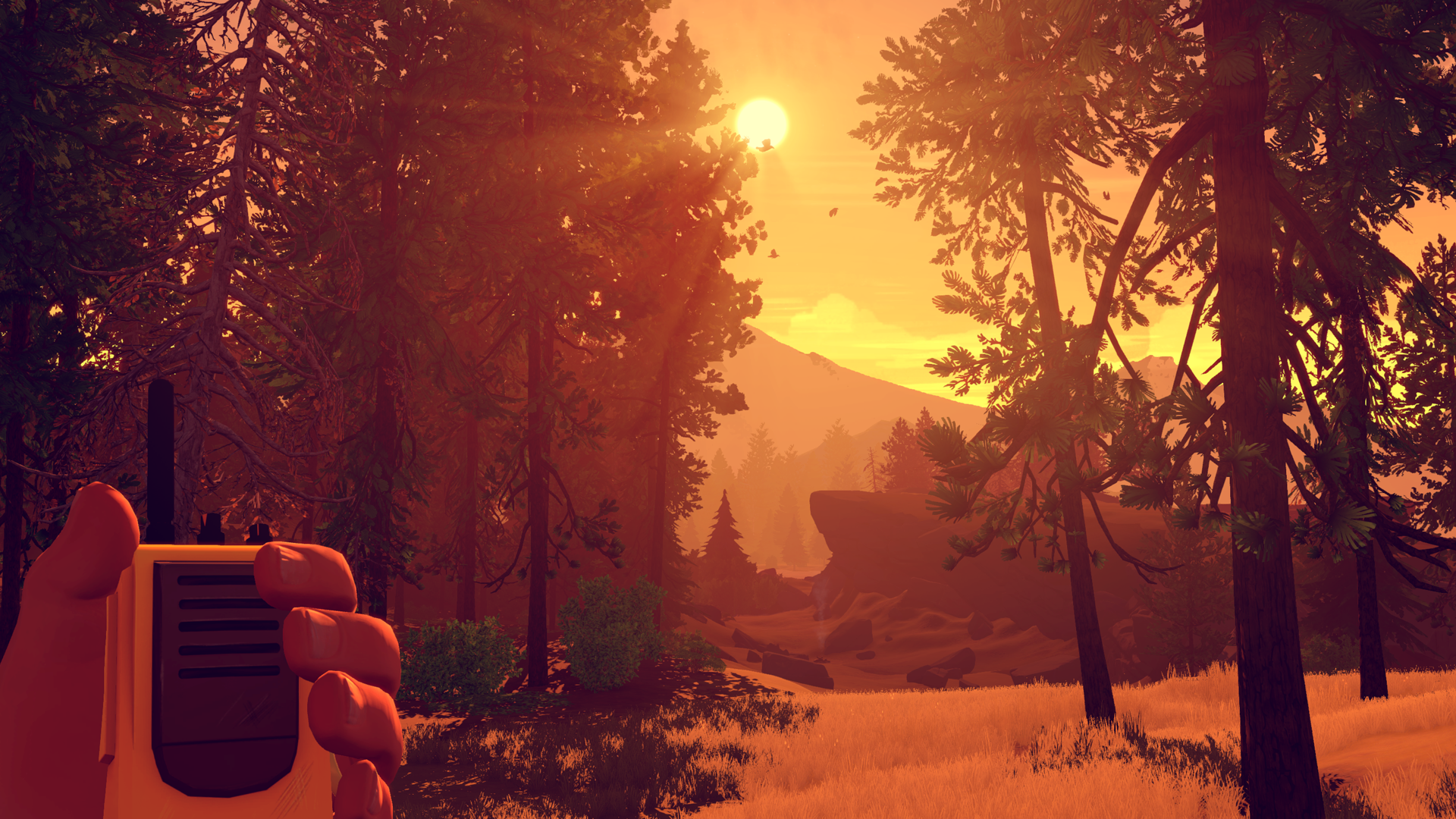
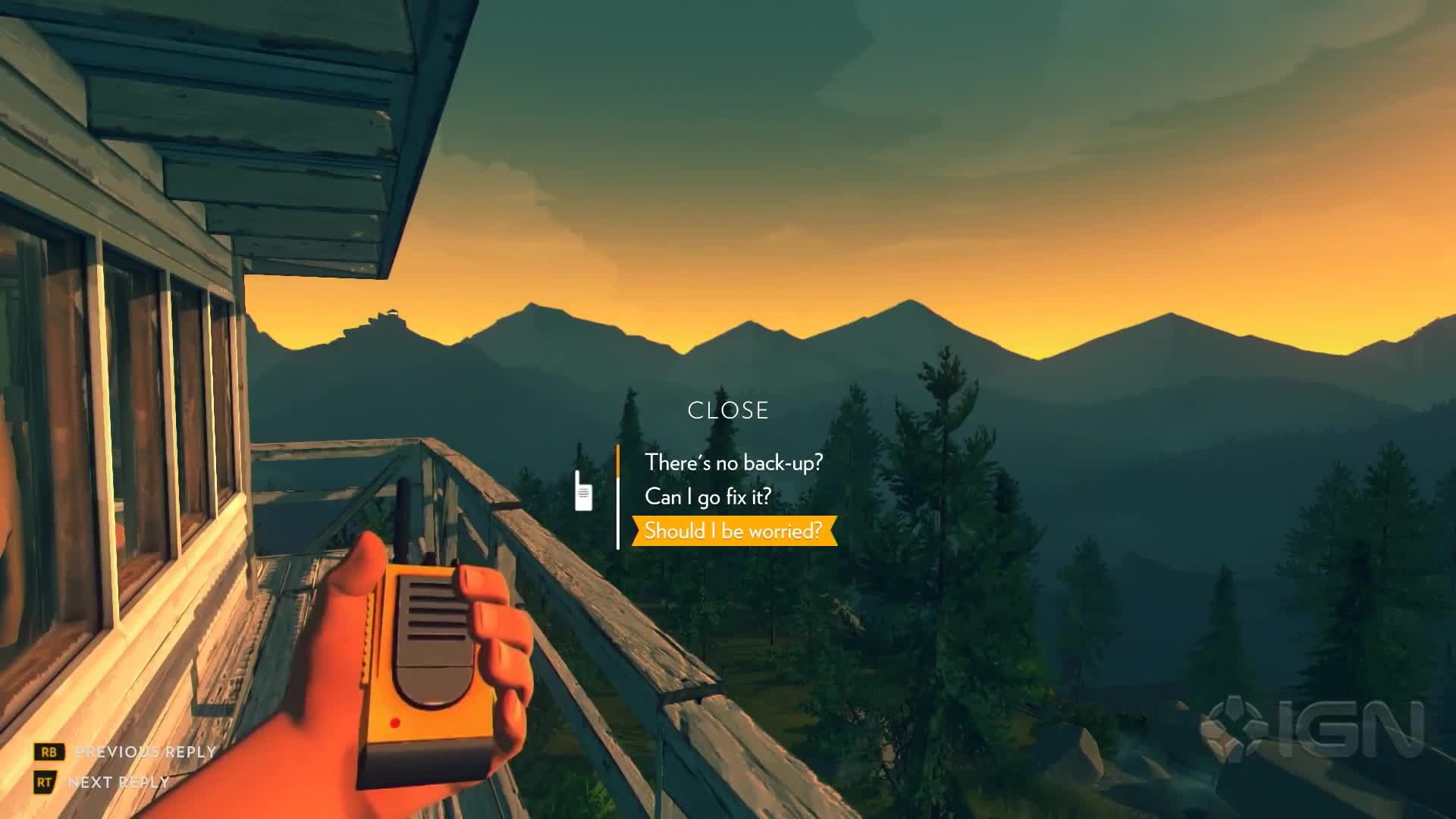
Firewatch is primarily driven by exploration and dialogue. There are no traditional combat mechanics; instead, players must rely on their wits and problem-solving skills to navigate the environment and uncover its secrets. The core gameplay loop revolves around receiving instructions from Delilah via walkie-talkie, exploring the surrounding area, discovering clues, and reporting back. The game’s pacing is deliberate, encouraging players to soak in the atmosphere and appreciate the beauty of the wilderness. While seemingly simple, the interaction with Delilah forms the backbone of the gameplay experience, shaping both the narrative and the player’s emotional connection to the world.
Level Design and World Atmosphere
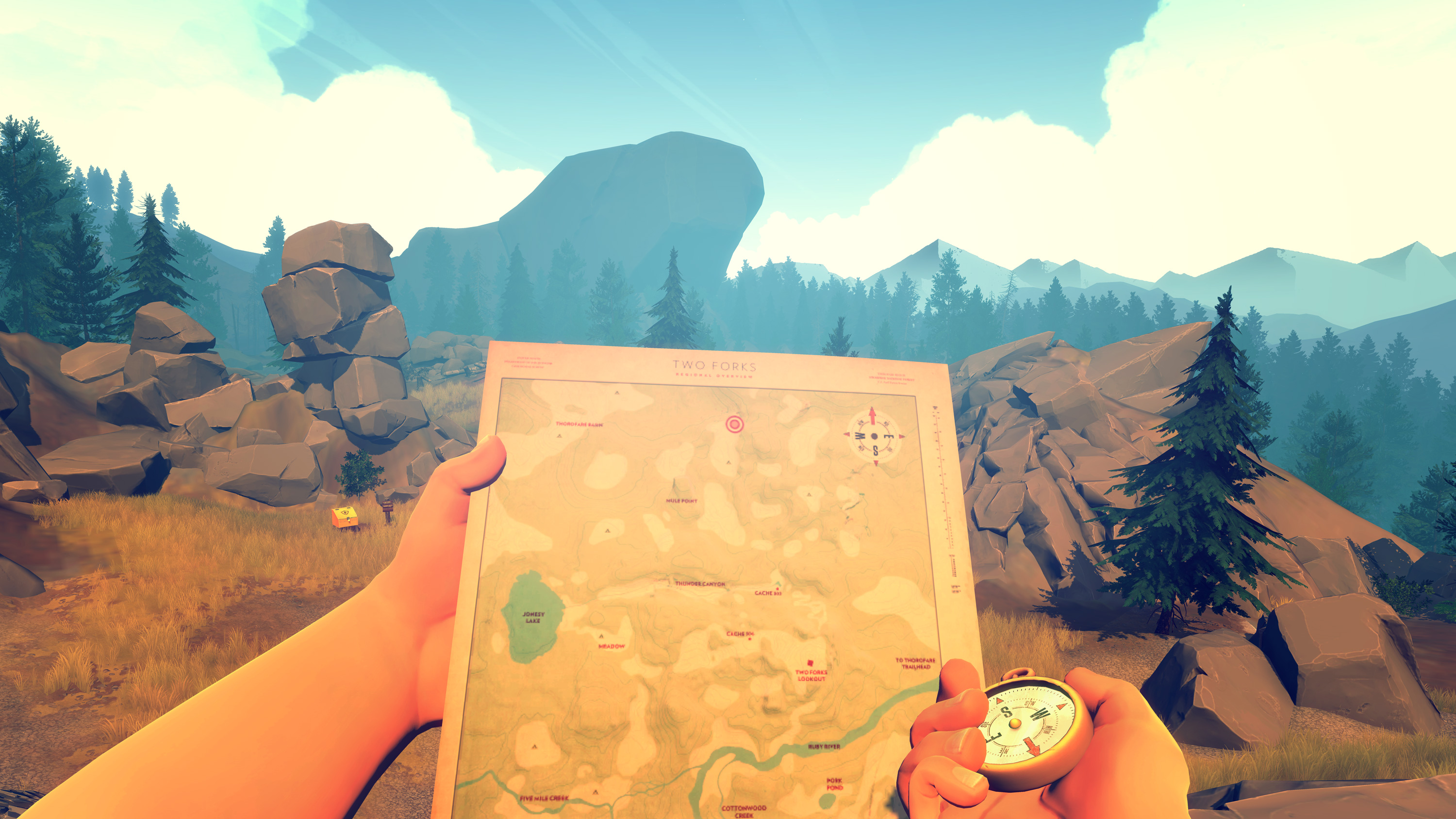
The level design in Firewatch is masterful, guiding players through a series of interconnected areas within the Shoshone National Forest. Each location is meticulously crafted, offering unique visual landmarks and environmental puzzles. The game utilizes a combination of open spaces and claustrophobic environments to create a sense of both freedom and vulnerability. The use of verticality adds another layer of complexity to the exploration, encouraging players to climb trees and scale cliffs to gain a better view of their surroundings. The world feels alive, with subtle details like rustling leaves and distant animal sounds adding to the immersive experience.
Narrative Depth and Character Profiles
Firewatch’s narrative is its strongest asset. The story unfolds gradually, revealing layers of mystery and intrigue as players progress through the game. The relationship between Henry, the player character, and Delilah is central to the narrative, evolving over time through their interactions via walkie-talkie. The voice acting is superb, bringing depth and nuance to the characters.
The story explores themes of isolation, loss, and redemption, resonating with players on an emotional level. The choices players make in dialogue shape the direction of the narrative, leading to multiple possible outcomes.
Sound Design and Acoustic Realism
The sound design in Firewatch is exceptional, playing a crucial role in creating atmosphere and enhancing immersion. The ambient sounds of the forest – birdsong, wind rustling through trees, distant animal calls – create a sense of realism that draws players into the world. The crackle of the walkie-talkie adds to the feeling of isolation, while the music is used sparingly but effectively to heighten emotional moments. The sound design team meticulously crafted each audio cue to contribute to the overall experience, creating a truly immersive and unforgettable auditory landscape.
Release Expectations and Community Hype
Prior to its release, Firewatch generated significant buzz within the gaming community. Campo Santo, known for their previous work on indie hits like “Monday Night Combat,” had built a reputation for innovation and quality. The game’s unique premise, stunning visuals, and promise of a compelling narrative piqued the interest of players eager for a fresh and engaging experience. The release was met with widespread acclaim, solidifying Firewatch’s place as a must-play title for fans of adventure games and narrative-driven experiences.
Conclusion: The Future of Firewatch
Firewatch remains a landmark achievement in game design, demonstrating the power of storytelling and atmosphere to create a truly unforgettable experience. Its success paved the way for other narrative-driven indie titles, inspiring developers to push the boundaries of interactive storytelling. While not without its technical limitations inherent to the Unity engine at the time, Firewatch’s artistic vision and compelling gameplay have ensured its lasting legacy. It serves as a testament to the power of independent game development and the enduring appeal of well-crafted stories set in breathtaking environments.
Source: Wikipedia