Introduction: The Next Chapter for Fire Emblem: Thracia 776
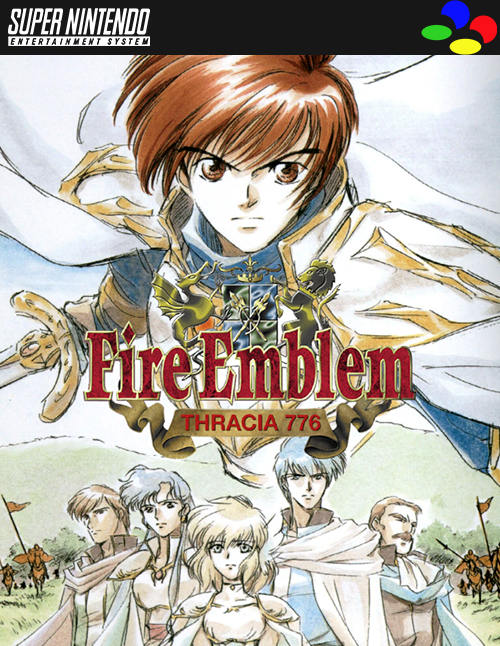
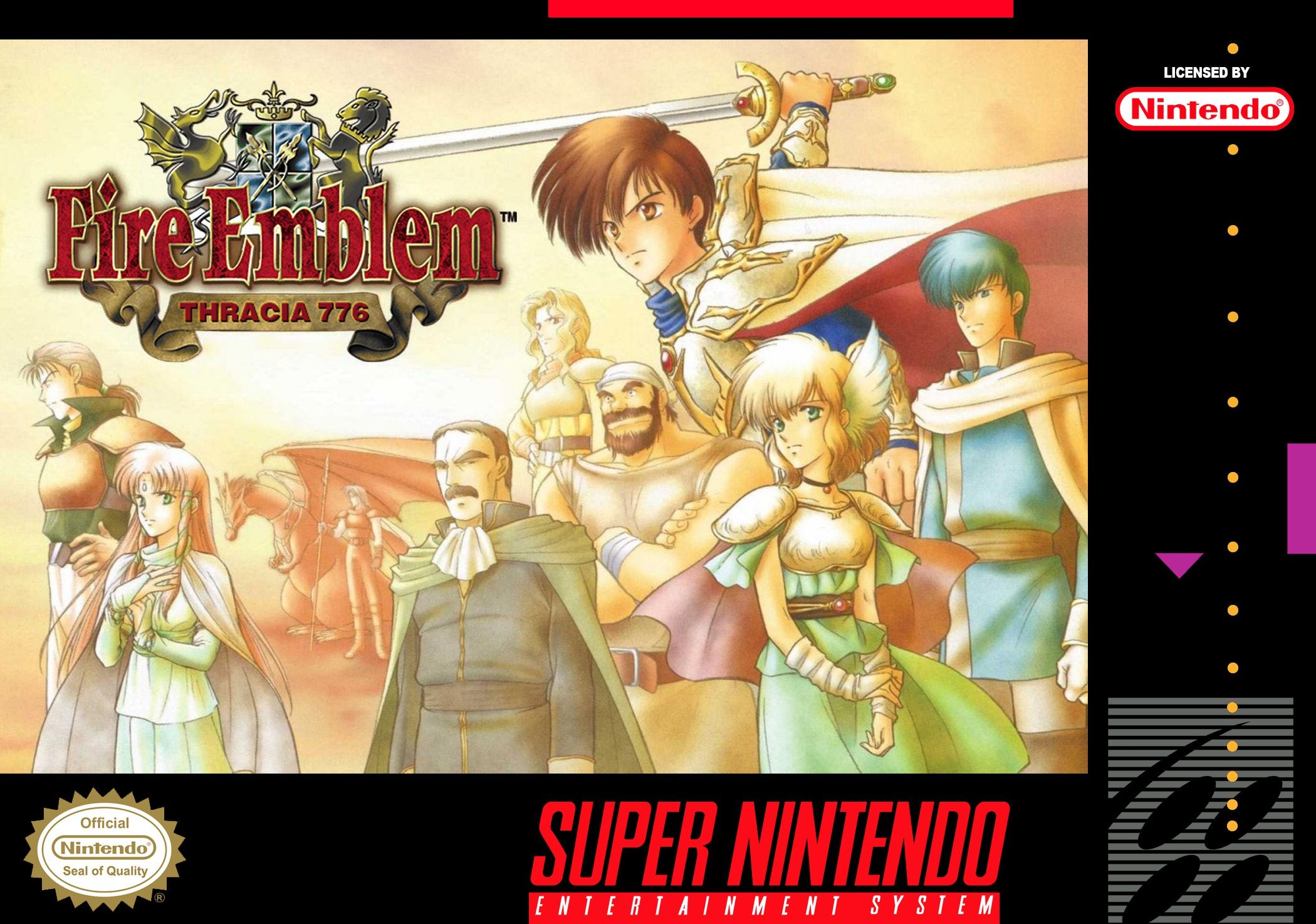
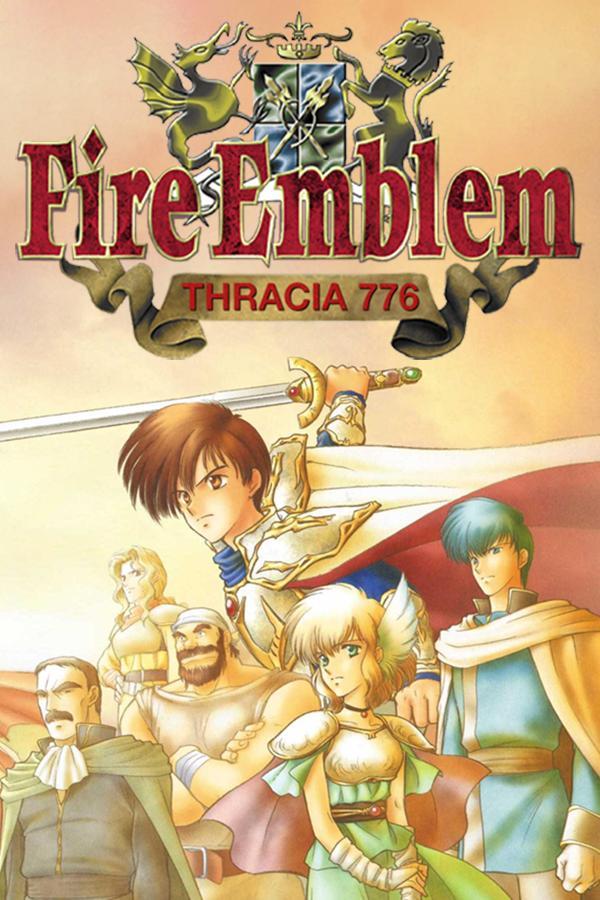
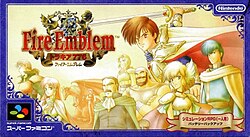
Fire Emblem: Thracia 776, a title etched in the memories of Super Famicom enthusiasts, represents more than just another installment in Intelligent Systems’ acclaimed tactical RPG series. Released initially through the Nintendo Power flash cartridge and later as a ROM cartridge, it stands as a unique blend of classic Fire Emblem gameplay with innovative features that pushed the boundaries of what was possible on the aging hardware. This deep-dive review will dissect every facet of Thracia 776, from its groundbreaking visual direction to its compelling narrative, offering an in-depth analysis for both seasoned veterans and newcomers eager to experience this pivotal chapter in Fire Emblem history.
Visual Direction and Graphics Engineering
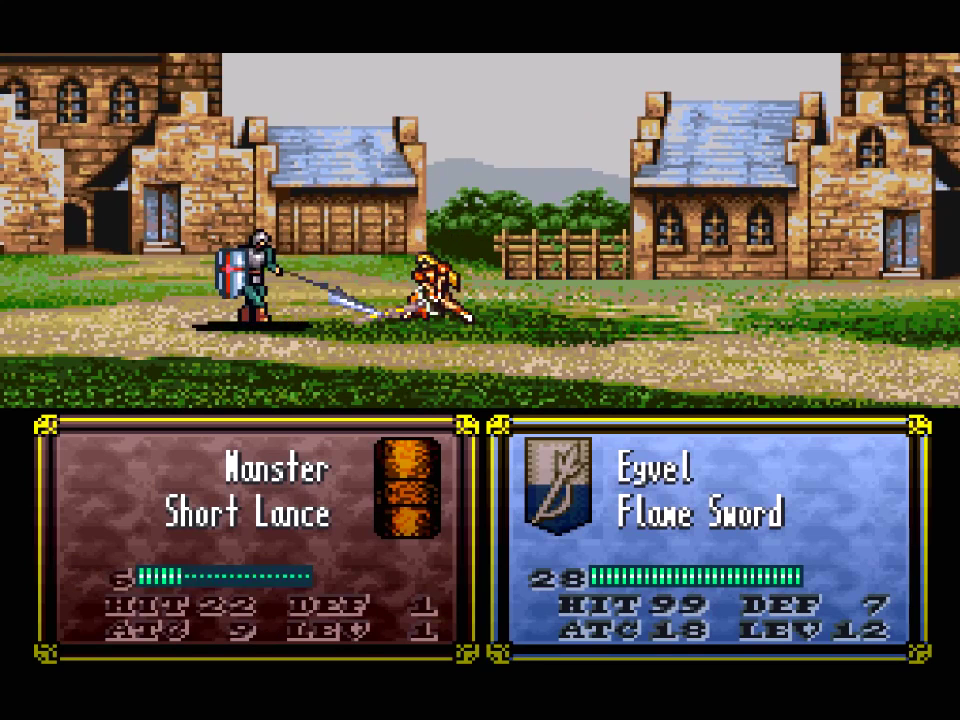
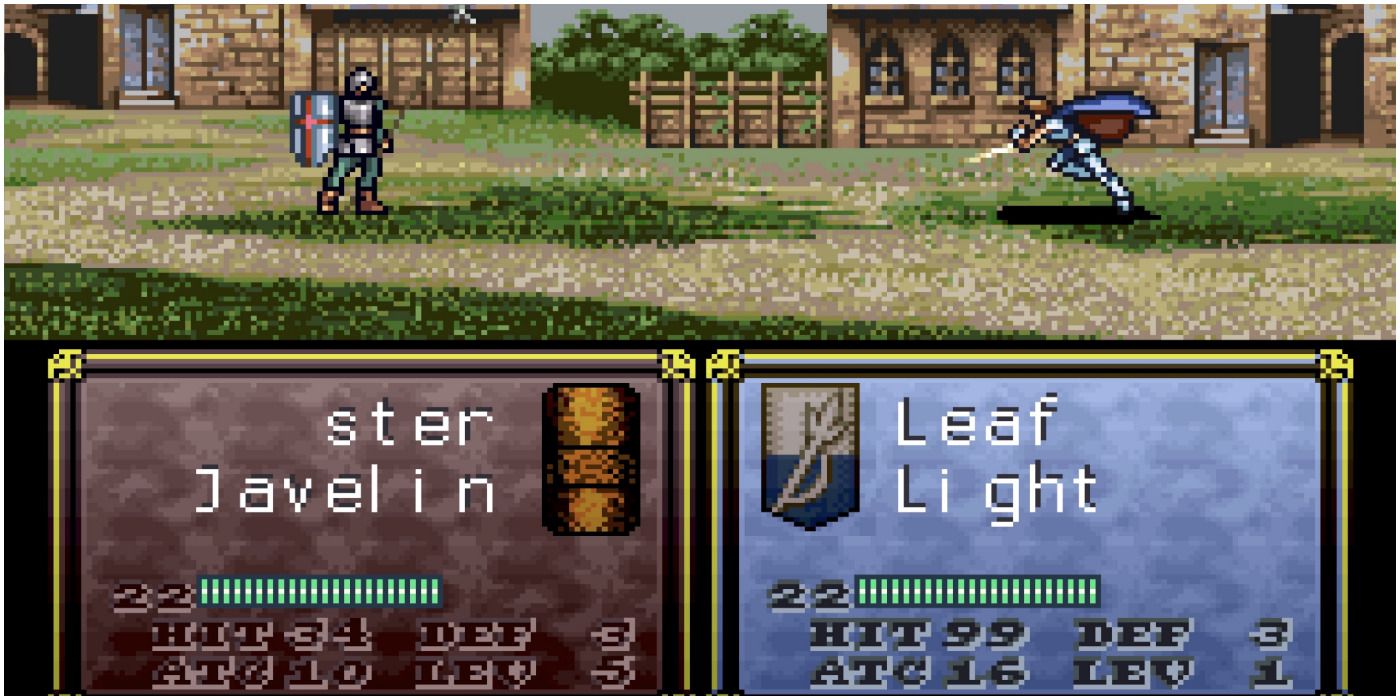
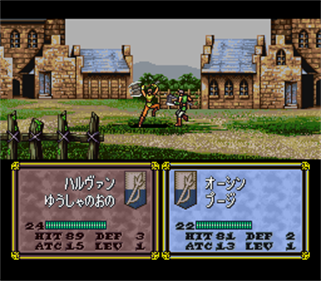
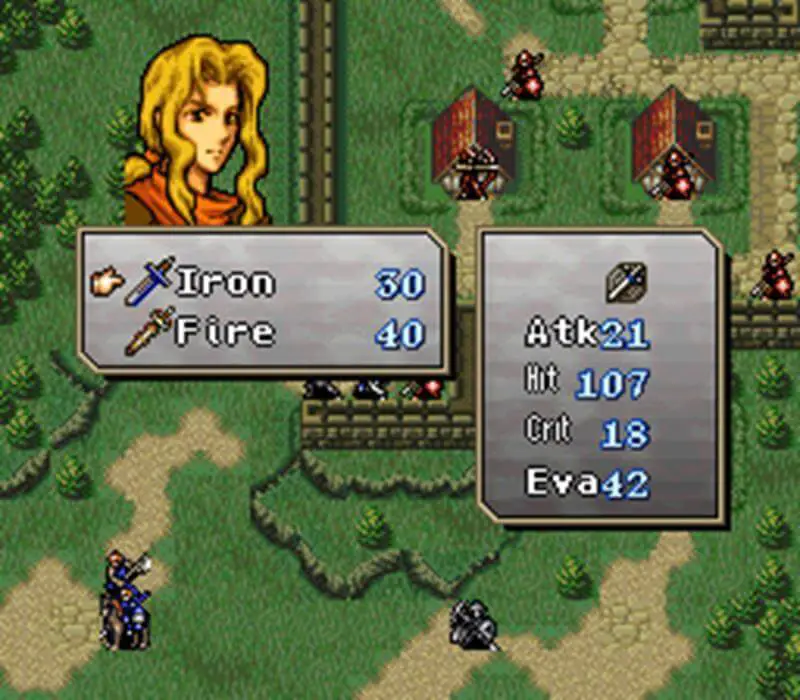
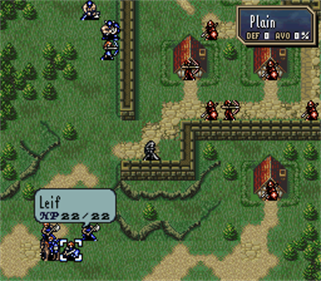
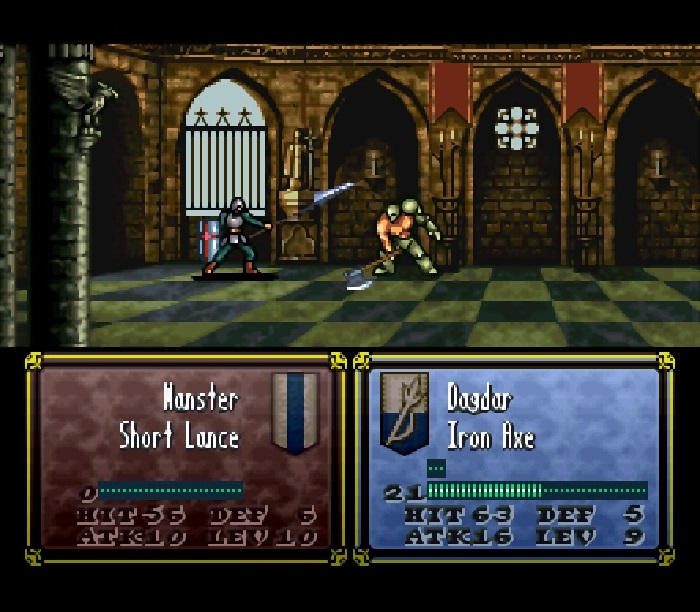
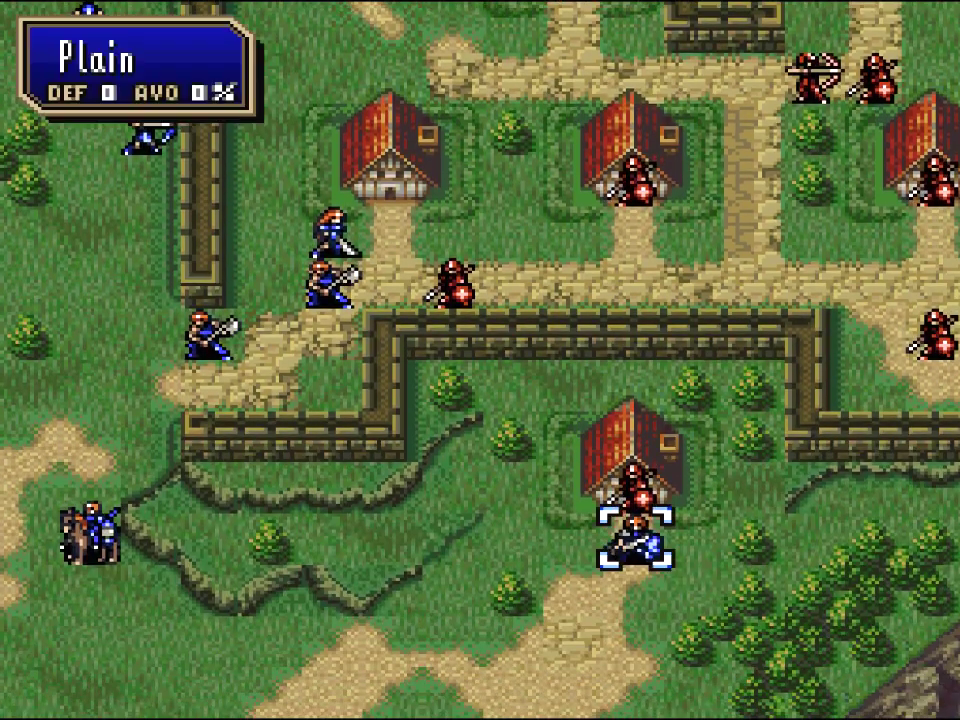
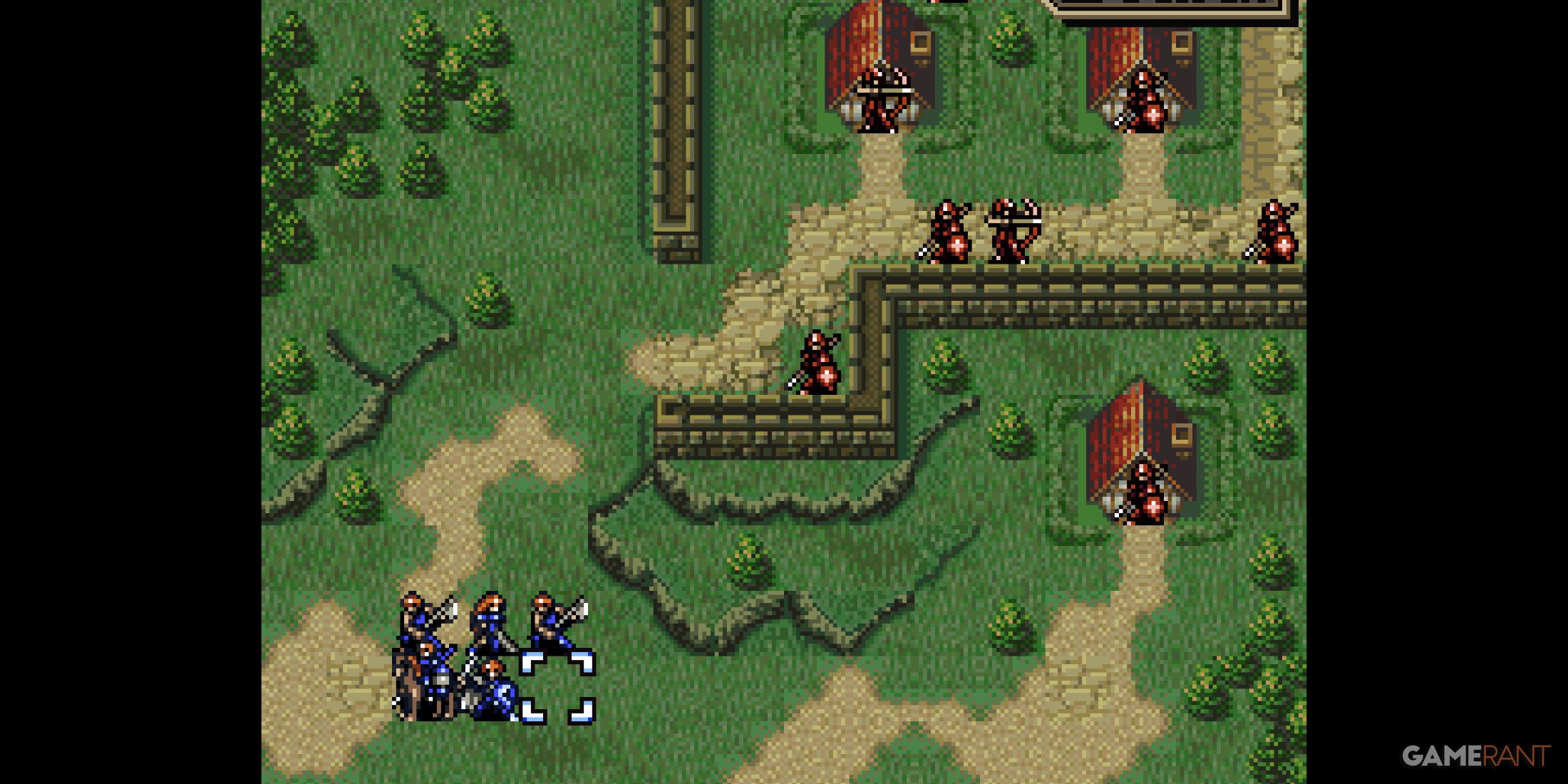
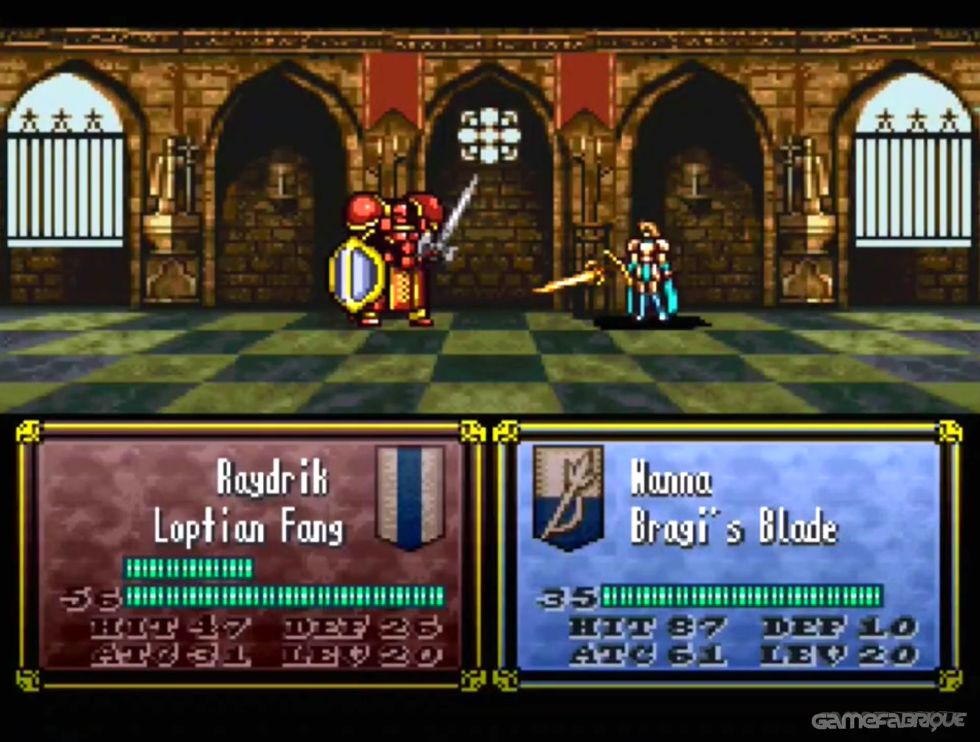
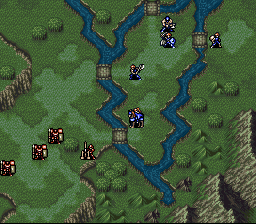
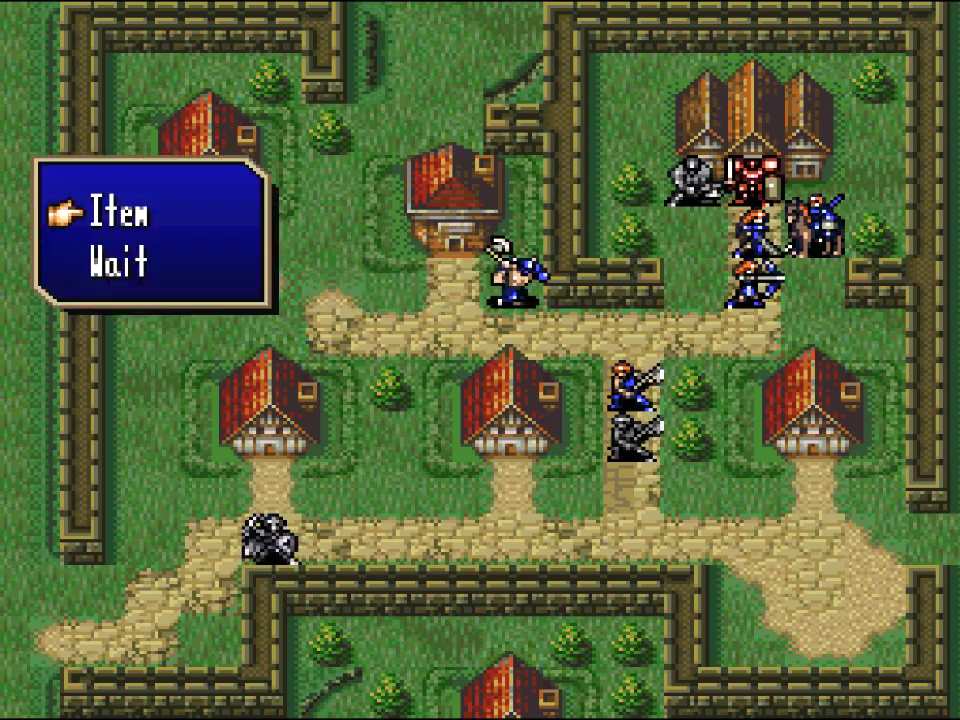
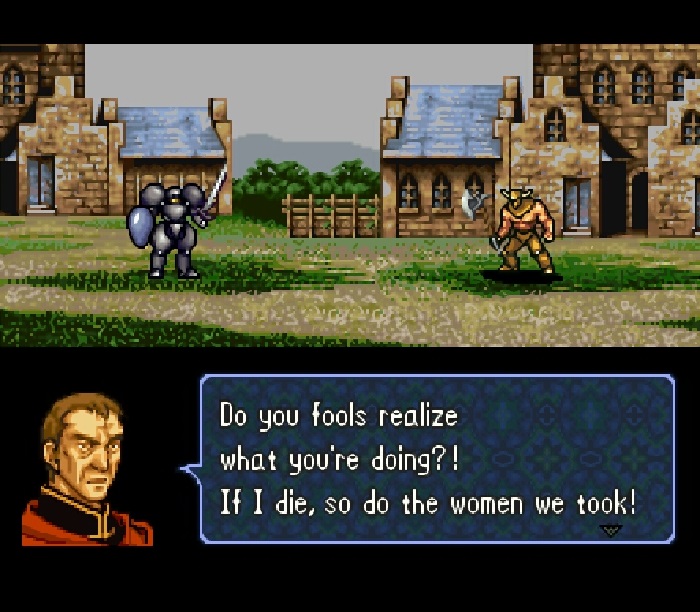
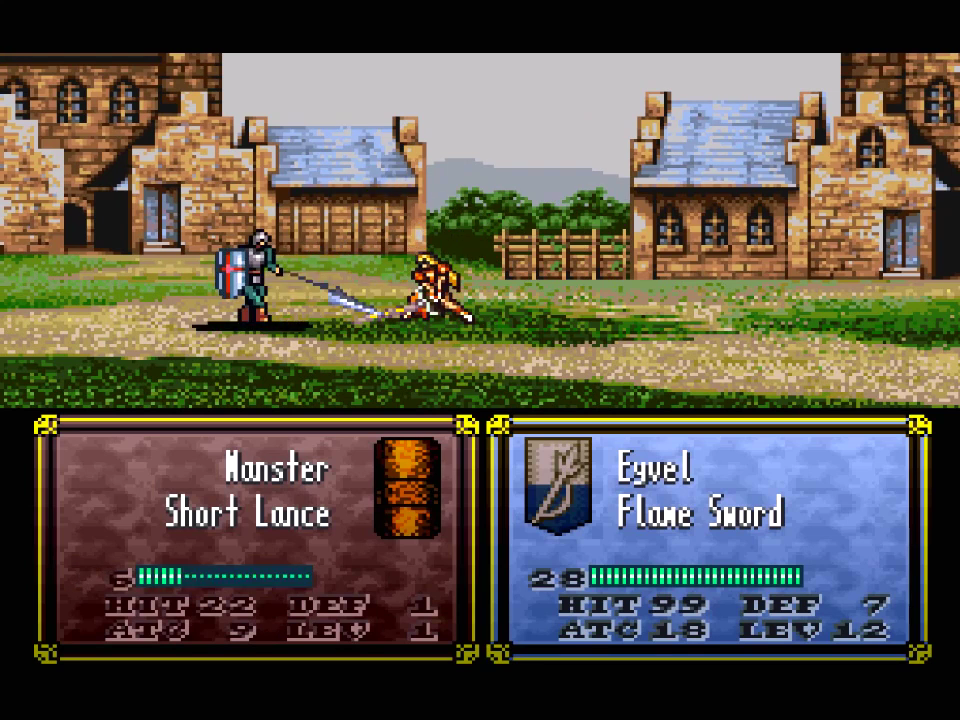
While constrained by the technical limitations of the Super Famicom, Thracia 776’s visual direction is surprisingly ambitious. The game utilizes a vibrant color palette and detailed sprite work to create distinct environments and character designs. The use of parallax scrolling, though subtle, adds depth to the battlefields, creating a more immersive experience. The developers cleverly employed dithering techniques to simulate gradients and textures, maximizing the visual impact within the limited hardware capabilities. While not as visually stunning as later entries in the series, Thracia 776’s graphics are a testament to the ingenuity of the development team.
Gameplay Mechanics and Core Systems
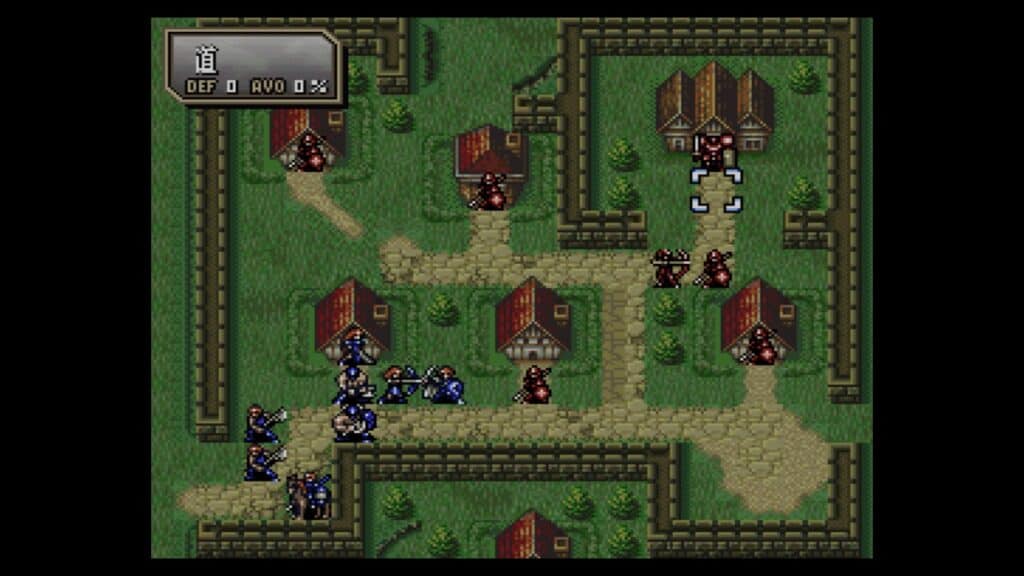
Thracia 776 builds upon the established Fire Emblem formula with several key additions. The “fatigue” system, where characters lose energy after each action, adds a layer of strategic depth, forcing players to carefully manage their units’ stamina. This mechanic encourages more tactical decision-making and prevents players from simply spamming powerful attacks. Furthermore, the game introduces new character classes and skills, expanding the strategic possibilities available to the player. The map design is also noteworthy, featuring intricate layouts that demand careful planning and execution.
Level Design and World Atmosphere
The level design in Thracia 776 is a masterclass in tactical challenge. Each battlefield presents unique obstacles, enemy placements, and environmental hazards that require players to adapt their strategies on the fly. The game’s map variety keeps the experience fresh and engaging, preventing it from becoming repetitive. From dense forests to treacherous mountain passes, each location contributes to the overall sense of immersion and atmosphere. The level design is not just about creating difficult challenges; it’s also about telling a story through the environment.
Narrative Depth and Character Profiles
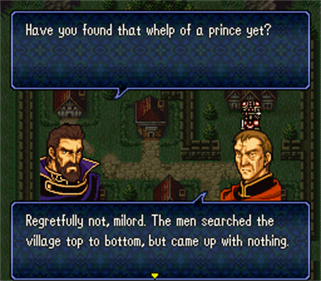
Thracia 776 boasts a compelling narrative that explores themes of war, betrayal, and redemption. The main protagonist, Leif, is a complex character driven by a strong sense of justice and a desire to restore his kingdom. The supporting cast is equally well-developed, each with their own motivations and backstories. The game’s story unfolds gradually, revealing new layers of intrigue and conflict as the player progresses. The relationships between characters are also explored in detail, adding emotional weight to the narrative.
Sound Design and Acoustic Realism
The sound design in Thracia 776 is both functional and evocative. The music effectively sets the mood for each scene, ranging from heroic battle themes to somber melodies that underscore moments of tragedy. The sound effects are crisp and impactful, adding weight to combat actions and environmental interactions. While limited by the technical constraints of the Super Famicom, the audio design contributes significantly to the overall immersive experience.
Release Expectations and Community Hype
Upon its initial release, Fire Emblem: Thracia 776 generated considerable hype within the dedicated Fire Emblem community. The game’s unique features and challenging gameplay quickly established it as a cult classic. While initially released through a limited distribution method, its enduring popularity has ensured its continued relevance among fans of tactical RPGs. The anticipation surrounding any potential re-release or remaster remains high.
Conclusion: The Future of Fire Emblem: Thracia 776
Fire Emblem: Thracia 776 stands as a testament to the creativity and ingenuity of Intelligent Systems. While constrained by the technical limitations of its time, the game delivers a compelling and unforgettable experience. Its unique gameplay mechanics, engaging narrative, and memorable characters have cemented its place as a beloved classic in the Fire Emblem series. The future of Thracia 776 likely involves continued preservation efforts and perhaps even a modern remaster that would allow a new generation of players to discover the magic of this Super Famicom gem.
Source: Wikipedia