Introduction: The Next Chapter for Final Fantasy XII
Final Fantasy XII, released in 2006 for the PlayStation 2, represents a significant departure and evolution within the long-running franchise. Developed by Square Enix, it aimed to redefine the RPG experience with innovative gameplay mechanics, a sprawling open world, and a complex narrative set against the backdrop of political intrigue and war. This deep dive will explore the game’s key elements, from its groundbreaking engine to its enduring legacy.
Visual Direction and Graphics Engineering
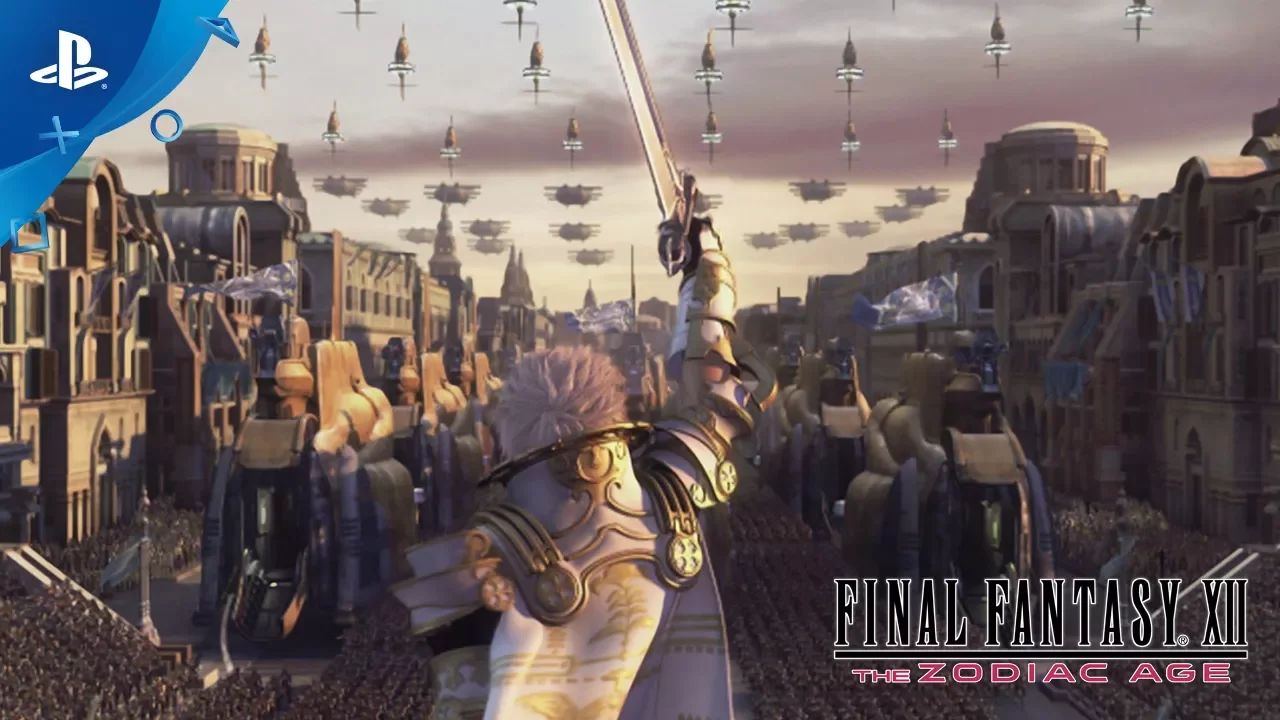
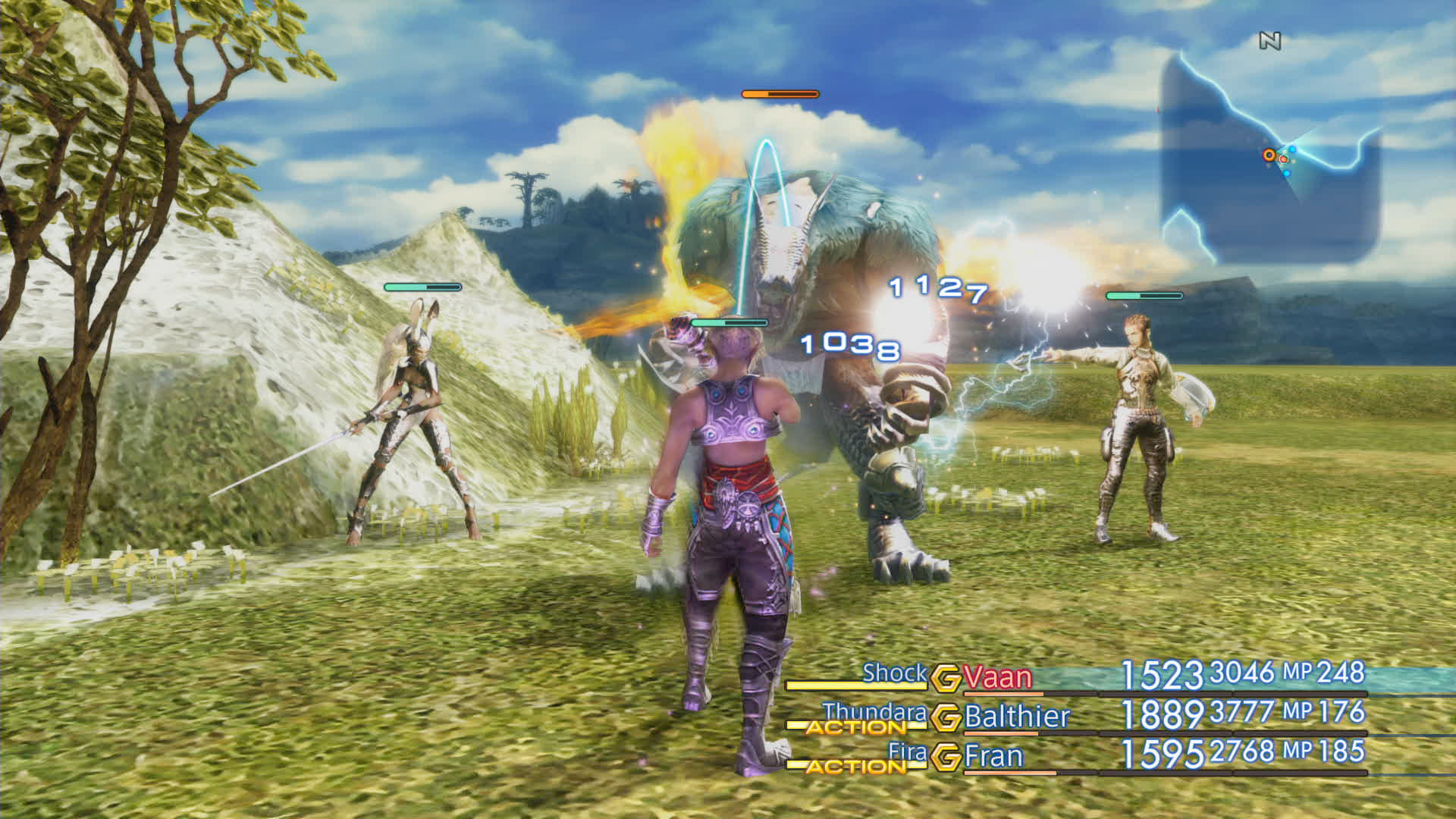
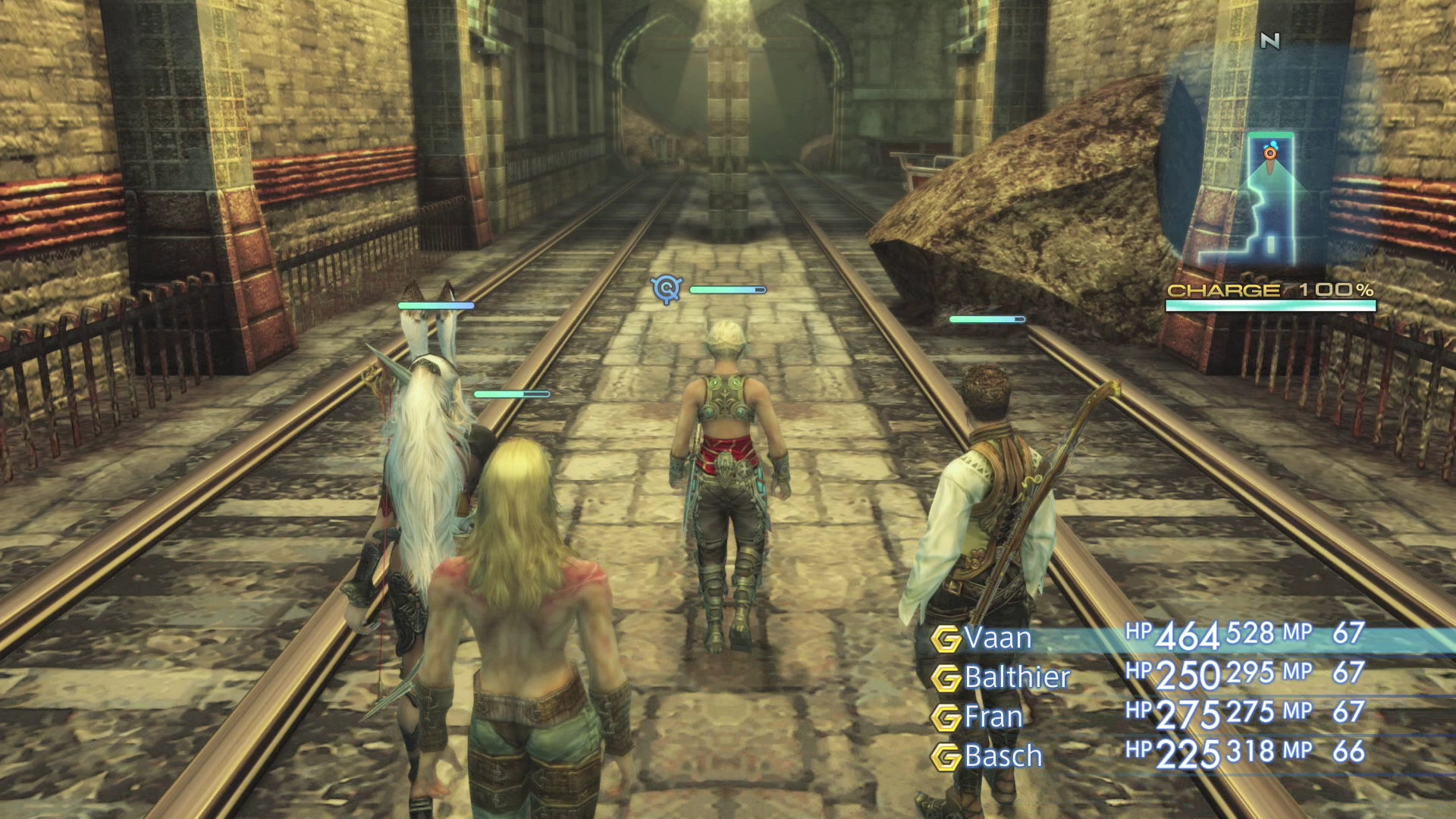
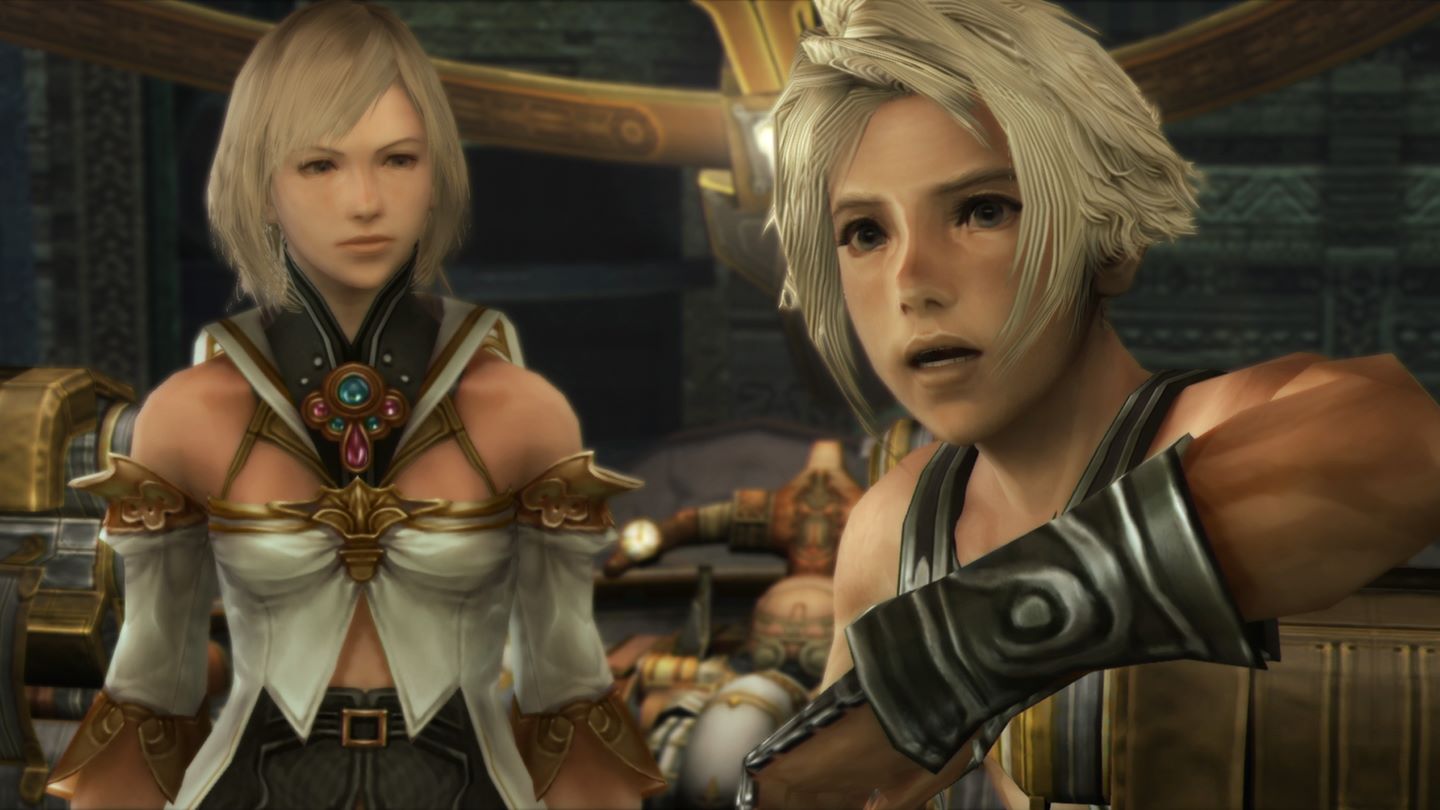
Final Fantasy XII utilized a proprietary “Next-Gen” engine designed specifically for the PlayStation 2. While limited by the hardware capabilities of the console, the developers managed to create a visually striking world with detailed character models, expansive environments, and impressive lighting effects. The visual style blends realistic proportions with stylized character designs, creating a unique aesthetic that sets it apart from previous entries in the series. The engine’s capabilities allowed for seamless transitions between areas, contributing to the game’s sense of openness and exploration.
Gameplay Mechanics and Core Systems
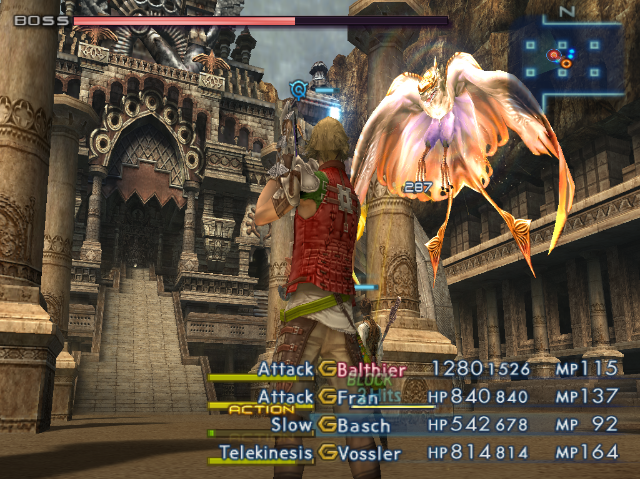
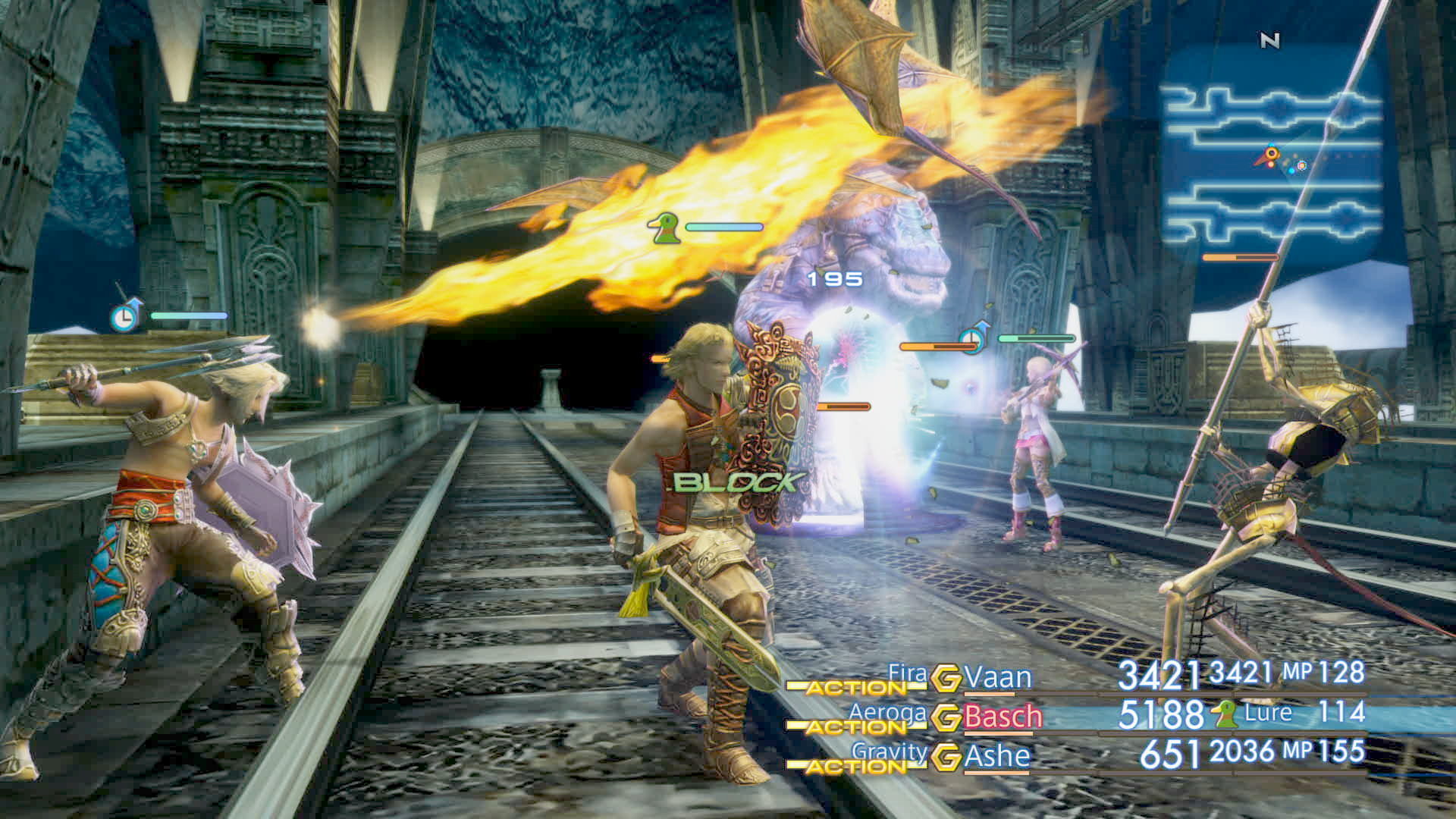
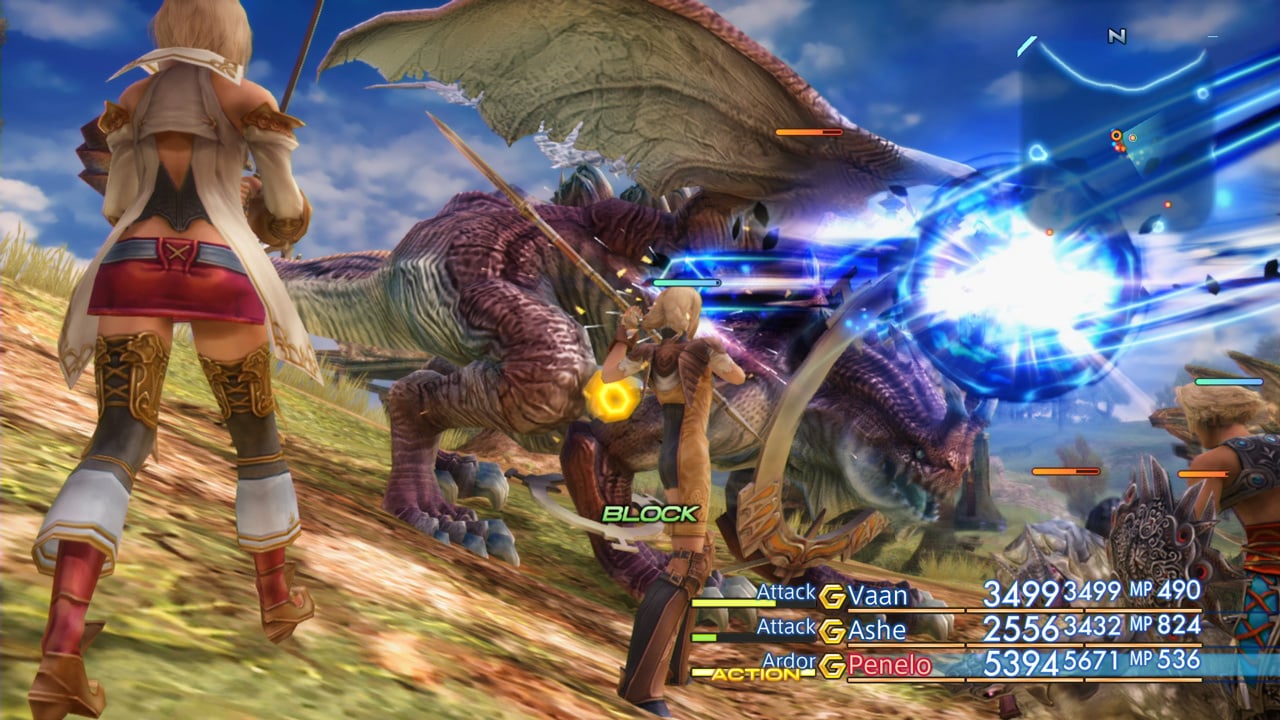
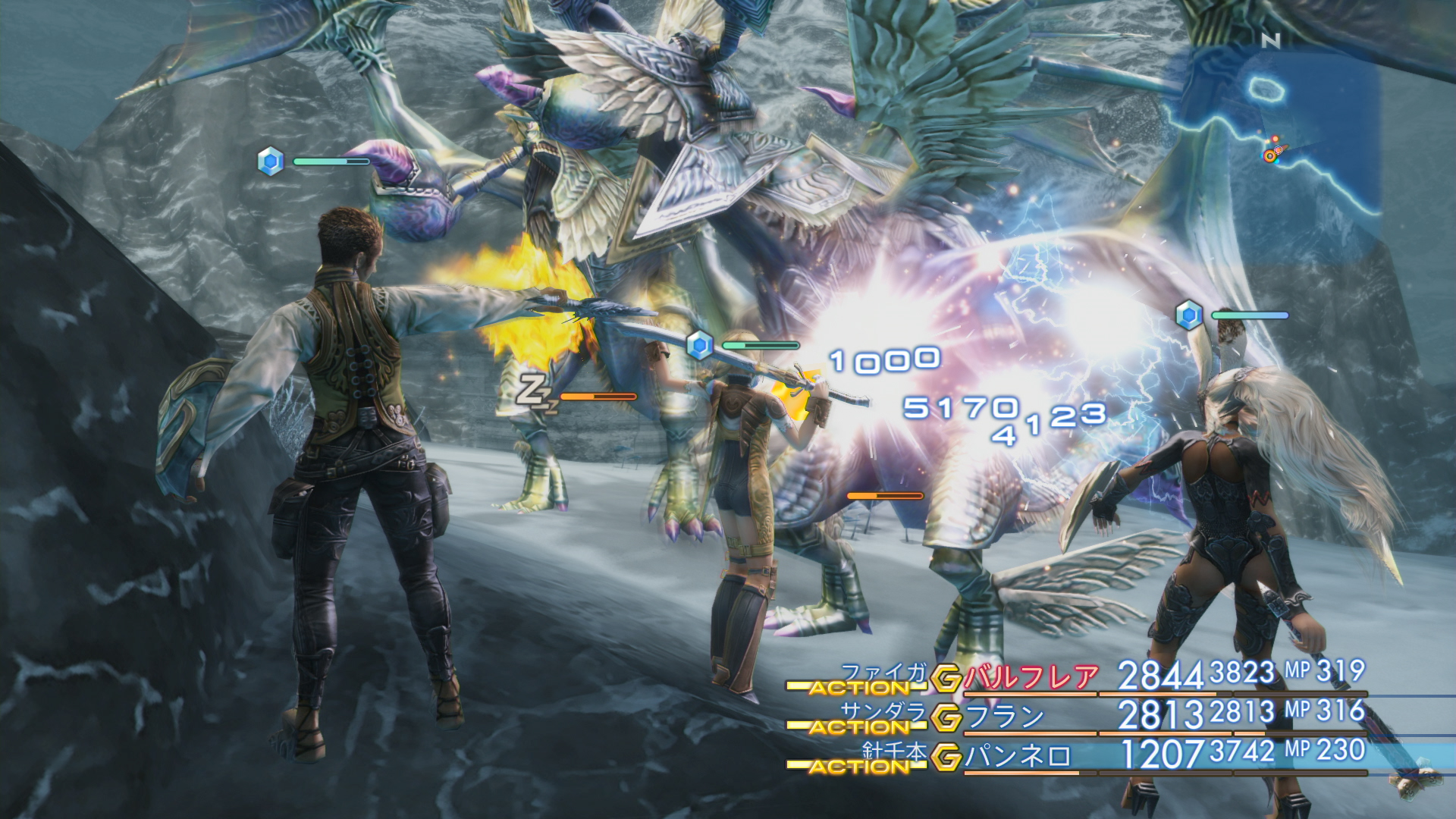
One of the most defining features of Final Fantasy XII is its “gambit” system. This innovative AI control allows players to program their characters’ actions in battle, automating complex strategies and allowing for a more strategic approach to combat. While some purists criticized this feature as removing player agency, it allowed for experimentation with different party compositions and tactical approaches. The game also introduced the “license” board, which governs character progression and unlocks new abilities and equipment. This system offered a degree of customization but could also feel restrictive at times.
Level Design and World Atmosphere
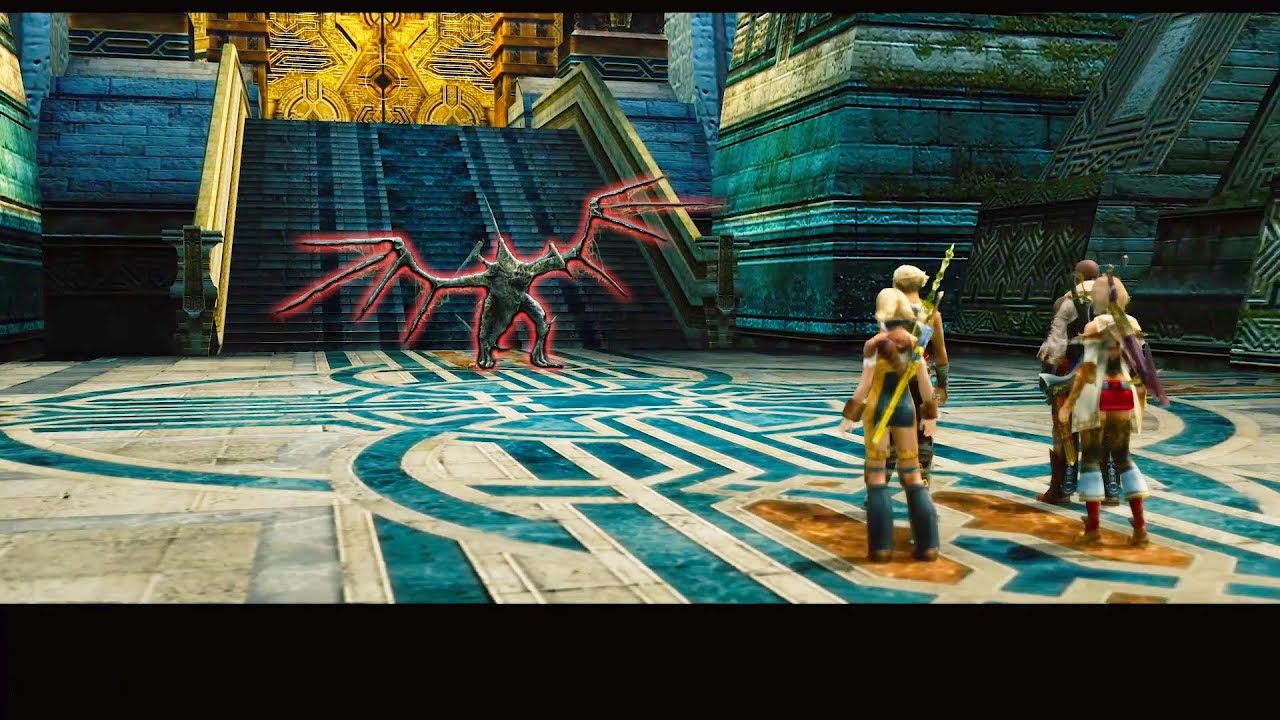
The world of Ivalice is vast and diverse, ranging from bustling cities to desolate landscapes. The level design encourages exploration, with hidden areas, optional quests, and challenging encounters scattered throughout the map. The seamless transitions between zones contribute to a sense of immersion and allow players to traverse the world without loading screens. The atmosphere varies greatly depending on the region, reflecting the political tensions and conflicts that shape the narrative.
Narrative Depth and Character Profiles
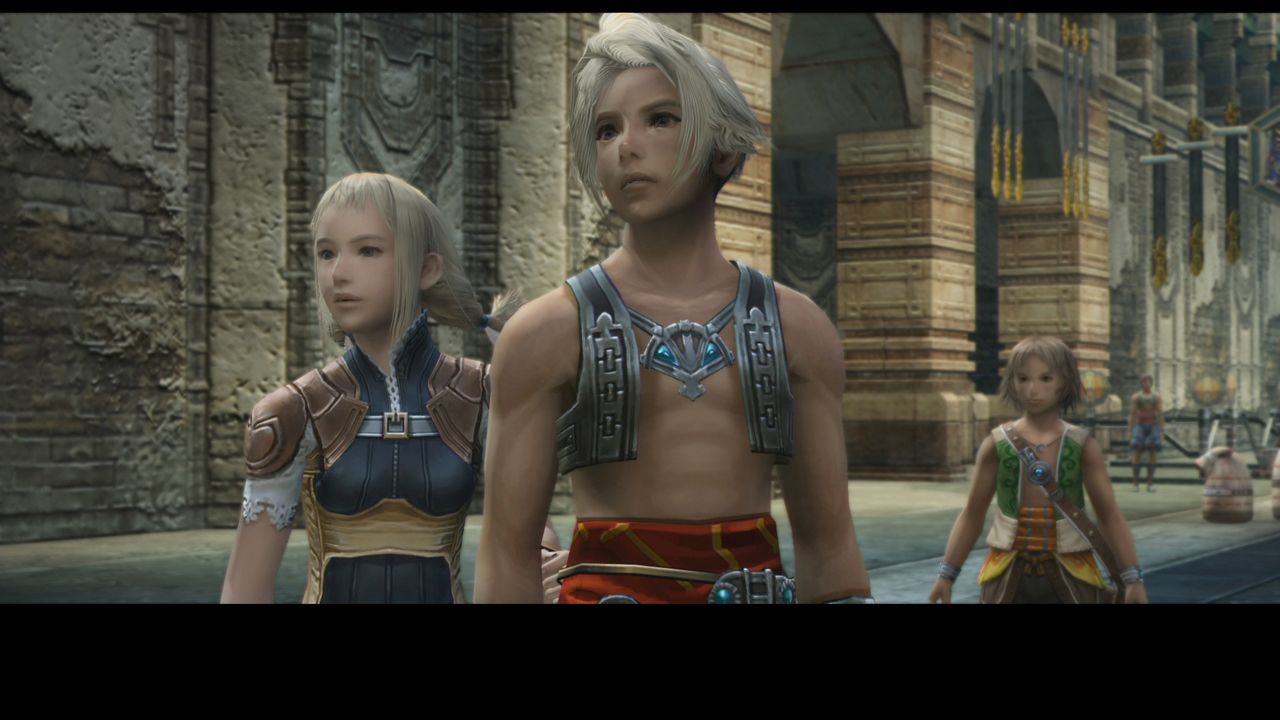
The story of Final Fantasy XII is a complex tale of war, rebellion, and political maneuvering. Princess Ashelia’s struggle against the Archadian Empire forms the central conflict, while Vaan’s personal journey adds a relatable human element. The supporting cast is equally well-developed, each with their own motivations and backstories that contribute to the overall narrative depth. The game explores themes of freedom, justice, and the consequences of war, offering a thought-provoking experience for players.
Sound Design and Acoustic Realism
The soundtrack for Final Fantasy XII, composed by Hitoshi Sakimoto and others, is widely acclaimed for its blend of orchestral arrangements and electronic elements. The music effectively complements the game’s atmosphere, enhancing both the epic battles and the more intimate moments. The sound design also plays a crucial role in creating a sense of realism, with detailed environmental sounds that bring the world of Ivalice to life.
Release Expectations and Community Hype
Upon its release, Final Fantasy XII was met with high expectations from fans eager to experience Square Enix’s next-generation RPG. The game delivered on many fronts, introducing innovative gameplay mechanics and a compelling narrative. While some aspects of the game were divisive, such as the gambit system, it ultimately resonated with players who appreciated its ambition and originality. The community response was largely positive, solidifying Final Fantasy XII’s place as a landmark title in the franchise.
Conclusion: The Future of Final Fantasy XII
Final Fantasy XII remains a significant achievement in RPG development, pushing the boundaries of what was possible on the PlayStation 2. Its innovative gameplay mechanics, compelling narrative, and stunning visuals continue to captivate players today. While it may not appeal to everyone, its ambition and originality make it a must-play for fans of the genre. The game’s legacy continues to inspire developers and influence modern RPG design.
Source: Wikipedia