Introduction: Stealth Espionage Reimagined
In an era dominated by high-octane action and fantastical worlds, Fatekeeper, developed by Paraglacial, emerges as a breath of fresh air in the realm of stealth-based action RPGs. This upcoming title offers players a deep dive into the world of espionage, where every move could mean life or death. Set against the backdrop of a dystopian cityscape teeming with danger and intrigue, Fatekeeper promises to captivate audiences with its intricate narrative, dynamic combat mechanics, and atmospheric gameplay design.
Fatekeeper isn’t just another stealth game; it’s a testament to the genre’s potential when combined with cutting-edge technology and innovative storytelling techniques. As players assume the role of Lucia, an elite operative tasked with infiltrating the enigmatic Architects’ headquarters, they are thrust into a world where shadows become allies and light enemies. The narrative is as intricate as it is suspenseful, drawing players deeper into the mystery that surrounds this clandestine organization.
Visual Splendor: Pushing the Limits of Unreal Engine 5
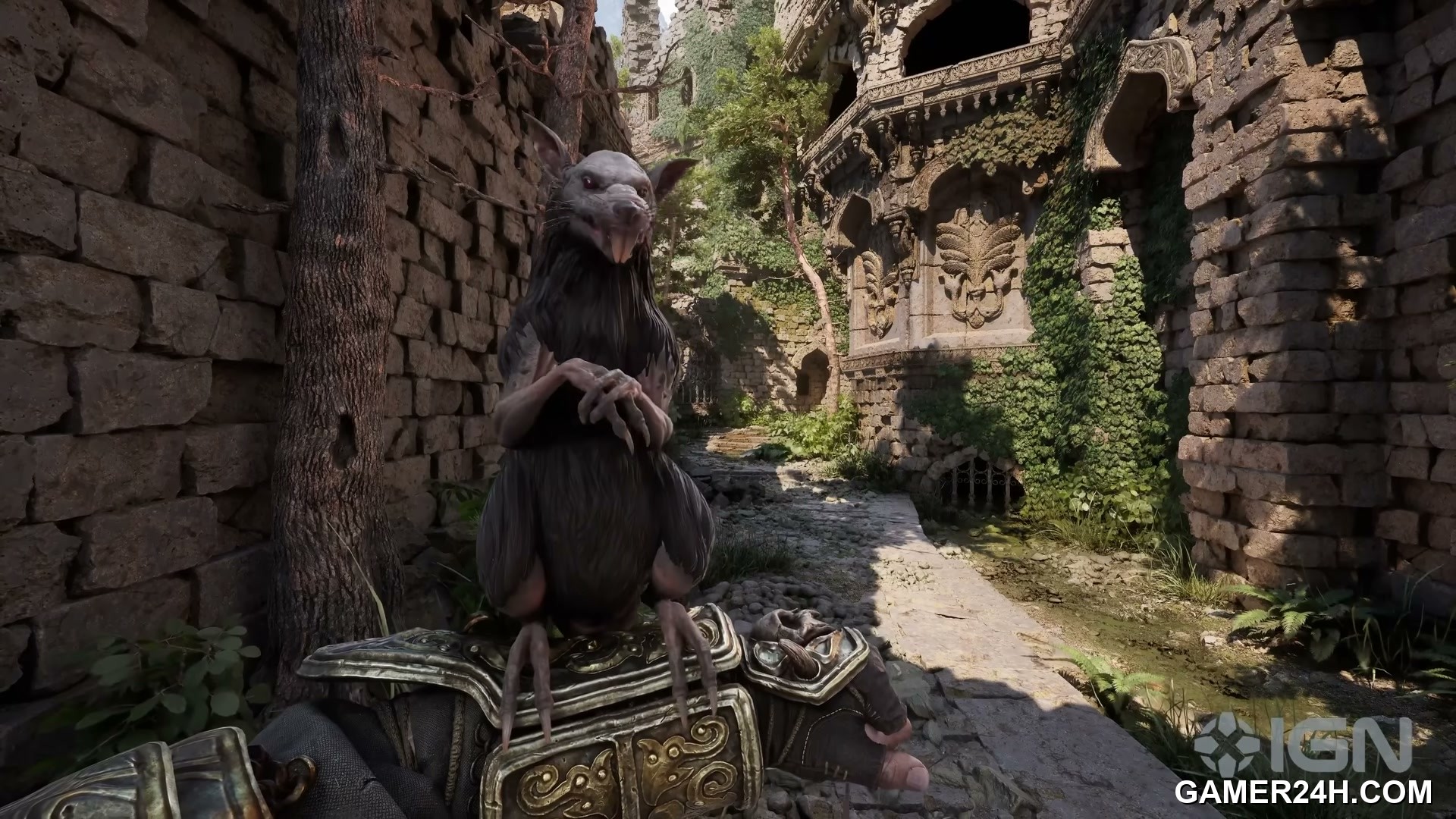
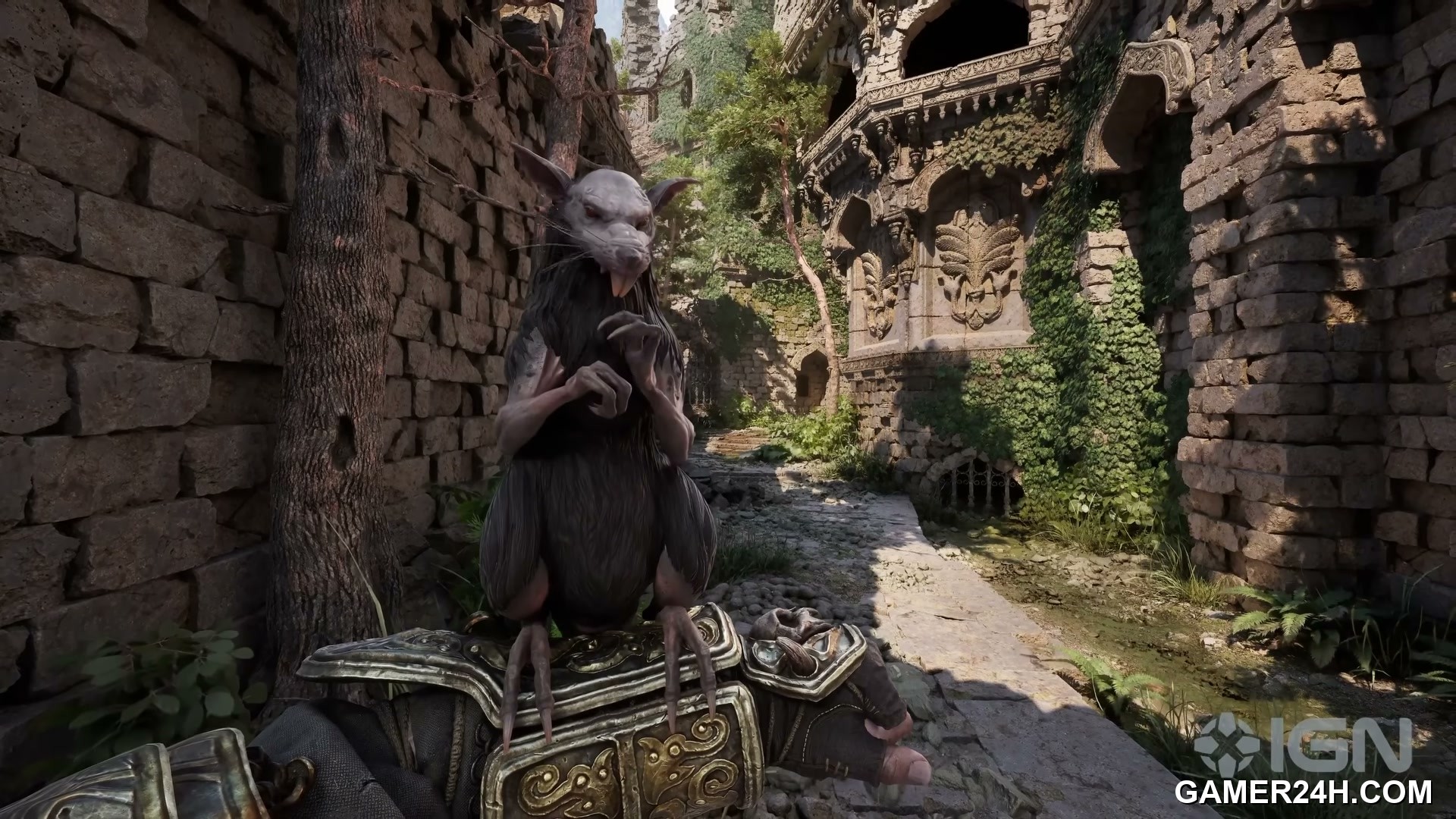
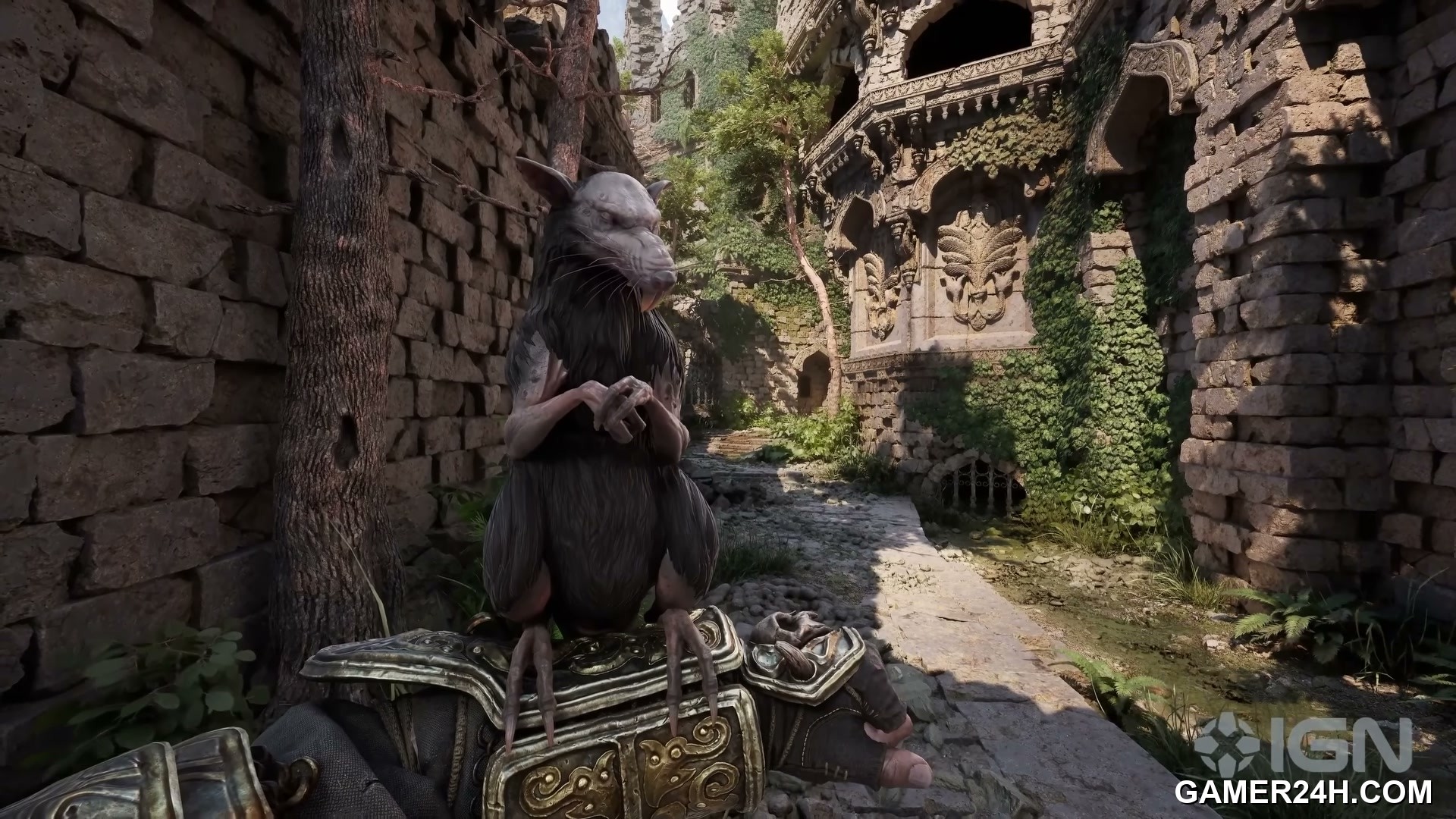
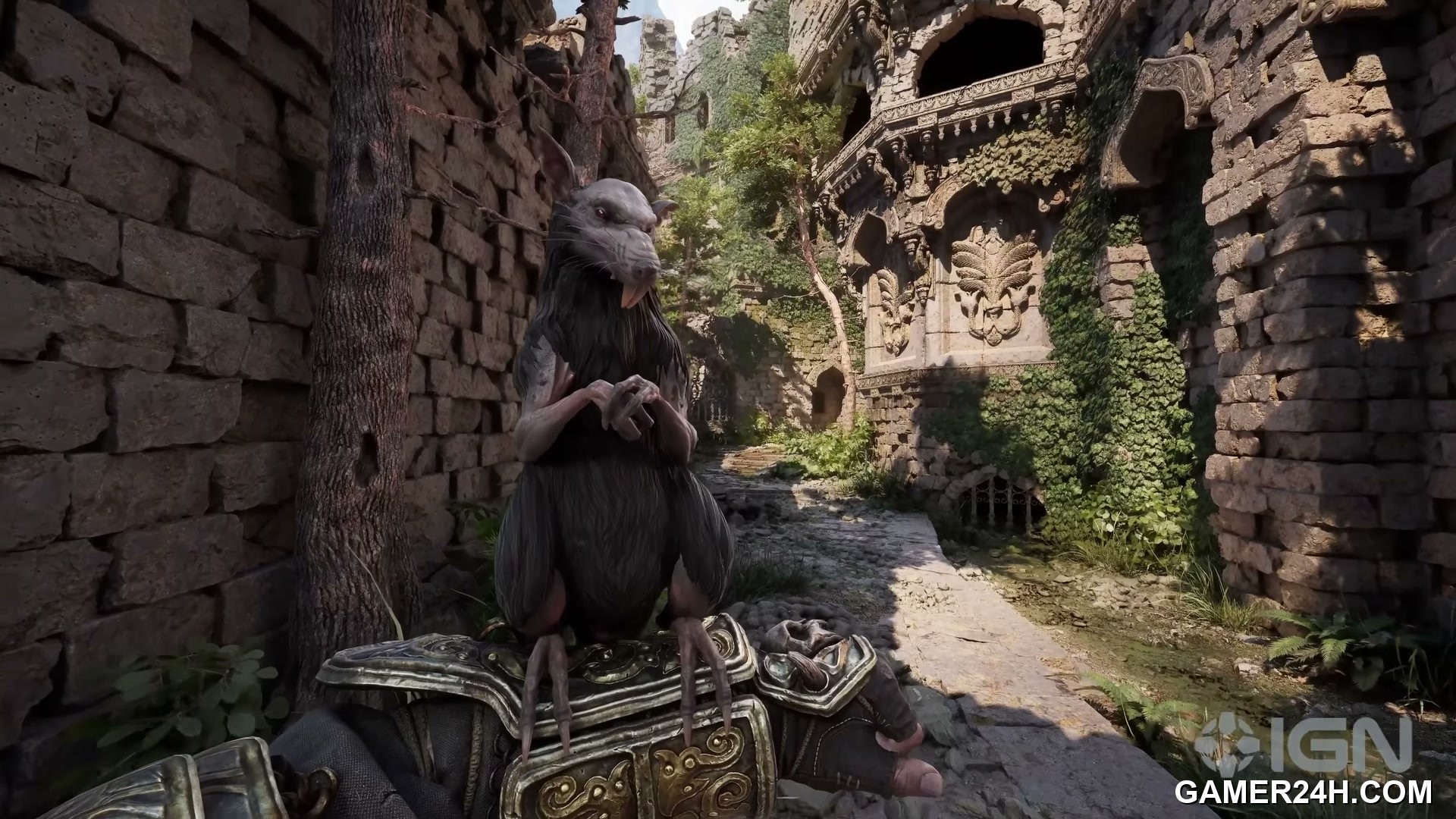
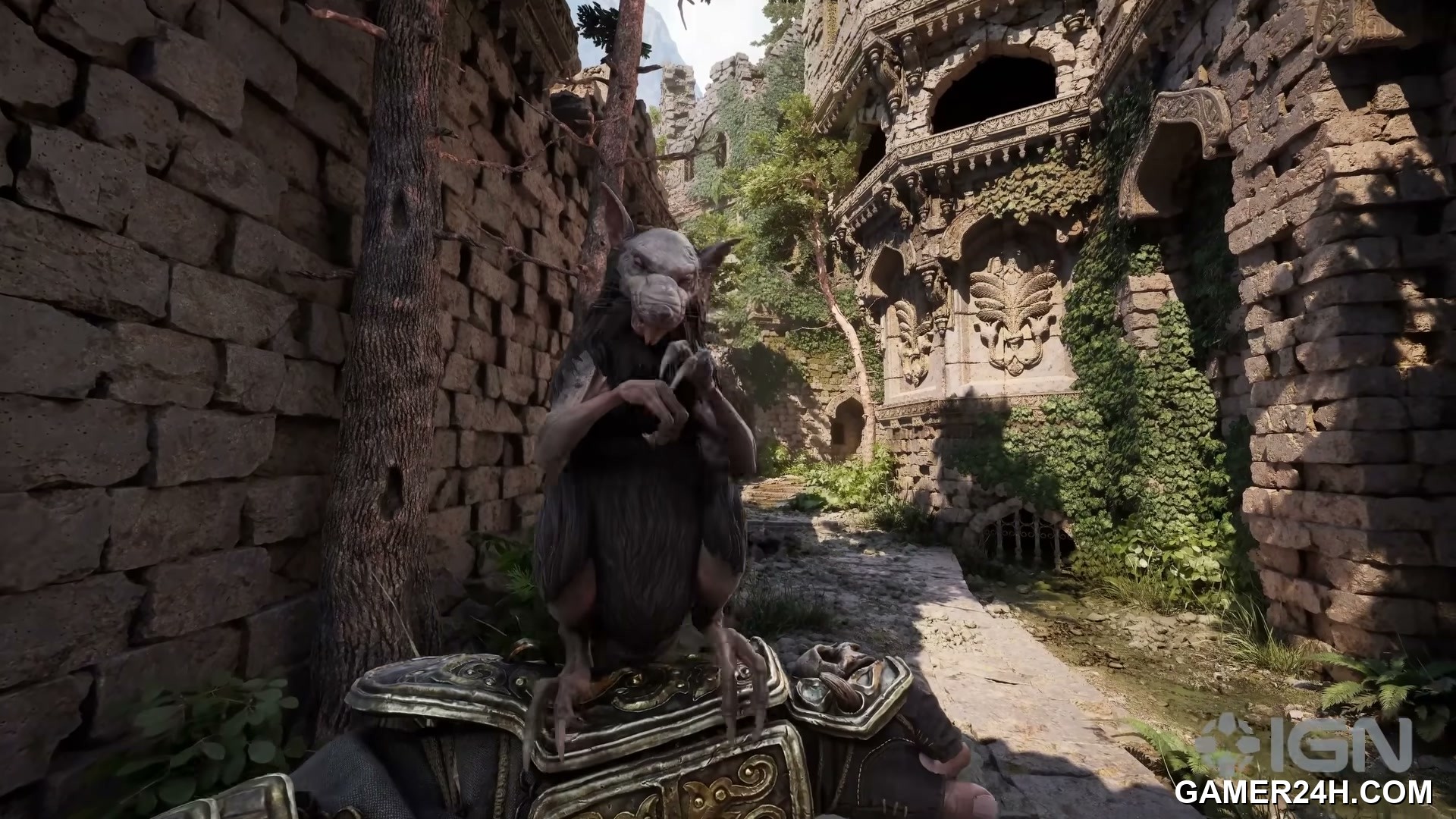
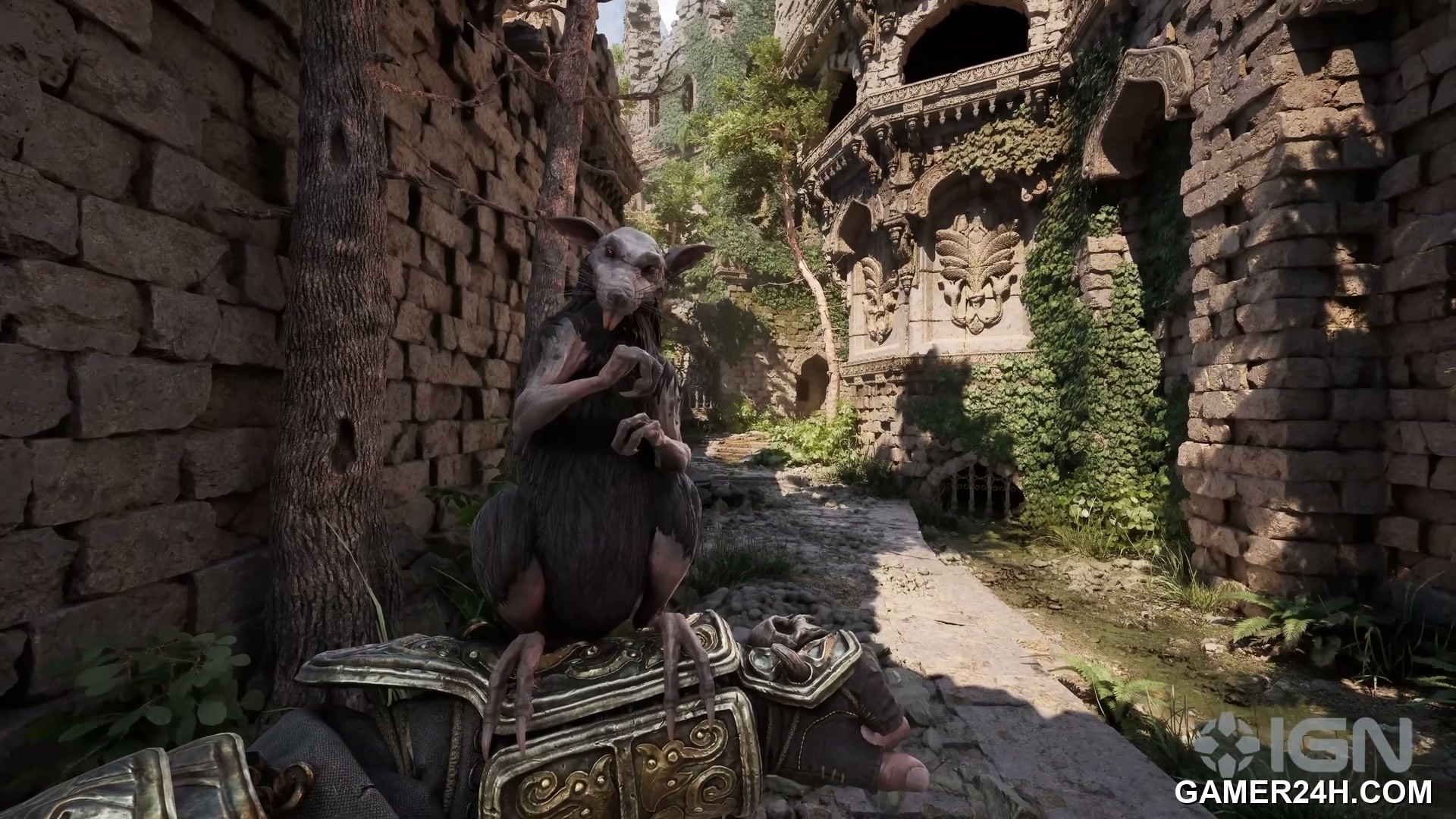
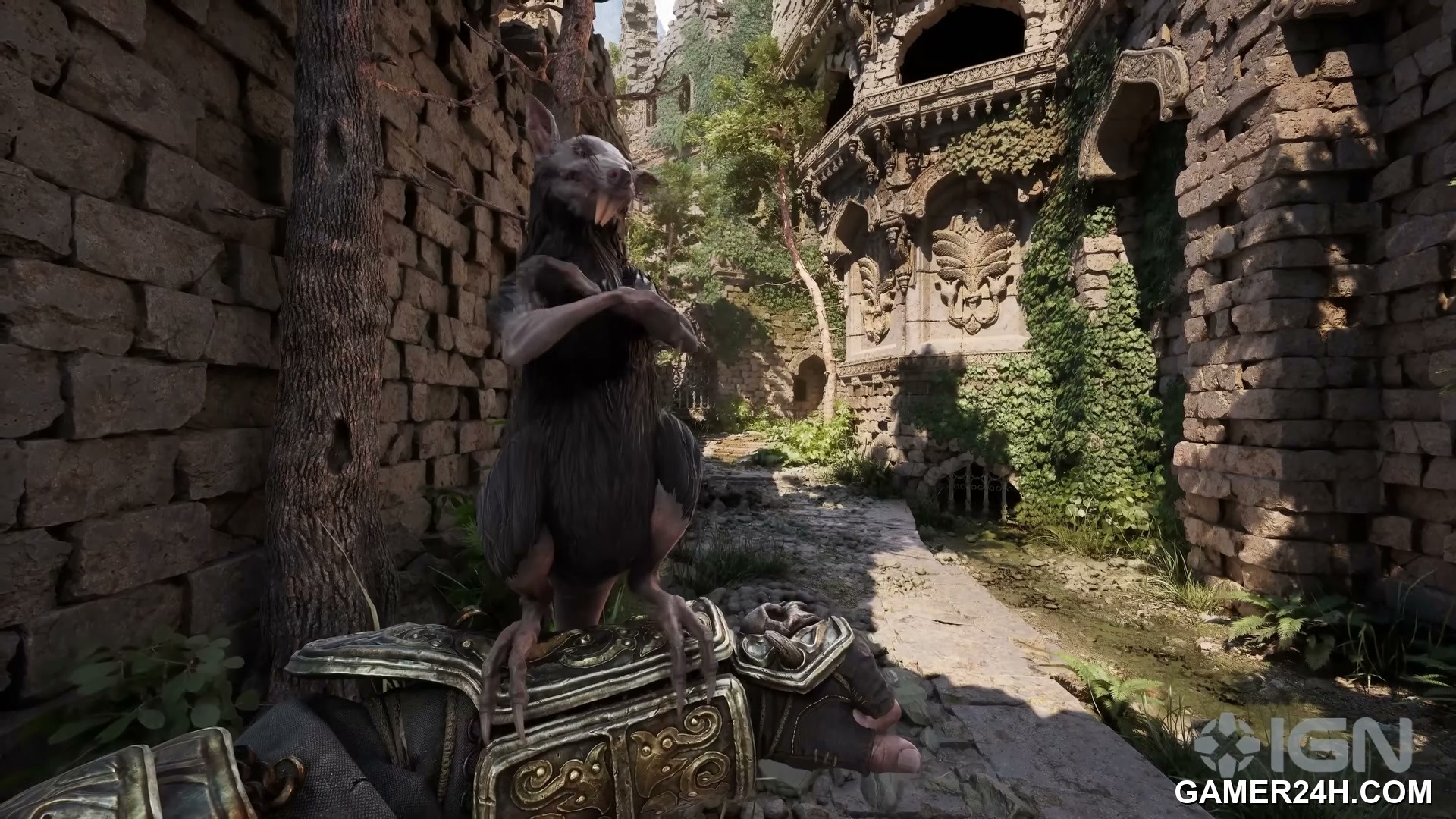
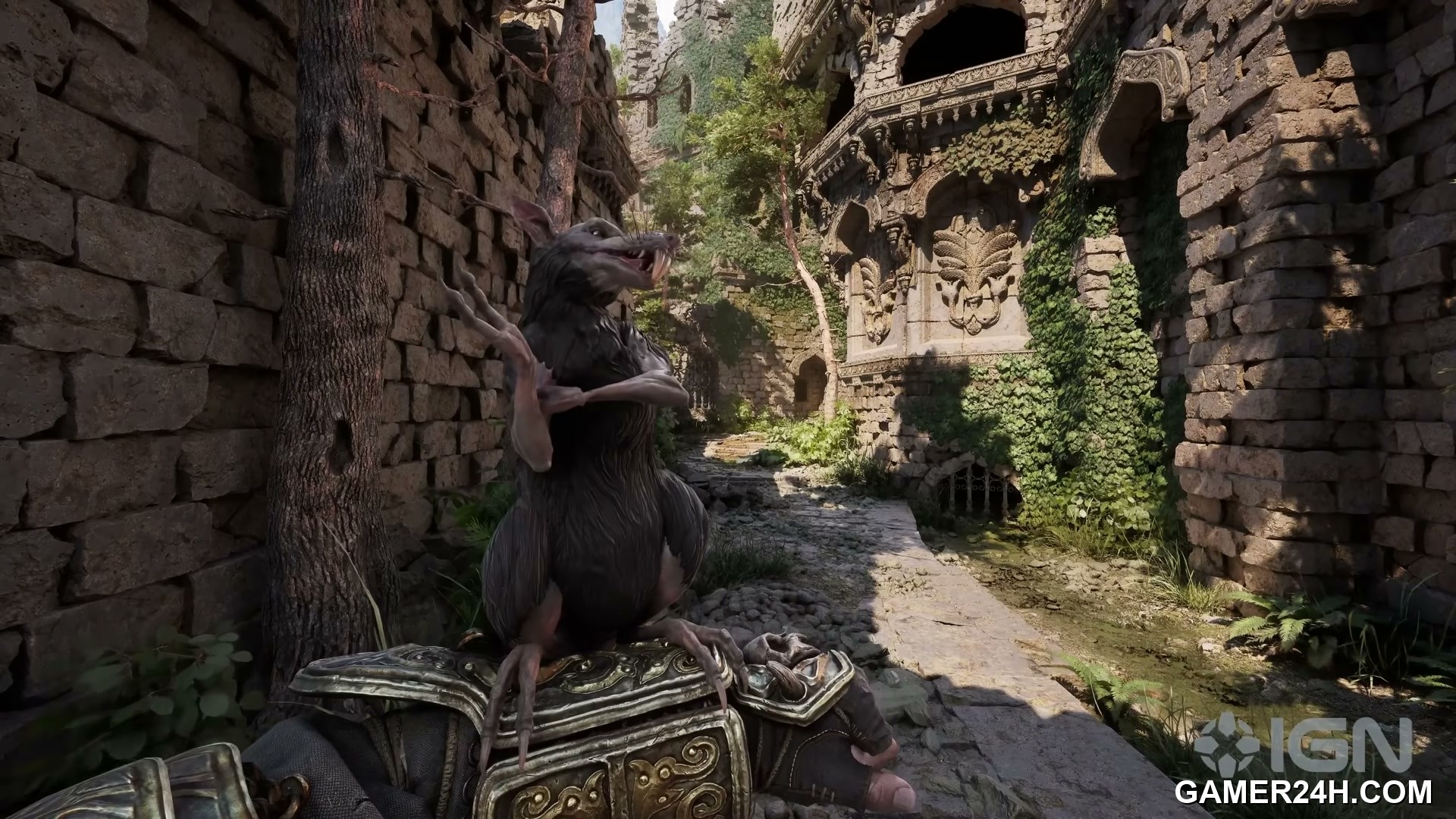
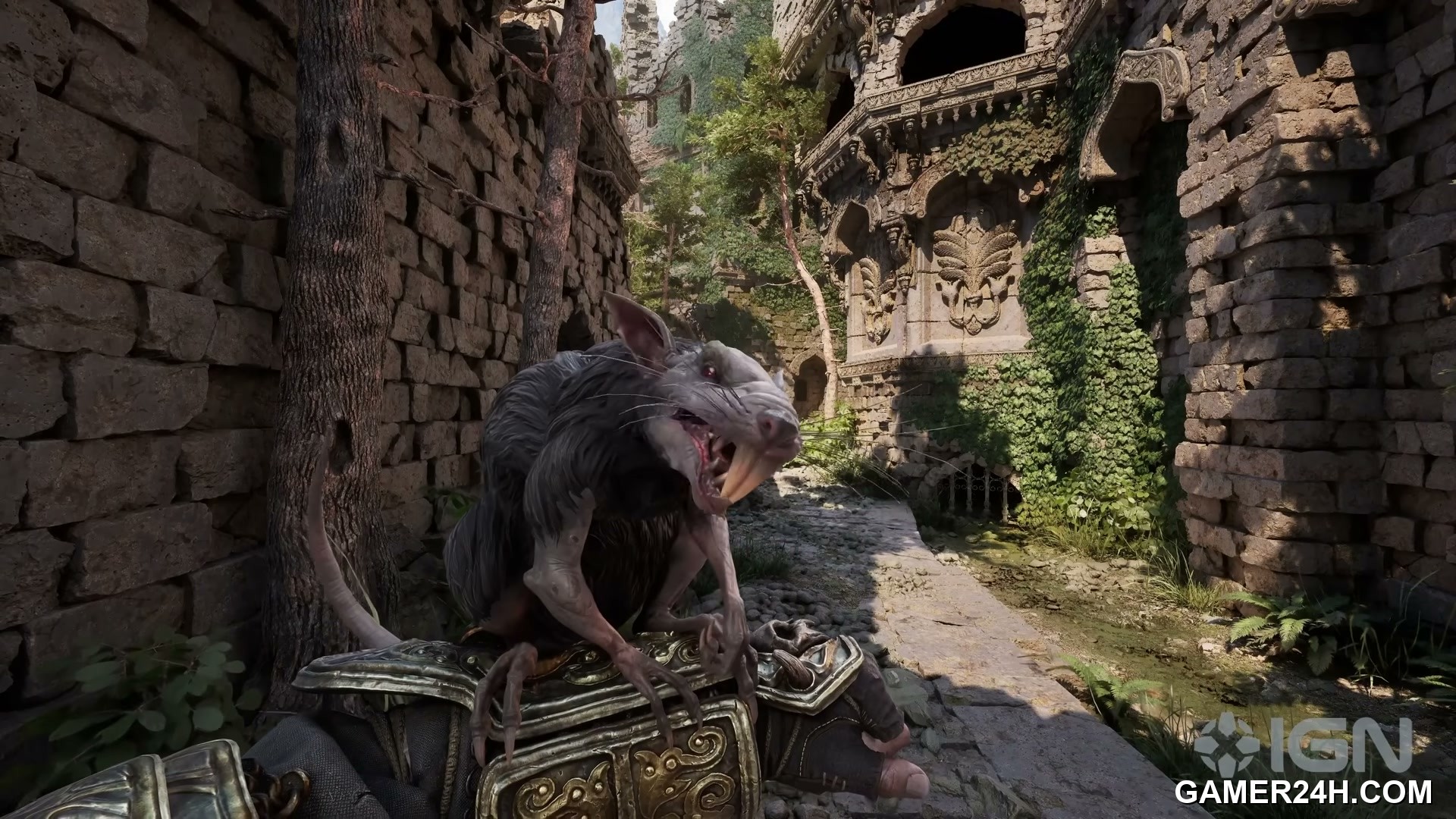
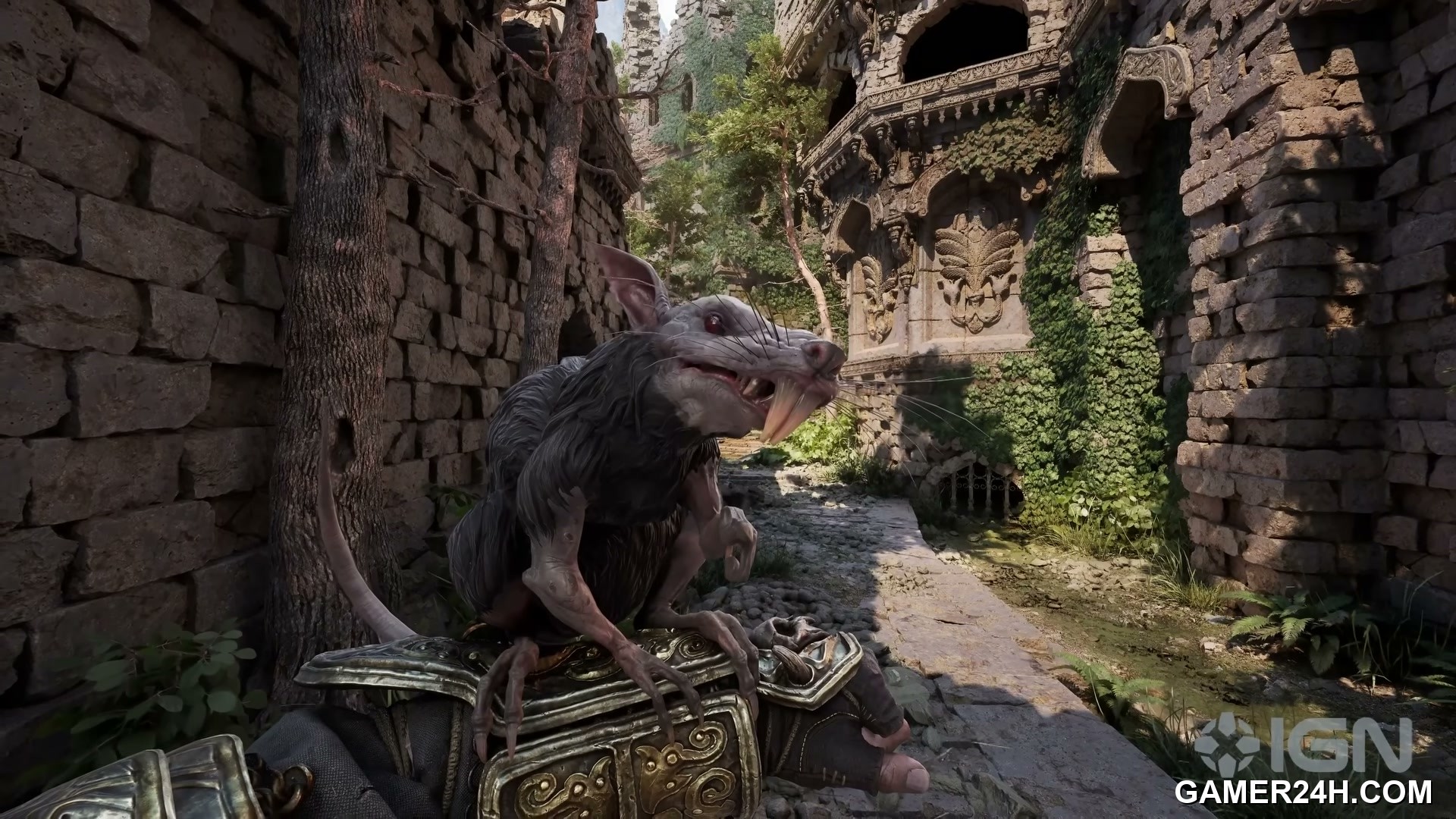
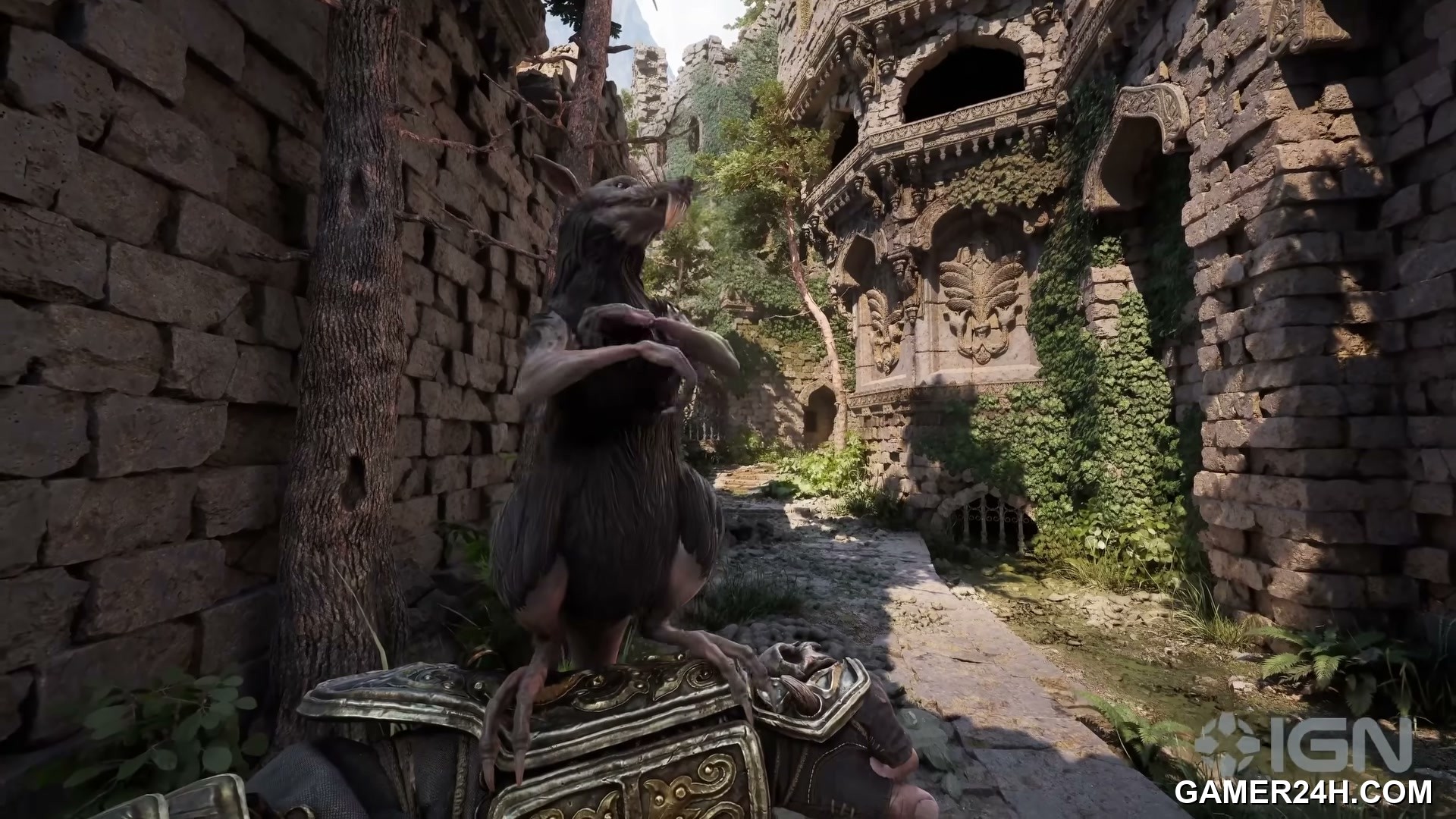
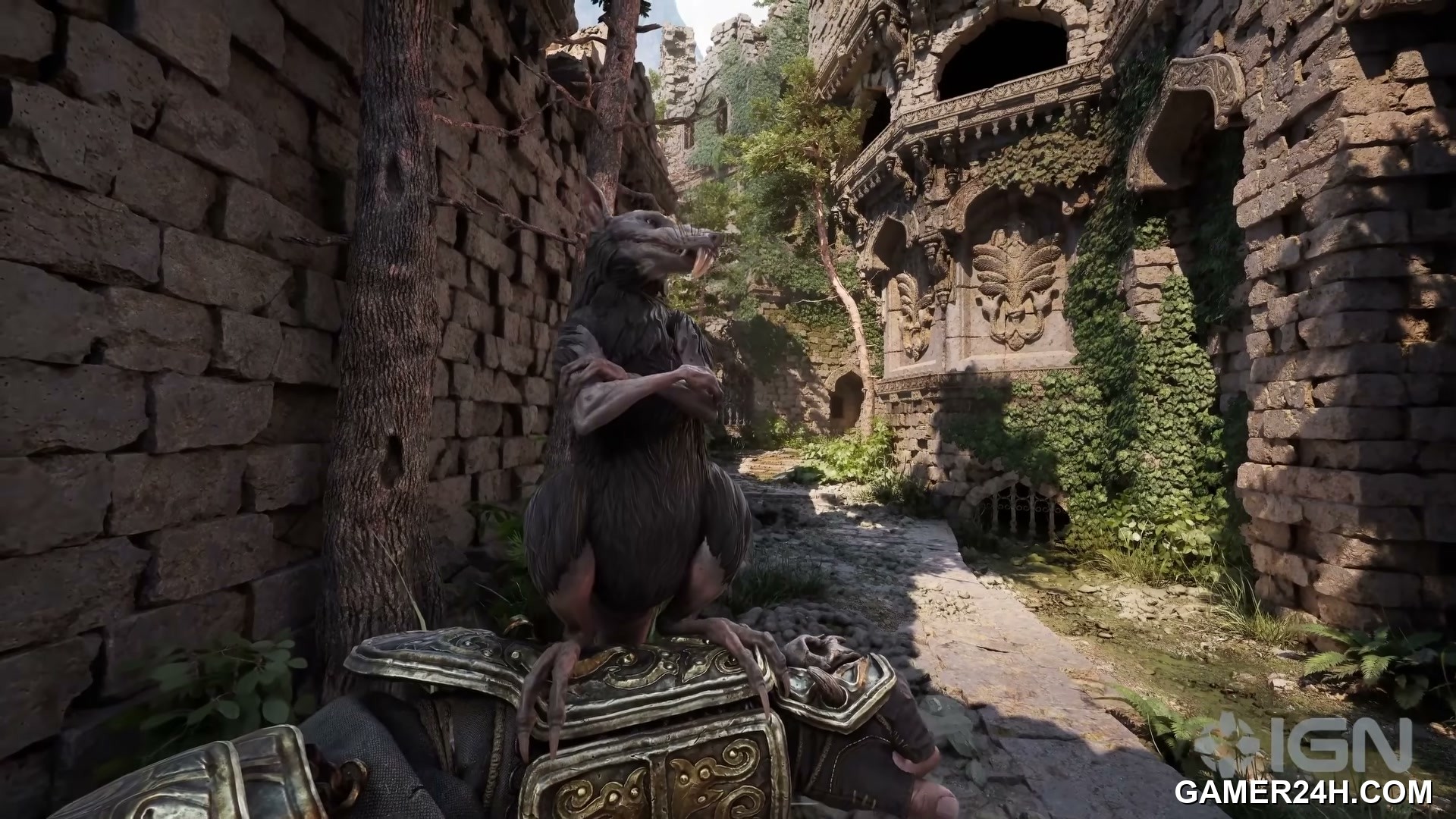
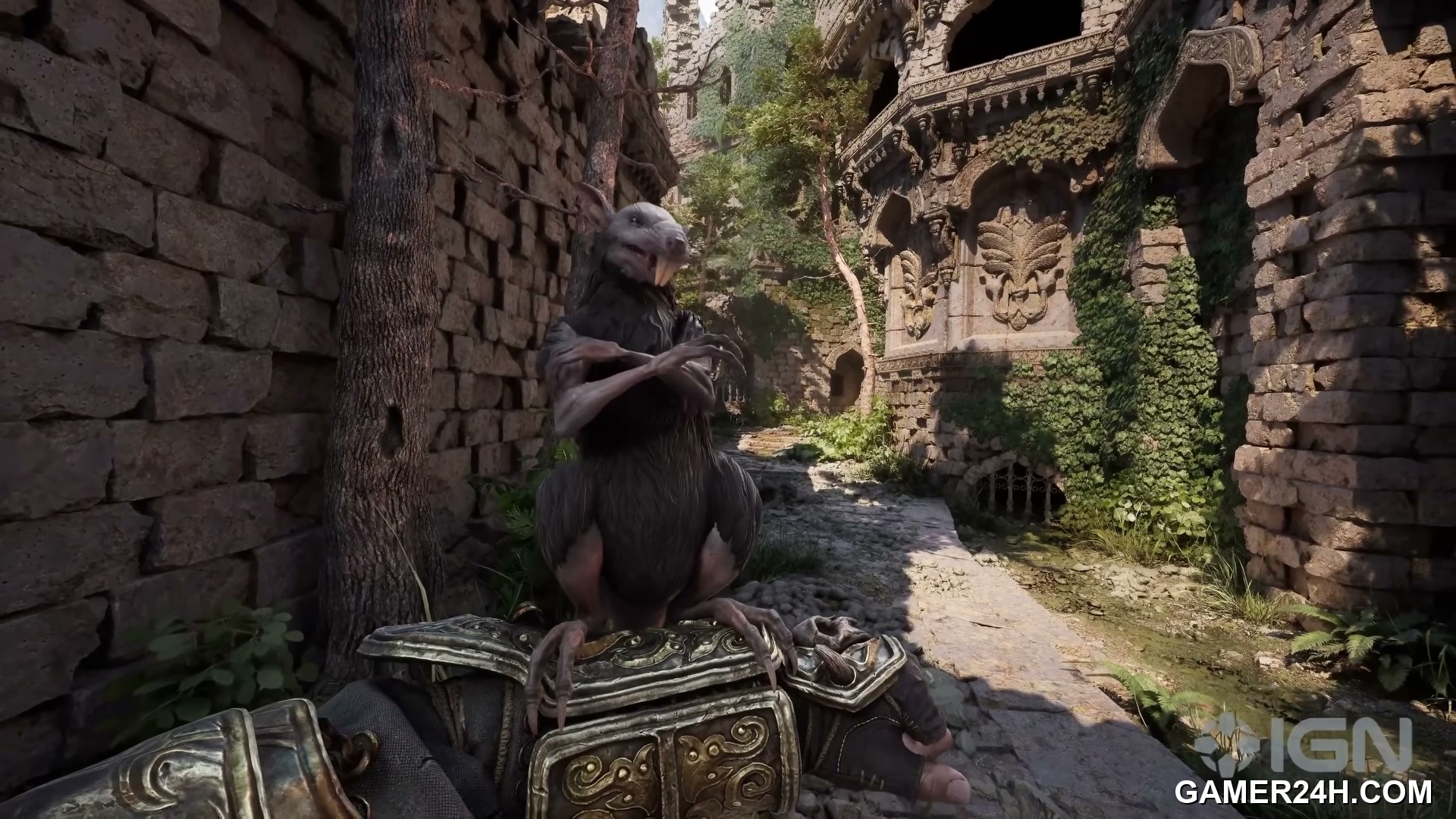
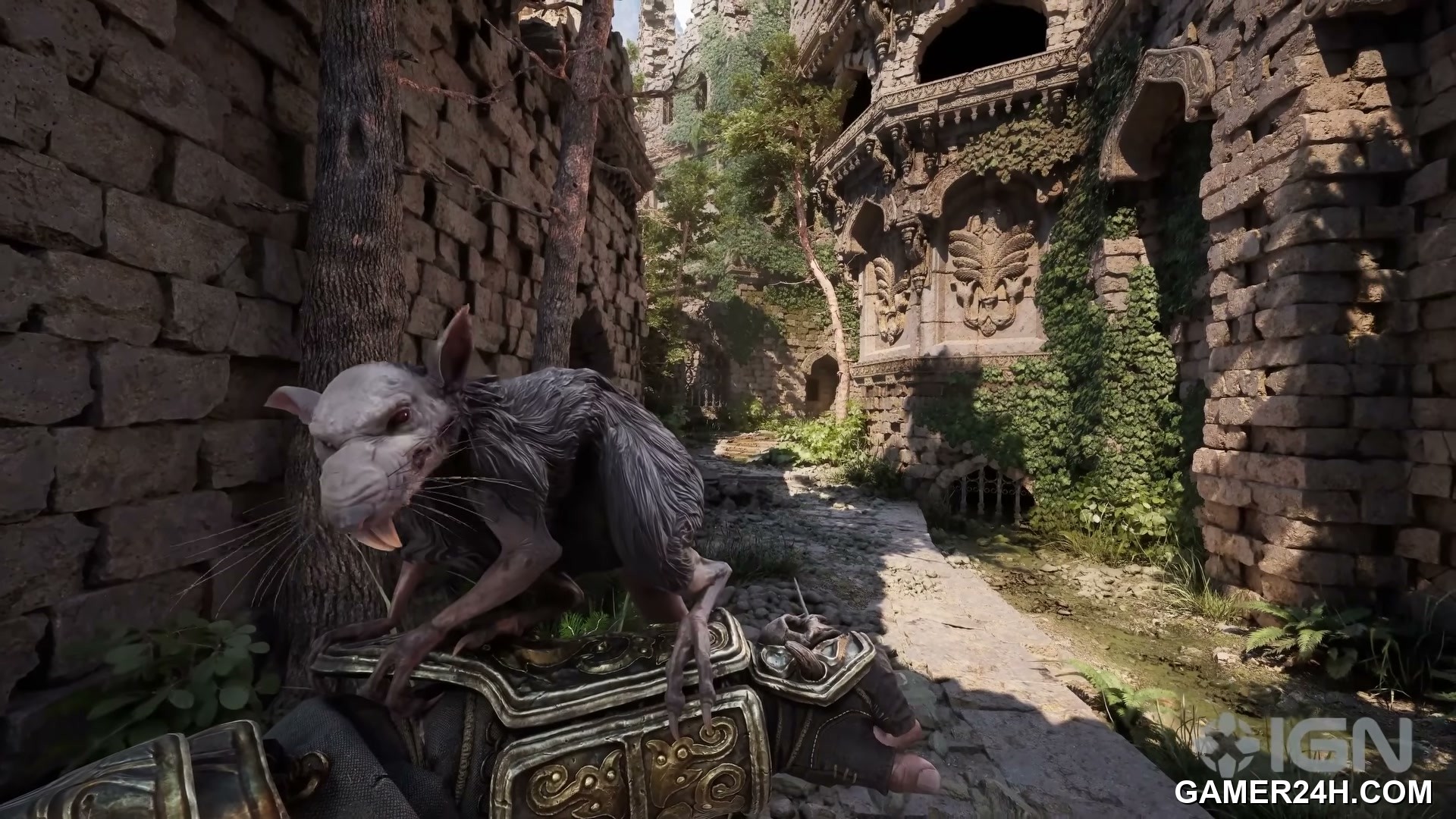
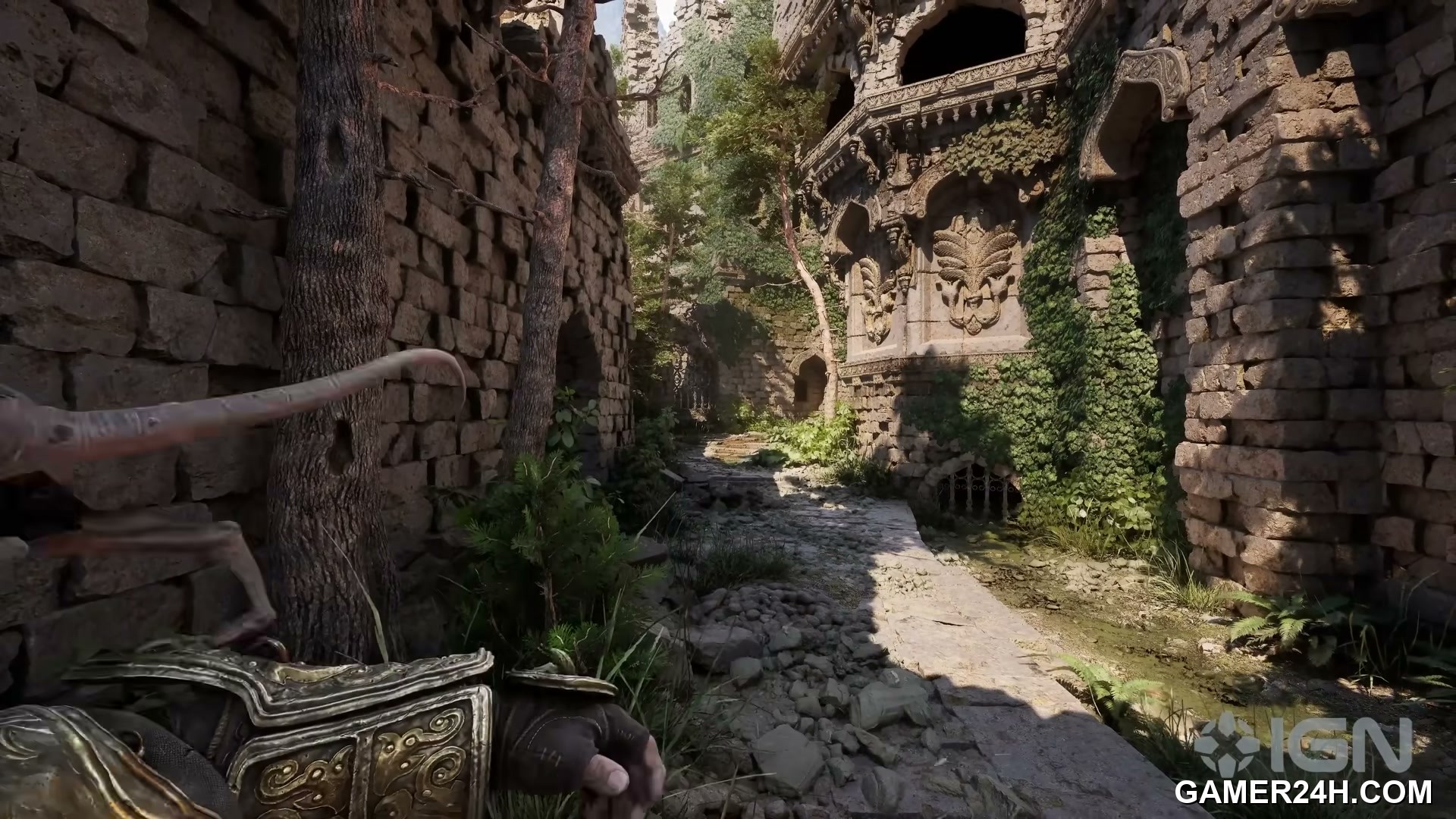
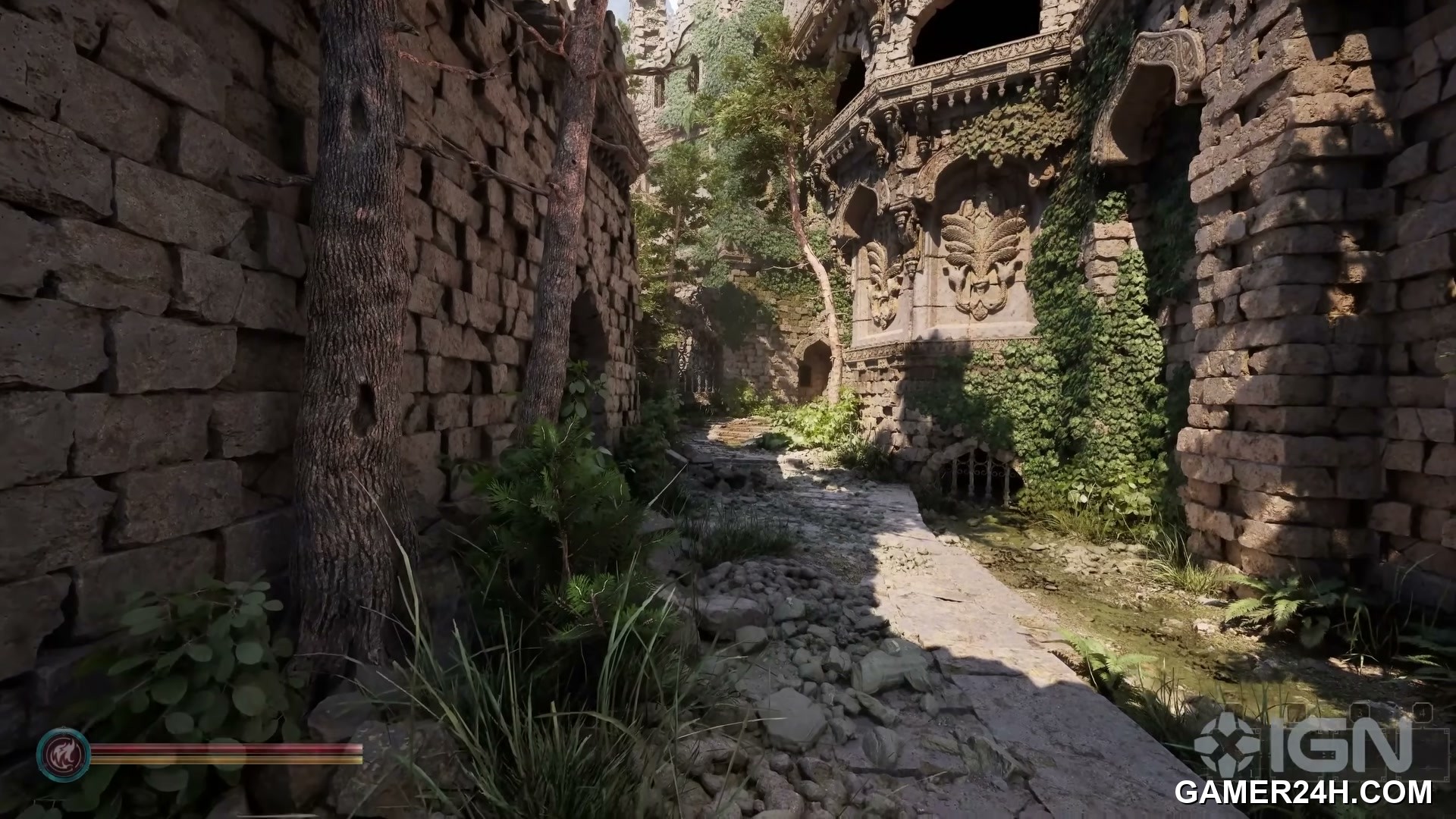
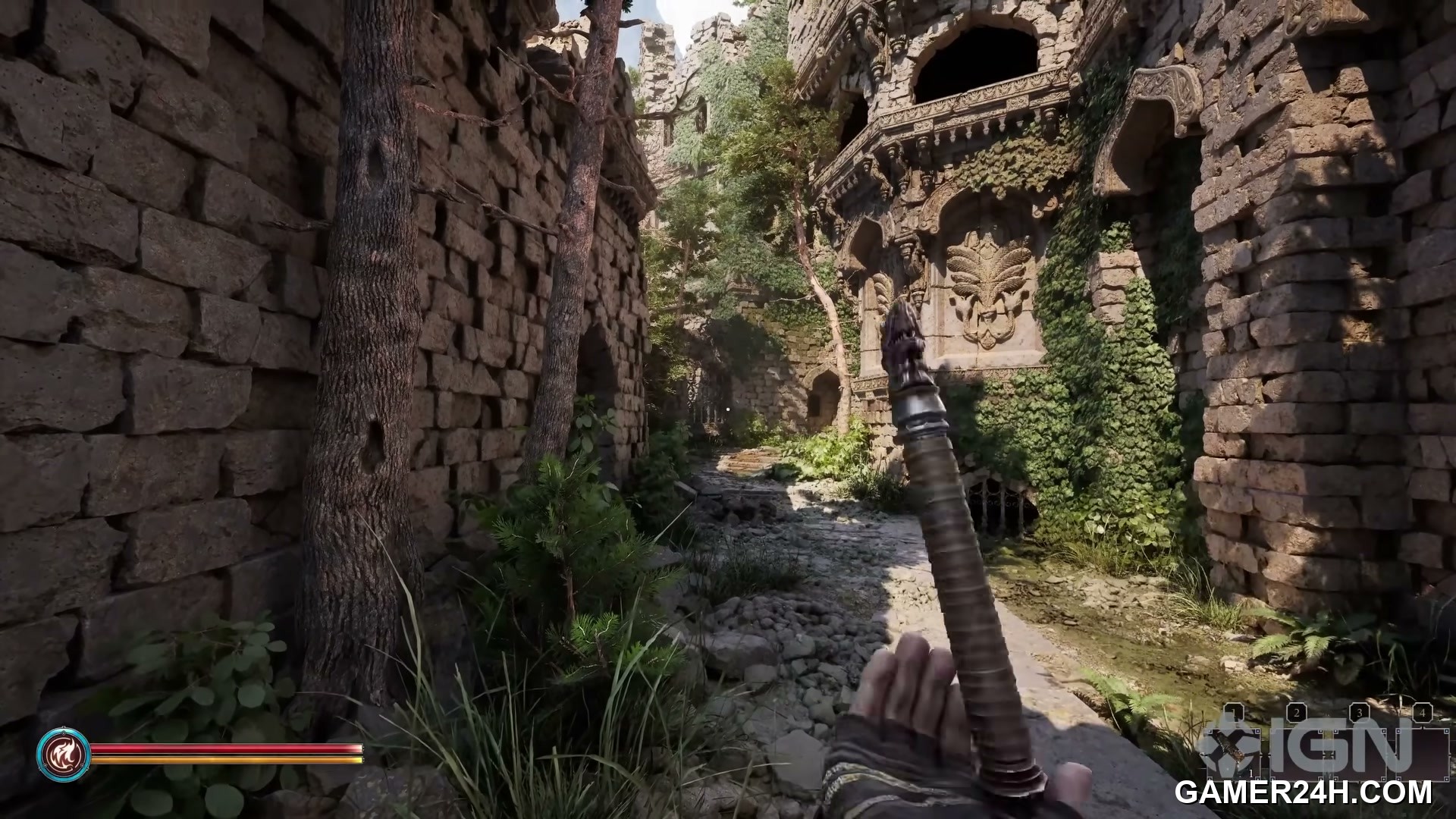
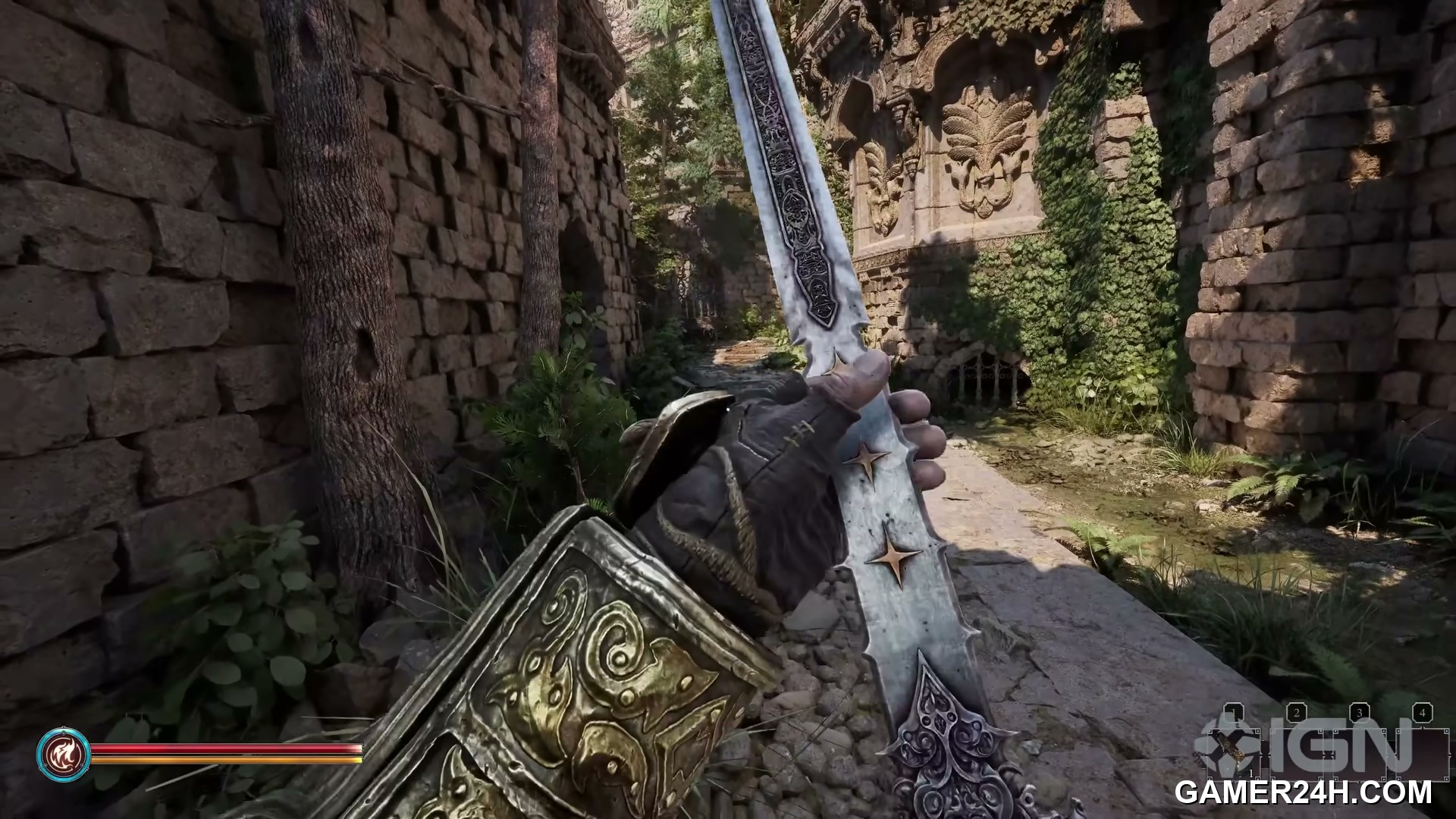
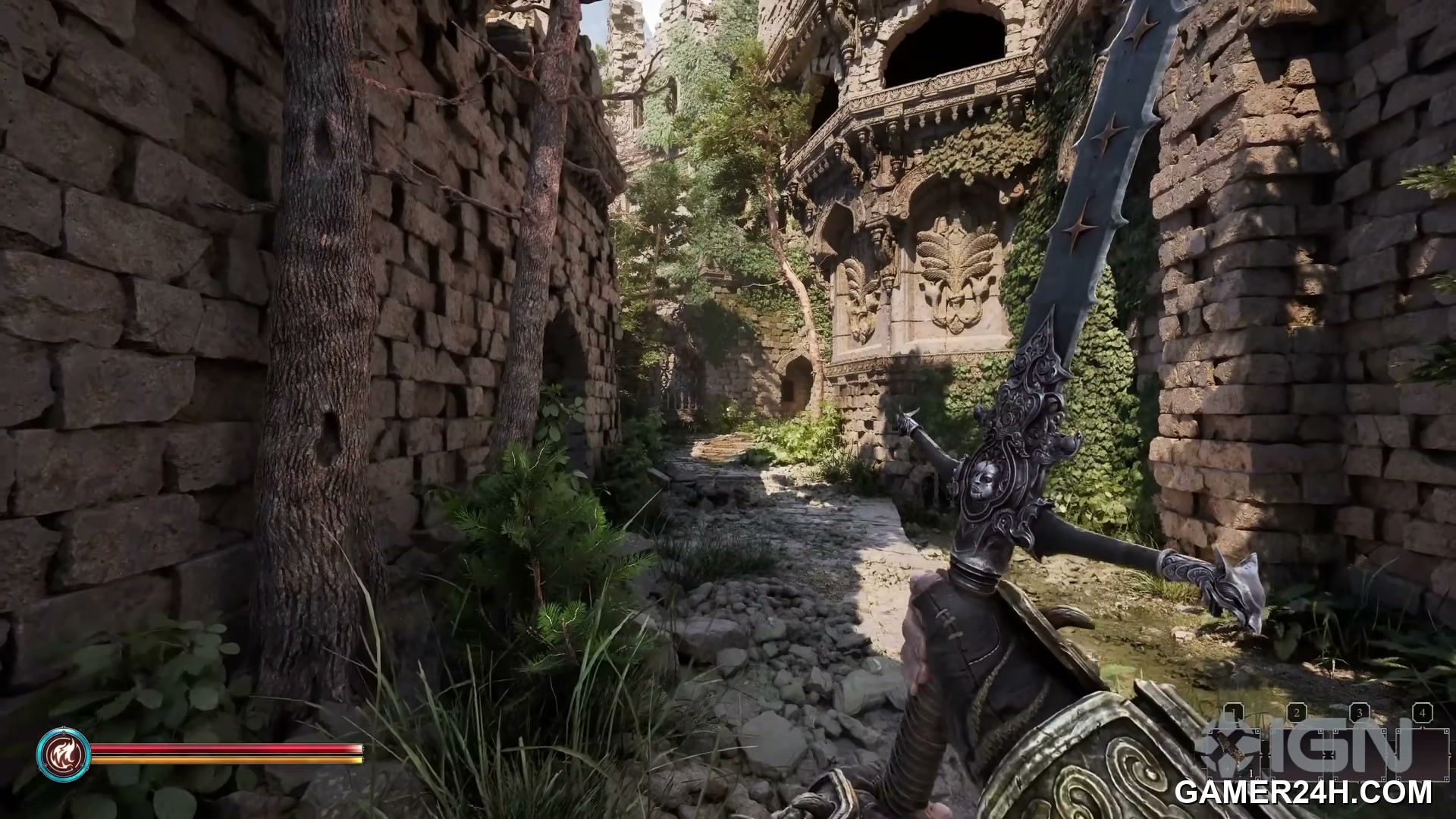
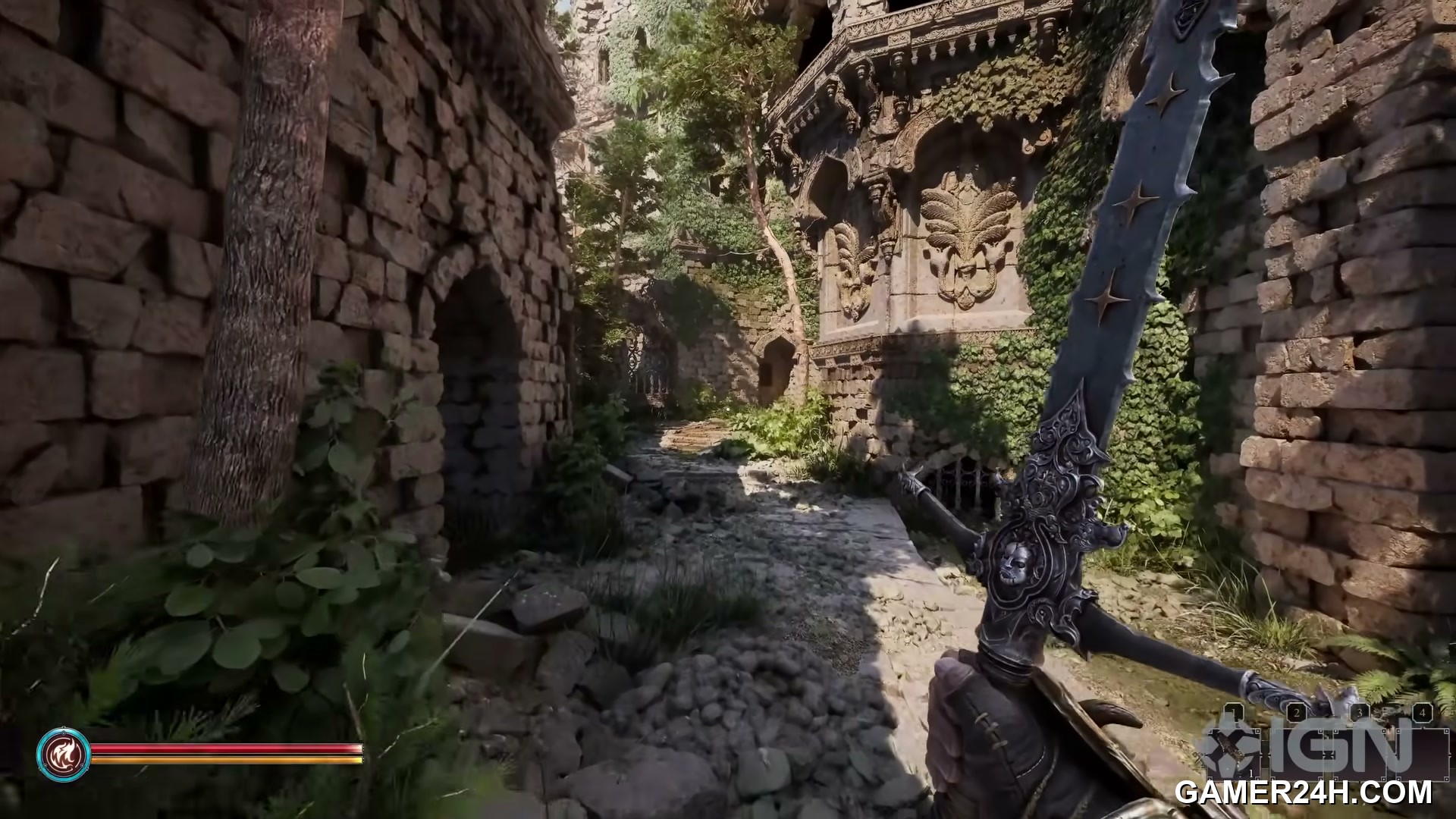
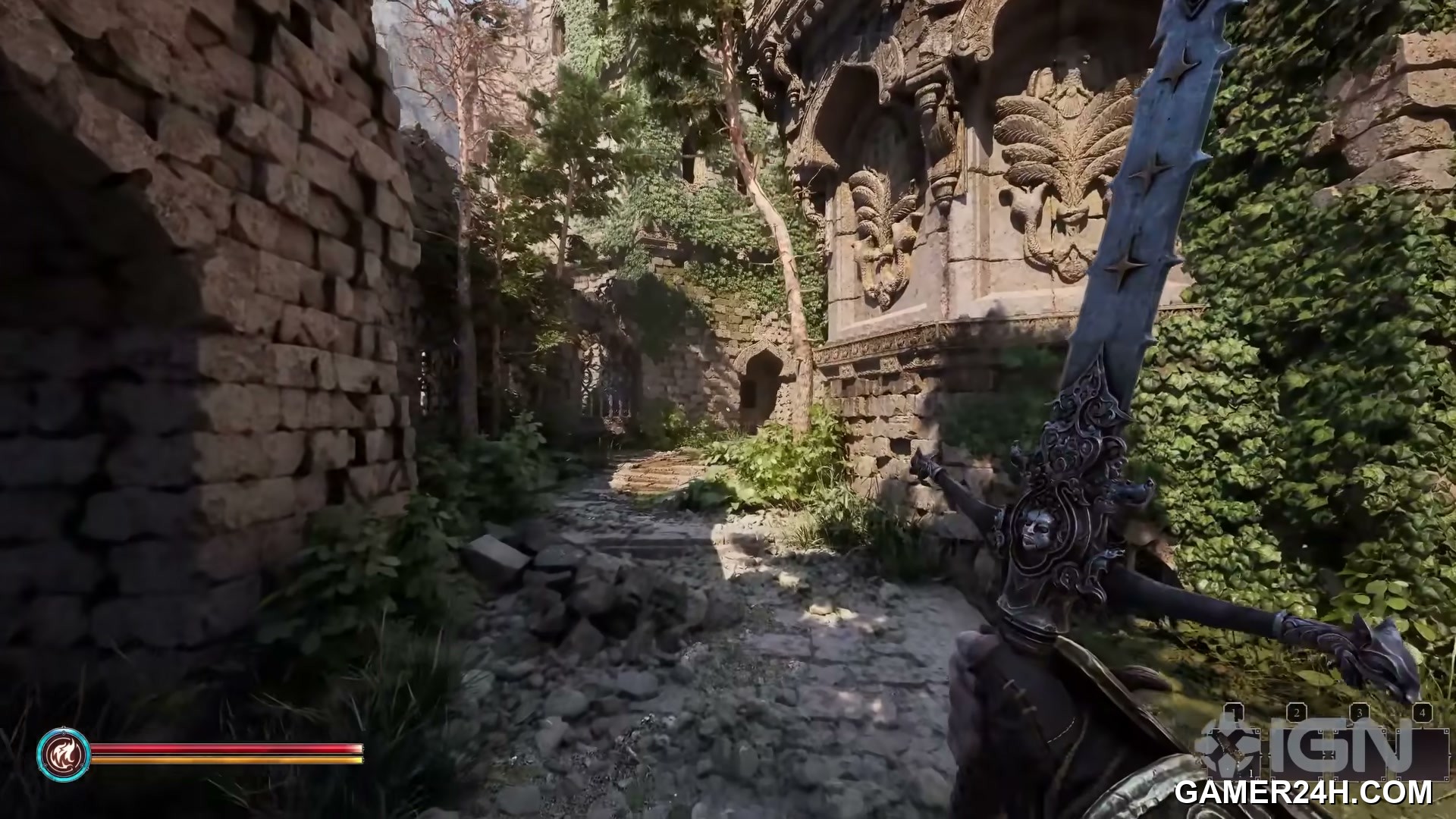
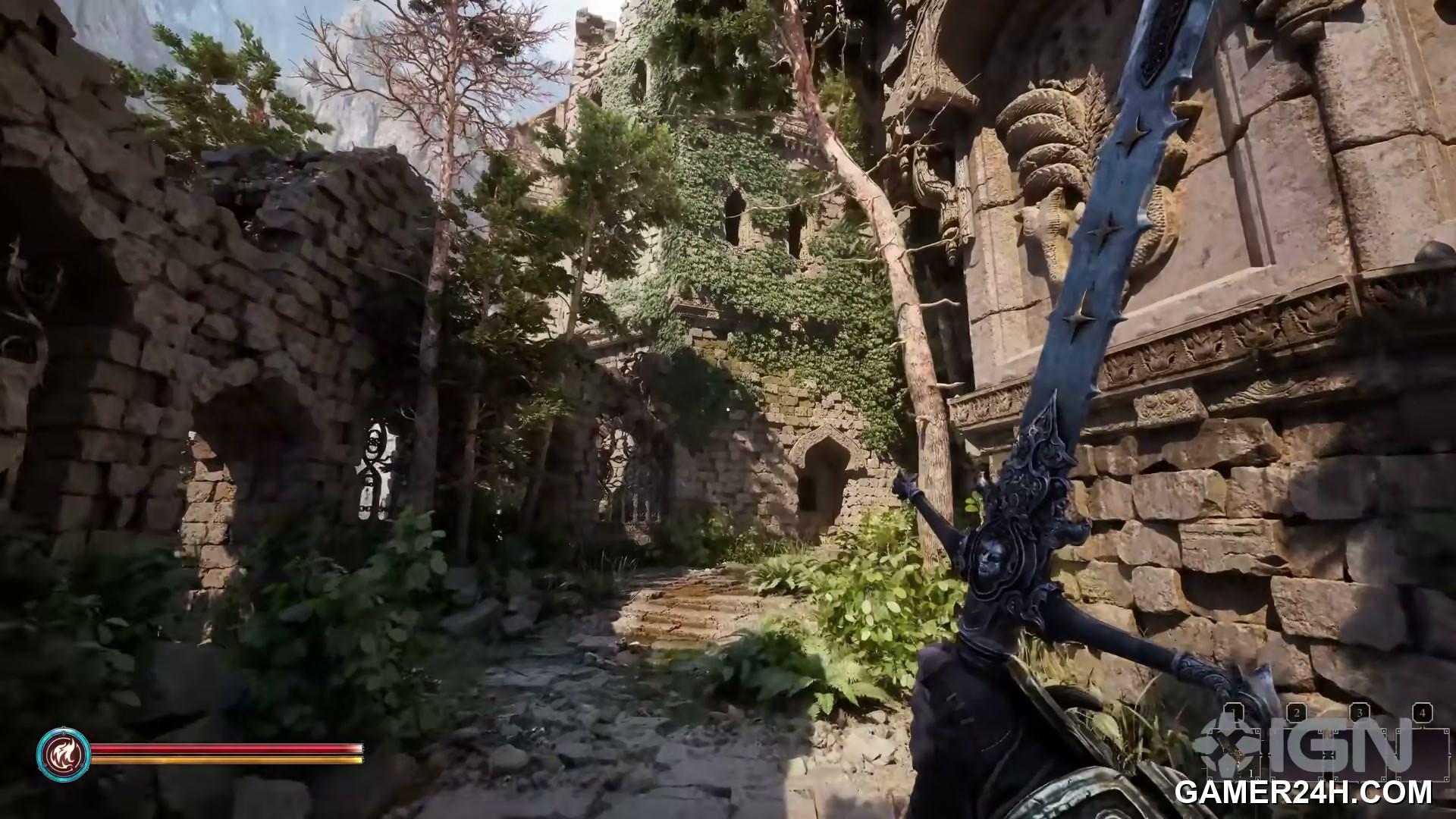
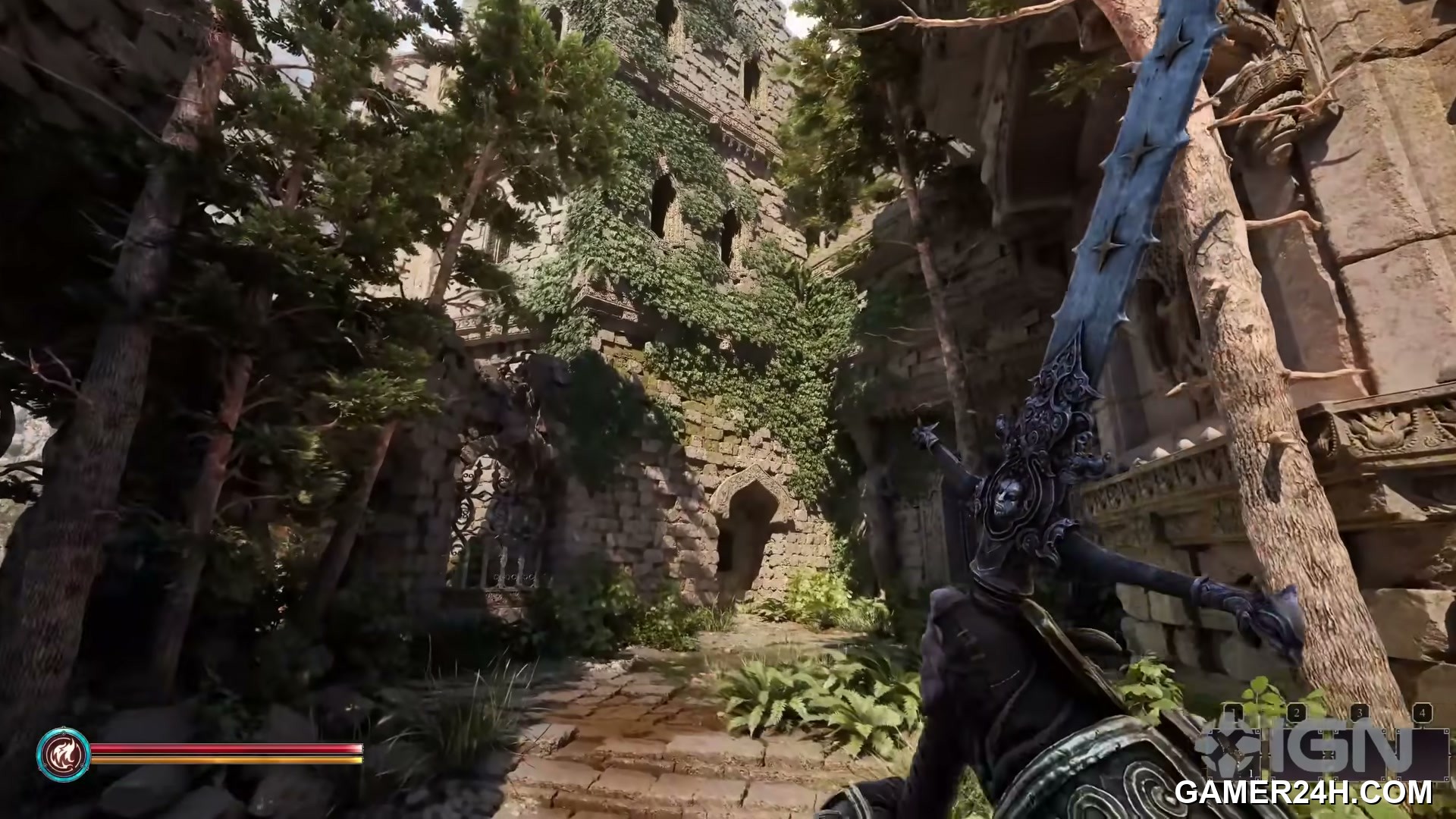
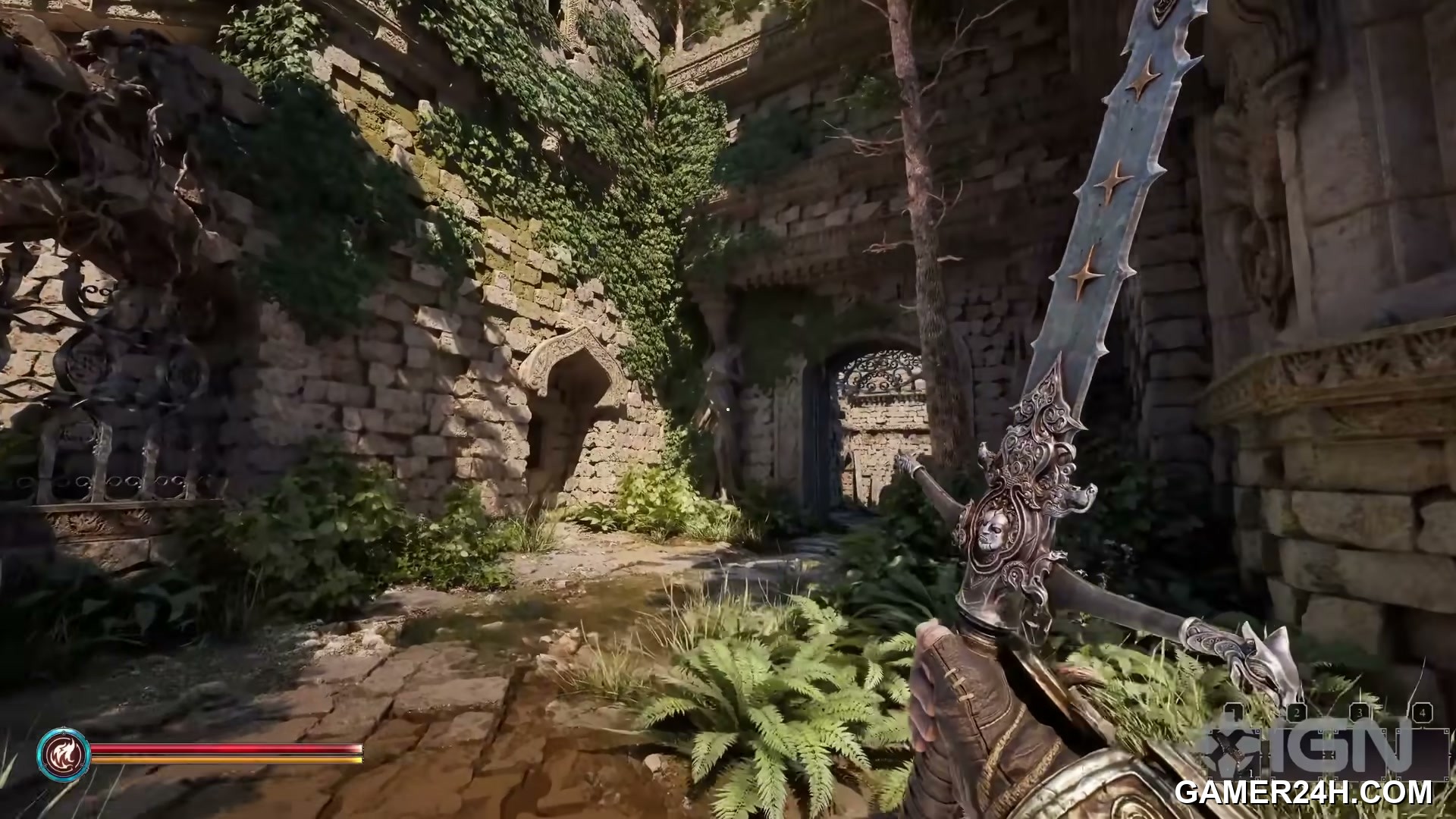
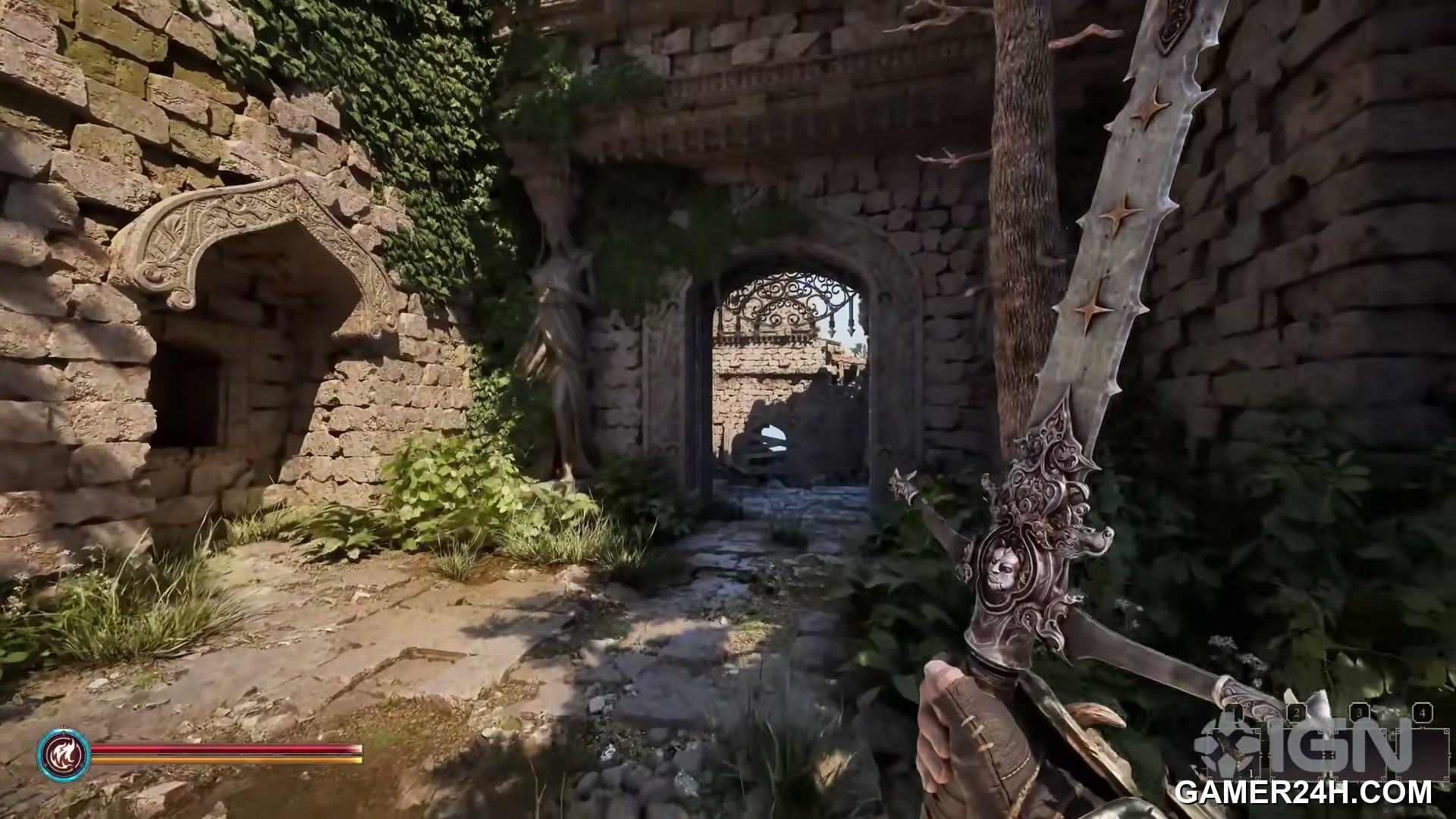
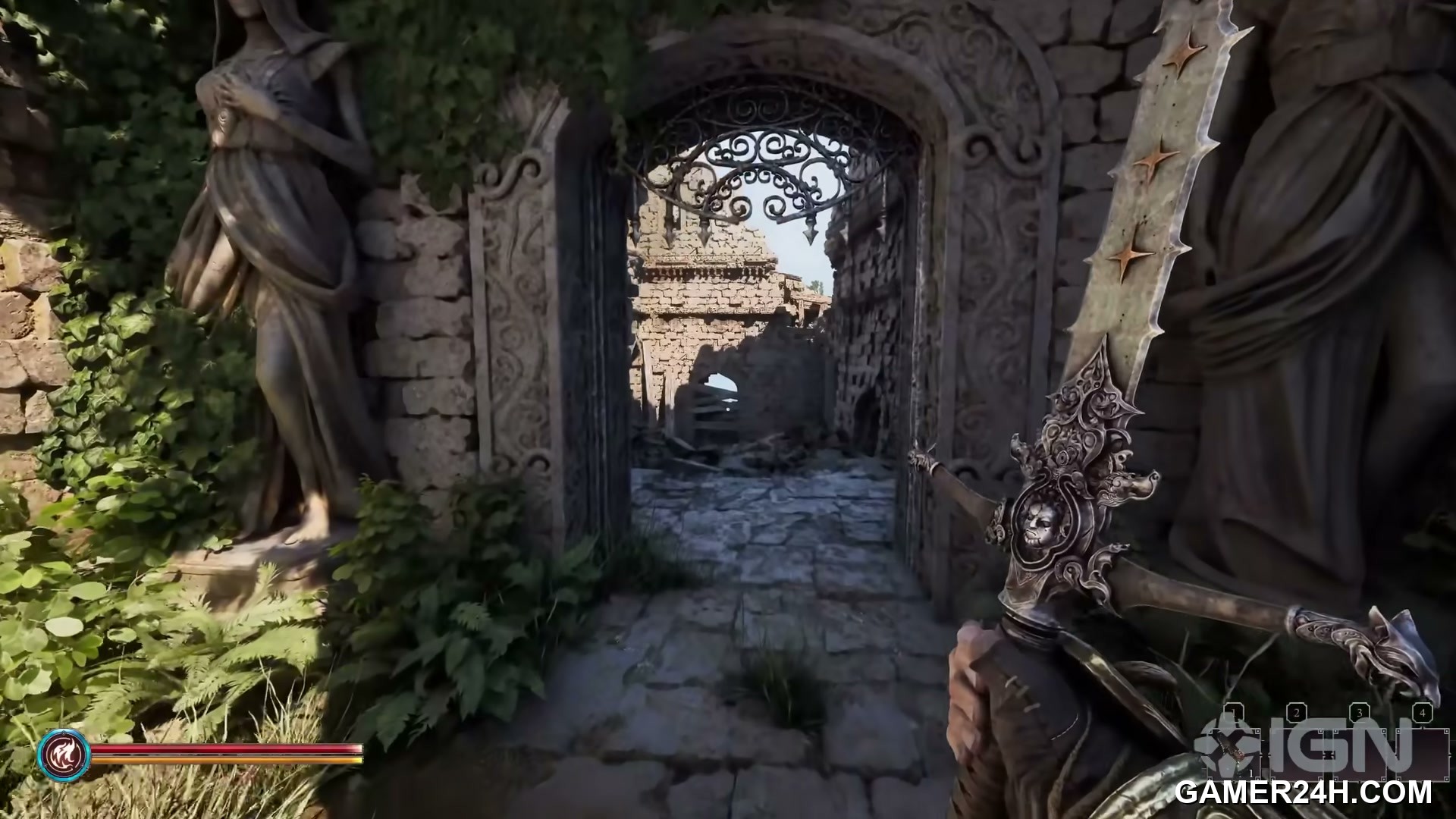
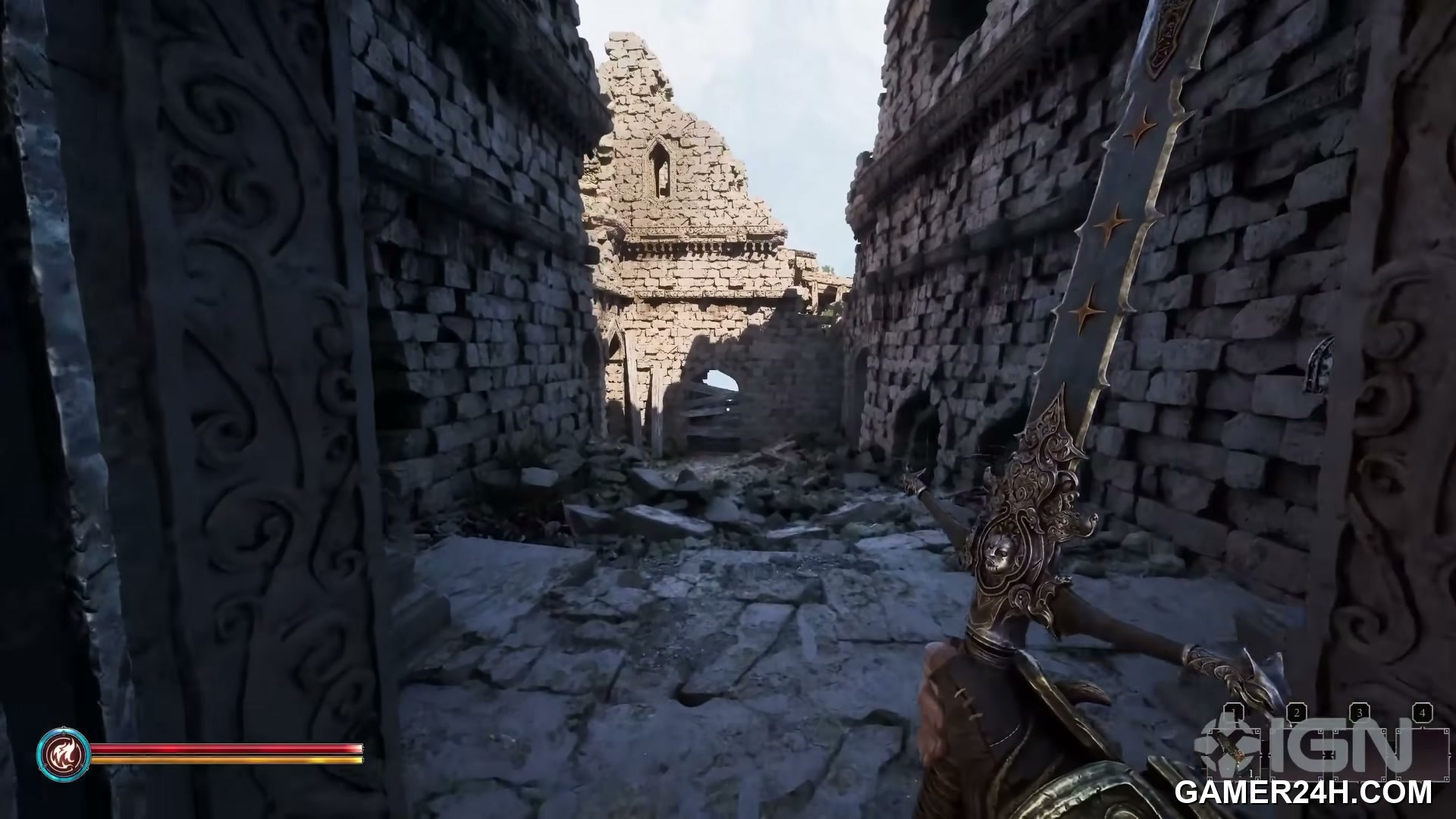
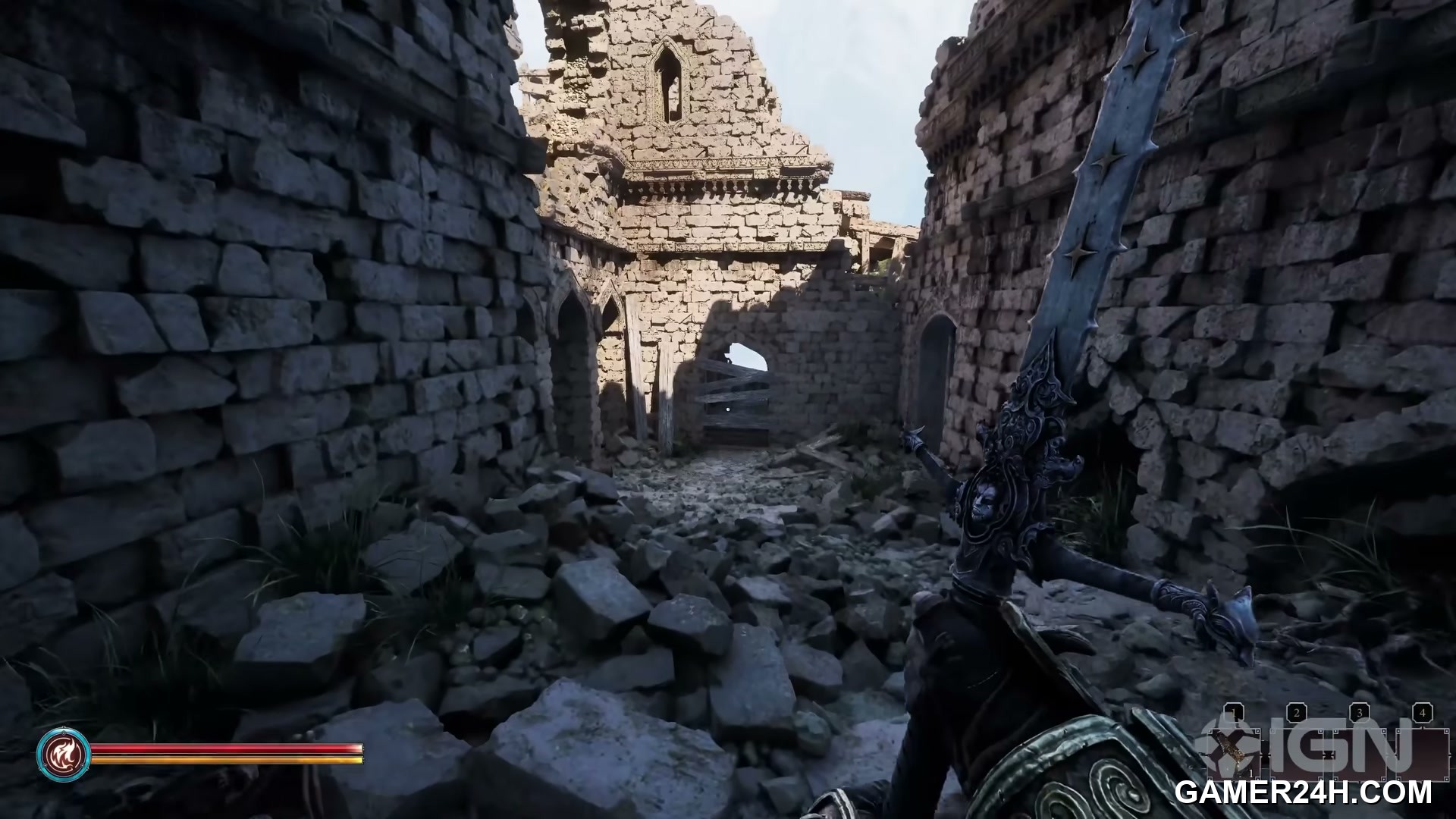
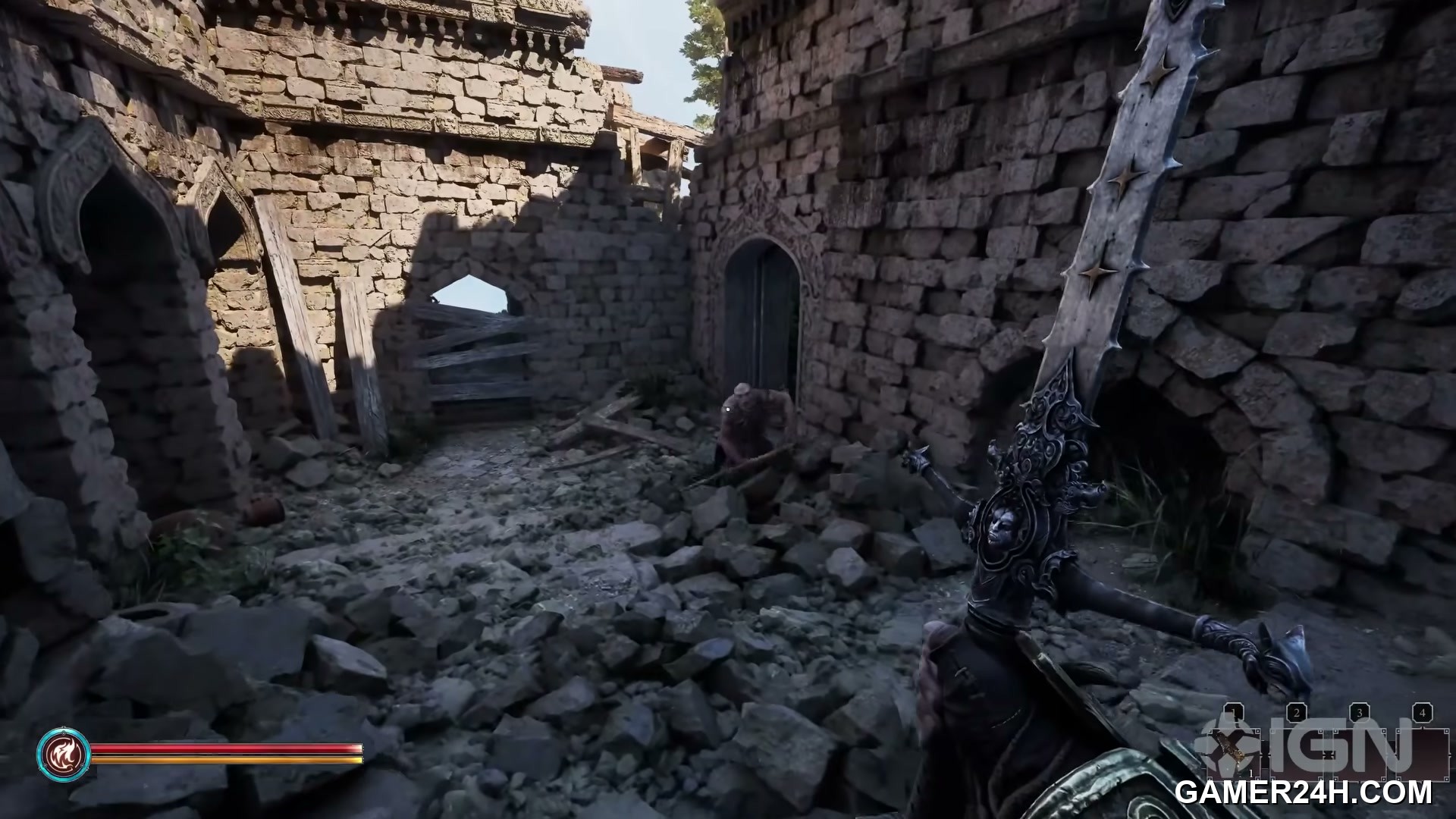
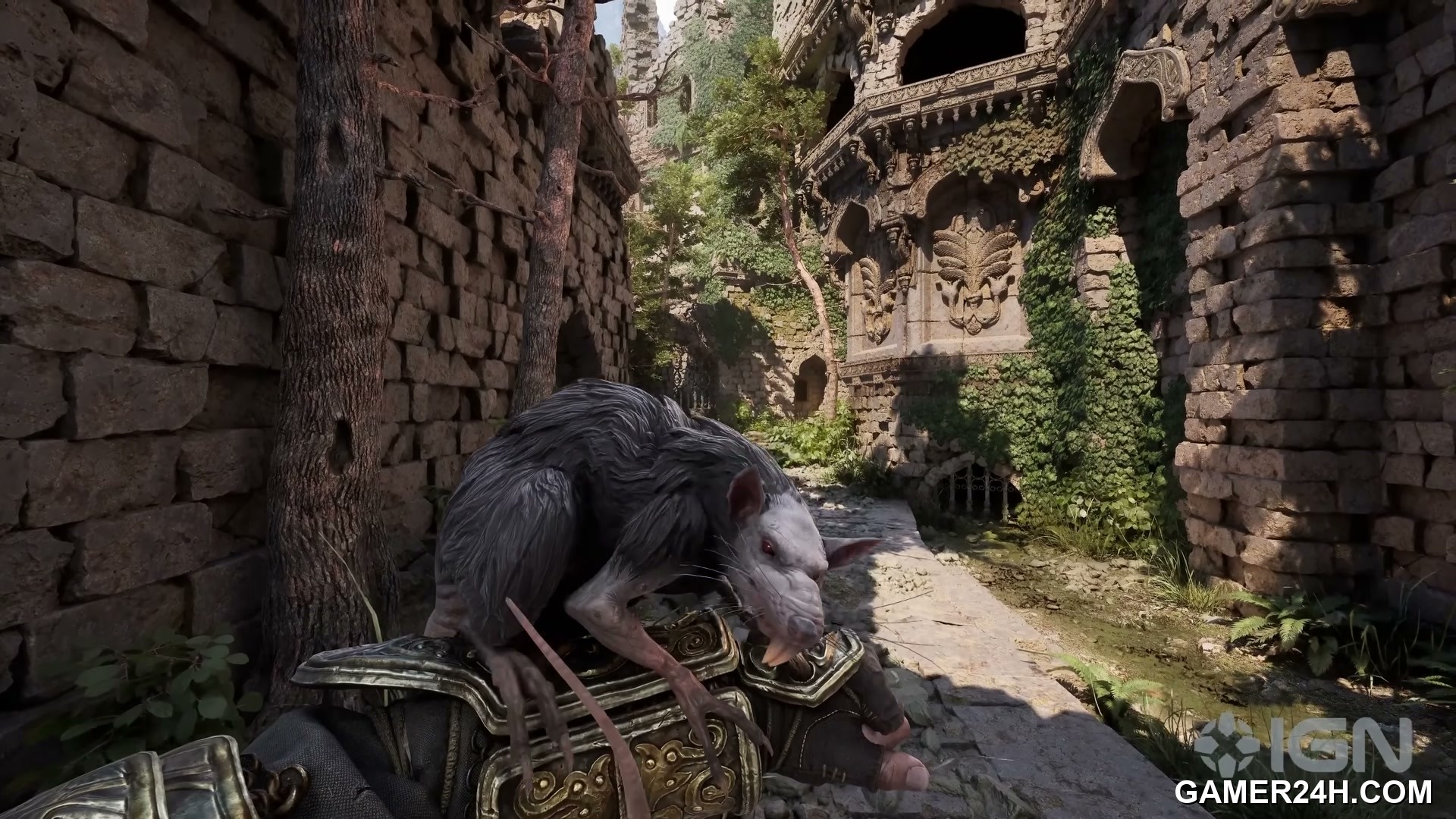
Fatekeeper’s visual design is nothing short of spectacular, leveraging the power of Unreal Engine 5 to create an immersive and realistic environment. The game’s aesthetic combines sleek modernism with dystopian cyberpunk elements, resulting in a unique look that sets it apart from other titles in its genre.
The cityscape of Fatekeeper is meticulously crafted, featuring towering skyscrapers, neon-lit streets, and intricate architectural details. Each building serves as a canvas for the game’s narrative, with textures and lighting effects adding depth to the environment. The use of dynamic weather systems further enhances the realism, creating moments where players might find themselves navigating rain-soaked alleys or using shadows cast by streetlights to their advantage.
The character design in Fatekeeper is equally impressive. Lucia’s outfit changes seamlessly from sleek black leather for covert operations to more casual attire when blending into crowds. The attention to detail extends to the facial expressions and body language of characters, making interactions feel authentic and engaging.
Combat & Systems: Tactical Espionage and Combat Dynamics
The combat system in Fatekeeper is a blend of stealth, strategy, and action. Unlike many games that prioritize one aspect over others, Fatekeeper encourages players to switch between these elements fluidly based on the situation at hand.
Players can choose from multiple approaches when dealing with threats, ranging from silent takedowns using a variety of specialized tools like smoke grenades and silenced pistols, to more aggressive combat using melee weapons. The game’s dynamic AI ensures that enemies react intelligently to player actions, making each encounter unique and challenging.
The inclusion of an extensive skill tree allows players to customize Lucia’s abilities according to their playstyle. Whether they prefer stealthy assassinations or direct confrontation, the system caters to a wide array of preferences, ensuring replayability through multiple runs with different character builds.
Gameplay & Atmosphere Analysis: Portals and Tension
Fatekeeper’s gameplay is meticulously designed to maintain a constant state of tension. The use of portals as key narrative elements adds an intriguing layer of complexity, allowing players to traverse different realities within the same level.
The game’s atmosphere is further enhanced through its innovative use of lighting and sound design. Shadows serve not only as cover but also as indicators of danger, with sudden shifts in light often signaling enemy presence or traps. The integration of environmental hazards like laser grids and motion sensors adds an extra layer of challenge to stealth missions.
Players must remain vigilant at all times, as even a slight misstep can lead to immediate failure. This high-stakes gameplay is complemented by the narrative’s relentless pace, where every decision has consequences that ripple through the story.
Narrative & Characters: The Architects’ Mystery and Lucia’s Mission
The narrative of Fatekeeper revolves around the enigmatic Architects, a shadowy organization with vast influence over technology and society. As Lucia, players are tasked with uncovering the truth behind their operations, navigating through complex moral dilemmas along the way.
The character development in Fatekeeper is rich and nuanced. Lucia’s backstory and motivations add depth to her role as a protagonist, making her more than just a tool for completing missions. Her interactions with other characters, both allies and adversaries, reveal layers of intrigue that tie into the overarching plot.
The Architects themselves are shrouded in mystery, their true intentions only gradually revealed through Lucia’s investigations. This creates a sense of unease and curiosity that drives players to uncover more about this secretive organization.
Acoustic Preservation / Audio Design: Sounds of Silence and Combat
Fatekeeper’s audio design is as crucial to the experience as its visuals and gameplay. The game employs a sophisticated sound system that enhances immersion through subtle yet effective cues. Ambient sounds like distant sirens, murmuring crowds, and ticking clocks create an ever-present sense of urgency.
The combat audio is equally impressive, with each weapon and attack producing distinct sounds that contribute to the realism of encounters. Footsteps on different surfaces (carpets, tiles, etc.) alter dynamically based on Lucia’s movement speed, while enemy reactions are accompanied by appropriate vocalizations and weapon noises.
Sound also plays a critical role in stealth gameplay, with players relying heavily on auditory cues to detect approaching enemies or hidden dangers. The absence of sound can be just as telling, signaling safe zones where players can move more freely without fear of immediate detection.
Critical Reception: Expectations and First Impressions
Since its announcement, Fatekeeper has garnered significant attention from the gaming community due to its unique premise and high-quality production values. Early reviews have praised the game for its innovative stealth mechanics, engaging narrative, and stunning visuals.
Critics have particularly highlighted the seamless blend of action and espionage as a standout feature, noting that it offers a fresh take on an often-overlooked genre. The use of Unreal Engine 5 has been lauded for its ability to bring the dystopian setting to life in unprecedented detail.
However, some reviewers have noted that the steep learning curve associated with mastering stealth and combat mechanics could be off-putting for newcomers to the genre. Additionally, concerns have been raised about whether the narrative complexity will be balanced against accessibility for a broader audience.
Conclusion: The Vanguard of Next-Gen Action
Fatekeeper, developed by Paraglacial, stands out as a pioneering title in the stealth action RPG genre. Its innovative use of Unreal Engine 5 to create an immersive and visually stunning world sets it apart from its contemporaries. Coupled with its intricate narrative and dynamic gameplay mechanics, Fatekeeper promises to deliver an unforgettable experience for players seeking depth and challenge.
As the release date approaches, anticipation continues to build among gaming enthusiasts eager to explore this meticulously crafted universe. Whether through stealthy infiltration or explosive combat encounters, Fatekeeper is poised to become a hallmark of next-generation action RPGs.