Introduction: The Next Chapter for Far Cry 4
Far Cry 4, released in 2014 by Ubisoft Montreal, arrived as the highly anticipated sequel to the critically acclaimed Far Cry 3. Building upon the foundation laid by its predecessor, it transported players to the visually stunning and politically charged Himalayan nation of Kyrat. The game follows Ajay Ghale, a young man returning to his motherland after her death, only to become embroiled in a brutal civil war between the oppressive Royal Army led by the enigmatic Pagan Min, and the rebel group known as the Golden Path. Far Cry 4 aimed to refine the open-world gameplay loop that defined the series, offering players unparalleled freedom to explore, fight, and shape their own path through Kyrat’s diverse landscapes.
Visual Direction and Graphics Engineering
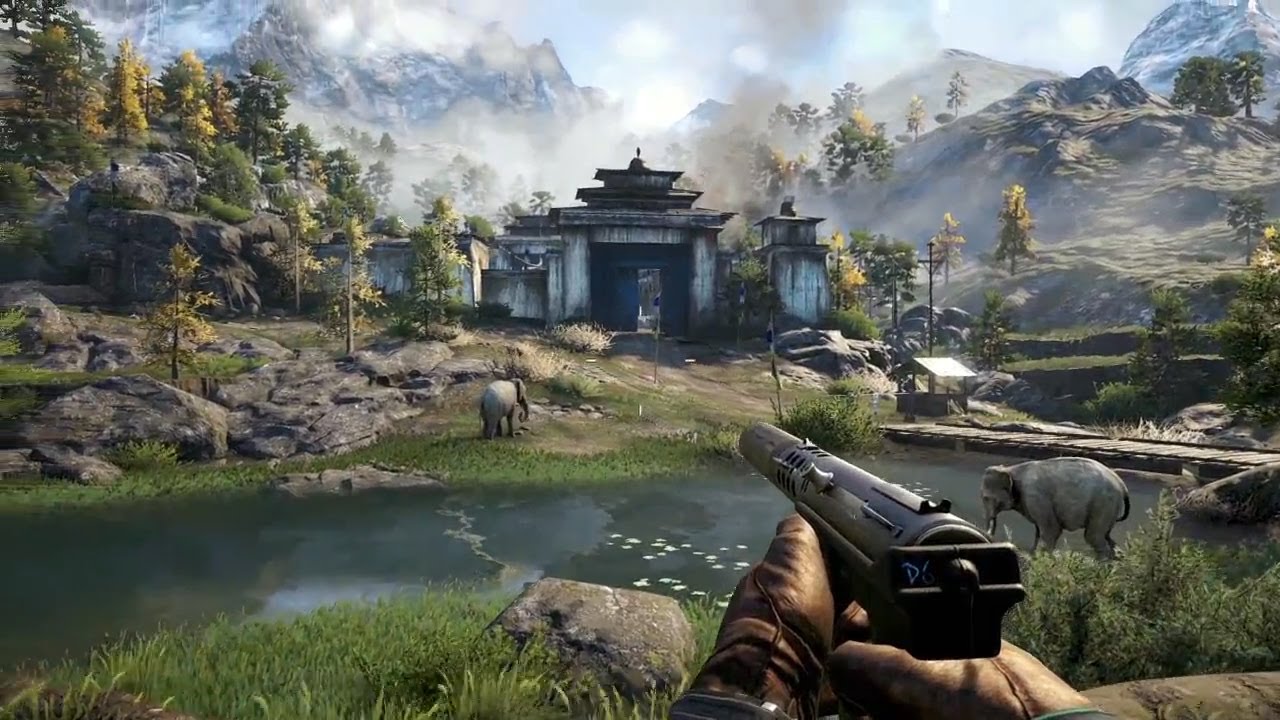
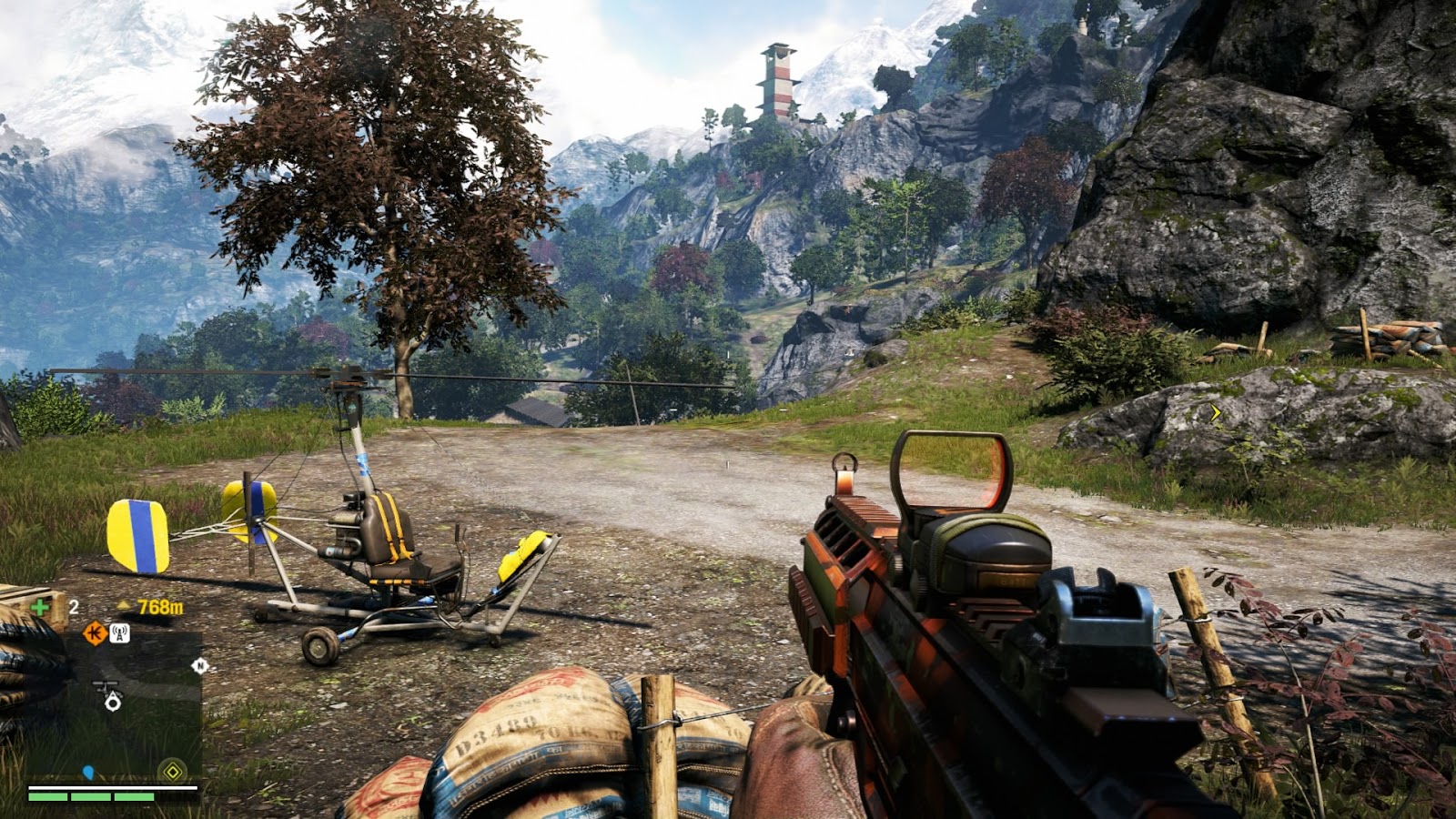
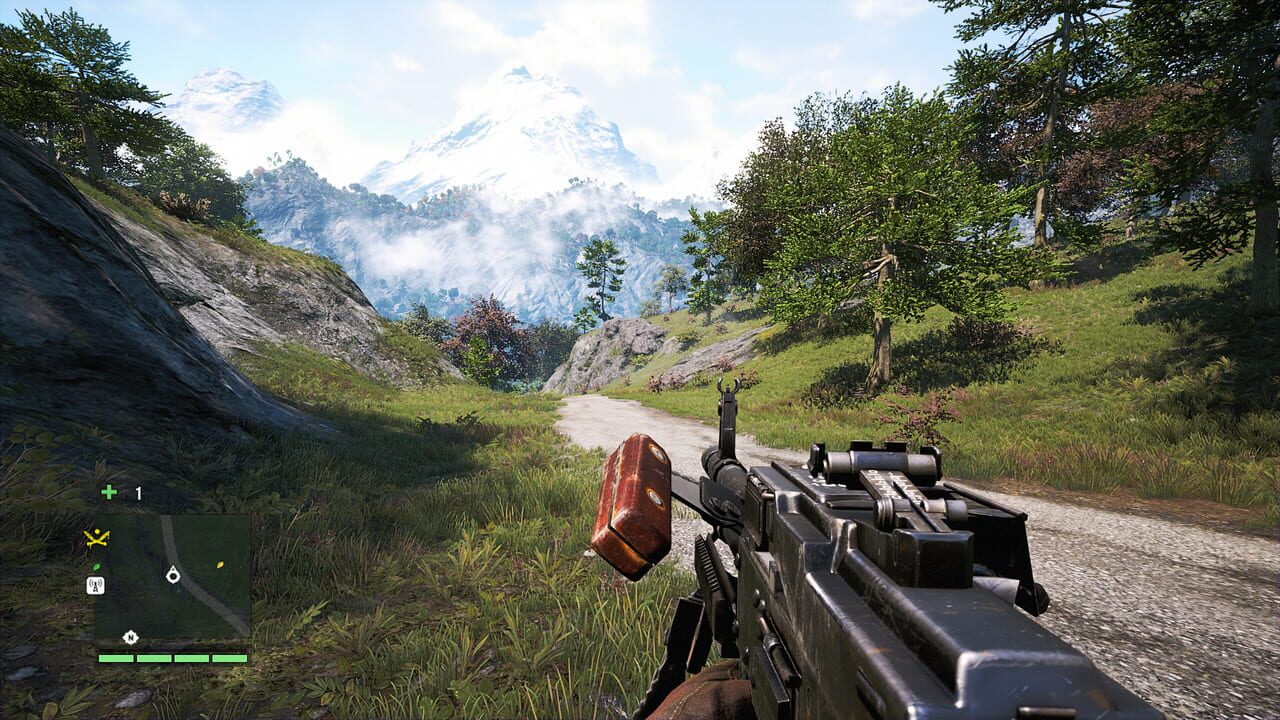
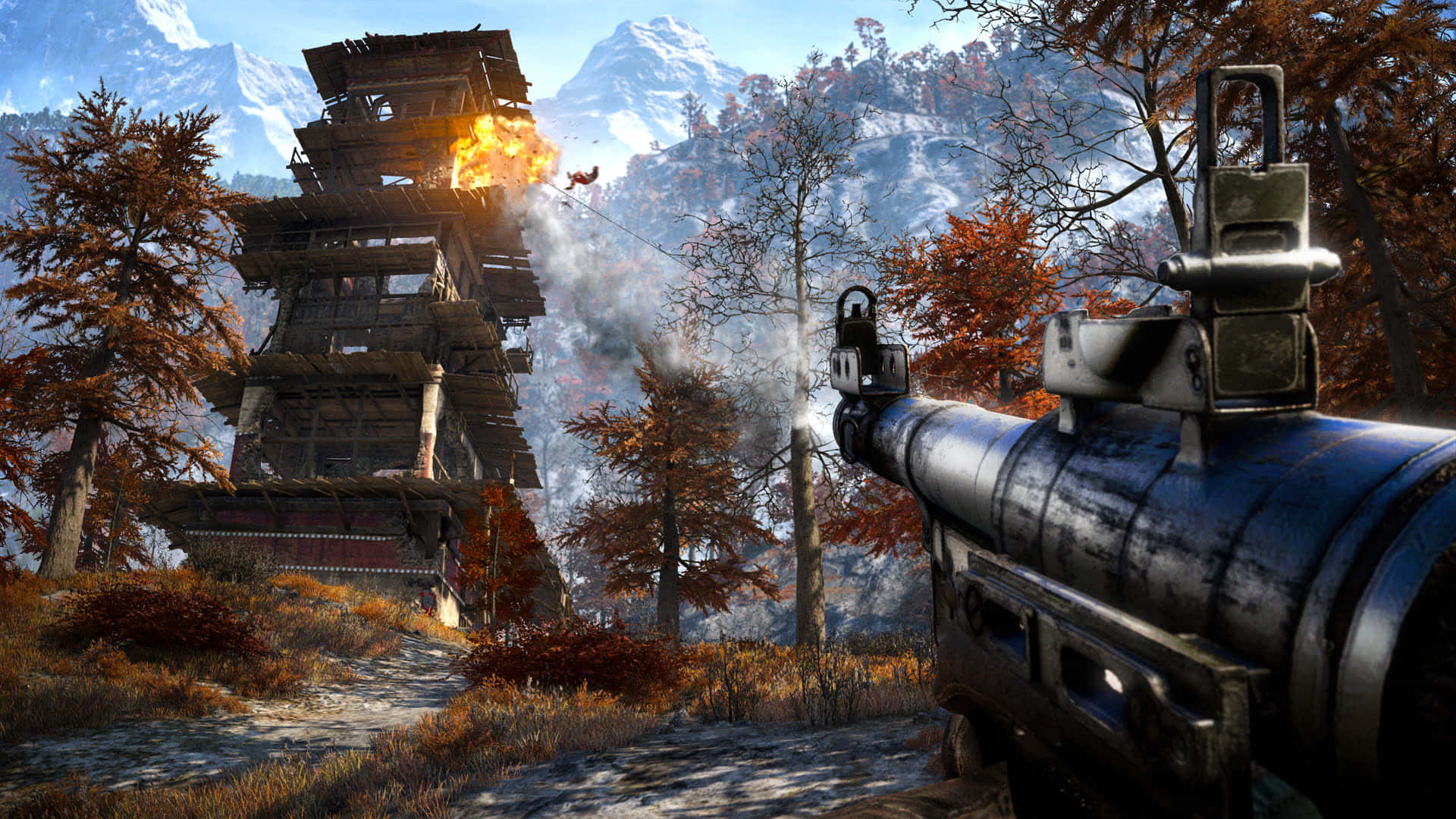
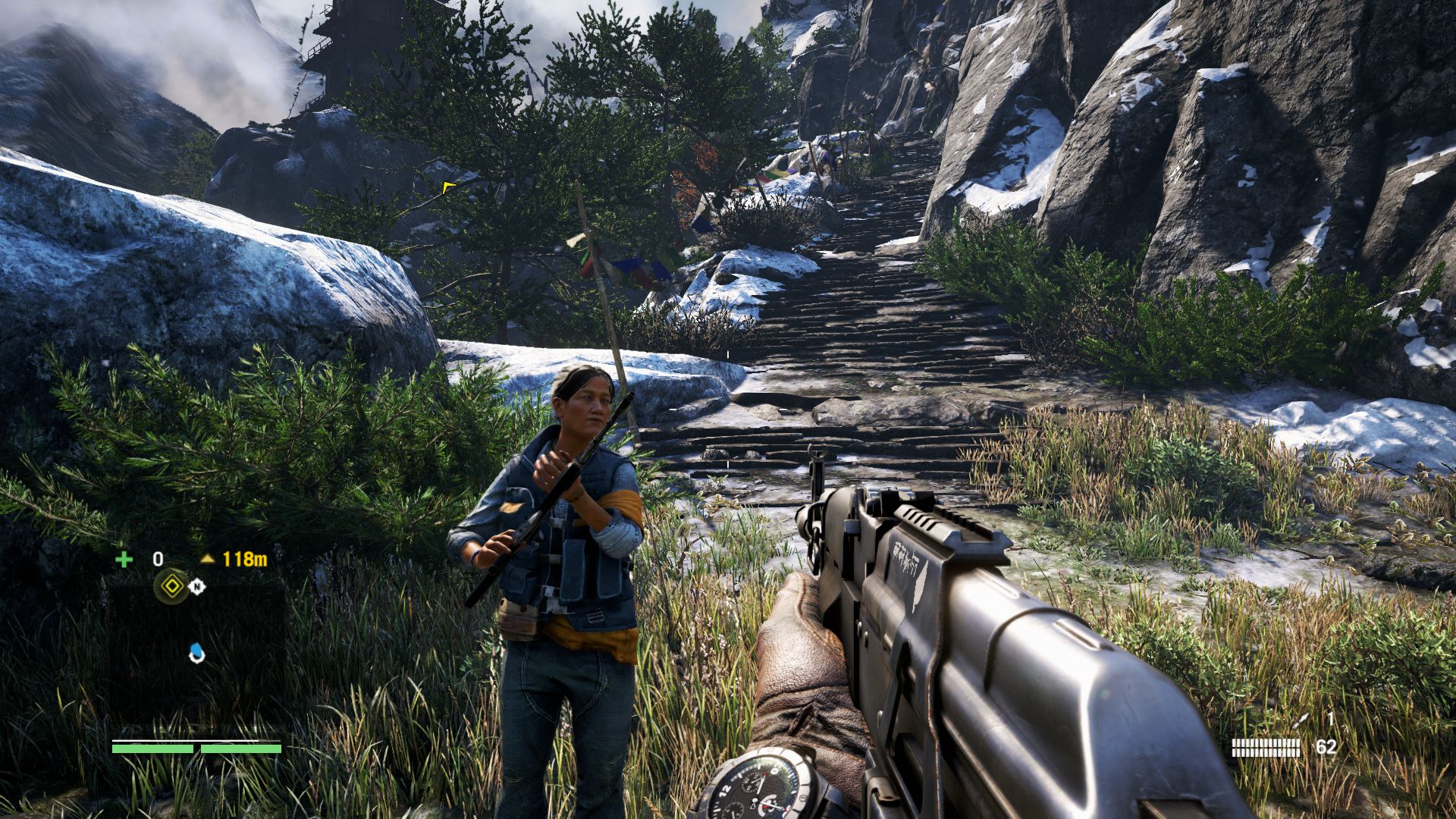
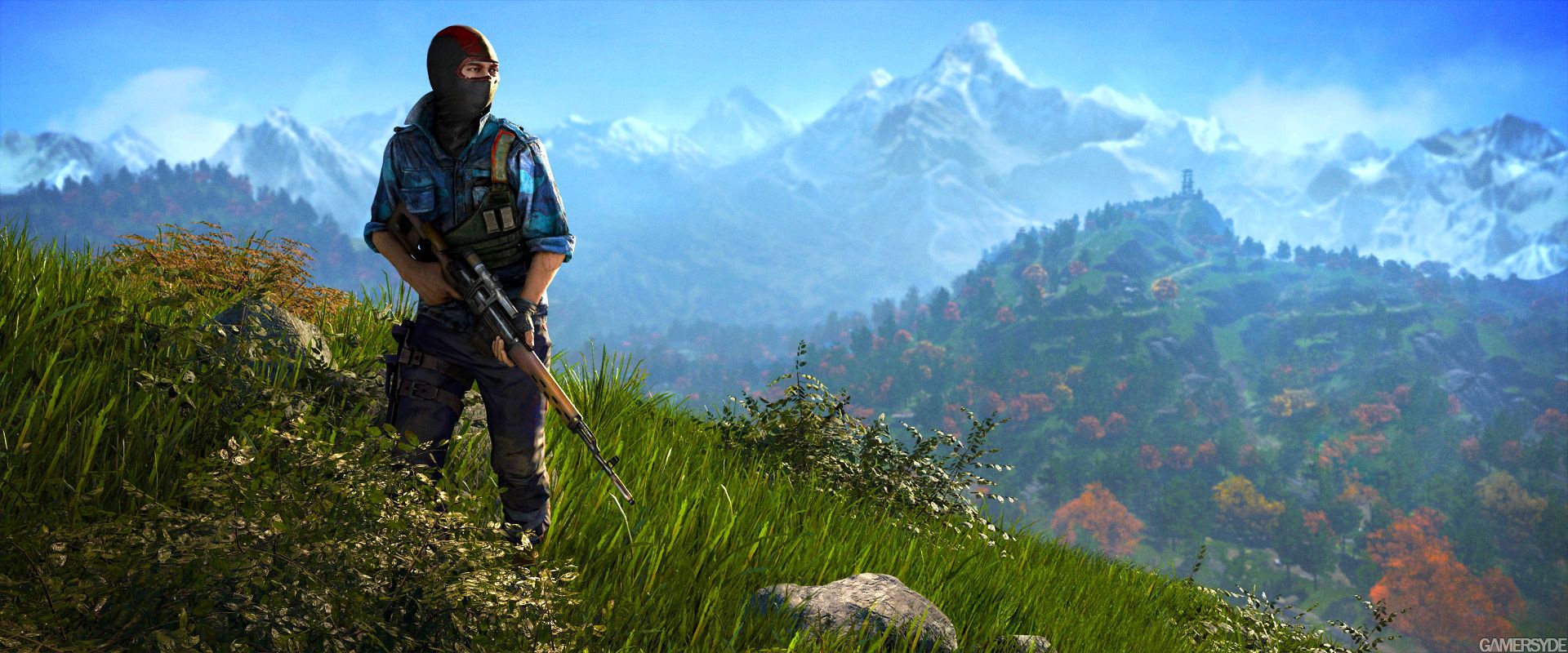
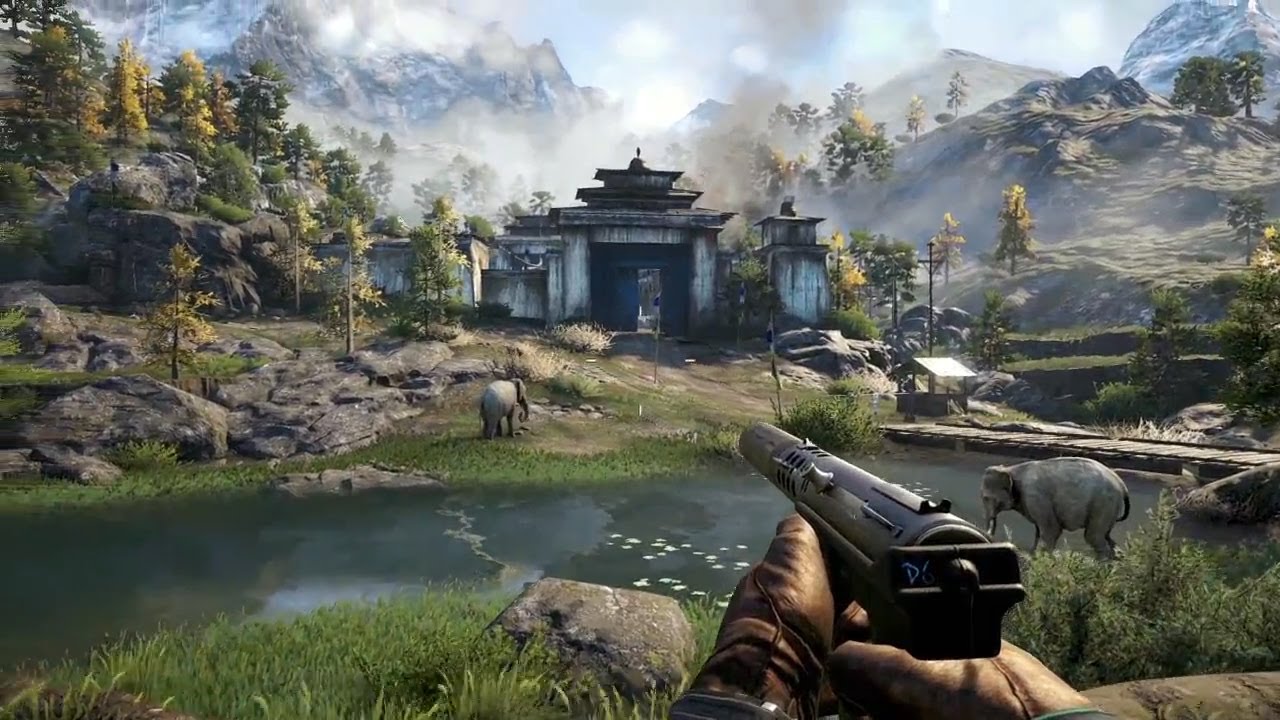
Far Cry 4 showcased a significant leap in visual fidelity compared to previous installments. The Dunia engine, already known for its robust performance, was further optimized to handle the game’s expansive environments and detailed character models. Lush forests, snow-capped mountains, and vibrant villages were brought to life with impressive textures and lighting effects. The developers meticulously crafted each region of Kyrat, ensuring a sense of authenticity and immersion. While not pushing the absolute bleeding edge of graphical technology at the time, Far Cry 4 delivered a visually compelling experience that held up remarkably well even years after its release. Optimization was key, allowing players to enjoy high-fidelity graphics across a range of hardware configurations.
Gameplay Mechanics and Core Systems
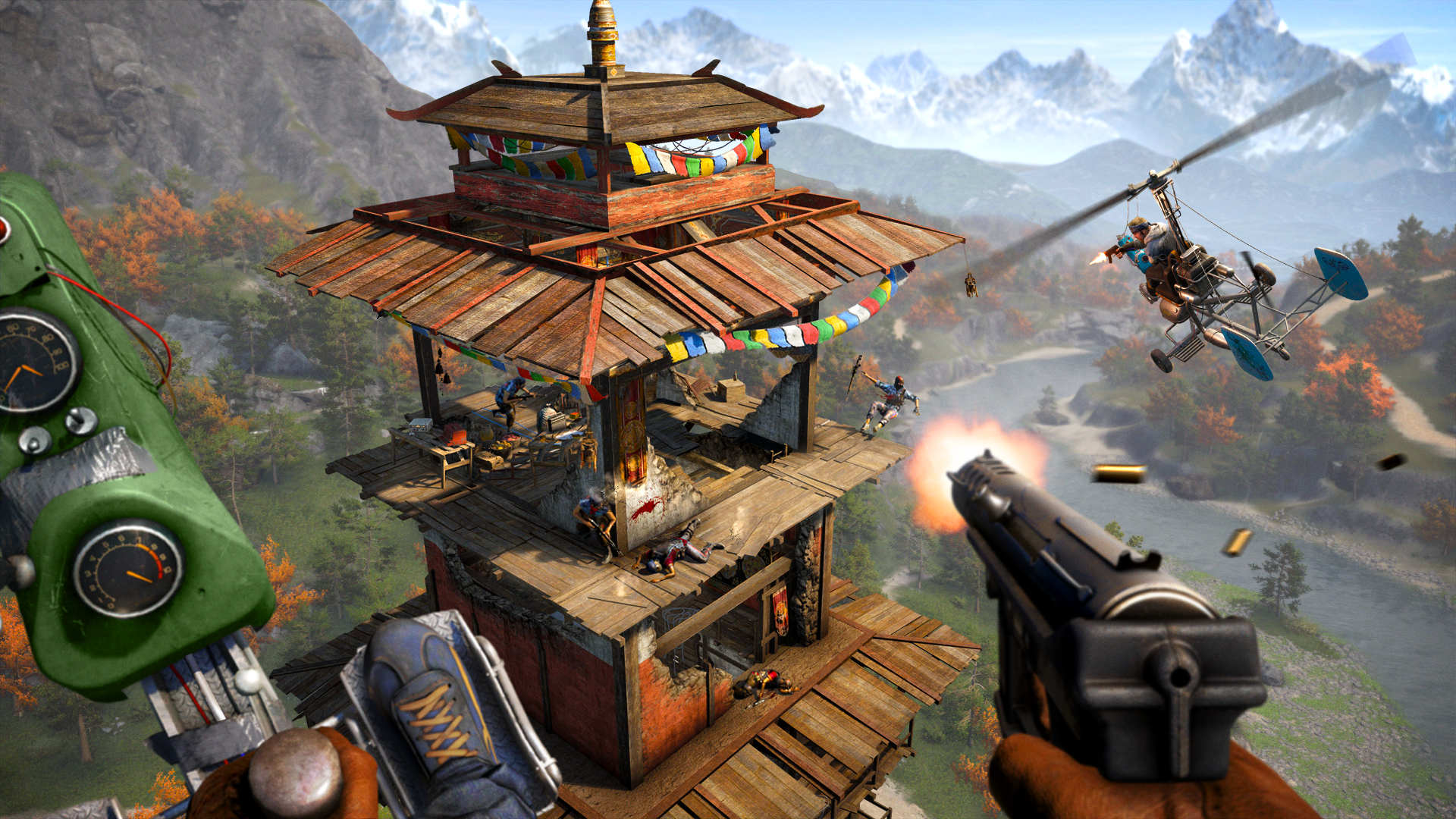
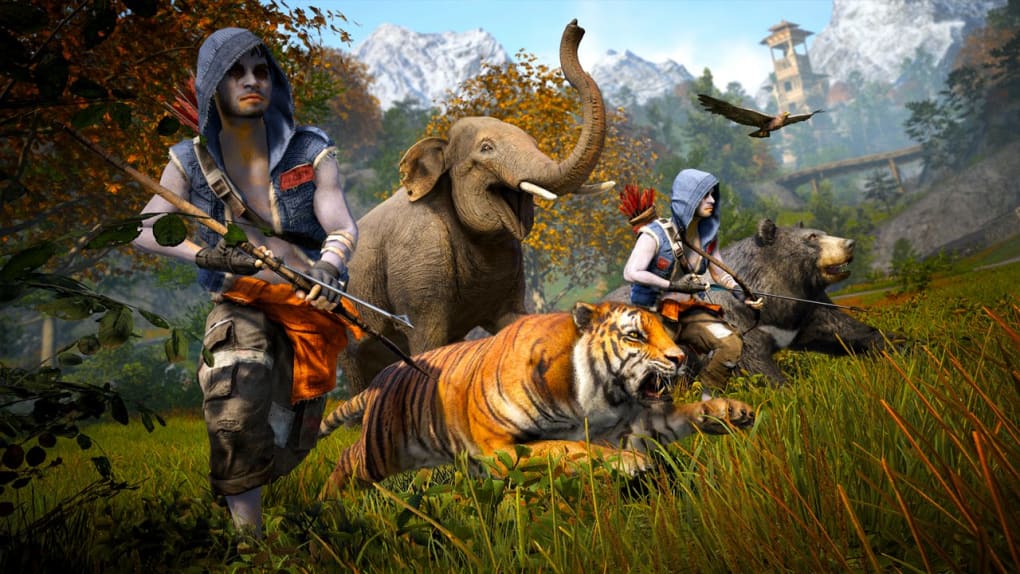
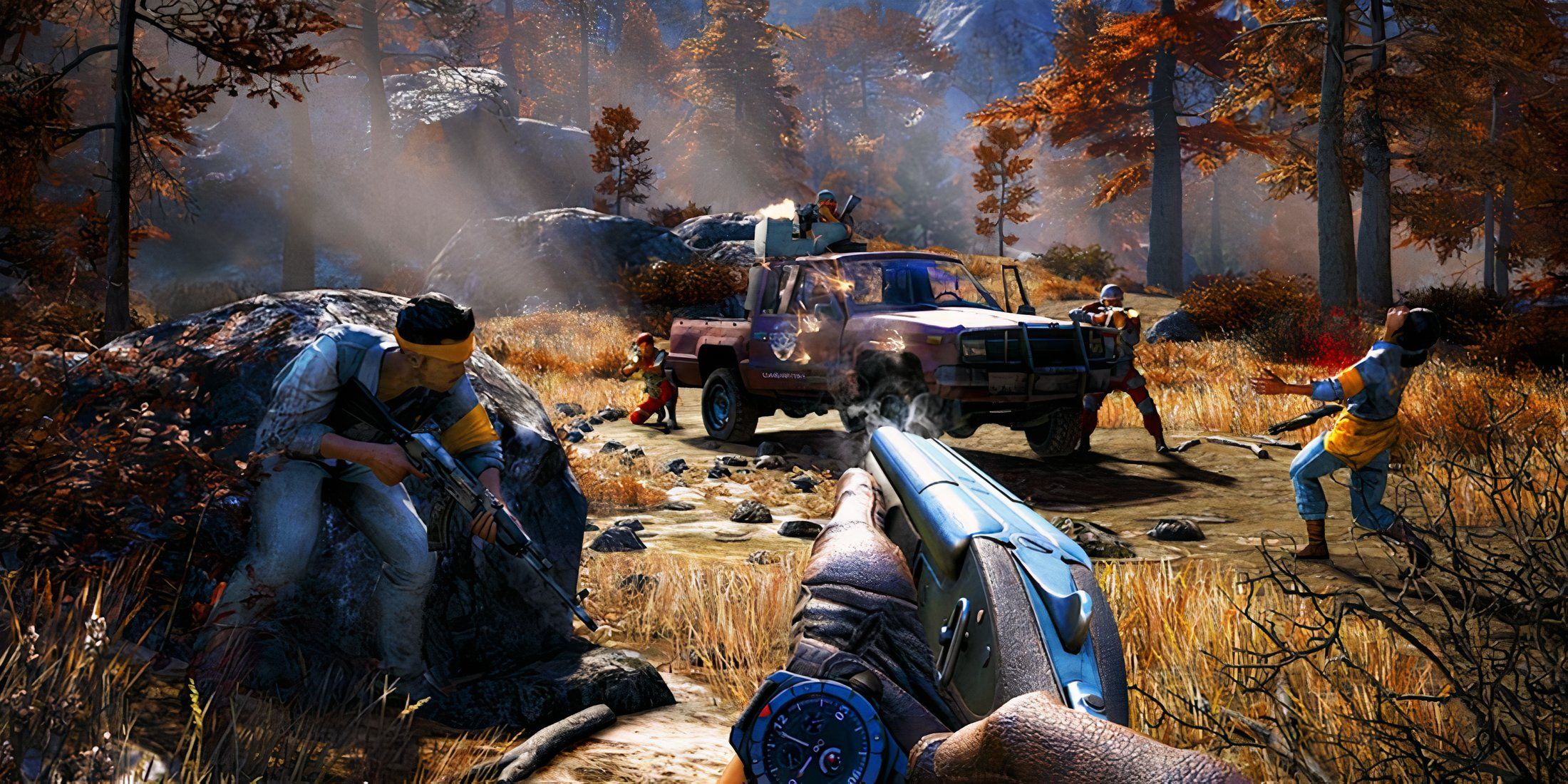
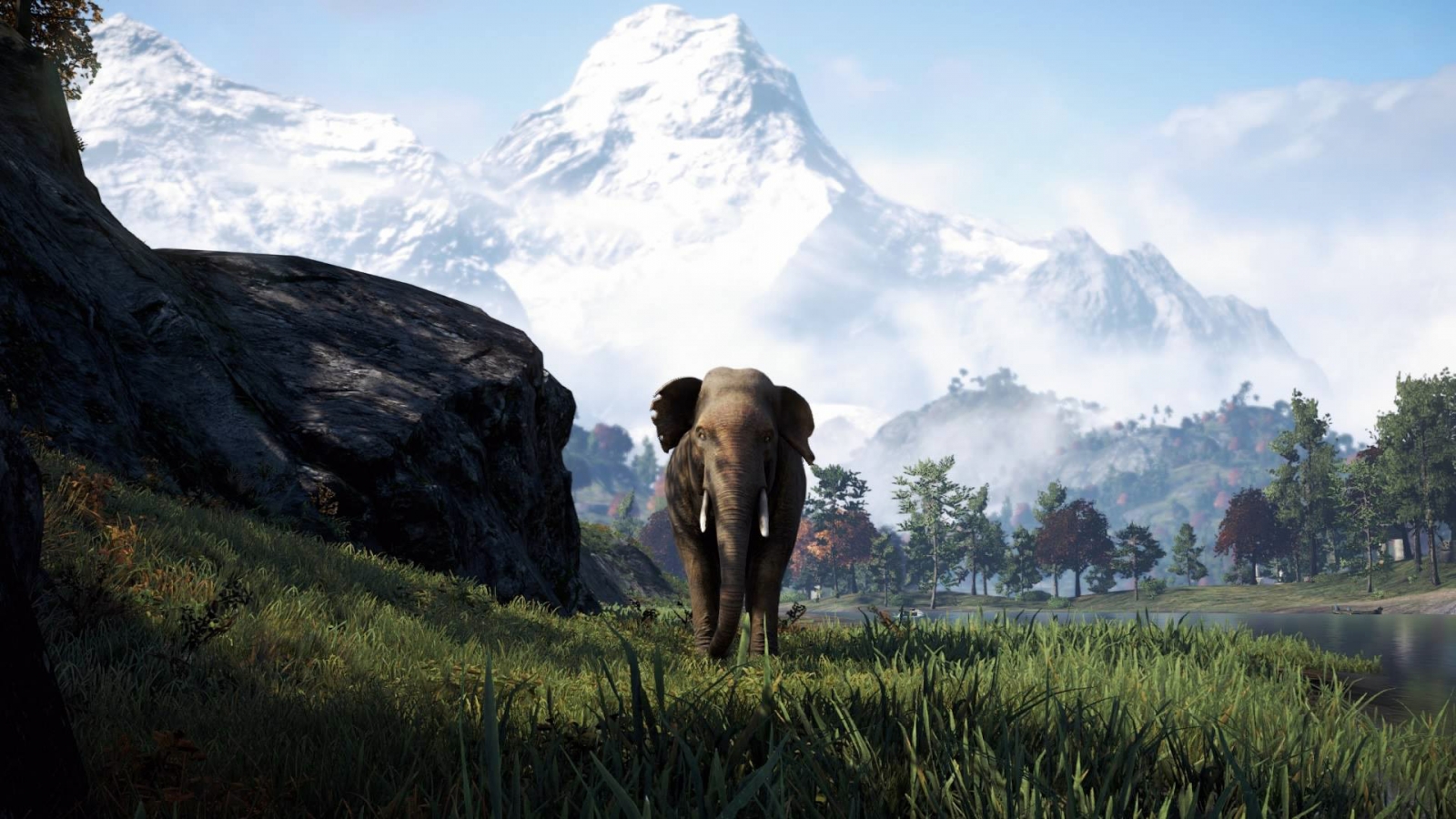
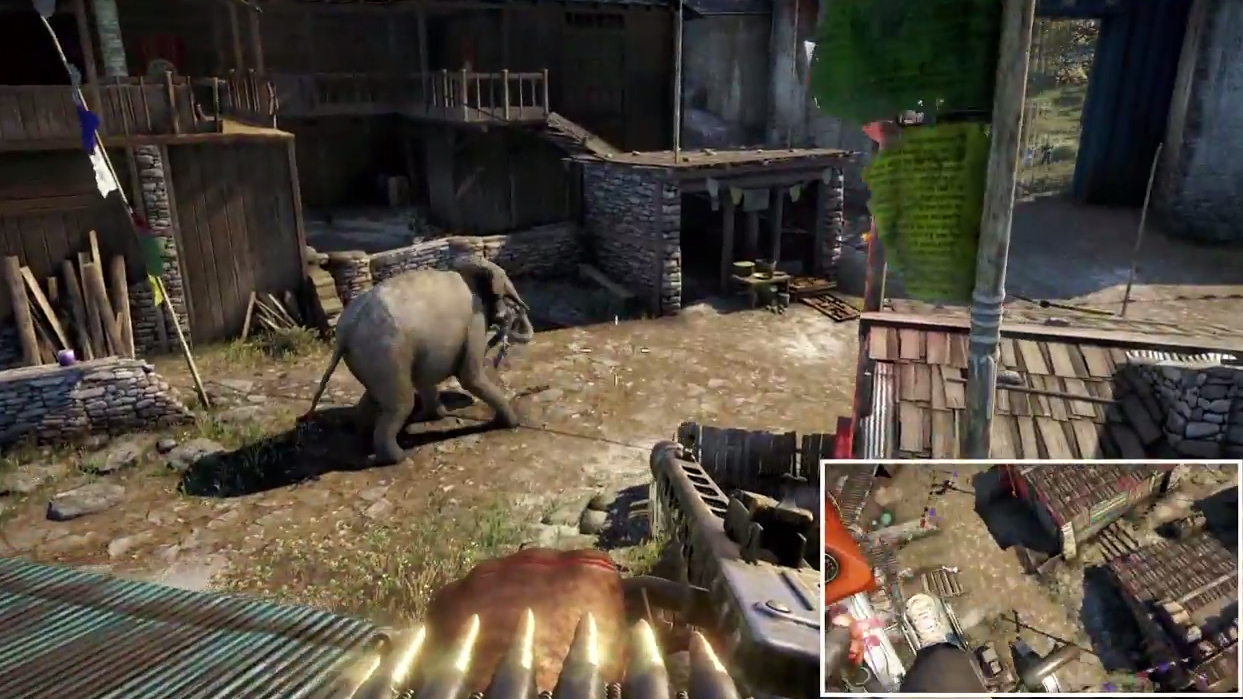
At its core, Far Cry 4 retained the signature gameplay loop of the series: explore an open world, engage in combat with both human enemies and dangerous wildlife, complete missions, and upgrade your arsenal. However, several key additions and refinements distinguished it from its predecessor. The introduction of a grappling hook added a new dimension to traversal, allowing players to reach previously inaccessible areas and gain tactical advantages in combat. Animal companions, such as the elephant and the tiger, provided powerful allies in battle. The Karma system, which influenced enemy behavior based on player actions, added another layer of strategic depth. Players could also utilize a wide array of weapons, from silenced pistols to rocket launchers, customizing their loadouts to suit their preferred playstyle.
Level Design and World Atmosphere
Kyrat is more than just a pretty backdrop; it’s a character in its own right. The level design seamlessly blends handcrafted environments with open-world exploration, encouraging players to discover hidden locations, complete side quests, and uncover the secrets of the region. From the dense jungles teeming with wildlife to the towering peaks offering breathtaking vistas, each area felt distinct and carefully crafted. The game’s atmosphere is further enhanced by its dynamic weather system, which can range from clear skies to torrential downpours, impacting both gameplay and visual presentation. The integration of verticality in level design was also noteworthy, allowing players to utilize rooftops, cliffs, and even ziplines to navigate the environment.
Narrative Depth and Character Profiles
While Far Cry 4’s gameplay is undoubtedly a major draw, its narrative depth and memorable characters are equally compelling. Ajay Ghale’s journey of self-discovery as he navigates the complexities of Kyrat’s civil war is both engaging and emotionally resonant. Pagan Min, the game’s charismatic antagonist, is a particularly well-developed character, whose motivations and actions add layers of intrigue to the storyline. The Golden Path rebels, led by the enigmatic Vaas Montenegro (returning from Far Cry 3 in flashback sequences), offer a glimpse into the resistance movement fighting against Pagan Min’s oppressive regime. The game explores themes of colonialism, political corruption, and the human cost of conflict, adding depth and complexity to the overall narrative.
Sound Design and Acoustic Realism
The sound design in Far Cry 4 is nothing short of exceptional. From the roar of a tiger stalking its prey to the crackle of gunfire echoing through the mountains, every sound effect is meticulously crafted to enhance immersion. The game’s soundtrack, composed by Cliff Martinez, perfectly complements the visuals and narrative, creating an atmosphere that is both exhilarating and melancholic. The use of positional audio allows players to pinpoint the location of enemies and wildlife, adding another layer of tactical awareness. The combination of realistic sound effects and a captivating musical score elevates the overall sensory experience, making Far Cry 4 a truly immersive adventure.
Release Expectations and Community Hype
The announcement of Far Cry 4 generated significant hype within the gaming community. Building upon the success of Far Cry 3, players eagerly anticipated a new installment that would expand upon the series’ established formula while introducing fresh gameplay mechanics and a compelling narrative. The trailers and gameplay demos released prior to launch showcased the game’s stunning visuals, expansive open world, and diverse cast of characters, further fueling anticipation. Pre-orders were high, and the release date was highly anticipated by fans worldwide. The community actively discussed theories about the story, speculated on new features, and shared their excitement for the upcoming adventure.
Conclusion: The Future of Far Cry 4
Far Cry 4 remains a landmark achievement in the open-world shooter genre. Its stunning visuals, engaging gameplay, compelling narrative, and memorable characters have cemented its place as a classic. While newer installments in the series have continued to evolve the formula, Far Cry 4’s impact on the franchise is undeniable. It successfully built upon the foundation laid by its predecessor while introducing fresh ideas and refining existing mechanics. The game’s enduring popularity speaks volumes about its quality and its ability to captivate players even years after its release.
Its legacy continues to inspire developers and entertain gamers worldwide, solidifying its place as a true masterpiece of interactive entertainment.

Source: Wikipedia