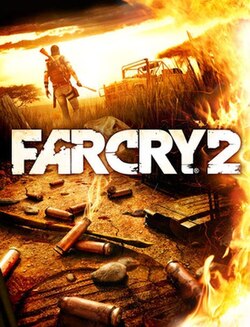
Introduction: The Next Chapter for Far Cry 2
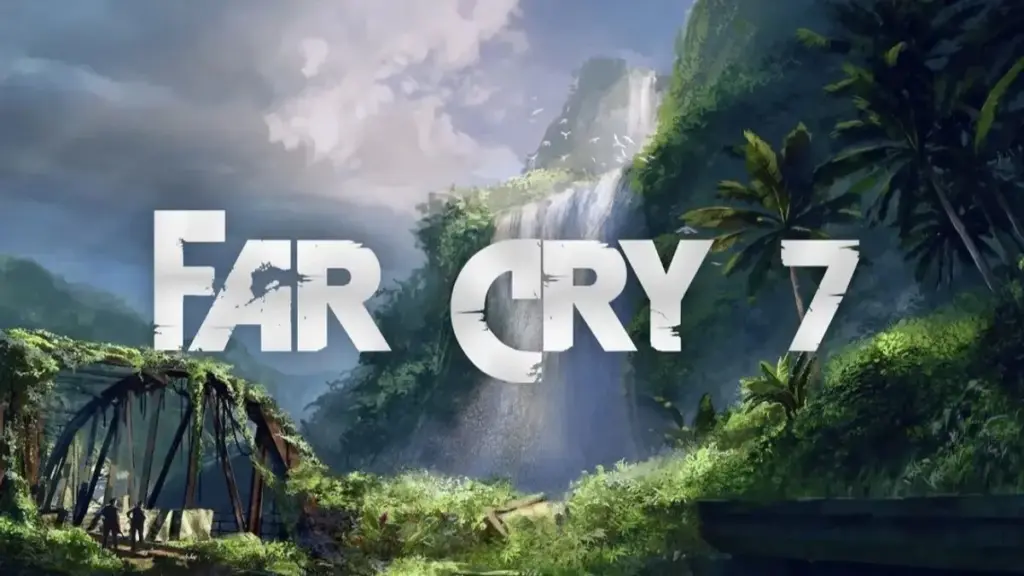
Far Cry 2, released in 2008, represented a bold departure for the franchise. While its predecessor, *Far Cry*, was known for its intense action and mutated enemies on a tropical island, *Far Cry 2* opted for a more grounded and realistic approach, transplanting the gameplay to a war-torn African nation. This shift in setting and tone demanded significant changes to both the narrative and the gameplay mechanics, aiming for a level of immersion previously unseen in open-world shooters. The game’s ambition was clear: to deliver a visceral and morally ambiguous experience that challenged players to confront the harsh realities of conflict.
Visual Direction and Graphics Engineering
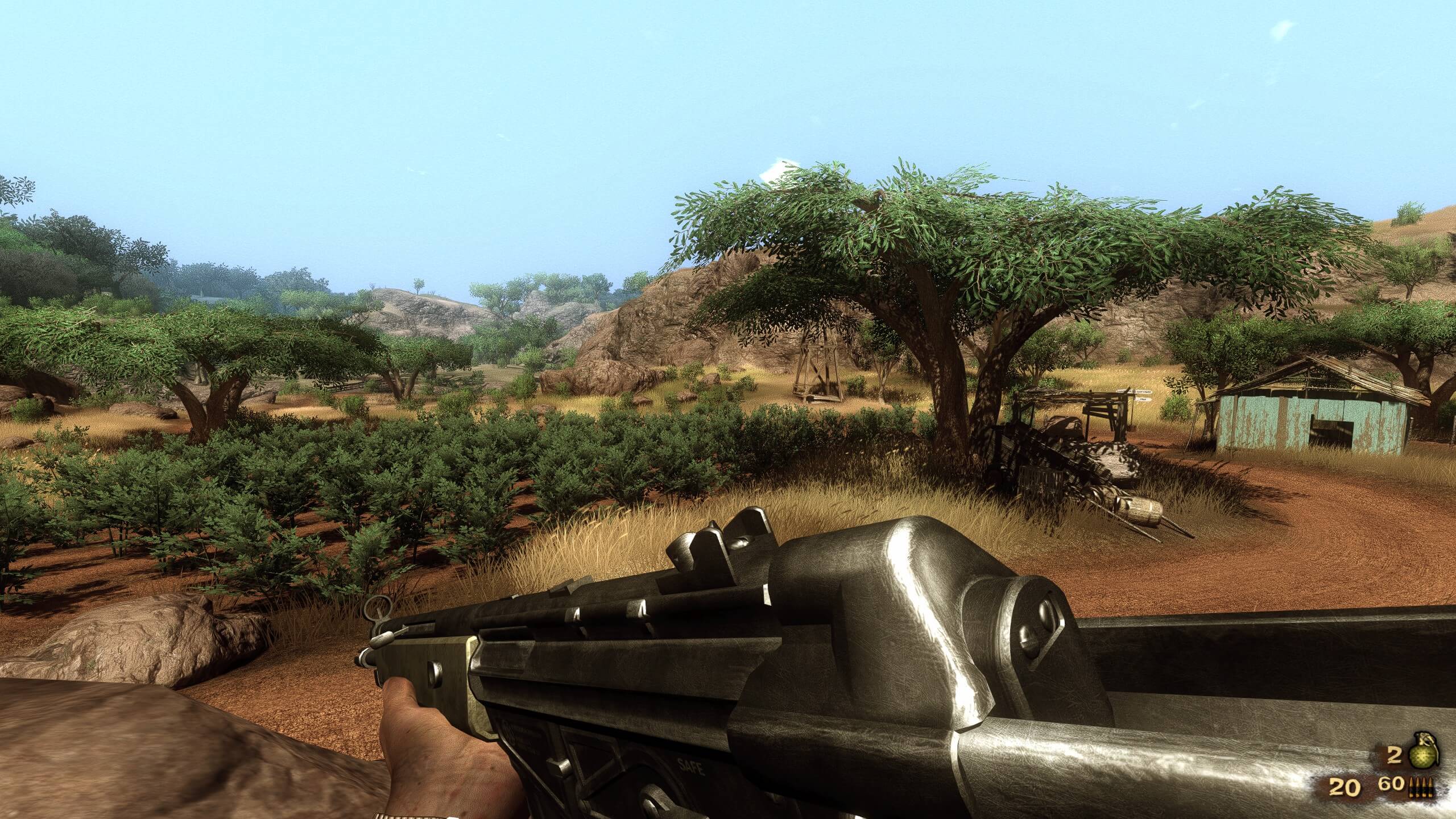
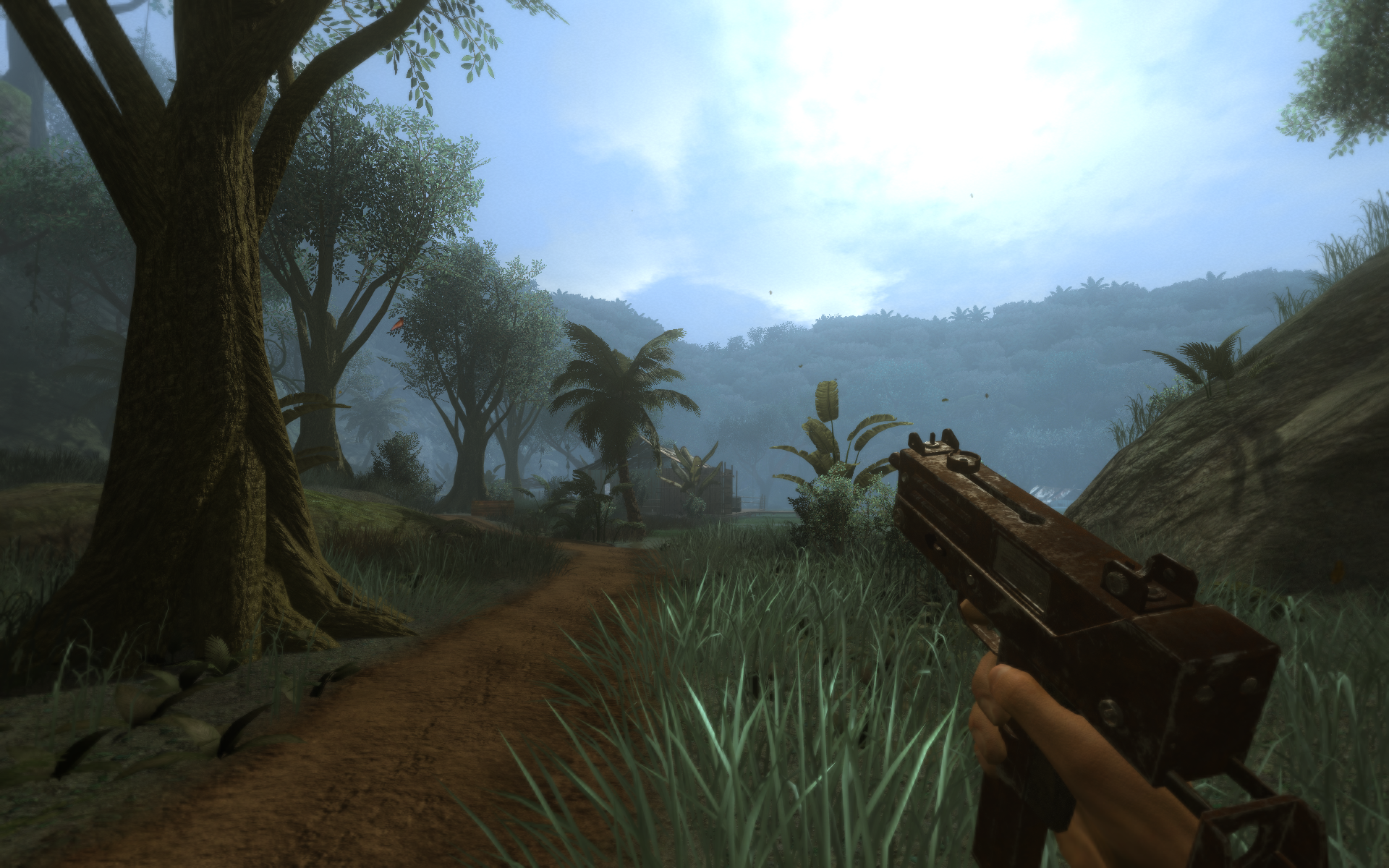
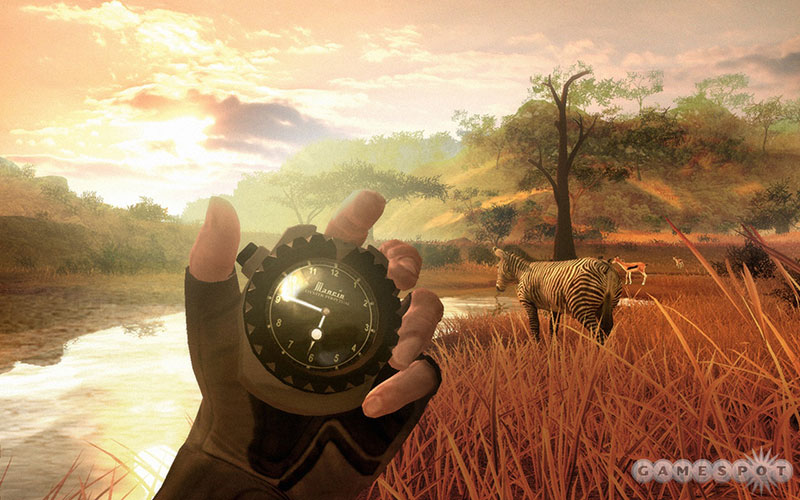
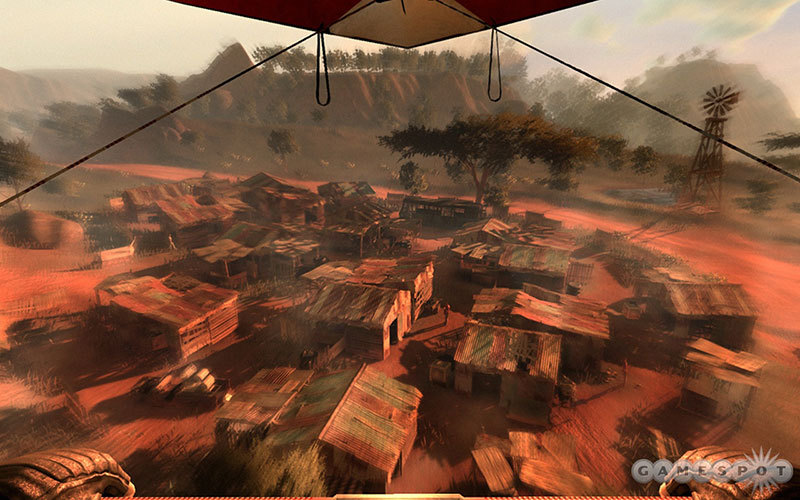
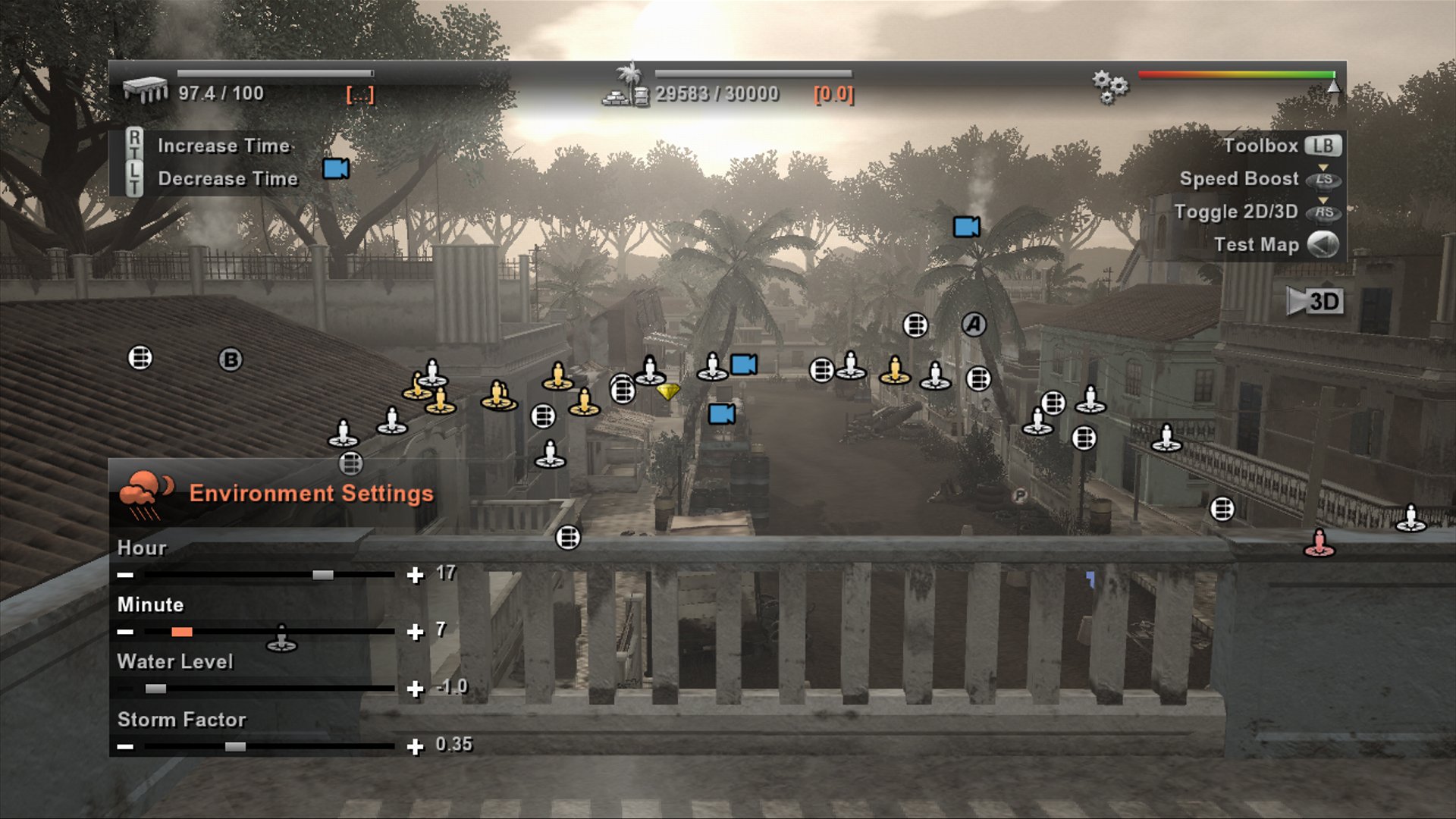
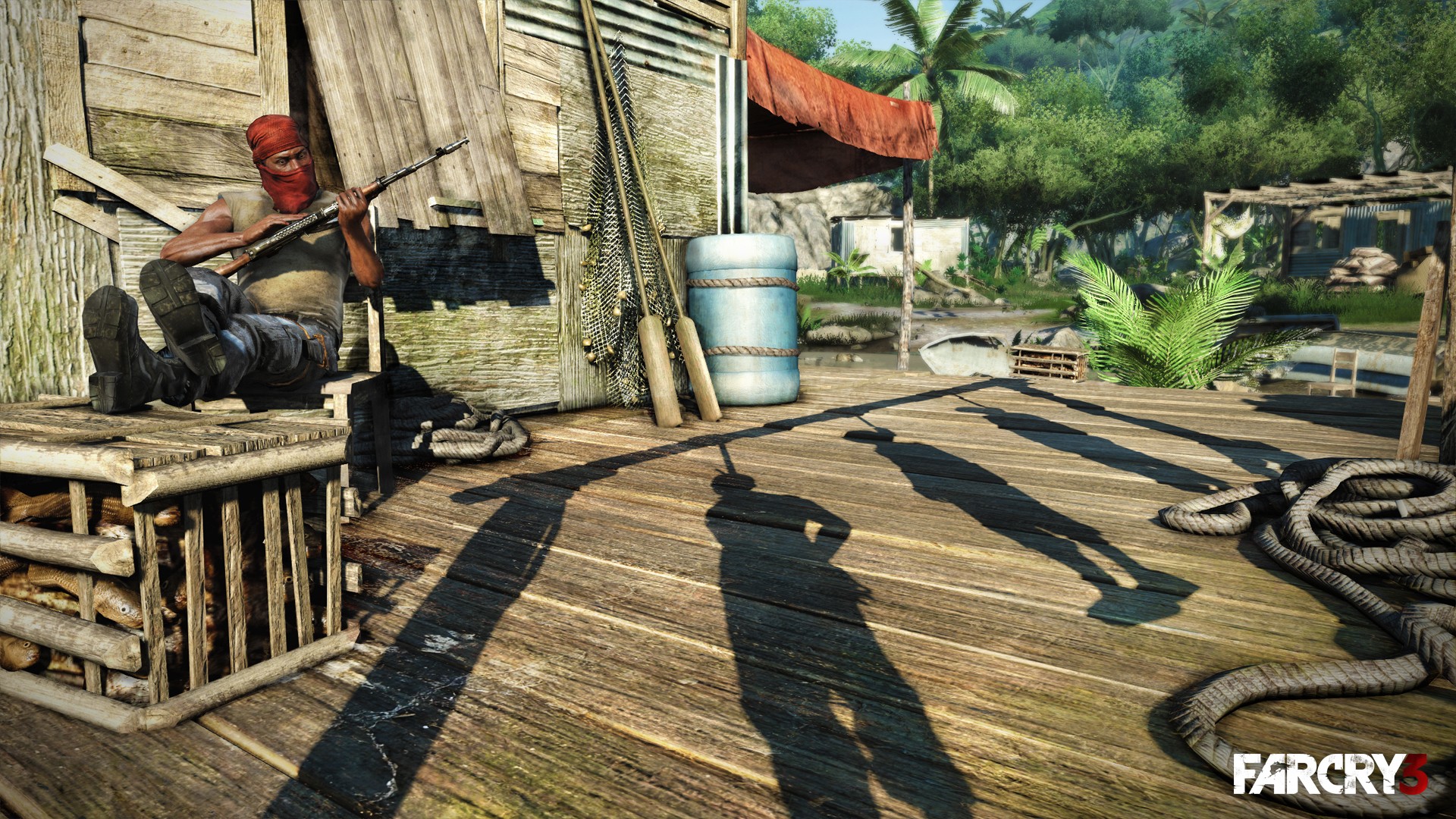
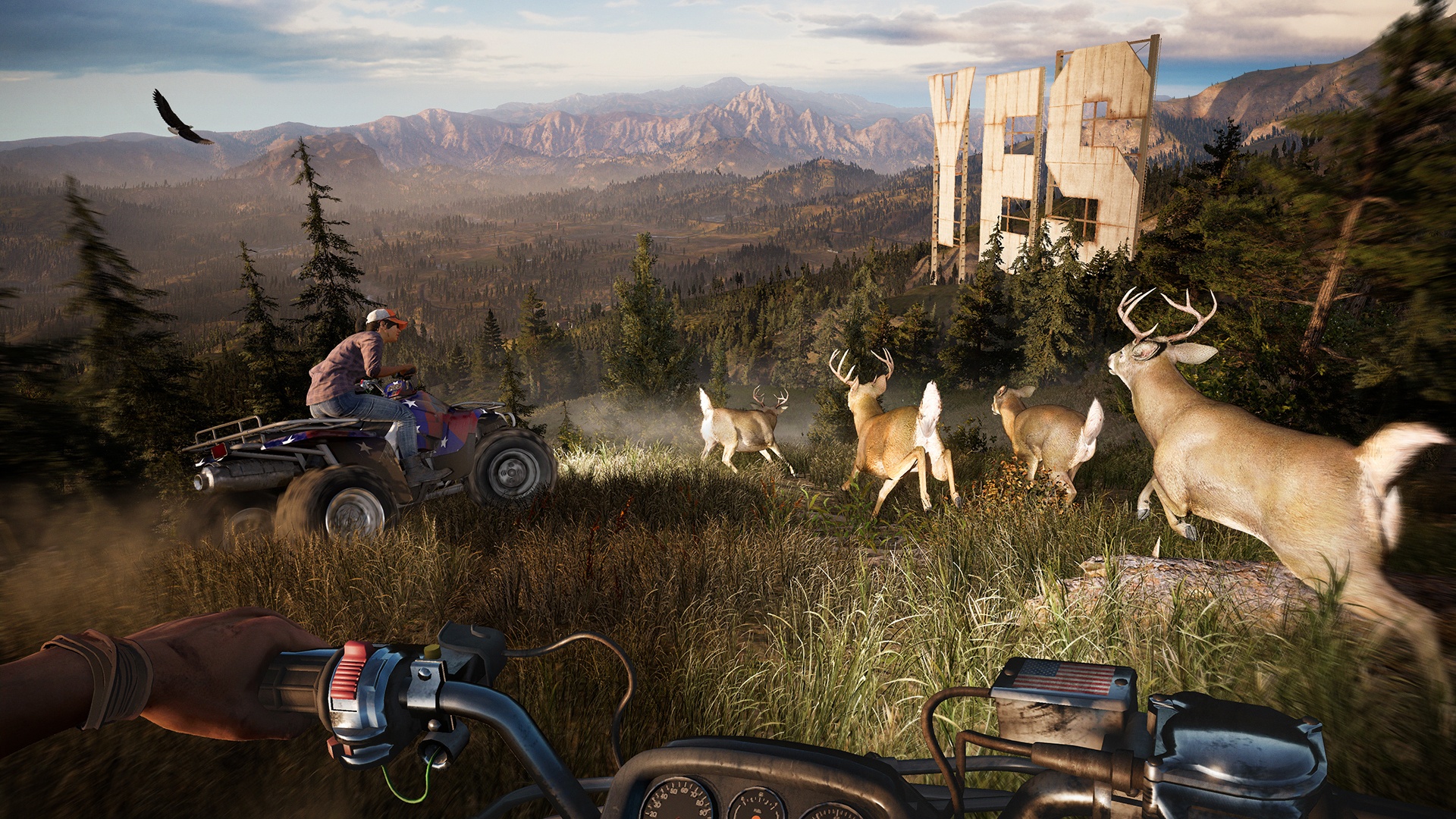
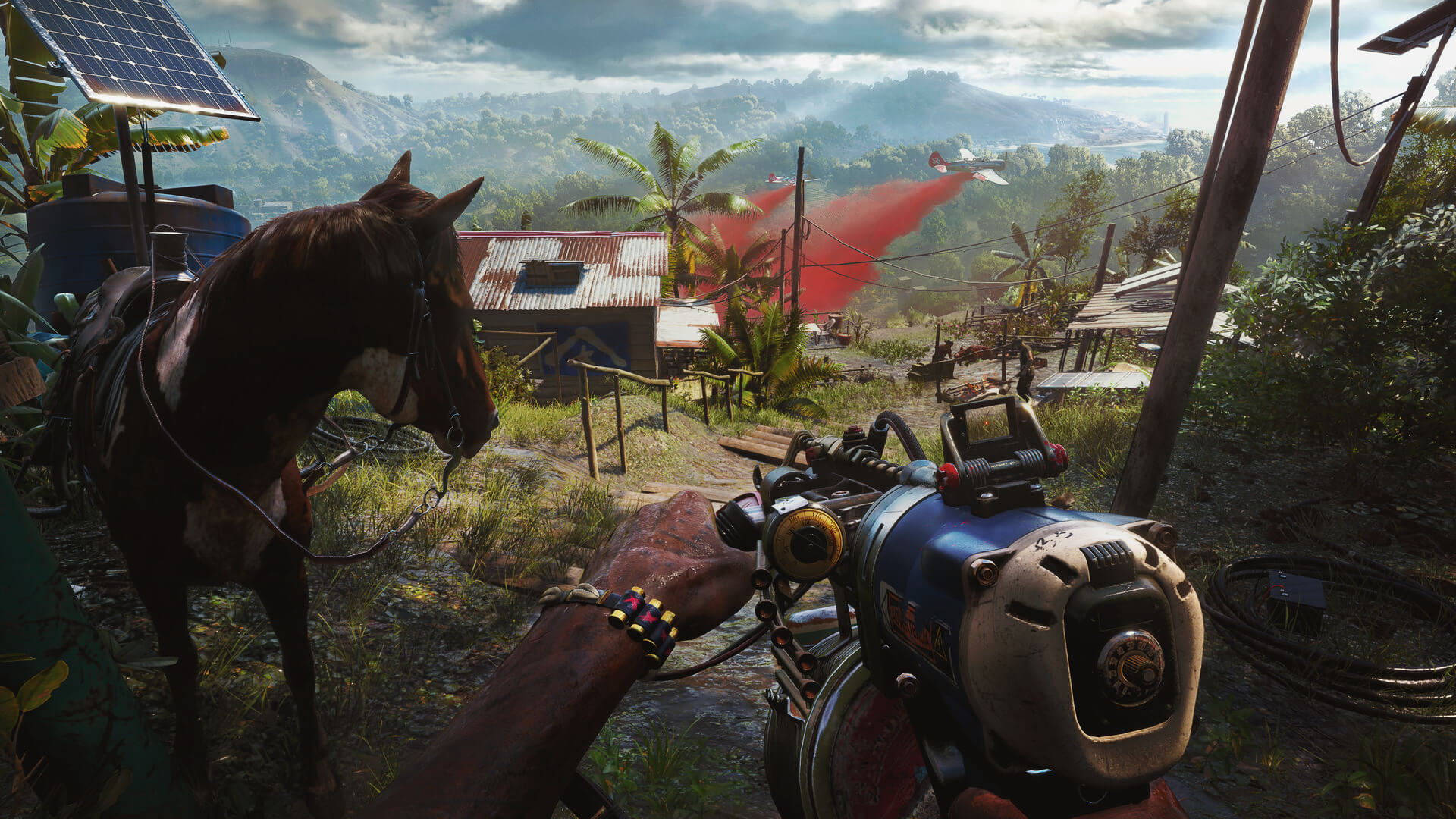
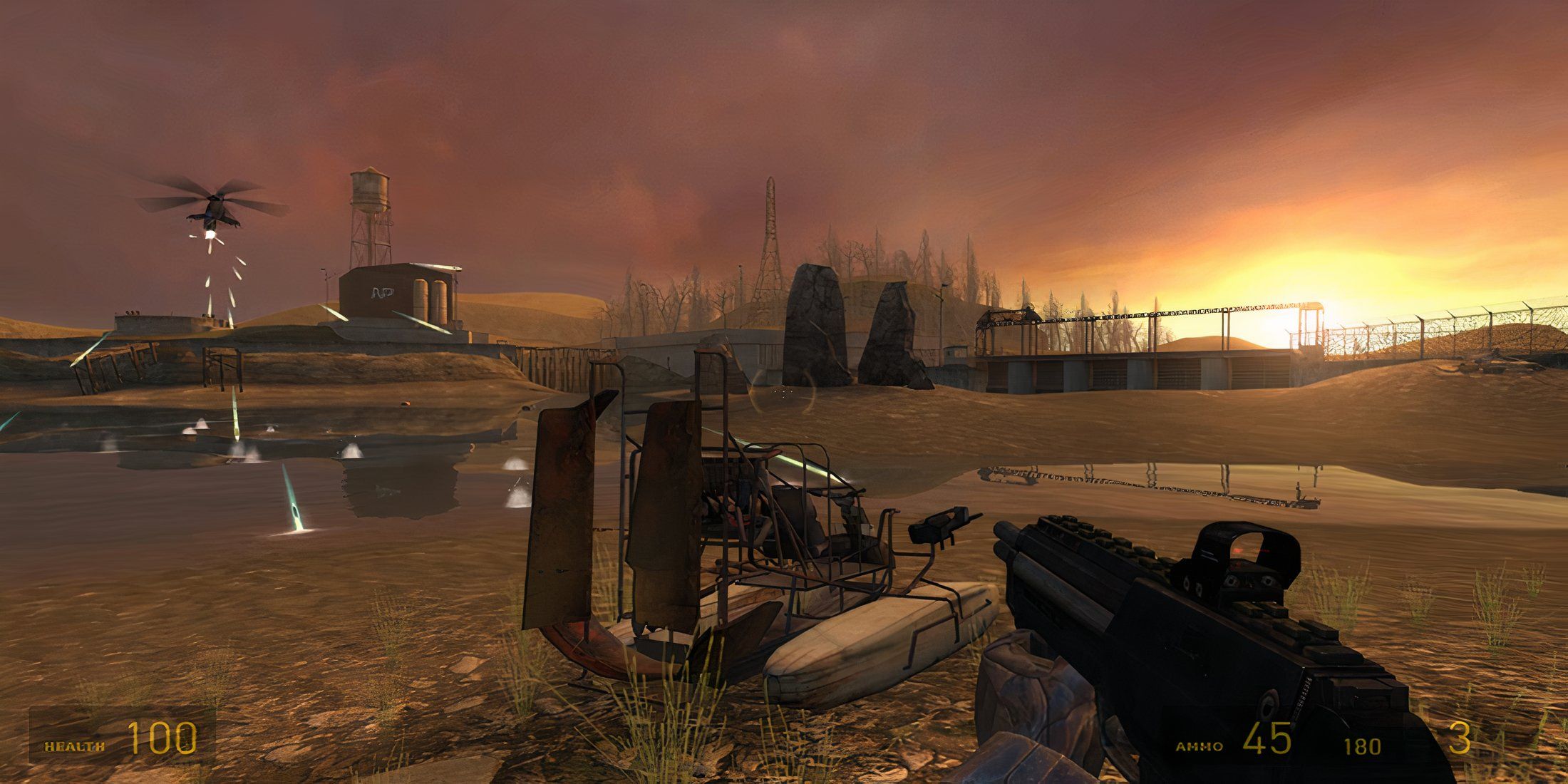
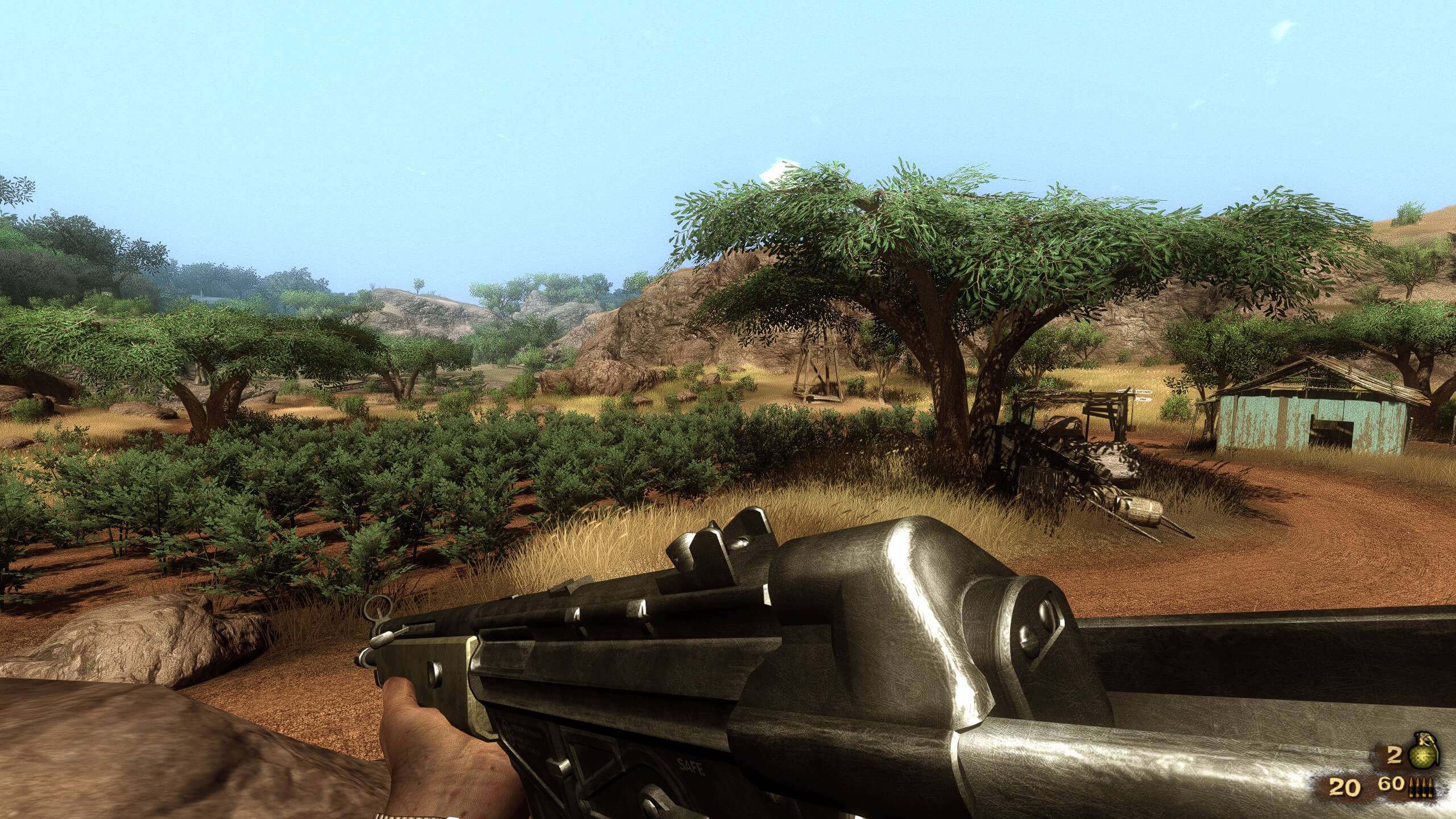
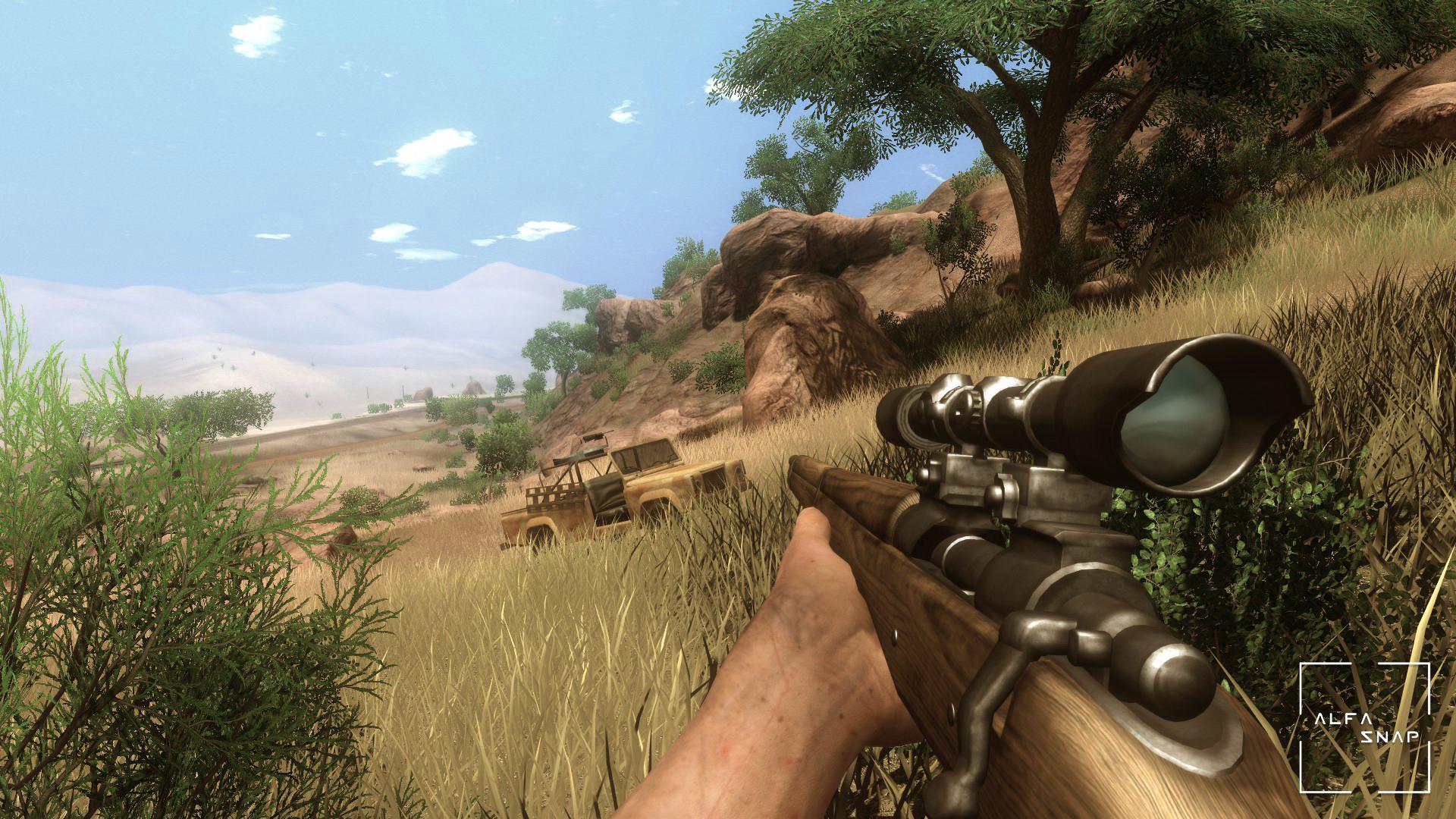
The visual direction of *Far Cry 2* focused on creating a believable and immersive African landscape. The Dunia engine, developed by Ubisoft, played a crucial role in achieving this goal. While not as technologically advanced as some contemporary engines, Dunia was optimized for open-world environments and allowed for detailed foliage, dynamic weather systems, and realistic lighting effects. The game’s art style leaned towards realism, with character models and weapon designs reflecting the gritty nature of the conflict. However, the visual fidelity could be inconsistent at times, particularly in areas like animation quality. The engine also presented challenges related to draw distance and performance optimization, which were noticeable even on high-end hardware of the time.
Gameplay Mechanics and Core Systems
*Far Cry 2*’s gameplay mechanics diverged significantly from its predecessor. The focus shifted towards a more strategic and survival-oriented experience. Players had to manage their health, hydration, and malaria infection, adding layers of complexity to combat encounters. Weapon degradation was another key feature, forcing players to scavenge for resources and maintain their equipment. The game also introduced a dynamic buddy system, where NPCs could assist the player in missions but were also susceptible to death or betrayal. This added an element of unpredictability and emotional investment to the narrative.
Level Design and World Atmosphere
The open-world design of *Far Cry 2* was both a strength and a weakness. The vast African landscape offered a sense of freedom and exploration, allowing players to traverse diverse environments ranging from dense forests to arid savannahs. However, the lack of clear objectives and repetitive mission structures could lead to feelings of aimlessness. The atmosphere, however, was consistently immersive, thanks to the detailed sound design and dynamic weather effects. The game’s level design encouraged emergent gameplay, with opportunities for players to approach situations in creative ways.
Narrative Depth and Character Profiles
The narrative of *Far Cry 2* explored themes of morality, survival, and the futility of war. The protagonist, a mercenary tasked with assassinating a weapons dealer known as “The Jackal,” is forced to confront the consequences of his actions in a morally ambiguous environment. The game’s supporting characters, including fellow mercenaries and local factions, added depth and complexity to the storyline. Their motivations and allegiances were often unclear, forcing players to make difficult choices with far-reaching implications.
Sound Design and Acoustic Realism
The sound design of *Far Cry 2* was a critical component of its immersive experience. The game featured realistic weapon sounds, environmental audio cues, and a haunting musical score that perfectly complemented the atmosphere of conflict. The use of positional audio helped to create a sense of presence in the environment, allowing players to pinpoint enemy locations and react accordingly. The sound design also played a crucial role in conveying the emotional impact of key events in the narrative.
Release Expectations and Community Hype
Prior to its release, *Far Cry 2* generated considerable hype among fans of the original game and open-world shooters. The promise of a more realistic and immersive experience, coupled with the shift in setting and tone, piqued the interest of many players. However, some concerns were raised about the game’s technical performance and potential for repetitive gameplay. The community eagerly awaited the opportunity to explore the African landscape and uncover the secrets of “The Jackal.”
Conclusion: The Future of Far Cry 2
*Far Cry 2*, while not without its flaws, remains a significant entry in the franchise. Its bold departure from the established formula paved the way for future installments and demonstrated Ubisoft’s willingness to experiment with new gameplay mechanics and narrative approaches. While technical limitations may have held it back at the time, the game’s immersive atmosphere, morally ambiguous storyline, and emphasis on player agency continue to resonate with fans today.
Source: Wikipedia