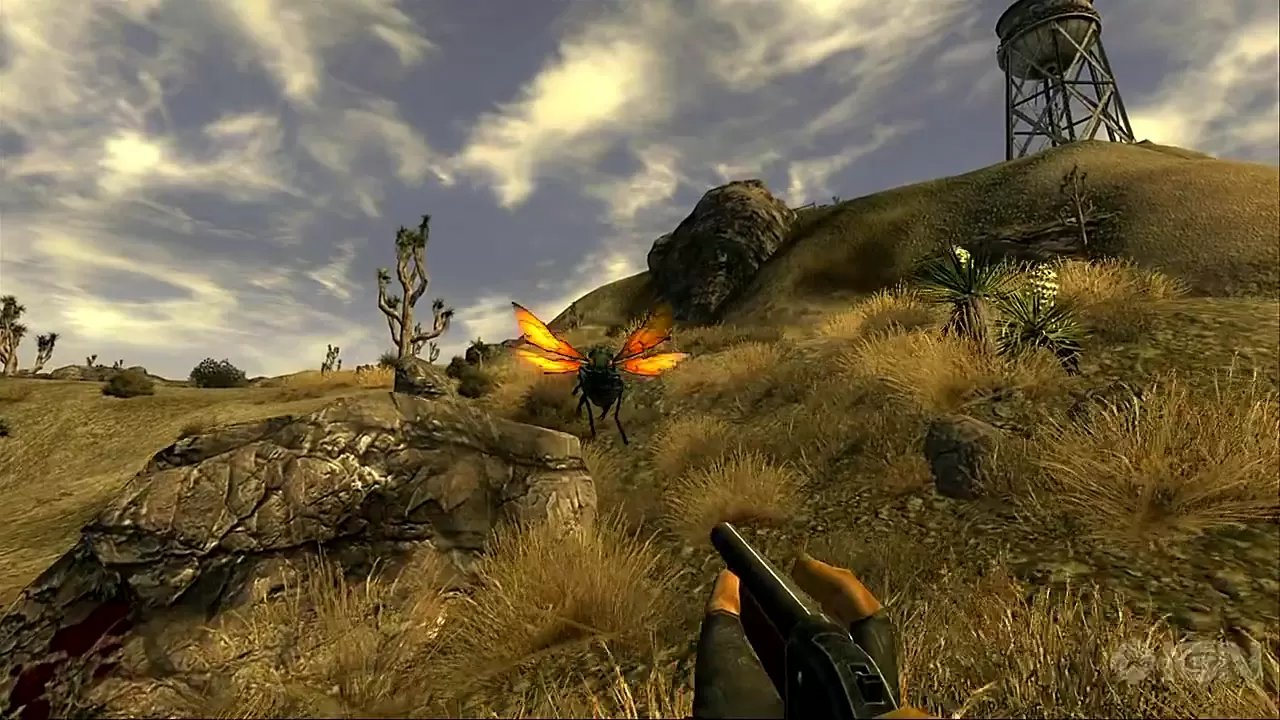
Introduction: The Next Chapter for Fallout: New Vegas
Fallout: New Vegas, a title that resonates deeply within the gaming community, represents more than just a spin-off; it’s a testament to Obsidian Entertainment’s vision and a bold step forward in the evolution of the Fallout franchise. Developed in the shadow of its predecessor, Fallout 3, New Vegas carved its own identity by focusing on player agency, intricate faction dynamics, and a morally ambiguous narrative that challenged players to confront complex choices with lasting consequences. This Masterclass Deep-Dive will dissect every facet of this landmark title, from its visual direction and core gameplay mechanics to its immersive world design and unforgettable characters.
Visual Direction and Graphics Engineering
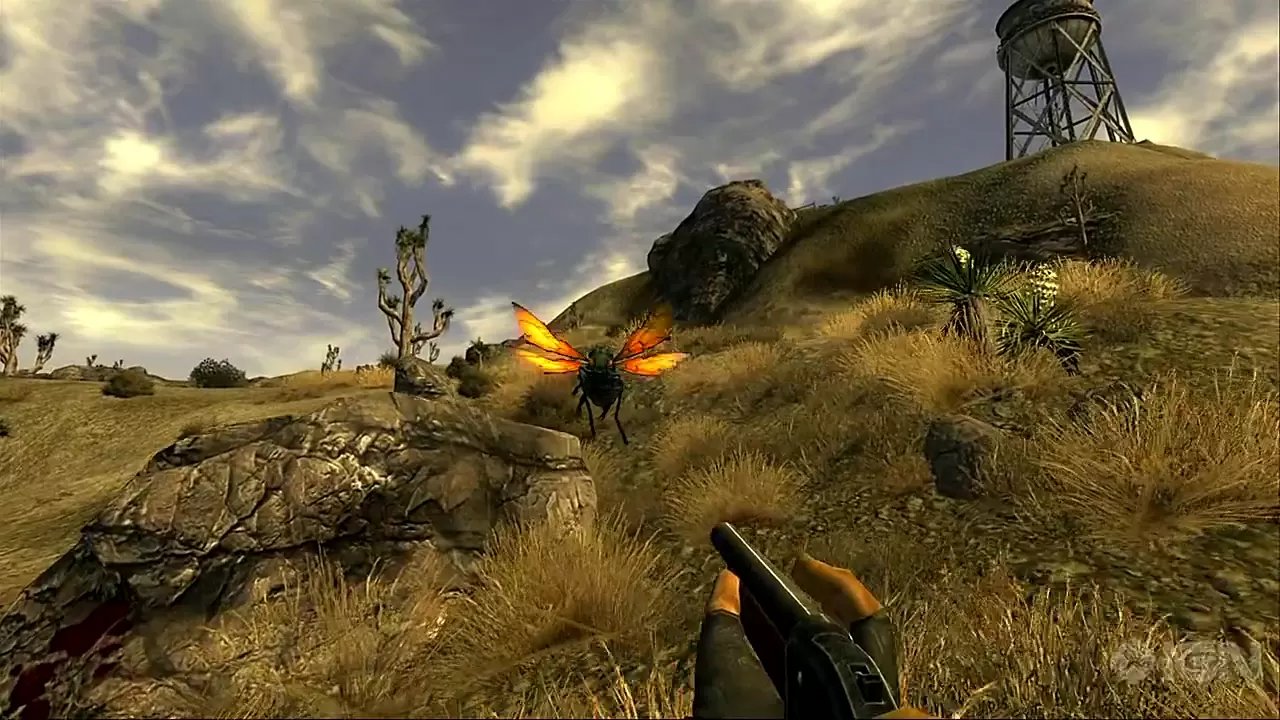
While built upon the Gamebryo engine, a platform also utilized in Fallout 3, New Vegas distinguishes itself through subtle but impactful graphical enhancements. The Mojave Desert, rendered with painstaking detail, evokes a sense of desolation and forgotten grandeur. Character models exhibit improved fidelity, contributing to more believable interactions. showcases the stark beauty of the landscape, highlighting the game’s artistic merit. While not pushing the boundaries of contemporary technology, the visual style effectively conveys the atmosphere of a post-apocalyptic world struggling to rebuild amidst the ruins of a bygone era. The developers optimized the engine to deliver a stable and visually appealing experience across various platforms, including the original Xbox 360 and PlayStation 3.
Gameplay Mechanics and Core Systems
Fallout: New Vegas refines and expands upon the gameplay mechanics introduced in Fallout 3. The SPECIAL system, providing players with a customizable character build, remains central to progression. However, New Vegas introduces more nuanced skill checks and dialogue options, allowing for greater flexibility in approaching challenges. The Karma system, while present, is less restrictive, encouraging experimentation and rewarding unconventional solutions. Combat retains its familiar blend of real-time action and tactical considerations, with a wider array of weapons and modifications available. illustrates the diverse arsenal at players’ disposal, from classic revolvers to futuristic energy weapons. The crafting system, allowing for the creation of consumables, armor, and ammunition, adds another layer of depth to the gameplay experience.
Level Design and World Atmosphere
The Mojave Wasteland is a character in itself, meticulously crafted with distinct locations that tell their own stories. From the neon-drenched casinos of New Vegas to the desolate landscapes surrounding Goodsprings, each area possesses its unique atmosphere and challenges. The level design encourages exploration, rewarding players who venture off the beaten path with hidden secrets and encounters. The integration of faction territories adds another layer of complexity, as players must navigate the delicate balance of power between various factions vying for control of the region. This careful attention to detail creates a truly immersive world that feels both dangerous and full of possibilities.
Narrative Depth and Character Profiles
Fallout: New Vegas excels in its narrative depth, offering a morally ambiguous story where choices have lasting consequences. The main questline revolves around the Courier’s journey to uncover the truth behind an assassination attempt and ultimately decide the fate of the Mojave Wasteland. However, it is the numerous side quests and faction storylines that truly elevate the game’s narrative complexity. Characters like Benny, Mr. House, Caesar, and the enigmatic Nightkin are not simply plot devices; they are complex individuals with their own motivations and agendas. The player’s interactions with these characters shape the course of the story and ultimately determine the fate of New Vegas.
Sound Design and Acoustic Realism
The sound design in Fallout: New Vegas is a crucial element that contributes to its immersive atmosphere. From the iconic gunshots echoing through the desert canyons to the haunting melodies composed by Inon Zur, every audio cue serves to enhance the player’s experience. The voice acting performances are uniformly excellent, bringing depth and personality to each character. The ambient sounds of the Mojave Wasteland, from the howling wind to the distant cries of mutated creatures, create a sense of isolation and danger. This meticulous attention to detail in sound design is what truly sets Fallout: New Vegas apart.
Release Expectations and Community Hype
Released in 2010, Fallout: New Vegas arrived with considerable anticipation, following the success of Fallout 3. While developed by Obsidian Entertainment, a studio known for its RPG expertise, it operated under the Bethesda Softworks umbrella. The game was initially met with positive reviews, praising its intricate gameplay, compelling narrative, and memorable characters. However, technical issues plagued the initial release, particularly on consoles, leading to some disappointment among players. Despite these challenges, the community rallied behind the game, creating extensive modding support that addressed many of the technical shortcomings and further enhanced the overall experience. The enduring popularity of Fallout: New Vegas is a testament to its quality and the passion of its dedicated fanbase.
showcases gameplay footage highlighting the game’s strengths.
Conclusion: The Future of Fallout: New Vegas
Fallout: New Vegas remains a landmark title in the history of RPGs, celebrated for its intricate gameplay, compelling narrative, and memorable characters. While not without its technical imperfections, the game’s enduring popularity is a testament to its quality and the passion of its dedicated fanbase. The legacy of Fallout: New Vegas continues to inspire developers and players alike, solidifying its place as a true classic in the Fallout franchise. Its influence can be seen in subsequent RPGs, and its impact on the gaming landscape remains undeniable.

Source: Wikipedia


