Introduction: The Next Chapter for Fallout 76
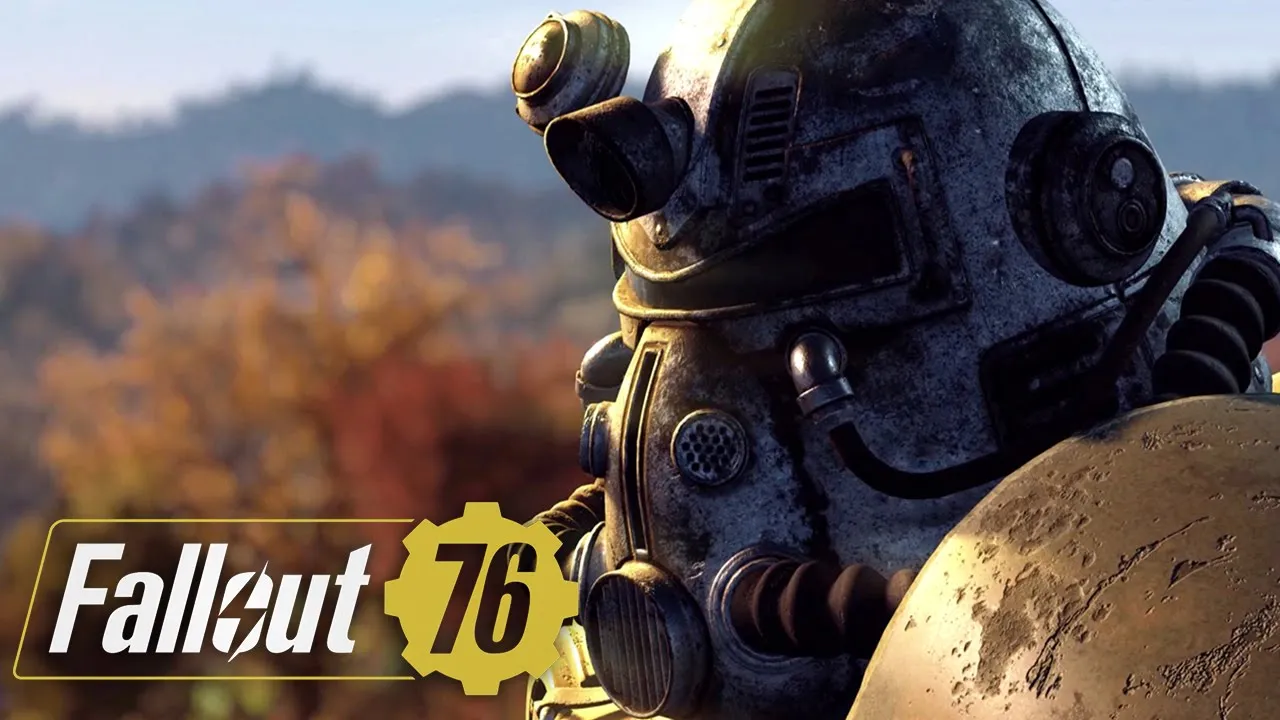
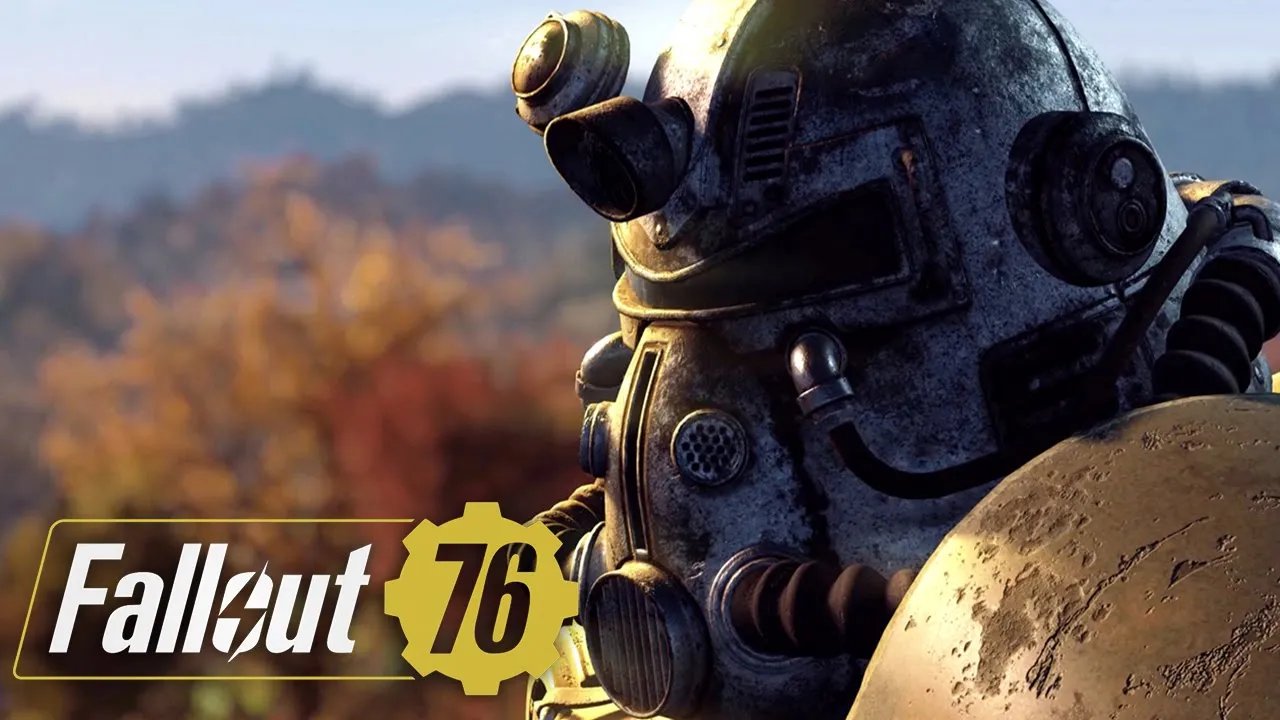
Fallout 76 represents a bold, and initially controversial, departure for Bethesda Game Studios. As the first fully online multiplayer experience in the venerable Fallout franchise, it aimed to redefine how players interact with the post-apocalyptic world. Set in the year 2102, players emerge from Vault 76 into the ravaged landscape of Appalachia, tasked with rebuilding society and uncovering the source of a mysterious plague. While the ambition was undeniable, the execution faced significant hurdles that impacted its reception. This deep dive will explore the game’s strengths, weaknesses, and lasting impact on the franchise.
Visual Direction and Graphics Engineering
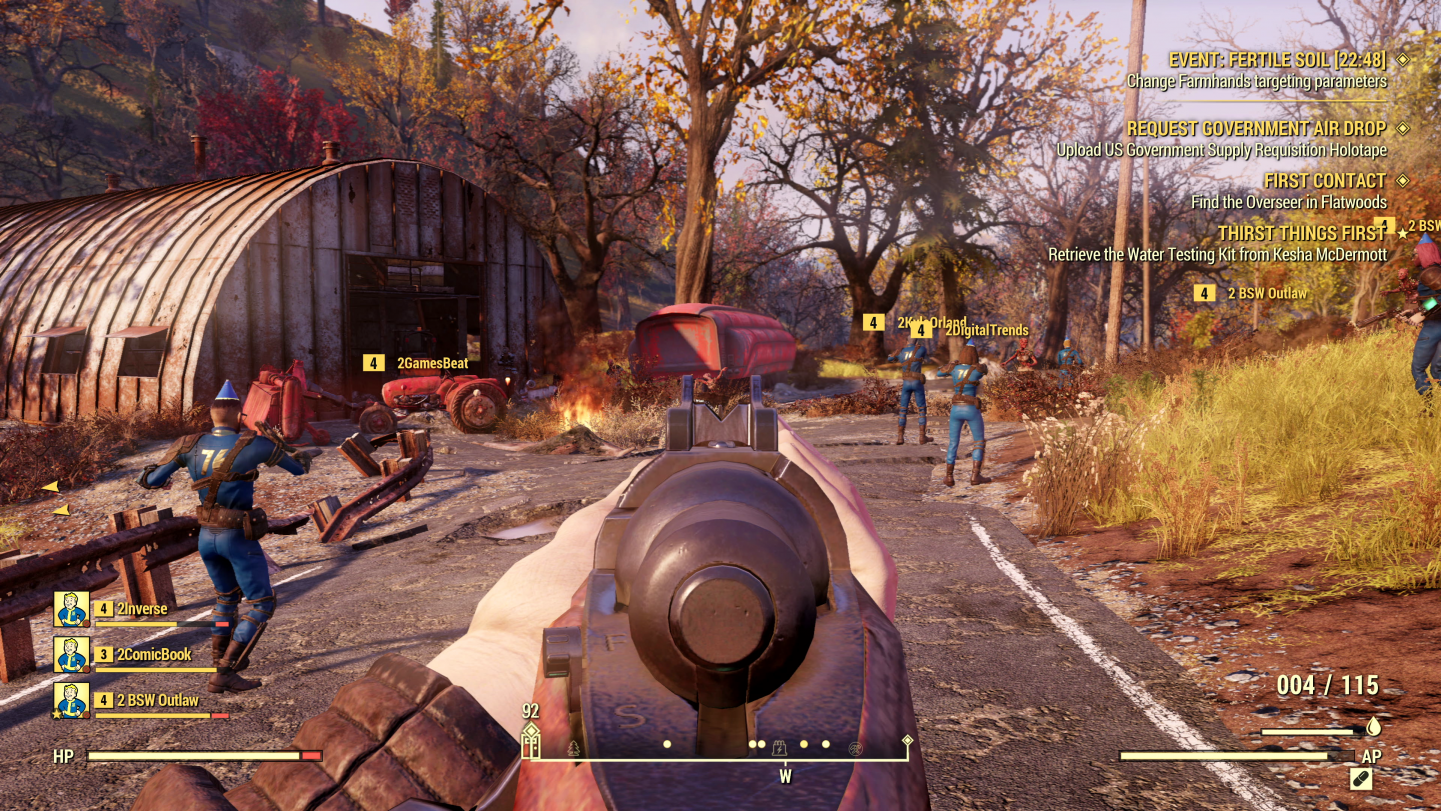
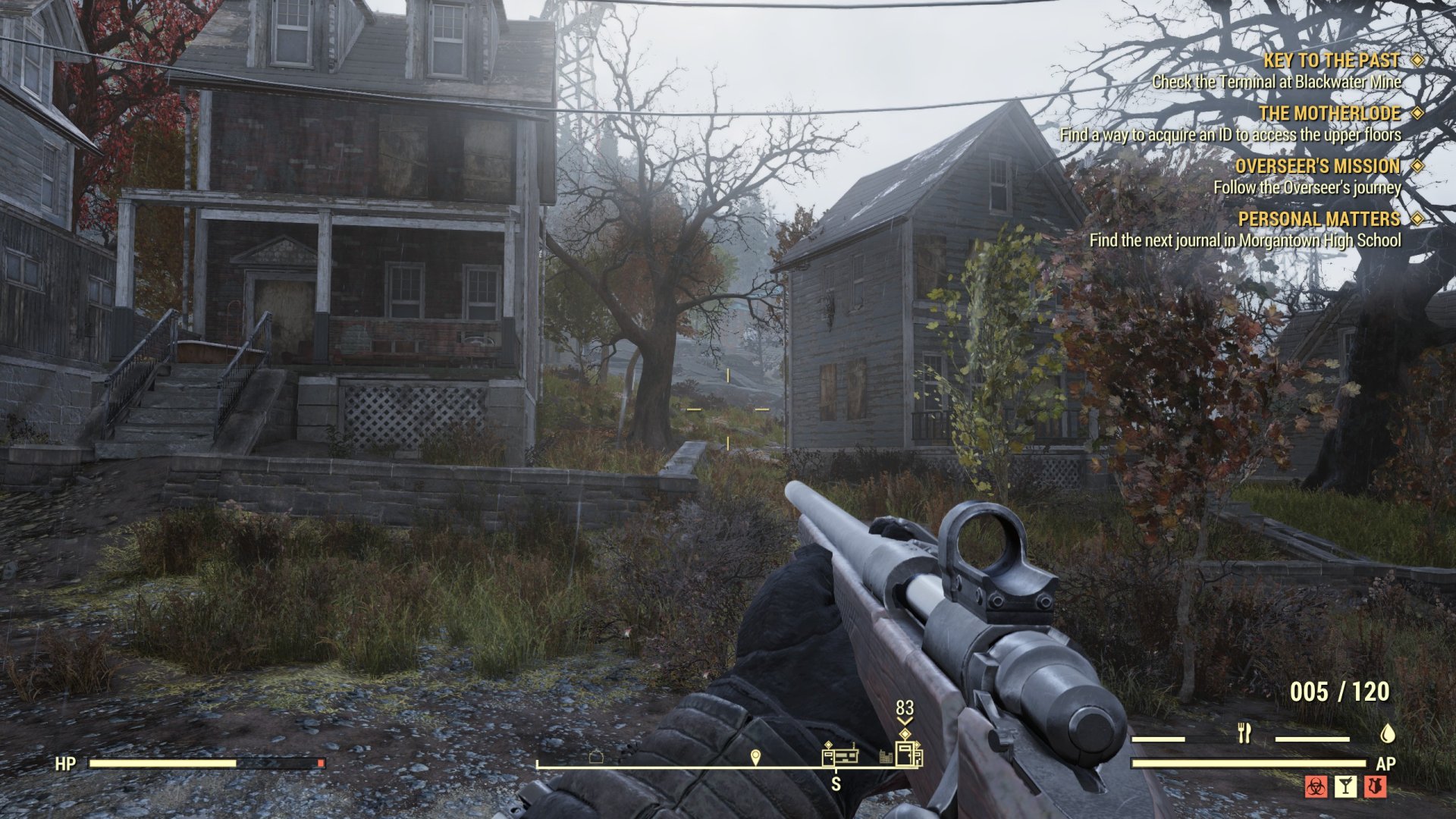
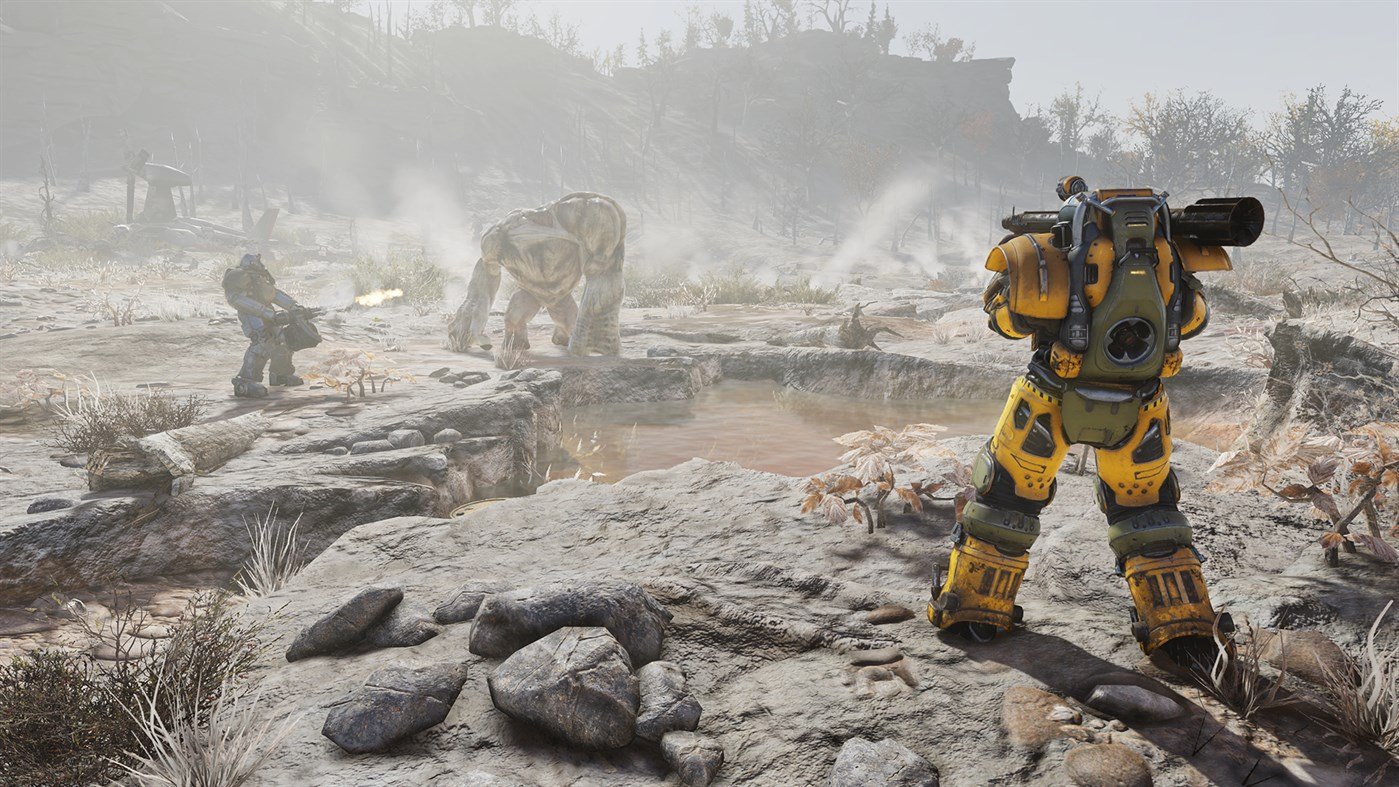
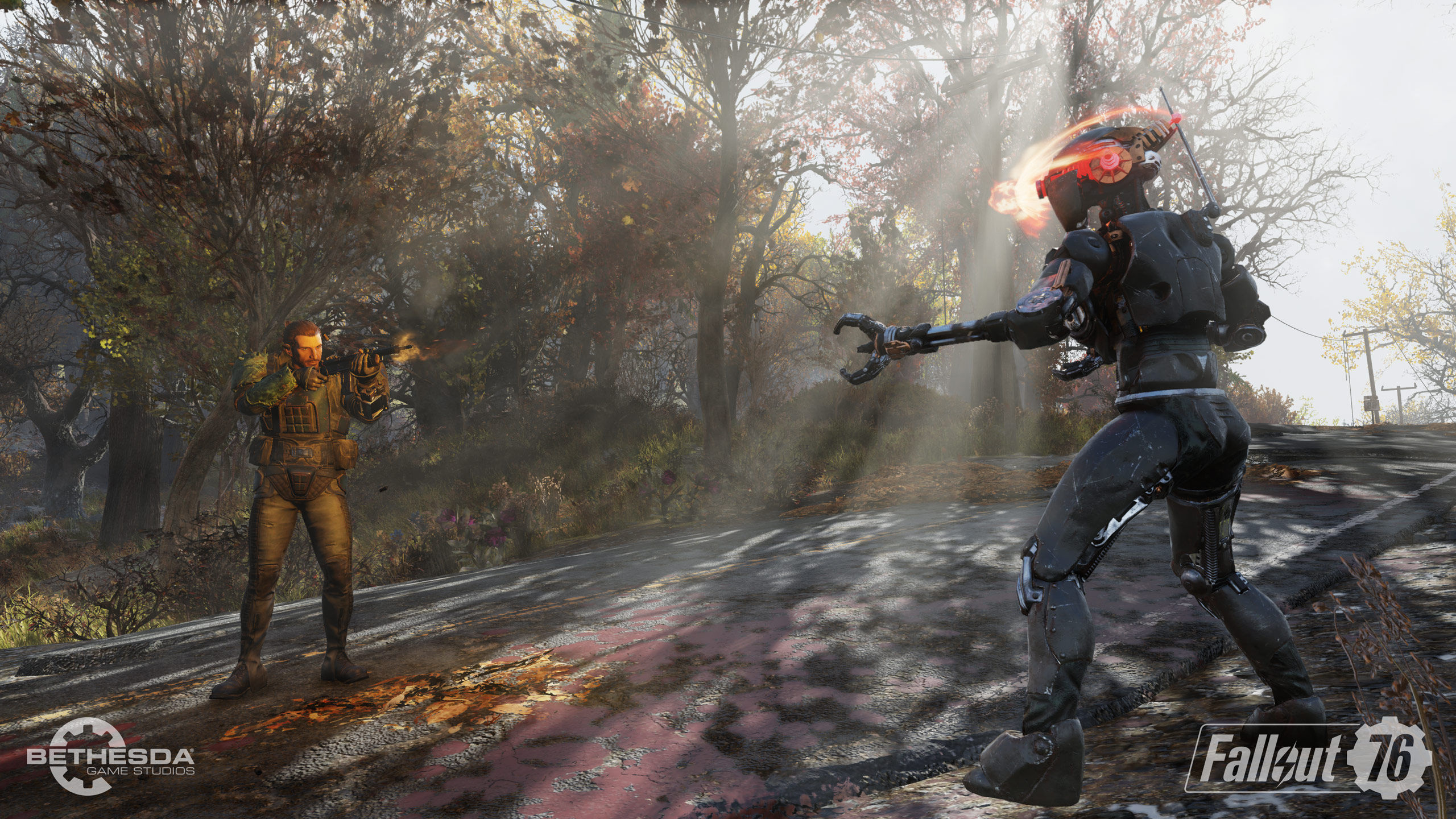
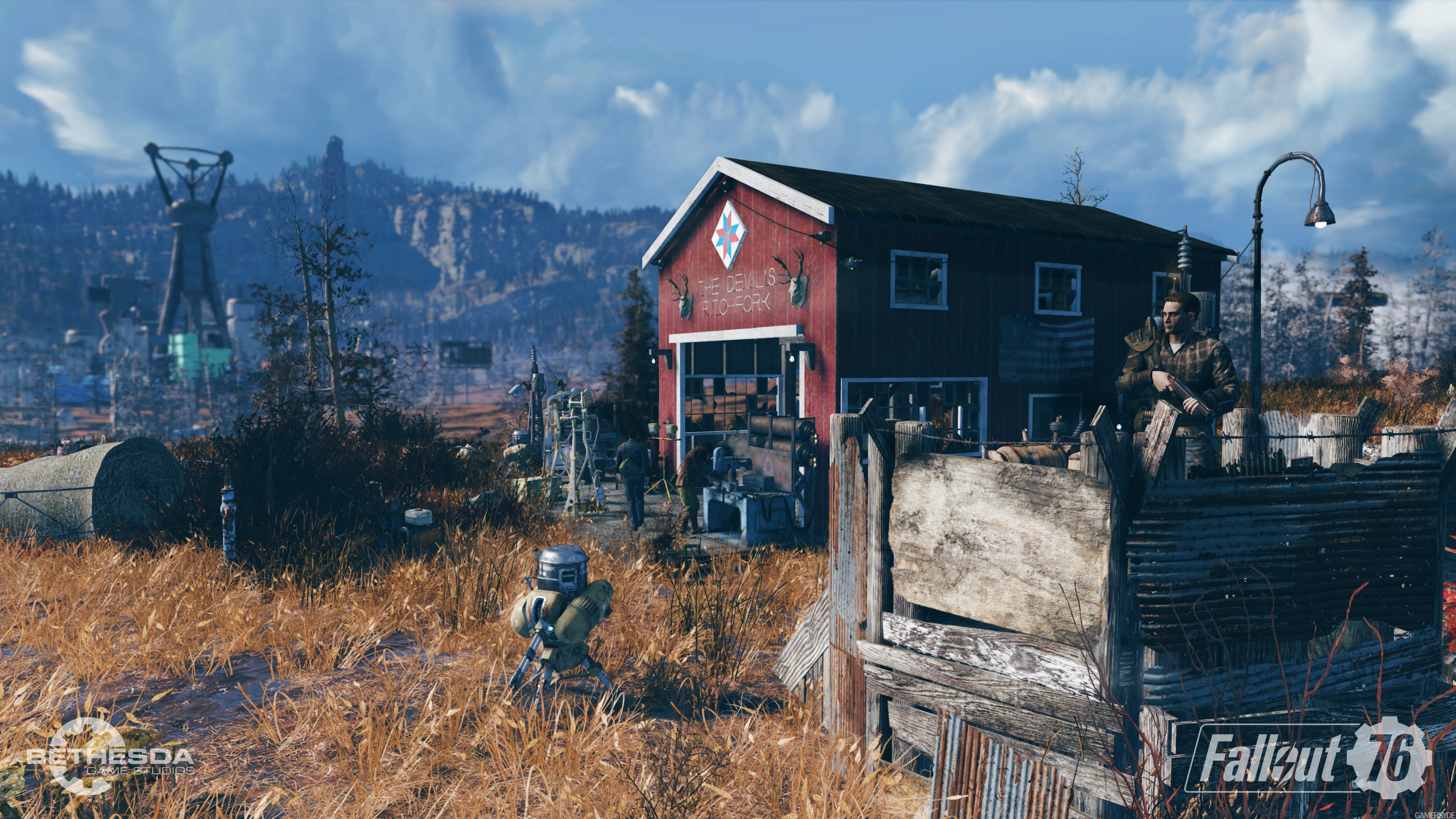
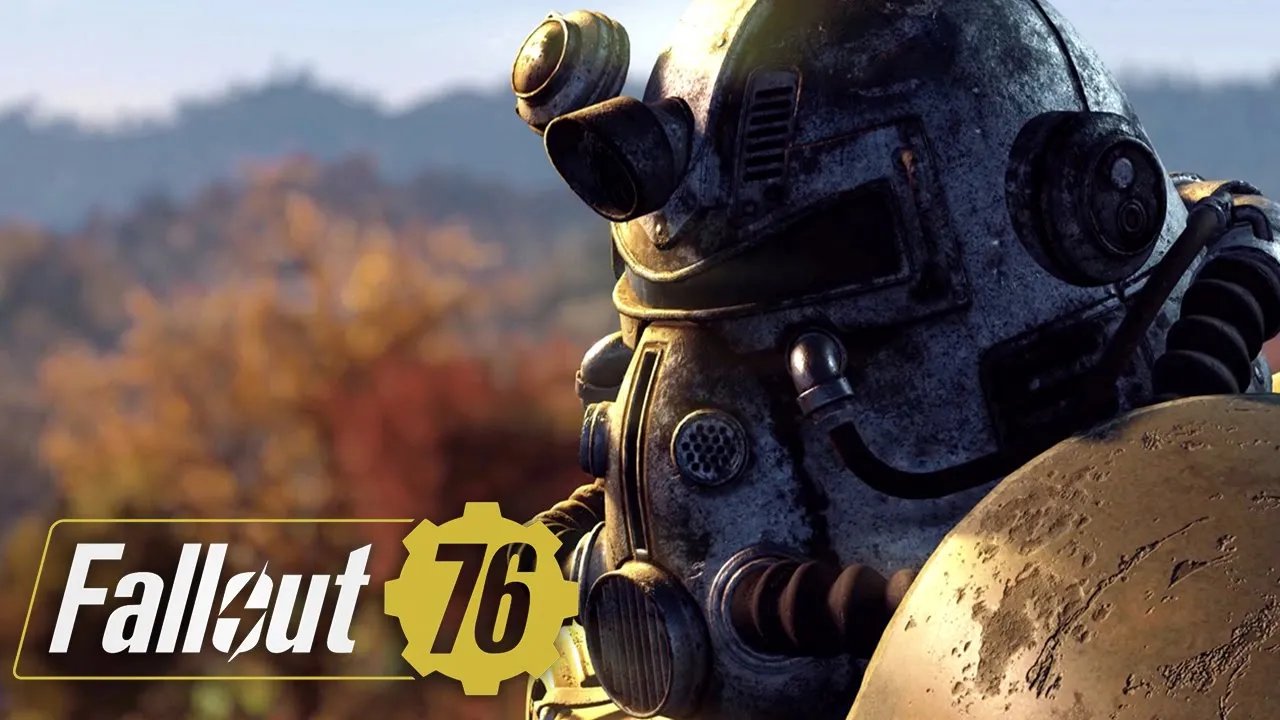
Fallout 76 leverages a modified version of Bethesda’s Creation Engine, aiming for enhanced visual fidelity compared to previous installments. The engine allowed for a more detailed and expansive open world than seen before, with dynamic weather systems, intricate environmental details, and improved character models. However, the transition to an online environment also introduced new technical challenges. Optimization issues plagued the game at launch, resulting in performance problems on various hardware configurations. While Bethesda has continued to refine the engine through updates, the visual presentation remains a mixed bag, showcasing both impressive vistas and noticeable graphical limitations.
Gameplay Mechanics and Core Systems
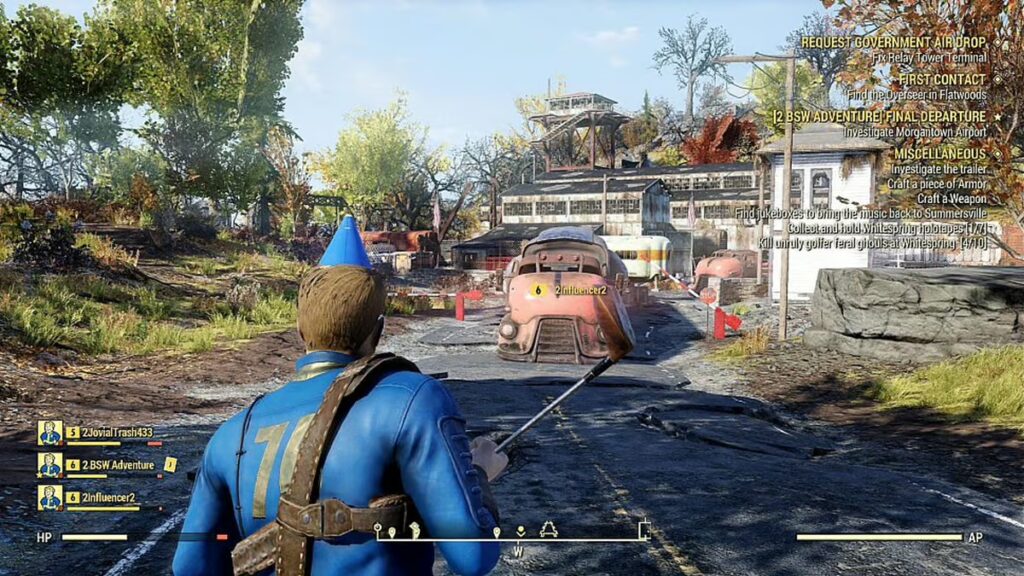
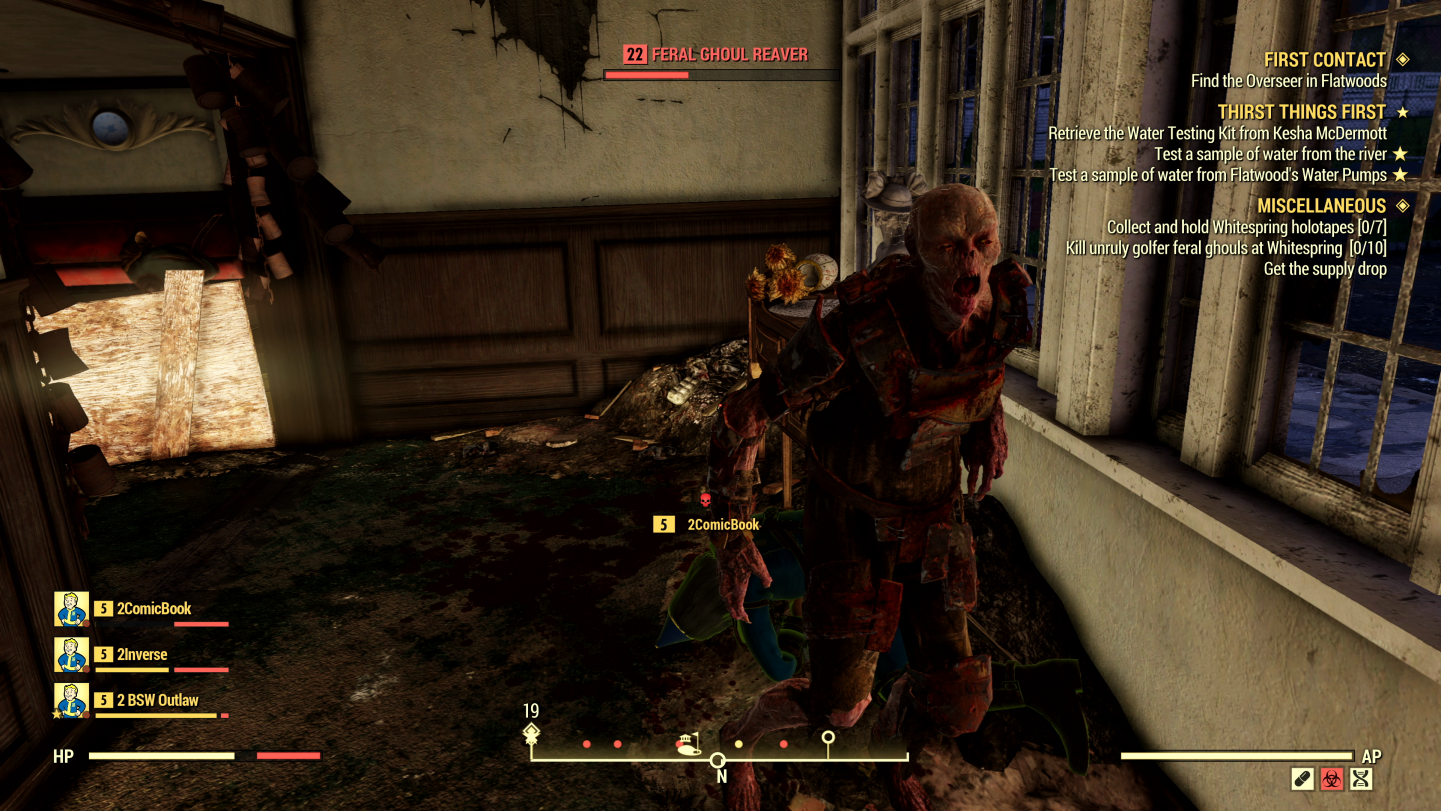
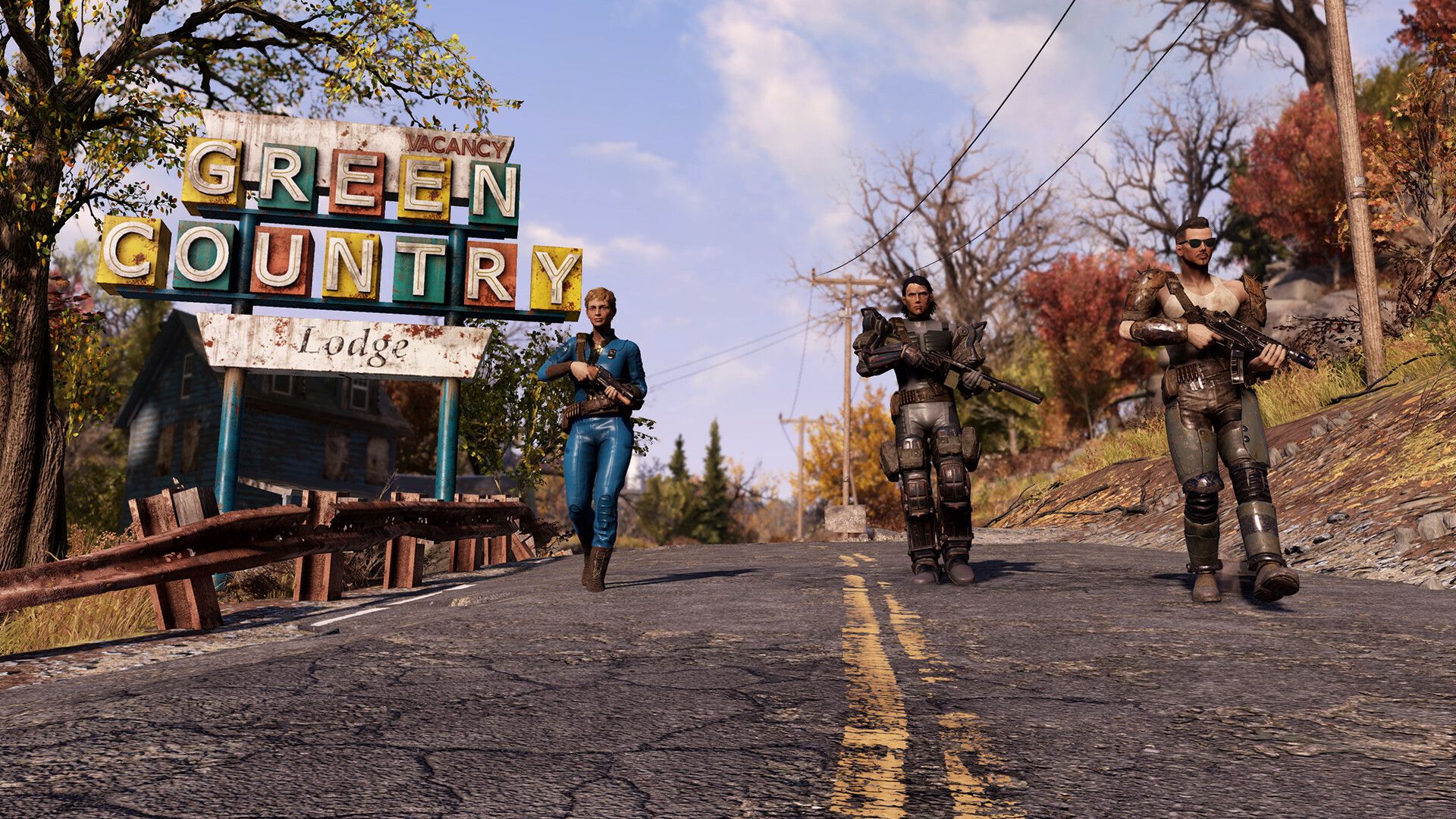
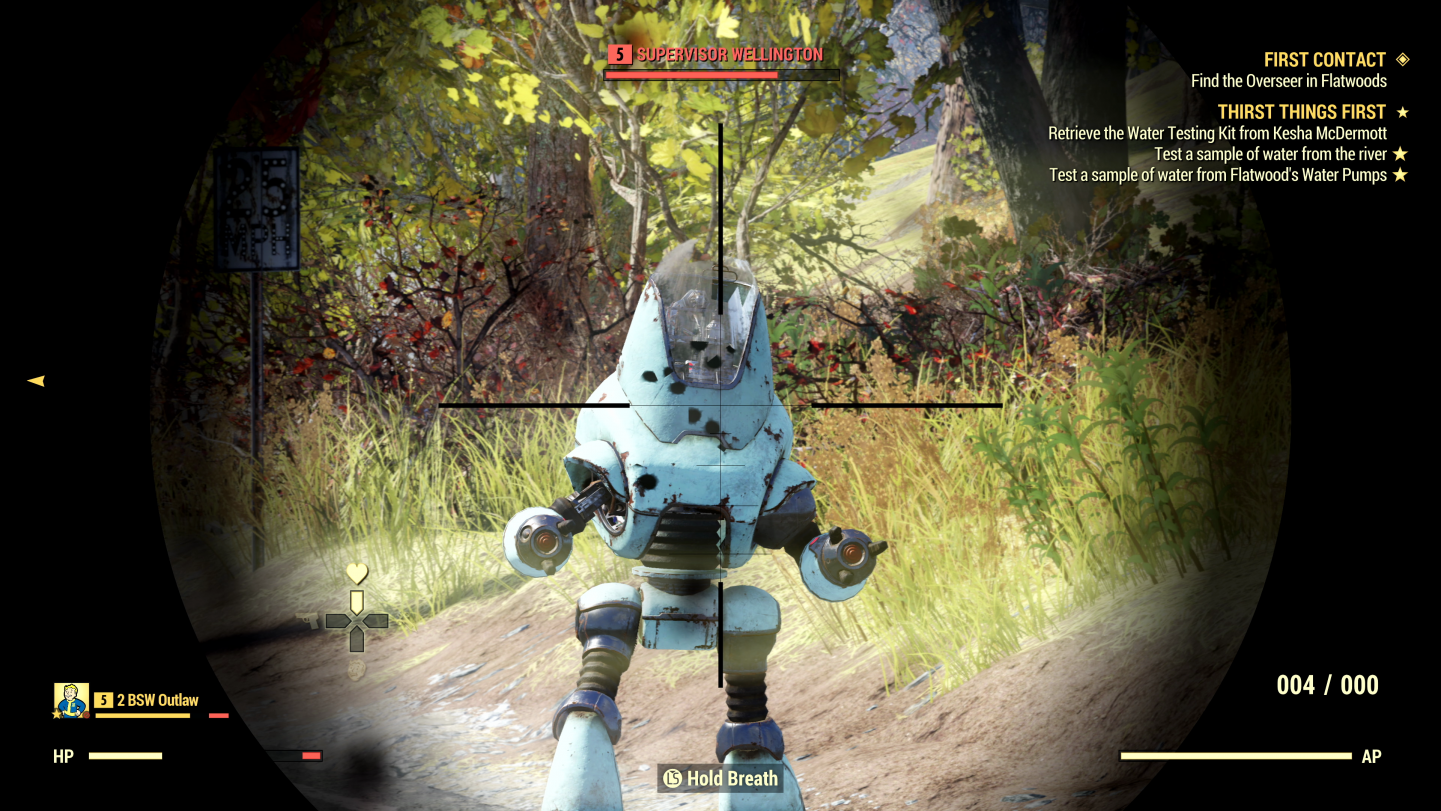
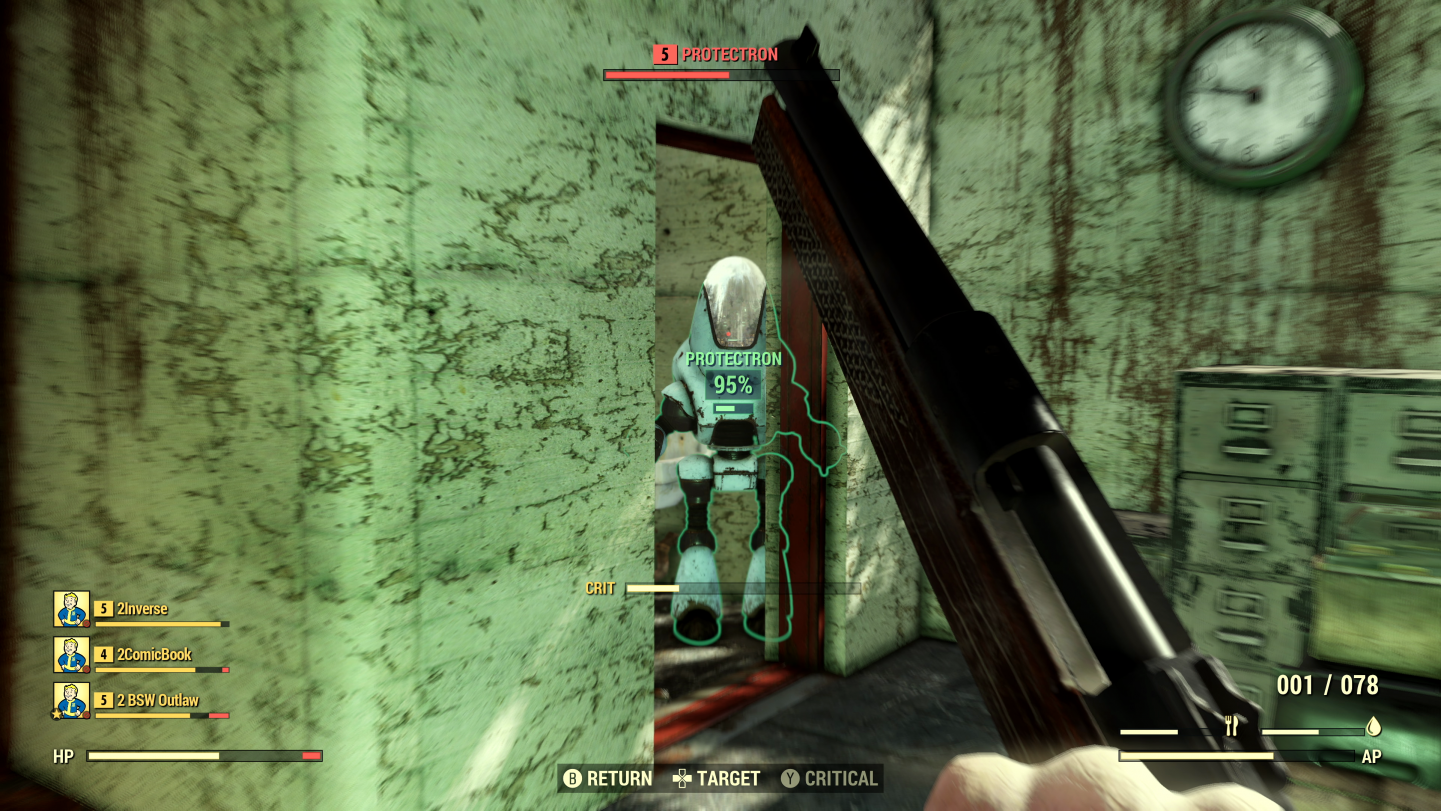
The core gameplay loop of Fallout 76 revolves around exploration, resource gathering, crafting, base building, and combat. Players interact with each other in a persistent online world, forming alliances or engaging in player-versus-player (PvP) encounters. The game introduced new mechanics such as the “WORKSHOP” mode for collaborative construction and the “REPLAY” system that rewards players for revisiting locations and completing activities. However, the lack of traditional questlines and a clear narrative structure initially drew criticism. The reliance on procedural generation and player-driven content creation aimed to foster a dynamic experience, but it also resulted in a sense of aimlessness for some players.
Level Design and World Atmosphere
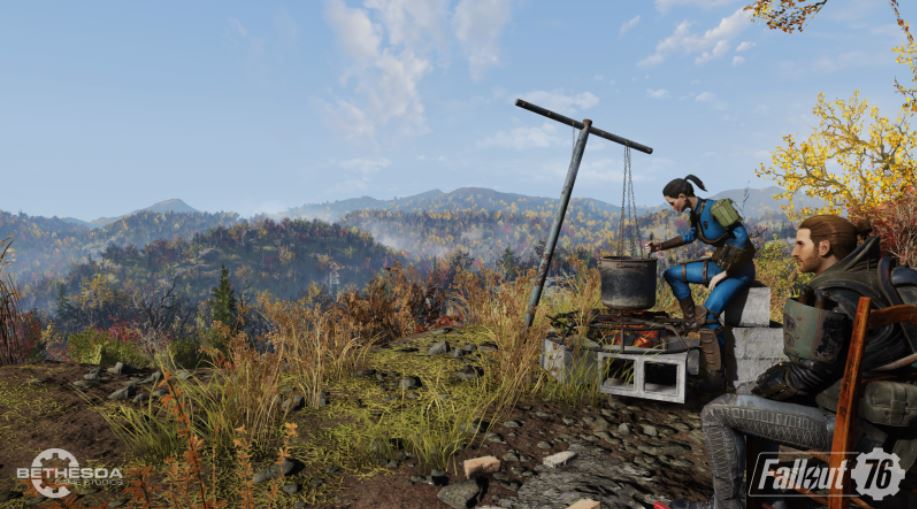
Appalachia, the setting for Fallout 76, is a unique and intriguing region within the Fallout universe. The game’s level design focuses on creating a vast and interconnected open world filled with diverse environments, from dense forests to abandoned towns and underground facilities. While the scale of Appalachia is impressive, the lack of handcrafted content and reliance on procedural generation sometimes resulted in repetitive or uninspired locations. The atmosphere, however, remains a strong point, capturing the eerie beauty and sense of desolation that defines the post-apocalyptic setting.
Narrative Depth and Character Profiles
One of the most significant departures in Fallout 76 is the absence of traditional questlines and a central narrative protagonist. Instead, players are encouraged to create their own stories within the world through interactions with non-player characters (NPCs) and other players. While this approach allows for greater player agency and emergent storytelling, it also resulted in a lack of direction and purpose for some players. The game features a cast of memorable NPCs, each with their own unique personalities and backstories, but their roles are often limited by the absence of a cohesive narrative structure.
Sound Design and Acoustic Realism
The sound design in Fallout 76 plays a crucial role in creating an immersive and atmospheric experience. The game features a vast library of environmental sounds, from the rustling of leaves to the distant cries of mutated creatures, that bring Appalachia to life. The soundtrack, composed by Inon Zur, blends familiar Fallout themes with new compositions that reflect the unique setting and tone of the game. The sound effects for weapons, explosions, and creature attacks are impactful and visceral, adding to the intensity of combat encounters.
Release Expectations and Community Hype
The announcement and subsequent release of Fallout 76 were met with a mixture of excitement and apprehension within the gaming community. Bethesda’s decision to create an online multiplayer Fallout game was seen as both innovative and risky. The initial trailers and gameplay demonstrations generated significant hype, but concerns about technical issues, gameplay mechanics, and the absence of a traditional narrative structure also emerged. The launch of the game was plagued by server instability, bugs, and performance problems, which negatively impacted its reception.
Conclusion: The Future of Fallout 76
Fallout 26 represents a bold experiment in the Fallout franchise, pushing the boundaries of what’s possible within the post-apocalyptic world. While it faced numerous challenges at launch, Bethesda has continued to support and evolve the game through updates and expansions. The introduction of new content, gameplay features, and quality-of-life improvements has helped to address some of the initial criticisms and attract a dedicated player base. Whether or not Fallout 76 will ultimately be remembered as a success remains to be seen, but its impact on the franchise and the evolution of online gaming is undeniable.

Source: Wikipedia