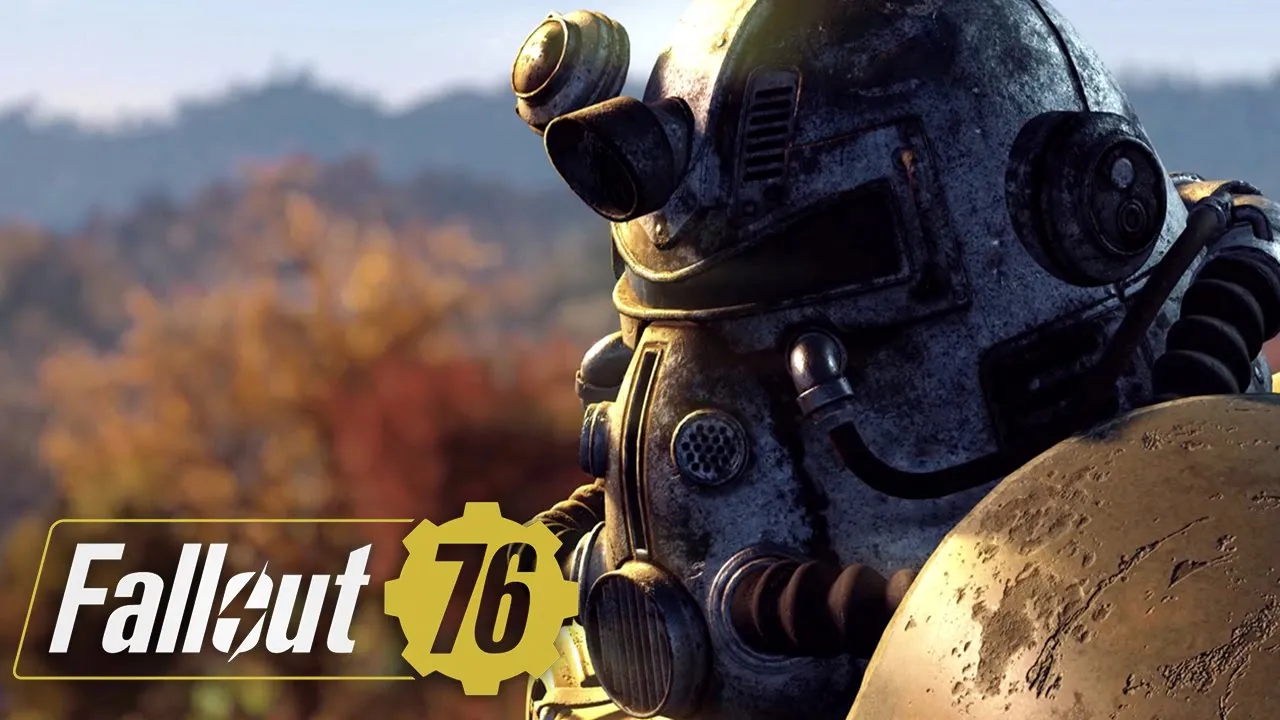
Introduction: The Next Chapter for Fallout 3
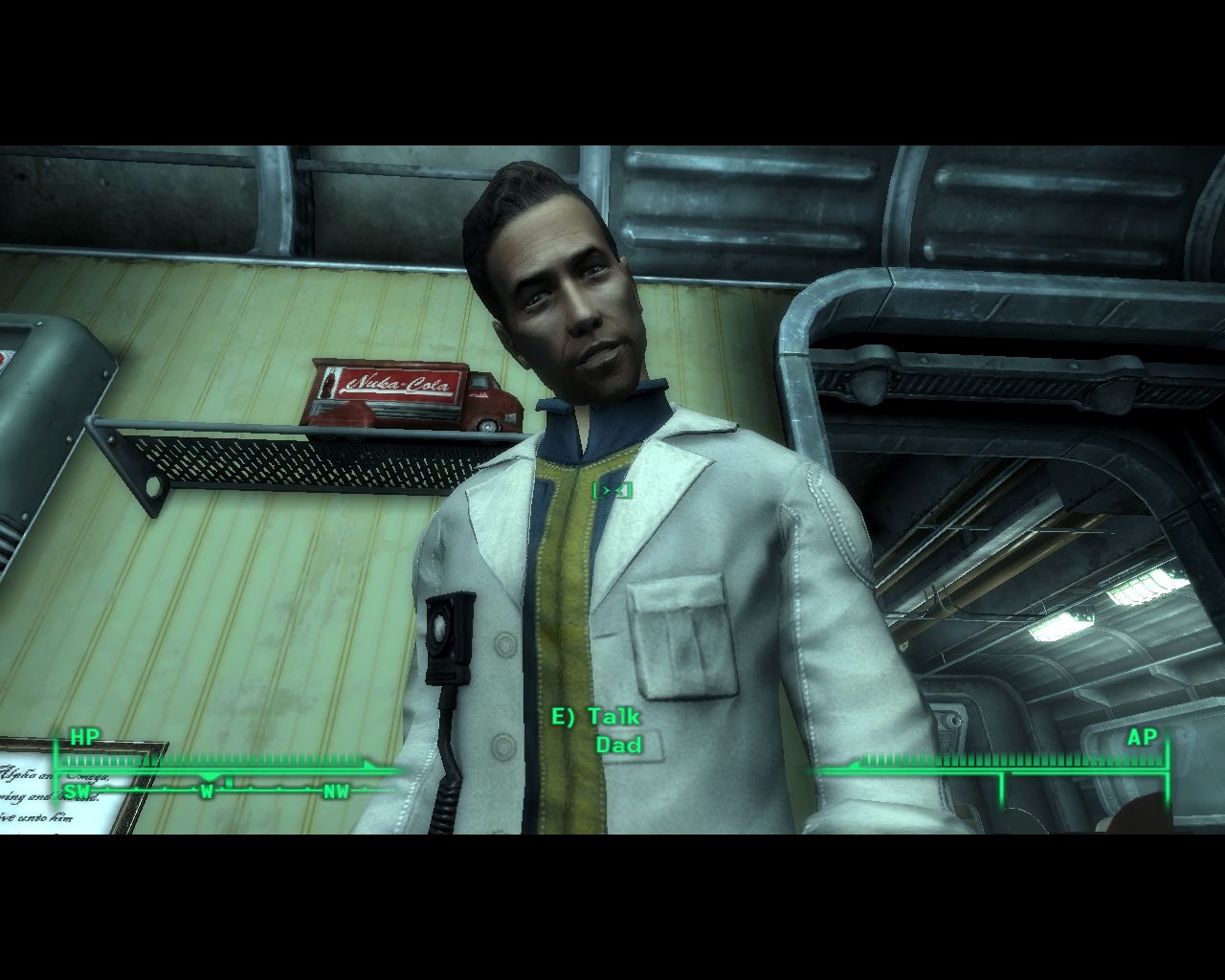
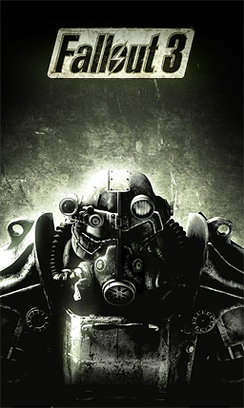
Fallout 3, released in 2008, marked a pivotal moment not only for the Fallout franchise but also for Bethesda Game Studios. Taking the reins from Interplay Entertainment, Bethesda embarked on a bold mission: to translate the beloved isometric RPG experience into a fully realized open-world adventure. The game transports players to a post-apocalyptic Washington D.C., now known as the Capital Wasteland, 200 years after a devastating nuclear war. Players assume the role of the Lone Wanderer, venturing out from Vault 101 in search of their missing father and uncovering the secrets that lie buried beneath the ruins. This Masterclass Deep-Dive will dissect every facet of Fallout 3, from its groundbreaking graphics engine to its compelling narrative, providing a comprehensive analysis for the discerning gamer.
Visual Direction and Graphics Engineering
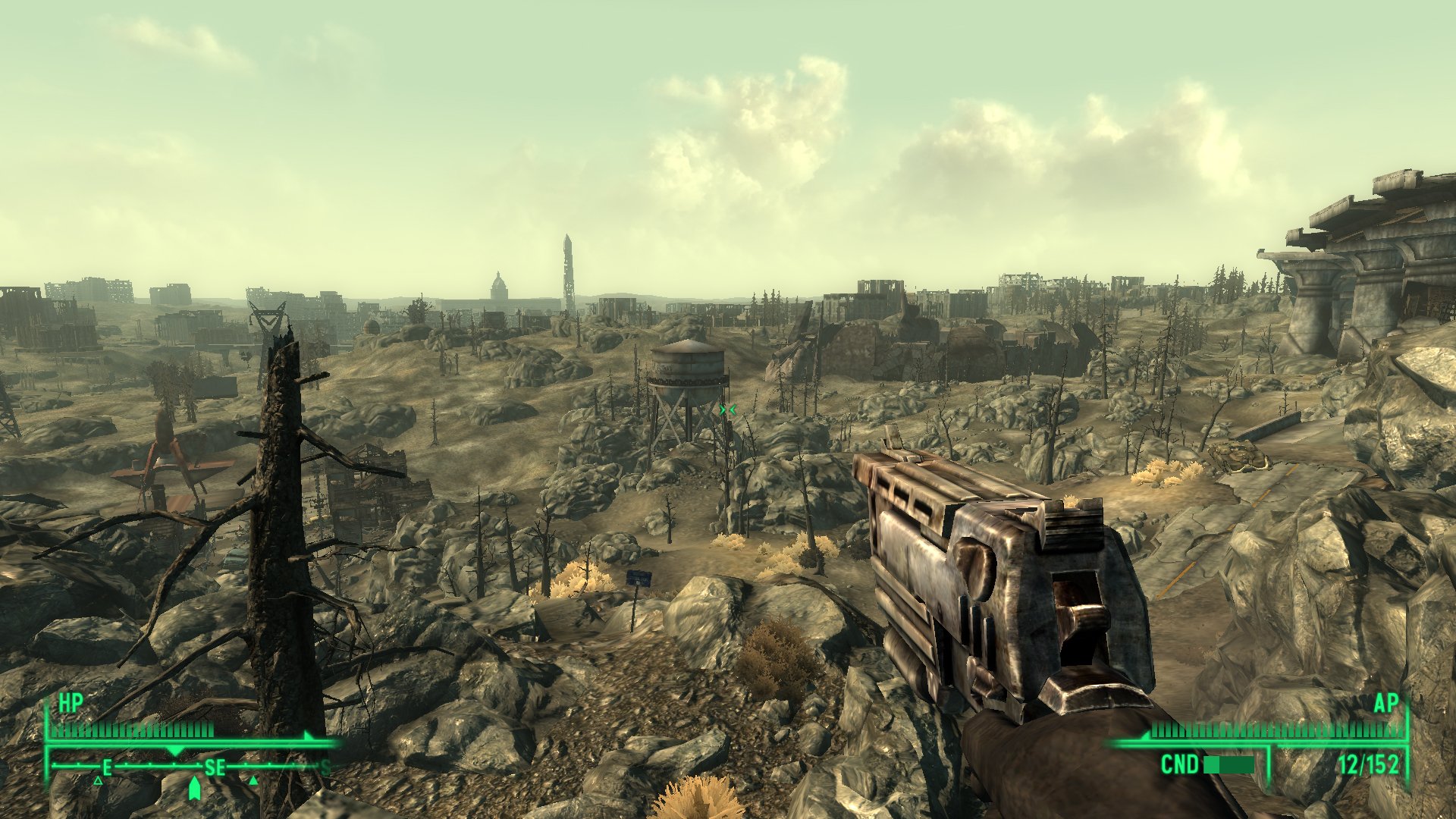
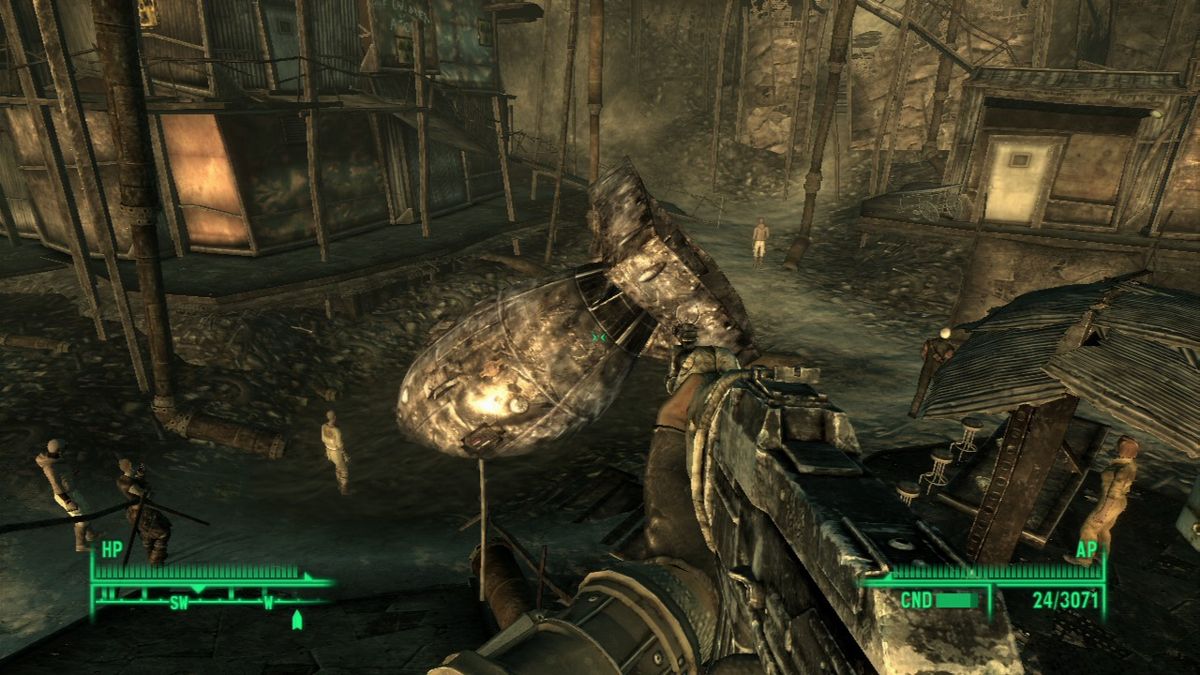
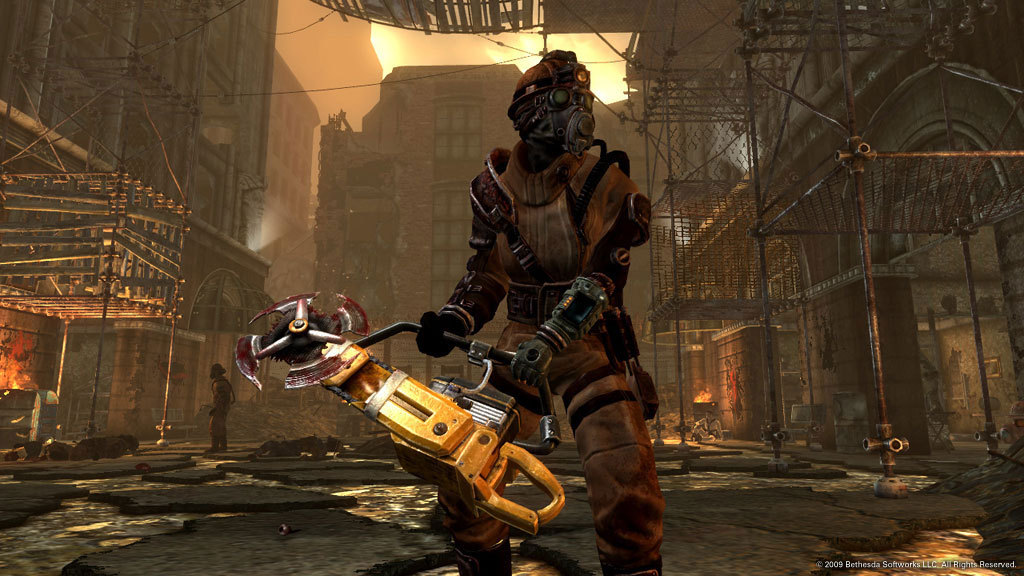
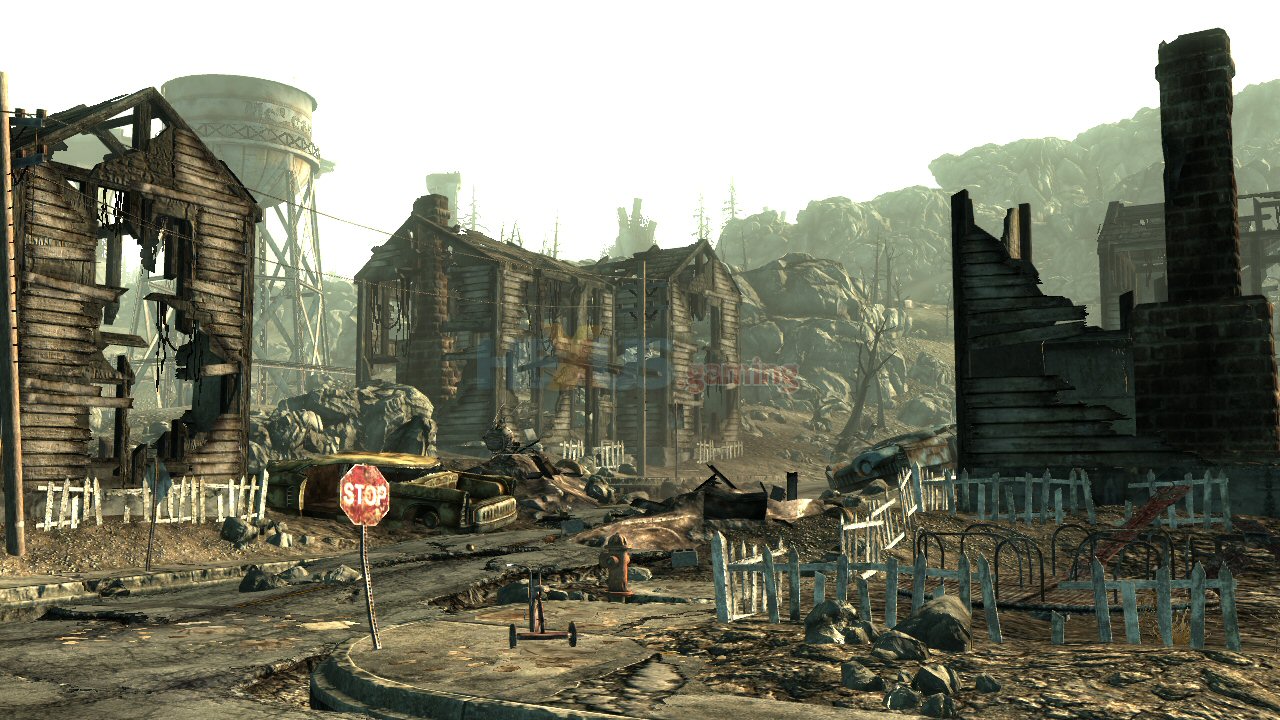
Fallout 3’s visual direction was ambitious for its time. Built upon the Gamebryo engine (later known as Creation Engine), Bethesda aimed to create a believable and immersive post-apocalyptic world. The game features a distinctive art style, characterized by muted colors, decaying architecture, and a pervasive sense of desolation. While not pushing the boundaries of graphical fidelity by today’s standards, the visual design effectively conveys the harsh realities of life in the Capital Wasteland. The engine allowed for a degree of environmental interaction and detail that was impressive for its era, although limitations are apparent when examining textures and character models under close scrutiny. The use of lighting and particle effects further enhances the atmosphere, creating memorable moments such as exploring dimly lit underground bunkers or witnessing radioactive storms sweeping across the landscape.
Gameplay Mechanics and Core Systems
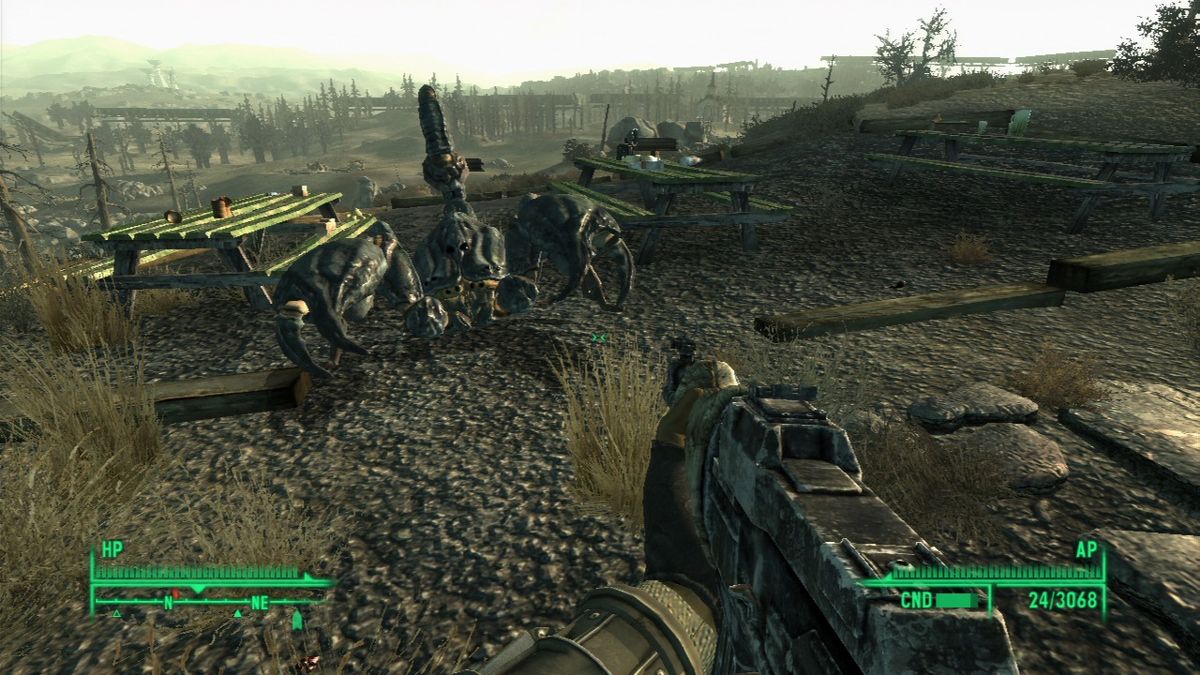
At its core, Fallout 3 blends first-person shooter elements with classic RPG mechanics. Players can freely explore the open world, engaging in combat with a variety of weapons, from rusty pipes to high-powered energy rifles. The VATS system, a signature feature of the franchise, allows players to target specific body parts of enemies, adding a tactical layer to encounters. Character progression is driven by experience points earned through completing quests and defeating enemies. Players can allocate these points to improve various attributes, such as Strength, Perception, Endurance, Charisma, Intelligence, and Agility, shaping their character’s abilities and influencing dialogue options. The game also features a karma system, where player choices impact their reputation with different factions and NPCs.
Level Design and World Atmosphere
The Capital Wasteland is a sprawling open world filled with memorable locations, from the iconic Museum of Natural History to the eerie confines of Vault 101. Bethesda’s level design team meticulously crafted each area, populating it with unique characters, hidden secrets, and challenging encounters. The atmosphere is palpable, thanks to the game’s evocative sound design and detailed environmental storytelling. Exploring abandoned buildings, uncovering pre-war artifacts, and interacting with the diverse inhabitants of the Wasteland creates a compelling sense of discovery and immersion. The seamless integration of indoor and outdoor environments further enhances the feeling of freedom and exploration.
Narrative Depth and Character Profiles
Fallout 3’s narrative is both engaging and thought-provoking. The main quest, centered around finding the Lone Wanderer’s father, serves as a framework for exploring the themes of family, identity, and morality in a post-apocalyptic world. Along the way, players encounter a cast of memorable characters, each with their own motivations and backstories. From the enigmatic Mr. New Vegas to the morally ambiguous Enclave soldiers, these characters add depth and complexity to the game’s narrative. The choices players make throughout the game have consequences, shaping the story’s outcome and influencing their relationships with other characters.
Sound Design and Acoustic Realism
The sound design in Fallout 3 is crucial to creating its immersive atmosphere. From the Geiger counter clicking ominously as you approach radioactive zones to the unsettling sounds of mutated creatures lurking in the shadows, every audio cue contributes to the game’s sense of dread and danger. The soundtrack, composed by Inon Zur, perfectly complements the visuals, enhancing the emotional impact of key moments. The voice acting is generally well-executed, bringing the characters to life and adding weight to their dialogue.
Release Expectations and Community Hype
The release of Fallout 3 was highly anticipated by gamers worldwide. Bethesda had a lot riding on this project, as it represented their first foray into developing a major installment in the beloved Fallout franchise. The hype surrounding the game was fueled by early previews and gameplay demonstrations that showcased its open-world design and engaging gameplay mechanics. When the game finally launched, it largely lived up to expectations, earning critical acclaim and commercial success. However, some players were disappointed by certain aspects of the game, such as its technical limitations and occasional bugs.
Conclusion: The Future of Fallout 3
Fallout 3 remains a landmark achievement in gaming history. Its innovative blend of open-world exploration, RPG mechanics, and compelling storytelling set a new standard for post-apocalyptic games. While it may not be as technically advanced as modern titles, its enduring appeal lies in its ability to transport players to a richly detailed and unforgettable world. The game’s legacy continues to influence the development of future Fallout installments, as well as other open-world RPGs.
Source: Wikipedia