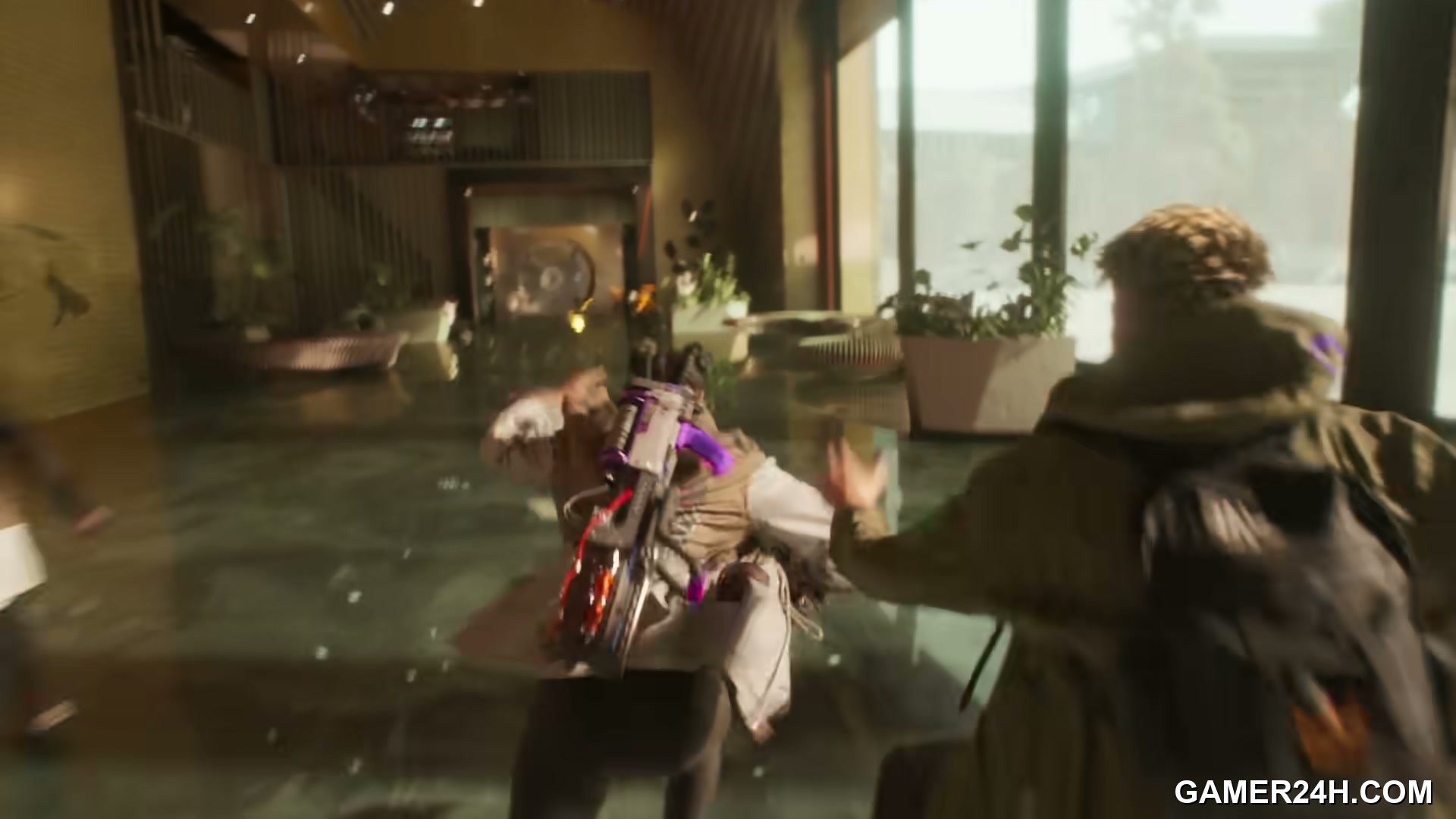
Introduction: Stealth Espionage Reimagined
In an era where action-adventure games are becoming increasingly complex and diverse, Fairgames, developed by Haven Studios, stands out as a beacon of innovation in the stealth espionage genre. Set against a backdrop of advanced technology and moral ambiguity, this title offers players a unique blend of tactical gameplay, atmospheric storytelling, and unparalleled visual splendor that pushes the boundaries of what is possible with Unreal Engine 5.
The game’s narrative revolves around the mysterious Architects, a shadowy organization responsible for crafting intricate simulations and virtual realities. Players take on the role of Lucia, an operative tasked with infiltrating these simulations to uncover their secrets and prevent catastrophic consequences in the real world. With her mission comes a myriad of challenges that will test not only her combat skills but also her ability to navigate complex moral dilemmas.
As players delve into Fairgames, they are greeted by a meticulously crafted environment that is both visually stunning and deeply immersive. The game’s use of Unreal Engine 5 allows for unparalleled graphical fidelity, from the intricate details of virtual cityscapes to the subtle lighting effects that create an atmosphere of tension and intrigue.
In this preview, we will explore how Fairgames sets a new standard in the action-adventure genre through its innovative gameplay mechanics, atmospheric storytelling, and technical achievements. Join us as we uncover what makes this title a must-play for fans of stealth espionage games and newcomers alike.
Visual Splendor: Pushing the Limits of Unreal Engine 5

The visual aesthetics of Fairgames are nothing short of breathtaking, thanks to Haven Studios’ adept use of Unreal Engine 5. This game showcases a level of detail that is both impressive and immersive, setting a new benchmark for visual fidelity in contemporary gaming.
One of the most striking features of the game’s graphics is its ability to seamlessly blend different environments into cohesive virtual worlds. Players find themselves navigating through meticulously designed cities where every building, streetlight, and even the texture on the ground contributes to an unparalleled sense of realism. The use of dynamic lighting creates a constantly shifting atmosphere that reflects both the time of day and Lucia’s emotional state.
Moreover, Fairgames incorporates advanced particle effects and realistic physics simulations to create a truly immersive experience. For instance, when characters interact with objects in the environment, their movements are fluid and natural, enhancing the sense of presence within these virtual worlds. The game also leverages Unreal Engine 5’s Nanite technology for real-time ray tracing, which significantly enhances visual clarity by eliminating texture popping and polygonal artifacts.
Another noteworthy aspect is the game’s use of character animation. Lucia’s movements are meticulously crafted to ensure that every action feels natural and intuitive, from her cautious steps through shadows to more aggressive maneuvers in combat scenarios. This level of detail extends beyond just movement; facial expressions and body language convey a wide range of emotions, adding depth to the narrative and player engagement.
In addition to its visual prowess, Fairgames excels in creating a cohesive aesthetic across various environments. From bustling cityscapes filled with neon lights to quieter, more introspective settings like abandoned factories or underground tunnels, each location has been meticulously designed to evoke specific moods and enhance the storytelling experience.
Overall, Haven Studios’ utilization of Unreal Engine 5 allows Fairgames to present a visually stunning world that is not only beautiful but also deeply immersive. These technical achievements ensure that players are fully engrossed in Lucia’s journey, making every moment spent within this digital universe feel vivid and authentic.
Combat & Systems: Tactical Espionage and Combat Dynamics

At the core of Fairgames lies a robust combat system designed to challenge players’ tactical acumen and quick reflexes. The game combines stealth, agility, and precise timing in its approach to battles, offering an engaging mix that sets it apart from traditional action-adventure titles.
Players must master a variety of tools at their disposal for effective infiltration and combat scenarios. Lucia is equipped with high-tech gadgets such as cloaking devices, silent taser guns, and explosive charges, each requiring strategic deployment. Cloaking allows her to become invisible within certain areas or under specific light conditions, enabling sneaky approaches and evasive maneuvers. Tasers are ideal for taking out guards silently without drawing unwanted attention, while explosives can be used to clear paths or deal with multiple threats simultaneously.
The combat system in Fairgames is highly dynamic, catering to both stealth enthusiasts and those who prefer direct confrontation. Stealth missions often require players to navigate through densely populated areas undetected by patrolling guards or automated security systems. The game’s AI responds intelligently to Lucia’s actions; for instance, if a tasered guard regains consciousness before being disposed of properly, they will alert nearby sentries. This creates an ever-evolving challenge that demands quick thinking and adaptability.
For those who prefer more confrontational playstyles, Fairgames offers intense and fast-paced combat encounters. Engaging enemies head-on requires precise timing and use of various weapons, including submachine guns, assault rifles, and silenced pistols. Each weapon has unique attributes such as rate of fire, accuracy, and noise level, influencing how players approach different scenarios.
The game also incorporates an elaborate cover system that enhances player mobility during combat sequences. By utilizing environmental props like walls, crates, or vehicles for protection, Lucia can tactically move around the battlefield while avoiding enemy fire. Additionally, she gains access to special abilities as her skills improve over time, such as increased speed, enhanced senses, and improved weapon handling.
Beyond just physical confrontations, Fairgames emphasizes strategic planning through its mission design. Missions often have multiple objectives that can be approached in various ways depending on the player’s preference for stealth or direct combat. Completing these missions efficiently rewards players with experience points and resources needed to upgrade Lucia’s gear and abilities.
In summary, Fairgames delivers a richly layered combat system that caters to diverse playstyles while encouraging thoughtful engagement with its mechanics. This balance between stealth and confrontation ensures that every encounter feels fresh and challenging, keeping players engaged throughout their journey through the Architects’ simulations.
Gameplay & Atmosphere Analysis: Portals and Tension

At the heart of Fairgames‘ gameplay lies a unique mechanic known as “portals,” which serves as both a narrative device and a gameplay feature. These portals are key to unlocking new areas within the game’s virtual environments, offering players access to previously inaccessible regions or alternative routes for mission completion.
The introduction of portals significantly enhances the exploration aspect of Fairgames. Players must search through various locales for clues and hidden objects that activate these mysterious gateways. This mechanic not only encourages thorough investigation but also rewards those who are observant, adding an extra layer of depth to the gameplay experience.
Furthermore, portals play a crucial role in shaping the overall atmosphere and tension within the game world. As players navigate through these shifting environments, they encounter abrupt transitions between different realities, each one presenting its own set of challenges and threats. The sudden appearance of new pathways or alterations in the landscape can catch players off guard, heightening their sense of unease and urgency.
The use of portals also contributes to the game’s narrative by revealing deeper secrets about the Architects’ operations. By traversing through these gateways, players uncover hidden agendas, discover critical information necessary for advancing the plot, and witness dramatic story moments that unfold across interconnected virtual landscapes. This interweaving of gameplay mechanics with storytelling elements creates a cohesive experience where exploration is not just an end in itself but a means to unravel the broader mysteries surrounding Lucia’s mission.
Moreover, Fairgames excels at building atmosphere through its intricate level design and environmental storytelling. Each area within the game world has been meticulously crafted to evoke specific moods and emotions, from the cold austerity of abandoned warehouses to the warm glow of neon-lit city streets. These contrasting settings work together to create a sense of continuity amidst change, maintaining player engagement even as they traverse through different portals.
In summary, Fairgames masterfully integrates its unique portal mechanic into both gameplay and narrative structures, enhancing exploration opportunities while intensifying the overall atmosphere of tension and intrigue throughout Lucia’s journey. This cohesive approach ensures that players remain captivated by every twist and turn along their path to uncovering the Architects’ hidden truths.
Narrative & Characters: The Architects’ Mystery and Lucia’s Mission
The narrative arc of Fairgames is as intricate and engaging as its gameplay mechanics, centered around a central mystery that challenges players’ perceptions of reality. The Architects, an enigmatic organization responsible for crafting sophisticated simulations and virtual realities, are the primary antagonists in this tale. Their motives remain shrouded in secrecy, compelling Lucia to delve deep into their labyrinthine world to unravel their intentions.
Lucia’s backstory adds depth and emotional resonance to her character, making her mission personal yet universal. A former operative turned whistleblower, Lucia is motivated by a moral imperative to expose the Architects’ clandestine activities and prevent them from causing further harm in the real world. Her journey takes players through various stages of self-discovery and moral dilemma as she confronts both internal conflicts and external threats.
The narrative unfolds through a series of interconnected missions that gradually reveal layers of complexity surrounding the Architects’ operations. Players are presented with fragmented pieces of information, encrypted messages, and hidden audio logs scattered throughout the game world. As Lucia uncovers these clues, they paint a picture of a far-reaching conspiracy involving advanced technologies, corporate espionage, and philosophical questions about free will versus determinism.
Supporting characters in Fairgames add nuance to the story by providing different perspectives on the Architects’ activities. Some are unwitting participants who become entangled in Lucia’s mission through no fault of their own, while others are more cynical operatives loyal to the organization. Interactions with these individuals often lead to moral quandaries for Lucia, forcing her to make difficult decisions that affect not only the plot progression but also her personal growth.
The dialogue and writing in Fairgames are crafted with precision, ensuring each line contributes meaningfully to character development or plot advancement. Conversations with key figures reveal their inner motivations and fears, building a rich tapestry of personalities that enriches the overall narrative experience. Additionally, environmental storytelling through hidden objects and interactive elements adds layers of depth to the story, inviting players to explore beyond the main objectives.
In conclusion, Fairgames delivers a compelling narrative with intricate plot twists and well-developed characters. By intertwining moral dilemmas with complex conspiracies, it offers more than just an engaging action-adventure game; it presents thought-provoking questions about ethics in technology and human nature itself. This blend of high-stakes storytelling and immersive gameplay cements Fairgames as a standout title in the stealth espionage genre.
Acoustic Preservation / Audio Design: Sounds of Silence and Combat
The audio design in Fairgames is meticulously crafted to enhance immersion, tension, and emotional engagement throughout the player’s journey. From the subtle whispers of silence that underline moments of stealth to the intense cacophony of combat scenarios, every sound element contributes significantly to the game’s atmosphere.
One of the standout features of the audio design in Fairgames is its ability to convey a sense of heightened awareness through ambient sounds and atmospheric cues. When players are navigating through environments on stealth missions, even the smallest noises become magnified, such as the rustling leaves underfoot or the distant clinking of metal objects. These subtle auditory details not only add realism but also heighten tension, making every step feel crucial.
Conversely, during quieter moments, the game utilizes a minimalist approach to sound design. The absence of background noise can be almost palpable, emphasizing Lucia’s isolation and vulnerability as she navigates through eerie, abandoned spaces. This silence becomes its own character, amplifying the player’s sense of unease and anticipation for what lies ahead.
In combat scenarios, the audio design shifts dramatically to reflect the intense action unfolding on screen. The crisp sounds of gunfire, the metallic clangs of weapons being drawn or sheathed, and the guttural cries of enemies all contribute to a chaotic yet exhilarating auditory experience. Moreover, environmental factors such as ricochet effects off walls or the echoes in cavernous spaces add depth to these scenes, making each combat encounter feel unique.
Beyond just environmental sounds, Fairgames incorporates a sophisticated soundtracking system that evolves based on Lucia’s actions and emotional state. As she moves through different missions and experiences various challenges, the music adapts accordingly, transitioning from tense, suspenseful melodies during stealth operations to more rhythmic, adrenaline-fueled tracks in combat sequences.
The game also utilizes voice acting and dialogue to enrich character interactions and narrative moments. Each line delivered by Lucia or other characters is carefully recorded and edited to match their emotional expressions and the overall tone of the scene. This attention to detail ensures that conversations feel natural and impactful, contributing significantly to the immersion and engagement with the story.
In summary, Fairgames excels in its audio design through a combination of nuanced sound effects, dynamic music scoring, and high-quality voice acting. These elements work together seamlessly to create an immersive experience that not only enhances gameplay but also deepens emotional connections with the characters and narrative.
Critical Reception: Expectations and First Impressions
As Fairgames approaches its release date, anticipation among gaming enthusiasts is palpable. Reviews from early access players and critics have been overwhelmingly positive, praising the game’s innovative mechanics, striking visuals, and immersive storytelling.
Early reviews highlight the seamless integration of stealth elements with real-time combat dynamics as a standout feature. Players appreciate the flexibility afforded by these dual gameplay approaches, which allows for varied strategies depending on their preference or situational demands. The robust cover system and detailed character animations are also commended for enhancing both tactical decision-making and narrative immersion.
Visually, Fairgames has received acclaim for its exceptional use of Unreal Engine 5 to create a richly textured world that seamlessly blends different environments into cohesive virtual realities. Critics praise the dynamic lighting effects, realistic physics simulations, and fluid character movements as contributing factors towards an unparalleled sense of presence within these digital universes.
The narrative aspect of Fairgames has garnered attention for its intricate plot twists and well-developed characters. Early reviewers appreciate how the game balances moral dilemmas with complex conspiracies, offering thought-provoking questions about ethics in technology and human nature itself. Environmental storytelling through hidden objects and interactive elements is also noted as a clever narrative tool that enriches the overall experience.
However, some early feedback has pointed out minor technical issues such as loading times and occasional frame rate drops during intensive combat sequences. These concerns are expected to be addressed by Haven Studios in upcoming patches leading up to the full release.
Despite these minor hiccups, Fairgames is poised to make a significant impact on the action-adventure genre with its innovative gameplay mechanics, atmospheric storytelling, and technical achievements. As more players dive into this immersive world, expectations for critical acclaim continue to rise.
Conclusion: The Vanguard of Next-Gen Action
In conclusion, Fairgames, developed by Haven Studios, emerges as a beacon of innovation in the action-adventure genre. Through its unique blend of stealth espionage and real-time combat dynamics, coupled with stunning visual fidelity and atmospheric storytelling, this title sets new standards for next-gen gaming experiences.
The game’s use of Unreal Engine 5 to create visually breathtaking environments that seamlessly transition between different realities is a testament to Haven Studios’ technical prowess. The integration of portals as both gameplay mechanics and narrative devices further enriches the exploration aspect while maintaining an overarching sense of tension and mystery.
Lucia’s journey, fraught with moral dilemmas and complex conspiracies, offers not only thrilling action but also profound reflections on ethical questions in technology and human nature. The nuanced audio design complements this experience by heightening immersion through meticulously crafted soundscapes that evolve based on the player’s actions.
With positive early reviews highlighting its innovative gameplay and immersive narrative, Fairgames is poised to captivate audiences upon release. While minor technical issues may need addressing before full launch, these are expected improvements rather than significant drawbacks given the game’s overall quality.
As players embark on Lucia’s mission to unravel the secrets of the Architects’ simulations, they will be treated to an experience that challenges conventional notions of action-adventure games. Fairgames not only entertains but also engages