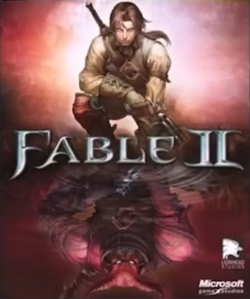
Introduction: The Next Chapter for Fable II
Fable II, released in 1998 by Lionhead Studios and published by Microsoft Game Studios, marked a significant evolution for the Fable franchise. Building upon the foundation laid by its predecessor, this title aimed to deliver a more expansive and engaging experience for players. While retaining the core elements that made the original successful, Fable II introduced new gameplay mechanics, enhanced graphics, and a deeper narrative focus. The game’s ambition was clear: to create a truly immersive RPG world where player choices had meaningful consequences, shaping not only their character but also the environment around them.
Visual Direction and Graphics Engineering
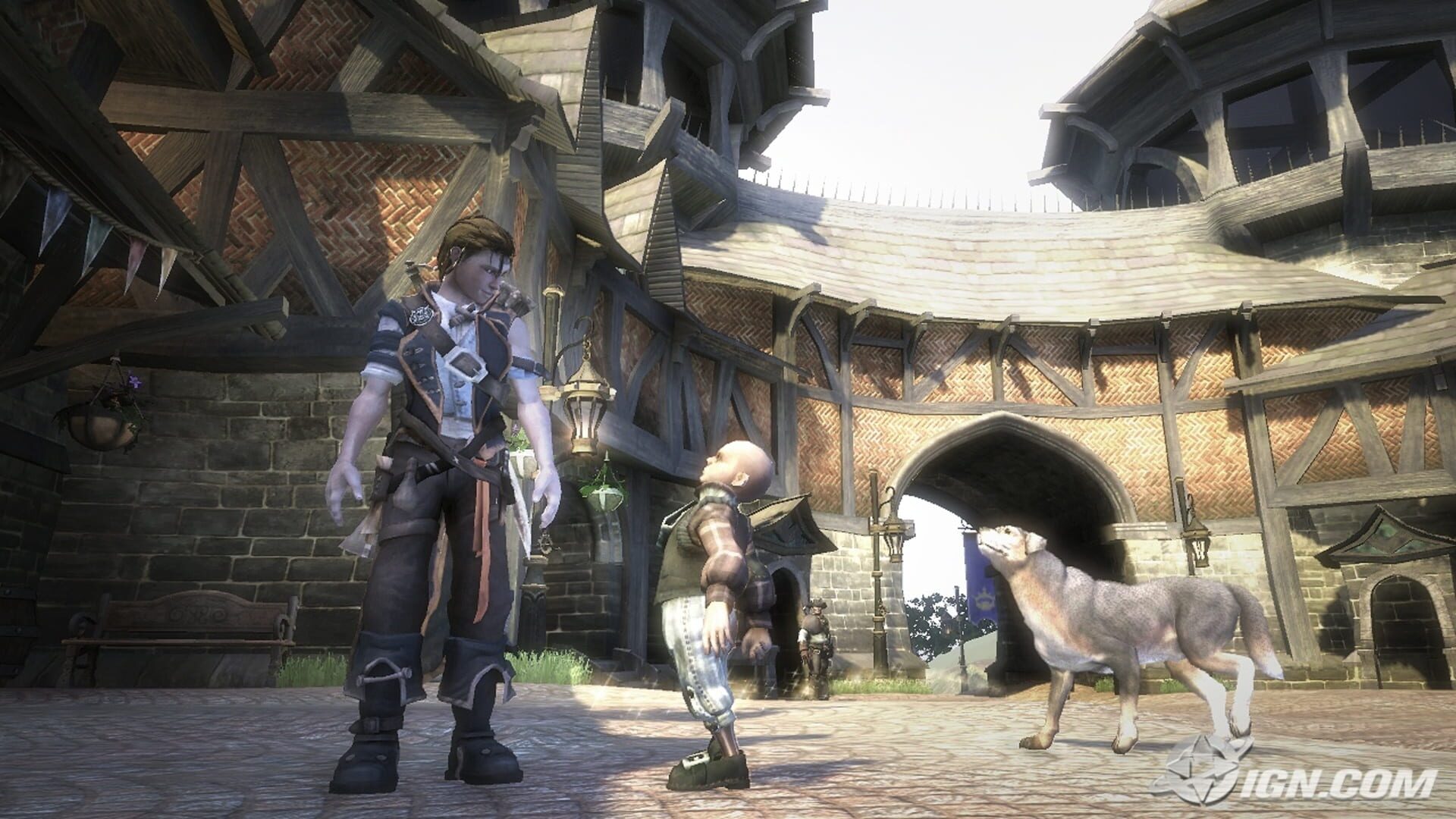
Fable II represented a considerable leap in visual fidelity compared to the original Fable. Lionhead Studios leveraged its proprietary Next-Gen engine to achieve more detailed character models, richer textures, and improved lighting effects. The game’s art style blended realism with a touch of fantasy, creating a visually appealing world that was both believable and enchanting. While not pushing the boundaries of graphical innovation at the time, Fable II delivered a solid visual experience that held up well for its era.
Gameplay Mechanics and Core Systems
One of the key areas where Fable II distinguished itself was in its expanded gameplay mechanics. The introduction of companions added a new layer of strategic depth to combat, while the property system allowed players to build their own homes and businesses, adding an element of economic management to the RPG experience. The morality system remained central, with player choices influencing not only their character’s appearance but also how NPCs reacted to them. This focus on consequence-driven gameplay was a hallmark of Fable II.
Level Design and World Atmosphere
The world of Albion in Fable II felt more alive and interconnected than in the original game. Lionhead Studios crafted diverse environments, from bustling towns to sprawling countryside, each with its own unique atmosphere and challenges. The level design encouraged exploration, rewarding players who ventured off the beaten path with hidden treasures, challenging encounters, and glimpses into the rich lore of Albion. This sense of discovery was a crucial element in creating an immersive and engaging experience.
Narrative Depth and Character Profiles
Fable II boasted a more compelling narrative than its predecessor, driven by memorable characters and intriguing storylines. The game explored themes of morality, ambition, and the consequences of power, offering players opportunities to make choices that shaped the fate of Albion. While the main story arc was relatively straightforward, the numerous side quests and character interactions added depth and replayability.
Sound Design and Acoustic Realism
The sound design in Fable II played a vital role in creating an immersive atmosphere. The game featured a dynamic soundtrack composed by Danny Elfman, which adapted to the player’s actions and the environment they were exploring. Realistic sound effects brought the world of Albion to life, from the clashing of swords to the rustling of leaves. This attention to detail enhanced the overall sense of presence in the game.
Release Expectations and Community Hype
Fable II generated significant hype leading up to its release, fueled by promises of an expansive open world, innovative gameplay mechanics, and a compelling narrative. The game was highly anticipated by fans of the original Fable, as well as newcomers eager to experience the unique blend of action, RPG elements, and humor that defined the franchise.
Conclusion: The Future of Fable II
Fable II remains a beloved title in the history of gaming, praised for its innovative gameplay mechanics, engaging narrative, and memorable characters. While it may not have been without its flaws, the game successfully built upon the foundation laid by its predecessor, delivering an experience that was both familiar and fresh. Its legacy continues to inspire developers and captivate players, solidifying its place as a classic in the RPG genre.
Source: Wikipedia


