The Genre Genesis: From Modern Titans to 2004 Pioneers
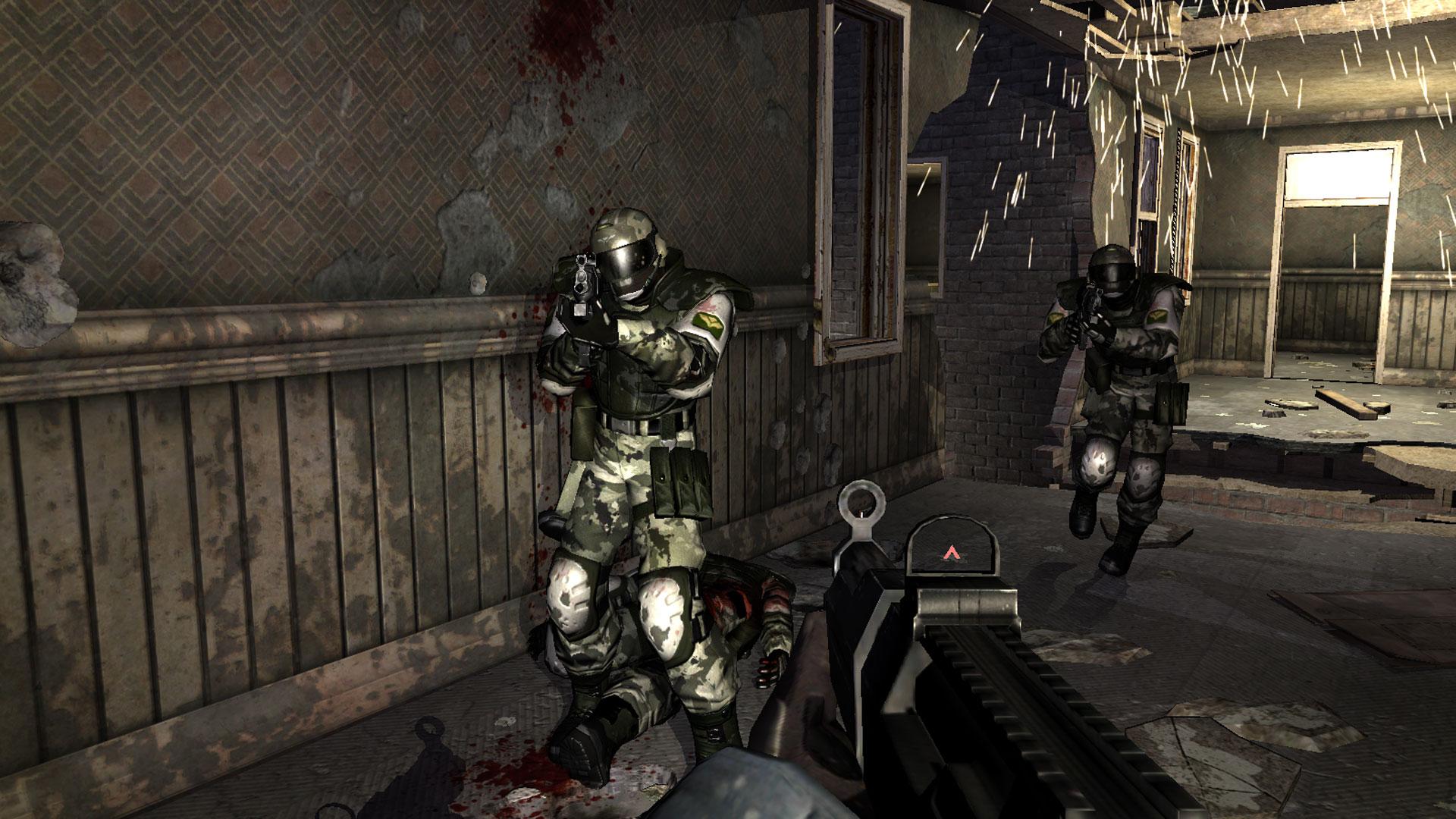
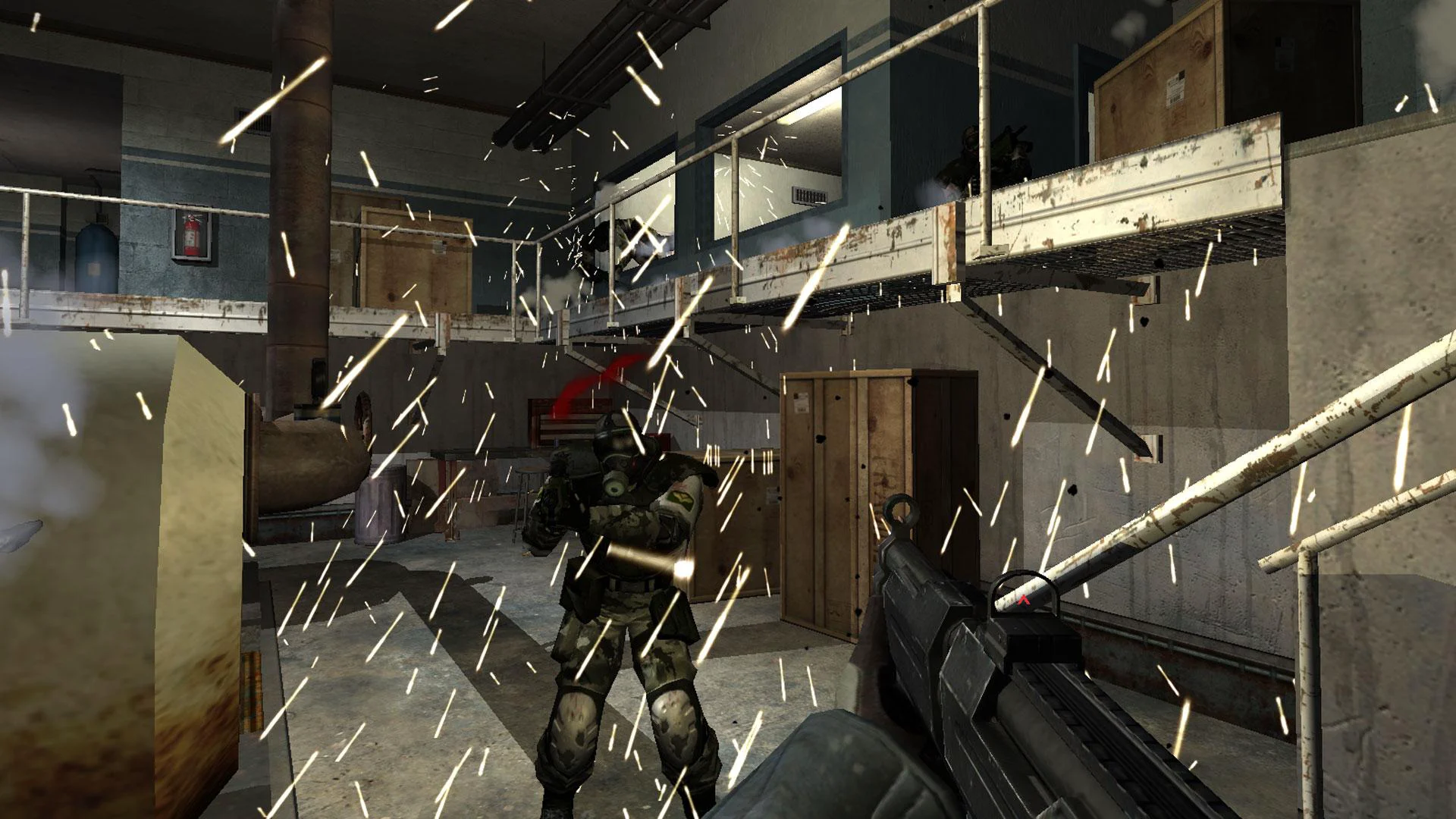
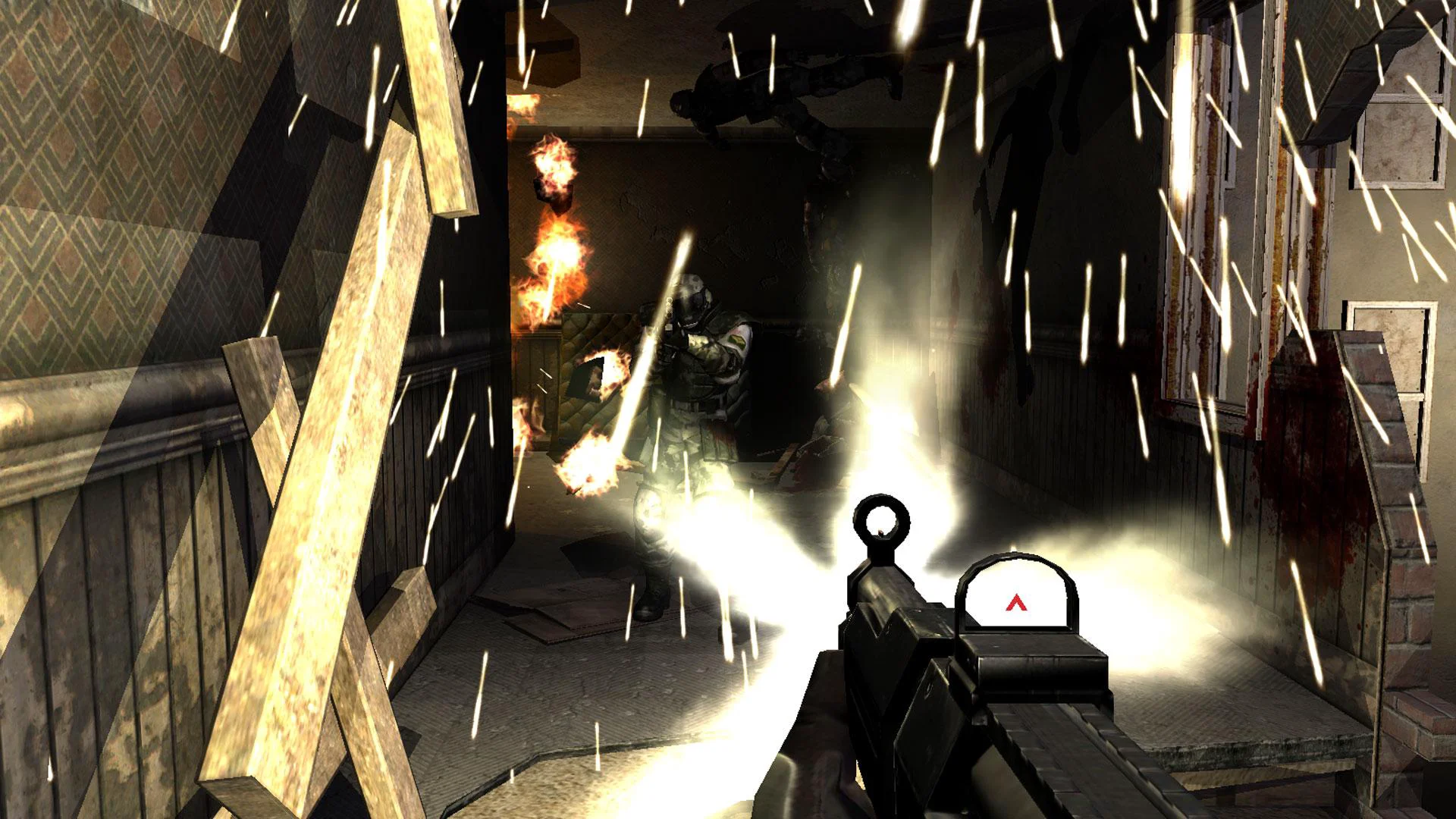
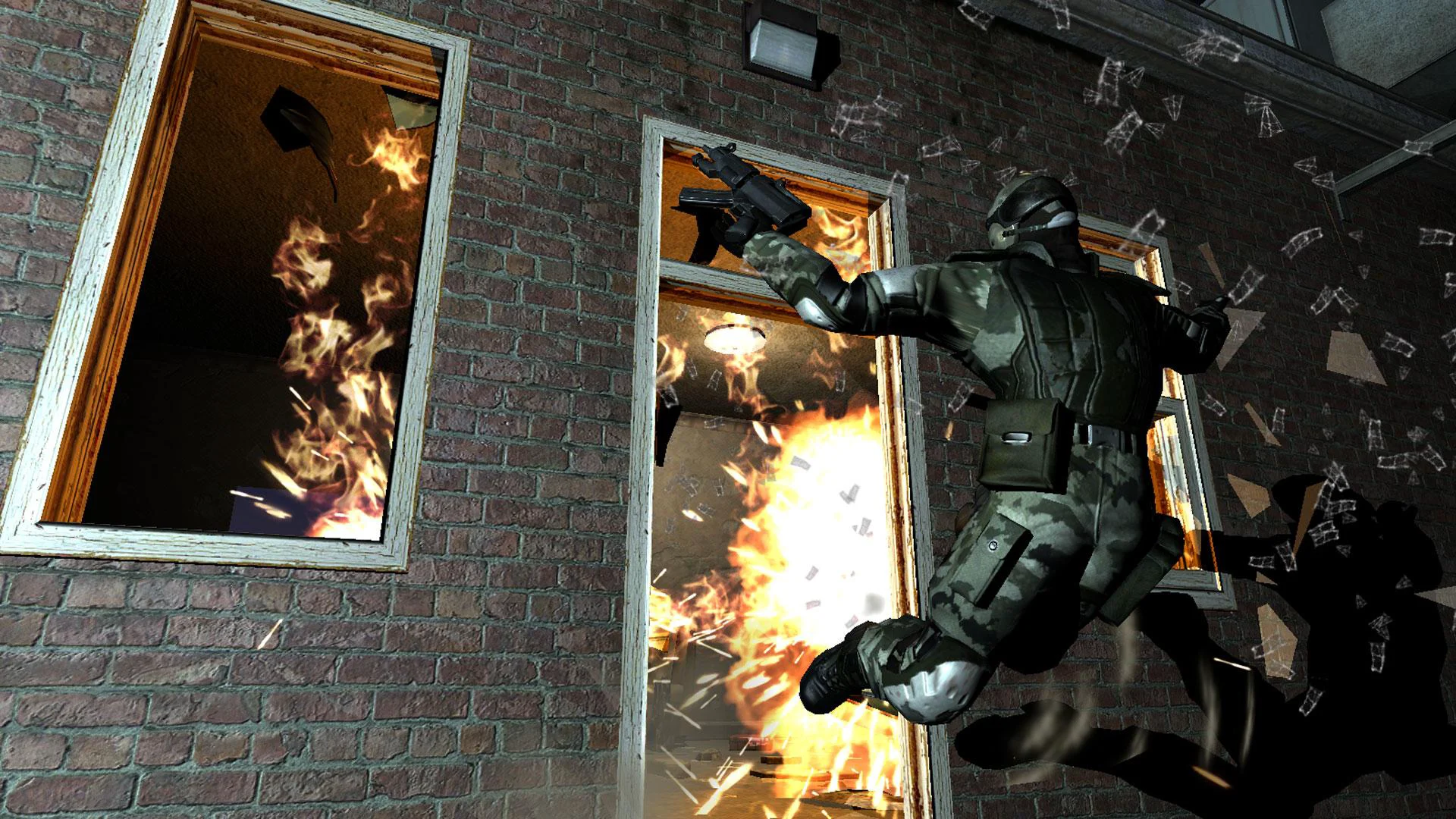
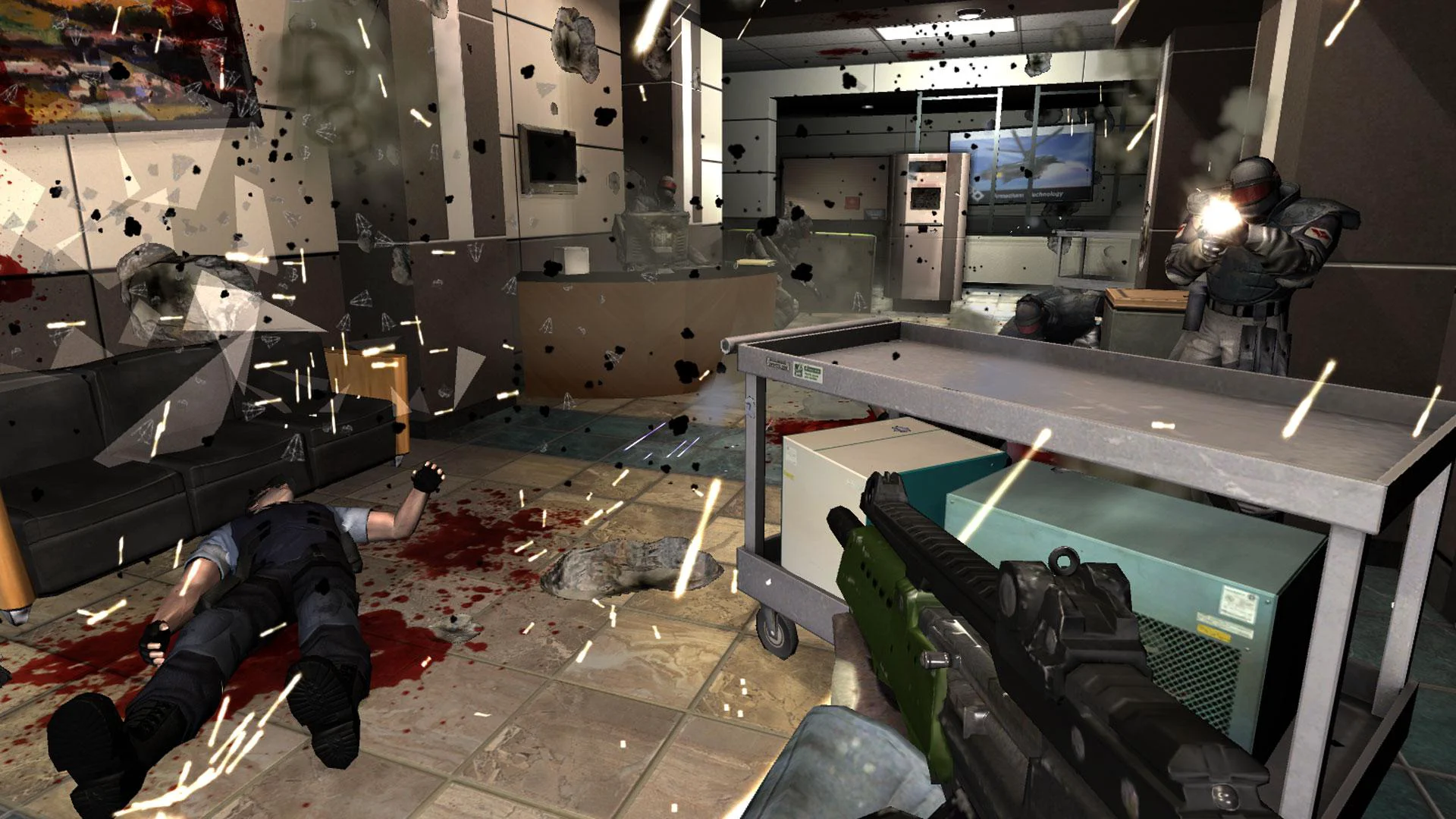
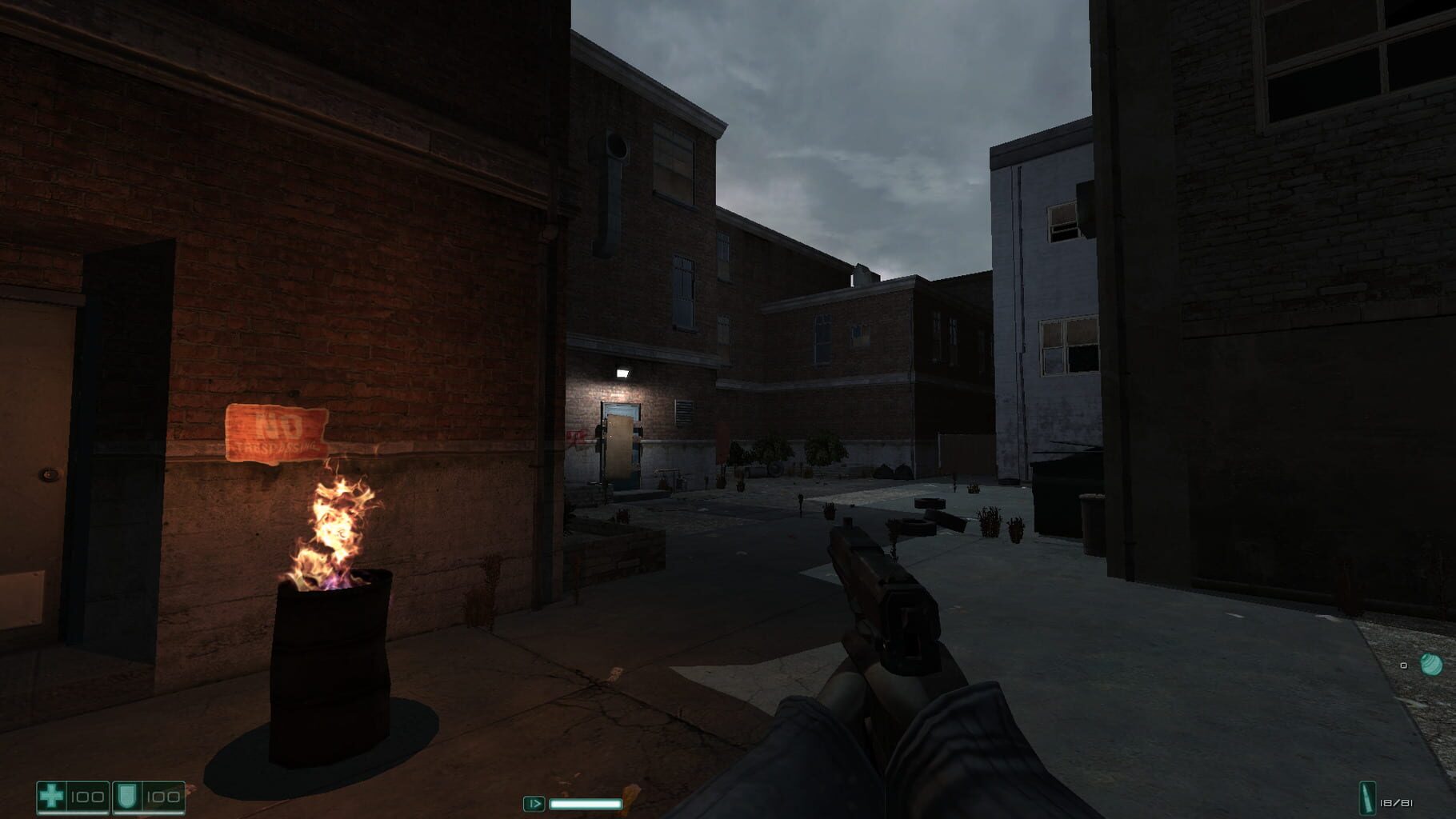
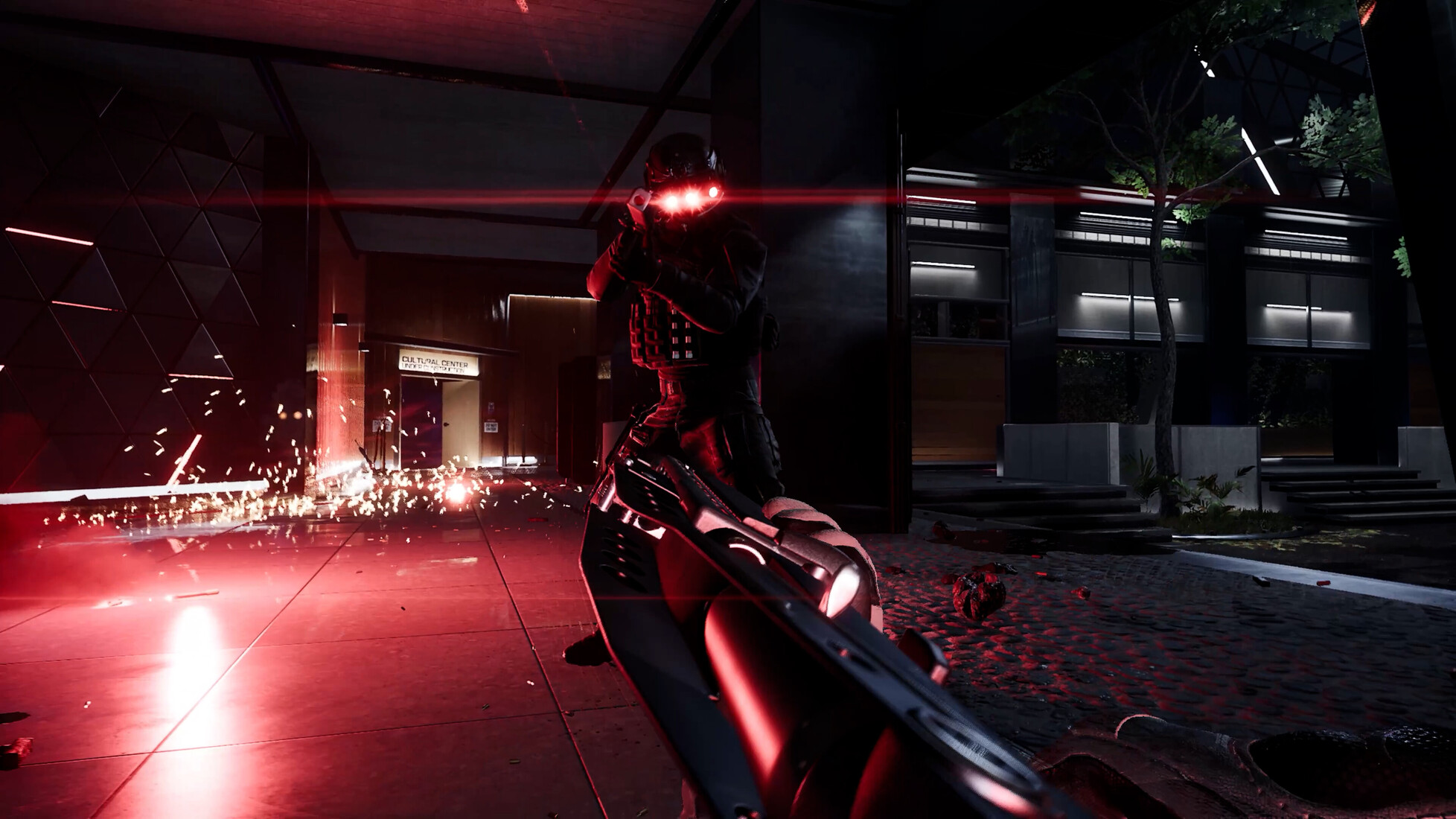
Goal-Oriented Action Planning (GOAP) intelligent tactical squad AI (where enemy clone replica soldiers dynamically communicate in squads, lay suppression fire, vault over desks, blind-fire around corners, kick over vending machines for physical cover, and flank players through ventilation shafts based on real-time environmental context), paired with John Woo-style hyper-kinetic slow-motion bullet time physics (where automatic rifle fire pulverizes drywall, shatters glass panes into thousands of physical shards, and fills office corridors with thick volumetric dust and blood plumes), and Japanese psychological ghost horror—from Trepang2, F.E.A.R. 2, S.T.A.L.K.E.R., Cyberpunk 2077, and modern tactical horror shooters—trace their undisputed, legendary benchmark to October 18, 2005 with Monolith Productions’ crowning titan, F.E.A.R. (First Encounter Assault Recon).
Conceived and directed by Craig Hubbard (*No One Lives Forever*, *Blood*) with AI architecture engineered by Jeff Orkin at Monolith Productions in Kirkland, Washington on the Jupiter EX Engine with an eerie, screeching atmospheric horror and industrial score composed by Nathan Hendrickson, F.E.A.R. set a high-water mark for combat artificial intelligence that has never been surpassed. Winning PC Game of the Year from IGN and holding an 88/100 on Metacritic, it remains the gold standard of first-person combat design.
Platform Context & Gaming Environment
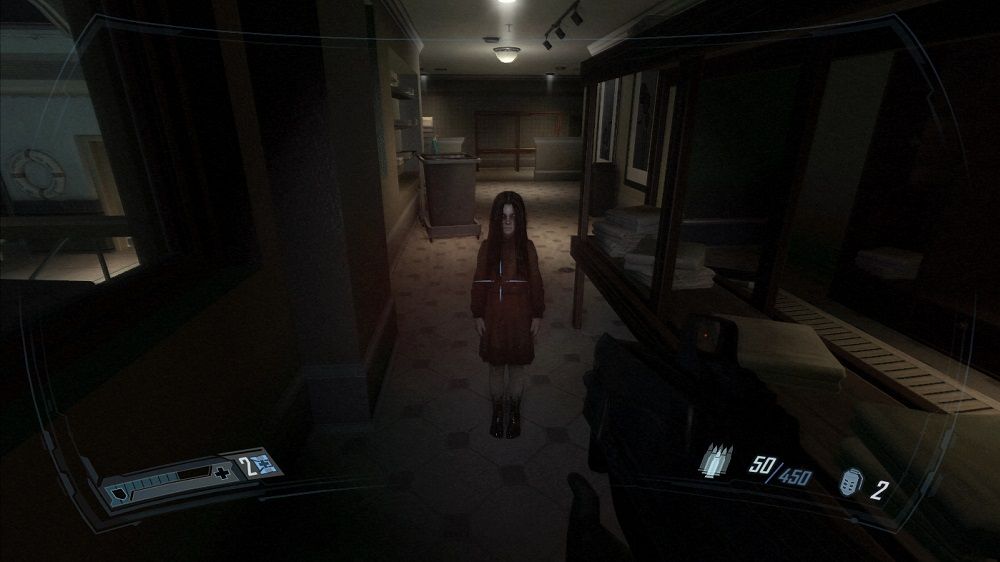
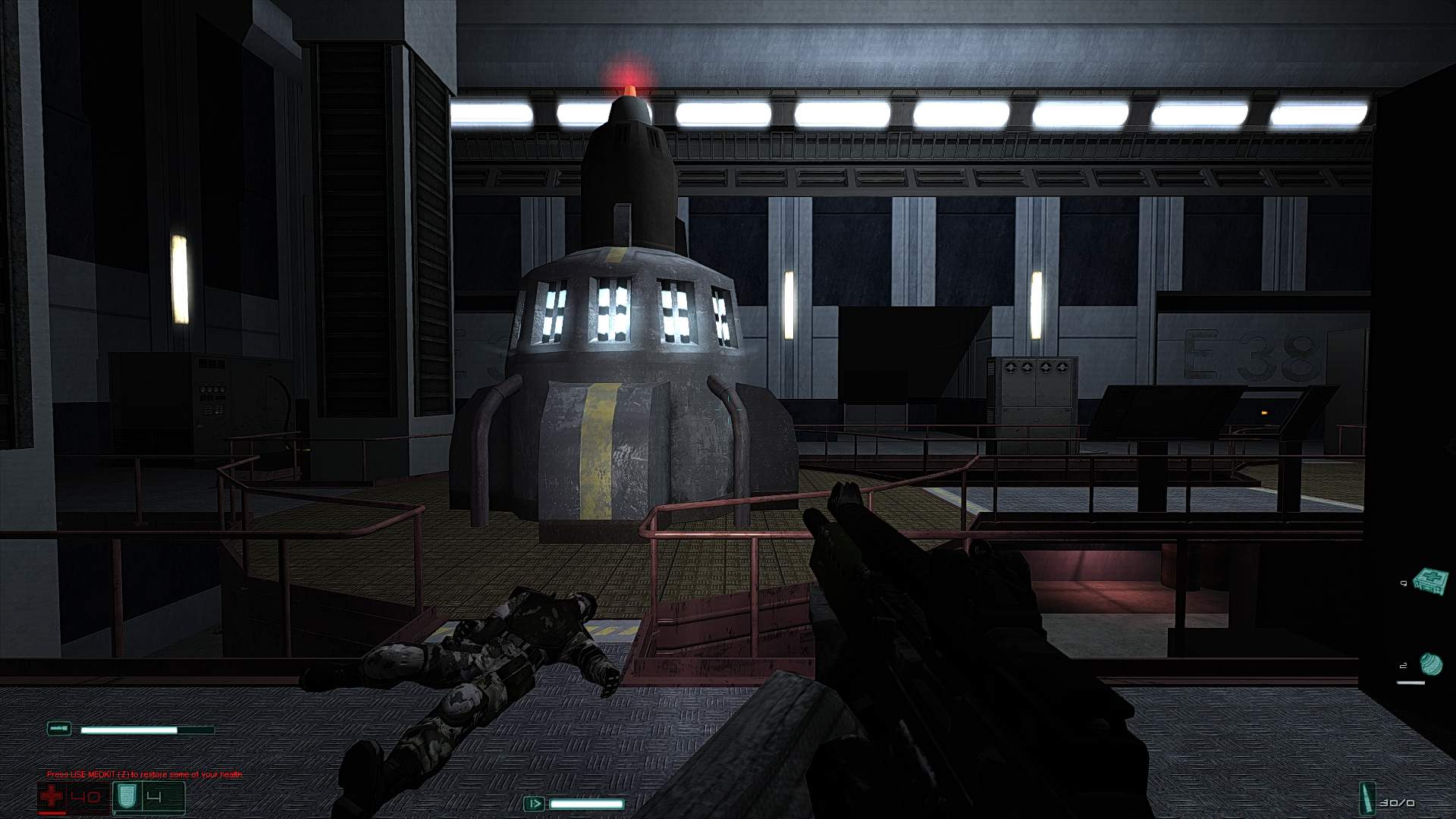
When telepathic cannibal military commander Paxton Fettel goes rogue, taking psychic control over an entire telepathically linked army of Replica clone soldiers and slaughtering workers inside the Armacham Technology Corporation (ATC) headquarters, the US military deploys its top-secret paranormal tactical unit: F.E.A.R. (First Encounter Assault Recon). Leading the assault is the mysterious rookie operative Point Man, blessed with superhuman reflexes. As Point Man pursues Fettel through the decaying industrial facilities, water treatment plants, and the subterranean *Origin Facility*, he is plagued by horrifying psychic hallucinations of a little girl in a red dress with long black hair—Alma Wade—uncovering the dark truth of his own biological origin and psychic kinship.
Popularity & Cultural Standing: Niche vs. Blockbuster

F.E.A.R. was a massive critical triumph and PC multiplayer sensation (*F.E.A.R. Combat*). Its terrifying psychological horror—combining sudden hallway hallucinations of burning blood with the sudden appearance of Alma crawling upside-down—shocked players worldwide.
Gameplay Mechanics & Technical Innovations

F.E.A.R. established standard-setting tactical shooter mechanics:
- The Legendary Goal-Oriented Action Planning (GOAP) AI: The most celebrated combat AI in video game history; Replica soldiers formulate autonomous tactical squad plans: communicating flanking routes via radio chatter (“He’s flanking us! Move in!”), tossing grenades to flush Point Man from cover, jumping through glass windows, and flipping tables for barricades.
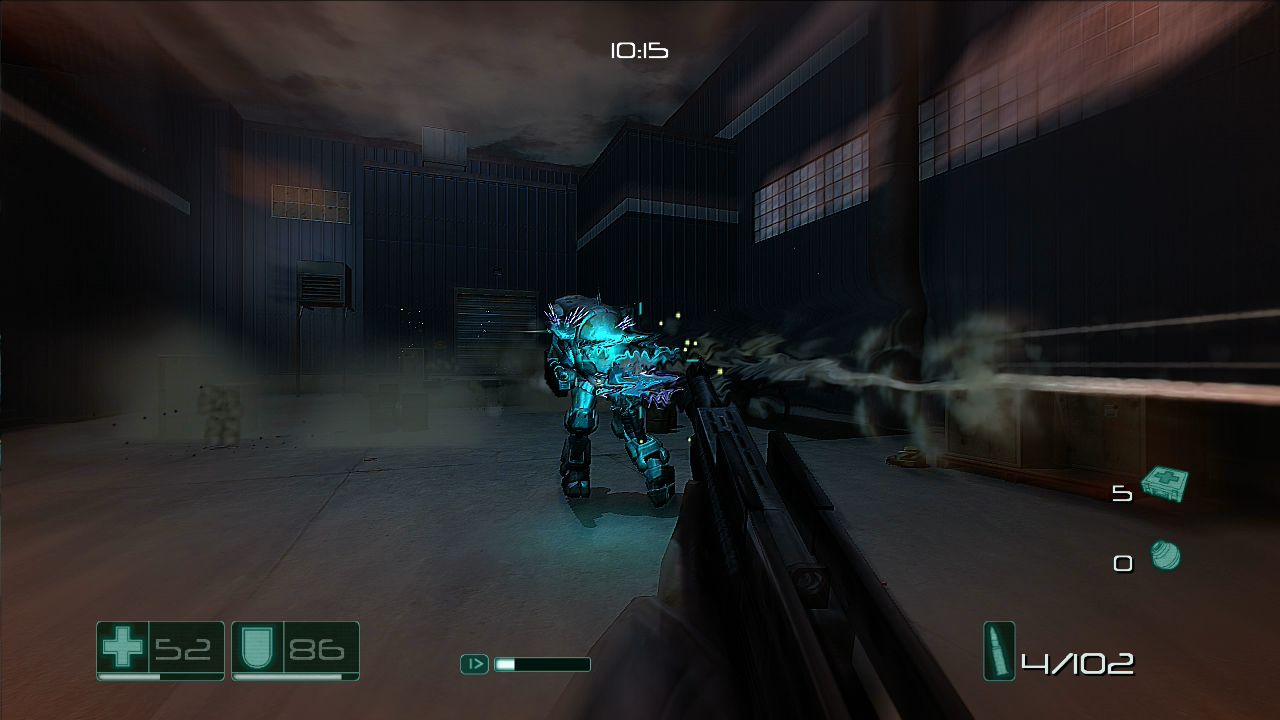
- Superhuman Slow-Motion Reflexes (Bullet Time): Activating slow-motion turns chaotic firefights into cinematic ballets; tracking individual supersonic tracer rounds, dodging shotgun blasts in mid-air, and executing slide tackles and flying bicycle kicks.
- Hyper-Visceral Environmental Destruction & Particle Physics: Gunfire completely obliterates interior environments: chipping concrete columns, vaporizing office cubicle walls into clouds of plaster dust, and shattering fluorescent lighting.
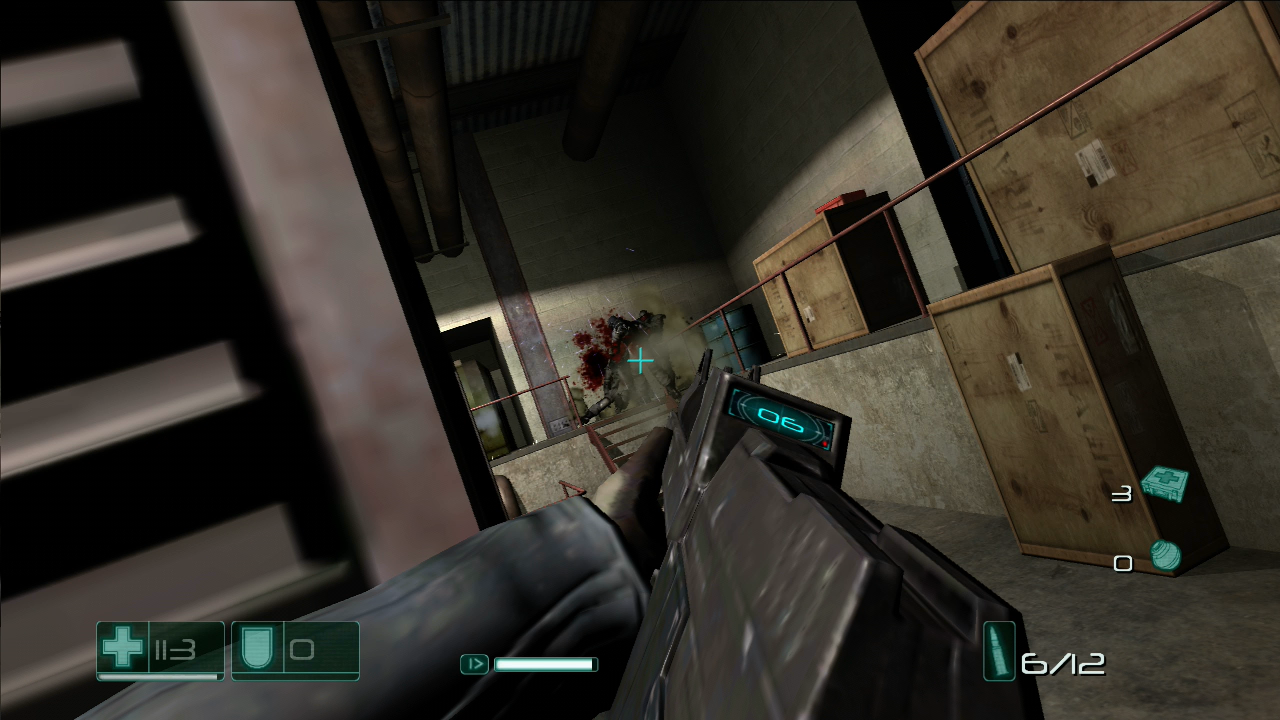
- The Iconic High-Impact Arsenal: Dual AT-14 Pistols, VK-12 Combat Shotgun (exploding enemies into gore), G2A2 Assault Rifle, HV Penetrator (10mm steel rebar nailgun that pins enemy soldiers to walls), MP-50 Particle Weapon (vaporizing flesh to skeletons), and the Type-7 Particle Cannon.
- Tactile Martial Arts Melee Moves: Executing devastating melee combat in first-person: sliding dropkicks that shatter enemy shins, flying jump-kicks, and rifle-butt smashes.
Historical Legacy & Archival Preservation
F.E.A.R. is permanently enshrined in PC gaming history as the absolute peak of first-person shooter artificial intelligence and slow-motion tactical gunplay.