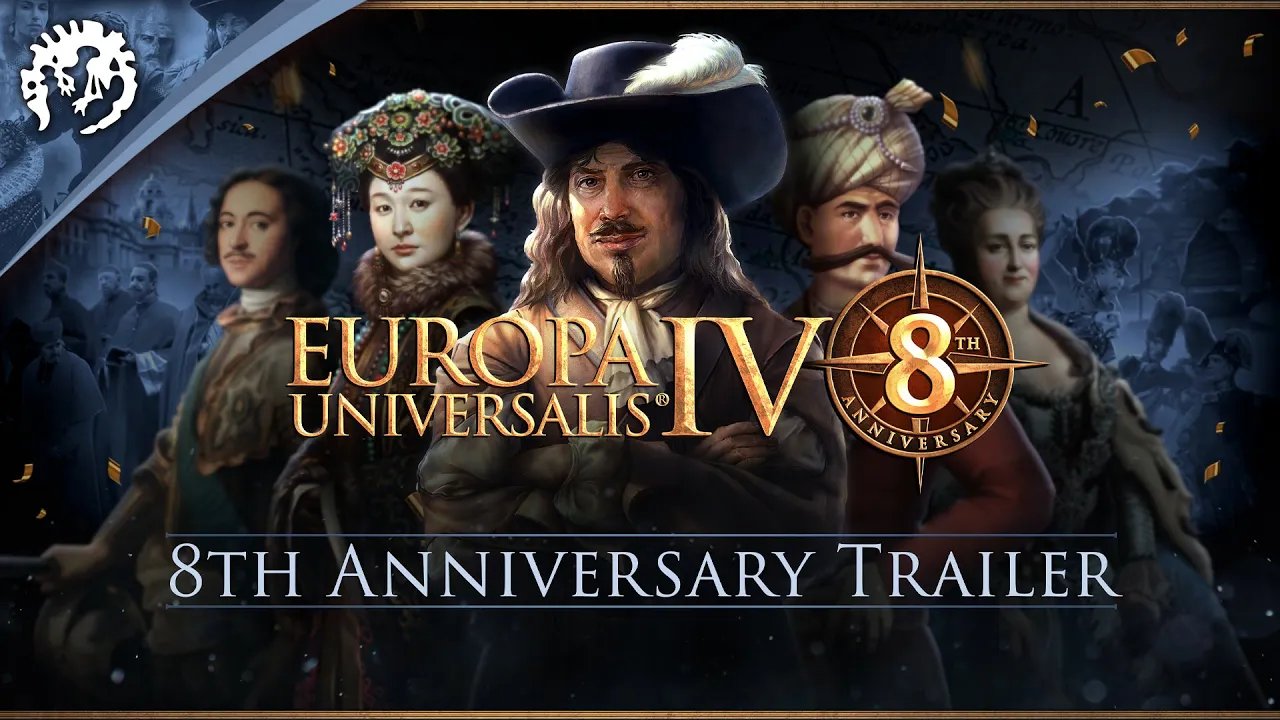
Introduction: The Next Chapter for Europa Universalis IV
Europa Universalis IV (EU4), a cornerstone of the grand strategy genre, continues to evolve and captivate players with its intricate gameplay and historical depth. Developed and published by Paradox Interactive, EU4 offers an unparalleled experience in leading nations through centuries of political maneuvering, economic development, and military conflict. This deep-dive review will explore the game’s core mechanics, visual presentation, narrative elements, and overall impact on the gaming landscape, examining its strengths and weaknesses while considering its place within the broader strategy genre. The game’s enduring popularity stems from its complex systems that allow for emergent gameplay, where player choices have significant consequences on the world stage.
Visual Direction and Graphics Engineering
The visual presentation of Europa Universalis IV is a blend of stylized cartography and functional interface design. While not aiming for photorealistic graphics, the game’s map provides a clear overview of the world, with provinces color-coded to represent ownership and resources. The graphical style prioritizes clarity and readability, ensuring that players can easily track their empire’s growth and identify potential threats. While the visuals may appear dated compared to more modern titles, they serve the gameplay effectively by providing essential information at a glance. The Clausewitz Engine, while not pushing graphical boundaries, is well-optimized for performance, allowing even players with older hardware to enjoy the game without significant lag. Future updates often include quality of life improvements to the map and interface, enhancing usability and visual appeal.
Gameplay Mechanics and Core Systems
At its heart, Europa Universalis IV revolves around managing a nation through diplomacy, trade, administration, colonization, and warfare. Players must balance their economy, maintain internal stability, forge alliances, and expand their territory through strategic military campaigns. The game’s depth lies in the interconnectedness of these systems; for example, neglecting your economy can lead to unrest, which can weaken your military and make you vulnerable to invasion. The “idea” system allows nations to customize their development paths, offering a wide range of strategic options. Mastering the intricacies of diplomacy is crucial for survival, as alliances can provide vital support in times of war. The game’s difficulty curve is steep, but the sense of accomplishment derived from successfully navigating its complex systems is immensely rewarding.
Level Design and World Atmosphere
Europa Universalis IV doesn’t feature traditional “levels” in the way a platformer or shooter would. Instead, the entire world map serves as the playing field. The atmosphere is created through historical events, dynamic weather effects (though subtle), and the constant pressure of managing your nation’s affairs. Each province contributes to the overall strength of your country, providing resources, manpower, and strategic advantages. Colonization plays a significant role in expanding your empire, allowing you to exploit new territories and establish trade routes. The game’s sandbox nature allows players to shape history according to their own ambitions, creating unique and memorable experiences.
Narrative Depth and Character Profiles
While EU4 doesn’t feature extensive character-driven narratives like some RPGs, historical events and national missions provide a sense of story and context. These events often present players with difficult choices that can have far-reaching consequences for their nation. National ideas and ruler traits add another layer of personality to each country, influencing their strengths and weaknesses. The game’s emergent storytelling is one of its greatest strengths, as players create their own unique narratives through their decisions and actions. While there are no detailed character profiles in the traditional sense, the historical context and national missions provide a glimpse into the lives and ambitions of rulers throughout history.
Sound Design and Acoustic Realism
The sound design in Europa Universalis IV is functional rather than immersive. The soundtrack provides an appropriate backdrop for the game’s historical setting, but it doesn’t distract from the gameplay. Sound effects are used to indicate important events, such as battles, diplomatic agreements, and economic changes. While not a major focus of the game, the sound design effectively reinforces the overall experience without being overly intrusive. The audio cues help players stay informed about what is happening in their empire, providing valuable feedback on their progress and potential threats.
Release Expectations and Community Hype
Europa Universalis IV has maintained a dedicated fanbase since its release in 2013. Paradox Interactive consistently supports the game with updates, expansions, and patches, addressing bugs, adding new features, and expanding the scope of gameplay. The community is highly active, creating mods, sharing strategies, and discussing historical events. New players are often drawn to the game by its reputation for depth and complexity, while veterans continue to enjoy the constant stream of content and the opportunity to explore different playstyles. The hype surrounding each new update is palpable, as players eagerly anticipate the changes and additions that will further enhance their experience.
Conclusion: The Future of Europa Universalis IV
Europa Universalis IV remains a landmark title in the grand strategy genre, offering an unparalleled level of depth, complexity, and historical immersion. While its graphics may not be cutting-edge, its gameplay mechanics are finely tuned, providing players with endless possibilities for strategic decision-making. Paradox Interactive’s continued support ensures that the game will remain relevant for years to come, attracting new players and keeping veterans engaged. The future of Europa Universalis IV is bright, as the developers continue to refine the experience and expand the scope of gameplay. It stands as a testament to the enduring appeal of grand strategy games and the power of player-driven narratives.
Source: Wikipedia


