Introduction: The Next Chapter for Escape from Monkey Island
Escape from Monkey Island, released in 2000 by LucasArts and later ported to Mac OS and PlayStation 2, marks a significant turning point in the beloved adventure game series. Building upon the success of *The Curse of Monkey Island*, this installment boldly embraced 3D graphics for the first time, powered by an enhanced version of the GrimE engine initially used in *Grim Fandango*. This transition wasn't merely cosmetic; it fundamentally altered how players interacted with the world and characters, setting a new standard for adventure games. The game follows Guybrush Threepwood as he returns from his honeymoon with Elaine Marley, only to find her presumed dead and embroiled in a conspiracy that threatens the entire Caribbean.
Visual Direction and Graphics Engineering
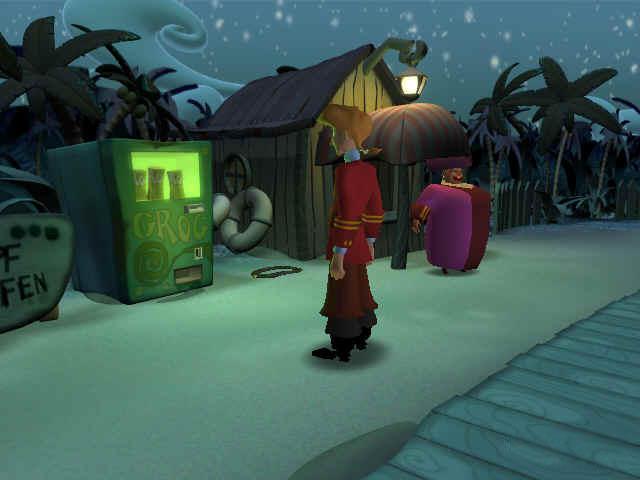
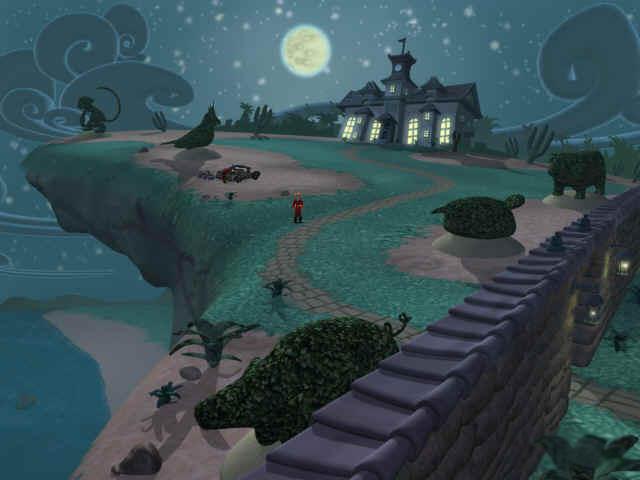
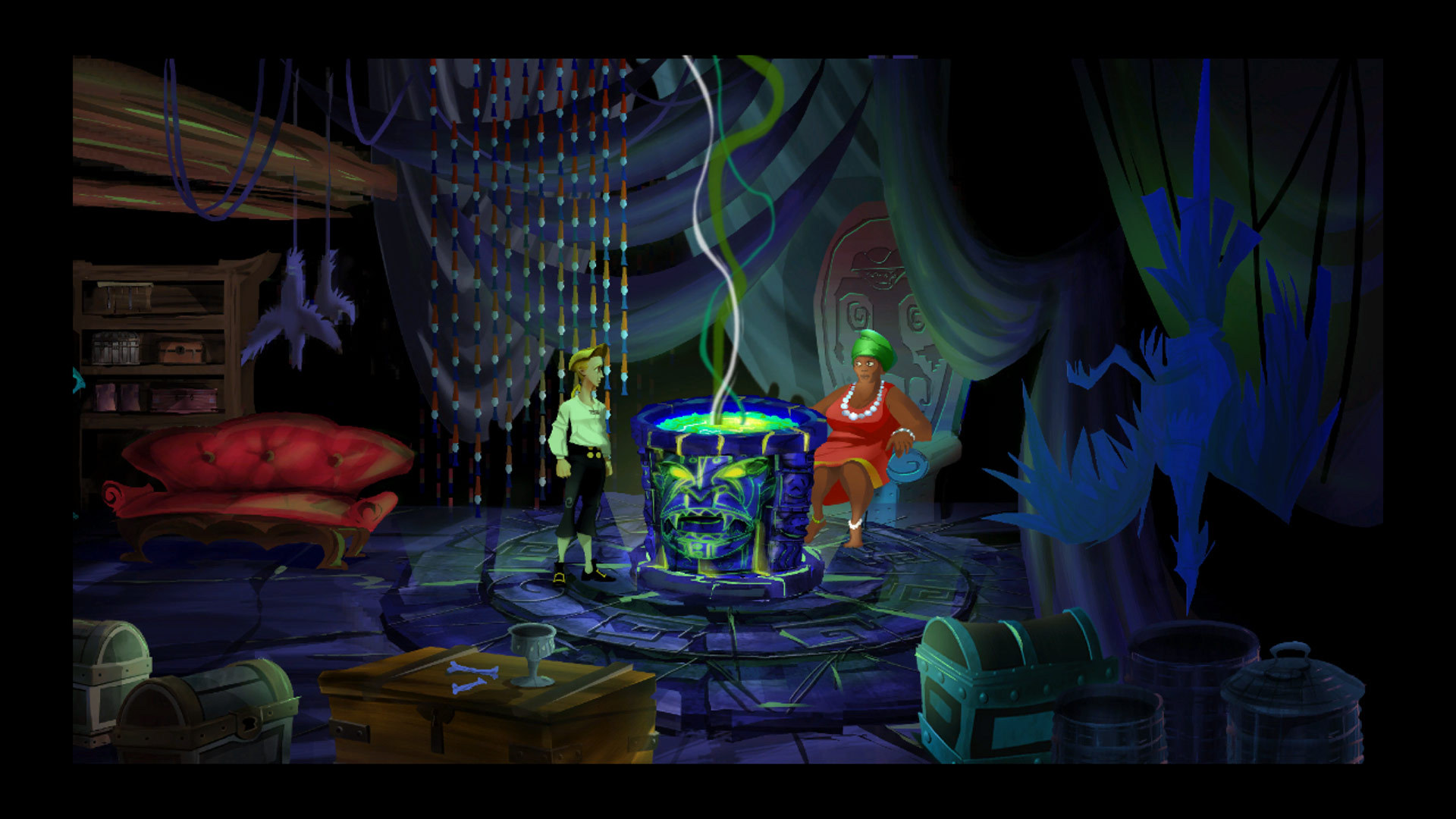
The shift to 3D graphics in *Escape from Monkey Island* was both a triumph and a challenge. While it allowed for more dynamic character animations and detailed environments, it also required significant optimization to run smoothly on contemporary hardware. The GrimE engine, already known for its expressive characters, received substantial upgrades to handle the increased polygon count and texture resolution. showcases the game's distinctive art style, characterized by exaggerated features and vibrant colors that perfectly capture the whimsical nature of the Monkey Island universe. The developers meticulously crafted each environment, from the bustling port towns to the treacherous jungle islands, ensuring a visually engaging experience.
Gameplay Mechanics and Core Systems
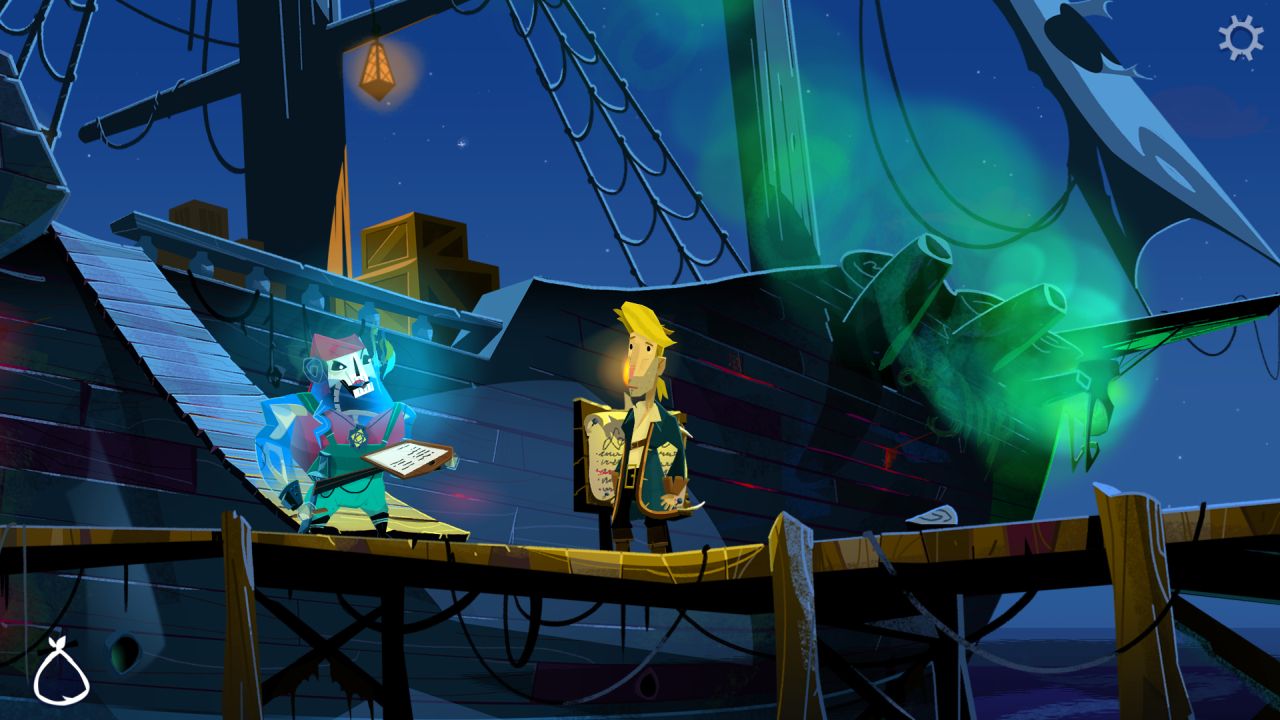
*Escape from Monkey Island* retains the classic point-and-click gameplay that defined the series, but with subtle refinements. Guybrush's interactions with the world are more fluid, and the puzzles often require players to think outside the box. The game introduces new inventory items and mechanics, adding depth to the problem-solving experience. While some purists lamented the loss of hand-drawn animation, the 3D models allowed for more complex character animations and reactions, enhancing the overall sense of immersion.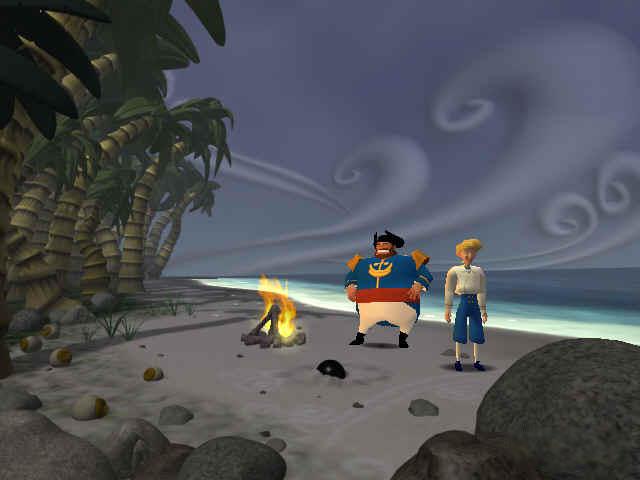
Level Design and World Atmosphere
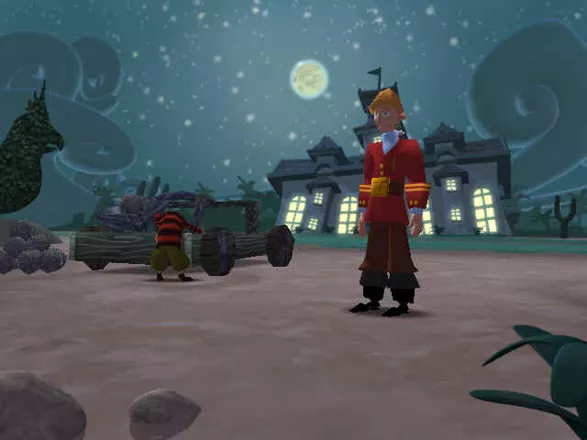
The level design in *Escape from Monkey Island* is a masterclass in environmental storytelling. Each location, from the familiar Mêlée Island to the exotic Caribbean locales, feels distinct and alive. The developers carefully placed interactive elements and hidden secrets throughout each environment, encouraging exploration and rewarding curiosity. highlights the attention to detail evident in the game's environments, showcasing the lush vegetation and intricate architecture that bring the Caribbean islands to life.
Narrative Depth and Character Profiles
The narrative of *Escape from Monkey Island* is a compelling blend of humor, mystery, and adventure. Guybrush Threepwood's journey to clear Elaine's name and uncover the conspiracy behind her supposed death is filled with memorable characters and laugh-out-loud moments. The game explores themes of identity, betrayal, and the corrupting influence of power, adding depth to what might initially seem like a lighthearted adventure. LeChuck's return as a more cunning and menacing villain provides a formidable challenge for Guybrush, raising the stakes and driving the plot forward.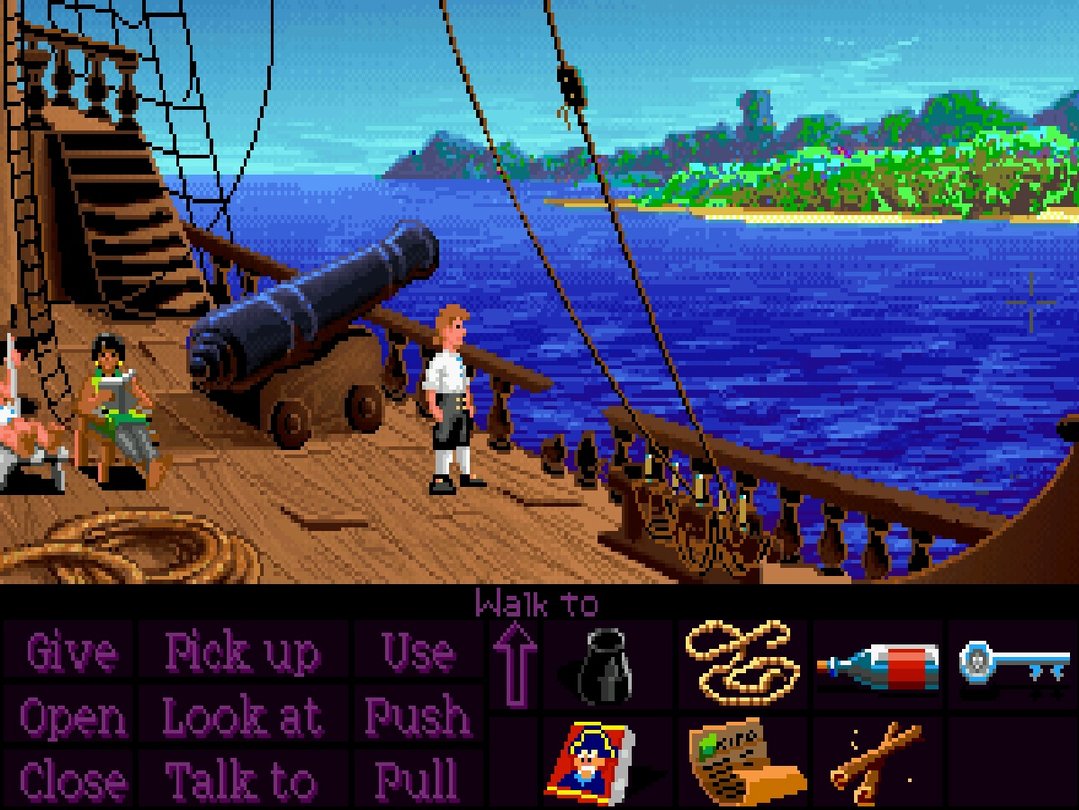
Sound Design and Acoustic Realism
The sound design in *Escape from Monkey Island* is crucial to its immersive quality. The soundtrack, composed by Clint Bajakian, Michael Land, Peter McConnell, Anna Karney, and Michael Lande, perfectly complements the game's visuals and narrative, creating a vibrant and engaging atmosphere. The use of voice acting brings the characters to life, adding personality and humor to their interactions. demonstrates how sound effects are used to enhance the gameplay experience, from the clinking of swords to the crashing of waves.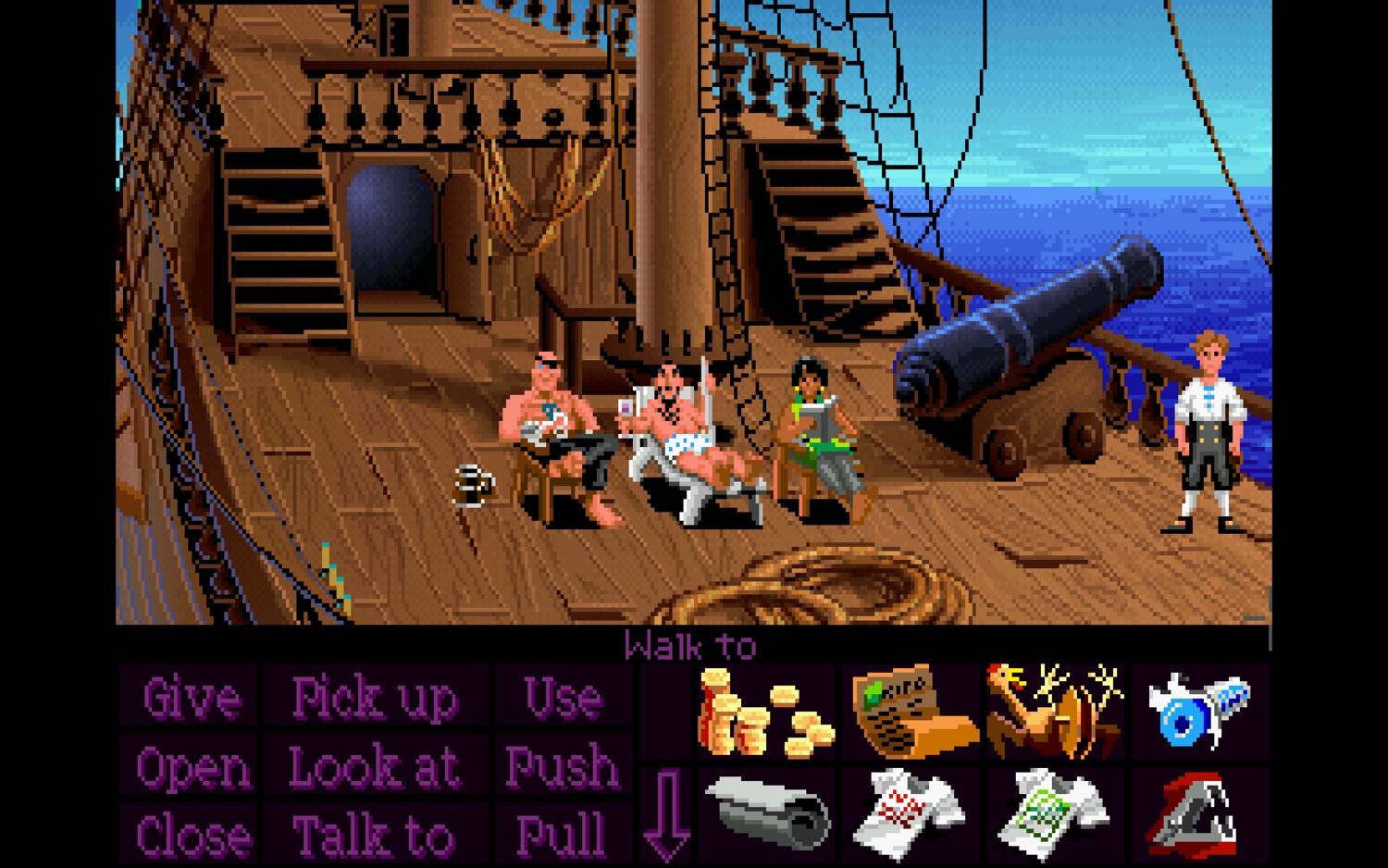
Release Expectations and Community Hype
The release of *Escape from Monkey Island* was met with considerable anticipation within the gaming community. Fans eagerly awaited LucasArts' next installment in the beloved series, hoping for a worthy successor to *The Curse of Monkey Island*. The transition to 3D graphics sparked debate among purists, but ultimately, the game delivered on its promise of adventure and humor. The positive reception from critics and players alike cemented *Escape from Monkey Island*'s place as a classic in the adventure game genre.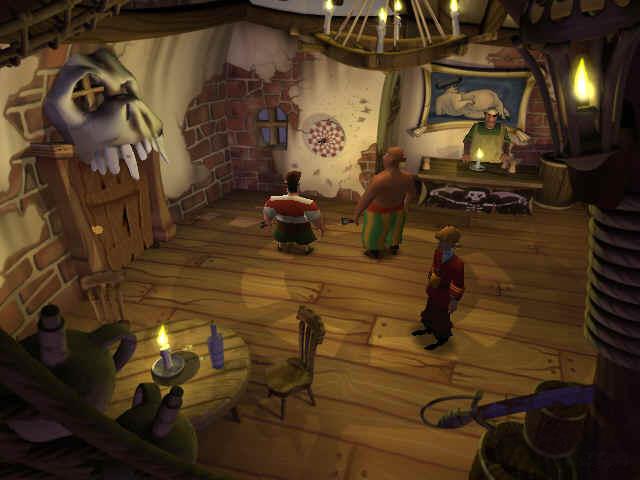
Conclusion: The Future of Escape from Monkey Island
*Escape from Monkey Island* represents a bold step forward for the series, embracing new technology while retaining the core elements that made it so beloved. While its legacy is somewhat overshadowed by later entries and the eventual closure of LucasArts' adventure game division, its impact on the genre remains undeniable. The game serves as a testament to the enduring appeal of point-and-click adventures and the power of imaginative storytelling.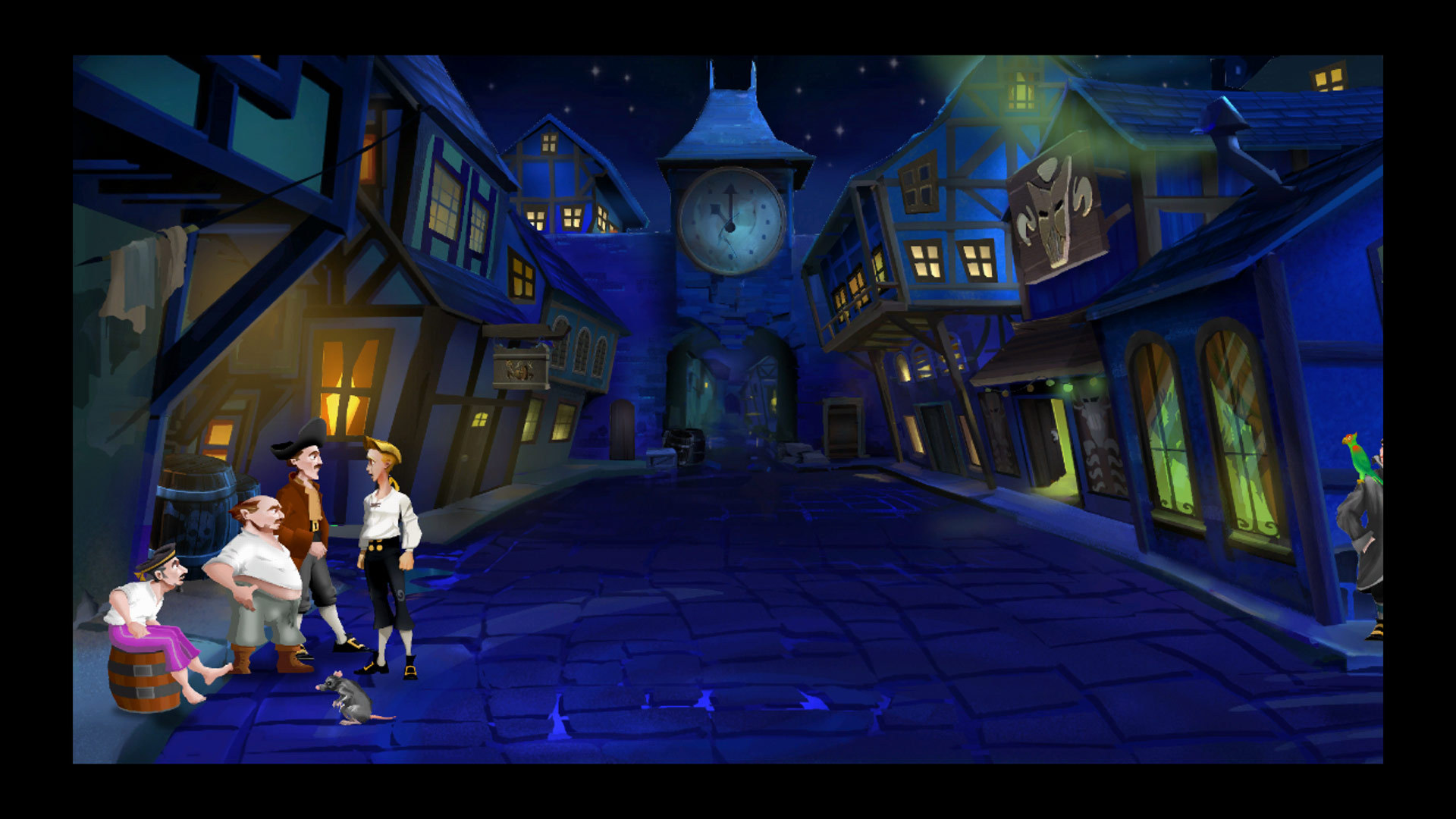

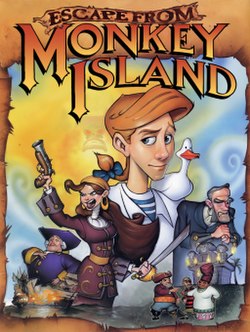
Source: Wikipedia
Google Preferred Source
Add us to your favorite news sources on Google
Get instant updates and breaking news directly in Google News