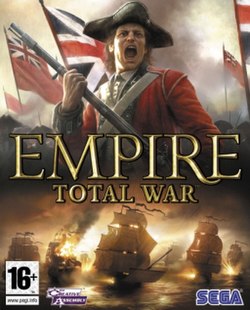
Introduction: The Next Chapter for Empire: Total War
Empire: Total War, a cornerstone title in Creative Assembly’s acclaimed Total War series, transports players to the volatile and transformative era of the 18th century. Released in 2009, this installment marked a significant departure from previous entries, introducing naval combat as a central gameplay element and expanding upon the strategic depth that defines the franchise. More than just a historical simulation, Empire: Total War offers a compelling blend of grand strategy, real-time tactics, and intricate political maneuvering, allowing players to shape the destiny of nations in a world on the cusp of revolution. This Masterclass Deep Dive will dissect every facet of this landmark title, from its groundbreaking engine to its enduring legacy.
Visual Direction and Graphics Engineering
Empire: Total War’s visual presentation was a notable achievement for its time. While not pushing the boundaries of graphical fidelity in the same way as some contemporaries, the game established a distinct aesthetic that captured the grandeur and grit of the 18th century. The environments, ranging from sprawling European landscapes to the bustling ports of Asia, were meticulously crafted to reflect the historical context. Character models, while somewhat dated by today’s standards, possessed a degree of detail that allowed for clear differentiation between units. The game’s proprietary “Next-Gen” engine, though not as advanced as later iterations, provided a stable foundation for the complex gameplay systems and large-scale battles that define the Total War experience.
Gameplay Mechanics and Core Systems
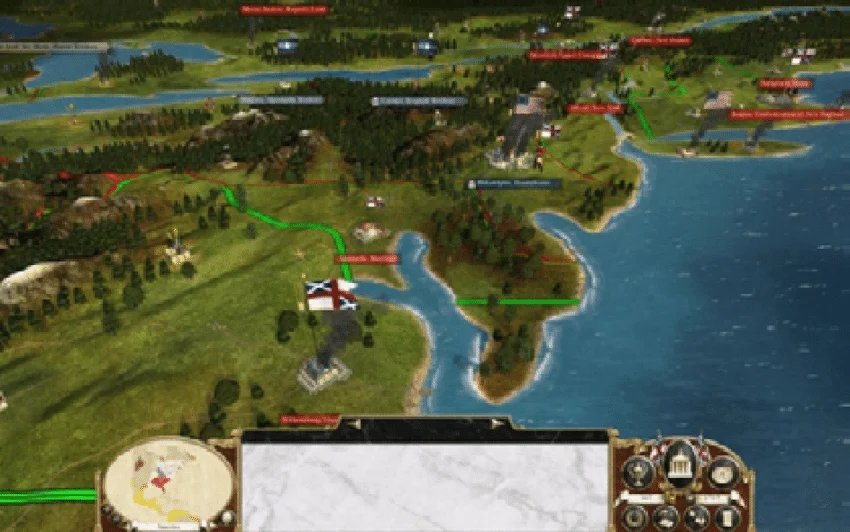
The core gameplay loop of Empire: Total War revolves around a dual structure: a turn-based campaign map where players manage their empire, and real-time tactical battles where armies clash. The campaign layer allows for intricate diplomacy, economic management, technological advancement, and espionage. Players must carefully balance resources, maintain public order, and forge alliances to survive the cutthroat world of 18th-century politics. The real-time battles are a visceral experience, with players commanding thousands of soldiers in dynamic engagements that require strategic positioning, effective use of terrain, and skillful deployment of naval forces. This blend of grand strategy and tactical combat is what makes Empire: Total War so engaging and rewarding.
Level Design and World Atmosphere
The game’s map design is a crucial element in creating an immersive experience. The world map accurately represents the known territories of the 18th century, allowing players to explore diverse regions and interact with various cultures. Battlefields are meticulously designed to reflect historical locations, offering unique tactical challenges and opportunities. From the plains of Europe to the jungles of India, each environment contributes to the overall sense of authenticity and immersion. The level design encourages strategic thinking and rewards players who can effectively utilize the terrain to their advantage.
Narrative Depth and Character Profiles
While Empire: Total War doesn’t feature a heavily scripted narrative in the traditional sense, it offers a rich tapestry of historical events and character interactions that shape the gameplay experience. Players encounter historical figures, engage in diplomatic negotiations, and witness pivotal moments that defined the era. The game allows players to influence these events through their decisions, creating a dynamic and unpredictable campaign. While individual characters may not be as deeply developed as in some RPGs, their actions and motivations contribute to the overall sense of realism and immersion.
Sound Design and Acoustic Realism
The sound design in Empire: Total War is crucial for enhancing the immersive experience. The sounds of battle, from the clash of steel to the roar of cannons, are visceral and impactful. The music, composed by Walter Mair and Richard Beddow, evokes the grandeur and drama of the era. Environmental sounds, such as the cries of seagulls in coastal regions or the bustling activity in cities, further contribute to the sense of realism. The audio design effectively complements the visuals and gameplay, creating a truly engaging experience.
Release Expectations and Community Hype
The announcement of Empire: Total War generated significant hype within the gaming community. As a new installment in the highly acclaimed Total War series, it was eagerly anticipated by fans who were drawn to its blend of grand strategy and real-time tactics. The introduction of naval combat as a central gameplay element further fueled excitement, promising a fresh and innovative experience. The game’s release was met with generally positive reviews, solidifying its place as a landmark title in the Total War franchise.
Conclusion: The Future of Empire: Total War
Empire: Total War remains a significant achievement in the strategy genre. Its blend of grand strategy and real-time tactics, coupled with its immersive historical setting, continues to captivate players. While newer installments in the Total War series have introduced more advanced graphics and gameplay mechanics, Empire: Total War holds a special place as a pivotal title that expanded the scope and ambition of the franchise. Its enduring popularity is a testament to its quality and its ability to transport players to a fascinating and transformative era in human history.
Source: Wikipedia


