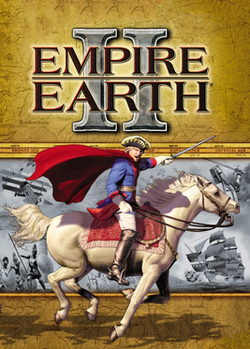
Introduction: The Next Chapter for Empire Earth II
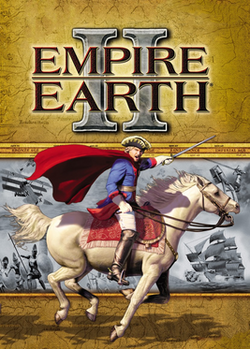
Empire Earth II, released in 2005 by Mad Doc Software and published under the Vivendi Universal Games and Sierra Entertainment banners, arrived as a highly anticipated sequel. Building upon the foundation laid by its predecessor, developed by Stainless Steel Studios, Empire Earth II aimed to deliver an expansive real-time strategy experience spanning vast epochs of human history. The game promised players unprecedented control over civilizations, from the Stone Age to the Information Age, offering a compelling blend of historical accuracy and strategic gameplay. This deep dive will explore the technical achievements, design choices, and overall impact of Empire Earth II.
Visual Direction and Graphics Engineering
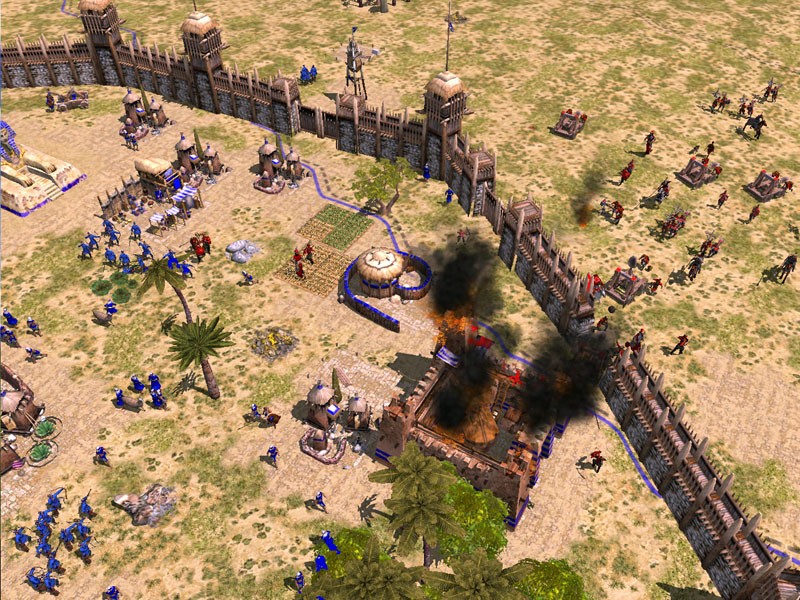
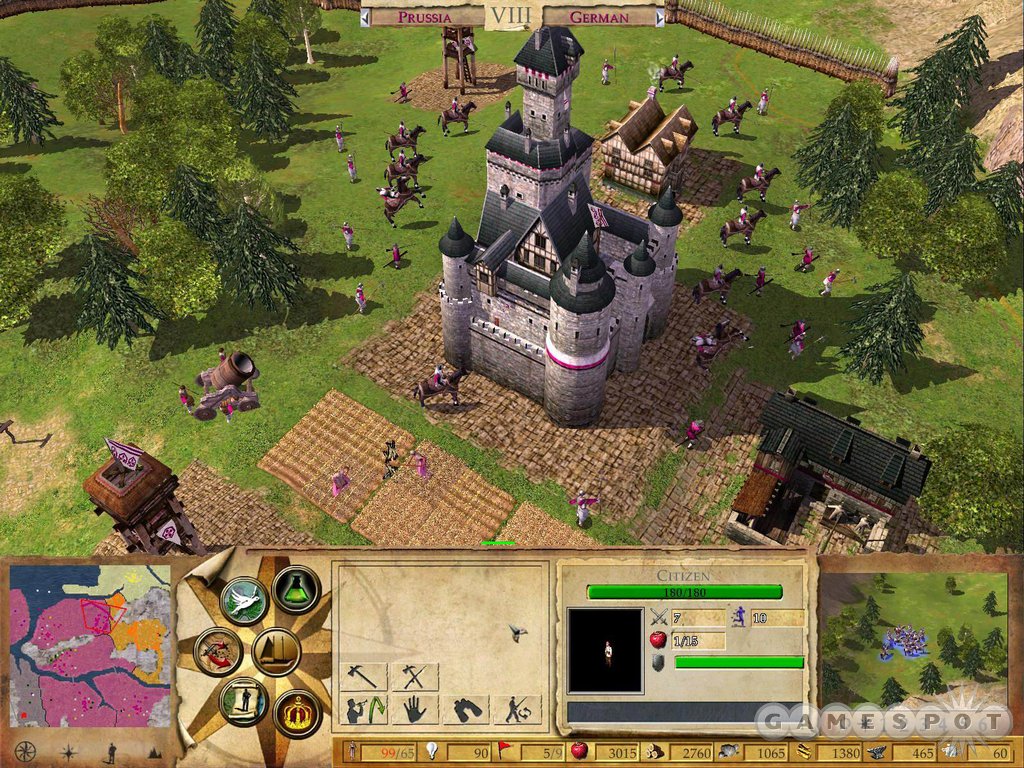
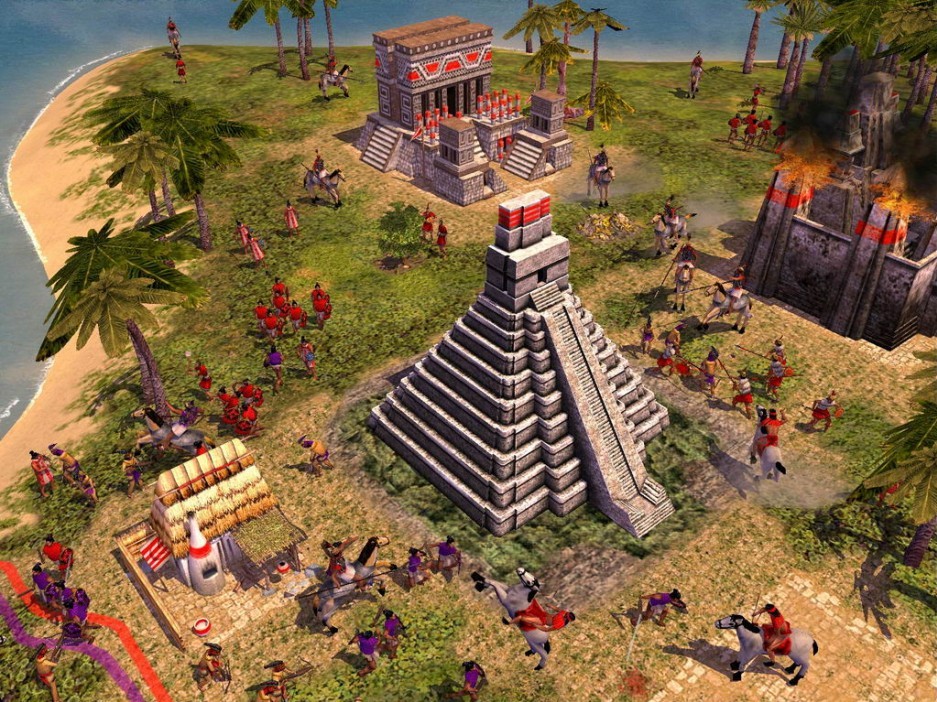
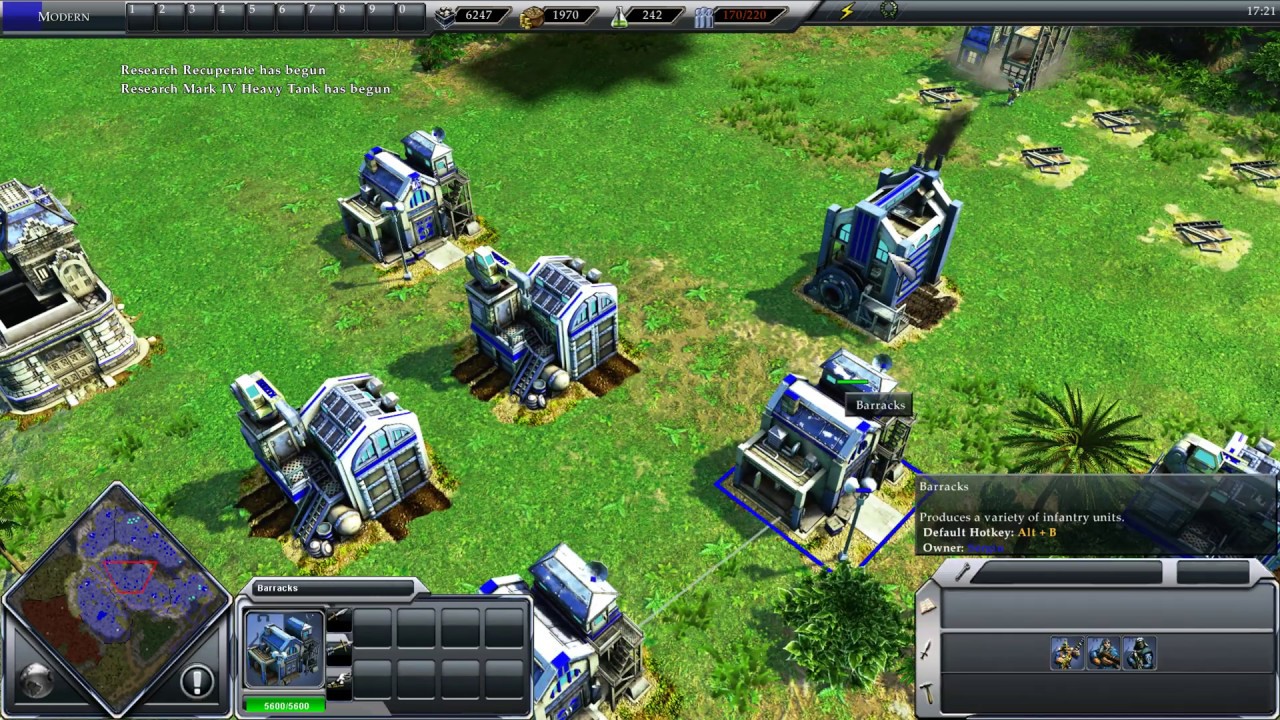
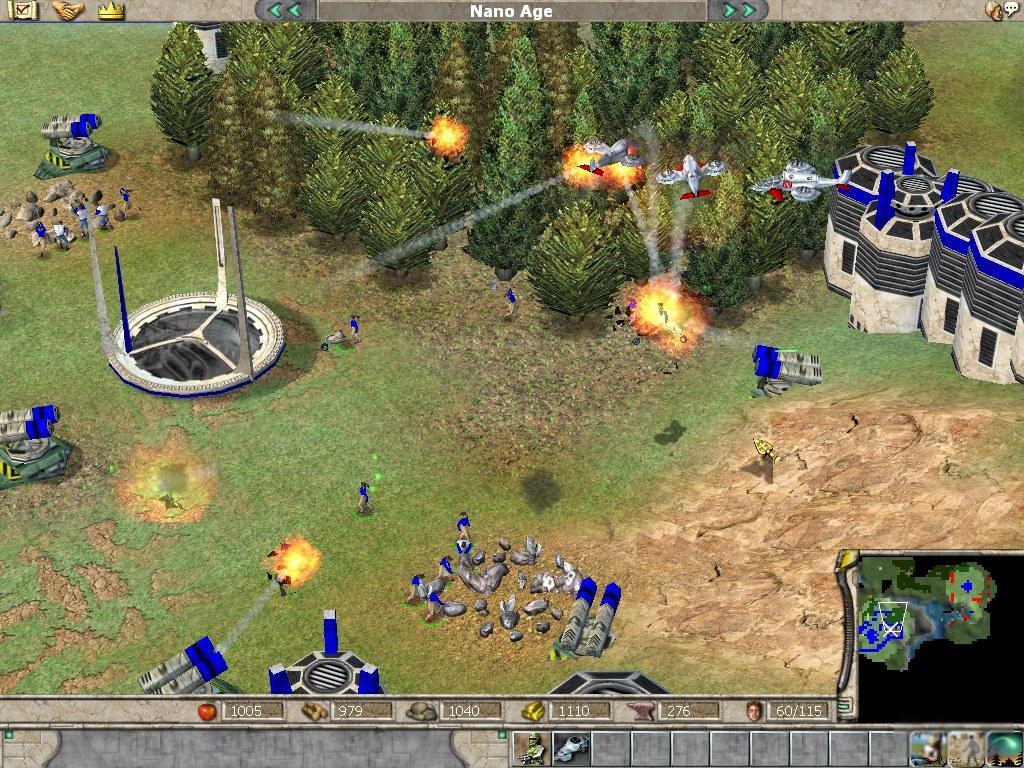
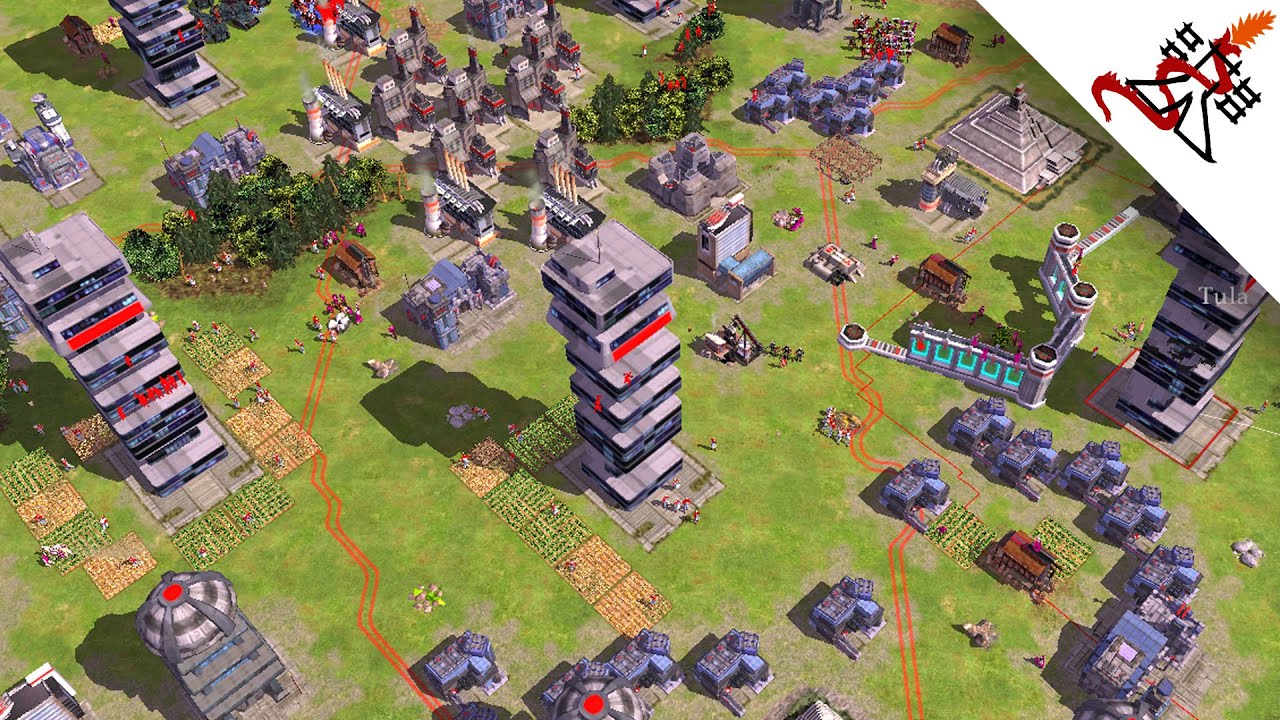
Empire Earth II leveraged the Gamebryo engine, a choice that allowed for a degree of flexibility in visual presentation. While not pushing the boundaries of graphical fidelity at the time, the game featured detailed unit models and environments representative of their respective historical periods. The developers focused on creating a sense of scale and grandeur, particularly evident in large-scale battles involving numerous units. The use of particle effects for smoke, fire, and water added to the immersive quality of the visuals. Optimization was crucial given the potential for massive unit counts, requiring careful attention to draw calls and resource management.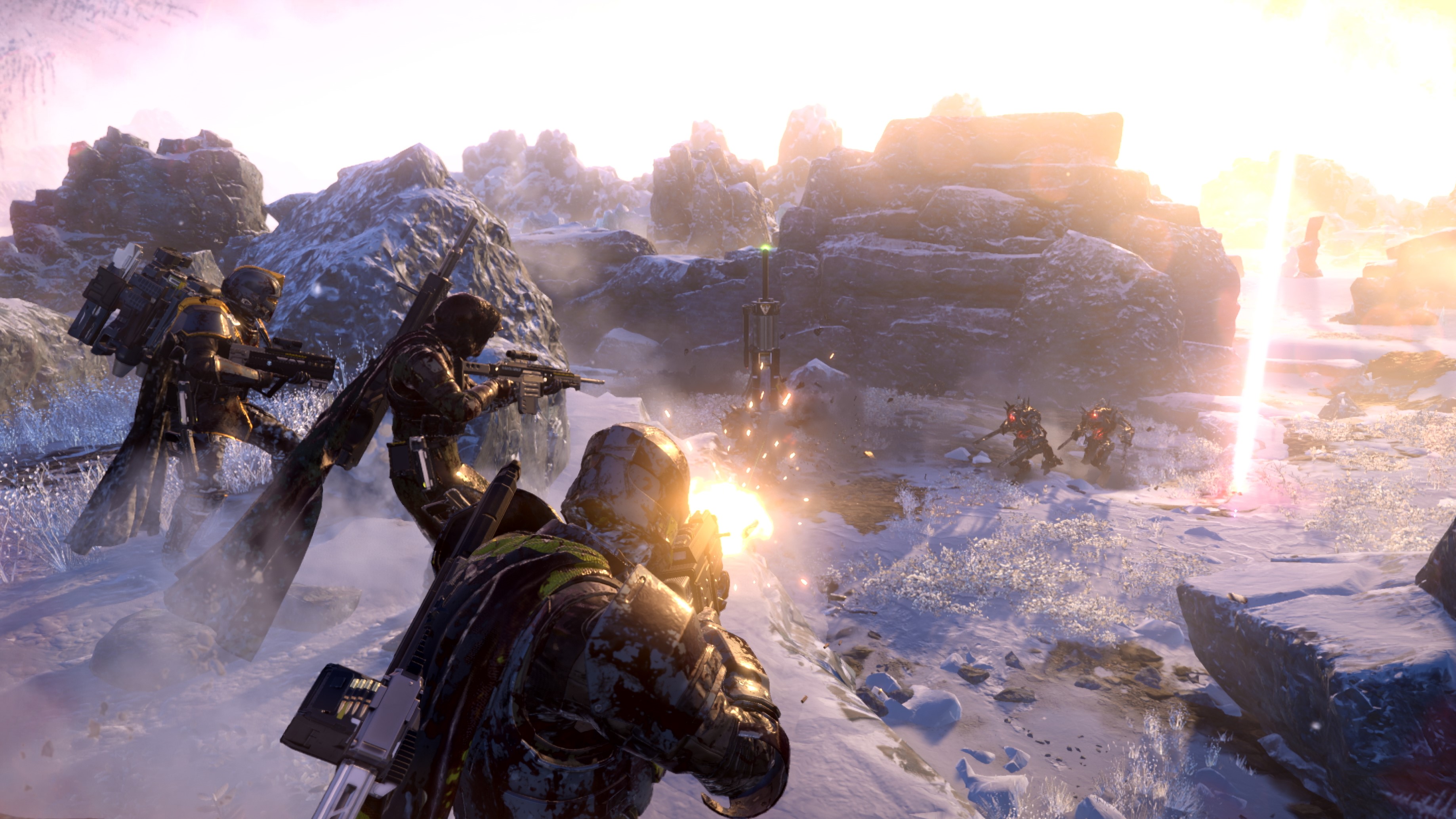
Gameplay Mechanics and Core Systems
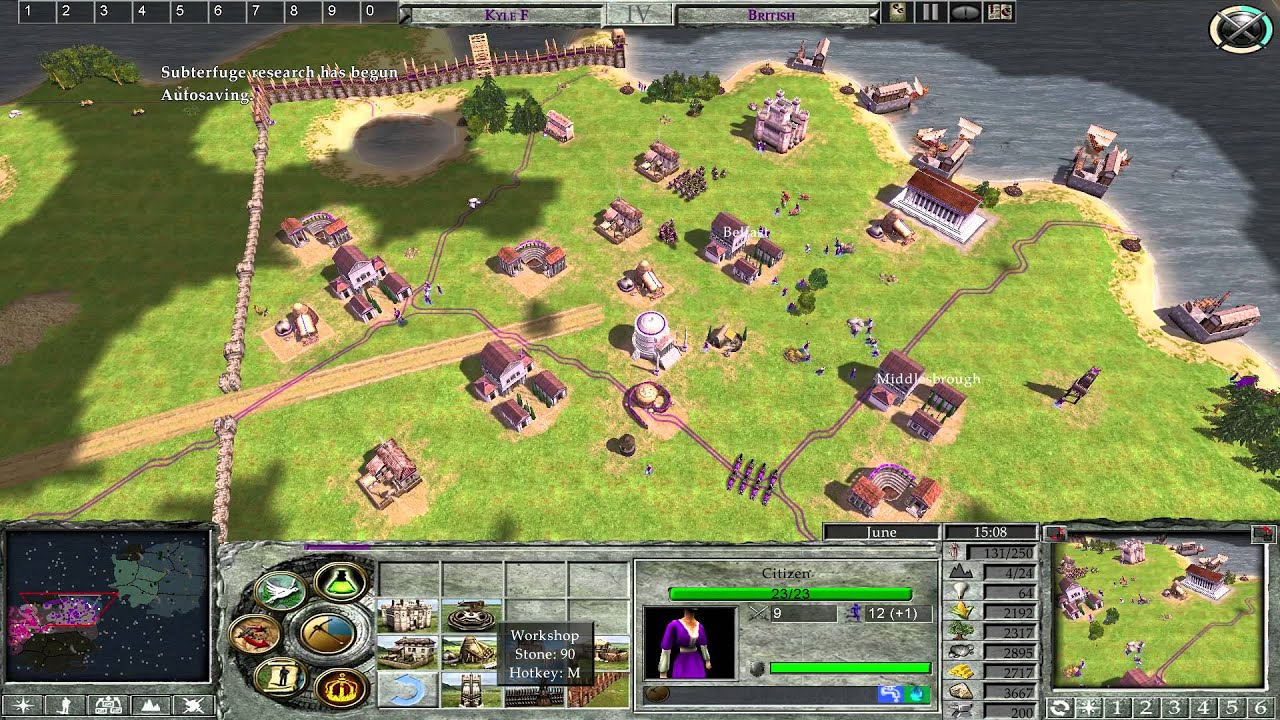
The core gameplay loop in Empire Earth II revolves around resource gathering, base building, technology advancement, and military conquest. Players manage populations, construct buildings, train units, research technologies, and engage in diplomacy with other civilizations. The "Citizen Manager" allowed for more granular control over individual unit behavior. A key innovation was the "War Planner," a strategic overview map facilitating coordinated attacks. The crown system introduced unique bonuses to players who achieved certain milestones, adding another layer of strategic depth.
Level Design and World Atmosphere
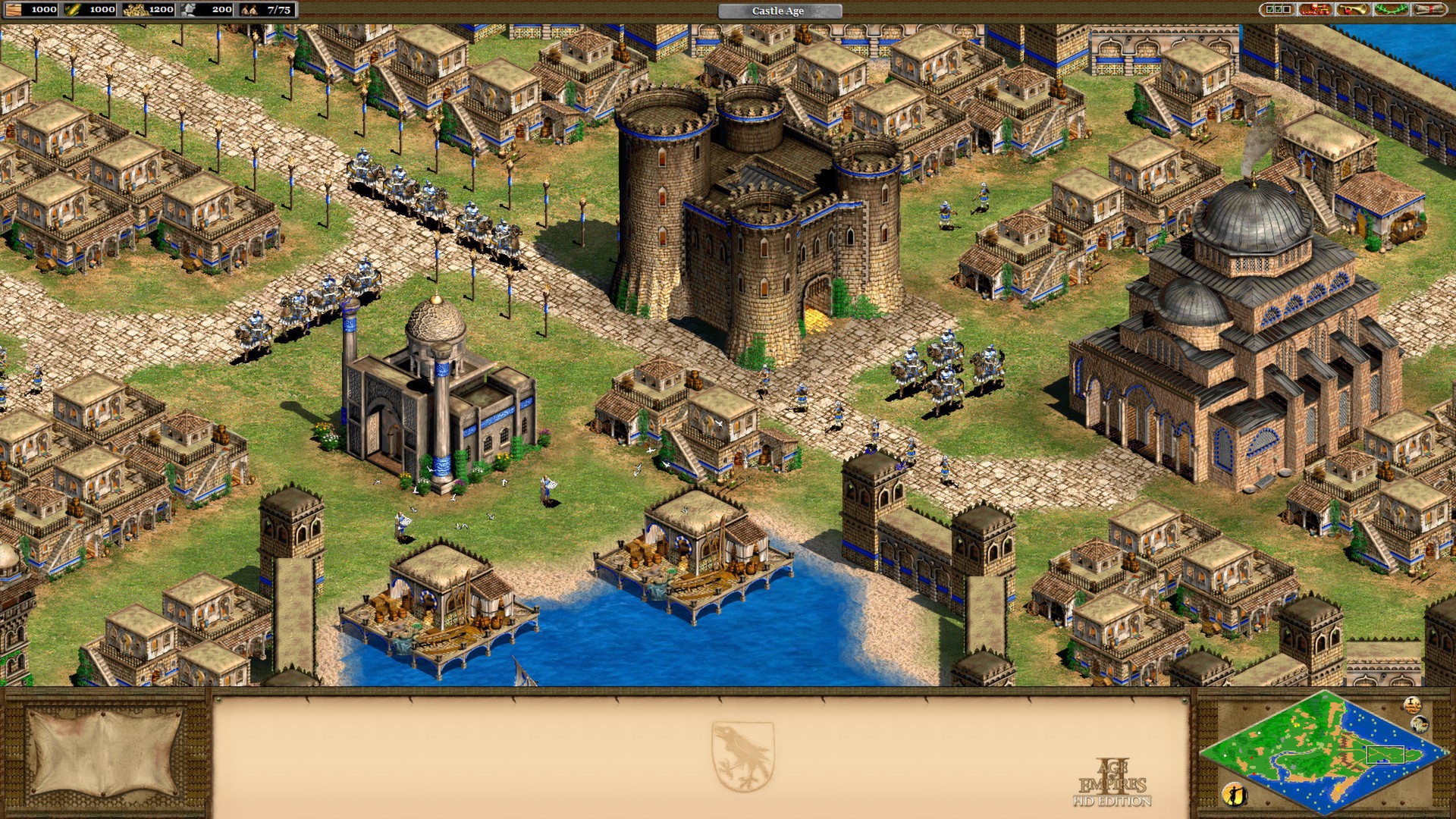
The game's level design varied significantly depending on the epoch and civilization being played. From lush prehistoric landscapes to sprawling medieval cities and modern industrial complexes, each environment was designed to reflect its historical context. The developers strived to create a sense of immersion by incorporating authentic architectural styles, flora, and fauna. The scale of the maps allowed for diverse tactical approaches, encouraging players to adapt their strategies based on the terrain and available resources.
Narrative Depth and Character Profiles
While primarily focused on gameplay, Empire Earth II incorporated narrative elements through its campaigns. These campaigns provided context for the historical events unfolding on screen, introducing key figures and exploring the motivations behind conflicts. The Korean, German, and American campaigns offered distinct perspectives on pivotal moments in history. While not as deeply character-driven as some strategy games, the narratives added a layer of engagement beyond pure military conquest.
Sound Design and Acoustic Realism
The sound design played a crucial role in enhancing the immersive quality of Empire Earth II. Authentic musical scores were composed for each epoch, reflecting the cultural influences of the time. Unit sounds, building construction noises, and environmental effects all contributed to creating a believable audio landscape. The use of directional audio helped players locate threats and track enemy movements on the battlefield.
Release Expectations and Community Hype
Empire Earth II entered a market already familiar with real-time strategy games, but it distinguished itself through its expansive scope and historical depth. Pre-release hype was fueled by promises of unprecedented control over civilizations and a vast array of units and technologies. The game's ability to seamlessly transition between epochs generated considerable excitement among fans of the genre.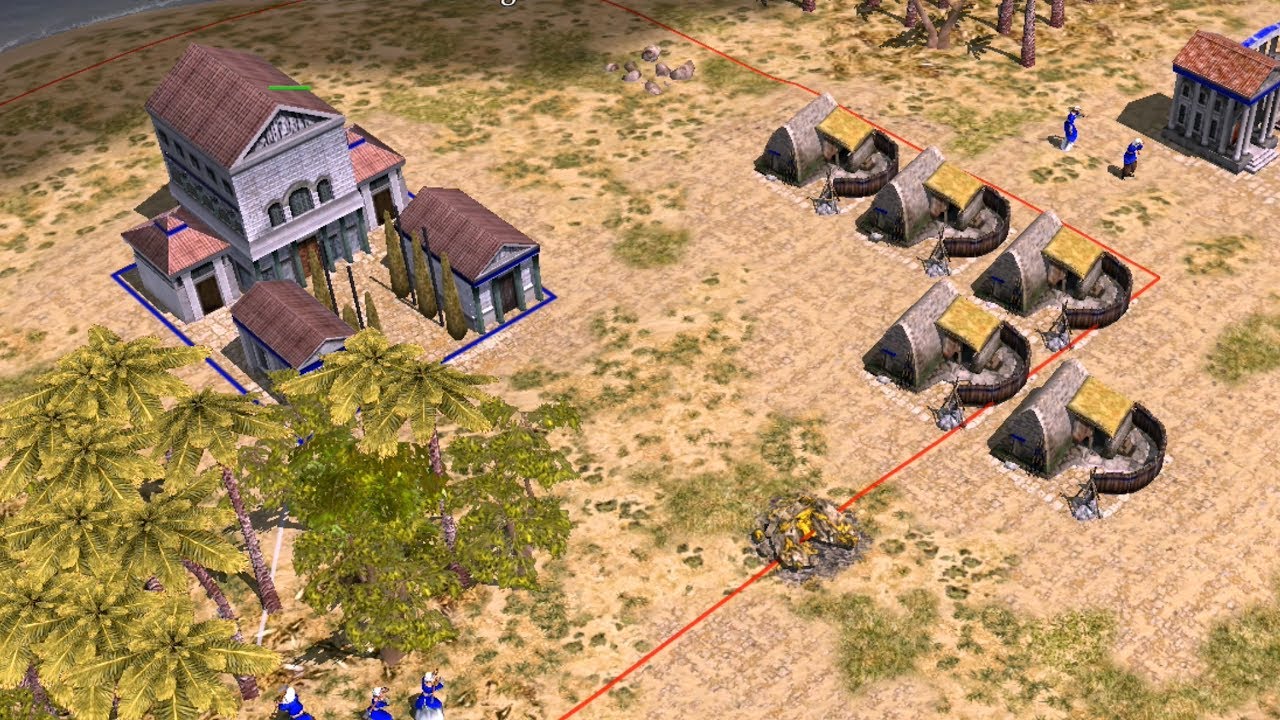
Conclusion: The Future of Empire Earth II
Empire Earth II, while not without its limitations, remains a significant entry in the real-time strategy landscape. Its expansive scope, historical depth, and innovative gameplay features continue to resonate with players. While future installments or reboots might explore new technologies and design philosophies, the legacy of Empire Earth II as a landmark title in the genre is undeniable.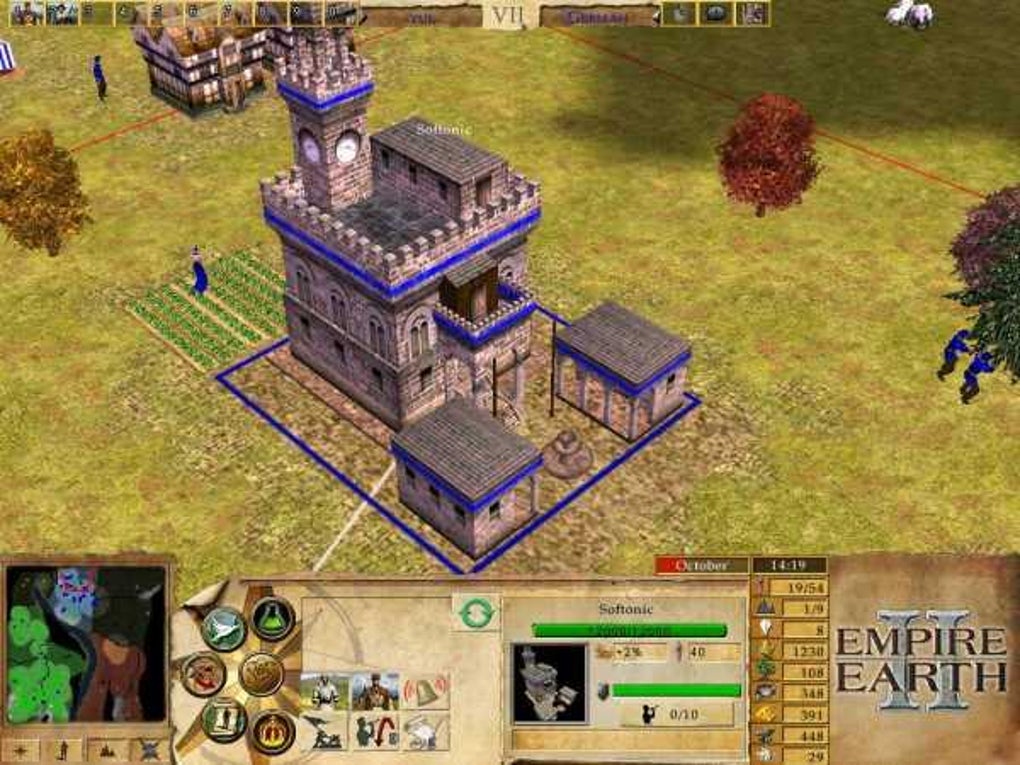
Source: Wikipedia
Google Preferred Source
Add us to your favorite news sources on Google
Get instant updates and breaking news directly in Google News