Introduction: The Next Chapter for Duck Game
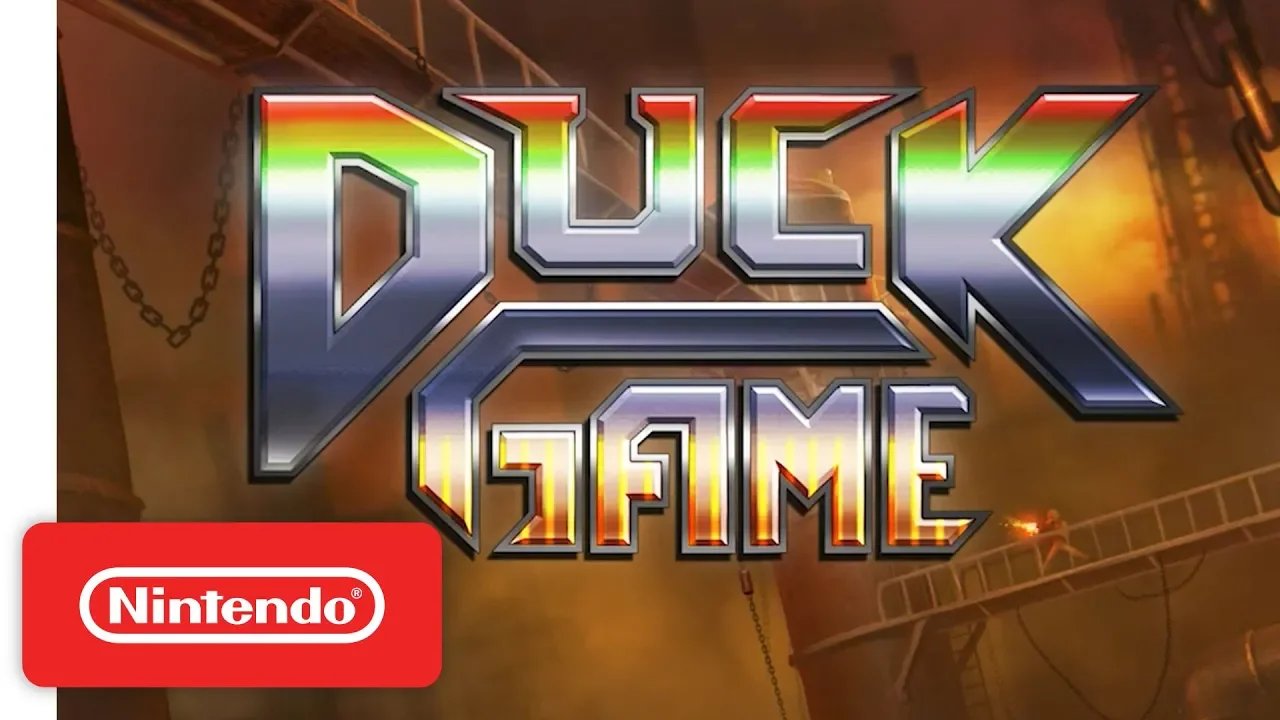
Duck Game, a quirky and chaotic 2D action game developed by Landon Podbielski, has carved out a unique space in the gaming landscape. Originally released in 2014 and later published by Adult Swim Games (2015-2024) before transitioning to Corptron in 2024, Duck Game’s blend of simple mechanics, unpredictable gameplay, and charmingly crude visuals has resonated with players seeking a break from the hyper-realistic trends dominating the industry. This Masterclass Deep-Dive will dissect every facet of Duck Game, from its engine architecture to its enduring appeal, exploring what makes it more than just a novelty title. We’re not just looking at *what* Duck Game is; we’re analyzing *why* it works.
Visual Direction and Graphics Engineering

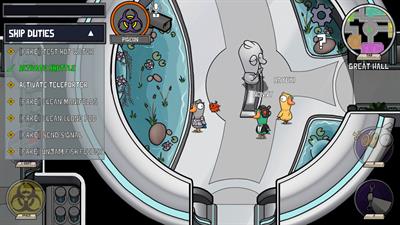
Duck Game’s visual style is deliberately retro and minimalist. The pixel art is simple yet expressive, conveying a surprising amount of personality despite the limited color palette and low resolution. This aesthetic choice was likely driven by both technical constraints (early development) and artistic vision. The game leverages its limitations to create a distinctive look that’s instantly recognizable. While seemingly basic, the animation is surprisingly fluid and detailed, adding to the overall charm. The “Next-Gen Engine,” while proprietary, likely utilizes techniques common in 2D game development, focusing on efficient sprite management and collision detection. Its success lies not in graphical fidelity but in its ability to create a visually engaging experience with minimal resources.
Gameplay Mechanics and Core Systems
The core gameplay loop of Duck Game is brutally simple: one-hit kills and constant chaos. This simplicity is both its strength and its weakness. The limited health pool forces players to be constantly aware of their surroundings and react quickly, leading to emergent gameplay moments that are often hilarious. The variety of weapons, ranging from shotguns and grenades to chainsaws and even sentient objects, adds another layer of unpredictability. Mastering the game requires not just skillful aiming but also an understanding of weapon properties and enemy behavior. The “strafe” mechanic is crucial for survival, allowing players to dodge incoming projectiles and reposition themselves strategically.
Level Design and World Atmosphere
Duck Game’s levels are compact and densely packed with hazards and opportunities. They encourage experimentation and reward creative solutions. While seemingly random, the level design often features hidden passages, interactive elements, and strategic chokepoints that can be exploited to gain an advantage. The game’s atmosphere is one of constant tension and impending doom, punctuated by moments of slapstick humor. The limited visual information adds to the sense of unease, forcing players to rely on their instincts and reflexes.
Narrative Depth and Character Profiles
While Duck Game doesn’t feature a traditional narrative structure, it possesses a surprising amount of character depth. The ducks themselves are not just blank avatars; they possess distinct personalities that are conveyed through their animations and reactions. The game world is filled with quirky characters and bizarre scenarios that hint at a larger, more complex story. This subtle storytelling adds another layer of intrigue for players who are willing to look beyond the surface chaos.
Sound Design and Acoustic Realism

The sound design in Duck Game is crucial to its overall impact. The combination of retro sound effects, quirky music, and voice acting creates a unique auditory experience that perfectly complements the game’s visuals. The sounds of gunfire, explosions, and duck quacks are instantly recognizable and contribute significantly to the game’s sense of humor. The audio cues also provide valuable information about enemy locations and incoming projectiles, helping players react quickly in tense situations.
Release Expectations and Community Hype

The transition from Adult Swim Games to Corptron marks a new chapter for Duck Game. While the core gameplay remains unchanged, this shift could potentially lead to new features, content updates, or even a sequel. The community’s enthusiasm for Duck Game is undeniable, with countless fan-made levels, mods, and artwork circulating online. This passionate fanbase provides a strong foundation for the game’s continued success.
Conclusion: The Future of Duck Game
Duck Game’s enduring appeal lies in its ability to deliver a unique and unforgettable gaming experience. Its simple mechanics, chaotic gameplay, and charmingly crude visuals have resonated with players seeking an alternative to the hyper-realistic trends dominating the industry. With the transition to Corptron, the future of Duck Game is full of possibilities, promising new content, updates, and potentially even a sequel. Whether it’s through continued support for existing platforms or exploration of new technologies, Duck Game has proven its ability to evolve and adapt, ensuring its place as a beloved classic for years to come.
Source: Wikipedia