Introduction: The Next Chapter for Dragon Age: Origins
Dragon Age: Origins, released in 2009 by BioWare and published by Electronic Arts, wasn’t just another RPG; it was a statement. A return to the roots of epic fantasy role-playing, drawing inspiration from classics like Baldur’s Gate and Neverwinter Nights while forging its own distinct identity. Set in the war-torn kingdom of Ferelden, players are thrust into a world brimming with political intrigue, ancient prophecies, and monstrous threats. The game allows for unprecedented player agency, shaping not only the protagonist but also the very fate of the realm through choices that resonate throughout the narrative. This deep dive will explore every facet of this landmark title, from its groundbreaking engine to its enduring legacy.
Visual Direction and Graphics Engineering
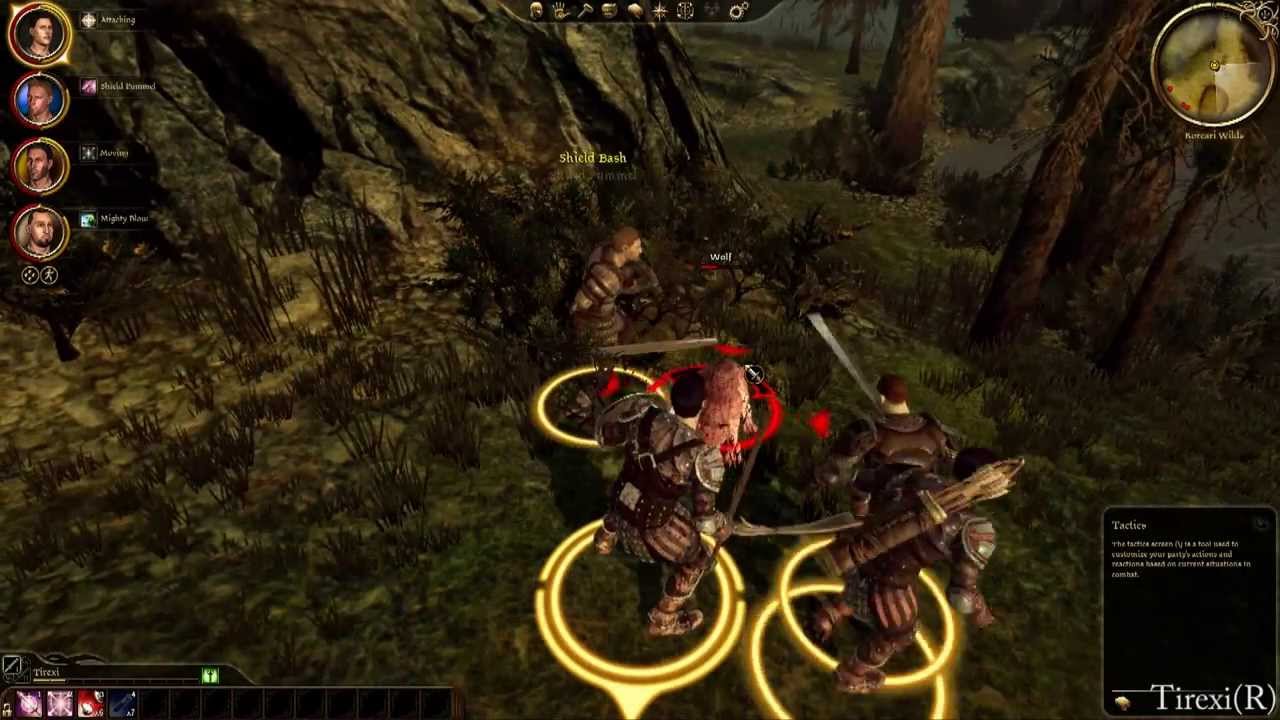
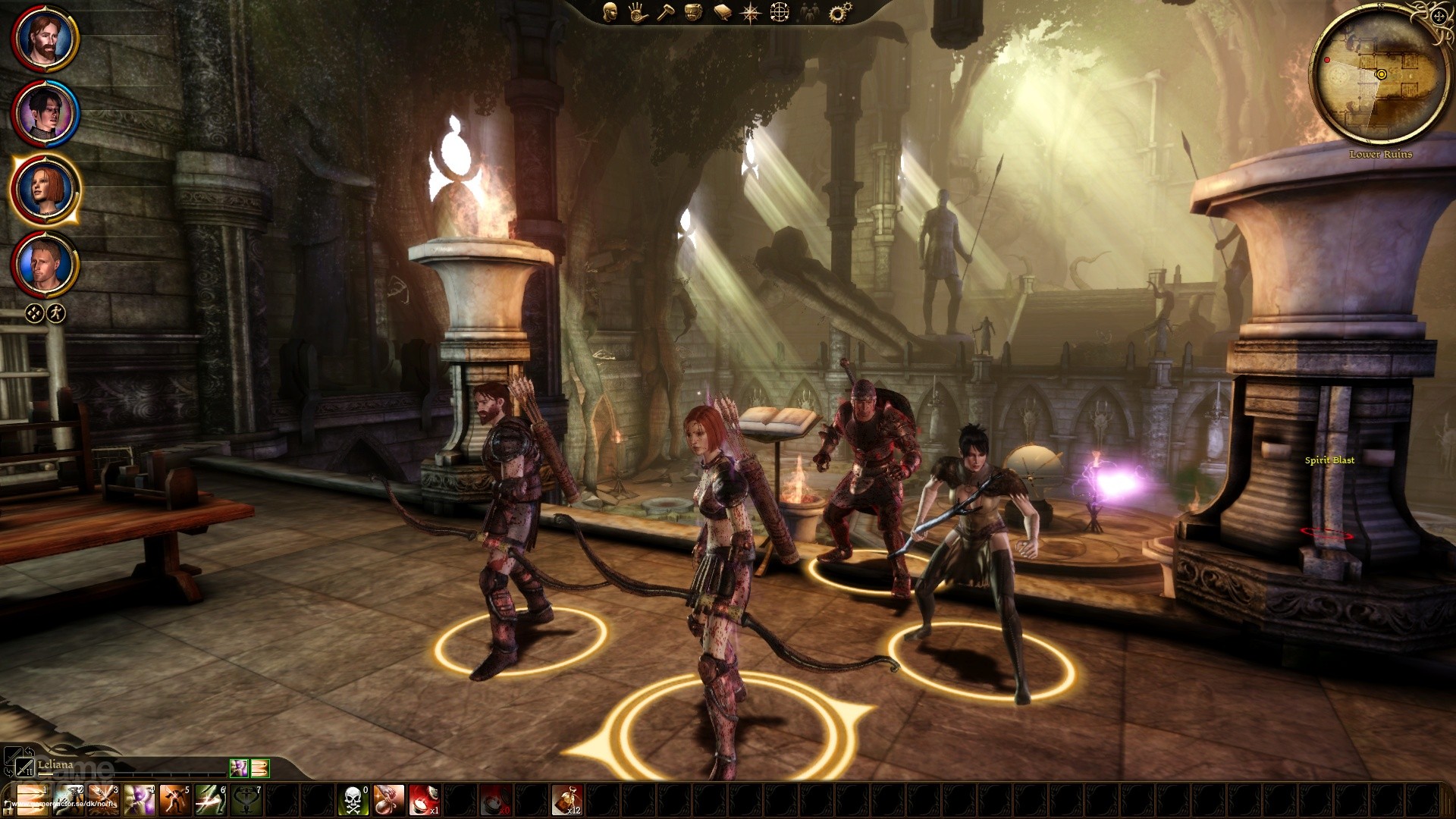
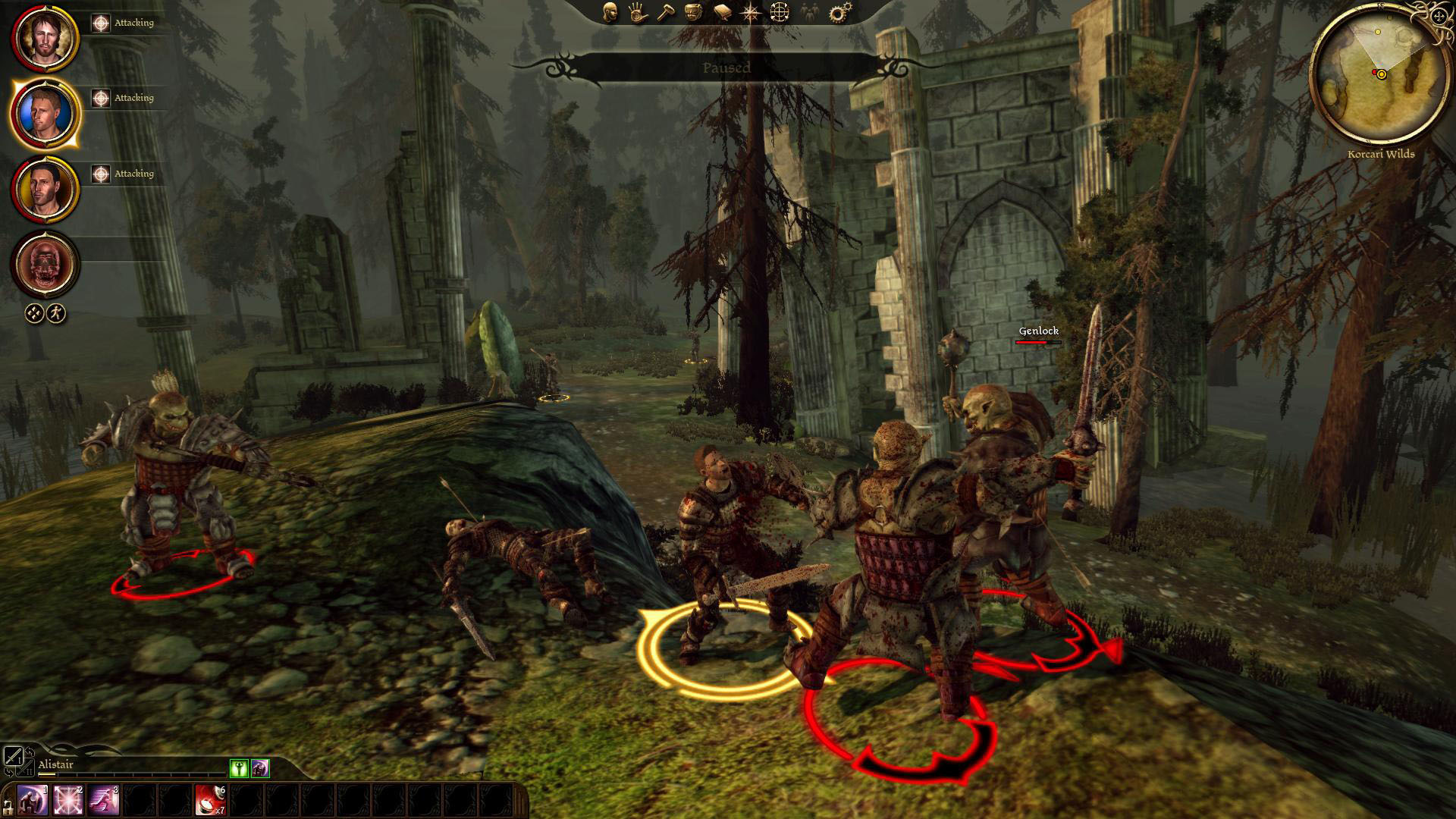
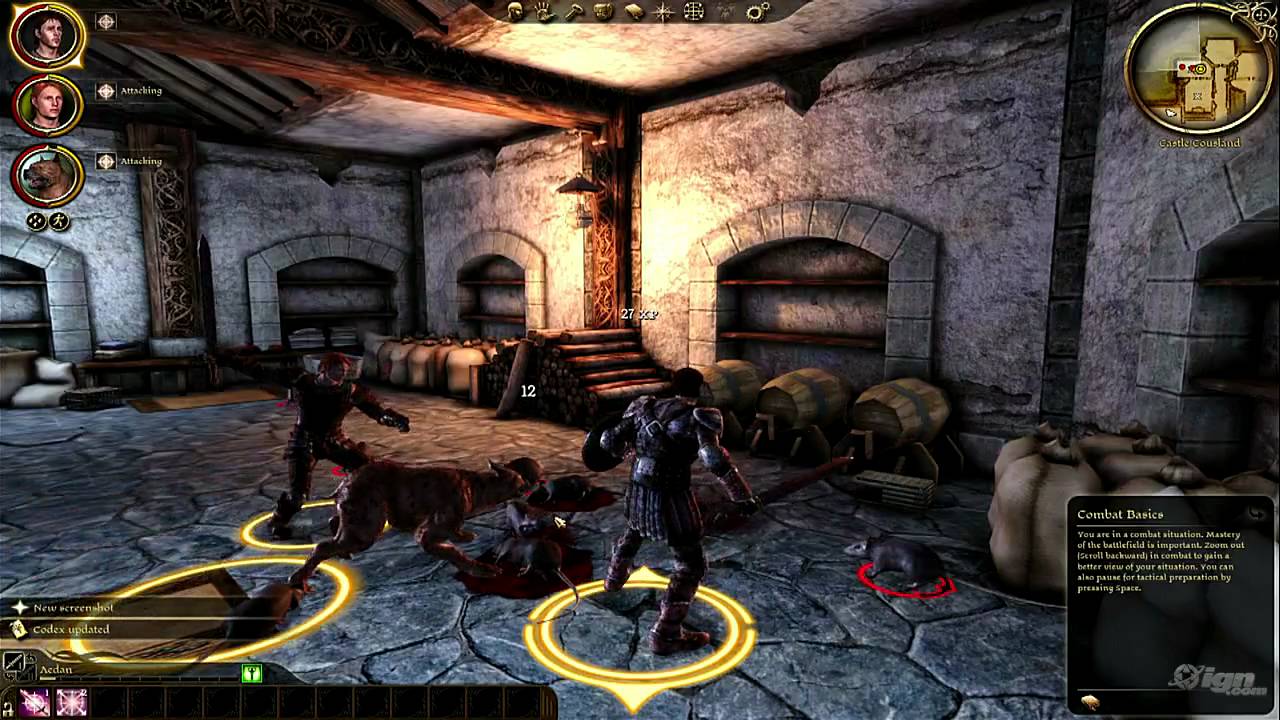
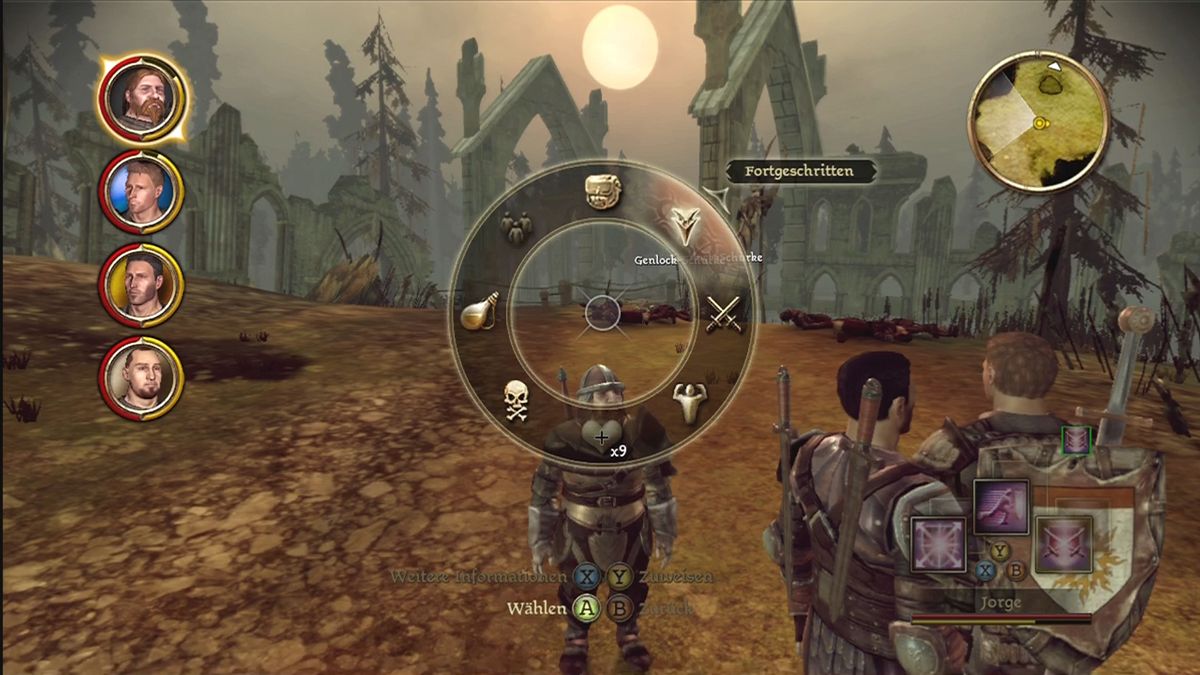
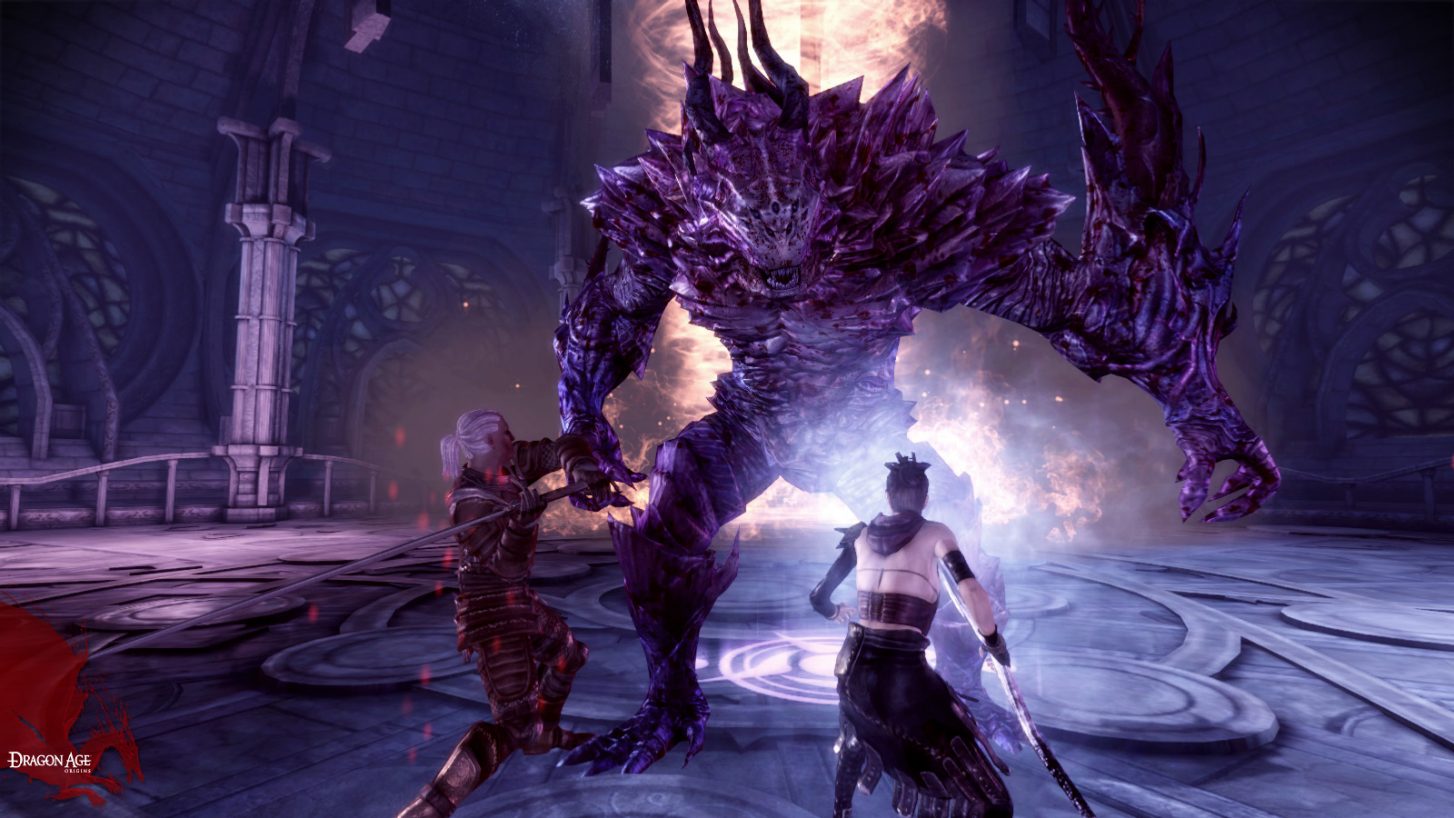
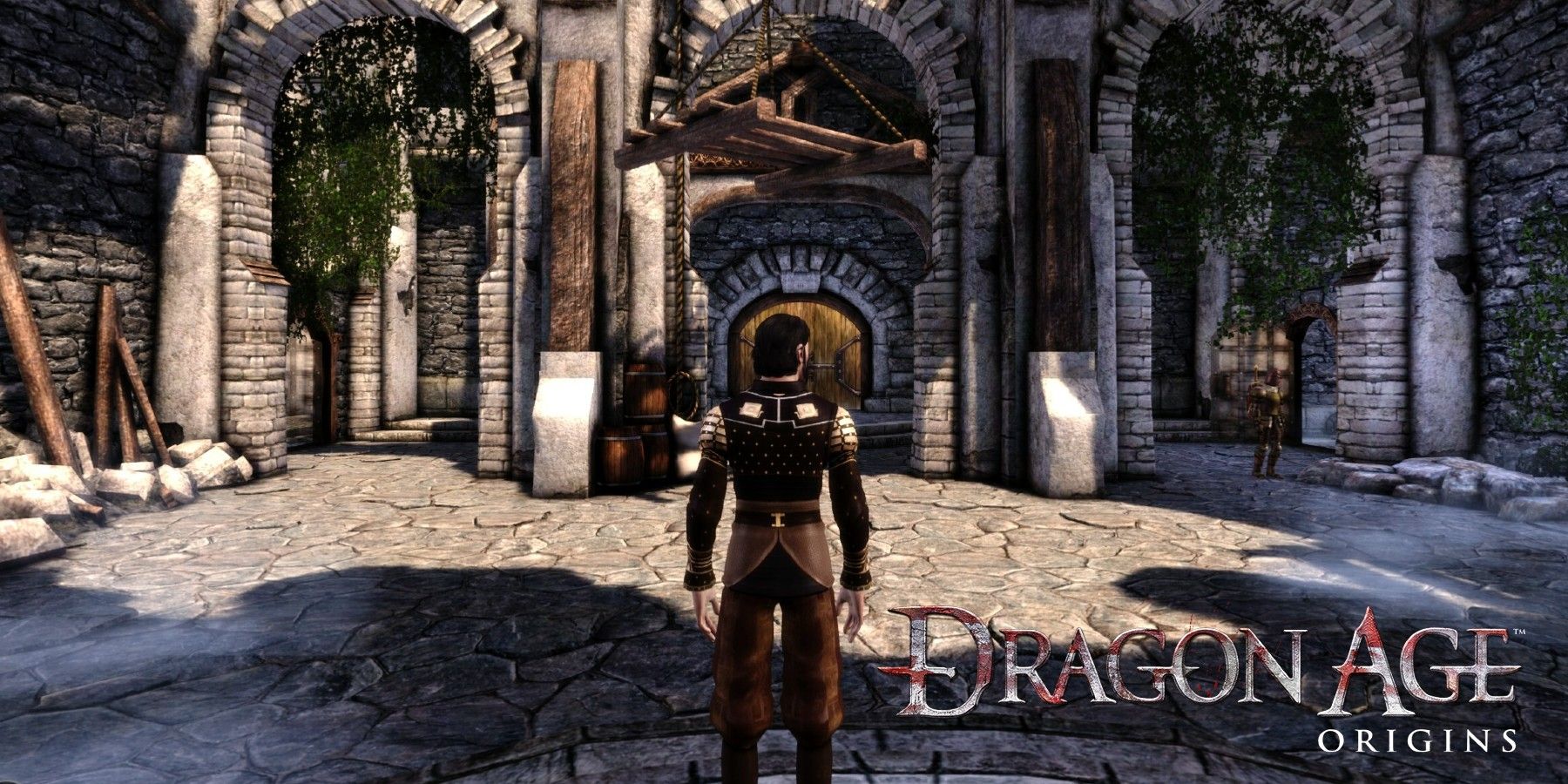
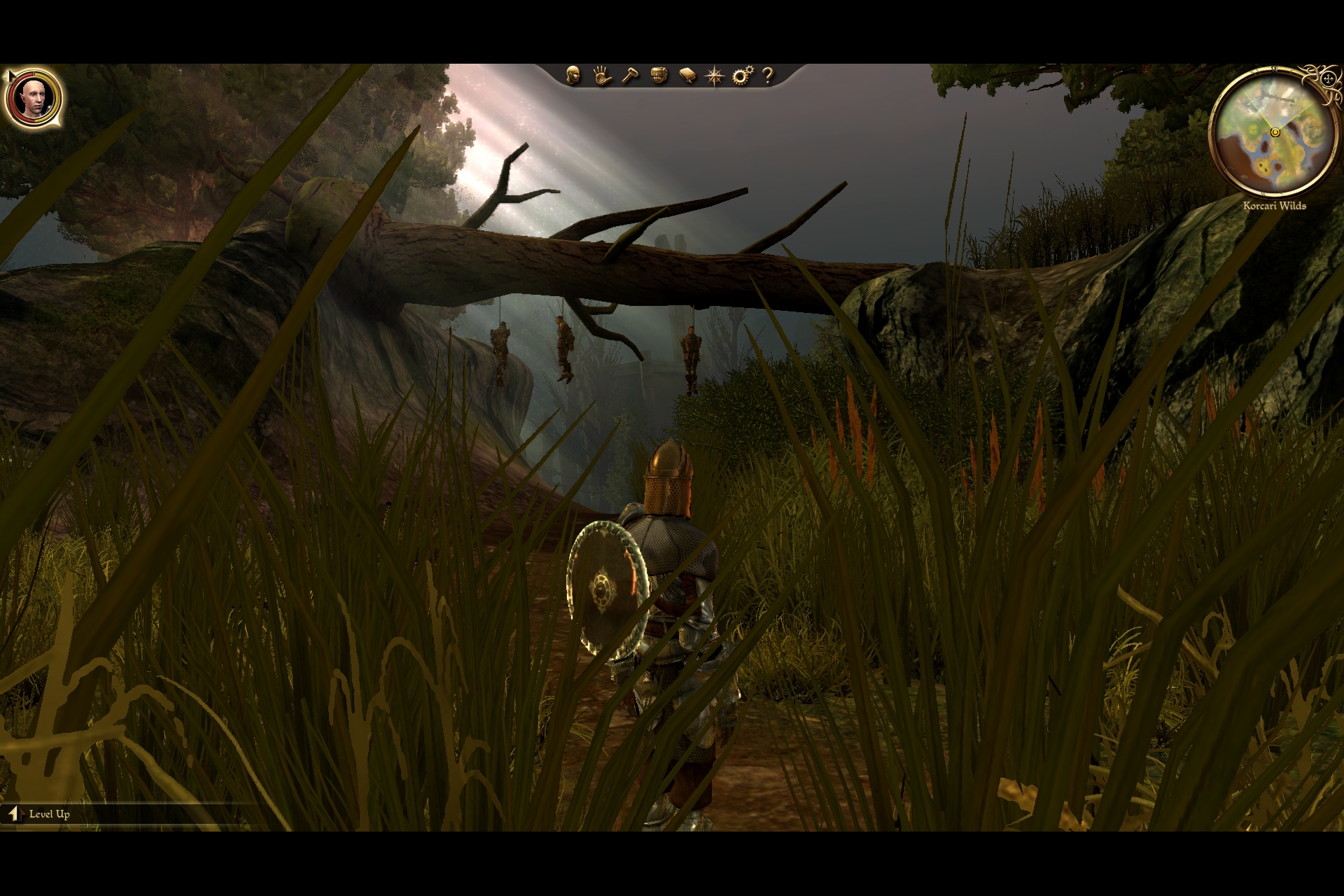
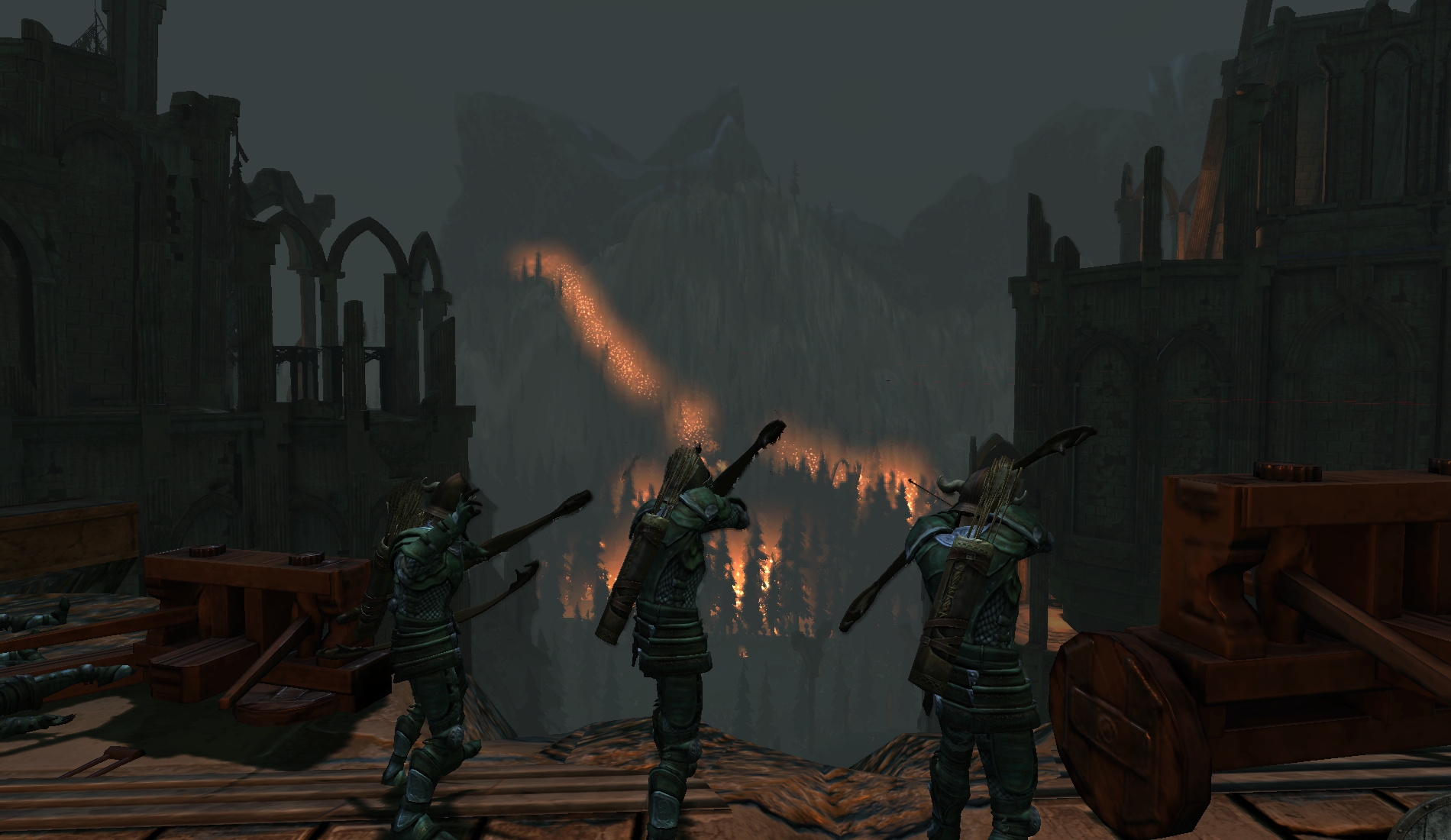
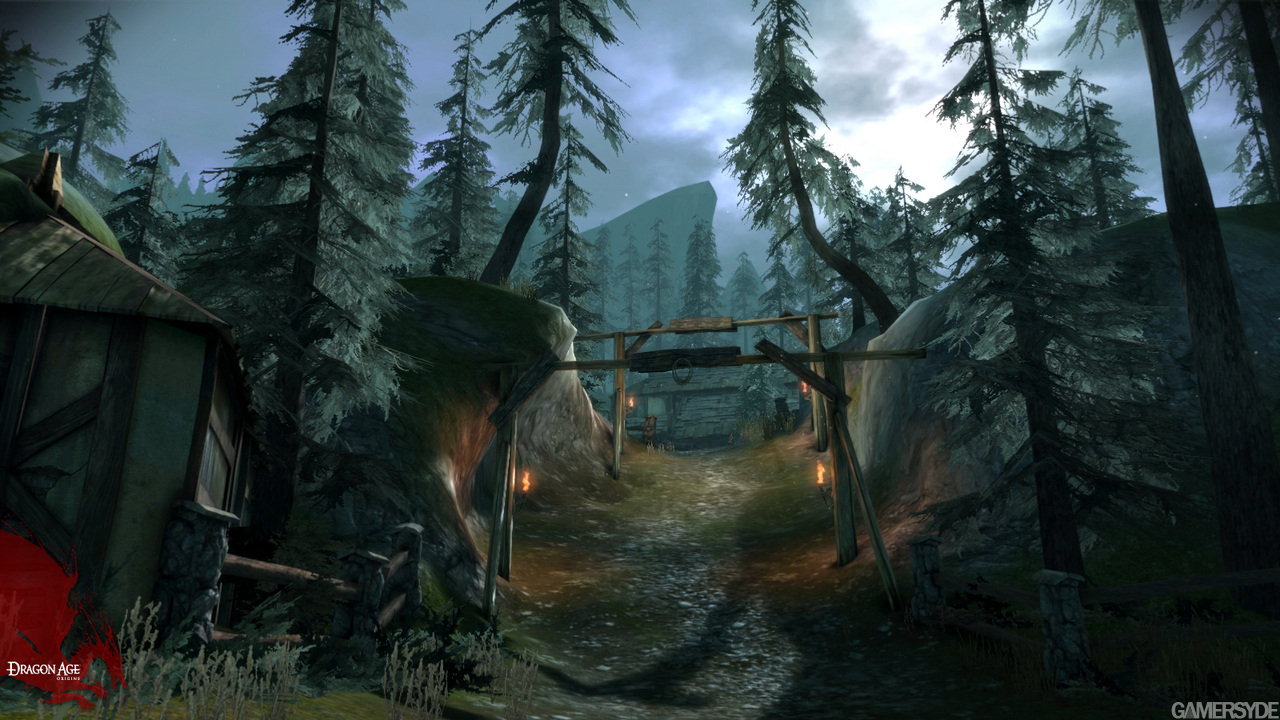
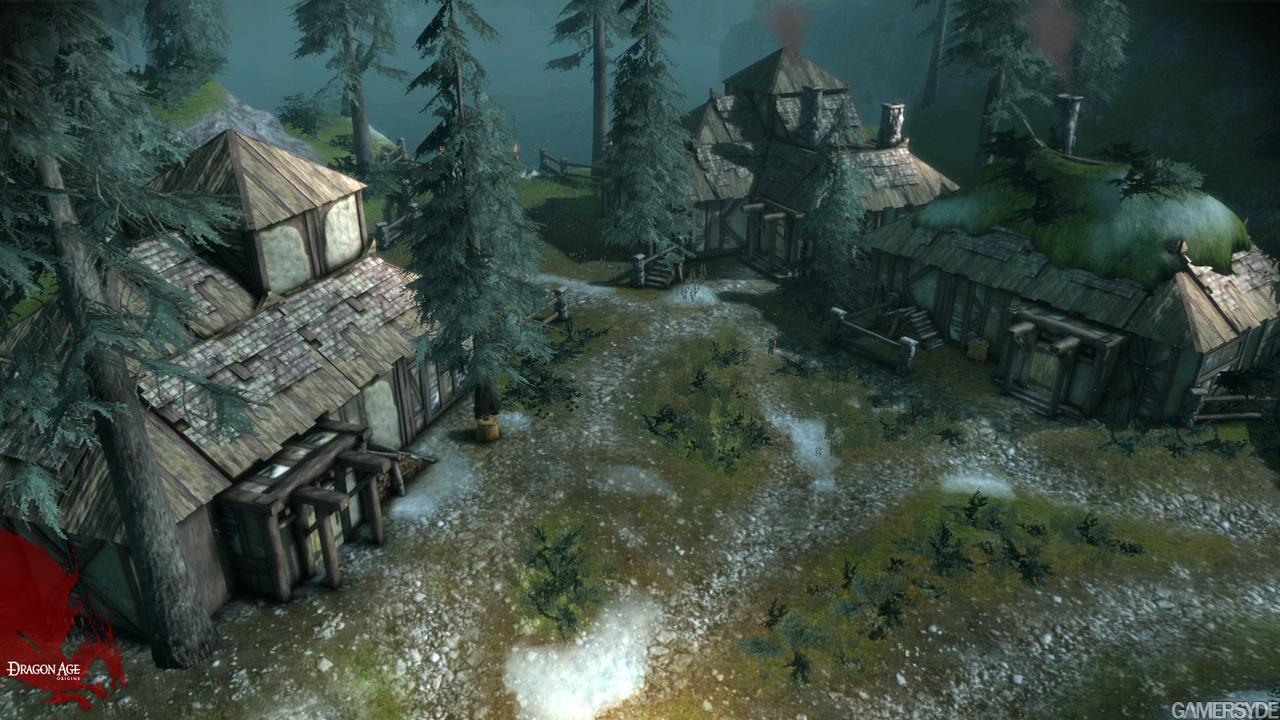
Dragon Age: Origins utilized BioWare’s proprietary Eclipse Engine, a significant upgrade over previous iterations. While not pushing graphical boundaries in the same way as some contemporaries, Eclipse delivered a distinctive visual style characterized by detailed character models, atmospheric environments, and dynamic lighting effects. The game’s art direction leaned heavily into a gritty realism, contrasting sharply with more stylized fantasy titles of the era. This commitment to detail extended to the user interface, which provided clear and concise information without overwhelming the player. While the graphics may appear dated by today’s standards, they remain evocative and contribute significantly to the overall immersive experience. The engine’s flexibility allowed for a wide range of environmental designs, from lush forests to imposing castles, each meticulously crafted to enhance the game’s atmosphere.
Gameplay Mechanics and Core Systems
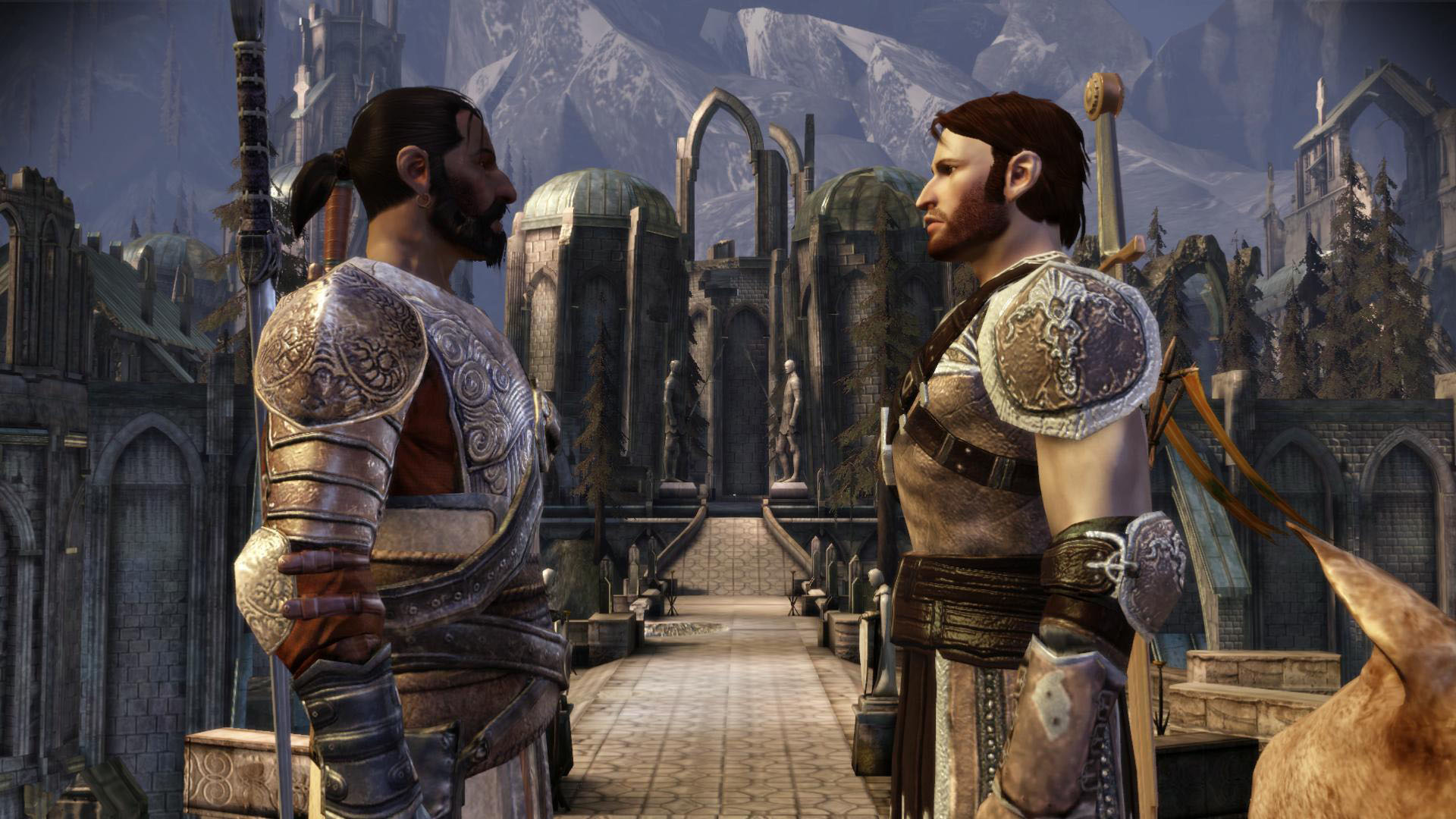
At its heart, Dragon Age: Origins is a party-based RPG with real-time combat that can be paused for tactical commands. The game features a robust character creation system, allowing players to choose from various races (human, elf, dwarf) and classes (warrior, mage, rogue), each offering unique abilities and playstyles. The “Grey Warden” origin story provides a compelling narrative hook, immediately immersing the player in the world’s lore and conflicts. A key element of the gameplay is the companion system; each character possesses their own motivations, backstories, and personal quests, adding depth and complexity to the party dynamic. Dialogue choices significantly impact relationships with companions, influencing both combat effectiveness and story progression. The game also incorporates a morality system, where decisions made throughout the adventure shape the protagonist’s alignment and influence the reactions of NPCs.
Level Design and World Atmosphere
The world of Ferelden is brought to life through meticulously crafted level designs that emphasize exploration and discovery. From the sprawling forests of the Dales to the imposing architecture of Ostagar, each location feels distinct and authentic. The game encourages players to venture off the beaten path, rewarding curiosity with hidden treasures, challenging encounters, and glimpses into the world’s rich history. Environmental storytelling is a key element, with details in the surroundings often revealing crucial information about past events or foreshadowing future conflicts. The level design also plays a vital role in pacing the gameplay, alternating between moments of intense combat and periods of exploration and dialogue.
Narrative Depth and Character Profiles
Dragon Age: Origins boasts a narrative that is both epic in scope and deeply personal in its focus on individual characters. The main storyline revolves around the threat of the Blight, a monstrous invasion led by the Archdemon, but it’s the interwoven stories of the companions that truly elevate the experience. Each character has their own motivations, flaws, and aspirations, making them feel like fully realized individuals rather than mere archetypes.
The game explores themes of prejudice, political corruption, and the burden of responsibility, adding layers of complexity to the narrative. Player choices have a profound impact on the story’s outcome, leading to multiple endings that reflect the decisions made throughout the adventure.
Sound Design and Acoustic Realism
The sound design in Dragon Age: Origins is crucial to creating an immersive experience. The game features a sweeping orchestral score composed by Inon Zur, which perfectly complements the epic scope of the narrative. Environmental sounds are meticulously crafted to create a sense of realism, from the rustling leaves in the forests to the clashing steel in combat. Voice acting is top-notch, with each character brought to life by talented performers who capture their personalities and emotions. The sound design also plays a vital role in creating tension and atmosphere, particularly during moments of peril or discovery.
Release Expectations and Community Hype
Prior to its release, Dragon Age: Origins generated significant hype within the gaming community. BioWare had a strong reputation for delivering high-quality RPGs, and the promise of a deep, immersive experience set in a unique fantasy world was enough to capture the attention of many players. The game’s marketing campaign emphasized its focus on player choice and character development, highlighting its potential for replayability. Upon release, Dragon Age: Origins largely lived up to expectations, earning critical acclaim for its engaging story, well-developed characters, and strategic combat system.
Conclusion: The Future of Dragon Age: Origins
Dragon Age: Origins remains a landmark title in the RPG genre, celebrated for its compelling narrative, memorable characters, and strategic gameplay. While newer installments have expanded upon the world and mechanics introduced in the original, it is the foundation laid by Dragon Age: Origins that continues to resonate with players today. The game’s enduring legacy is a testament to the power of immersive storytelling and the importance of player agency in creating truly unforgettable gaming experiences.


Source: Wikipedia